Founding of Puerto Cortés
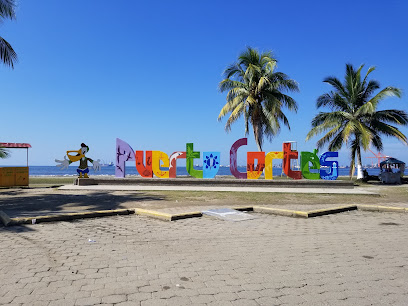
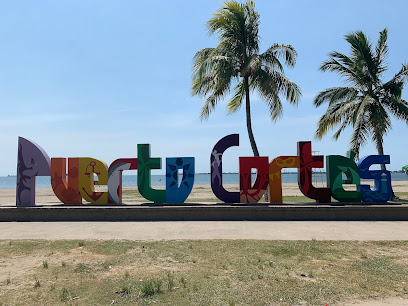
Puerto Cortés, originally known as Puerto de Caballos, was founded in 1524 by Spanish conquistador Hernán Cortés. The name was later changed to Puerto Cortés in honor of its founder. The port quickly became a significant point for Spanish colonization and trade in the region, serving as a pivotal entryway for goods and settlers coming into Central America.
Strategic Military Location
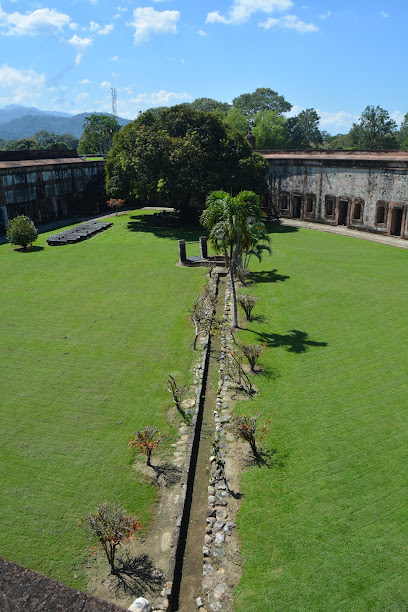
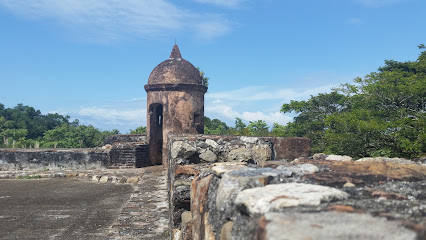
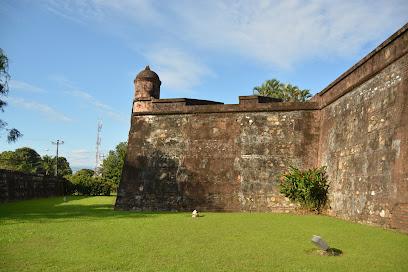
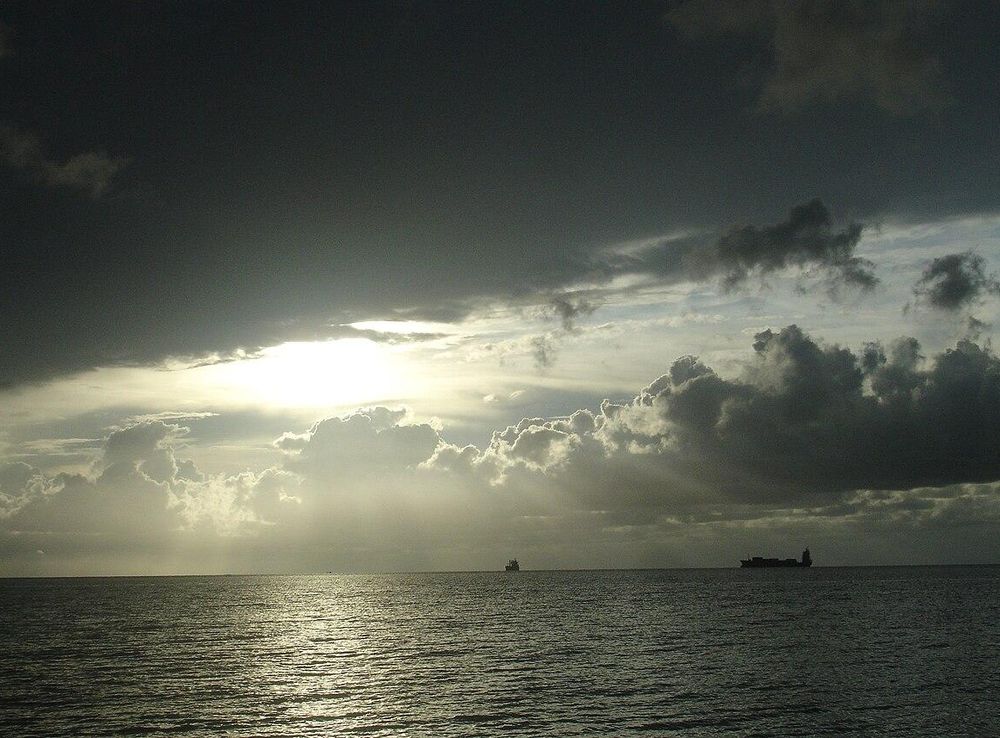
During the colonial period, Puerto Cortés was of strategic military importance due to its natural deep-water harbor. The Spanish built fortifications to protect the port from pirate attacks and rival colonial powers. The remnants of these fortifications can still be seen today, offering a glimpse into the port's military past.
Economic Boom and Banana Trade
In the late 19th and early 20th centuries, Puerto Cortés experienced an economic boom due to the banana trade. The United Fruit Company established significant operations in the area, making the port one of the busiest in Central America. This period saw an influx of workers and the development of infrastructure, which contributed to the city's growth.
Modernization and Industrialization
The mid-20th century marked a period of modernization and industrialization for Puerto Cortés. The Honduran government invested in port facilities, expanding its capacity to handle increased commercial activity. Industrial zones were established, attracting foreign investment and fostering economic development in the region.
Cultural Melting Pot
Puerto Cortés is known for its rich cultural diversity, influenced by the various ethnic groups that have settled in the area over the centuries. The Garifuna community, with its unique Afro-Caribbean heritage, plays a significant role in the cultural landscape. Traditional music, dance, and cuisine reflect this vibrant cultural mix, making Puerto Cortés a hub of cultural activity.
Environmental Initiatives
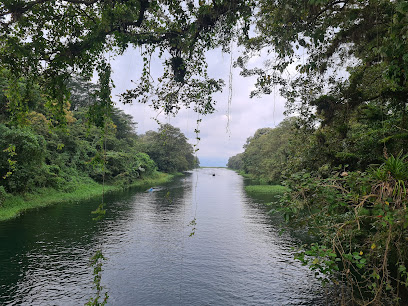
In recent years, Puerto Cortés has taken significant steps toward environmental sustainability. Efforts to protect the coastal and marine ecosystems have been implemented, including mangrove restoration projects and marine conservation programs. These initiatives aim to preserve the natural beauty of the area while promoting eco-tourism and sustainable development.
Tourism Development
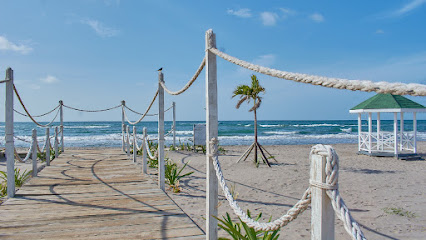
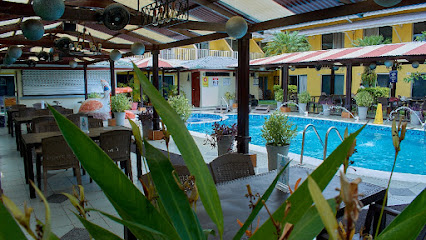
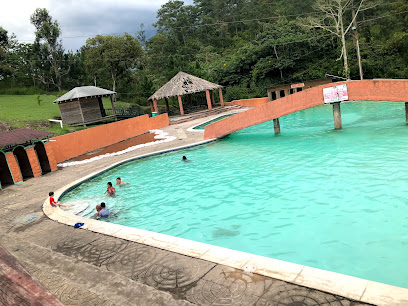
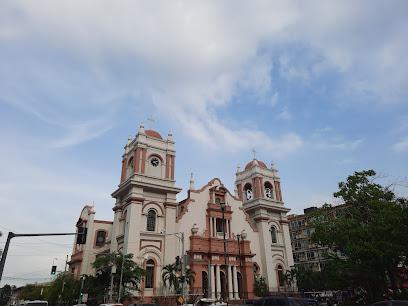
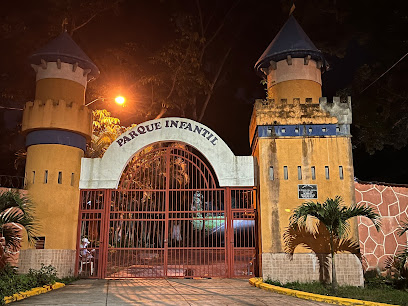
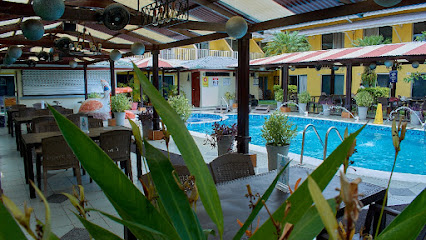
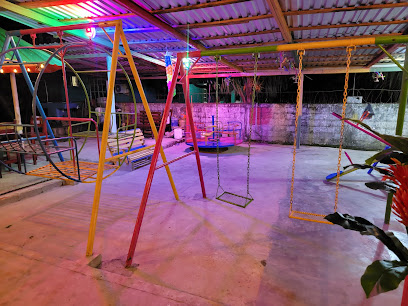
Tourism has become an increasingly important sector for Puerto Cortés. The city's beautiful beaches, historical sites, and vibrant culture attract visitors from around the world. Investments in tourism infrastructure, such as hotels and recreational facilities, have enhanced the city's appeal as a travel destination. Cultural festivals and events showcase the rich heritage of Puerto Cortés, offering unique experiences for tourists.