

Free Puerto Barrios Travel Guide & Mobile App
Plan your Puerto Barrios trip with Evendo. Get free guides to top attractions, restaurants, hotels, and bars. Web access or download the mobile app.


Puerto Barrios, Guatemala, pairs Caribbean port history with seafood, Garifuna culture, tropical waterways and access to Izabal’s forests, bays and Mayan heritage.
Port, Bay and Tropical Lowlands
Puerto Barrios occupies a low, humid shoreline on Amatique Bay in Guatemala’s eastern department of Izabal. The city is less a preserved colonial centre than a working Caribbean port, where cargo activity, fishing boats, modest commercial streets and waterfront life reflect its practical relationship with the sea. Coconut palms, mangroves and forested hills surround the urban area, while the broad bay opens towards Livingston, Punta de Manabique and the Caribbean coast.Read more about Puerto Barrios
Railway and Port Heritage
Caribbean Culture and Natural Surroundings
When is the best time to visit Puerto Barrios?
Best: July–September · 27°C| Month | High (°C) | Rainfall (mm) |
|---|---|---|
| January | 27 | 80 |
| February | 27 | 71 |
| March | 27 | 59 |
| April | 27 | 37 |
| May | 28 | 27 |
| June | 28 | 21 |
| July (best) | 27 | 19 |
| August (best) | 27 | 19 |
| September (best) | 27 | 21 |
| October | 27 | 27 |
| November | 27 | 37 |
| December | 27 | 59 |
Getting to and around Puerto Barrios
How to get there
Transportation
Best attractions in Puerto Barrios
Puerto Barrios offers a different sightseeing experience from Guatemala’s colonial highland towns, with its appeal centred on the Caribbean coast, working port and access to nature. The waterfront and central streets provide an introduction to the city’s trading character, while traces of railway and port history help explain its rise during Guatemala’s export era. Boat journeys across Amatique Bay lead towards Livingston, where Garifuna cultural traditions and coastal scenery provide a contrasting experience. Nature-focused visitors can explore the protected Punta de Manabique peninsula, known for beaches, mangroves and marine habitats, or arrange excursions into the forested Cerro San Gil area. The Río Dulce and Castillo de San Felipe de Lara are regional excursions rather than city attractions, but they are among the most significant experiences available from Puerto Barrios. Local markets, seafood restaurants and everyday harbour activity add texture to a visit that is more about landscape, mobility and Caribbean life than a concentrated collection of monuments.
-
Tourist attraction
Playa Blanca
Escape to Playa Blanca, a pristine white-sand beach on Guatemala's Caribbean coast, offering relaxation and natural beauty.
53 min drive · 33 km from city centre
-
Park
Parque Reina Barrios
Experience tranquility in the heart of Puerto Barrios at Parque Reina Barrios, a green oasis for relaxation and local culture.
10 min walk · 0.8 km from city centre
-
National reserve
Ensenada Verde
Discover Ensenada Verde, a hidden Caribbean treasure in Guatemala, where tropical rainforest meets the sea, offering kayaking, hiking, and serene beauty.
16 min drive · 5.2 km from city centre
-
Tourist attraction
Islote de Julio
Discover a quiet escape on Islote de Julio, a tiny island near Puerto Barrios, Guatemala.
11 min drive · 3.6 km from city centre


Best landmarks in Puerto Barrios
Puerto Barrios’s landmarks are connected chiefly with transport, commerce and civic development rather than a preserved colonial architectural ensemble. The city’s central grid and waterfront reflect the planned expansion that accompanied the late nineteenth-century port project, while surviving railway-related structures and traces of the old Atlantic transport system recall the era when trains carried export goods towards the Caribbean. Santo Tomás de Castilla, within the same municipality but distinct from the city centre, is defined by its modern commercial harbour and illustrates the continuing importance of maritime trade. The bay itself is also a defining natural landmark, shaping the city’s economy, views and connections with Livingston and the coast. For historic architecture on a larger scale, visitors usually travel farther afield to Castillo de San Felipe de Lara on the Río Dulce; the fortress is a regional excursion, not a Puerto Barrios landmark, but it places the port city within Izabal’s wider history of Caribbean defence and trade.
-
Hotel
Amatique Bay Hotel
Discover the beauty and luxury of Amatique Bay Hotel, a tropical paradise in Guatemala's Caribbean coast, perfect for relaxation and adventure.
9 min drive · 2.9 km from city centre
-
Tourist attraction
Muelle Municipal
Experience the vibrant culture and stunning views of Muelle Municipal, the heart of Puerto Barrios, where local life meets Caribbean charm.
9 min walk · 0.7 km from city centre
-
Grill
MUELLE 17
Experience the best of Guatemalan cuisine at Muelle 17, where delicious grilled dishes meet stunning ocean views in Puerto Barrios.
8 min walk · 0.7 km from city centre
-
Park
Parque Reina Barrios
Discover the tranquil beauty of Parque Reina Barrios, a lush park in Puerto Barrios offering serene paths, vibrant flora, and local cultural events.
10 min walk · 0.8 km from city centre


Explore Puerto Barrios on the map
Plan your Puerto Barrios trip on one map. See where the top attractions, landmarks, restaurants, bars and hotels are, find what's near where you're staying, and book hotels and experiences in a few clicks.
Best hotels in Puerto Barrios
Best restaurants in Puerto Barrios
Puerto Barrios’s food reflects its position between Guatemala’s interior and the Caribbean, with seafood, coconut, plantain and rice playing prominent roles. Tapado, a coastal soup made with fish or seafood, coconut milk and plantain, is associated with the wider Izabal region, while rice and beans, fried plantain, grilled fish and ceviche are common coastal choices. Q’eqchi’ Maya, Garifuna, Afro-Caribbean and mestizo influences shape the area’s culinary mix, although individual dishes and traditions vary between communities. Modest restaurants and market stalls in the central area provide practical places to try everyday food, while establishments near the waterfront often focus on fish, prawns and other seafood. Visitors may also encounter Caribbean-style seasoning and coconut-based sauces alongside familiar Guatemalan staples. Dining is generally informal, and the freshest choices can depend on the day’s catch and local supply rather than a fixed restaurant menu.
-
Restaurant
Amatique Bay Hotel
Discover Amatique Bay Hotel: Your gateway to exquisite dining and relaxation on the stunning Caribbean coast of Guatemala.
9 min drive · 2.9 km from city centre
-
Grill
MUELLE 17
Experience exquisite grilling and local cuisine at MUELLE 17 in Puerto Barrios - where flavor meets coastal charm.
8 min walk · 0.7 km from city centre
-
Seafood
Restaurante Safari
Experience the best of local seafood cuisine at Restaurante Safari in Puerto Barrios - where freshness meets tradition.
5 min drive · 1.6 km from city centre
-
Restaurant
Antojitos DANA
Experience authentic Guatemalan flavors at Antojitos DANA in Puerto Barrios – a delightful restaurant serving up local favorites in a warm atmosphere.
7 min walk · 0.6 km from city centre


Best bars in Puerto Barrios
Nightlife in Puerto Barrios is modest and locally oriented, with activity concentrated around bars, casual restaurants and social venues in the central urban area rather than a large clubbing district. Evenings may include music, televised sport, dancing and drinks, while the waterfront can provide a more relaxed setting before late-night streets become quieter. The city’s Caribbean identity is also expressed through regional music and the broader cultural links of Izabal, although visitors should not assume that Puerto Barrios offers the same nightlife atmosphere as Livingston. Venues and opening patterns can change, so local guidance is useful, particularly when travelling between Puerto Barrios and Santo Tomás de Castilla. After dark, use a trusted taxi or tuk-tuk, avoid isolated port and waterfront areas, and keep plans straightforward in a city whose evening life is primarily social rather than geared towards international nightlife tourism.
-
Grill
MUELLE 17
Experience the vibrant flavors of Muelle 17, a beachfront grill in Puerto Barrios offering delicious cuisine and stunning ocean views.
8 min walk · 0.7 km from city centre
-
Restaurant
Los Delfines Puerto Barrios
Experience the vibrant flavors of Guatemala at Los Delfines Puerto Barrios, where every dish tells a story and every bite is a delight!
13 min walk · 1.0 km from city centre
-
Restaurant
OCEAN SIDE GRILL
Experience the vibrant flavors of Guatemala at Ocean Side Grill, where fresh seafood meets stunning ocean views for an unforgettable dining experience.
9 min walk · 0.8 km from city centre
-
Bar
Bohemios cafe bar
Discover the vibrant nightlife of Puerto Barrios at Bohemios Cafe Bar, where great drinks and a lively atmosphere await you every night.
5 min drive · 1.7 km from city centre


Best nightclubs in Puerto Barrios
Nightlife in Puerto Barrios is modest and locally oriented, with activity concentrated around bars, casual restaurants and social venues in the central urban area rather than a large clubbing district. Evenings may include music, televised sport, dancing and drinks, while the waterfront can provide a more relaxed setting before late-night streets become quieter. The city’s Caribbean identity is also expressed through regional music and the broader cultural links of Izabal, although visitors should not assume that Puerto Barrios offers the same nightlife atmosphere as Livingston. Venues and opening patterns can change, so local guidance is useful, particularly when travelling between Puerto Barrios and Santo Tomás de Castilla. After dark, use a trusted taxi or tuk-tuk, avoid isolated port and waterfront areas, and keep plans straightforward in a city whose evening life is primarily social rather than geared towards international nightlife tourism.
-
Disco club
Paradise
Dive into the vibrant nightlife at Paradise Disco Club in Puerto Barrios, where music, dance, and local culture come alive.
1 min walk · 0.1 km from city centre
-
Bar
Bohemios cafe bar
Discover the vibrant nightlife of Puerto Barrios at Bohemios Cafe Bar, where great drinks and live music create an unforgettable experience.
5 min drive · 1.7 km from city centre
-
Disco club
Rumberos
Experience the vibrant nightlife of Puerto Barrios at Rumberos, where music, dancing, and local culture come together for an unforgettable fiesta.
5 min drive · 1.6 km from city centre
-
Disco club
La Palapa de Bayside
Discover the pulsating nightlife of Puerto Barrios at La Palapa de Bayside, a must-visit disco club for an unforgettable experience.
16 min walk · 1.3 km from city centre


Best shops in Puerto Barrios
Shopping in Puerto Barrios is practical and locally focused, with the central commercial streets and municipal market providing everyday food, clothing, household goods and travel supplies. Fresh produce, seafood and tropical ingredients offer a closer connection to the region than conventional souvenir shops, while small independent retailers serve residents and port workers. Visitors may find snacks, coffee, textiles and handmade items associated with Izabal, though the range is less extensive than in Guatemala’s principal tourist centres. Garifuna-inspired crafts and cultural products are more strongly associated with Livingston, reachable by boat, while Q’eqchi’ Maya textiles and handicrafts come from communities across the wider department rather than solely from Puerto Barrios. Bargaining should be approached politely and is more relevant in informal markets than in established shops. Check food products and crafts carefully when buying, and avoid purchasing objects made from protected wildlife or plant materials.
-
Shopping mall
Centro Comercial Pradera Puerto Barrios
Discover a vibrant shopping experience in Puerto Barrios at Centro Comercial Pradera, featuring diverse shops, delicious dining, and exciting entertainment options.
11 min drive · 3.6 km from city centre
-
Clothing store
La Megapaca, Puerto Barrios, Izabal
Explore the vibrant clothing offerings at La Megapaca in Puerto Barrios, where fashion meets affordability in a delightful shopping experience.
11 min drive · 3.8 km from city centre
-
Clothing store
Variedades Tiberio
Explore Variedades Tiberio in Puerto Barrios for a unique blend of local fashion and cultural souvenirs, perfect for every traveler.
4 min walk · 0.3 km from city centre
-
Clothing store
Santo Tomas
Discover the unique clothing offerings in Santo Tomas, Puerto Barrios, where local culture meets vibrant shopping experiences.
11 min drive · 3.8 km from city centre


Get your free copy of our complete guide to Puerto Barrios, delivered straight to you.
Everything on this page, from attractions and restaurants to essentials and local phrases, in one PDF you can read offline, print or share.
Already have an account? Sign in
Your Puerto Barrios guide is ready.
We'll send it to · Not you? Sign out

Getting your guide ready…
We are putting together a fresh copy of the Puerto Barrios guide. This can take up to a minute.
This can take a few moments. If your browser asks, choose Allow so the download can start. You'll find the guide in your Downloads folder.
Nothing happened? Download it again
Sorry, the guide is taking longer than usual. Please try again in a minute, or get it by email instead.
Puerto Barrios essentials
Currency and Payment
Safety
Emergency Situations
Do's and Don'ts
Local Tips
From Eve
Local phrases worth knowing
You don't need to get them perfect. A few words go a long way, and locals appreciate the effort.
Basics
| English | Local | Say it |
|---|---|---|
| Hello | Hola | [oh-lah] |
| Goodbye | Adiós | [ah-dee-ohs] |
| Yes | Sí | [see] |
| No | No | [noh] |
| Please/You're welcome | Por favor/De nada | [por fah-bor/de nah-dah] |
| Thank you | Gracias | [grah-see-ahs] |
| Excuse me/Sorry | Disculpe/Lo siento | [dee-skool-peh/loh see-en-toh] |
| How are you? | ¿Cómo estás? | [koh-moh ehs-tahs] |
| Fine. And you? | Bien. ¿Y tú? | [byen. ee too] |
| Do you speak English? | ¿Hablas inglés? | [ah-blahs een-glehs] |
| I don't understand | No entiendo | [noh ehn-tyen-doh] |
Eating & Drinking
| English | Local | Say it |
|---|---|---|
| I'd like to see the menu, please | Me gustaría ver el menú, por favor | [meh goos-tah-ree-ah behr ehl meh-noo, por fah-bor] |
| I don't eat meat | No como carne | [noh koh-moh kahr-neh] |
| Cheers! | ¡Salud! | [sah-loohd] |
| I would like to pay, please | Me gustaría pagar, por favor | [meh goos-tah-ree-ah pah-gahr, por fah-bor] |
Emergencies
| English | Local | Say it |
|---|---|---|
| Help! | ¡Ayuda! | [ah-yoo-dah] |
| Go away! | ¡Vete! | [veh-teh] |
| Call the Police! | ¡Llama a la policía! | [yah-mah ah lah poh-lee-see-ah] |
| Call a doctor! | ¡Llama a un médico! | [yah-mah ah oon meh-dee-koh] |
| I'm lost | Estoy perdido/a | [ehs-toy pehr-dee-doh/ah] |
| I'm ill | Estoy enfermo/a | [ehs-toy ehn-fehr-moh/ah] |
Shopping
| English | Local | Say it |
|---|---|---|
| I'd like to buy... | Me gustaría comprar... | [meh goos-tah-ree-ah kohm-prahr...] |
| I'm just looking | Sólo estoy mirando | [soh-loh ehs-toy mee-rahn-doh] |
| How much is it? | ¿Cuánto cuesta? | [kwan-toh kwehs-tah] |
| That's too expensive | Eso es demasiado caro | [eh-soh ehs deh-mah-syah-doh kah-roh] |
| Can you lower the price? | ¿Puede bajar el precio? | [pweh-deh bah-har ehl preh-see-oh] |
Time & Numbers
| English | Local | Say it |
|---|---|---|
| What time is it? | ¿Qué hora es? | [keh oh-rah ehs] |
| It's one o'clock | Es la una | [ehs lah oo-nah] |
| Half past (10) | Media (10) | [meh-dee-ah (dheez)] |
| Morning | Mañana | [mah-nyah-nah] |
| Afternoon | Tarde | [tahr-deh] |
| Evening | Noche | [noh-cheh] |
| Yesterday | Ayer | [ah-yehr] |
| Today | Hoy | [oy] |
| Tomorrow | Mañana | [mah-nyah-nah] |
| 1 | Uno | [oo-noh] |
| 2 | Dos | [dohs] |
| 3 | Tres | [trehs] |
| 4 | Cuatro | [kwah-troh] |
| 5 | Cinco | [seen-koh] |
| 6 | Seis | [sehs] |
| 7 | Siete | [syeh-teh] |
| 8 | Ocho | [oh-choh] |
| 9 | Nueve | [nweh-veh] |
| 10 | Diez | [dyehs] |
Transport & Directions
| English | Local | Say it |
|---|---|---|
| Where's a/the...? | ¿Dónde está...? | [dohn-deh ehs-tah] |
| What's the address? | ¿Cuál es la dirección? | [kwal ehs lah dee-rehk-syon] |
| Can you show me (on the map)? | ¿Puede mostrarme (en el mapa)? | [pweh-deh mohs-trar-meh (ehn ehl mah-pah)] |
| When's the next (bus)? | ¿Cuándo es el próximo (autobús)? | [kwan-doh ehs ehl proh-ksee-moh (ow-toh-boos)] |
| A ticket (to ....) | Un boleto (a ....) | [oon boh-leh-toh (ah)] |
History of Puerto Barrios
Q’eqchi’ Lands and Caribbean Exchange
The area around present-day Puerto Barrios lies within the wider Caribbean lowlands of Izabal, a region long associated with Q’eqchi’ Maya communities, rivers, wetlands and coastal trade. Spanish colonial control was more limited here than in Guatemala’s central highlands, partly because the hot, difficult terrain restricted settlement and administration. The coast nevertheless formed part of wider exchanges linking inland communities with the Caribbean, and later attracted merchants, migrants and labourers from several parts of Guatemala and abroad. This layered population history helps explain why eastern Izabal has a cultural character distinct from the country’s highland cities.
The Liberal Port Project
Puerto Barrios was established in 1895 during the Liberal government’s programme to modernise Guatemala and improve its Atlantic commerce. The settlement was named for Justo Rufino Barrios, the nineteenth-century president associated with liberal reforms, while the port and railway were intended to connect the Caribbean coast with the interior. The project shifted commercial importance away from older coastal arrangements and encouraged the growth of an urban centre around shipping, customs and transport. Puerto Barrios developed as an administrative and commercial town rather than as a Spanish colonial city, so its historical identity is rooted primarily in the modernisation projects of the late nineteenth century.
Railways, Bananas and Foreign Capital
During the early twentieth century, Puerto Barrios became closely linked to Guatemala’s Atlantic railway and banana economy. The International Railways of Central America and the United Fruit Company played major roles in transport, agriculture, port operations and employment across the region. Rail lines carried exports towards the harbour, while imported goods and workers moved inland. This commercial expansion transformed the city’s population and infrastructure, but it also tied local economic life to foreign corporate power and export markets. The railway and port shaped Puerto Barrios more profoundly than monumental architecture, leaving an industrial and cosmopolitan legacy visible in its street plan and regional importance.
Santo Tomás and a Changing Port Economy
Puerto Barrios and nearby Santo Tomás de Castilla continued to develop as Guatemala’s principal Atlantic gateway after the banana-railway era. Port facilities were expanded and modernised during the twentieth century, increasing the importance of container shipping, imports and exports. Santo Tomás de Castilla is a separate locality within Puerto Barrios municipality, and its port activity remains central to the wider urban economy. The growth of modern maritime infrastructure changed the shoreline and reduced the dominance of the old railway system, while roads and commercial transport became increasingly important to connections with Guatemala City and the rest of the country.
A Caribbean Regional Identity
Contemporary Puerto Barrios reflects the movement of people and goods through Izabal’s ports, roads and waterways. Q’eqchi’ Maya traditions, Garifuna culture centred particularly on Livingston, Afro-Caribbean influences and mestizo communities all contribute to the region’s social character, although these identities should not be treated as interchangeable. The city’s present role is both industrial and touristic: it supports port logistics while serving as a base for exploring Amatique Bay, Río Dulce, protected coastal habitats and nearby archaeological landscapes. Its history is therefore best understood through connections between inland Guatemala, the Caribbean Sea and the communities that occupy the intervening lowlands.
Puerto Barrios in Photos
Browse through our photo collection highlighting the charm and character of the destination.
Cities near Puerto Barrios
The closest cities to Puerto Barrios, if you have time for more than one stop.
-

-

-

-

-


Swipe for more cities
Explore more
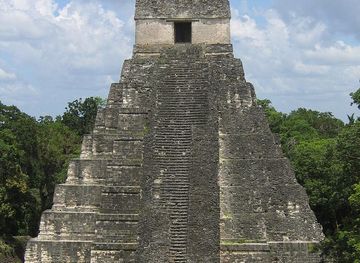
Explore more of Guatemala
Discover Guatemala: A land of ancient Mayan wonders, breathtaking natural beauty, and vibrant cultural experiences. Perfect for history buffs, nature lovers, and adventure seekers.
Explore Guatemala