

Free Nampa Travel Guide & Mobile App
Plan your Nampa trip with Evendo. Get free guides to top attractions, restaurants, hotels, and bars. Web access or download the mobile app.


Nampa, Idaho blends railroad heritage, Treasure Valley landscapes, Western culture, museums, markets and easy access to Lake Lowell and Boise.
Railroad Roots and Western Character
Nampa lies in southwestern Idaho’s Treasure Valley, about 20 miles west of Boise, where broad agricultural plains meet the distant foothills of the Owyhee Mountains. The city grew around the railway in the late nineteenth century and retains a practical, spacious character shaped by farming, irrigation, transport and steady suburban expansion. Downtown Nampa brings together historic commercial buildings, independent businesses, public art and community events, while the Nampa Train Depot offers a tangible reminder of the railway that helped establish the settlement.Read more about Nampa
Museums, Events and Local Life
Open Landscapes and Waterways
When is the best time to visit Nampa?
Best: May–June, September · 22–28°C| Month | High (°C) | Rainfall (mm) |
|---|---|---|
| January | 4 | 32 |
| February | 8 | 25 |
| March | 13 | 25 |
| April | 17 | 25 |
| May (best) | 22 | 20 |
| June (best) | 28 | 15 |
| July | 32 | 10 |
| August | 32 | 10 |
| September (best) | 27 | 15 |
| October | 18 | 20 |
| November | 9 | 25 |
| December | 3 | 30 |
Getting to and around Nampa
How to get there
Transportation
Best attractions in Nampa
Nampa’s attractions reflect its railway origins, aviation interests and place in the Treasure Valley. The Nampa Train Depot, an early twentieth-century railway building, introduces the city’s transport history and its relationship with surrounding farms. At the Warhawk Air Museum, historic aircraft and military displays provide a substantial indoor experience for visitors interested in aviation and engineering. The Ford Idaho Center stages concerts, rodeos, sporting events and agricultural shows, while the Nampa Civic Center hosts performances and community programming. For open-air exploration, nearby Lake Lowell forms the centrepiece of Deer Flat National Wildlife Refuge, where wetlands, shoreline and fields support birdwatching, fishing and boating in season. Downtown’s older commercial streets, public spaces and local events offer a slower urban experience, and the Nampa Farmers Market adds a seasonal connection with regional produce, crafts and small-scale food businesses.
-
Tourist attraction
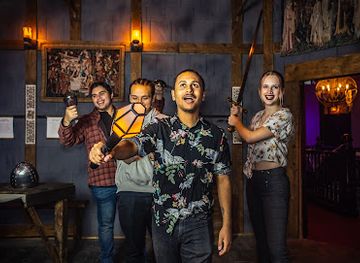
Labyrinth Escape Games
Experience the thrill of mystery at Labyrinth Escape Games in Nampa, Idaho, where every puzzle brings excitement and adventure for all ages.
6 min walk · 0.5 km from city centre
-
Tourist attraction
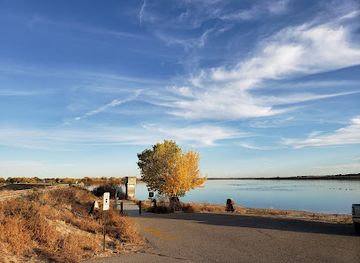
Deer Flat National Wildlife Refuge
Explore the breathtaking landscapes and diverse wildlife at Deer Flat National Wildlife Refuge, a tranquil retreat in Idaho for nature enthusiasts.
25 min drive · 8.4 km from city centre
-
Tourist attraction
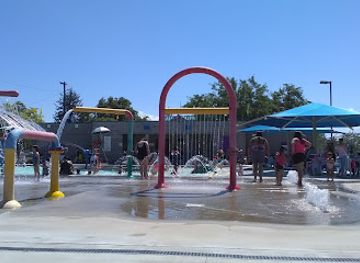
Lakeview Water Park
Experience the ultimate summer getaway at Lakeview Water Park, Nampa's premier destination for water fun and relaxation amidst beautiful scenery.
5 min drive · 1.8 km from city centre
-
Tourist attraction
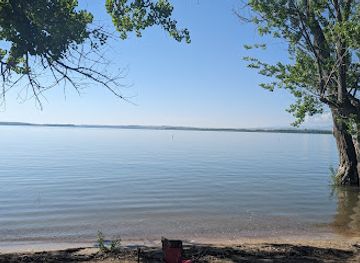
Lake Lowell Park
Experience the beauty and tranquility of Lake Lowell Park, a pristine outdoor destination in Nampa, Idaho, perfect for families and nature lovers.
21 min drive · 6.9 km from city centre
Best landmarks in Nampa
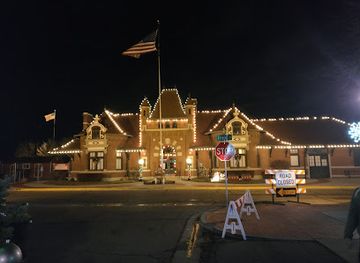
The Nampa Train Depot is the city’s defining historic landmark, its railway-era architecture recalling the Oregon Short Line and the role of trains in establishing Nampa as a commercial centre. Downtown’s surviving early commercial buildings add a sense of architectural continuity, even where individual properties have been adapted for modern businesses. The Warhawk Air Museum is a landmark of a different kind, using a large collection of aircraft and military material to connect Nampa with the history of flight and national service. The Ford Idaho Center represents the city’s contemporary civic identity as a regional venue for rodeo, concerts and major gatherings. Outside the built-up centre, Lake Lowell and the protected wetlands of Deer Flat National Wildlife Refuge form an important landscape landmark, linking Nampa’s story to irrigation, agriculture and wildlife conservation.
-
Shopping mall
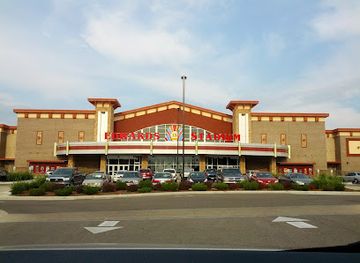
Nampa Gateway Center
Explore the Nampa Gateway Center, a vibrant shopping mall in Idaho offering diverse retail and dining experiences for every tourist.
14 min drive · 4.6 km from city centre
-
Escape room center
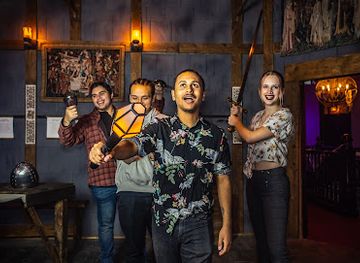
Labyrinth Escape Games
Experience the thrill of adventure at Labyrinth Escape Games in Nampa, Idaho, where every room is a new challenge waiting to be conquered.
6 min walk · 0.5 km from city centre
-
Museum
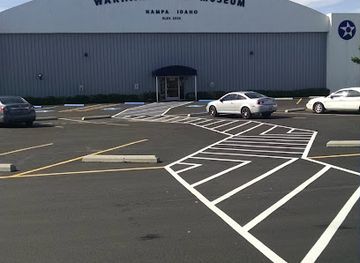
Warhawk Air Museum
Discover the rich history of military aviation at the Warhawk Air Museum in Nampa, Idaho, featuring vintage aircraft and inspiring exhibits.
10 min drive · 3.5 km from city centre
-
Pizza
Messenger Pizza
Discover the delicious pizzas and freshly baked goods at Messenger Pizza in Nampa, Idaho, perfect for a casual meal or a sweet treat.
7 min walk · 0.6 km from city centre
Explore Nampa on the map
Plan your Nampa trip on one map. See where the top attractions, landmarks, restaurants, bars and hotels are, find what's near where you're staying, and book hotels and experiences in a few clicks.
Best hotels in Nampa
Best restaurants in Nampa
Nampa’s dining scene reflects the mixed heritage and agricultural economy of southwestern Idaho, with Mexican restaurants, American diners, pizzerias, cafés and family-run businesses alongside newer independent eateries. Potatoes, onions, dairy products and other produce grown across the Treasure Valley are part of the wider regional food culture, while nearby Basque communities have influenced southwestern Idaho’s culinary identity through dishes such as croquetas, chorizo and family-style meals. Downtown provides the most concentrated setting for locally owned restaurants, coffee shops and casual evening dining, while the Karcher Road and Interstate 84 areas offer a broader spread of national chains and everyday food options. Seasonal farmers’ markets and farm stands bring local fruit, vegetables, baked goods and prepared foods closer to the city, particularly during the warmer months.
-
Steak
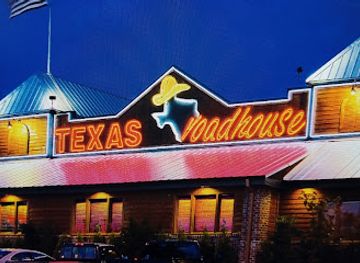
Texas Roadhouse
Experience authentic American dining at Texas Roadhouse in Nampa - where great food meets Southern hospitality.
14 min drive · 4.7 km from city centre
-
Buffet
Golden Corral Buffet & Grill
Savor diverse American flavors at Golden Corral Buffet & Grill in Nampa - where hearty meals meet family-friendly service.
14 min drive · 4.6 km from city centre
-
Italian
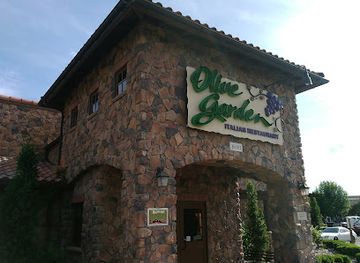
Olive Garden Italian Restaurant
Discover authentic Italian flavors at Olive Garden in Nampa—where family-friendly dining meets exquisite cuisine.
14 min drive · 4.6 km from city centre
-
American
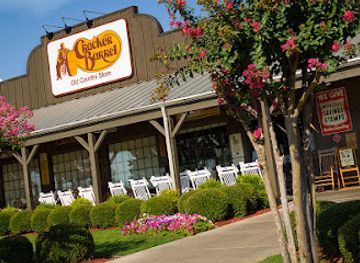
Cracker Barrel Old Country Store
Discover the heartwarming charm of Cracker Barrel Old Country Store in Nampa, where Southern comfort food meets unique shopping experiences.
15 min drive · 4.9 km from city centre
Best bars in Nampa
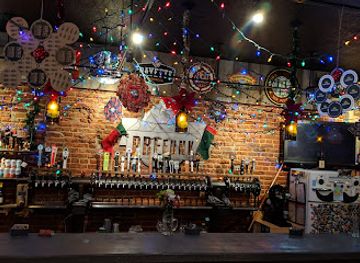
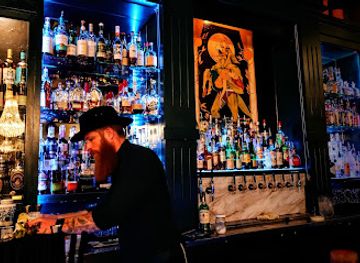
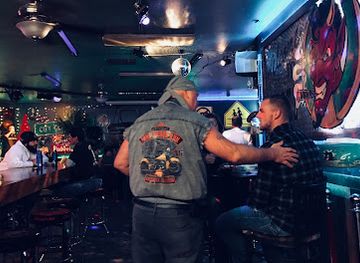
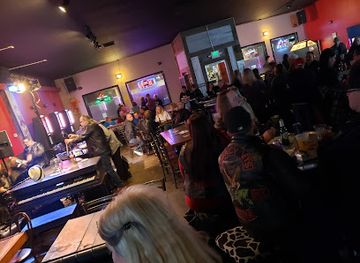
Nampa’s nightlife is modest and community-oriented rather than concentrated in a large club district. Evenings may centre on locally owned bars, breweries, casual restaurants with drinks, live music and events at the Ford Idaho Center or Nampa Civic Center. Downtown is the most natural area for moving between independent venues, while the wider city’s spread means that taxis or a designated driver can be useful when visiting places outside the central streets. Rodeos, concerts, fairs and sporting events create the liveliest nights at particular times of year, reflecting Nampa’s connection with Western and agricultural culture. Visitors should check individual venue calendars for current performances and remember that alcohol service follows Idaho law; the atmosphere ranges from relaxed conversation and local beer to ticketed entertainment rather than a continuous late-night club scene.
-
Grill
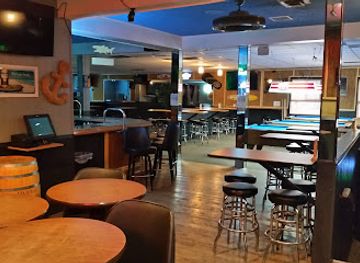
Getaway Bar & Grill
Discover the vibrant atmosphere and delicious flavors at Getaway Bar & Grill in Nampa, Idaho – your ideal dining spot for relaxation and fun.
18 min walk · 1.4 km from city centre
-
Bar
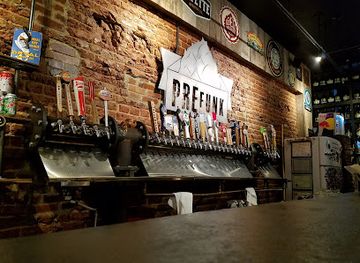
PreFunk Beer Bar Nampa
Experience the best of local craft beers and a vibrant atmosphere at PreFunk Beer Bar Nampa, your ideal spot for relaxation and fun in Idaho.
7 min walk · 0.6 km from city centre
-
Bar
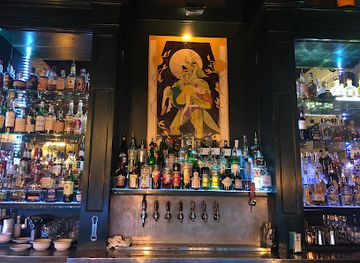
Craft Lounge
Discover Craft Lounge in Nampa: A cocktail bar offering an inviting atmosphere and exquisite handcrafted drinks for a memorable night out.
4 min walk · 0.3 km from city centre
-
Bar
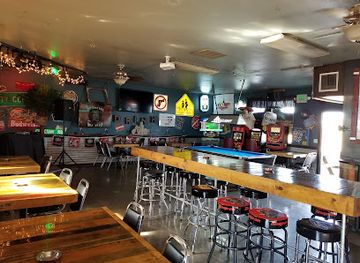
Slicks Bar
Experience the vibrant nightlife and friendly atmosphere at Slicks Bar in Nampa, Idaho, where great drinks and good times await every visitor.
10 min drive · 3.3 km from city centre
Best nightclubs in Nampa
Nampa’s nightlife is modest and community-oriented rather than concentrated in a large club district. Evenings may centre on locally owned bars, breweries, casual restaurants with drinks, live music and events at the Ford Idaho Center or Nampa Civic Center. Downtown is the most natural area for moving between independent venues, while the wider city’s spread means that taxis or a designated driver can be useful when visiting places outside the central streets. Rodeos, concerts, fairs and sporting events create the liveliest nights at particular times of year, reflecting Nampa’s connection with Western and agricultural culture. Visitors should check individual venue calendars for current performances and remember that alcohol service follows Idaho law; the atmosphere ranges from relaxed conversation and local beer to ticketed entertainment rather than a continuous late-night club scene.
-
Bar
PreFunk Beer Bar Nampa
Discover the vibrant atmosphere of PreFunk Beer Bar Nampa, where local craft beers and a welcoming vibe create unforgettable experiences.
7 min walk · 0.6 km from city centre
-
Bar
Craft Lounge
Discover Craft Lounge in Nampa, Idaho - your go-to cocktail bar and lounge for a night of exquisite drinks and lively atmosphere.
4 min walk · 0.3 km from city centre
-
Bar
Slicks Bar
Discover the lively atmosphere and extensive drink selection at Slicks Bar in Nampa, Idaho, where unforgettable nights await every visitor.
10 min drive · 3.3 km from city centre
-
Bar
Whiskey River
Discover the lively atmosphere of Whiskey River, Nampa's favorite bar for delicious burgers, drinks, and fun entertainment.
6 min walk · 0.5 km from city centre
Best shops in Nampa
Shopping in Nampa combines practical suburban retail with independent businesses and seasonal local commerce. Karcher Mall and the Nampa Gateway Center serve as prominent modern shopping areas, with additional shops and services spread along Karcher Road and near Interstate 84. Downtown offers a more individual character through antique shops, small retailers, cafés and businesses occupying older commercial buildings, although the exact mix changes over time. The Nampa Farmers Market is the most direct way to encounter regional produce, baked goods, crafts and prepared foods when it is operating. Visitors may also find Idaho-produced potatoes, fruit, preserves, local artwork and Western-themed goods in specialist shops and markets. Shopping is generally relaxed and car-oriented, with the historic centre providing the most walkable browsing experience.
-
Shopping mall
Treasure Valley Marketplace
Discover a vibrant shopping experience at Treasure Valley Marketplace, where diverse shops, delicious dining, and family-friendly entertainment await.
14 min drive · 4.7 km from city centre
-
Shopping mall
Nampa Gateway Center
Discover shopping, dining, and entertainment at Nampa Gateway Center, the ultimate retail destination in Idaho.
14 min drive · 4.6 km from city centre
-
Shopping mall
Karcher Mall
Discover a dynamic shopping experience at Karcher Mall in Nampa, Idaho, where retail, dining, and community come together.
13 min drive · 4.2 km from city centre
-
Department store
JCPenney Nampa
Explore JCPenney Nampa for a diverse shopping experience, offering fashion, beauty, and unique services all in one place.
14 min drive · 4.8 km from city centre

Get your free copy of our complete guide to Nampa, delivered straight to you.
Everything on this page, from attractions and restaurants to essentials and local phrases, in one PDF you can read offline, print or share.
Already have an account? Sign in
Your Nampa guide is ready.
We'll send it to · Not you? Sign out

Getting your guide ready…
We are putting together a fresh copy of the Nampa guide. This can take up to a minute.
This can take a few moments. If your browser asks, choose Allow so the download can start. You'll find the guide in your Downloads folder.
Nothing happened? Download it again
Sorry, the guide is taking longer than usual. Please try again in a minute, or get it by email instead.
Nampa essentials
Currency and Payment
Safety
Emergency Situations
Do's and Don'ts
Local Tips
From Eve
Local phrases worth knowing
You don't need to get them perfect. A few words go a long way, and locals appreciate the effort.
Basics
| English | Local | Say it |
|---|---|---|
| Hello | Howdy | [haw-dee] |
| Goodbye | See ya | [see yah] |
| Yes | Yup | [yuhp] |
| No | Nope | [nohp] |
| Please/You're welcome | Please/You're welcome | [pleez/yur welcome] |
| Thank you | Thanks | [thanks] |
| Excuse me/Sorry | Pardon me | [par-dun mee] |
| How are you? | Howdy | [haw-dee] |
| Fine. And you? | Fine. An' you? | [fine. an' yuh?] |
| Do you speak English? | Ya speak English? | [yah speak ing-glish?] |
| I don't understand | I dunno | [i duh-noh] |
Eating & Drinking
| English | Local | Say it |
|---|---|---|
| I'd like to see the menu, please | Can I see the menu, please | [kan eye see the menyoo, pleez] |
| I don't eat meat | I don't eat meat | [i dun't eet meet] |
| Cheers! | Cheers! | [cheers] |
| I would like to pay, please | I'd like to pay, please | [eye'd like to pay, pleez] |
Emergencies
| English | Local | Say it |
|---|---|---|
| Help! | Help! | [help] |
| Go away! | Git! | [git] |
| Call the Police! | Call the Po-lease! | [call the po-lees!] |
| Call a doctor! | Call a doc! | [call a doc!] |
| I'm lost | I'm lost | [im lost] |
| I'm ill | I'm sick | [im sik] |
Shopping
| English | Local | Say it |
|---|---|---|
| I'd like to buy... | I wanna buy... | [eye wanna buy...] |
| I'm just looking | Jus' lookin' | [jus look-in] |
| How much is it? | How much? | [how much?] |
| That's too expensive | That's spendy | [thats spend-ee] |
| Can you lower the price? | Can ya do it cheaper? | [kan yuh doh it chee-per?] |
Time & Numbers
| English | Local | Say it |
|---|---|---|
| What time is it? | What time is it? | [what time is it?] |
| It's one o'clock | It's one | [its one] |
| Half past (10) | Half past ten | [half past ten] |
| Morning | Mornin' | [morn-in] |
| Afternoon | Afternoon | [after-noon] |
| Evening | Evenin' | [even-in] |
| Yesterday | Yersterday | [yur-ster-day] |
| Today | Today | [to-day] |
| Tomorrow | Tomorrow | [to-mor-row] |
| 1 | One | [wun] |
| 2 | Two | [too] |
| 3 | Three | [three] |
| 4 | Four | [four] |
| 5 | Five | [five] |
| 6 | Six | [six] |
| 7 | Seven | [seven] |
| 8 | Eight | [eight] |
| 9 | Nine | [nine] |
| 10 | Ten | [ten] |
Transport & Directions
| English | Local | Say it |
|---|---|---|
| Where's a/the...? | Where's the...? | [wheres the...?] |
| What's the address? | What's the address? | [whats the address?] |
| Can you show me (on the map)? | Show me (on the map), please | [show me, please] |
| When's the next (bus)? | When's the next (bus)? | [whens the next bus?] |
| A ticket (to ....) | A ticket (to ....) | [a ticket (to ....)] |
History of Nampa
Shoshone and Bannock Homelands
Before the development of Nampa, the wider southwestern Idaho region was inhabited and travelled by Indigenous peoples, including communities associated with the Shoshone and Bannock peoples. The Snake River Plain supported seasonal movement, hunting, fishing and gathering, while waterways and changing climatic conditions shaped routes across the valley. The arrival of American settlers and expanding trade networks altered these patterns profoundly during the nineteenth century. Nampa’s later growth therefore belongs to a wider history of Indigenous presence, territorial change and the transformation of the interior West, rather than beginning with the town’s railway-era incorporation.
The Railway Settlement, 1880s
Nampa emerged in the 1880s as a railway settlement connected with the Oregon Short Line and associated lines crossing the Treasure Valley. The railway created a strategic point for freight, passengers and agricultural exchange, encouraging businesses and homes to gather around the tracks. Nampa was incorporated in 1891, and its early economy depended on transport, land development, farming and services for surrounding homesteads. The regular movement of trains linked the new town with Boise, southern Idaho and wider markets, giving Nampa an economic purpose that extended beyond its modest beginnings as a planned rail community.
Irrigation and Agricultural Growth
Irrigation transformed the dry Snake River Plain and made more intensive agriculture possible around Nampa. The development of reservoirs, canals and organised water systems supported crops, livestock and the commercial exchange of farm produce, while rail connections enabled agricultural goods to reach distant markets. The Boise Project, developed by the United States Reclamation Service in the early twentieth century, increased the importance of managed water in the Treasure Valley. Deer Flat Reservoir, now commonly known as Lake Lowell, was completed in the early twentieth century and became both an agricultural resource and a significant wetland and wildlife landscape.
Civic Institutions and the Depot
As Nampa expanded during the early twentieth century, civic buildings, commercial blocks, schools and churches gave the railway town a more established urban form. The Nampa Train Depot, built in 1903, is a surviving expression of the period when passenger and freight rail shaped daily life and local commerce. Agricultural trade remained central, but the city also developed institutions serving the growing population of Canyon County. The depot and older downtown buildings now provide physical evidence of a period when Nampa’s prosperity depended on the close relationship between rail transport, irrigation and farming.
A Growing Treasure Valley City
During the later twentieth century and into the twenty-first, Nampa grew beyond its original rail-centred core as roads, residential districts, retail areas and public facilities spread across the surrounding plain. Its location along Interstate 84 strengthened links with Boise and other Treasure Valley communities, while continued population growth brought new schools, businesses and cultural venues. The Ford Idaho Center and the Nampa Civic Center reflect the city’s role as a regional gathering place for entertainment, sport, exhibitions and community events. Modern Nampa retains its agricultural setting and Western associations while functioning increasingly as part of a connected metropolitan corridor.
Nampa in Photos
Browse through our photo collection highlighting the charm and character of the destination.
Cities near Nampa
The closest cities to Nampa, if you have time for more than one stop.
-

-

-

-

-


Swipe for more cities
Explore more

Explore more of Idaho
Idaho: Discover the Gem State's stunning landscapes, vibrant cities, and outdoor adventures. From majestic mountains to serene lakes, experience the natural wonders of Idaho.
Explore Idaho