

Free Boise Travel Guide & Mobile App
Plan your Boise trip with Evendo. Get free guides to top attractions, restaurants, hotels, and bars. Web access or download the mobile app.


Boise blends Idaho history, Basque culture, riverfront trails and mountain access with museums, markets, craft food and outdoor adventures in the capital city.
Capital Among the Foothills
Boise, the capital of Idaho, lies along the Boise River where the high desert meets the forested Boise Foothills. Its compact centre combines a statehouse, historic commercial streets, museums and leafy public spaces, while the Boise River Greenbelt provides a continuous thread of paths beside cottonwoods, parks and wetlands. The city’s scale makes it possible to move from downtown cafés to open landscapes within minutes, with the foothills rising visibly beyond the neighbourhoods.Read more about Boise
History and Living Culture
Outdoor City Life
When is the best time to visit Boise?
Best: May–June, September · 22–28°C| Month | High (°C) | Rainfall (mm) |
|---|---|---|
| January | 5 | 36 |
| February | 7 | 31 |
| March | 12 | 31 |
| April | 17 | 29 |
| May (best) | 22 | 33 |
| June (best) | 28 | 18 |
| July | 33 | 6 |
| August | 32 | 10 |
| September (best) | 26 | 15 |
| October | 18 | 20 |
| November | 9 | 33 |
| December | 4 | 37 |
Getting to and around Boise
How to get there
Transportation
Best attractions in Boise
Boise’s principal attractions reveal both its civic importance and its outdoor setting. In Julia Davis Park, the Boise Art Museum presents modern and contemporary art, while the Idaho State Museum traces the state’s natural, Indigenous and human history. The nearby Zoo Boise offers a family-oriented collection within the park, and the Boise River Greenbelt follows the water through trees, wetlands and urban open space. East of downtown, the Old Idaho Penitentiary provides a detailed look at prison life and Idaho’s institutional past, with the Idaho Botanical Garden next door adding cultivated landscapes and seasonal displays. Downtown, the Basque Museum and Cultural Center introduces the community that has shaped Boise’s cultural identity, and the Idaho State Capitol offers a close view of the state’s political centre. The North End’s historic streets and the Boise Foothills add quieter walks, viewpoints and trail access beyond the central attractions.
-
Park
Ann Morrison Park
Experience the natural beauty and recreational charm of Ann Morrison Park in Boise, Idaho, a top destination for tourists seeking relaxation and adventure.
18 min walk · 1.4 km from city centre
-
Park
Julia Davis Park
Discover the beauty of Julia Davis Park in Boise, Idaho, a serene escape filled with lush landscapes, recreational activities, and cultural experiences.
7 min drive · 2.5 km from city centre
-
Botanical garden
Idaho Botanical Garden
Explore the lush landscapes and vibrant plant collections of the Idaho Botanical Garden, a peaceful retreat in Boise perfect for nature lovers and tourists.
16 min drive · 5.4 km from city centre
-
Park
Kathryn Albertson Park
Explore Kathryn Albertson Park in Boise, Idaho - a serene retreat with beautiful landscapes, diverse wildlife, and peaceful walking paths perfect for relaxation.
5 min drive · 1.6 km from city centre


Best landmarks in Boise
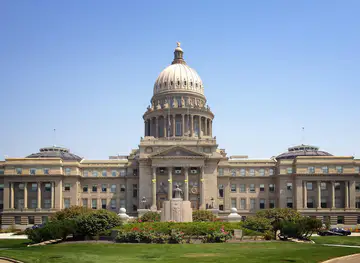
The Idaho State Capitol is Boise’s most important civic landmark, a neoclassical building whose dome and finished stone interiors express the capital’s governmental role. On Grove Street, the Basque Block is a cultural landmark rather than a single monument, with community buildings, public art and restaurants marking the presence of Idaho’s Basque population. The Cathedral of St. John the Evangelist, built in the Romanesque Revival style, and the nearby Cathedral of the Rockies contribute distinctive religious architecture to the central city. The Egyptian Theatre, recognised by its Egyptian-inspired decorative design, remains a prominent downtown entertainment building. East of the centre, the Old Idaho Penitentiary preserves cell blocks, walls and other structures associated with the former prison, while the Anne Frank Human Rights Memorial beside the Greenbelt connects Boise’s public landscape with international ideas of dignity and justice.
-
Zoo
Zoo Boise
Discover Zoo Boise: A family-friendly destination showcasing diverse wildlife and vibrant ecosystems in the heart of Idaho's capital city.
7 min drive · 2.4 km from city centre
-
Park
Ann Morrison Park
Experience the natural beauty and recreational charm of Ann Morrison Park, a serene urban oasis along the Boise River.
18 min walk · 1.4 km from city centre
-
Park
Julia Davis Park
Explore the breathtaking beauty and cultural richness of Julia Davis Park, a serene urban green space in Boise, Idaho, perfect for relaxation and leisure.
7 min drive · 2.5 km from city centre
-
History museum
Old Idaho Penitentiary Site
Discover the dark history and fascinating stories of the Old Idaho Penitentiary, a captivating museum in Boise that brings the past to life.
17 min drive · 5.5 km from city centre


Explore Boise on the map
Plan your Boise trip on one map. See where the top attractions, landmarks, restaurants, bars and hotels are, find what's near where you're staying, and book hotels and experiences in a few clicks.
Neighbourhoods in Boise
-

-
-

-


Swipe for more neighbourhoods
Best hotels in Boise
Best restaurants in Boise
Boise’s dining identity draws on Idaho produce, western ranching traditions and the enduring influence of Basque immigrants. Basque restaurants around the downtown Basque Block serve family-style dishes and specialities such as croquetas, chorizo and lamb, while the area’s social clubs and cultural institutions provide context for the food. Idaho potatoes appear in many forms, and regional ingredients including trout, beef, seasonal vegetables, huckleberries and local grains feature across contemporary menus. Downtown and the North End offer independent restaurants, bakeries, cafés, breweries and relaxed eateries, while farmers’ markets connect visitors with growers and small producers when in season. The city’s dining scene is broad without losing its regional character, balancing Basque cooking and western staples with modern American menus, vegetarian options and craft-food businesses shaped by Boise’s growing urban population.
-
Steak
Barbacoa Grill
Experience the vibrant flavors of Latin America at Barbacoa Grill in Boise – where fine dining meets culinary artistry.
11 min drive · 3.8 km from city centre
-
American
Fork
Discover Fork in Downtown Boise: where local ingredients meet innovative American cuisine in a vibrant atmosphere.
9 min drive · 2.9 km from city centre
-
Italian
Luciano's Italian Restaurant
Experience authentic Italian flavors at Luciano's Restaurant in Boise - where gluten-free meets gourmet in a cozy setting.
14 min walk · 1.2 km from city centre
-
American
Bardenay Restaurant & Distillery - Boise
Experience authentic American cuisine and craft-distilled spirits at Bardenay Restaurant & Distillery in Boise's Basque Block.
8 min drive · 2.8 km from city centre


Best bars in Boise
Boise’s evening life is concentrated mainly downtown, where cocktail bars, breweries, wine-focused venues and live-music rooms occupy streets within easy walking distance of one another. The Basque Block brings a social atmosphere rooted in restaurants, community events and regional culture, while nearby districts provide more conventional bars and late-evening entertainment. The historic North End’s Hyde Park area has a smaller selection of pubs, cafés and neighbourhood gathering places. Boise’s nightlife is more varied than its size might suggest, but it is not a large clubbing centre; evenings often revolve around conversation, local beer, music and performances rather than all-night venues. The Egyptian Theatre, Boise State University and other downtown performance spaces add film, theatre, concerts and cultural programming, with schedules changing throughout the year.
-
American
Quinn's Restaurant & Lounge
Indulge in the best of American and Irish cuisine at Quinn's Restaurant & Lounge in Boise, where every meal is a delightful experience.
19 min walk · 1.5 km from city centre
-
Grill
Legends Pub & Grill
Experience Boise's vibrant sports culture at Legends Pub & Grill, where great food meets an electrifying atmosphere.
12 min drive · 4.0 km from city centre
-
Bar
The Shed
Discover The Shed, a vibrant bar and restaurant in Boise, renowned for its excellent food, local beers, and lively atmosphere that captures the essence of Idaho.
5 min drive · 1.7 km from city centre
-
American
Red Feather Lounge
Experience the vibrant culinary scene of Boise at Red Feather Lounge, where American cuisine meets innovative cocktails in a stylish setting.
9 min drive · 2.9 km from city centre


Best nightclubs in Boise
Boise’s evening life is concentrated mainly downtown, where cocktail bars, breweries, wine-focused venues and live-music rooms occupy streets within easy walking distance of one another. The Basque Block brings a social atmosphere rooted in restaurants, community events and regional culture, while nearby districts provide more conventional bars and late-evening entertainment. The historic North End’s Hyde Park area has a smaller selection of pubs, cafés and neighbourhood gathering places. Boise’s nightlife is more varied than its size might suggest, but it is not a large clubbing centre; evenings often revolve around conversation, local beer, music and performances rather than all-night venues. The Egyptian Theatre, Boise State University and other downtown performance spaces add film, theatre, concerts and cultural programming, with schedules changing throughout the year.
-
Comedy club
Liquid Lounge
Experience the vibrant nightlife of Boise at Liquid Lounge, a premier comedy club and restaurant offering laughter, great food, and unforgettable memories.
7 min drive · 2.5 km from city centre
-
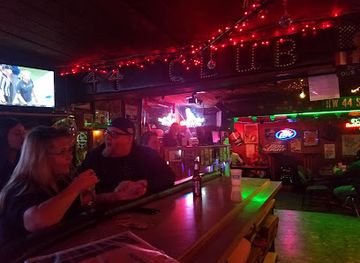
Karaoke bar
44 Club
Experience the vibrant nightlife of Boise at 44 Club, the ultimate karaoke destination for unforgettable performances and great vibes.
16 min drive · 5.2 km from city centre
-
Lounge
Amsterdam Lounge
Discover the thrilling nightlife of Amsterdam Lounge in Boise, where great music, vibrant crowds, and unforgettable experiences await you.
8 min drive · 2.8 km from city centre
-
Comedy club
Lounge at the End of the Universe
Discover the vibrant comedy scene at Lounge at the End of the Universe in Boise, where laughter and entertainment await every night.
6 min drive · 1.9 km from city centre



Best shops in Boise
Boise’s shopping is strongest in walkable independent districts rather than in a single vast retail zone. Downtown’s 8th Street and surrounding blocks contain boutiques, bookshops, galleries, gift stores and businesses selling Idaho-made goods, while Hyde Park provides a smaller neighbourhood cluster of shops and cafés in the North End. The Basque Block is a useful place to look for food products, cultural books and souvenirs connected with Basque heritage. Seasonal farmers’ markets bring together Idaho produce, baked goods, preserves and work by local makers, and specialist retailers offer outdoor equipment suited to the region’s hiking, cycling and river culture. Visitors seeking conventional department stores and national brands will find them in larger shopping areas outside the historic core, but Boise’s most distinctive purchases tend to be regional food, craft work, books and locally designed goods.
-
Antique store
Antique World Mall and The Annex
Explore a treasure trove of vintage finds at Antique World Mall, Boise's premier destination for antique lovers and history enthusiasts.
15 min walk · 1.2 km from city centre
-
Gift shop
Re-POP Gifts
Explore Re-POP Gifts, a unique boutique in Boise offering eclectic souvenirs, local art, and quirky gifts that capture the spirit of Idaho.
9 min drive · 2.9 km from city centre
-
Gift shop
Eyes of the World Imports Inc
Explore Eyes of the World Imports Inc. in Boise for unique gifts, handcrafted jewelry, and a vibrant shopping experience in a friendly atmosphere.
8 min drive · 2.6 km from city centre
-
Gift shop
Mixed Greens | Modern Gifts
Discover unique modern gifts, fashion accessories, and home goods at Mixed Greens in downtown Boise, where creativity meets local artistry.
9 min drive · 2.9 km from city centre


Get your free copy of our complete guide to Boise, delivered straight to you.
Everything on this page, from attractions and restaurants to essentials and local phrases, in one PDF you can read offline, print or share.
Already have an account? Sign in
Your Boise guide is ready.
We'll send it to · Not you? Sign out

Getting your guide ready…
We are putting together a fresh copy of the Boise guide. This can take up to a minute.
This can take a few moments. If your browser asks, choose Allow so the download can start. You'll find the guide in your Downloads folder.
Nothing happened? Download it again
Sorry, the guide is taking longer than usual. Please try again in a minute, or get it by email instead.
Boise essentials
Currency and Payment
Safety
Emergency Situations
Do's and Don'ts
Local Tips
From Eve
Local phrases worth knowing
You don't need to get them perfect. A few words go a long way, and locals appreciate the effort.
Basics
| English | Local | Say it |
|---|---|---|
| Hello | Howdy | [haw-dee] |
| Goodbye | See you later | [see yoo lay-ter] |
| Yes | Yep | [yep] |
| No | Nope | [nope] |
| Please/You're welcome | Please/No problem | [pleez/no probl-em] |
| Thank you | Thanks | [thanks] |
| Excuse me/Sorry | Pardon me/My bad | [pahr-dun me/my bad] |
| How are you? | How's it going? | [hows it go-in?] |
| Fine. And you? | Good. How about you? | [good. how ab-out yoo?] |
| Do you speak English? | You speak English? | [yoo speak ing-glish?] |
| I don't understand | I'm lost | [im lost] |
Eating & Drinking
| English | Local | Say it |
|---|---|---|
| I'd like to see the menu, please | Can I see the menu? | [can eye see the men-yoo?] |
| I don't eat meat | I'm vegetarian | [im vedge-eh-tare-ee-an] |
| Cheers! | Cheers! | [cheers!] |
| I would like to pay, please | Check, please | [check, please] |
Emergencies
| English | Local | Say it |
|---|---|---|
| Help! | Help! | [help!] |
| Go away! | Get lost! | [get lost!] |
| Call the Police! | Call the cops! | [call the cops!] |
| Call a doctor! | Get a doctor! | [get a doc-tor!] |
| I'm lost | I'm lost | [im lost] |
| I'm ill | I'm sick | [im sik] |
Shopping
| English | Local | Say it |
|---|---|---|
| I'd like to buy... | I wanna buy... | [i wanna buy] |
| I'm just looking | Just browsing | [just brows-ing] |
| How much is it? | How much does it cost? | [how much duz it cost?] |
| That's too expensive | That's pricey | [thats pry-see] |
| Can you lower the price? | Can you do better? | [can yoo do bet-ter?] |
Time & Numbers
| English | Local | Say it |
|---|---|---|
| What time is it? | What's the time? | [whats the time?] |
| It's one o'clock | It's one | [its one] |
| Half past (10) | Ten thirty | [ten thur-tee] |
| Morning | Morning | [mor-ning] |
| Afternoon | Afternoon | [af-ter-noon] |
| Evening | Evening | [ee-ven-ing] |
| Yesterday | Yesterday | [yes-ter-day] |
| Today | Today | [to-day] |
| Tomorrow | Tomorrow | [to-mor-row] |
| 1 | One | [wun] |
| 2 | Two | [too] |
| 3 | Three | [three] |
| 4 | Four | [for] |
| 5 | Five | [fiv] |
| 6 | Six | [siks] |
| 7 | Seven | [sev-en] |
| 8 | Eight | [ate] |
| 9 | Nine | [nine] |
| 10 | Ten | [ten] |
Transport & Directions
| English | Local | Say it |
|---|---|---|
| Where's a/the...? | Where's the...? | [wheres the] |
| What's the address? | Address? | [address?] |
| Can you show me (on the map)? | Show me (on the map) | [show me on the map] |
| When's the next (bus)? | Next (bus) time? | [next bus time] |
| A ticket (to ....) | A ticket to... | [a ticket to] |
History of Boise
Indigenous Homelands and River Valley
The Boise region lies within the wider homelands and travel landscapes of Indigenous peoples including the Shoshone and Bannock, with Northern Paiute communities also connected to southern Idaho. The Boise River and its surrounding valley provided water, plant resources and routes through the high desert, while the nearby foothills formed part of a broader network of seasonal movement and exchange. The city’s later development took place within this established Indigenous geography, although official accounts of Boise’s past long gave insufficient attention to Native histories. Today, understanding the area begins with recognising that the capital’s streets, parks and institutions occupy a landscape shaped by Indigenous presence long before American territorial settlement.
The Boise River and Fur Trade Era
The name Boise is associated with the French phrase bois, meaning wood, used by fur traders to describe the tree-lined river corridor. A Hudson’s Bay Company trading post called Fort Boise was established in 1834 near present-day Parma, west of modern Boise, and should not be confused with the later military post that created the city. The river valley became increasingly familiar to emigrants, missionaries and government expeditions travelling through the interior West. Although no large permanent town yet stood at the present site, maps, trails and reports gradually fixed the Boise River within the routes connecting Oregon, the Snake River country and the mining districts farther east.
Military Post and Territorial Capital
Modern Boise emerged during the western mining boom. In 1863, the United States established a military post overlooking the Boise River, later known as Fort Boise, to protect communication routes and support federal authority in the region. Boise City was incorporated that same year, and in 1864 it became the capital of Idaho Territory, benefiting from its position between mining areas and agricultural settlements. When Idaho entered the Union in 1890, Boise remained the state capital. The city’s civic identity developed around government, trade and transport, while surviving early buildings and the grounds associated with the former military post recall the unsettled political and commercial landscape of nineteenth-century Idaho.
Railways, Agriculture and Urban Growth
During the late nineteenth and early twentieth centuries, Boise grew as a regional centre for government, commerce, farming and transport. Irrigation transformed parts of the dry Snake River Plain, supporting orchards, livestock and other agricultural production, while rail connections strengthened trade and brought new residents. Downtown offices, banks, theatres and civic buildings reflected the capital’s expanding role. The city also developed neighbourhoods beyond its original core, with streetcar-era growth contributing to areas such as the North End. This period established much of the urban pattern still visible today: a central governmental and commercial district surrounded by residential streets, public parks and increasingly connected river corridors.
Basque Migration and Community Life
Basque migration became a defining part of Boise’s social history from the late nineteenth century into the twentieth century. Many immigrants from the Basque Country worked in sheep-related industries across the American West, and Boise developed a particularly enduring community. The Basque Block, centred on Grove Street downtown, grew into a focal point for social, religious and cultural life. Institutions such as the Basque Museum and Cultural Center, along with restaurants and community events, preserve traditions of language, dance, music and cuisine. This heritage is not simply a historic theme for visitors; it remains part of Boise’s living civic identity and one of the clearest expressions of the migration that shaped Idaho’s capital.
A Growing Western Capital
Boise expanded substantially after the Second World War as state administration, education, healthcare, technology and services joined older agricultural and commercial foundations. Boise State University, established in 1932 as a junior college and later developed into a university, became an important presence on the south side of the river. In the late twentieth and early twenty-first centuries, population growth brought new housing, businesses and development pressures, while the Boise River Greenbelt and foothills remained central to the city’s sense of place. Contemporary Boise therefore reflects several overlapping histories: a territorial capital, a Basque cultural centre, a university city and an urban community closely connected to high-desert landscapes.
Boise in Photos
Browse through our photo collection highlighting the charm and character of the destination.
Cities near Boise
The closest cities to Boise, if you have time for more than one stop.
-

-

-

-

-


Swipe for more cities
Explore more

Explore more of Idaho
Idaho: Discover the Gem State's stunning landscapes, vibrant cities, and outdoor adventures. From majestic mountains to serene lakes, experience the natural wonders of Idaho.
Explore Idaho