

Free Teton Valley Travel Guide & Mobile App
Explore Teton Valley with free travel guides. Discover regional history, expert tips, proposed trips, and audio guides on web or mobile app.


Explore Teton Valley, Idaho, for broad mountain views, small-town culture, ranching heritage, hiking, cycling, skiing and access to the Tetons.
Read more about Teton Valley
Getting to and around Teton Valley
How to get there
Transportation
Best attractions in Teton Valley
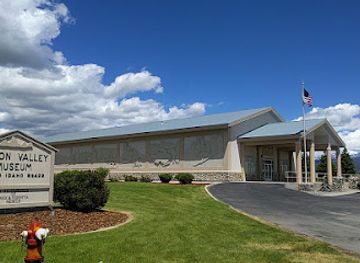
Teton Valley’s attractions combine accessible mountain recreation with rural landscapes and small-town culture. The Teton Canyon area, reached from the valley near Driggs, provides routes for hiking, cycling, wildlife watching and winter activities, while the Teton River supports fishing and other low-impact outdoor pursuits where regulations permit. The Big Hole Mountains offer a contrasting western backdrop of forests, ridges and backcountry trails. In the towns, the Teton Valley Museum in Driggs provides historical context, and galleries, community events and independent businesses reveal the region’s contemporary creative life. Scenic drives through the agricultural valley are rewarding in their own right, especially where open fields frame the Teton Range. Winter visitors can pursue Nordic skiing, snowshoeing and other snow activities, although conditions and access vary. Grand Teton National Park is a major nearby excursion across the Wyoming state line, not an attraction within Idaho’s Teton Valley, and should be treated as a separate destination when planning time and transport.
-
Scenic spot
Teton Scenic Byway
Experience the stunning vistas and natural beauty along the Teton Scenic Byway, a scenic route that showcases Idaho's breathtaking landscapes.
-
Museum
Teton Valley Historical Museum
Explore the Teton Valley Historical Museum in Driggs, Idaho, where history comes alive through captivating exhibits and local stories.
Best landmarks in Teton Valley
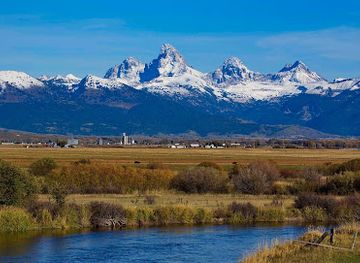
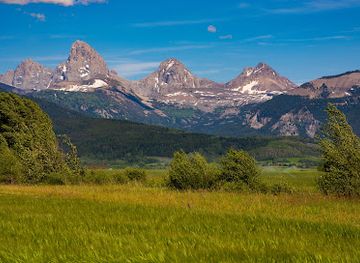
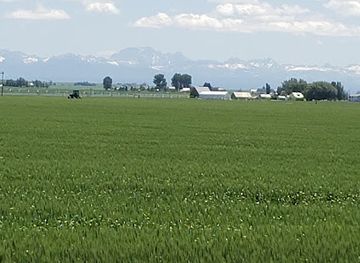
The Teton Range is Teton Valley’s defining natural landmark, rising dramatically across the eastern horizon and giving the region its name and visual identity. Teton Canyon, where the valley meets the mountains, is a significant gateway landscape with steep limestone walls, forested slopes and routes into the surrounding high country. To the west, the Big Hole Mountains provide a contrasting ridgeline and mark the valley’s other geographical edge. The Teton River is a quieter landmark, threading through a landscape of fields, wetlands and riparian vegetation. In the settled landscape, the main streets and historic homes of Driggs, Victor and Tetonia preserve the scale of early agricultural communities, while the Teton Valley Museum in Driggs helps interpret local settlement. The broad agricultural views themselves are culturally important: irrigation channels, hayfields, ranches and shelterbelts demonstrate how people adapted farming to a short growing season beneath a major mountain range.
-
Museum
Teton Valley Historical Museum
Discover the captivating history of Teton Valley at the Teton Valley Historical Museum, where rich stories and intriguing artifacts come alive.
-
Historical place
The Three Tetons Historical Marker
Discover the breathtaking views and rich history at the Three Tetons Historical Marker in Idaho, a must-visit for nature and history lovers alike.
-
Historical landmark
Teton Range Historical Marker
Explore the Teton Range Historical Marker, a captivating landmark offering insight into Idaho's rich heritage amidst breathtaking mountain views.
-
Historical landmark
Pierre's Hole Historical Marker
Explore the historical significance and breathtaking scenery at Pierre's Hole Historical Marker in Driggs, Idaho, where rich stories await every traveler.


Explore Teton Valley on the map
Plan your trip on one map. See where the top cities, national parks and sights are, and book hotels and experiences in a few clicks.
Best hotels in Teton Valley
Best restaurants in Teton Valley
Dining in Teton Valley reflects its rural setting and outdoor-oriented visitor economy rather than a single formal cuisine. Driggs and Victor have the broadest selection of cafés, bakeries, pubs and casual restaurants, with menus commonly built around burgers, sandwiches, soups, salads, steaks and other familiar American dishes. Locally produced meat, dairy, vegetables and baked goods may appear seasonally, while the surrounding farming landscape gives meals a clear connection to ranching and agriculture. Breakfast cafés are useful before early trail departures, and relaxed restaurants and pubs provide evening meals after outdoor activities. Food shopping in the larger towns is practical for picnics and self-catering, particularly when exploring remote trailheads or scenic roads. Visitors should expect a small regional scene rather than the range of dining found in a major city, with availability and opening patterns varying outside the busiest summer and winter periods.
-
Ski resort
Jackson Hole Mountain Resort
Explore adventure sports, breathtaking views, and luxurious stays at Jackson Hole Mountain Resort - your ultimate alpine escape.
-
Live music bar
Mangy Moose Jackson Hole
Discover Mangy Moose: A lively live music bar and American restaurant in Teton Village offering delicious cuisine and unforgettable entertainment.
-
Ski resort
Grand Targhee Resort
Discover Grand Targhee Resort: A year-round paradise for skiing, hiking, dining, and relaxation nestled in Wyoming's majestic mountains.
-
Resort hotel
Teton Valley Resort
Experience the ultimate retreat at Teton Valley Resort: your gateway to adventure in Idaho's stunning mountain landscapes.



Best bars in Teton Valley
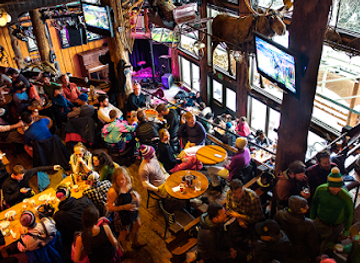
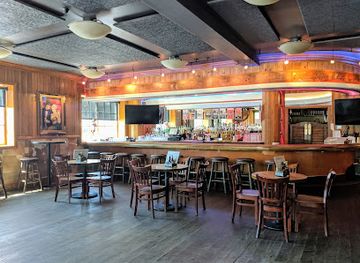
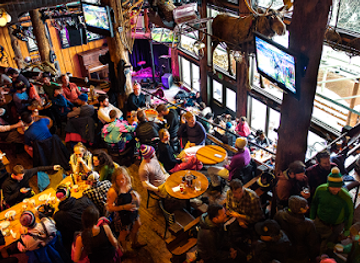
Evening life in Teton Valley is concentrated in Driggs and Victor and is generally low-key. Traditional pubs, brewery-style gathering places, casual bars and restaurants provide spaces for conversation after hiking, cycling or skiing, while occasional live music and community events add a cultural dimension. Tetonia has a smaller selection and a more rural evening atmosphere. The valley does not have a large nightclub district, and late-night options are limited compared with nearby urban centres; visitors should plan transport carefully if staying outside the towns. Seasonal activity can increase during summer and the winter recreation period, but opening arrangements change, so checking locally is sensible. Evening culture is as much about food, conversation, local events and mountain views as it is about drinking.
-
Grill
Silver Dollar Bar
Discover the vibrant atmosphere of Silver Dollar Bar, where American cuisine meets live music in the heart of Jackson, Wyoming.
-
Live music bar
Mangy Moose Jackson Hole
Discover delicious American cuisine and live music at Mangy Moose, a vibrant bar and restaurant in Jackson Hole, Wyoming.
-
American
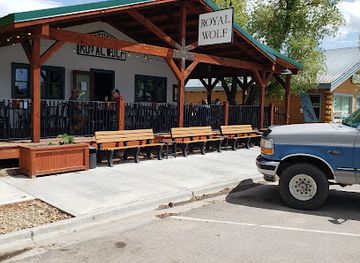
Royal Wolf
Discover the best of American comfort food and vibrant bar culture at Royal Wolf in Driggs, Idaho.
-
American
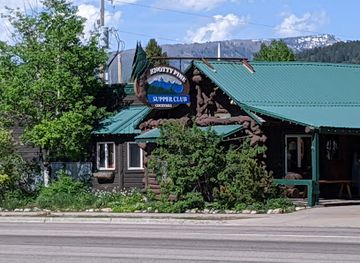
Knotty Pine
Discover Knotty Pine, a cozy American bar in Victor, Idaho, offering delicious cuisine, craft beers, and a vibrant atmosphere for all visitors.
Best shops in Teton Valley
Shopping in Teton Valley is centred on the main streets and commercial areas of Driggs, Victor and Tetonia rather than on large malls. Independent outdoor retailers serve hikers, cyclists, skiers and anglers, while galleries and craft shops offer paintings, photography, jewellery, ceramics and other work connected with the mountain setting. Visitors can also find locally produced food, baked goods and practical provisions for self-catering or day trips. Driggs has the broadest concentration of services and arts-oriented shopping, while Victor and Tetonia retain a smaller, more local scale. Seasonal markets and community events may provide opportunities to buy regional produce or handmade goods, but dates and participation vary. Useful souvenirs include locally made crafts, books about the Tetons and Idaho, outdoor equipment and food products rather than generic park merchandise alone.
-
Shopping mall
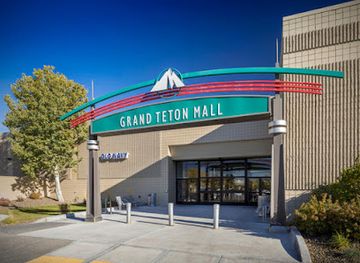
Grand Teton Mall
Discover a shopping haven at Grand Teton Mall in Idaho Falls, offering diverse retail options, dining experiences, and entertainment for all ages.
-
Department store
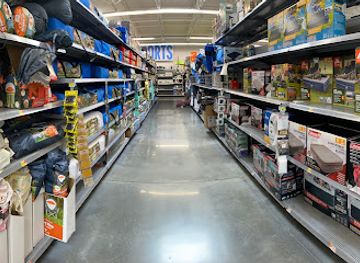
Walmart Supercenter
Discover convenience and variety at Walmart Supercenter in Rexburg, your ultimate shopping destination for groceries, clothing, electronics, and more.
-
Warehouse store
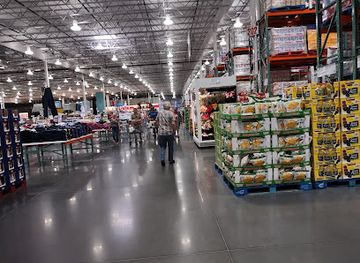
Costco Wholesale
Discover unbeatable prices and a unique shopping experience at Costco Wholesale in Idaho Falls, the ultimate destination for bulk buying and quality goods.
-
Department store
Dillard's
Discover the ultimate shopping experience at Dillard's in Idaho Falls, featuring top-notch clothing, cosmetics, and home goods for every taste and budget.

Get your free copy of our complete guide to Teton Valley, delivered straight to you.
Everything on this page, from attractions and restaurants to essentials and local phrases, in one PDF you can read offline, print or share.
Already have an account? Sign in
Your Teton Valley guide is ready.
We'll send it to · Not you? Sign out

Getting your guide ready…
We are putting together a fresh copy of the Teton Valley guide. This can take up to a minute.
This can take a few moments. If your browser asks, choose Allow so the download can start. You'll find the guide in your Downloads folder.
Nothing happened? Download it again
Sorry, the guide is taking longer than usual. Please try again in a minute, or get it by email instead.
Teton Valley essentials
Currency and Payment
Safety
Emergency Situations
Do's and Don'ts
Local Tips
From Eve
Local phrases worth knowing
You don't need to get them perfect. A few words go a long way, and locals appreciate the effort.
Basics
| English | Local | Say it |
|---|---|---|
| Hello | Howdy | [/ˈhaʊ.di/] |
| Goodbye | See ya | [/si jə/] |
| Yes | Yep | [/jɛp/] |
| No | Nope | [/noʊp/] |
| Please/You're welcome | No problem | [/noʊ ˈprɒb.ləm/] |
| Thank you | Thanks a lot | [/θæŋks ə lɑt/] |
| Excuse me/Sorry | Sorry 'bout that | [/ˈsɔː.ri baʊt ðæt/] |
| How are you? | How's it going? | [/haʊz ɪt ˈɡoʊ.ɪŋ/] |
| Fine. And you? | Good, and you? | [/ɡʊd, ənd ju/] |
| Do you speak English? | You speakin' English? | [/ju ˈspiː.kɪŋ ˈɪŋ.ɡlɪʃ/] |
| I don't understand | I ain't gettin' it | [/aɪ eɪnt ˈɡɛt.ɪn ɪt/] |
Eating & Drinking
| English | Local | Say it |
|---|---|---|
| I'd like to see the menu, please | Can I see the menu, please? | [/kæn aɪ si ðə ˈmɛn.ju, pliz/] |
| I don't eat meat | I ain't eatin' meat | [/aɪ eɪnt ˈiː.tɪn miːt/] |
| Cheers! | Cheers! | [/tʃɪrz/] |
| I would like to pay, please | Can I get the check, please? | [/kæn aɪ ɡɛt ðə tʃɛk, pliz/] |
Emergencies
| English | Local | Say it |
|---|---|---|
| Help! | Help! | [/hɛlp/] |
| Go away! | Get outta here! | [/ɡɛt ˈɔː.tə hɪr/] |
| Call the Police! | Call the cops! | [/kɔːl ðə kɒps/] |
| Call a doctor! | Get a doc! | [/ɡɛt ə dɒk/] |
| I'm lost | I'm turned around | [/aɪm tɜrnd əˈraʊnd/] |
| I'm ill | I'm feelin' sick | [/aɪm ˈfiː.lɪn sɪk/] |
Shopping
| English | Local | Say it |
|---|---|---|
| I'd like to buy... | I wanna buy... | [/aɪ ˈwɒnə baɪ/] |
| I'm just looking | Just browsin' | [/dʒʌst ˈbraʊ.zɪn/] |
| How much is it? | What’s the price? | [/wɒts ðə praɪs/] |
| That's too expensive | That’s a bit steep | [/ðæts ə bɪt stiːp/] |
| Can you lower the price? | Can you bring it down? | [/kæn ju brɪŋ ɪt daʊn/] |
Time & Numbers
| English | Local | Say it |
|---|---|---|
| What time is it? | What time ya got? | [/wɒt taɪm jə ɡɒt/] |
| It's one o'clock | It's one | [/ɪts wʌn/] |
| Half past (10) | Half past ten | [/hæf pɑːst tɛn/] |
| Morning | Mornin' | [/ˈmɔːrnɪn/] |
| Afternoon | Afternoon | [/ˌɑːf.tərˈnuːn/] |
| Evening | Evenin' | [/ˈiː.vnɪn/] |
| Yesterday | Yesterday | [/ˈjɛs.tər.deɪ/] |
| Today | Today | [/təˈdeɪ/] |
| Tomorrow | Tomorrow | [/təˈmɔː.roʊ/] |
| 1 | One | [/wʌn/] |
| 2 | Two | [/tuː/] |
| 3 | Three | [/θriː/] |
| 4 | Four | [/fɔːr/] |
| 5 | Five | [/faɪv/] |
| 6 | Six | [/sɪks/] |
| 7 | Seven | [/ˈsɛv.ən/] |
| 8 | Eight | [/eɪt/] |
| 9 | Nine | [/naɪn/] |
| 10 | Ten | [/tɛn/] |
Transport & Directions
| English | Local | Say it |
|---|---|---|
| Where's a/the...? | Where's the...? | [/wɛrz ðə.../] |
| What's the address? | What's the addy? | [/wɒts ði ˈæd.i/] |
| Can you show me (on the map)? | Can you point it out? | [/kæn ju pɔɪnt ɪt aʊt/] |
| When's the next (bus)? | When's the next bus? | [/wɛn's ðə nɛkst bʌs/] |
| A ticket (to ....) | A ticket to... | [/ə ˈtɪk.ɪt tu/] |
History of Teton Valley
Indigenous Homelands and Seasonal Travel
Teton Valley lies within the broader homeland and travel landscape of Indigenous peoples, including the Shoshone and Bannock. Long before permanent farms and roads, regional communities moved through the valleys and mountains according to seasonal patterns, hunting, gathering and trading across what is now Idaho and Wyoming. The Teton Range and river corridors were geographical reference points as well as sources of food and materials. Indigenous history remains an essential part of understanding the region, even though much of its public historical interpretation focuses more heavily on later settlement.
Exploration and the Fur Trade
European American knowledge of the northern Rocky Mountains expanded through the work of explorers, trappers and traders in the early nineteenth century. Fur-trade networks brought outsiders into contact with Indigenous communities and connected the interior valleys with wider commercial routes. The high passes and river systems around the Tetons were difficult to cross, but they formed part of a larger regional geography linking Idaho, the Snake River Plain and the greater Yellowstone area. This period introduced new pressures and exchanges without creating a dense permanent settlement in Teton Valley.
Homesteading and Mormon Settlement
Permanent agricultural settlement increased in the late nineteenth century, including the arrival of Mormon settlers who helped establish communities and irrigation systems in the valley. Driggs and nearby settlements developed during this period, with farms, ranches, schools, churches and local businesses forming the foundations of present-day town life. Irrigated hay and other crops became important in an environment where the growing season is short and winters are severe. The grid of roads and fields still reflects the practical decisions made by these early settlers.
The Growth of Driggs, Victor and Tetonia
The principal towns emerged as service centres for a dispersed farming and ranching population. Driggs became the county seat and a focus for administration, commerce and community institutions, while Victor developed near the southern end of the valley and Tetonia served the northern agricultural district. Their main streets, older homes and civic buildings preserve elements of early twentieth-century settlement. Although the valley remained rural for much of its history, improved roads and regional transport gradually connected it with larger centres in Idaho and Wyoming.
Ranching, Irrigation and Rural Economy
For much of the twentieth century, Teton Valley’s economy was shaped by cattle, hay, grain and other forms of high-elevation agriculture. Irrigation made farming more reliable, while ranches and family holdings structured both the landscape and social life. Barns, shelterbelts, open fields and watercourses remain visible expressions of this heritage. Farming continues, although land prices, second-home development, tourism and outdoor recreation have changed the economic balance. Contemporary debates about growth often centre on protecting agricultural land, water resources and the valley’s open views.
Outdoor Recreation and Contemporary Change
Late twentieth- and early twenty-first-century growth in hiking, cycling, skiing, wildlife tourism and scenic travel brought a larger visitor economy to Teton Valley. Its position west of Grand Teton National Park and close to mountain landscapes made it attractive to travellers seeking outdoor access and a small-town base. Arts organisations, galleries, restaurants and specialist outdoor businesses expanded alongside this interest. The region now balances a rural identity with rapid change, including housing pressures, seasonal employment and the need to manage recreation in a sensitive mountain environment.
Teton Valley in Photos
Browse through our photo collection highlighting the charm and character of the destination.
Neighbouring regions of Teton Valley
The closest regions to Teton Valley, if you have time for more than one.
-
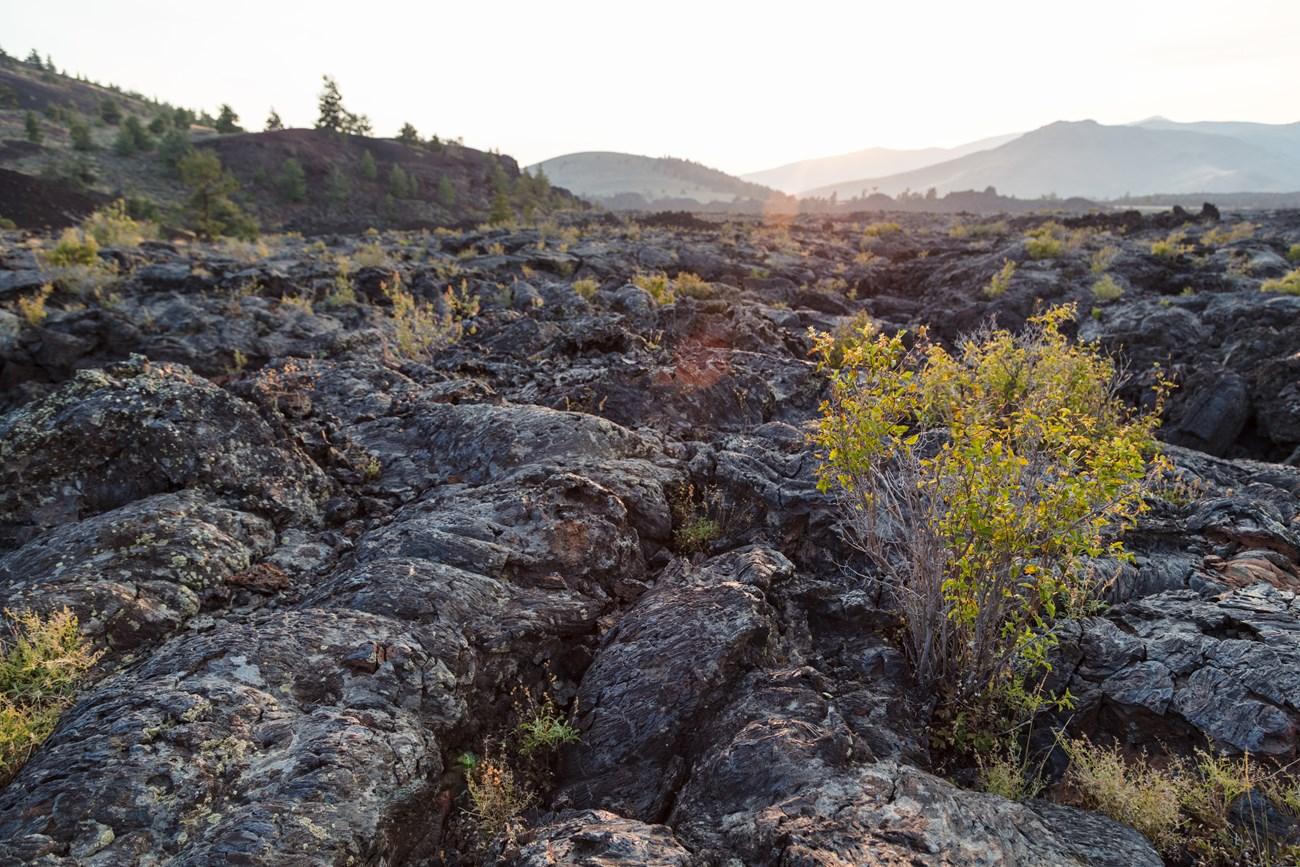 Snake River Plain
Explore Idaho's Snake River Plain for volcanic landscapes, river canyons, waterfalls, fossil beds, farming towns and wide-open high-desert scenery.
-

-

-
-


Swipe for more regions
Explore more

Explore more of Idaho
Idaho: Discover the Gem State's stunning landscapes, vibrant cities, and outdoor adventures. From majestic mountains to serene lakes, experience the natural wonders of Idaho.
Explore Idaho