

Free Snake River Plain Travel Guide & Mobile App
Explore Snake River Plain with free travel guides. Discover regional history, expert tips, proposed trips, and audio guides on web or mobile app.


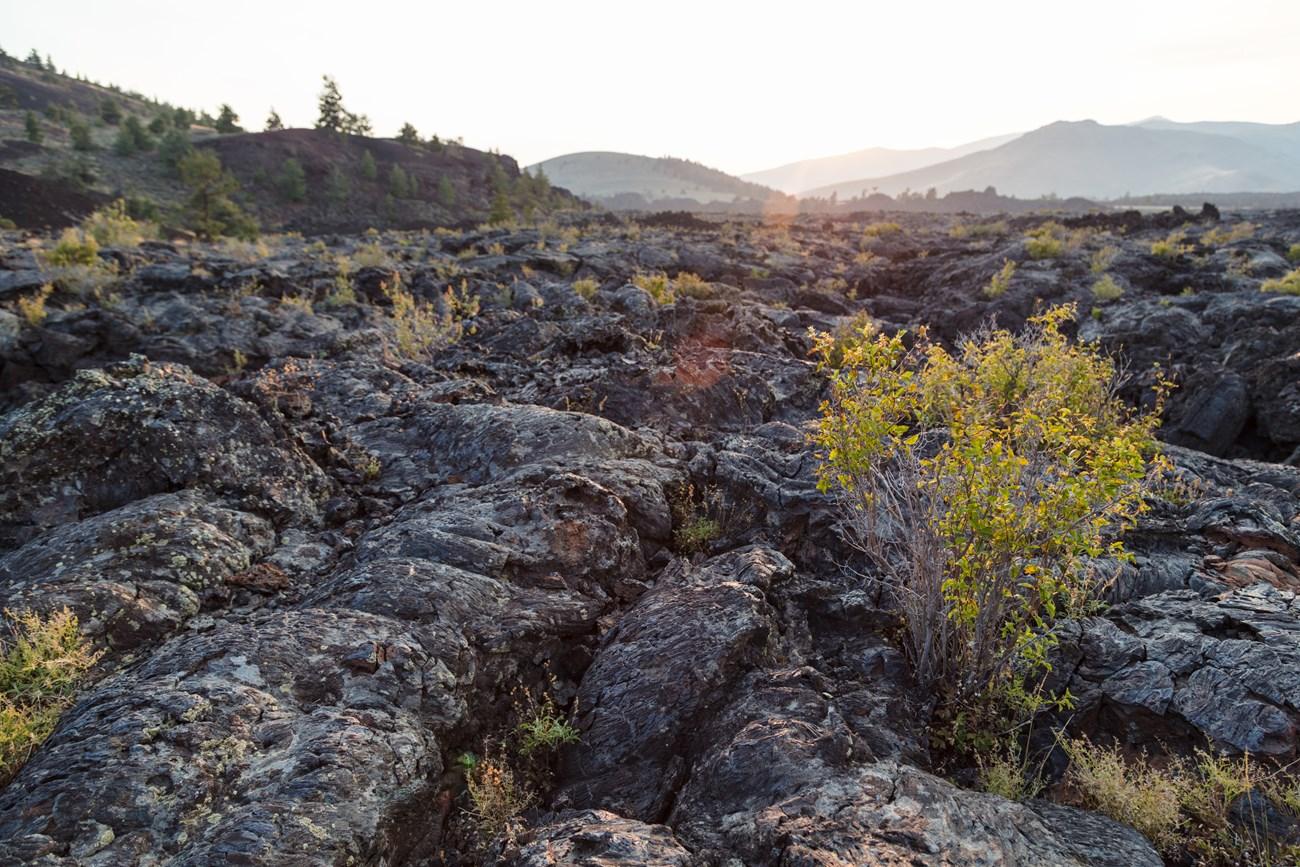


Explore Idaho's Snake River Plain for volcanic landscapes, river canyons, waterfalls, fossil beds, farming towns and wide-open high-desert scenery.
Read more about Snake River Plain
Getting to and around Snake River Plain
How to get there
Transportation
Top city travel guides in Snake River Plain
The cities of Snake River Plain, and the easiest places to base yourself.
-

-

-

-

-

-


Swipe for more cities
Destinations in Snake River Plain
Resorts, valleys and scenic spots worth a trip of their own.
-

-

-

-


Swipe for more destinations
Best attractions in Snake River Plain
The Snake River Plain's attractions are shaped by the meeting of geology, water, agriculture and human history. Craters of the Moon National Monument is the region's clearest volcanic showcase, with trails across black lava, cinder cones and highly textured formations near Arco. In the central plain, the Snake River Canyon around Twin Falls offers overlooks, bridges, trails and access to the broad waterfall of Shoshone Falls, while Thousand Springs reveals water emerging from the porous volcanic plateau in a chain of springs and cascades. Hagerman Fossil Beds National Monument adds a deep-time dimension through its fossil-rich river deposits. Historic attractions include Minidoka National Historic Site, Oregon Trail sites and museums in the larger towns. Around Boise, visitors can combine urban museums, galleries and river recreation with farm-country excursions through the Treasure Valley. The eastern plain brings Idaho Falls' riverfront and cultural institutions, Pocatello's railway and regional history, and open volcanic landscapes extending towards the Idaho National Laboratory area, where public access is limited. Fishing, birdwatching, boating, hiking, cycling and scenic driving are widely available, but the best experience comes from matching activities to season, water conditions and the distance between services.
-
Wildlife park
Yellowstone Bear World
Experience the thrill of observing bears and native wildlife at Yellowstone Bear World, a premier wildlife park in Rexburg, Idaho.
-
Craters of the Moon National Monument & Preserve
Explore the stunning landscapes of Craters of the Moon National Monument & Preserve, a unique geological marvel in Idaho perfect for nature lovers and adventure seekers.
-
Zoo
Idaho Falls Zoo at Tautphaus Park
Explore Idaho Falls Zoo at Tautphaus Park, a family-friendly attraction featuring diverse wildlife and engaging educational experiences in a beautiful park setting.
-
Aquarium
East Idaho Aquarium
Explore the East Idaho Aquarium, a captivating family-friendly destination in Idaho Falls showcasing diverse aquatic life and promoting conservation.



Best landmarks in Snake River Plain
The Snake River Canyon at Twin Falls is one of the plain's most recognisable natural landmarks, a deep basalt gorge that frames the river and includes the prominent drop of Shoshone Falls upstream. The clustered springs and waterfalls of Thousand Springs express the region's unusual volcanic hydrology, as water travels through porous basalt before emerging along the canyon wall. Craters of the Moon is distinguished by its dark lava fields, cones and fissures, which create a landscape unlike the surrounding farmland and sagebrush. Hagerman Fossil Beds is a landmark of scientific importance, preserving a record of prehistoric life beside an ancient river. Minidoka's remaining structures, interpretive landscape and memorial features mark a difficult chapter of American history on the plain. In the east, the Snake River waterfront and bridges at Idaho Falls form a civic landmark at the centre of the city, while Pocatello's historic railway setting reflects the transport routes that helped build southern Idaho. Across the region, irrigation canals, basalt cliffs, grain elevators and broad volcanic horizons are less celebrated individual monuments but essential elements of its visual identity.
-
Nature preserve
Craters of the Moon National Monument & Preserve
Discover the breathtaking volcanic landscapes of Craters of the Moon National Monument & Preserve in Idaho, a natural wonder offering unique hiking trails and stunning vistas.
-
Wildlife park
Yellowstone Bear World
Immerse yourself in the wild wonders of Yellowstone Bear World, a leading wildlife park and zoo in Idaho, perfect for family adventures and wildlife enthusiasts.
-
Visitor center
Thousand Springs State Park & Hagerman Fossil Beds National Monument - Visitor's Center
Explore the stunning beauty and rich history of Thousand Springs State Park and Hagerman Fossil Beds National Monument in Idaho, perfect for nature lovers and history buffs alike.
-
Park
Beaver Dick Park
Experience the natural beauty and recreational charm of Beaver Dick Park in Rexburg, Idaho, a perfect getaway for families and nature lovers alike.

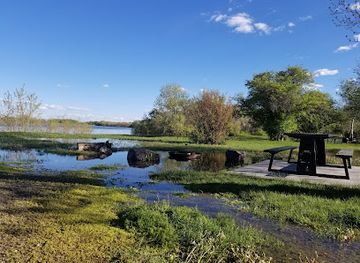
Explore Snake River Plain on the map
Plan your trip on one map. See where the top cities, national parks and sights are, and book hotels and experiences in a few clicks.
Best hotels in Snake River Plain
Best restaurants in Snake River Plain
Dining across the Snake River Plain reflects Idaho's agricultural economy and the practical food traditions of an inland western region. Potatoes are the best-known crop, but the farms and food businesses of southern Idaho also produce onions, sugar beets, grains, dairy products, fruit and vegetables. Trout from Idaho waters appears on menus, while beef, lamb, burgers and American comfort food are common in cafés, diners and family restaurants. Boise and the larger towns provide the broadest range of contemporary cooking, international food and independent cafés; smaller communities often centre on traditional restaurants, bakeries, grills and rural inns. The Treasure Valley and the Snake River wine country around the Boise and Caldwell area support tasting rooms and locally produced wines, while farm stands and seasonal markets offer fruit, vegetables and prepared foods. In the central and eastern plain, roadside cafés and community eateries can be as useful as destination restaurants. Food traditions here are linked to irrigation, ranching and local produce rather than to one single dish, so menus vary considerably between urban centres, agricultural towns and remote highways.
-
American
Smitty's Pancake & Steak House
Experience hearty American cuisine at Smitty's Pancake & Steak House in Idaho Falls – where every meal feels like home.
-
American
Black Bear Diner
Discover hearty American comfort food at Black Bear Diner in Idaho Falls - perfect for families and travelers seeking delicious meals.
-
American
MacKenzie River Pizza, Grill & Pub
Experience delightful American cuisine at MacKenzie River Pizza & Grill - perfect for families seeking good food in Idaho Falls.
-
Hamburger
The SnakeBite Restaurant
Discover mouthwatering gourmet burgers and delightful grilled dishes at The SnakeBite Restaurant in Idaho Falls - perfect for food lovers!

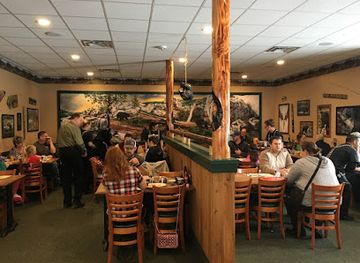

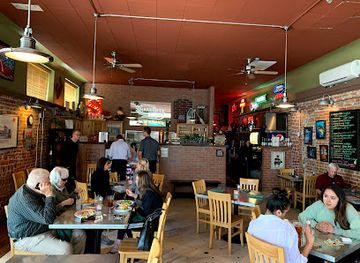
Best bars in Snake River Plain
-
Restaurant
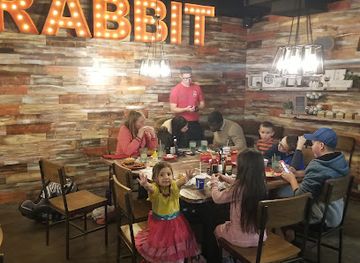
Red Rabbit Grill
Experience the vibrant culinary landscape of Rexburg at Red Rabbit Grill, where fresh ingredients meet exceptional flavors in a cozy setting.
-
Barbecue
The Hickory
Experience the best barbecue and burgers in Rexburg, Idaho at The Hickory, where flavor meets tradition.
-
American
WINGERS Restaurant & Alehouse
Savor the best of American cuisine at WINGERS Restaurant & Alehouse, where great food and craft beer meet in a lively atmosphere.
-
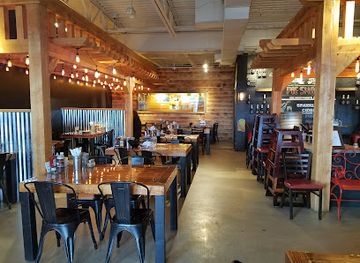
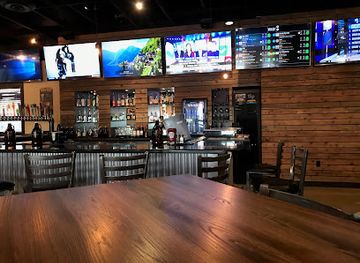
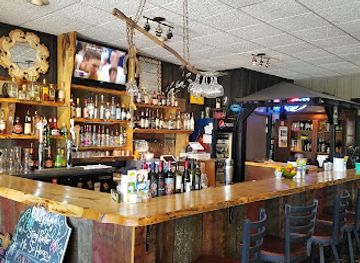
Pub
Bee's Knees Pub & Catering Co.
Discover the heart of Idaho Falls at Bee's Knees Pub & Catering Co., where delicious food meets a vibrant bar scene in a cozy atmosphere.
Best nightclubs in Snake River Plain
-
American
WINGERS Restaurant & Alehouse
Experience a delightful blend of American comfort food and a lively atmosphere at WINGERS Restaurant & Alehouse in Mountain Home, Idaho.
-
Restaurant
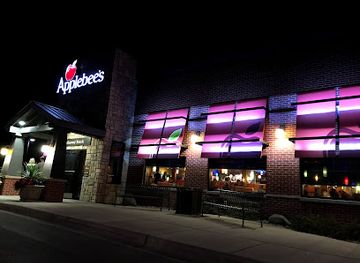
Applebee's Grill + Bar
Discover the best of American dining at Applebee's Grill + Bar in Rexburg, where delicious comfort food meets a friendly atmosphere.
-
American
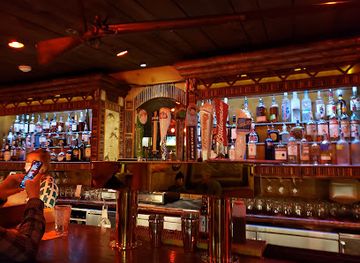
Pioneer Saloon
Discover the Pioneer Saloon: A historic steakhouse in Ketchum, Idaho, serving delicious American cuisine in a rustic, welcoming atmosphere.
-
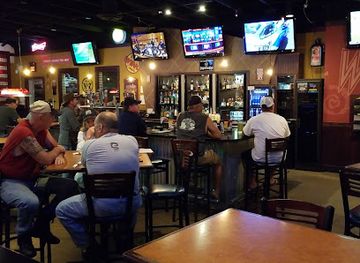
Grill
Roadhouse Saloon
Discover the lively Roadhouse Saloon in Idaho Falls, where delectable grilled dishes and live music unite for an unforgettable night out.

Best shops in Snake River Plain
Shopping on the Snake River Plain is strongest in Boise and the larger towns, where visitors will find independent retailers, galleries, bookshops, national stores and urban market settings. The Treasure Valley around Boise, Meridian, Nampa and Caldwell offers the broadest choice, while Twin Falls, Idaho Falls and Pocatello function as shopping centres for surrounding agricultural communities. Away from these cities, market towns and roadside businesses are useful for regional produce rather than extensive retail browsing. Look for Idaho potatoes and onions, local fruit, preserves, baked goods, wines, craft beer, outdoor clothing and products from farm shops or seasonal markets. Galleries and craft retailers may offer ceramics, jewellery, paintings and other work by Idaho artists, although stock changes from place to place. The most meaningful purchases are often edible or practical reminders of the plain's farming and high-desert character. Check market days and seasonal opening arrangements before making a special journey, particularly in smaller communities.
-
Antique store
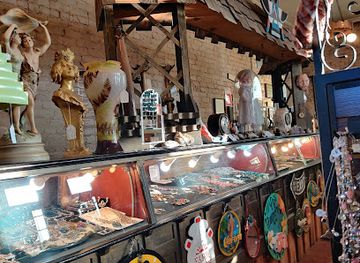
Country Store Boutique
Explore a charming antique store in Idaho Falls, featuring a unique collection of vintage treasures and nostalgic finds perfect for every collector.
-
Ice Cream
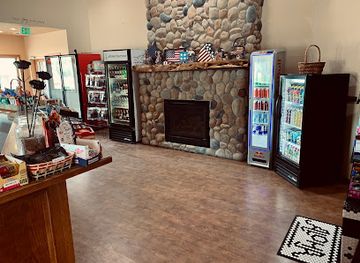
Albion Mercantile Co.
Experience the sweet taste of Albion at Albion Mercantile Co., where delightful ice cream meets local charm in beautiful Idaho.
-
Farm shop
Malta Farm & Ranch Supply
Explore Idaho's agricultural heritage at Malta Farm & Ranch Supply, where quality meets community spirit in a charming farm shop.
-
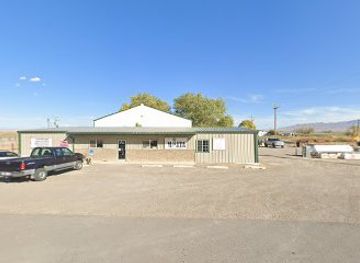
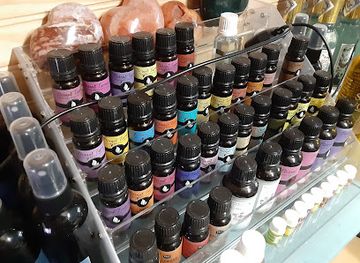
Metaphysical supply store
Blessed Dreams, LLC
Explore a mystical haven in Jackson, Idaho, offering metaphysical supplies, crystals, herbs, and unique gifts for spiritual seekers.
Get your free copy of our complete guide to Snake River Plain, delivered straight to you.
Everything on this page, from attractions and restaurants to essentials and local phrases, in one PDF you can read offline, print or share.
Already have an account? Sign in
Your Snake River Plain guide is ready.
We'll send it to · Not you? Sign out

Getting your guide ready…
We are putting together a fresh copy of the Snake River Plain guide. This can take up to a minute.
This can take a few moments. If your browser asks, choose Allow so the download can start. You'll find the guide in your Downloads folder.
Nothing happened? Download it again
Sorry, the guide is taking longer than usual. Please try again in a minute, or get it by email instead.
Snake River Plain essentials
Currency and Payment
Safety
Emergency Situations
Do's and Don'ts
Local Tips
From Eve
Local phrases worth knowing
You don't need to get them perfect. A few words go a long way, and locals appreciate the effort.
Basics
| English | Local | Say it |
|---|---|---|
| Hello | Howdy | [how-dee] |
| Goodbye | See ya | [see yah] |
| Yes | Yep | [yehp] |
| No | Nope | [nohp] |
| Please/You're welcome | Sure thing | [shur thing] |
| Thank you | Thanks a lot | [thanks a lot] |
| Excuse me/Sorry | Pardon me | [par-dun mee] |
| How are you? | How's it going? | [how's it go-ing] |
| Fine. And you? | Good. And you? | [good. and you?] |
| Do you speak English? | You speakin' English? | [yoo speak-in' ing-glish?] |
| I don't understand | I ain't followin' | [I ain't fol-low-in'] |
Eating & Drinking
| English | Local | Say it |
|---|---|---|
| I'd like to see the menu, please | Can I see the menu? | [can I see the men-you?] |
| I don't eat meat | I don't do meat | [I don't do meet] |
| Cheers! | Cheers! | [cheers] |
| I would like to pay, please | I'd like to settle up | [I'd like to set-tle up] |
Emergencies
| English | Local | Say it |
|---|---|---|
| Help! | Help! | [help] |
| Go away! | Get lost! | [get lost] |
| Call the Police! | Call the cops! | [call the cops] |
| Call a doctor! | Get a doc! | [get a doc] |
| I'm lost | I'm turned around | [I'm turned a-round] |
| I'm ill | I'm not feelin' well | [I'm not feel-in' well] |
Shopping
| English | Local | Say it |
|---|---|---|
| I'd like to buy... | I wanna buy... | [I wanna buy...] |
| I'm just looking | Just browsing | [just brows-ing] |
| How much is it? | What's the price? | [what's the price?] |
| That's too expensive | That's pricey | [that's pry-see] |
| Can you lower the price? | Can you bring it down? | [can you bring it down?] |
Time & Numbers
| English | Local | Say it |
|---|---|---|
| What time is it? | What time we got? | [what time we got?] |
| It's one o'clock | It's one | [it's one] |
| Half past (10) | Half past ten | [half past ten] |
| Morning | Mornin' | [morn-in'] |
| Afternoon | After-noon | [af-ter-noon] |
| Evening | Evenin' | [even-in'] |
| Yesterday | Yesterday | [yes-ter-day] |
| Today | Today | [to-day] |
| Tomorrow | Tomorrow | [to-mor-row] |
| 1 | One | [one] |
| 2 | Two | [two] |
| 3 | Three | [three] |
| 4 | Four | [four] |
| 5 | Five | [five] |
| 6 | Six | [six] |
| 7 | Seven | [seven] |
| 8 | Eight | [eight] |
| 9 | Nine | [nine] |
| 10 | Ten | [ten] |
Transport & Directions
| English | Local | Say it |
|---|---|---|
| Where's a/the...? | Where's the...? | [where's the...?] |
| What's the address? | What's the address? | [what's the ad-dress?] |
| Can you show me (on the map)? | Can you point it out? | [can you point it out?] |
| When's the next (bus)? | When's the next bus? | [when's the next bus?] |
| A ticket (to ....) | One ticket to... | [one tick-et to...] |
History of Snake River Plain
Indigenous Homelands and River Economies
The Snake River Plain lies within the longstanding homelands and travel networks of Indigenous peoples, including Shoshone and Bannock communities and, in different parts of southern Idaho, Northern Paiute and Nez Perce peoples. Rivers, springs, marshes and upland routes supported fishing, hunting, gathering and seasonal movement. The Snake River was not merely a geographical feature but a source of food, transport and cultural connection. Colonial expansion, disease, warfare, treaty-making and the establishment of reservations profoundly disrupted these lifeways, while Shoshone-Bannock communities remain an important part of Idaho's present-day cultural landscape.
Fossil Landscapes of the Hagerman Basin
The Hagerman area preserves evidence of a much older Snake River environment, when the climate and ecosystems of southern Idaho differed substantially from those of today. Fossils found in the Hagerman Fossil Beds include the well-known Hagerman horse, an important record of prehistoric North American mammals. The site helps explain how river deposits, volcanic activity and changing climates shaped the plain over immense periods of time. Its significance is scientific as well as scenic: the exposed formations show that the modern high-desert landscape is only the latest phase in a long geological history.
Exploration, Fur Trade and Emigrant Routes
European American exploration and the fur trade brought new mapping, commercial and political interests to the Snake River country during the nineteenth century. Later, emigrants travelling the Oregon Trail crossed southern Idaho, following difficult routes beside or near the river and its tributaries. Sites such as Three Island Crossing, west of the central plain, recall the choices and hardships faced by wagon parties seeking safer river crossings. These movements connected the region to wider westward expansion, while also intensifying pressure on Indigenous lands and resources.
Irrigation and Agricultural Transformation
Much of the Snake River Plain is naturally dry, and large-scale irrigation transformed its economy from the late nineteenth century onwards. Canals, reservoirs, diversion works and pumping systems made it possible to cultivate crops across areas that had previously supported sparse sagebrush and grassland. The resulting agricultural economy became associated with potatoes, sugar beets, grains, onions, dairy production and other crops, with processing and transport industries developing alongside farms. Irrigation also altered wetlands, river flows and settlement patterns, creating the productive but heavily managed landscape visible across southern Idaho today.
Railways, Towns and the Growth of Regional Centres
Railway construction in the late nineteenth and early twentieth centuries strengthened towns along the plain and connected Idaho agriculture with distant markets. Boise and the Treasure Valley developed as a major population and commercial centre, while Twin Falls grew around irrigation, farming and trade in the Magic Valley. Idaho Falls and Pocatello became important eastern transport and service centres. Railways, highways, schools, warehouses and civic buildings made these towns regional anchors, even as many smaller communities retained close ties to surrounding farms and ranches.
Japanese American Incarceration at Minidoka
During the Second World War, the United States government forcibly removed and incarcerated Japanese Americans, including many from the West Coast, at camps away from their homes. Minidoka War Relocation Center operated on the Snake River Plain near Jerome from 1942 until 1945. Thousands of people lived there under military authority, in harsh and highly restricted conditions, while the surrounding agricultural area also depended on their labour in various ways. Minidoka National Historic Site preserves this history and places Idaho within the wider national story of wartime racism, civil liberties and remembrance.
Nuclear Research and the Idaho National Laboratory
The sparsely populated eastern Snake River Plain became the setting for major nuclear research after the Second World War. The National Reactor Testing Station, later called the Idaho National Laboratory, was established in the high desert west of Idaho Falls. Researchers tested experimental reactors and developed technologies connected with nuclear energy, including early work with electricity-producing reactors. The laboratory remains a significant scientific and engineering institution, although much of its secure estate is not open to ordinary visitors. Its presence reflects the region's transition from an agricultural frontier to a centre for advanced research.
Volcanic Landscapes and Continuing Geological Change
The plain's volcanic history is visible in basalt flows, cinder cones, lava tubes and fissures, particularly at Craters of the Moon and along the eastern Snake River Plain. These formations were created by eruptions over a long period, with some relatively recent in geological terms. The plain also records the movement of the Yellowstone hotspot across what is now Idaho, leaving a sequence of volcanic features from south-west to north-east. Geological research and protected landscapes have made this story central to the region's identity, while also reminding visitors that the terrain is dynamic rather than simply empty desert.
Snake River Plain in Photos
Browse through our photo collection highlighting the charm and character of the destination.
Neighbouring regions of Snake River Plain
The closest regions to Snake River Plain, if you have time for more than one.
-

-

-

-

-


Swipe for more regions
Explore more

Explore more of Idaho
Idaho: Discover the Gem State's stunning landscapes, vibrant cities, and outdoor adventures. From majestic mountains to serene lakes, experience the natural wonders of Idaho.
Explore Idaho