

Free Lost River Valley Travel Guide & Mobile App
Explore Lost River Valley with free travel guides. Discover regional history, expert tips, proposed trips, and audio guides on web or mobile app.


Explore Lost River Valley in Idaho for high-desert scenery, ranching heritage, mountain hiking, fishing and access to the Lost River Range.
Read more about Lost River Valley
Getting to and around Lost River Valley
How to get there
Transportation
Top city travel guides in Lost River Valley
The cities of Lost River Valley, and the easiest places to base yourself.
-

-


Swipe for more cities
Destinations in Lost River Valley
Resorts, valleys and scenic spots worth a trip of their own.

Swipe for more destinations
Best attractions in Lost River Valley
Lost River Valley’s attractions are shaped by its mountains, river and working rural landscape rather than by a dense concentration of purpose-built facilities. Mackay provides access to local history and the visible mining remains of Mine Hill, where the region’s mineral economy can be understood against the surrounding ranges. Mackay Reservoir offers opportunities for fishing, boating, birdwatching and quiet shoreline recreation, subject to water levels and local conditions. The Big Lost River corridor is well suited to scenic drives, wildlife observation and photography, with irrigated fields and cottonwoods contrasting with dry uplands. For experienced hikers and mountaineers, the Lost River Range provides demanding routes and access towards Idaho’s highest peaks, including Mount Borah; these are serious mountain objectives rather than casual walks. Geology is an attraction in its own right, from layered mountain slopes to the valley’s disappearing and reappearing water system. Visitors seeking broader heritage or visitor services may use nearby Arco as an excursion base, but it lies outside Lost River Valley and should not be confused with the region itself.
-
Ravine
Little Lost River Valley
Explore the breathtaking Little Lost River Valley in Idaho - a hidden gem for nature lovers and outdoor adventurers alike.

Best landmarks in Lost River Valley
The most recognisable landmark in Lost River Valley is the Lost River Range, whose stark profile dominates the western side of the basin and includes Mount Borah, Idaho’s highest summit. The mountains are significant both geographically and symbolically, marking the region as one of the state’s principal high-country landscapes. Mackay Dam is another important physical feature: its structure and reservoir represent the long effort to regulate the Big Lost River for irrigated agriculture, while also creating a visible recreational centre. Around Mackay, Mine Hill preserves the industrial imprint of historic mineral extraction, with mine roads, workings and altered hillsides standing as reminders of the town’s origins. The Big Lost River itself is a geographical landmark because its flow behaves unusually across the valley’s permeable deposits. Together, these features express the region’s central relationship between water, mineral wealth, agriculture and imposing mountain terrain.
-
National park
Minidoka National Historic Site
Discover the Minidoka National Historic Site, a poignant reminder of resilience and civil liberties in Idaho's beautiful landscape.
-
Historical landmark
Register Rock State Historic Site
Explore the historic Register Rock State Historic Site in Idaho, where pioneers left their mark and nature beckons with tranquility.
-
Historical landmark
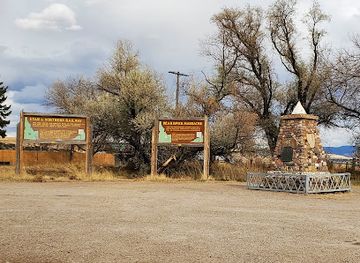
Bear River Massacre Site
Discover the Bear River Massacre Site: A historical landmark in Idaho that commemorates a pivotal moment in American history and honors the Shoshone people.
-
Museum
Mackay Mine - Historic Landmark
Explore the rich history of Mackay Mine in Idaho, a captivating landmark showcasing the legacy of the mining era amidst breathtaking landscapes.



Explore Lost River Valley on the map
Plan your trip on one map. See where the top cities, national parks and sights are, and book hotels and experiences in a few clicks.
Best hotels in Lost River Valley
Best restaurants in Lost River Valley
Dining in Lost River Valley is practical and community-oriented, with options concentrated in Mackay and limited services elsewhere. Expect small-town cafés, casual restaurants and gathering places where portions are substantial and menus reflect the wider food culture of rural Idaho rather than a narrowly defined regional cuisine. Ranching and irrigated agriculture shape the local food landscape, while trout and other freshwater fish may feature in home cooking or seasonal angling traditions, subject to regulations and availability. Travellers should not expect a large choice of late-night dining or specialist international restaurants, and advance planning is sensible when travelling through the valley. Groceries, picnic supplies and drinks are useful purchases before heading towards the mountains or reservoir. The area is also well suited to self-catering, particularly for visitors staying in cabins or campsites, though food storage must be managed carefully in wildlife country.
-
Steak
Barbacoa Grill
Discover exquisite dining at Barbacoa Grill in Boise - where Latin American flavors meet fine steaks in an elegant atmosphere.
-
American
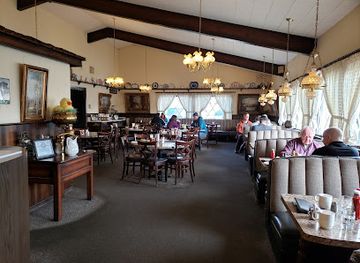
Smitty's Pancake & Steak House
Experience the heart of American cuisine at Smitty's Pancake & Steak House in Idaho Falls – where every meal is a family celebration.
-
American
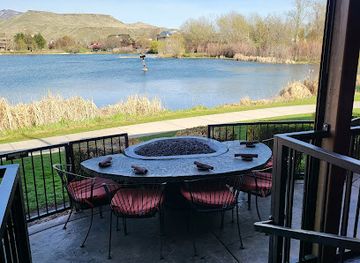
Dockside Restaurant
Experience unforgettable dining at Dockside Restaurant in Coeur d'Alene, where fresh seafood and American classics meet stunning waterfront views.
-
Restaurant
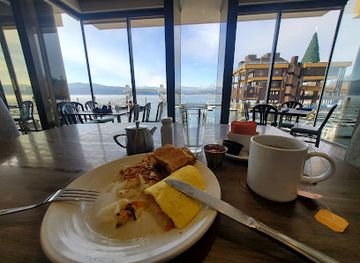
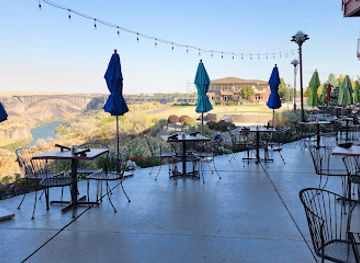
Elevation 486
Discover Elevation 486: A culinary delight in Twin Falls with breathtaking views and locally inspired cuisine.
Best bars in Lost River Valley
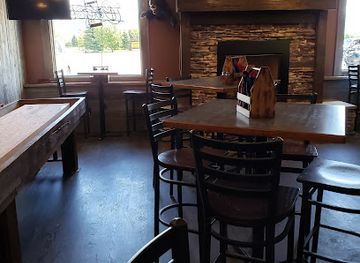
Lost River Valley does not have a major nightclub scene. Evening social life is centred on the traditional small-town bar, casual restaurant or community gathering place, particularly in Mackay, with conversation and local events more important than late closing times. Travellers may find simple drinks and food in a relaxed setting, but should not assume that every establishment operates late or that services are available in the smaller settlements. In summer, long daylight hours encourage time outdoors around the reservoir or valley roads, while clear nights are well suited to stargazing away from town lights. Visitors should arrange a sober driver or accommodation within walking distance when drinking, since rural roads are dark, distances are long and roadside assistance is limited.
-
Pub
Bee's Knees Pub & Catering Co.
Discover the heart of Idaho Falls at Bee's Knees Pub & Catering Co., where delicious food meets a vibrant atmosphere.
-
Grill
Blue Wave
Experience delicious American grill cuisine at Blue Wave in Idaho Falls, a casual dining gem perfect for all occasions!
-
Grill
Roadhouse Saloon
Discover the vibrant atmosphere of Roadhouse Saloon, a top grill and live music bar in Idaho Falls, perfect for food lovers and music enthusiasts.
-
Bar
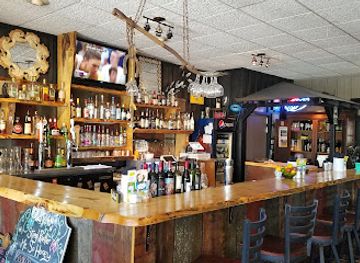
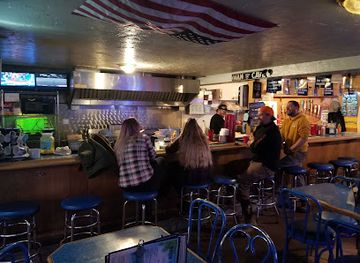
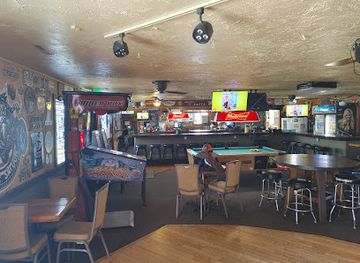
Snake River Roadhouse Bar & Grill
Discover the delightful flavors of the Snake River Roadhouse Bar & Grill in Swan Valley, a perfect stop for food lovers and nature enthusiasts alike.
Best nightclubs in Lost River Valley
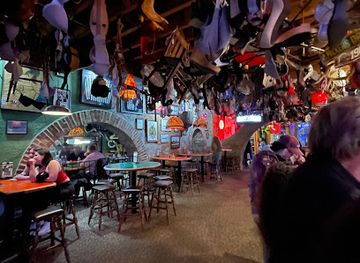
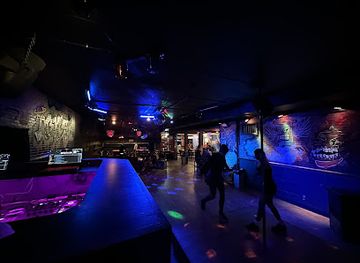
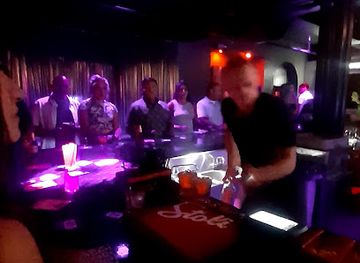
Lost River Valley does not have a major nightclub scene. Evening social life is centred on the traditional small-town bar, casual restaurant or community gathering place, particularly in Mackay, with conversation and local events more important than late closing times. Travellers may find simple drinks and food in a relaxed setting, but should not assume that every establishment operates late or that services are available in the smaller settlements. In summer, long daylight hours encourage time outdoors around the reservoir or valley roads, while clear nights are well suited to stargazing away from town lights. Visitors should arrange a sober driver or accommodation within walking distance when drinking, since rural roads are dark, distances are long and roadside assistance is limited.
-
Night club
Humpin' Hannah's
Discover Boise's vibrant nightlife at Humpin' Hannah's, where lively music and signature cocktails create an unforgettable experience.
-
Night club
Mik's
Discover the vibrant nightlife at Mik's, Coeur d'Alene's premier night club and bar, where great music and fun await every night.
-
Adult entertainment club
Club 91
Experience the vibrant nightlife at Club 91, a unique adult entertainment club and sports bar in Pocatello, Idaho, perfect for unforgettable evenings.
-
Night club
StrangeLove
Dive into Boise's vibrant nightlife at StrangeLove, the ultimate destination for dancing, drinks, and unforgettable moments.

Best shops in Lost River Valley
Shopping in Lost River Valley is concentrated in Mackay and is oriented towards practical supplies rather than extensive retail. Small local businesses may provide groceries, outdoor essentials and everyday goods, while visitors can look for locally made items or regional products when available. The most useful purchases are often food, water, fuel and provisions for mountain travel, since choices become limited outside the main settlement. The valley does not have a large shopping centre, designer district or established craft-market circuit. Visitors interested in Idaho-made foods, artwork, books or specialist outdoor equipment will generally find a wider selection in larger towns outside the region, including gateway communities such as Arco. Respect local trading hours and remember that small rural shops may have limited stock, so last-minute replacements for technical equipment or travel essentials cannot be guaranteed.
-
Shopping mall
The Village at Meridian
Discover The Village at Meridian: Idaho's premier outdoor shopping and dining destination, offering a delightful mix of shops, eateries, and entertainment.
-
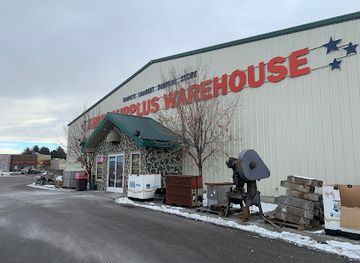
Army & navy surplus shop
Army Surplus Warehouse
Discover the best of military surplus and outdoor gear at Army Surplus Warehouse in Idaho Falls, a unique shopping experience for adventurers and enthusiasts.
-
Gift shop
Idaho Bling Bling
Explore Idaho Bling Bling, a unique gift shop in Idaho Falls, featuring eclectic gifts, stunning rocks, and metaphysical supplies that celebrate Idaho's charm.
-
Gift shop
Re-POP Gifts
Discover the eclectic charm of Re-POP Gifts, a unique boutique in Boise, offering pop culture treasures and Idaho souvenirs for every traveler.


Get your free copy of our complete guide to Lost River Valley, delivered straight to you.
Everything on this page, from attractions and restaurants to essentials and local phrases, in one PDF you can read offline, print or share.
Already have an account? Sign in
Your Lost River Valley guide is ready.
We'll send it to · Not you? Sign out

Getting your guide ready…
We are putting together a fresh copy of the Lost River Valley guide. This can take up to a minute.
This can take a few moments. If your browser asks, choose Allow so the download can start. You'll find the guide in your Downloads folder.
Nothing happened? Download it again
Sorry, the guide is taking longer than usual. Please try again in a minute, or get it by email instead.
Lost River Valley essentials
Currency and Payment
Safety
Emergency Situations
Do's and Don'ts
Local Tips
From Eve
Local phrases worth knowing
You don't need to get them perfect. A few words go a long way, and locals appreciate the effort.
Basics
| English | Local | Say it |
|---|---|---|
| Hello | Howdy | [Ha-dee] |
| Goodbye | See ya | [See yah] |
| Yes | Yep | [Yep] |
| No | Nope | [Nope] |
| Please/You're welcome | Please/No problem | [Please/No prob] |
| Thank you | Thanks a lot | [Thangs a lot] |
| Excuse me/Sorry | Excuse me/Sorry 'bout that | [Ex-cuse me/Sorry 'bout that] |
| How are you? | How ya doin'? | [How ya doin'?] |
| Fine. And you? | Good. How 'bout you? | [Good. How 'bout you?] |
| Do you speak English? | You speakin' English? | [You speakin' English?] |
| I don't understand | I ain't followin' | [I ain't followin'] |
Eating & Drinking
| English | Local | Say it |
|---|---|---|
| I'd like to see the menu, please | Can I see the menu, please? | [Can I see the menu, please?] |
| I don't eat meat | I ain't eatin' meat | [I ain't eatin' meat] |
| Cheers! | Cheers! | [Cheers!] |
| I would like to pay, please | Can I get the check, please? | [Can I get the check, please?] |
Emergencies
| English | Local | Say it |
|---|---|---|
| Help! | Help! | [Help!] |
| Go away! | Get away! | [Get away!] |
| Call the Police! | Call the cops! | [Call the cops!] |
| Call a doctor! | Call a doc! | [Call a doc!] |
| I'm lost | I’m lost | [I’m lost] |
| I'm ill | I ain't feelin' good | [I ain't feelin' good] |
Shopping
| English | Local | Say it |
|---|---|---|
| I'd like to buy... | I wanna buy... | [I wanna buy...] |
| I'm just looking | Just lookin' around | [Just lookin' around] |
| How much is it? | What’s it gonna cost? | [What’s it gonna cost?] |
| That's too expensive | That’s too pricey | [That’s too pricey] |
| Can you lower the price? | Can you bring that down a bit? | [Can you bring that down a bit?] |
Time & Numbers
| English | Local | Say it |
|---|---|---|
| What time is it? | What time ya got? | [What time ya got?] |
| It's one o'clock | It’s one o’clock | [It’s one o’clock] |
| Half past (10) | Half past ten | [Half past ten] |
| Morning | Mornin' | [Mornin'] |
| Afternoon | Afternoon | [Afternoon] |
| Evening | Evenin' | [Evenin'] |
| Yesterday | Yest'day | [Yest'day] |
| Today | Today | [Today] |
| Tomorrow | Tomorrah | [Tomorrah] |
| 1 | One | [One] |
| 2 | Two | [Two] |
| 3 | Three | [Three] |
| 4 | Four | [Four] |
| 5 | Five | [Five] |
| 6 | Six | [Six] |
| 7 | Seven | [Seven] |
| 8 | Eight | [Eight] |
| 9 | Nine | [Nine] |
| 10 | Ten | [Ten] |
Transport & Directions
| English | Local | Say it |
|---|---|---|
| Where's a/the...? | Where's the...? | [Where's the...?] |
| What's the address? | What’s the address? | [What’s the address?] |
| Can you show me (on the map)? | Can ya show me on the map? | [Can ya show me on the map?] |
| When's the next (bus)? | When's the next bus? | [When's the next bus?] |
| A ticket (to ....) | A ticket to... | [A ticket to...] |
History of Lost River Valley
Indigenous Homelands and River Travel
The Big Lost River country lies within the traditional homeland and travel geography of Northern Shoshone and Bannock peoples. River corridors, mountain passes and seasonal resource areas connected the basin with neighbouring parts of central Idaho long before Euro-American settlement. The name ‘Lost River’ reflects the river’s unusual hydrology: parts of its flow can disappear into porous valley deposits and groundwater systems before re-emerging farther downstream. Indigenous history remains an essential part of the region’s story, even though later accounts often centred on mining and ranching.
Early Exploration and the High Mountain Interior
Fur traders, explorers and emigrants gradually entered central Idaho during the nineteenth century, travelling through a difficult interior of desert basins and rugged ranges. The Lost River country was not a major wagon corridor on the scale of southern Idaho routes, but mapping and prospecting increased as American settlement expanded. The surrounding mountains became increasingly important to geologists and miners, while the river valley offered comparatively level ground for later agriculture and transport.
Mining and the Founding of Mackay
Mineral discoveries in the Lost River Range helped shape the settlement that became Mackay. Copper, lead, silver and other ores were worked in the surrounding mountains, and the town developed as a service and supply centre for mines, ranches and transport links. Mining brought investment, labour and infrastructure, but it also tied the local economy to fluctuating metal prices and the difficult logistics of extracting ore from a remote mountain environment.
Irrigation and Agricultural Settlement
Ranching and hay production became central to life in the valley as settlers developed irrigation systems using the Big Lost River and associated waterworks. The river’s shifting surface flow made water management especially important. Irrigated fields and sheltering stands of cottonwood transformed parts of the valley floor into productive agricultural land, creating the distinctive contrast between green ranch country and the dry mountains that still defines the region.
Mackay Dam and Water Management
Mackay Dam was built in the early twentieth century to regulate irrigation water from the Big Lost River. Its reservoir helped stabilise agriculture in a valley where annual water availability could vary considerably. The dam also created a recreational landscape used for fishing, boating and wildlife observation. More broadly, the project illustrates how local communities adapted a high-desert river system to support settlement while remaining dependent on snowpack, seasonal runoff and careful allocation.
Modern Conservation and Outdoor Recreation
During the twentieth and twenty-first centuries, the region’s identity broadened beyond mining and agriculture. The Lost River Range attracted climbers, hikers, geologists and photographers, particularly because it contains Idaho’s highest summits and dramatic exposed geology. At the same time, ranching remained an important land use, and access to mountains, streams and backcountry routes continued to depend on a mixture of public land, private property and seasonal conditions.
Lost River Valley in Photos
Browse through our photo collection highlighting the charm and character of the destination.
Neighbouring regions of Lost River Valley
The closest regions to Lost River Valley, if you have time for more than one.
-

-

-
-

-
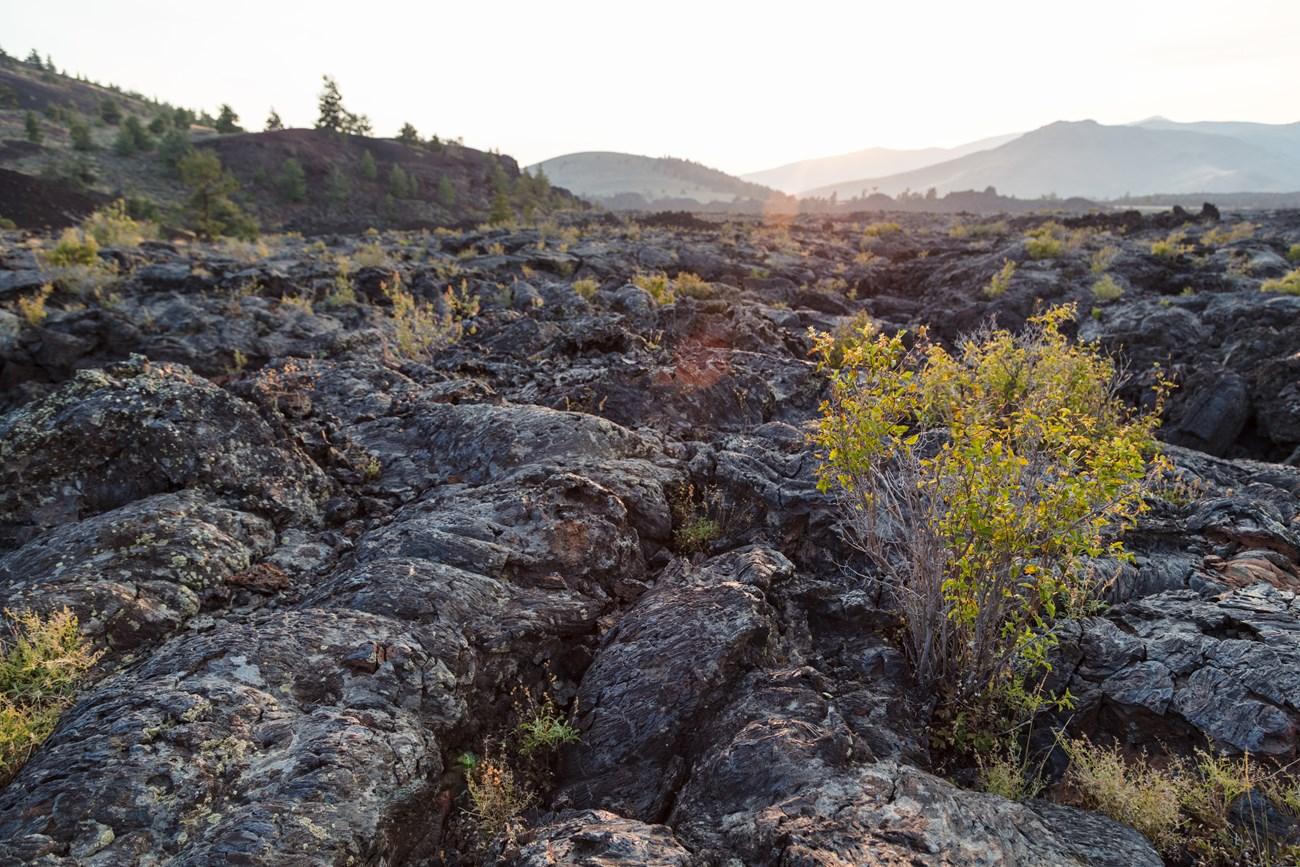 Snake River Plain
Explore Idaho's Snake River Plain for volcanic landscapes, river canyons, waterfalls, fossil beds, farming towns and wide-open high-desert scenery.


Swipe for more regions
Explore more

Explore more of Idaho
Idaho: Discover the Gem State's stunning landscapes, vibrant cities, and outdoor adventures. From majestic mountains to serene lakes, experience the natural wonders of Idaho.
Explore Idaho