

Free Magic Valley Travel Guide & Mobile App
Explore Magic Valley with free travel guides. Discover regional history, expert tips, proposed trips, and audio guides on web or mobile app.


Explore Idaho's Magic Valley for Snake River canyons, waterfalls, fossil beds, springs, farm-country landscapes and the cultural history of southern Idaho.
Read more about Magic Valley
When is the best time to visit Magic Valley?
Best: June, August–September · 25–30°C| Month | High (°C) | Rainfall (mm) |
|---|---|---|
| January | 3 | 31 |
| February | 7 | 25 |
| March | 11 | 29 |
| April | 16 | 30 |
| May | 21 | 34 |
| June (best) | 27 | 25 |
| July | 32 | 14 |
| August (best) | 30 | 14 |
| September (best) | 25 | 20 |
| October | 18 | 28 |
| November | 9 | 32 |
| December | 5 | 34 |
Getting to and around Magic Valley
How to get there
Transportation
Top city travel guides in Magic Valley
The cities of Magic Valley, and the easiest places to base yourself.
-

-

-

-

-

-


Swipe for more cities
Destinations in Magic Valley
Resorts, valleys and scenic spots worth a trip of their own.
-

-

-
-


Swipe for more destinations
Best attractions in Magic Valley
Magic Valley's attractions are shaped by the Snake River Plain and the water brought through it. Around Twin Falls, the Snake River Canyon provides viewpoints, walking routes and access to Shoshone Falls, while the Perrine Bridge is a focal point for canyon scenery and permitted adventure activities. West of the city, the Thousand Springs area reveals clear groundwater emerging through the volcanic plain, with opportunities for wildlife observation, fishing, boating and scenic drives. Hagerman Valley combines agricultural landscapes with the Hagerman Fossil Beds, where geological interpretation and fossil evidence explain a much older environment. History is represented by the Minidoka National Historic Site, museums, irrigation works and overland-trail remnants. Further east, Burley and Rupert offer access to reservoirs, farming country and community heritage. The region is better suited to a sequence of road-based outings than to a single concentrated attraction district, and outdoor visits should be planned around heat, wind, water conditions and the season.
-
Tourist attraction
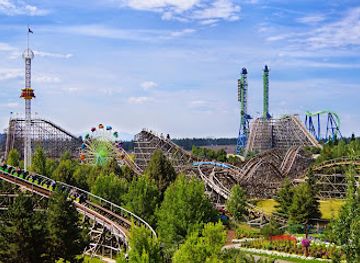
Silverwood Theme Park
Experience thrilling rides and family entertainment at Silverwood Theme Park in Athol, Idaho, a must-visit destination for adventure seekers and families.
-
Tourist attraction
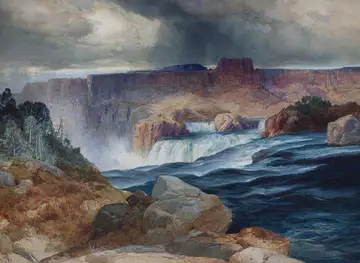
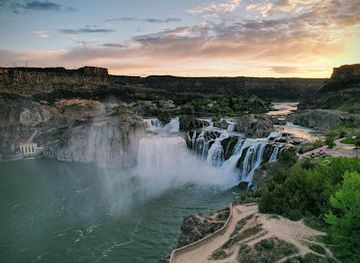
Shoshone Falls Park
Experience the breathtaking beauty of Shoshone Falls Park, a natural wonder showcasing one of the largest waterfalls in the United States, perfect for outdoor enthusiasts and families.
-
Tourist attraction
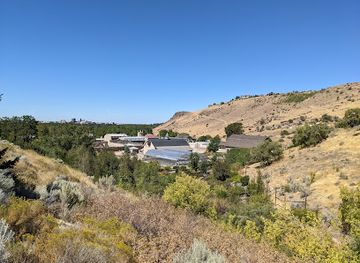
Idaho Botanical Garden
Discover the enchanting Idaho Botanical Garden in Boise, a serene escape filled with diverse plant life, stunning landscapes, and rich history.
-
Tourist attraction
Silver Mountain Resort
Discover the year-round adventures at Silver Mountain Resort, Idaho's premier ski and outdoor destination with breathtaking views and thrilling activities.


Best landmarks in Magic Valley
The Perrine Bridge is Magic Valley's most recognisable modern landmark, spanning the Snake River Canyon north of Twin Falls and framing views of the river and basalt walls. Nearby Shoshone Falls is a major natural landmark whose flow and appearance change with seasonal water conditions and irrigation management. The canyon itself, carved into layered volcanic rock, is more than scenery: it explains the region's geography, transport challenges and recreational identity. In Hagerman Valley, the Hagerman Fossil Beds mark a scientifically important landscape where the fossil record preserves ancient life from the Snake River Plain. The Minidoka National Historic Site, with its surviving and reconstructed features, is a significant memorial landscape rather than a conventional monument. Irrigation structures around Milner and the wider canal network are also essential landmarks of the human transformation of southern Idaho's high desert.
-
Tourist attraction
Silverwood Theme Park
Experience the thrills of Silverwood Theme Park, Idaho's premier amusement park with rides, shows, and a fantastic water park for the whole family.
-
Tourist attraction
Shoshone Falls Park
Experience the breathtaking beauty of Shoshone Falls Park in Twin Falls, Idaho, where nature's wonders meet outdoor adventure for unforgettable memories.
-
Bridge
Perrine Memorial Bridge
Explore the breathtaking Perrine Memorial Bridge in Jerome, Idaho, an iconic landmark offering stunning views of the Snake River Canyon and thrilling outdoor adventures.
-
Tourist attraction
Centennial Waterfront Park
Experience the beauty of Centennial Waterfront Park, a scenic park with stunning views, recreational activities, and serene nature in Twin Falls, Idaho.


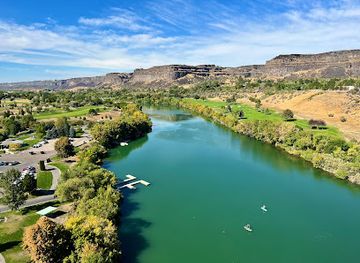
Explore Magic Valley on the map
Plan your trip on one map. See where the top cities, national parks and sights are, and book hotels and experiences in a few clicks.
Best hotels in Magic Valley
Best restaurants in Magic Valley
Dining in Magic Valley reflects irrigated agriculture, cattle and dairy farming, freshwater production and the practical food culture of southern Idaho. Twin Falls has the broadest range, from cafés and bakeries to independent restaurants, steakhouses, international food and contemporary dining. In the wider region, traditional diners, family restaurants, rural inns and community eateries remain useful stops between attractions. Potatoes are the best-known local crop, but menus and farm stands may also feature dairy products, grain, fruit, vegetables and trout from the Hagerman Valley. Farmers' markets and seasonal stands provide a direct connection with the agricultural economy, while breweries and other craft producers offer locally made drinks alongside food. Expect greater choice in Twin Falls and more limited, locally focused options in smaller towns; opening days and seasonal availability can vary, especially in rural areas.
-
Restaurant
Elevation 486
Experience Idaho's culinary delights with stunning views at Elevation 486 – where every meal is an adventure in taste.
-
American
Black Bear Diner Twin Falls
Experience hearty American meals at Black Bear Diner Twin Falls - perfect for families and breakfast lovers alike.
-
Mexican
La Fiesta | Mexican Restaurant
Experience the vibrant flavors of Mexico at La Fiesta in Twin Falls - where every meal is a festive celebration!
-
American
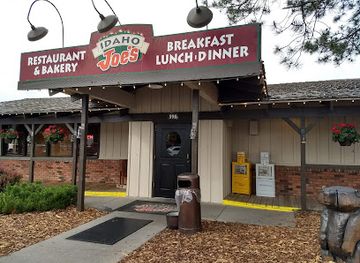
Idaho Joes
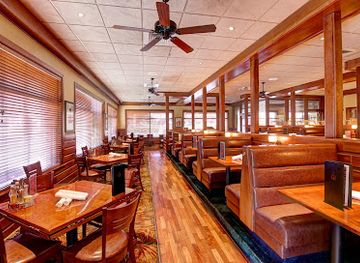
Discover Idaho Joes: Your go-to breakfast destination in Twin Falls offering delicious American classics in a cozy atmosphere.


Best bars in Magic Valley
Magic Valley's evening life is concentrated in Twin Falls, where the largest selection of brewpubs, bars, casual restaurants, live-music settings and other social venues can be found. The city's nightlife is modest rather than metropolitan, and many evenings are centred on dining, conversation or locally produced beer rather than late-night clubbing. Burley and other larger communities have traditional pubs, lounges and restaurants, while smaller agricultural towns generally offer a quieter choice of bars and community venues. Historic-style inns and rural establishments may provide an atmospheric evening stop, but visitors should check current opening arrangements rather than assume late service. University and seasonal influences can add activity in Twin Falls, although the region's outdoor attractions and dispersed settlement pattern mean that nightlife is not its principal draw.
-
Restaurant
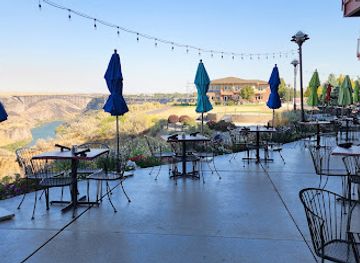
Elevation 486
Discover the perfect blend of stunning views and delicious cuisine at Elevation 486 in Twin Falls, Idaho.
-
Grill
Jakers Bar and Grill
Discover Jakers Bar and Grill: Twin Falls' top destination for grilled specialties, seafood delights, and vibrant cocktails in a warm atmosphere.
-
Restaurant
Applebee's Grill + Bar
Experience the essence of American cuisine at Applebee's Grill + Bar in Twin Falls, where families gather for good food and great times.
-
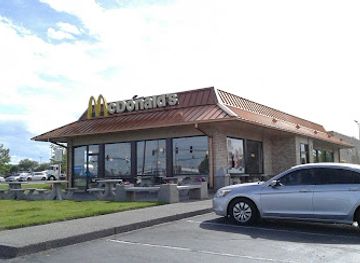
Fast Food
McDonald's
Discover the quick and tasty offerings at McDonald's in Twin Falls, where fast food meets convenience and family-friendly atmosphere.

Best nightclubs in Magic Valley
Magic Valley's evening life is concentrated in Twin Falls, where the largest selection of brewpubs, bars, casual restaurants, live-music settings and other social venues can be found. The city's nightlife is modest rather than metropolitan, and many evenings are centred on dining, conversation or locally produced beer rather than late-night clubbing. Burley and other larger communities have traditional pubs, lounges and restaurants, while smaller agricultural towns generally offer a quieter choice of bars and community venues. Historic-style inns and rural establishments may provide an atmospheric evening stop, but visitors should check current opening arrangements rather than assume late service. University and seasonal influences can add activity in Twin Falls, although the region's outdoor attractions and dispersed settlement pattern mean that nightlife is not its principal draw.
-
Sports bar
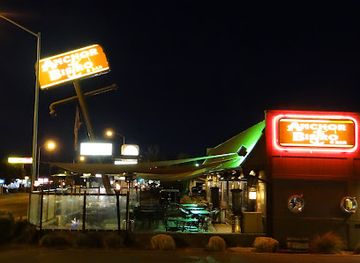
Anchor Bistro & Sports Bar
Discover the lively atmosphere of Anchor Bistro & Sports Bar in Twin Falls, where delicious food and live music create unforgettable moments.
-
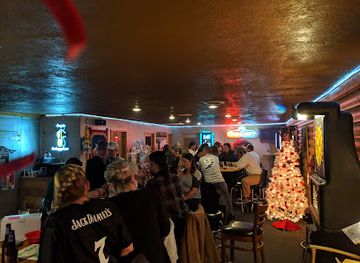
Bar
DK Log Tavern
Discover the vibrant DK Log Tavern in Twin Falls, where great drinks, karaoke, and a lively atmosphere create unforgettable nights.
-
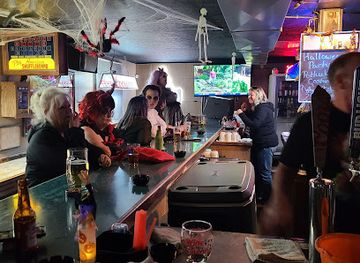
Bar
Hideout
Experience the lively charm of Hideout Bar, Twin Falls' favorite spot for cold beers and friendly gatherings.
-
Restaurant
King Legend Night Club / salinas tamales
Discover the vibrant nightlife and authentic flavors at King Legend Night Club & Salinas Tamales in Caldwell, Idaho.

Best shops in Magic Valley
Twin Falls has Magic Valley's broadest shopping selection, including national retailers, everyday services, independent businesses, galleries and specialist shops. Its commercial areas are useful for outdoor equipment, provisions and practical supplies before travelling into rural districts. Smaller communities such as Buhl, Gooding, Hagerman, Burley and Rupert offer traditional main-street businesses, antique shops, local services and seasonal produce rather than extensive destination retail. Farmers' markets, farm stands and food producers are the best places to look for potatoes, fruit, vegetables, dairy products, trout and other goods connected with the irrigated landscape, although availability is seasonal. Regional souvenirs often focus on Snake River and Idaho imagery, geology, local crafts and agricultural products. Visitors should distinguish genuine local produce from items merely carrying a broad Idaho label, and should check market days before making a special journey.
-
Shopping mall
Magic Valley Mall
Explore the Magic Valley Mall in Twin Falls, Idaho, for a unique shopping experience with diverse stores, dining, and entertainment options.
-
Craft store
Hobby Lobby
Explore a creative paradise at Hobby Lobby, your go-to destination for crafts, fabrics, and unique home decor in Twin Falls, Idaho.
-
Clothing store
Ross Dress for Less
Explore unbeatable deals on brand-name clothing and accessories at Ross Dress for Less in Twin Falls, Idaho, where style meets affordability.
-
Shopping mall
Lynwood Shopping Center
Discover Twin Falls' premier shopping destination, Lynwood Shopping Center, where retail therapy meets delightful dining and family-friendly entertainment.


Get your free copy of our complete guide to Magic Valley, delivered straight to you.
Everything on this page, from attractions and restaurants to essentials and local phrases, in one PDF you can read offline, print or share.
Already have an account? Sign in
Your Magic Valley guide is ready.
We'll send it to · Not you? Sign out

Getting your guide ready…
We are putting together a fresh copy of the Magic Valley guide. This can take up to a minute.
This can take a few moments. If your browser asks, choose Allow so the download can start. You'll find the guide in your Downloads folder.
Nothing happened? Download it again
Sorry, the guide is taking longer than usual. Please try again in a minute, or get it by email instead.
Magic Valley essentials
Currency and Payment
Safety
Emergency Situations
Do's and Don'ts
Local Tips
From Eve
Local phrases worth knowing
You don't need to get them perfect. A few words go a long way, and locals appreciate the effort.
Basics
| English | Local | Say it |
|---|---|---|
| Hello | Howdy | [haʊdi] |
| Goodbye | See ya | [si jə] |
| Yes | Yep | [jɛp] |
| No | Nope | [noʊp] |
| Please/You're welcome | Sure thing | [ʃʊr θɪŋ] |
| Thank you | Thanks a lot | [θæŋks ə lɑt] |
| Excuse me/Sorry | Pardon me | [ˈpɑrdən mi] |
| How are you? | How's it going? | [haʊz ɪt ˈɡoʊɪŋ] |
| Fine. And you? | Good, you? | [ɡʊd, ju?] |
| Do you speak English? | Can ya speak English? | [kæn jə spiːk ˈɪŋɡlɪʃ] |
| I don't understand | I ain't following | [aɪ eɪnt ˈfɑloʊɪŋ] |
Eating & Drinking
| English | Local | Say it |
|---|---|---|
| I'd like to see the menu, please | Can I see the menu? | [kæn aɪ si ðə ˈmɛnju] |
| I don't eat meat | I ain't into meat | [aɪ eɪnt ˈɪntu mit] |
| Cheers! | Cheers! | [ʧɪrz] |
| I would like to pay, please | Can I get the bill? | [kæn aɪ ɡɛt ðə bɪl] |
Emergencies
| English | Local | Say it |
|---|---|---|
| Help! | Help! | [hɛlp] |
| Go away! | Leave me alone! | [liv mi əˈloʊn] |
| Call the Police! | Call the cops! | [kɔl ðə kɑps] |
| Call a doctor! | Get a doctor! | [ɡɛt ə ˈdɑktər] |
| I'm lost | I’m turned around | [aɪm tɜrnd əˈraʊnd] |
| I'm ill | I ain't feelin' well | [aɪ eɪnt ˈfiːlɪn wɛl] |
Shopping
| English | Local | Say it |
|---|---|---|
| I'd like to buy... | I wanna buy... | [aɪ ˈwɑnə baɪ] |
| I'm just looking | Just browsing | [dʒʌst ˈbraʊzɪŋ] |
| How much is it? | What’s the price? | [wʌts ðə praɪs] |
| That's too expensive | That’s a bit pricey | [ðæts ə bɪt ˈpraɪsi] |
| Can you lower the price? | Can ya bring down the price? | [kæn jə brɪŋ daʊn ðə praɪs] |
Time & Numbers
| English | Local | Say it |
|---|---|---|
| What time is it? | What time ya got? | [wʌt taɪm jə ɡɑt] |
| It's one o'clock | It's one o'clock | [ɪts wʌn əˈklɒk] |
| Half past (10) | Half past ten | [hæf pæst tɛn] |
| Morning | Mornin' | [ˈmɔrnɪn] |
| Afternoon | Afternoon | [ˌæftərˈnun] |
| Evening | Evenin' | [ˈivnɪn] |
| Yesterday | Yesterday | [ˈjɛstərdeɪ] |
| Today | Today | [təˈdeɪ] |
| Tomorrow | Tomorrow | [təˈmɔroʊ] |
| 1 | One | [wʌn] |
| 2 | Two | [tu] |
| 3 | Three | [θri] |
| 4 | Four | [fɔr] |
| 5 | Five | [faɪv] |
| 6 | Six | [sɪks] |
| 7 | Seven | [ˈsɛvən] |
| 8 | Eight | [eɪt] |
| 9 | Nine | [naɪn] |
| 10 | Ten | [tɛn] |
Transport & Directions
| English | Local | Say it |
|---|---|---|
| Where's a/the...? | Where's a...? | [wɛrz ə...?] |
| What's the address? | What’s the address? | [wʌts ði əˈdrɛs] |
| Can you show me (on the map)? | Can ya show me on the map? | [kæn jə ʃoʊ mi ɑn ðə mæp] |
| When's the next (bus)? | When's the next bus? | [wɛnз ðə nɛkst bʌs] |
| A ticket (to ....) | One ticket to ... | [wʌn ˈtɪkɪt tu ...] |
History of Magic Valley
Indigenous Homelands and Snake River Lifeways
The Snake River and its tributaries have long supported Northern Shoshone and other Indigenous communities through fishing, hunting, gathering and seasonal movement. River corridors, springs and upland routes connected places that later settlers described mainly in terms of agriculture and transport. The importance of salmon and other river resources, as well as the disruption caused by colonial settlement and federal policies, remains central to understanding southern Idaho's past. Contemporary interpretation in the region increasingly places Indigenous history alongside the better-known stories of irrigation, migration and farming.
Fossil Landscapes of Hagerman
The Hagerman Fossil Beds preserve evidence of life in the region during the late Pliocene, when the Snake River Plain supported environments very different from today's high desert. Fossils associated with the site include the Hagerman horse, an important record in the evolution of horses in North America, as well as many other animals and plants. The fossil beds demonstrate that Magic Valley's climate and habitats have changed repeatedly over geological time. They also give visitors a deeper perspective on the age of the landscape beyond its visible basalt cliffs and modern farms.
Exploration, Fur Trade and Overland Routes
European American exploration of southern Idaho intensified during the nineteenth century, when fur traders, surveyors and emigrants followed the Snake River and related overland routes. The Oregon Trail crossed parts of the wider region, leaving traces in the landscape and at established interpretive sites. Travel was difficult around the river's canyons, lava formations and water shortages, yet the same river corridor later became the basis for transport, settlement and irrigation. These routes connected the interior Northwest with markets and migration streams farther west.
Irrigation and the Making of the Magic Valley
The modern Magic Valley emerged through large-scale irrigation development during the early twentieth century. Projects associated with the Twin Falls Land and Water Company, the Twin Falls Canal Company and the Bureau of Reclamation redirected Snake River water into an arid plain. Milner Dam and related canals helped establish farms, towns and processing industries, while also altering river flows and wetlands. The name Magic Valley reflects the transformation of apparently dry country into productive agricultural land. That achievement remains visible in canals, diversion works, fields and the network of communities built around them.
Agriculture, Migration and Regional Towns
Irrigated farming encouraged migration from other parts of the United States and from overseas, creating a varied rural society around Twin Falls, Burley, Rupert, Buhl, Jerome and surrounding settlements. Potatoes became especially associated with the region, although dairy, sugar beet production, livestock, grain and specialty crops have also been important. Railways, roads, warehouses and food-processing facilities connected farms to national markets. The resulting towns combine civic buildings, commercial streets and agricultural infrastructure that reflect the economic growth of southern Idaho during the twentieth century.
Minidoka and Japanese American Incarceration
During the Second World War, the United States government incarcerated thousands of Japanese Americans at the Minidoka War Relocation Center near Hunt in Jerome County. Families were removed from their homes and held behind barbed wire in a harsh desert environment, while local agricultural needs also shaped the camp's labour arrangements. Minidoka National Historic Site preserves and interprets this history, including the experiences of incarcerees and the long aftermath of exclusion and loss. It is one of the region's most important places for confronting the consequences of wartime racism and federal power.
Modern Recreation and the Snake River Canyon
In the later twentieth century, the Snake River Canyon became widely associated with outdoor recreation, engineering and spectacle. The Perrine Bridge expanded access across the canyon and is now linked with viewpoints, walking routes and permitted adventure activities. In 1974, Evel Knievel attempted to jump the canyon on a rocket-powered motorcycle; the attempt failed when his parachute deployed prematurely, but he survived. The event added a nationally recognised chapter to Twin Falls's modern identity, while the canyon itself continues to matter more broadly as a geological and recreational landscape.
Magic Valley in Photos
Browse through our photo collection highlighting the charm and character of the destination.
Neighbouring regions of Magic Valley
The closest regions to Magic Valley, if you have time for more than one.
-
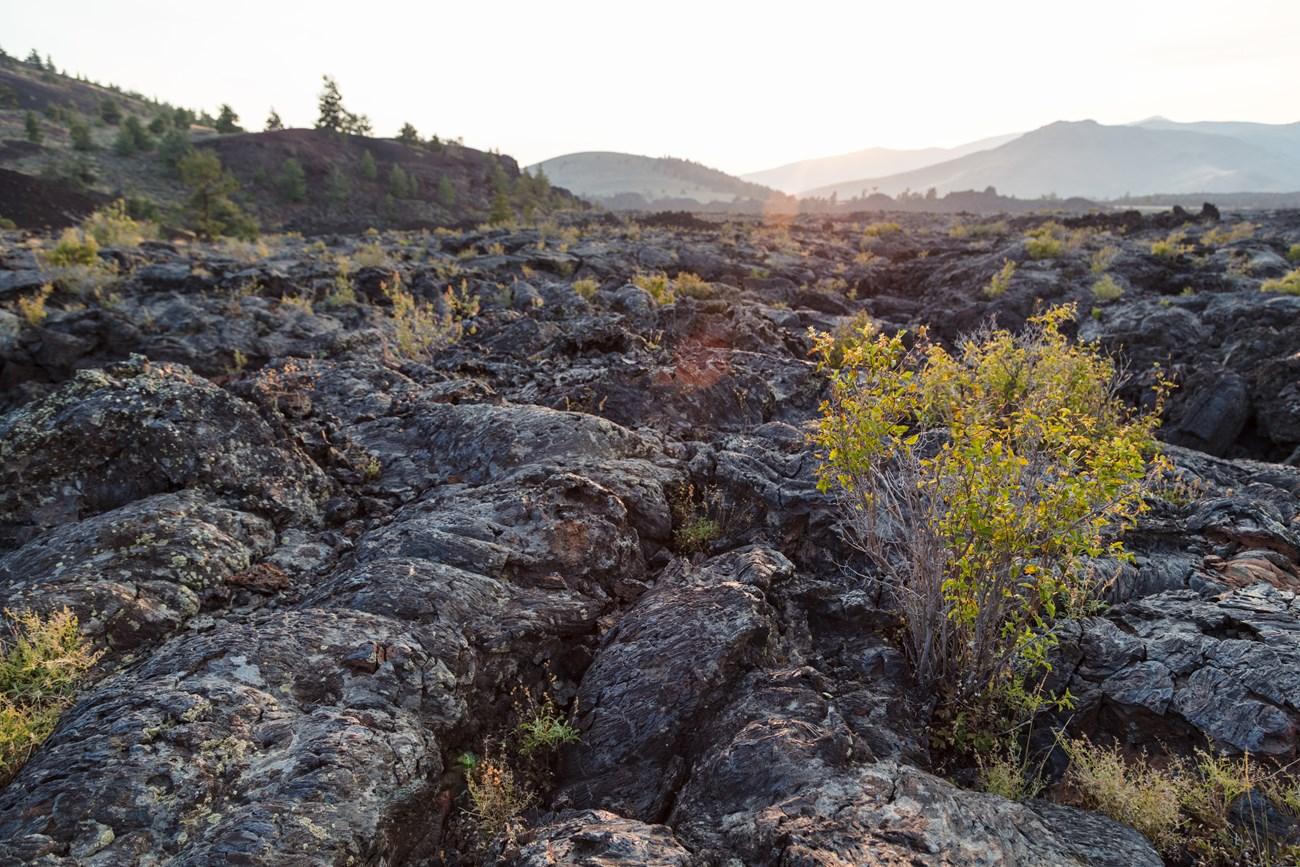 Snake River Plain
Explore Idaho's Snake River Plain for volcanic landscapes, river canyons, waterfalls, fossil beds, farming towns and wide-open high-desert scenery.
-
-

-

-


Swipe for more regions
Explore more

Explore more of Idaho
Idaho: Discover the Gem State's stunning landscapes, vibrant cities, and outdoor adventures. From majestic mountains to serene lakes, experience the natural wonders of Idaho.
Explore Idaho