Owen Lovejoy House: A Sanctuary of Abolition
Discover the legacy of Owen Lovejoy, a champion of freedom, at his historic Princeton home and Underground Railroad station.
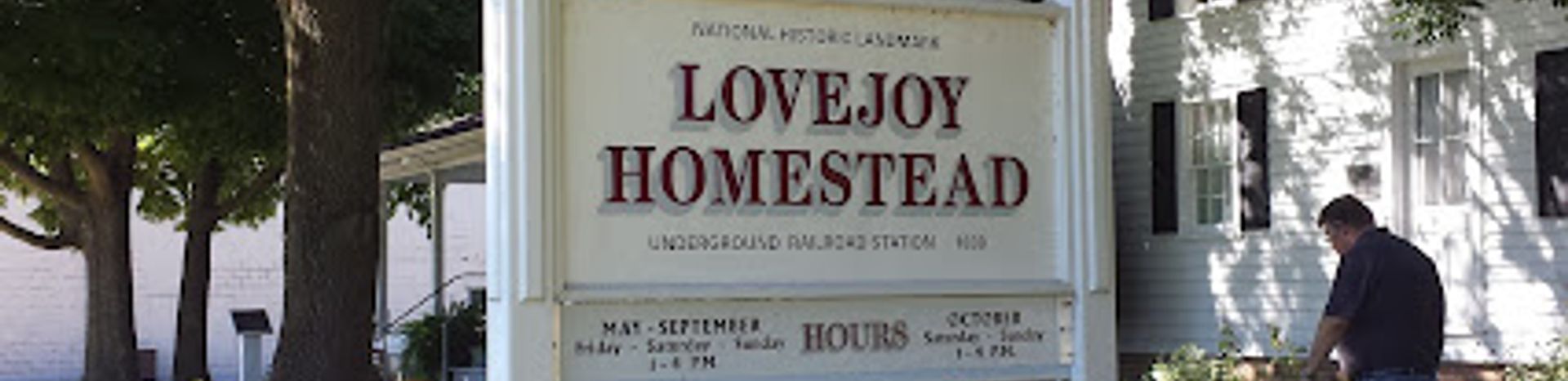
The Owen Lovejoy House in Princeton, Illinois, was the home of abolitionist and congressman Owen Lovejoy and a vital station on the Underground Railroad. Built in 1838, the house provided refuge for fugitive slaves and stands as a testament to Lovejoy's courageous fight against slavery.
A brief summary to Owen Lovejoy House
- Rural Route 3, E Peru St, Princeton, IL, 61356, US
- +1815-879-9151
Local tips
- Check the museum's schedule for seasonal hours and guided tours for an enhanced experience.
- Explore the Colton Schoolhouse on the property to learn about 19th-century education.
- Allow ample time to explore the exhibits and learn about Owen Lovejoy's life and work.

Getting There
-
Car
If arriving by car, navigate to Princeton, IL. From I-80, take exit 56 for IL-26 N toward Princeton. Follow IL-26 N for approximately 6 miles, then continue onto E Peru St for about 1 mile. Turn left onto Rural Route 3; the Owen Lovejoy House will be on your right. On-site parking is available.
-
Public Transportation
To reach the Owen Lovejoy House via public transportation, take a Greyhound bus to Princeton, IL. From the Princeton bus station, use a local taxi service or a rideshare app like Uber or Lyft to get to the house. The ride is approximately 1.5 miles and typically costs between $5 and $10.
Discover more about Owen Lovejoy House
Iconic landmarks you can’t miss

Wild Bill Hickok State Memorial
32.2 km
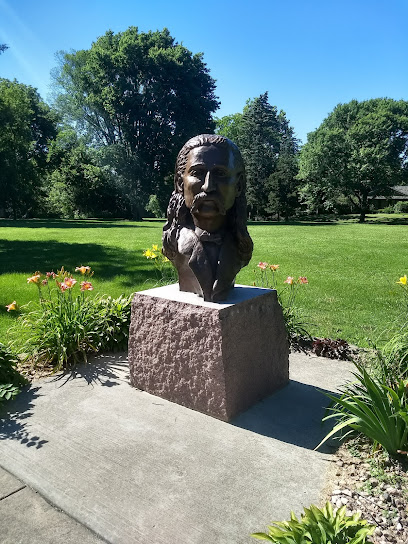
Explore the humble Illinois origins of Wild Bill Hickok, legendary lawman and icon of the American Wild West, at his birthplace memorial in Troy Grove.
Starved Rock Family Campground
35.9 km
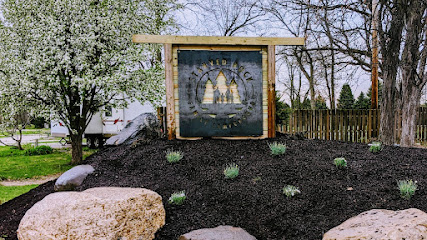
A family-owned campground near Starved Rock State Park, offering a peaceful retreat with modern amenities and a welcoming community.
Johnson Sauk Trail State Recreation Area
37.4 km
Explore the natural beauty and rich history of Johnson Sauk Trail State Recreation Area: hiking, camping, fishing, and historical sites await!
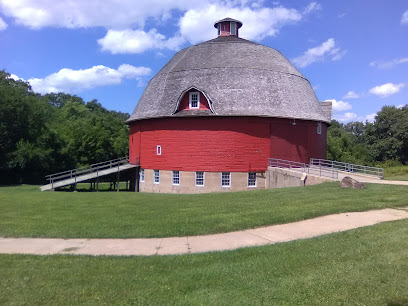
Ryan's Historic Round Barn
37.7 km
Discover Ryan's Historic Round Barn: An architectural gem showcasing early 20th-century agricultural innovation in a beautiful rural setting.
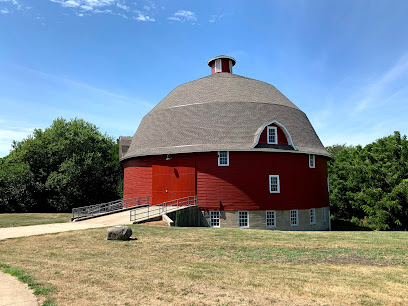
Robert Waugh House
38.1 km
Explore the Robert Waugh House, a historic gem in Sparland, Illinois, showcasing unique architecture and rich local history.
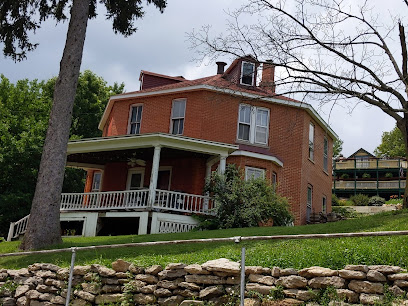
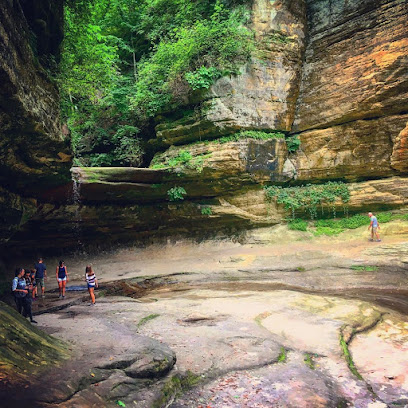
LaSalle Canyon
40.5 km
Explore LaSalle Canyon in Starved Rock State Park: Stunning sandstone formations, a year-round waterfall, and scenic hiking trails.
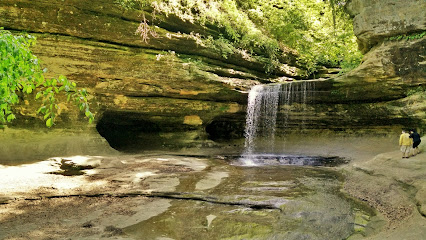
KAYAK STARVED ROCK CAMPGROUND
42.9 km
Waterfront camping and kayaking adventures await at Kayak Starved Rock Campground, directly across from the iconic Starved Rock State Park.

Illinois Canyon
43.2 km
Discover the quiet beauty of Illinois Canyon, a unique and scenic hiking trail within Starved Rock State Park's stunning landscape.
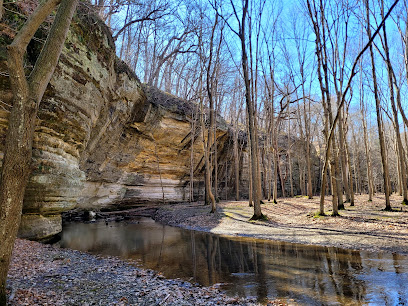
Buffalo Rock State Park
45.0 km
Discover scenic views, historical landmarks, and unique earth art at Buffalo Rock State Park, a natural treasure in Illinois.
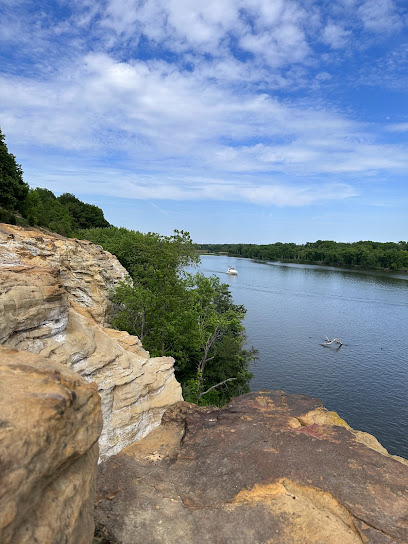
Dillon Home Museum
50.5 km
Explore Sterling, Illinois' Dillon Home Museum: A preserved Italianate home with original furnishings and local history.
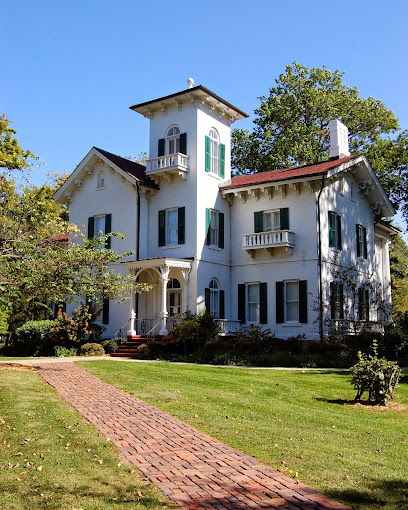
Lincoln-Manahan Home Museum
50.6 km
Step back in time at the Lincoln-Manahan Home Museum, where Abraham Lincoln once stayed, and experience life in the 1850s in Sterling, Illinois.
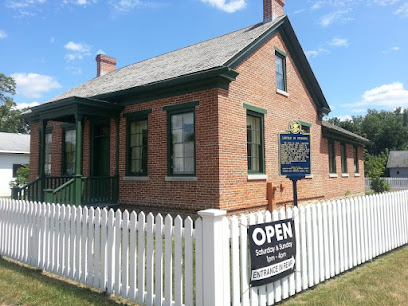
Sinnissippi Mounds Historic Site
50.7 km
Discover ancient history at Sinnissippi Mounds in Sterling, Illinois, where earthen mounds whisper tales of the Hopewell culture.
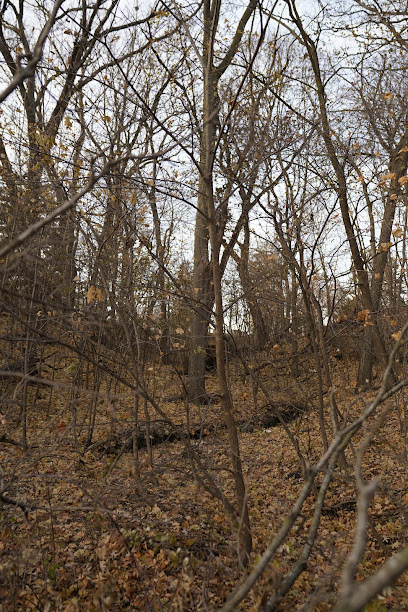
The River Corridor
50.7 km
Discover Chillicothe's historical charm at The River Corridor, where the city's rich heritage meets the scenic beauty of the Illinois River.
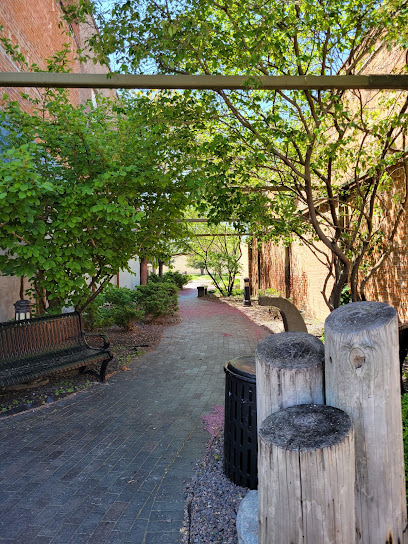
Starved Rock Country
50.7 km
Explore stunning canyons, waterfalls, and historic sites in Illinois' Starved Rock Country, a Midwest gem.
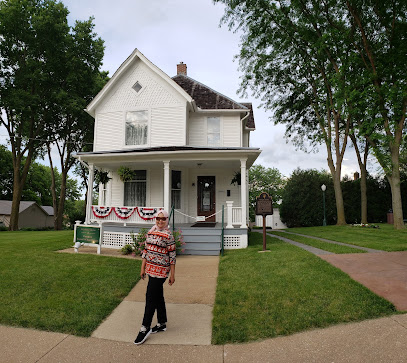
Ronald Reagan Boyhood Home
51.7 km
Discover the roots of Ronald Reagan at his boyhood home in Dixon, Illinois, a historical landmark celebrating his early years and legacy.
Unmissable attractions to see

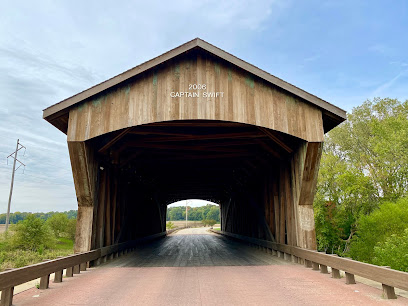
Captain Swift Bridge
4.2 km
Discover the beauty of Captain Swift Bridge in Princeton, Illinois, a scenic covered bridge perfect for photography and nature lovers alike.
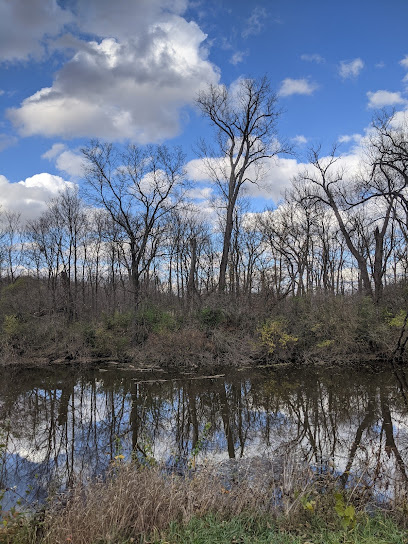
Hennepin Canal Parkway State Park
20.4 km
Explore Hennepin Canal Parkway State Park in Illinois – a haven for outdoor activities, historical significance, and breathtaking natural landscapes.
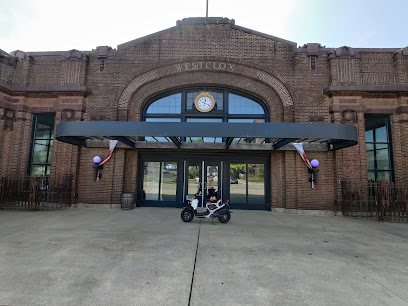
Westclox Museum
28.6 km
Explore the fascinating world of timekeeping at the Westclox Museum, where history and craftsmanship come to life in Peru, Illinois.
Canal Lock Number 14
30.0 km
Explore the historic Canal Lock Number 14 in La Salle, IL, a scenic landmark showcasing the engineering marvels of the Illinois and Michigan Canal.
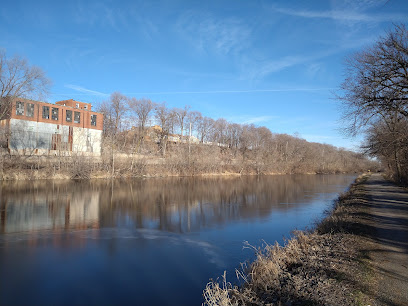
I&M Canal National Heritage Area
30.0 km
Uncover the rich history and stunning landscapes of the I&M Canal National Heritage Area, a treasure trove for nature lovers and history enthusiasts alike.
I&M Canal Boat
30.0 km
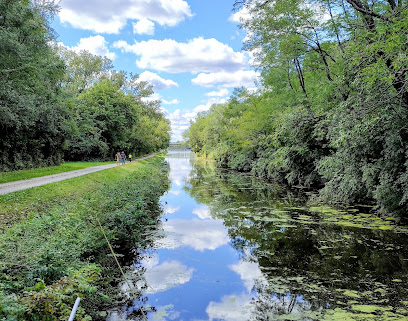
Explore the historic I&M Canal Boat in La Salle, Illinois, where history, nature, and adventure beautifully intertwine.
Hegeler Carus Foundation
30.4 km
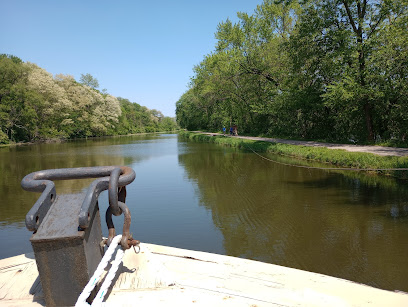
Discover the intellectual legacy of Paul Carus at the Hegeler Carus Foundation, a historic landmark and museum in La Salle, Illinois.
Rotary Park
31.9 km
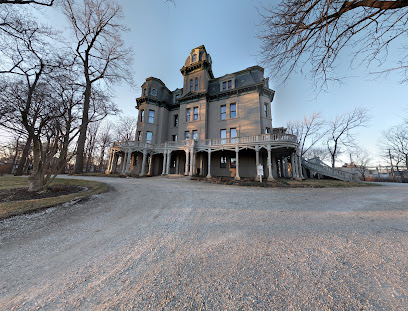
Experience the tranquility and beauty of Rotary Park in La Salle, Illinois, where nature, recreation, and community events come together.
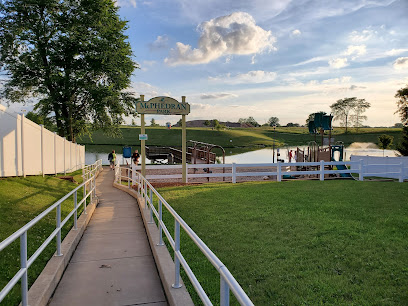
McPhedran Park
32.3 km
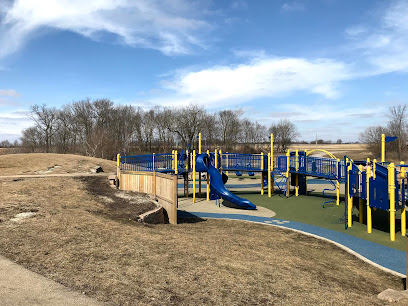
Experience the tranquility and beauty of McPhedran Park in Oglesby, IL, a perfect retreat for nature lovers and families alike.
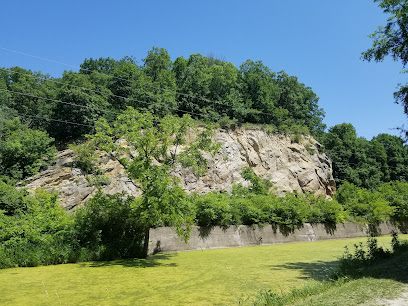
Split Rock
33.0 km
Experience the serene beauty and picturesque landscapes at Split Rock, a must-visit tourist attraction in La Salle, Illinois, along the Illinois and Michigan Canal Trail.
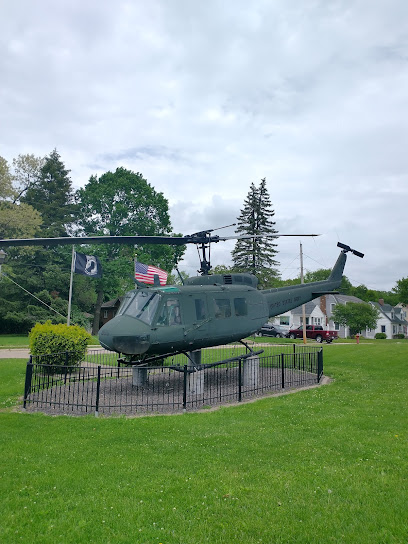
Memorial Park
33.3 km
Explore Memorial Park in Oglesby, Illinois - a tranquil memorial park honoring veterans with serene landscapes and peaceful walking paths.
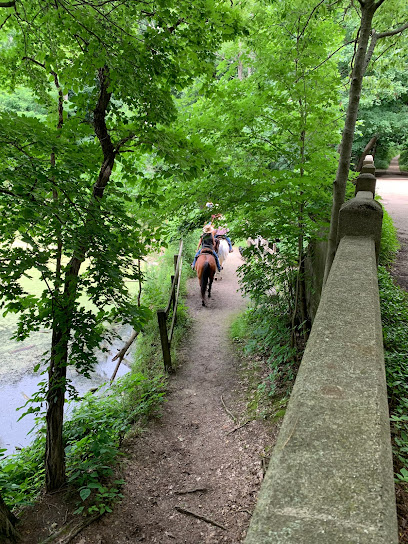
Lehigh Memorial Park
35.1 km
Experience the tranquility and beauty of Lehigh Memorial Park, a perfect retreat for relaxation and outdoor fun in Oglesby, Illinois.
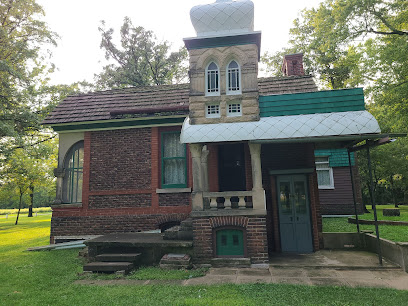
Woodland Palace
35.8 km
Discover the enchanting Woodland Palace in Kewanee, Illinois, a historical treasure surrounded by nature's beauty, perfect for a tranquil day out.
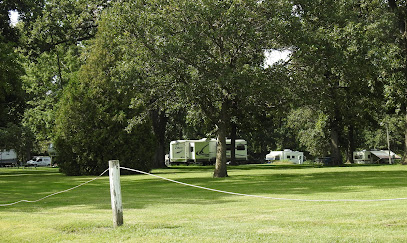
Francis Park
35.9 km
Explore Francis Park in Kewanee, Illinois, a serene retreat perfect for nature lovers and outdoor enthusiasts seeking relaxation and recreation.
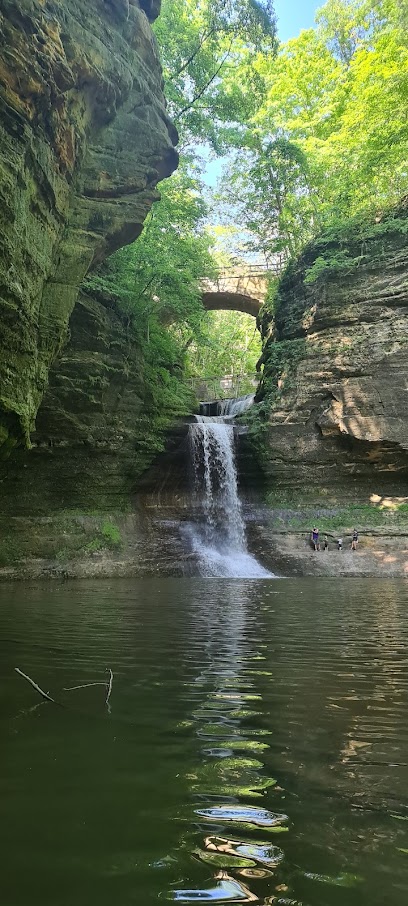
Cascade Falls
36.1 km
Experience the breathtaking beauty of Cascade Falls in Oglesby, Illinois—a haven for hikers and nature lovers seeking tranquility and adventure.
Essential places to dine

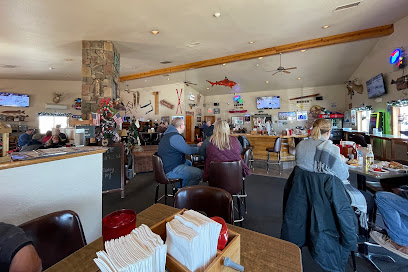
Cabin Fever Bar & Grill
26.8 km
Discover hearty grilled dishes and a warm atmosphere at Cabin Fever Bar & Grill in Peru, Illinois – your perfect culinary retreat.
Four Star Family Restaurant
27.5 km
Discover family-friendly dining at Four Star Family Restaurant in Peru, IL – where delicious American classics meet warm hospitality.
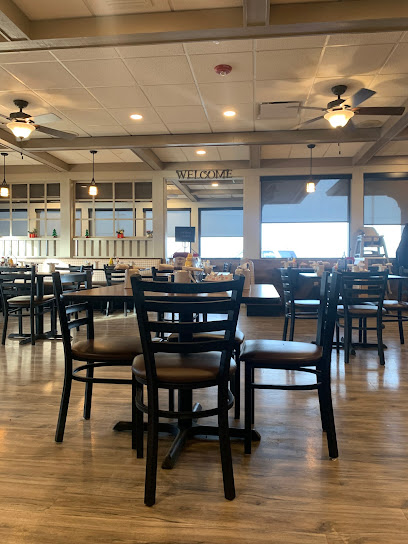
Thyme Craft Kitchen
28.6 km
Experience fresh flavors and warm hospitality at Thyme Craft Kitchen in Peru, Illinois - a true culinary gem for every food lover.
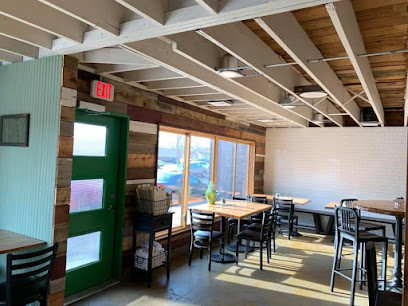
Fajitas Mexican Restaurant
29.4 km
Experience authentic Mexican cuisine at Fajitas Mexican Restaurant—where every dish tells a flavorful story!
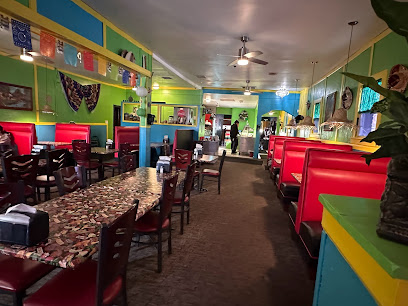
Haze Smokehouse
29.5 km
Experience authentic barbecue at Haze Smokehouse in La Salle - where smoky flavors meet live music in an inviting atmosphere.
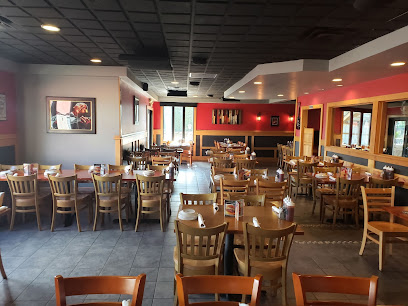
The Study Supper Club
29.6 km
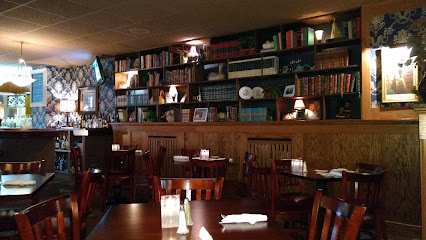
Experience fine dining at The Study Supper Club in La Salle, IL - where seafood meets steak in an elegant setting.
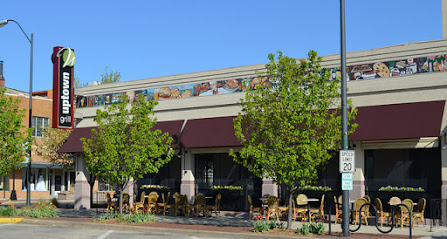
Uptown Grill
29.8 km
Discover Uptown Grill: A delightful American restaurant in La Salle offering exquisite cuisine and an inviting atmosphere perfect for all occasions.
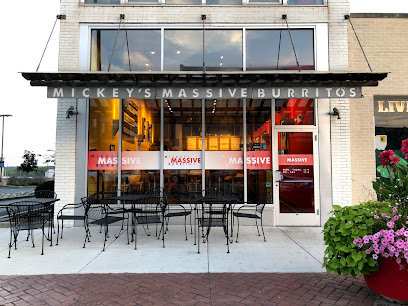
Mickey's Massive Burritos
29.8 km
Indulge in massive burritos and authentic Mexican cuisine at Mickey's Massive Burritos in La Salle – where flavor meets tradition!
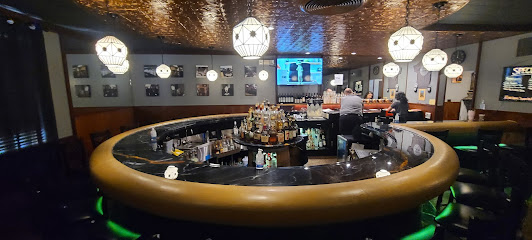
Garzanelli's Supper Club
32.6 km
Experience the perfect blend of American and Italian cuisine at Garzanelli's Supper Club in Oglesby—where great food meets vibrant atmosphere.
The Rootbeer Stand
32.8 km
Discover The Rootbeer Stand in Oglesby, IL - A delightful American fast-food experience with classic flavors and nostalgic charm.
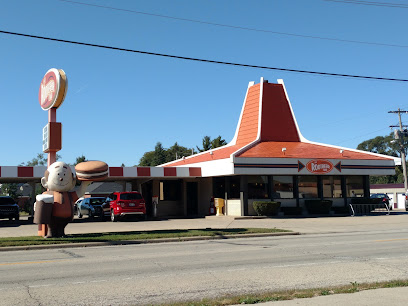
Sam's Pizza
32.9 km
Discover Sam's Pizza in Oglesby: A delightful pizza destination offering fresh ingredients and a cozy atmosphere perfect for all visitors.
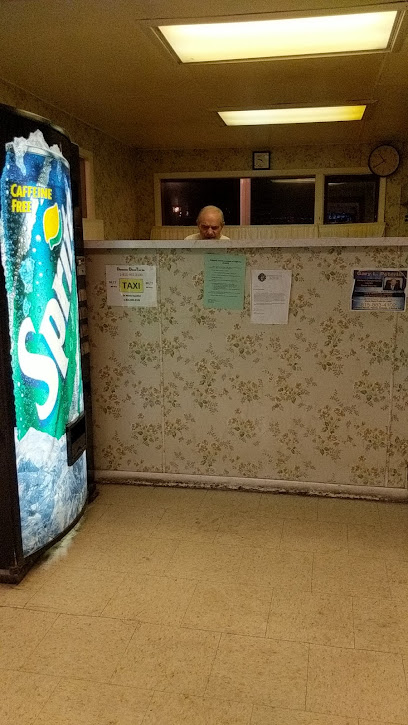
CortiLeno's
33.6 km
Discover the culinary delights at CortiLeno's Grill in Oglesby - where great flavors meet friendly service!
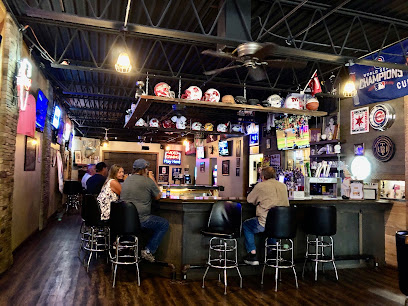
Brennan's
33.6 km
Experience culinary excellence at Brennan's gastropub in Oglesby - where gourmet dining meets vibrant socializing.
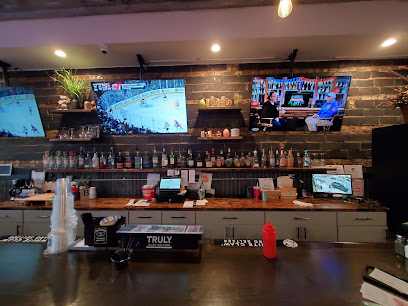
Claudette's
33.9 km
Discover Claudette's: A delightful grill and sports bar in Oglesby offering delicious food and lively game day excitement.
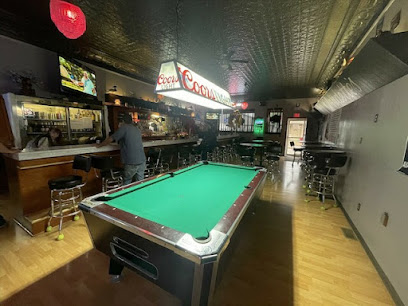
Mr. Salsa's, Inc.
33.9 km
Experience the vibrant tastes of Mexico at Mr. Salsa's in Oglesby – where every meal is a celebration of flavor.
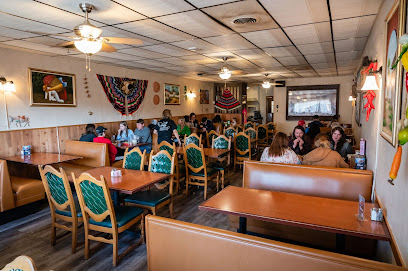
Markets, malls and hidden boutiques

Target
26.7 km
Explore Target in Peru, Illinois: Your one-stop destination for clothing, electronics, home goods, and more, all at moderate prices.
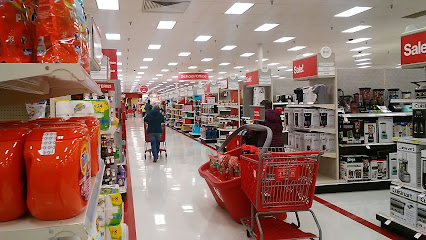
La Quinta Inn by Wyndham Peru Starved Rock State Park
26.7 km
Discover comfort and adventure at La Quinta Inn by Wyndham Peru, your gateway to Starved Rock State Park's natural beauty.
Quality Inn Peru near Starved Rock State Park
26.8 km
Discover the perfect blend of comfort and adventure at Quality Inn Peru, your ideal base for exploring Starved Rock State Park and beyond.
Buckle
26.8 km
Discover style at Buckle, the ultimate clothing store in Peru, Illinois, offering trendy denim, shoes, and accessories for the whole family.
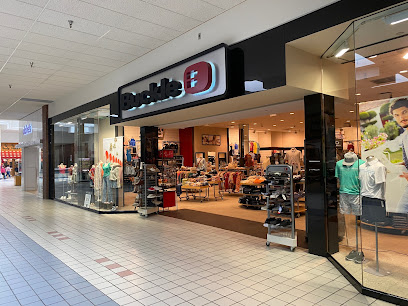
Bath & Body Works
26.8 km
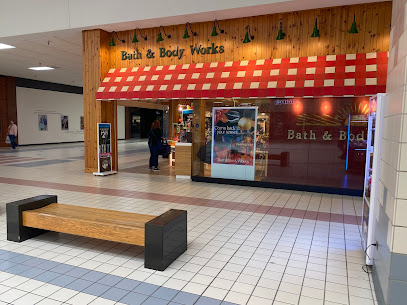
Explore a world of beauty and fragrance at Bath & Body Works, where pampering meets delightful gifts in Peru, Illinois.
Peru Mall
26.8 km
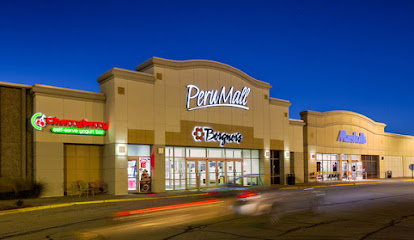
Explore Peru Mall: A shopping haven with diverse stores, delightful dining, and lively community events in the heart of Illinois.
Stash Dispensaries
27.2 km
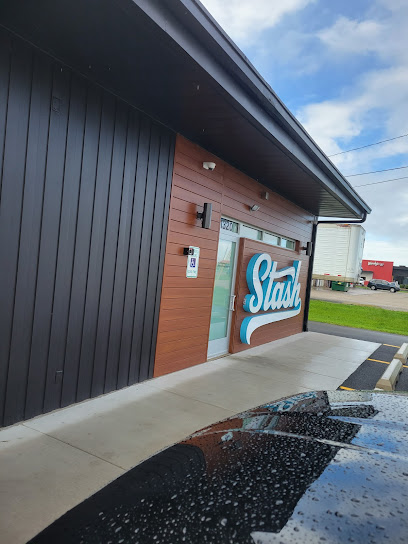
Experience top-quality cannabis at Stash Dispensaries, where expert guidance meets a diverse selection in a welcoming atmosphere.
Lily Pads Resale Boutique
27.4 km
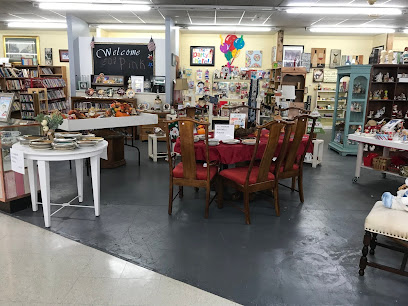
Explore a world of unique finds at Lily Pads Resale Boutique, the charming thrift store in Peru, Illinois, perfect for treasure hunters and bargain seekers.
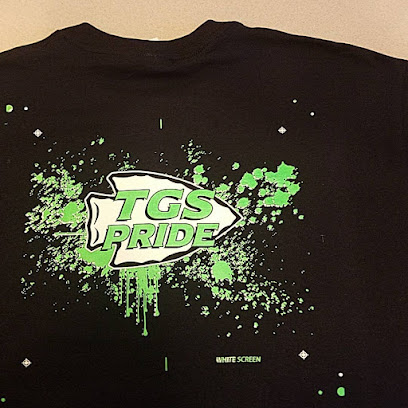
Savvy Custom Tees LLC
28.5 km
Explore your creativity at Savvy Custom Tees in Peru, IL, where personalized apparel comes to life with quality screen printing and embroidery services.
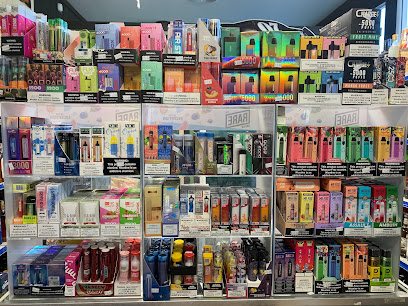
E & B Tobacco & Liquor
29.7 km
Discover E & B Tobacco & Liquor in La Salle, Illinois - where quality tobacco meets a fine selection of spirits in a relaxed atmosphere.
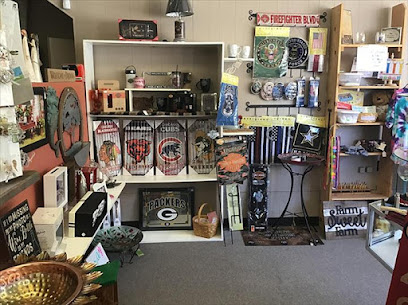
Country Cottage, Inc
29.7 km
Explore the enchanting Country Cottage, Inc in La Salle, Illinois - your destination for unique gifts, children's clothing, and handcrafted treasures.
That Guy's Secret
29.9 km
Shop stylish men's clothing and enjoy a cozy coffee break at That Guy's Secret in La Salle, IL, where fashion meets comfort.
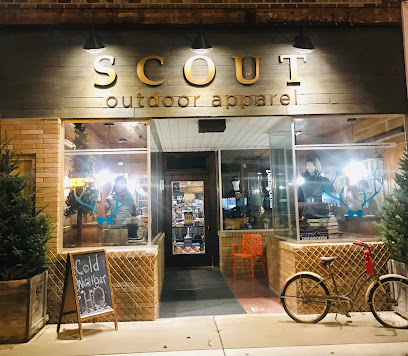
Scout Outdoor Apparel
29.9 km
Discover high-quality outdoor apparel and gear at Scout Outdoor Apparel in La Salle, Illinois, your go-to store for adventure-ready clothing.
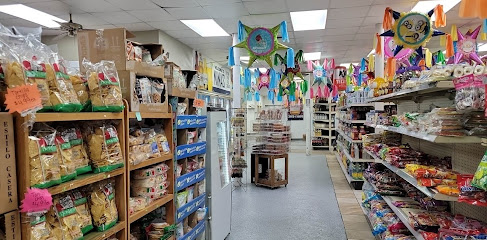
Nina's Market
30.1 km
Experience authentic Mexican flavors at Nina's Market, where grocery shopping meets delightful dining in La Salle, Illinois.
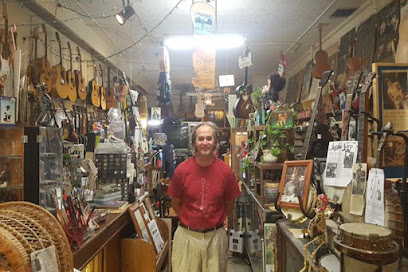
Guitar Junkyard & String Instrument Museum
30.1 km
Explore the rich history of string instruments at La Salle's Guitar Junkyard & String Instrument Museum, a unique blend of shopping and musical artistry.
Essential bars & hidden hideouts

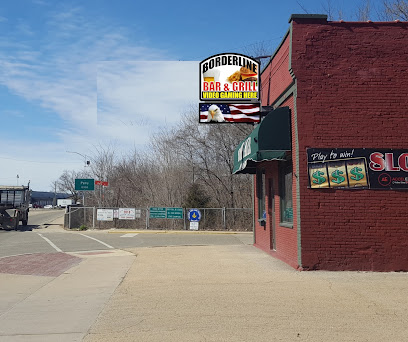
Borderline Bar & Grill
29.0 km
Experience the vibrant atmosphere and delicious comfort food at Borderline Bar & Grill, a must-visit destination in La Salle, Illinois.
Sanctuary LaSalle
29.7 km
Experience the charm of Sanctuary LaSalle, a lively bar in La Salle, Illinois, known for its inviting atmosphere and crafted beverages.
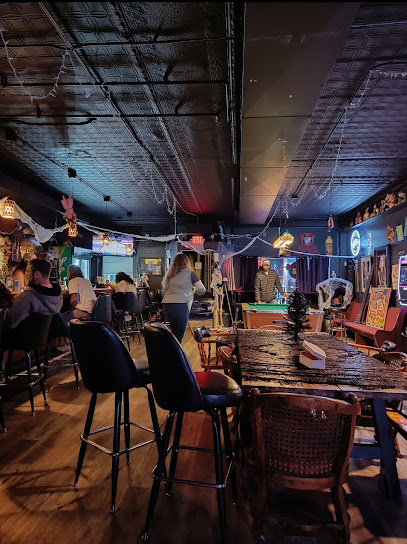
The Camden Bar and Lounge
29.9 km
Experience the charm of The Camden Bar and Lounge, where great drinks and a welcoming atmosphere await in La Salle, Illinois.
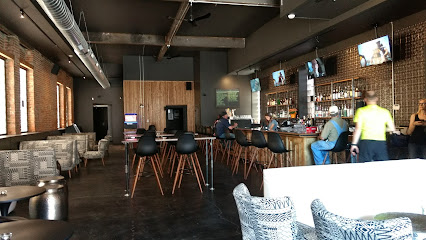
the Dugout tavern
29.9 km
Discover the vibrant atmosphere of The Dugout Tavern, La Salle's unique bar and bait shop perfect for relaxation and fishing enthusiasts.
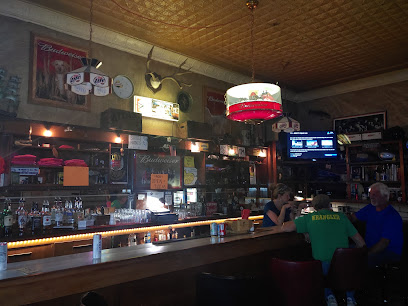
Buzzy's
29.9 km
Experience the lively atmosphere of Buzzy's, La Salle's favorite bar for affordable drinks and unforgettable nightlife.
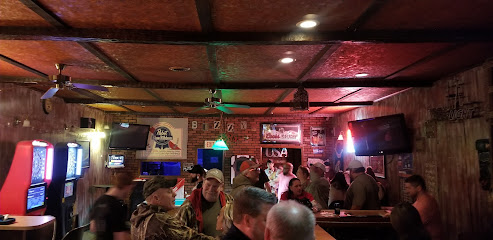
Speakeasy on 1st
30.1 km
Discover the Prohibition-era charm at Speakeasy on 1st, a cocktail bar and lounge in La Salle, Illinois, renowned for its craft cocktails and live music.
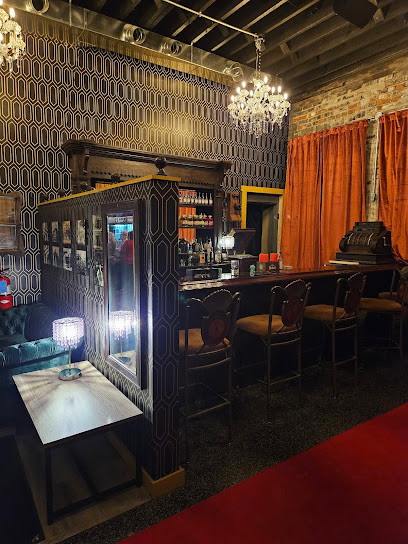
Doc's Pub
30.2 km
Discover the vibrant atmosphere at Doc's Pub in La Salle, Illinois, where locals and travelers come together for great drinks and live music.
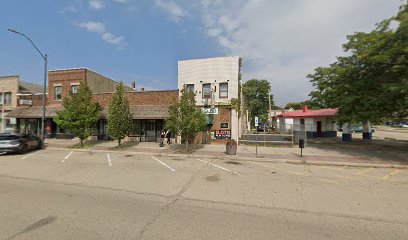
Greg’s Dew Drop Inn LLC
30.5 km
Experience the vibrant atmosphere and delightful drinks at Greg’s Dew Drop Inn LLC in La Salle, Illinois, a local favorite for relaxation and fun.
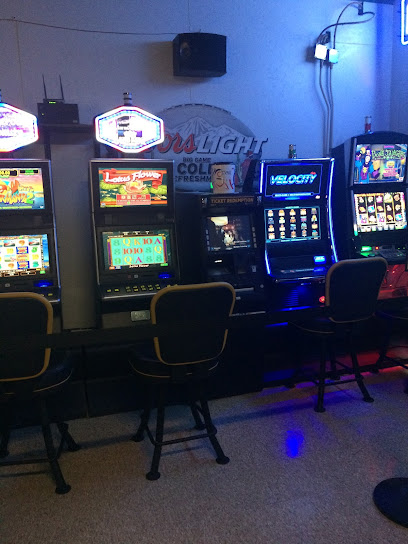
Morts
30.5 km
Experience the vibrant nightlife of La Salle at Morts, where local brews and a lively atmosphere await every visitor.
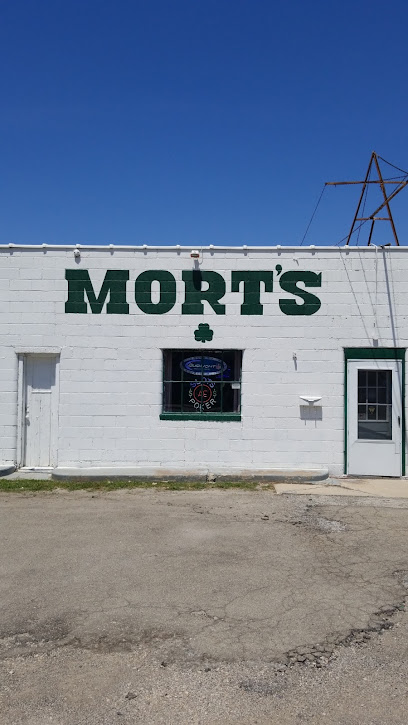
Archway Tap
32.6 km
Unwind at Archway Tap, a cozy Oglesby bar offering a wide selection of drinks and a vibrant local atmosphere perfect for tourists.
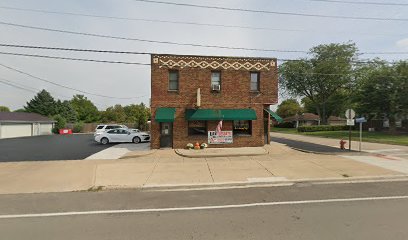
Lizzie's Lounge
33.4 km
Discover the charm of Lizzie's Lounge in Oglesby, Illinois - a cozy lounge with friendly service and delightful drinks.
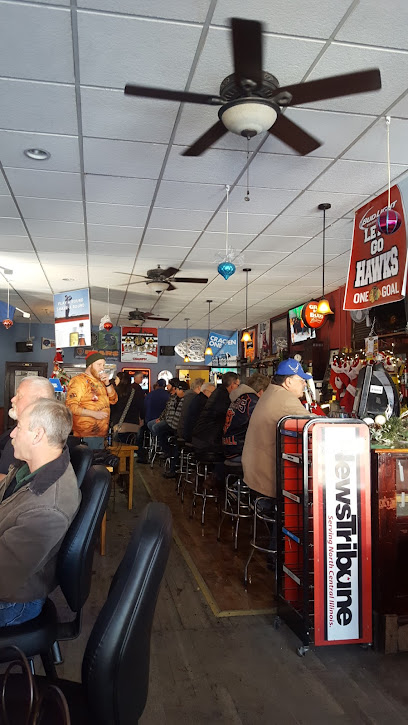
Mercer's Rooftop
33.6 km
Discover the vibrant atmosphere and breathtaking views at Mercer's Rooftop in Oglesby, Illinois—a perfect spot for relaxation and enjoyment.
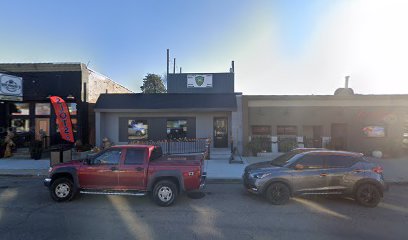
Bulldogs Bar
33.7 km
Discover the vibrant nightlife at Bulldogs Bar in Oglesby, where great drinks, live music, and a lively atmosphere await you.
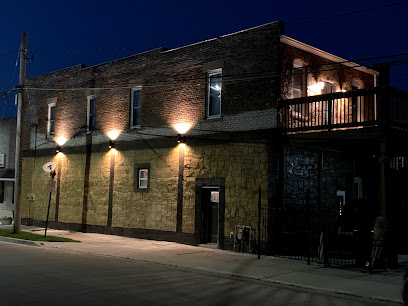
Laura's East End Tap
34.1 km
Discover the warm and inviting atmosphere of Laura's East End Tap, a local bar in Oglesby, Illinois, perfect for relaxation and socializing.
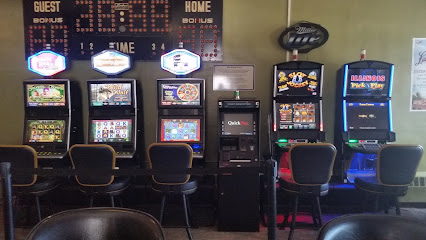
Kasap's Tavern
34.2 km
Discover the vibrant local culture and welcoming atmosphere at Kasap's Tavern, a must-visit bar in Oglesby, Illinois.