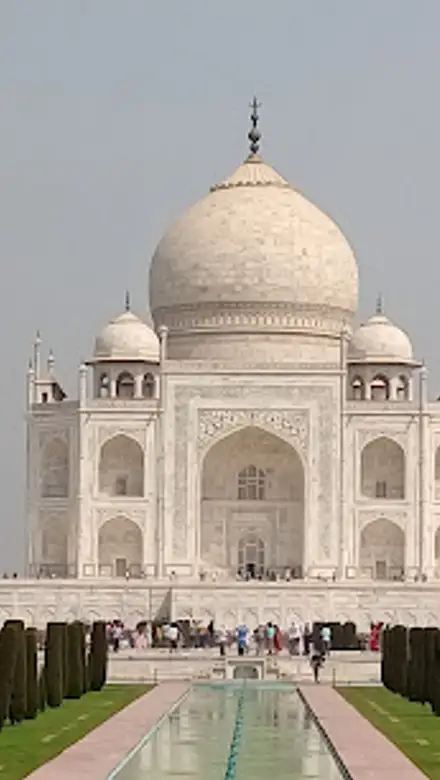
Taj Mahal, Agra Travel Guide
Free Guide: Experience the timeless beauty of the Taj Mahal, a UNESCO World Heritage Site and a symbol of eternal love in Agra, India.


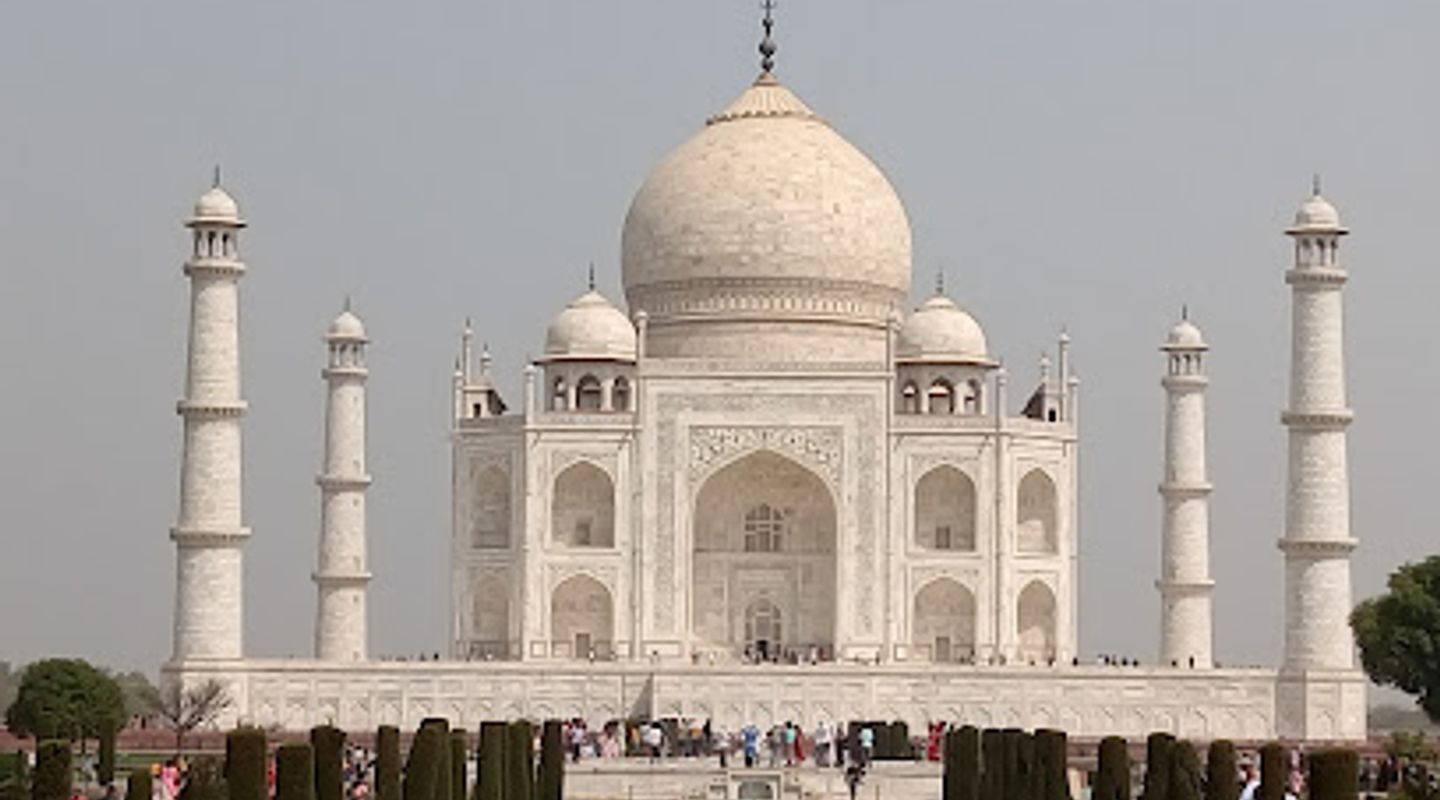
A brief summary of Taj Mahal
Experience the timeless beauty of the Taj Mahal, a UNESCO World Heritage Site and a symbol of eternal love in Agra, India.
The Taj Mahal, a UNESCO World Heritage Site, is an ivory-white marble mausoleum on the bank of the Yamuna River in Agra, India. Commissioned in 1632 by Mughal emperor Shah Jahan to house the tomb of his beloved wife, Mumtaz Mahal, it stands as a global symbol of love and architectural grandeur.
- Address
- Dharmapuri, Forest Colony, Tajganj, Agra, Uttar Pradesh 282001
- Phone
- Website
Getting there
Walking
Public Transport
Parking
Discover more about Taj Mahal
Overview
An immense mausoleum of white marble, the Taj Mahal stands as a testament to eternal love and artistic brilliance. Mughal Emperor Shah Jahan commissioned its construction in 1632 in memory of his wife Mumtaz Mahal, who died during childbirth. For over 20 years, thousands of workers labored to create this masterpiece, embellishing it with intricate decorations, white marble screens, and pietra dura inlay using semi-precious stones.The Taj Mahal is the centerpiece of a sprawling complex that includes gardens, courtyards, and waterways, all set on the edge of the Yamuna River. Its architectural beauty lies in the rhythmic combination of solids and voids, concave and convex forms, and the interplay of light and shadow. The structure represents a harmonious blend of Persian, Islamic, and Indian architectural styles.Recognized as a UNESCO World Heritage Site in 1983, the Taj Mahal is a national symbol of India, attracting millions of visitors annually. While it stands as a monument to love, it also symbolizes the wealth and power of Shah Jahan and the Mughal Empire. The Taj Mahal's beauty and cultural significance make it a must-see destination for travelers from around the globe.
Evendo Review Centre
 Google
Guest reviews
Explore Taj Mahal on the map
A handpicked selection of must-see spots near Taj Mahal, mapped for you.
Get your free copy of our complete guide to Taj Mahal, delivered straight to you.
Everything on this page, from opening hours and how to get there to Eve’s tips and the best time to go, in one PDF you can read offline, print or share.
Already have an account? Sign in
Your Taj Mahal guide is ready.
We'll send it to · Not you? Sign out

Getting your guide ready…
We are putting together a fresh copy of the Taj Mahal guide. This can take up to a minute.
This can take a few moments. If your browser asks, choose Allow so the download can start. You'll find the guide in your Downloads folder.
Nothing happened? Download it again
Sorry, the guide is taking longer than usual. Please try again in a minute, or get it by email instead.
Unlock the best of Taj Mahal
Skip-the-line tickets, guided tours with entry, and walking tours of the area, booked in a few clicks.

 Tour with entry
Private Taj Mahal, Agra Fort & Baby Taj Day Tour - All Inclusive
from $3.50 Tour with entry
Taj Mahal and Agra Private Day Tour from Delhi with 5 Star Lunch
from $4.27 Tour with entry
Taj Mahal and Agra Private Car Tour from Delhi with 5* Lunch
from $4.75 Tour with entry
From Delhi: Taj Mahal & Agra Private Day Trip With 5* Meal
from $4.75


Other nearby places you may find interesting
The closest places of the same kind, if this one is not quite what you had in mind.
-
-

-
-
-


Swipe for more places
More to explore near Taj Mahal

 Best experiences near Taj Mahal
 Best hotels near Taj Mahal
 Best landmarks near Taj Mahal
 Best attractions near Taj Mahal
 Best shops near Taj Mahal
 Best restaurants near Taj Mahal
 Best bars near Taj Mahal
Do you manage this location?
Take control to get all the benefits, like improved information, better appearance, and stronger visibility across AI-powered discovery.
Explore more

Explore more of Agra
Explore Agra, the city of the iconic Taj Mahal, rich Mughal history, and vibrant culture. Discover its historic forts, bustling markets, and delectable cuisine.
Explore Agra
Explore more of India
Discover the magic of India, where diverse landscapes, rich heritage, and vibrant culture come together to create an unforgettable travel experience.
Explore India