
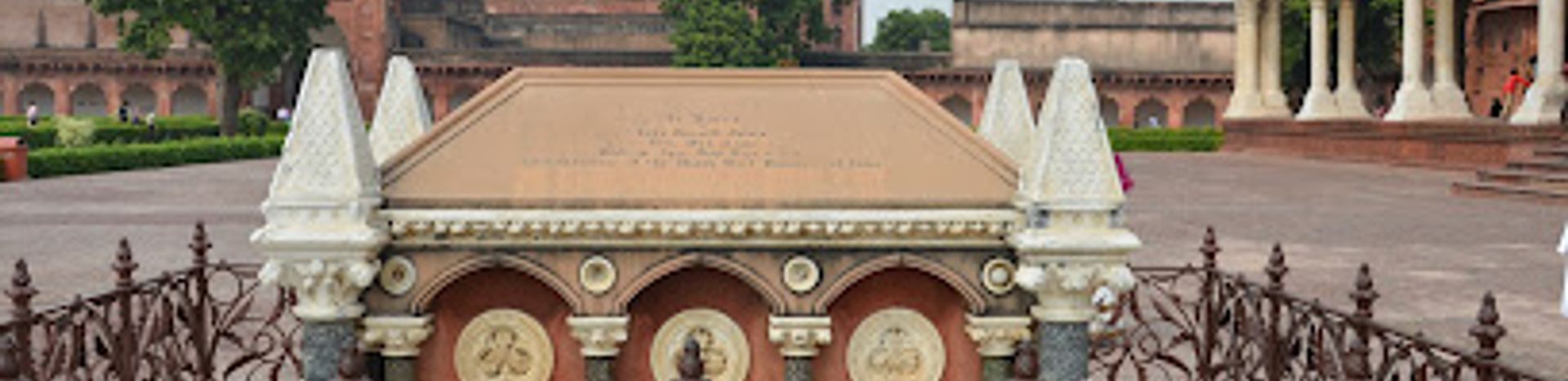
Tomb of John Russell Colvin: A Colonial Relic within Agra Fort
Explore the Tomb of John Russell Colvin in Agra Fort, a colonial-era landmark with Indo-Islamic architecture and historical significance.
The Tomb of John Russell Colvin, located inside Agra Fort, serves as a reminder of British presence in India. Colvin, who died of cholera during the 1857 uprising, was buried here, marking a controversial placement within the Mughal-era fort. The tomb's Indo-Islamic architecture and serene gardens offer a tranquil escape with historical nuances.
A brief summary to Tomb Of John Russell Colvin
- 52HC+GW6, Agra, Agra Fort, Rakabganj, Uttar Pradesh, 282003, IN
Local tips
- Visit early in the morning to avoid crowds and experience a peaceful atmosphere.
- Combine your visit with a tour of Agra Fort to explore other historical sites within the complex.
- Take time to appreciate the blend of Mughal and British architectural elements in the tomb's design.

Getting There
-
Walking
From the entrance of Agra Fort, walk west towards the main gate. Once outside the fort, turn left onto the main road. Continue for about 200 meters, then proceed straight as the road bends slightly right. After another 500 meters, you'll see a small park on your left. The Tomb of John Russell Colvin is located across from the park entrance on your right.
-
Public Transport
Take an auto-rickshaw from any central location in Agra to the Agra Fort area. Inform the driver you want to go to the Tomb of John Russell Colvin, near Rakabganj. The ride should take 10-15 minutes depending on traffic. From the drop-off point, the tomb is a short walk away. Expect to pay around ₹50-₹100 for the auto-rickshaw ride.
Discover more about Tomb Of John Russell Colvin
Iconic landmarks you can’t miss

Takht-E-Jahangir
0.1 km
Explore Takht-E-Jahangir in Agra Fort, a symbol of Mughal power and artistry where Emperor Jahangir held court.
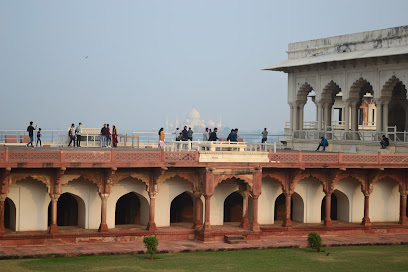
Shahi Jama Masjid Agra
0.7 km
Explore the majestic Shahi Jama Masjid in Agra, a 17th-century Mughal mosque showcasing stunning architecture and serene ambiance.
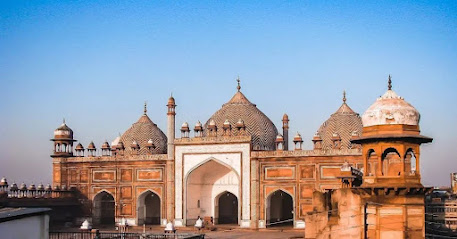
Jama Masjid Agra
0.7 km
Explore Jama Masjid Agra, a stunning Mughal-era mosque with Persian and Islamic architecture, built by Shah Jahan's daughter in the 17th century.
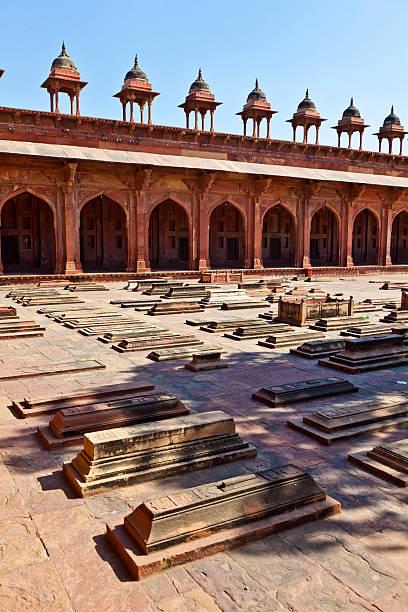
Agra heritage walks
1.0 km
Discover Agra's hidden gems: immersive heritage walks through vibrant streets, historical sites, and authentic local experiences beyond the Taj Mahal.
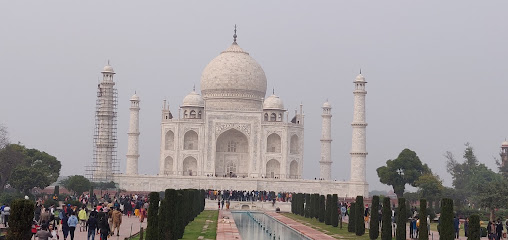
The Agra Division (North Central Railway Zone) - Agra City, Uttar Pradesh, India
1.4 km
Explore Agra Division: A mesmerizing blend of history, culture, and architectural wonders in Uttar Pradesh, India.
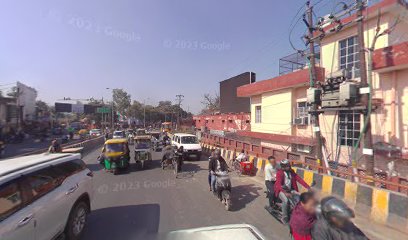
Taj Mahal Sunrise Tour From Delhi
1.5 km
Discover the Taj Mahal at sunrise on a guided tour from Delhi, capturing its beauty in the golden light of dawn.
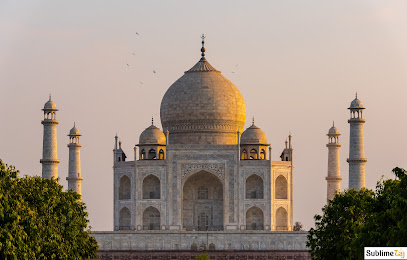
Rawli Temple Agra
1.7 km
Discover serenity at Rawli Temple in Agra, an ancient Shiva shrine with a miraculous past and peaceful ambiance.
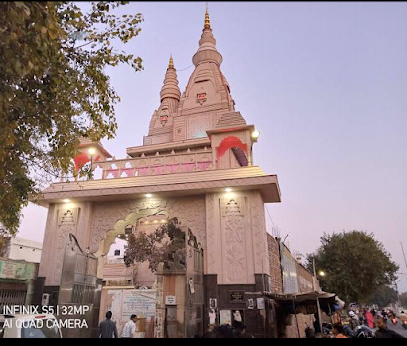
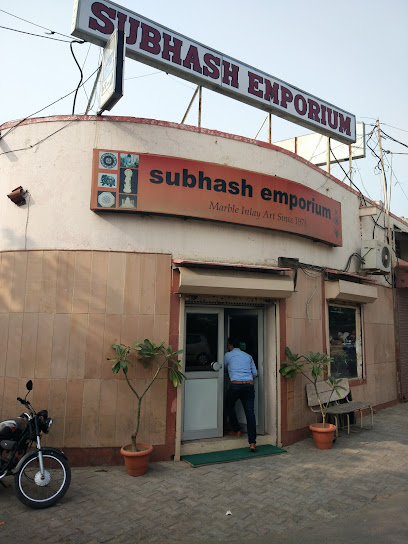
Subhash Emporium
1.9 km
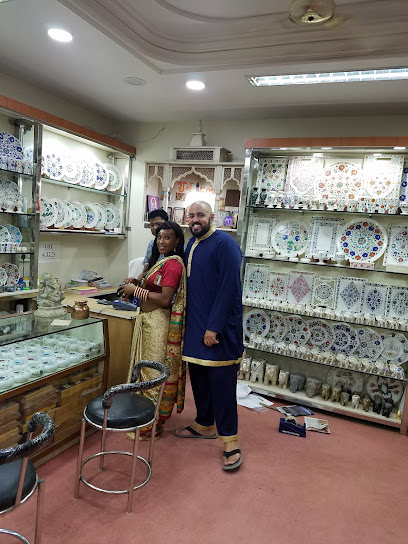
Discover exquisite marble inlay art & traditional Indian handicrafts at Agra's renowned Subhash Emporium. A legacy of craftsmanship since 1973.
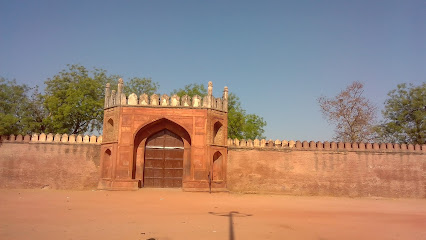
Great Idgah
2.0 km
Explore the Great Idgah in Agra, a stunning Mughal-era monument symbolizing unity, peace, and architectural grandeur.
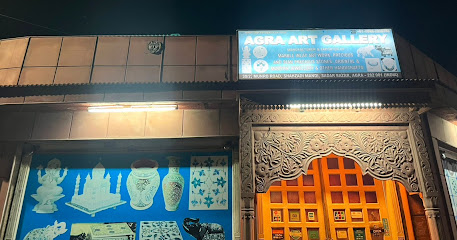
Agra art gallery
2.0 km
Explore Agra's art scene with Mughal miniatures, contemporary works, and gemstone artistry at Agra Art Gallery.
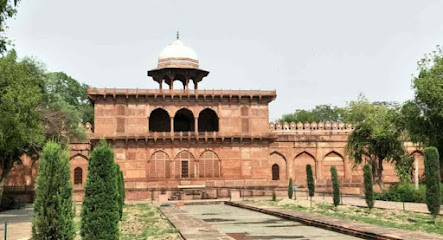
Kandhari Begum Tomb
2.3 km
Discover the serene Kandhari Begum Tomb in Agra, a historical landmark with Mughal architecture and a unique feline connection.
Taj Mahal Agra -Tour Guide By Imran Khan Department of Tourism /government of India/incredible India
2.3 km
Explore the Taj Mahal with Imran Khan, where history meets beauty in the heart of Agra, India.
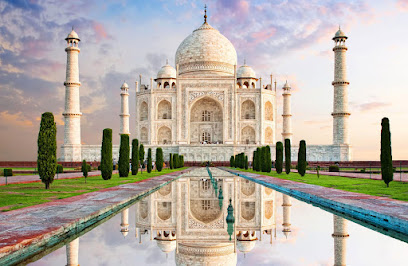
Agra Famous
2.3 km
Discover Agra Famous: A fast food destination offering a delightful fusion of local and international flavors in Agra's vibrant Sadar Bazar.
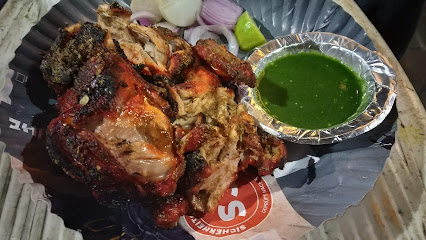
Sadar Bazar
2.4 km
Experience the vibrant culture of Agra at Sadar Bazaar, a shopper's paradise with handicrafts, textiles, and delicious street food.
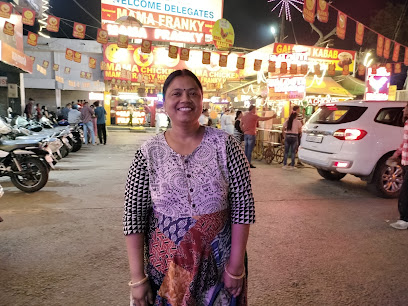
Hallmark Sadar Agra
2.4 km
Discover Hallmark Sadar Agra: Your go-to gift shop for unique souvenirs, clothing accessories, and charming toys in the heart of Agra's vibrant Sadar Bazar.
Unmissable attractions to see

Diwan-I-Am
0.0 km
Discover the rich history and architectural beauty of Diwan-I-Am, a historical landmark in Agra Fort that showcases the grandeur of the Mughal Empire.
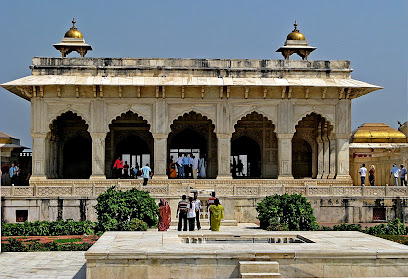
Anguri Bagh
0.1 km
Explore Anguri Bagh in Agra, a stunning Mughal garden that offers breathtaking views and a peaceful retreat steeped in history.
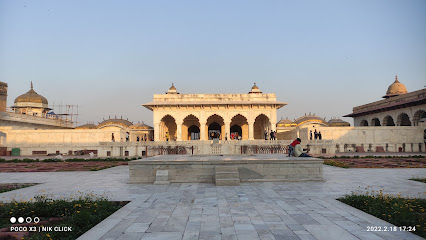
The Shish Mahal (The Glass Palace)
0.1 km
Discover the exquisite beauty of The Shish Mahal, a historical gem in Agra showcasing Mughal architecture and intricate artistry.
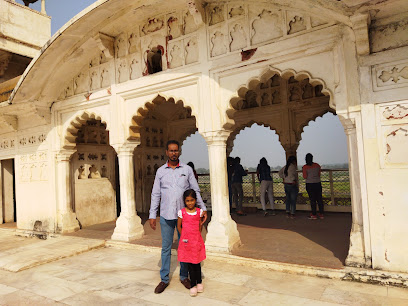
Diwan-e-khas
0.1 km
Explore Diwan-e-khas, a stunning Mughal-era hall in Agra Fort, where history and architectural beauty converge for an unforgettable experience.
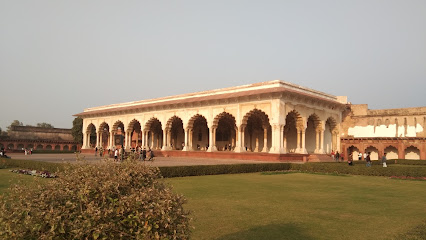
Hauz-i-Jahangiri
0.1 km
Explore the serene beauty of Hauz-i-Jahangiri, a historic reservoir in Agra that reflects the grandeur of Mughal architecture amidst tranquil gardens.
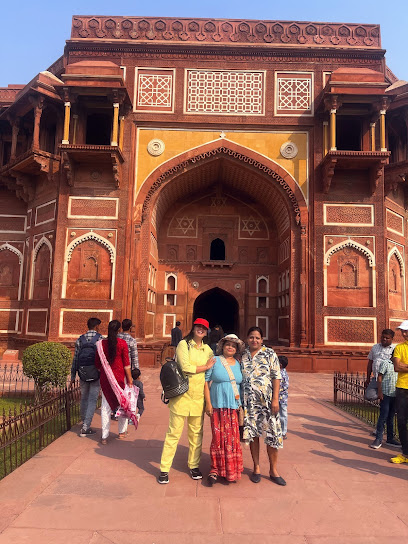
Jahan Ara Pavilion
0.1 km
Explore the enchanting Jahan Ara Pavilion in Agra Fort, a historical marvel showcasing Mughal architecture and rich heritage amidst serene gardens.
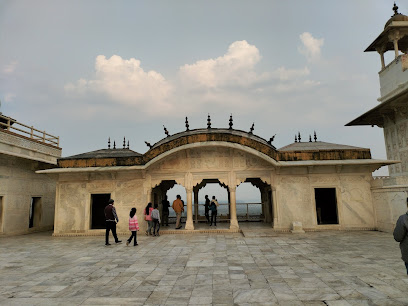
Shahi Burj
0.1 km
Discover the regal elegance of Shahi Burj, a stunning Mughal architectural marvel within Agra Fort, steeped in history and breathtaking views.
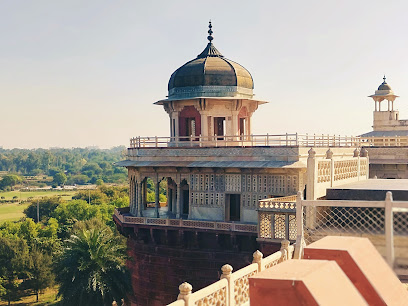
Shah Jahani Mahal
0.1 km
Discover the splendor of Mughal architecture at Shah Jahani Mahal, a historical place museum in Agra that showcases India's rich cultural heritage.
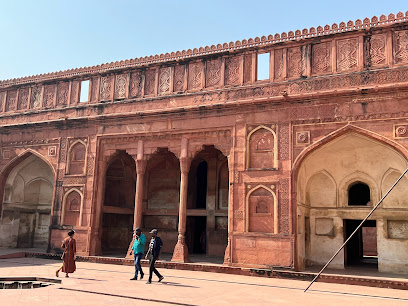
Agra Fort
0.1 km
Explore the majestic Agra Fort, a UNESCO World Heritage Site, showcasing the grandeur of Mughal architecture and rich Indian history.
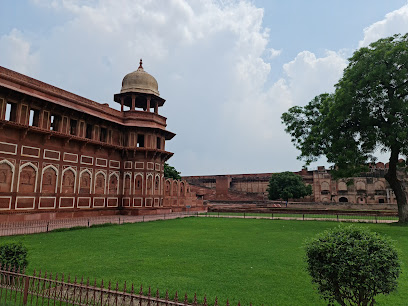
Jahangir Palace
0.1 km
Discover the beauty and history of Jahangir Palace in Agra, a stunning testament to Mughal architecture and royal heritage.
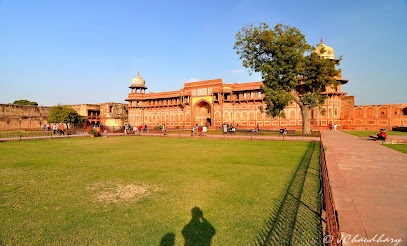
Red Fort of Agra
0.1 km
Explore the iconic Red Fort of Agra, a UNESCO World Heritage Site, showcasing stunning Mughal architecture and rich historical significance.
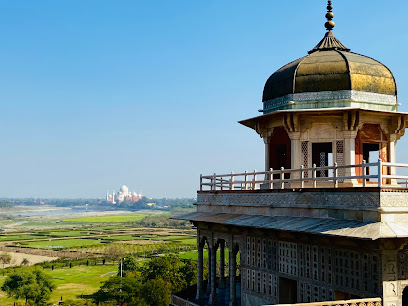
Amar Singh Gate
0.3 km
Explore Amar Singh Gate, an iconic entrance to Agra Fort, where history and architecture come together in a stunning display of Mughal grandeur.
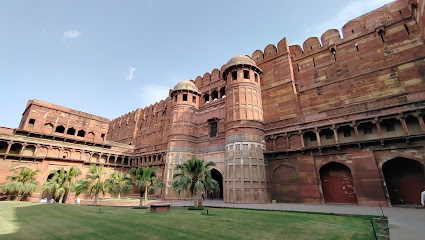
Chhatrapati Shivaji Maharaj Memorial
0.4 km
Discover the grandeur of Chhatrapati Shivaji Maharaj Memorial in Agra, a stunning tribute to India's legendary warrior king.
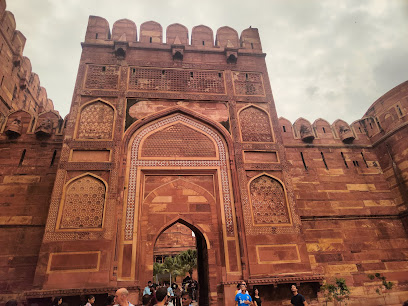
Shahjahan Garden
0.5 km
Discover the tranquility of Shahjahan Garden in Agra, a perfect retreat with stunning landscapes and rich Mughal heritage.
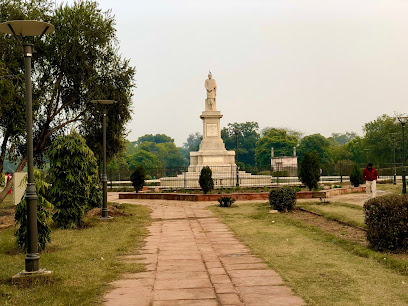
Shri Mankameshwar Temple, Agra
0.7 km
Experience the spiritual heart of Agra at Shri Mankameshwar Temple, a historic site dedicated to Lord Shiva, steeped in tradition and vibrant culture.
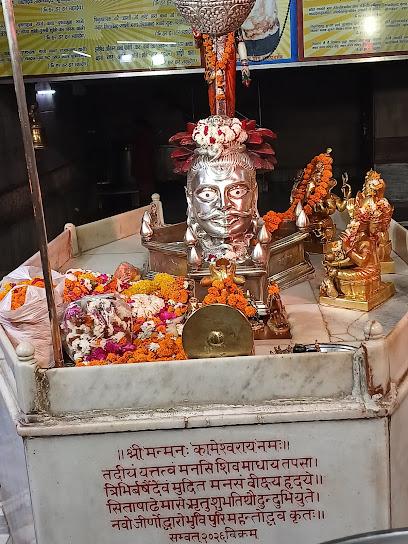
Essential places to dine

The Kesar Restaurant
0.9 km
Experience authentic Indian cuisine at The Kesar Restaurant in Agra – where every dish tells a story.
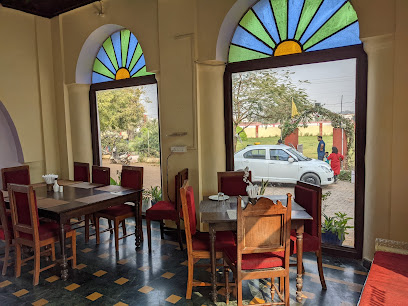
Novelty Restaurant
0.9 km
Experience the essence of Indian cuisine at Novelty Restaurant in Agra - where tradition meets flavor in every dish.
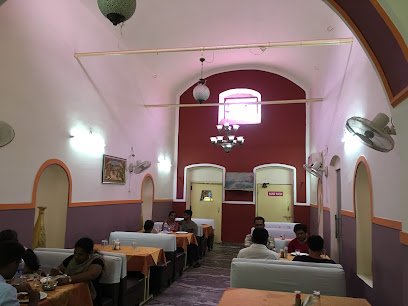
Masala Darbar Restaurant ( M.D )
1.2 km
Experience the authentic flavors of India at Masala Darbar Restaurant in Agra - a culinary gem offering traditional dishes in a warm ambiance.
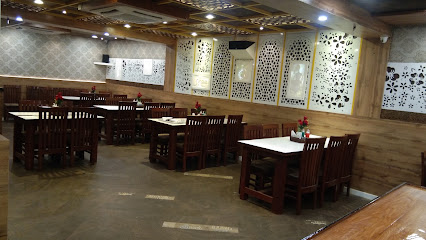
The Greens Restaurant & Herbal Cafe
1.4 km
Experience Agra's finest vegetarian cuisine at The Greens Restaurant & Herbal Cafe - where health meets flavor in every bite.
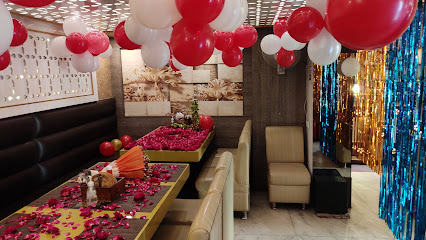
Famous Restaurant
1.5 km
Experience the vibrant flavors of India at Famous Restaurant in Agra - where every meal is a celebration of taste!
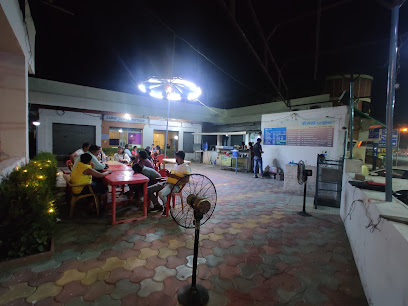
Deepee Restaurant (formerly Dasaprakash)
1.7 km
Experience authentic South Indian vegetarian cuisine at Deepee Restaurant in Agra - a must-visit for food enthusiasts.
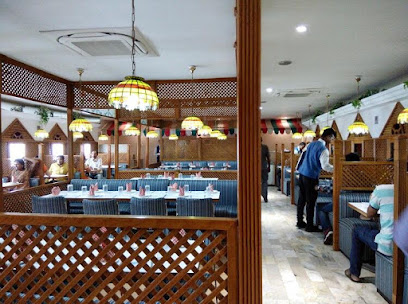
2nd wife (fine dining and rooftop)
1.7 km
Discover fine Indian dining at 2nd Wife Rooftop Restaurant in Agra—an exquisite blend of flavors and breathtaking city views.
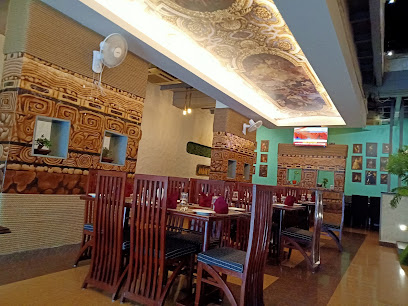
Spice Kitchen- The Sizzling Multi-Cuisine Restaurant
1.8 km
Discover a culinary gem in Agra at Spice Kitchen - where Indian spices meet Chinese flavors in an inviting atmosphere.
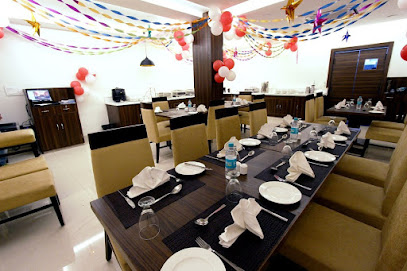
Tea’se Me - Rooftop Cafe
2.0 km
Discover Tea’se Me - Rooftop Cafe in Agra: A delightful culinary escape with stunning views and cozy ambiance for every traveler.
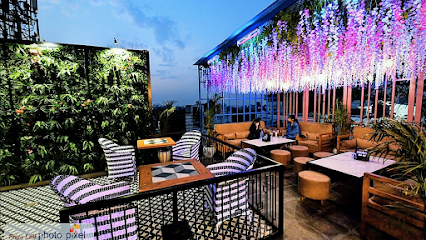
Galib Restaurant
2.1 km
Discover Agra's culinary gem at Galib Restaurant, where authentic Biryani meets warm hospitality in a vibrant setting.

Mama Chicken Mama Franky house
2.2 km
Savor the best of Agra's culinary delights at Mama Chicken Mama Franky - from barbecue to Mughlai specialties!
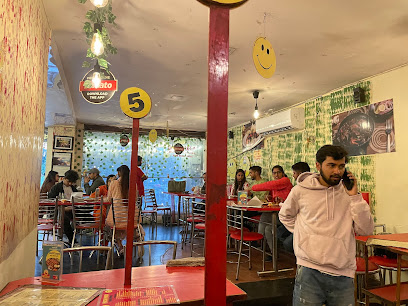
Zorba The Buddha
2.2 km
Discover authentic North Indian cuisine at Zorba The Buddha, where tradition meets taste in the heart of Agra's vibrant Sadar Bazar.
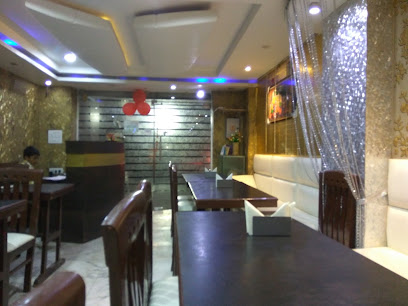
Joney's Place
2.2 km
Experience the best of Indian cuisine alongside global flavors at Joney's Place in Agra – a culinary delight for every traveler.
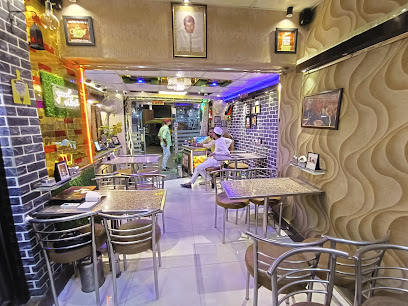
Treat Restaurant
2.2 km
Experience a delightful blend of Korean and Asian cuisines at Treat Restaurant near the Taj Mahal in Agra.
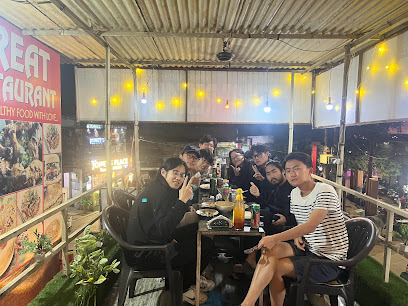
Pashtun || Best Restaurants In Agra For Lunch, Dinner, And Couples Near Taj Mahal
2.3 km
Experience authentic Indian cuisine at Pashtun near Taj Mahal - where every meal tells a story.
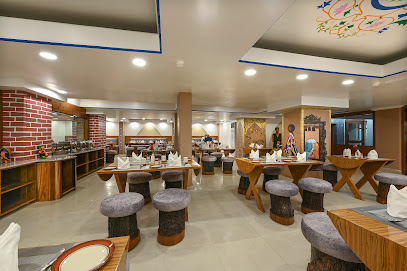
Markets, malls and hidden boutiques

Ramji Lal Ashok Kumar
0.6 km
Explore a vibrant clothing store in Agra, featuring authentic Indian fashion and unique styles to enrich your travel experience.
Market
0.9 km
Explore the vibrant Market in Agra, a jewelry lover's paradise showcasing exquisite craftsmanship and local culture.
Varun Cloth Store
1.1 km
Explore the vibrant women's clothing collection at Varun Cloth Store in Agra - where tradition meets contemporary fashion.
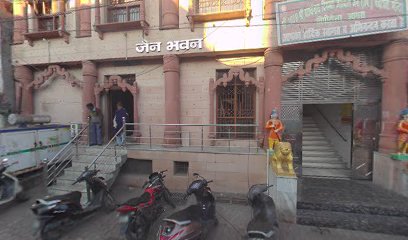
Adnan General Store
1.2 km
Discover the heart of Agra at Adnan General Store, where local culture meets unique shopping, perfect for souvenirs and everyday essentials.
PAKIZA
1.4 km
Explore PAKIZA in Agra for a fabulous selection of children's clothing and toys, making shopping with your little ones a delightful adventure.
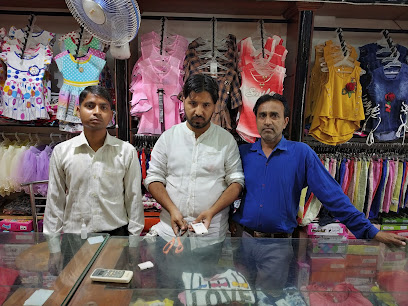
Marketing
1.4 km
Discover unique clothing styles and local fashion treasures in the heart of Agra, perfect for every tourist's wardrobe.
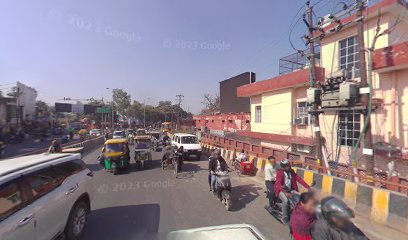
A Complete Big Bazar
1.4 km
Discover the vibrant shopping experience at A Complete Big Bazar in Agra, featuring local crafts, delicious food, and endless treasures.
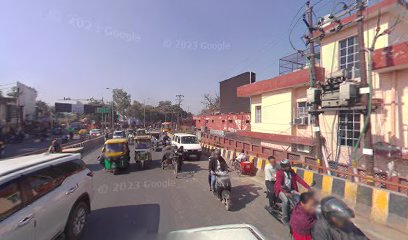
Ganeshi Lall Emporium
1.5 km
Explore the exquisite craftsmanship of hand-embroidered jewelry at Ganeshi Lall Emporium in Agra, a true gem for tourists seeking unique treasures.
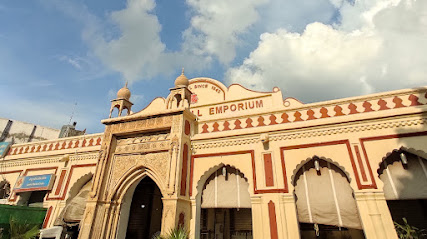
TRENDS
1.6 km
Explore TRENDS in Agra for trendy casual wear and an unforgettable shopping experience amidst local culture.
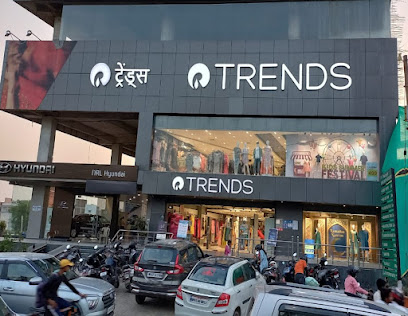
Bachoomal Fashions
1.8 km
Discover the perfect blend of tradition and modernity at Bachoomal Fashions, Agra's premier clothing store for stunning outfits.
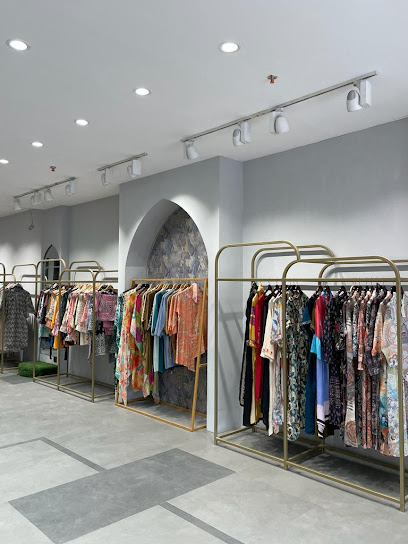
The Warehouse of Gifts & Souvenirs
1.9 km
Discover the essence of Agra with exquisite handcrafted gifts, clothing, and souvenirs at The Warehouse of Gifts & Souvenirs, a must-visit for travelers.
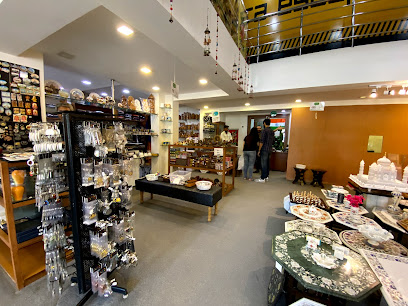
India Souvenir Collection @ The Warehouse
1.9 km
Explore the vibrant India Souvenir Collection at The Warehouse in Agra for authentic treasures and a taste of Indian culture.
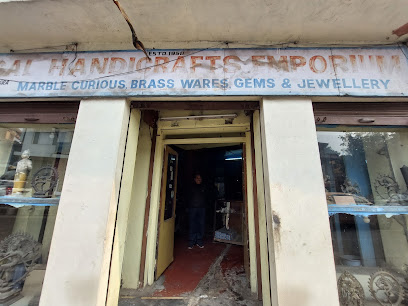
Bansal Handicrafts Emporium
1.9 km
Explore the essence of Indian craftsmanship at Bansal Handicrafts Emporium in Agra, where every souvenir tells a story.
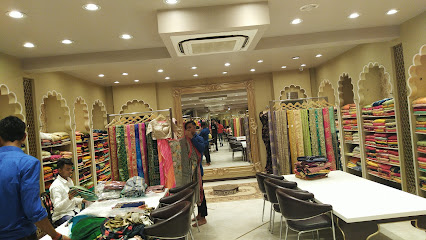
Womans Central Agra
1.9 km
Discover unique Western apparel and designer clothing at Womans Central Agra, a stylish boutique for the discerning traveler.
Marble Art &Handicrafts
2.0 km
Explore the exquisite craftsmanship of Marble Art & Handicrafts in Agra, where every piece tells a story of tradition and artistry.
Essential bars & hidden hideouts

Beer Shop
1.3 km
Experience Agra's vibrant nightlife at the Beer Shop, where local brews and a lively atmosphere await every traveler.
J P Bar and Restaurant
1.4 km
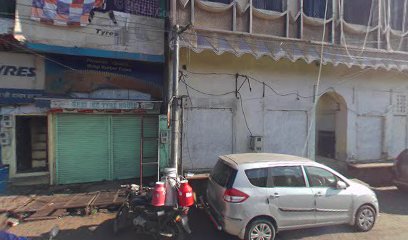
Experience Agra's lively nightlife at J P Bar and Restaurant, where delicious food and drinks meet a vibrant atmosphere.
Downtown Cafe & Bar - Restropub ( Top Cafe in Agra)
1.6 km
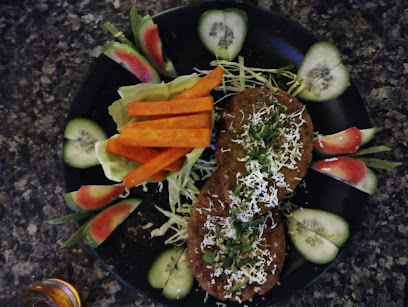
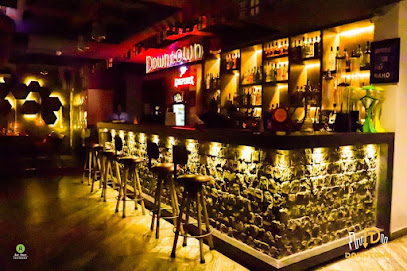
Discover the ultimate blend of lively bar culture and cozy cafe comfort at Downtown Cafe & Bar in Agra, where every sip is a taste of local flavor.
Mansion - Tapas & Club
1.7 km
Discover the vibrant nightlife at Mansion - Tapas & Club in Agra, where exquisite tapas meet electrifying disco beats for an unforgettable experience.
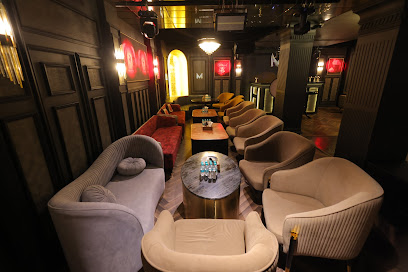
The Palm Burj - Best Rooftop | Best Lounge | Best Club | Best Pub | Best Restaurant in Agra
1.8 km
Experience Agra like never before at The Palm Burj, where breathtaking views meet exquisite dining and vibrant nightlife.
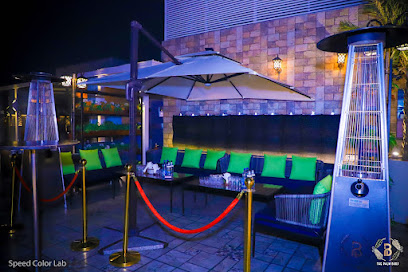
Dharmendra Kumar
1.9 km
Experience the vibrant nightlife at Dharmendra Kumar Bar in Agra, where local flavors and a lively atmosphere await you.
Gee bar
2.0 km
Discover the vibrant nightlife of Agra at Gee Bar, where modern hospitality meets local charm.
Tourist bar and restaurant
2.2 km
Experience the vibrant nightlife of Agra at this local bar and restaurant, offering a delightful mix of flavors and a welcoming atmosphere.
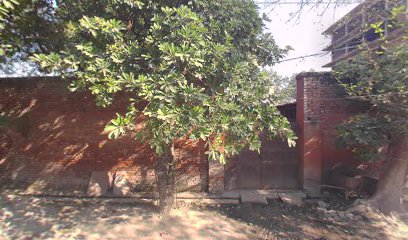
New Agra Caterers Bar & Restaurant
2.2 km
Experience the rich flavors of India at New Agra Caterers Bar & Restaurant, a perfect blend of grilled delicacies and vibrant atmosphere in Agra.
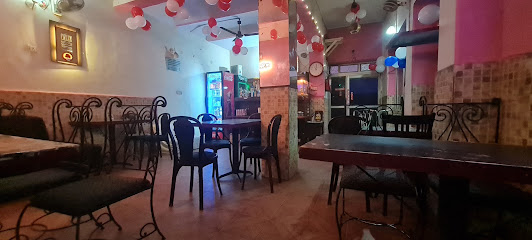
Xhale Cafe & Sheesha Lounge
2.2 km
Discover relaxation at Xhale Cafe & Sheesha Lounge in Agra, where delicious flavors meet a cozy atmosphere for the perfect break.
Spiced Brew
2.2 km
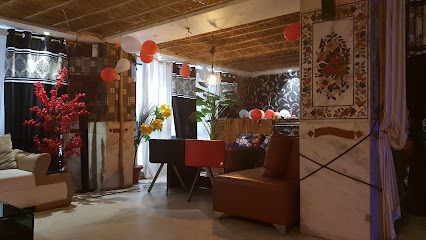
Explore the charming Spiced Brew in Agra, where aromatic beverages and delicious dishes meet a cozy atmosphere for the perfect respite.
Dharam bhawan
2.3 km
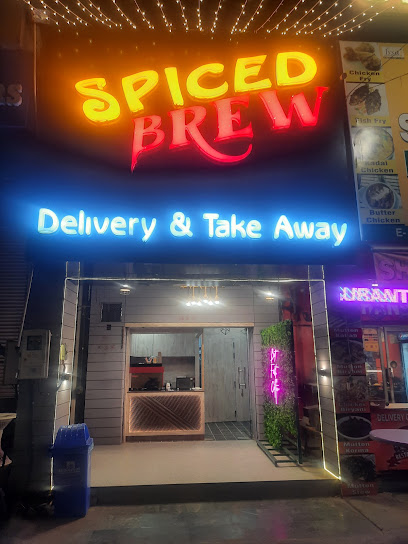
Discover the tranquility of Dharam Bhawan, a cozy lounge in Agra, perfect for relaxation and cultural immersion amidst your travels.
Two Saints Bar and Kitchen
2.3 km
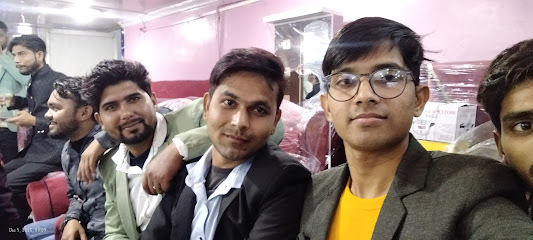
Savor the flavors of India and beyond at Two Saints Bar and Kitchen, Agra's premier dining destination for food lovers.
Cafe TC Agra
2.3 km
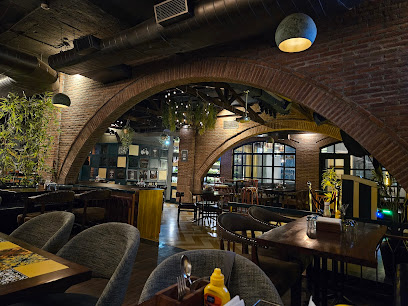
Experience the vibrant flavors and lively atmosphere at Café TC Agra, the perfect spot for tourists in search of great food and nightlife.
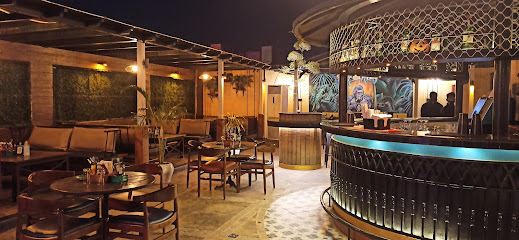
Dj Party Night & The Ramp Cafe
2.3 km
Dive into the vibrant nightlife of Agra at Dj Party Night & The Ramp Cafe, where delicious food meets electrifying entertainment.
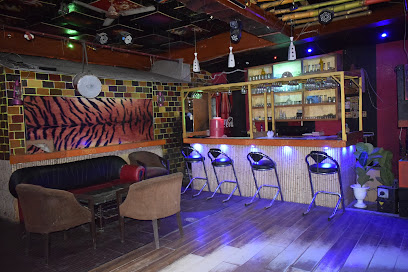
Nightclubs & after hour spots

Sanju kumar
1.4 km
Experience the vibrant nightlife of Agra at Sanju Kumar, a premier night club known for its electrifying atmosphere and exceptional music.
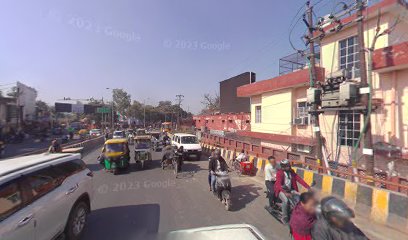
Vivek Sharma
1.4 km
Experience the vibrant nightlife of Agra at Vivek Sharma Night Club, where music, dance, and fun come together for an unforgettable evening.
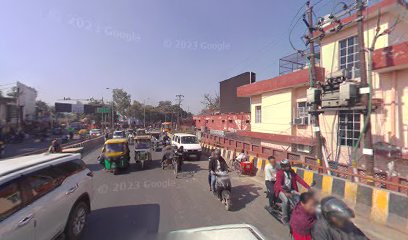
Roadies Club
2.3 km
Discover Agra's vibrant nightlife at Roadies Club, a pulsating night club offering great music, drinks, and unforgettable experiences.
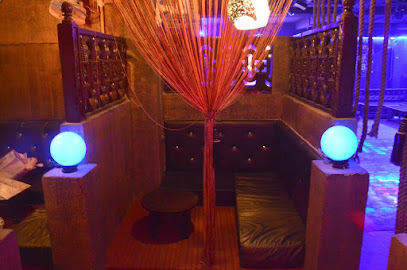
KGF CLUB
2.3 km
Experience the heart of Agra's nightlife at KGF Club, where music, dance, and cocktails create unforgettable memories.
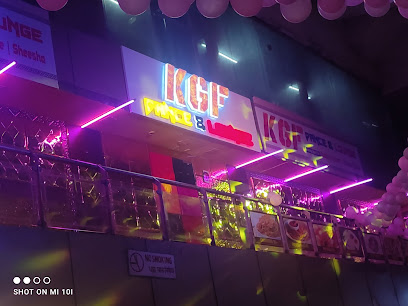
The Outhouse Club
2.5 km
Experience the vibrant nightlife at The Outhouse Club in Agra, a premier destination for music, dancing, and unforgettable moments.
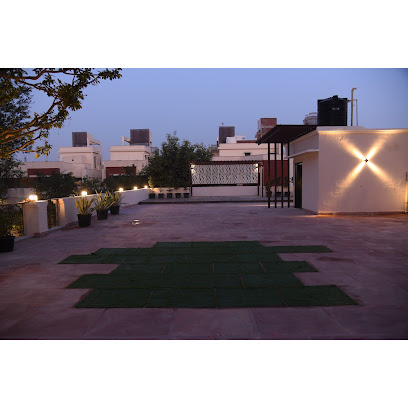
Taj nagri
2.9 km
Discover the electrifying nightlife at Taj Nagri, Agra's premier night club, where music, dance, and vibrant atmosphere create unforgettable moments.
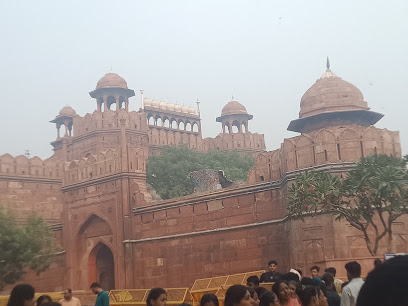
Marvels club and cafe
3.1 km
Discover the vibrant nightlife of Agra at Marvels Club and Cafe, where energy meets elegance in an unforgettable clubbing experience.
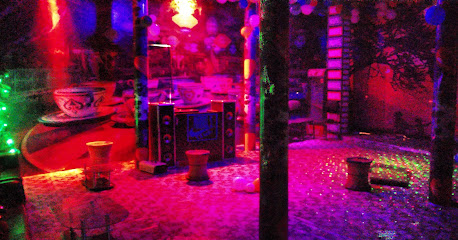
Troyt
3.2 km
Experience Agra's electrifying nightlife at Troyt, the premier nightclub combining lively music, exquisite drinks, and an unforgettable atmosphere.
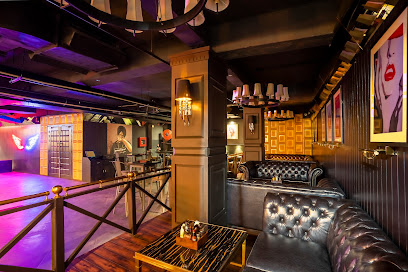
Club City Lights
3.3 km
Discover the electrifying nightlife of Agra at Club City Lights, a top destination for unforgettable music, dance, and celebration.
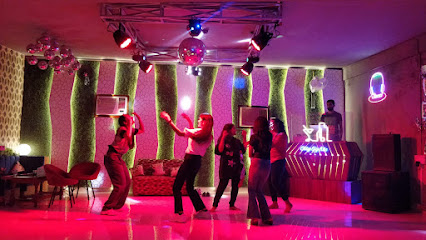
Hell lnn Lounge
3.4 km
Experience Agra's nightlife at Hell Inn Lounge, where delicious food, vibrant music, and a lively atmosphere blend for an unforgettable evening.
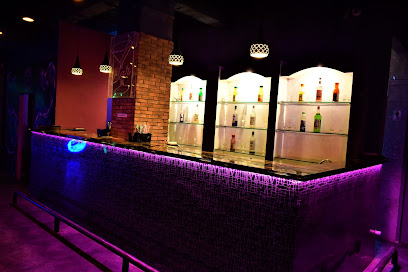
Club Replay
3.5 km
Experience the vibrant nightlife of Tajganj at Club Replay, a premier disco club where music and dance come alive every night.
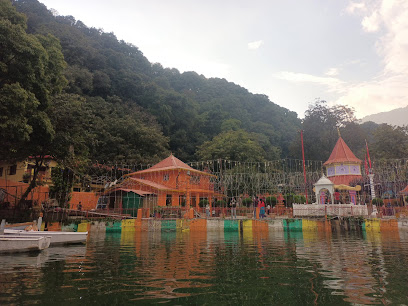
UP&DOWN ROOF TOP
3.7 km
Discover the vibrant nightlife at UP&DOWN ROOF TOP in Agra, where stunning views meet an unforgettable party atmosphere.
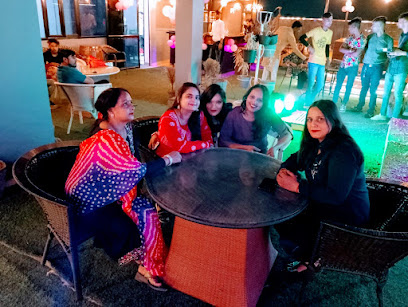
Agra Khushi Ambulance service
3.8 km
Discover Agra's vibrant nightlife at Agra Khushi Ambulance Service, where music, culture, and excitement collide for an unforgettable evening.
Helter Skelter - Rooftop and Nightclub
4.0 km
Experience the vibrant nightlife of Agra at Helter Skelter, a rooftop nightclub with stunning views and electrifying music.
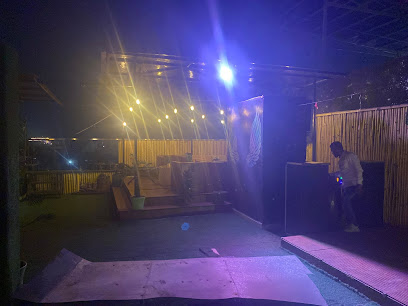
d
4.2 km
Experience the vibrant nightlife of Agra at Devil Disco Club, the ultimate lounge destination for music, dance, and culinary delights.


