Aurangabad Caves: Ancient Buddhist Sanctuaries
Explore ancient Buddhist rock-cut caves near Aurangabad, Maharashtra, showcasing intricate carvings and serene surroundings dating back to the 6th century.
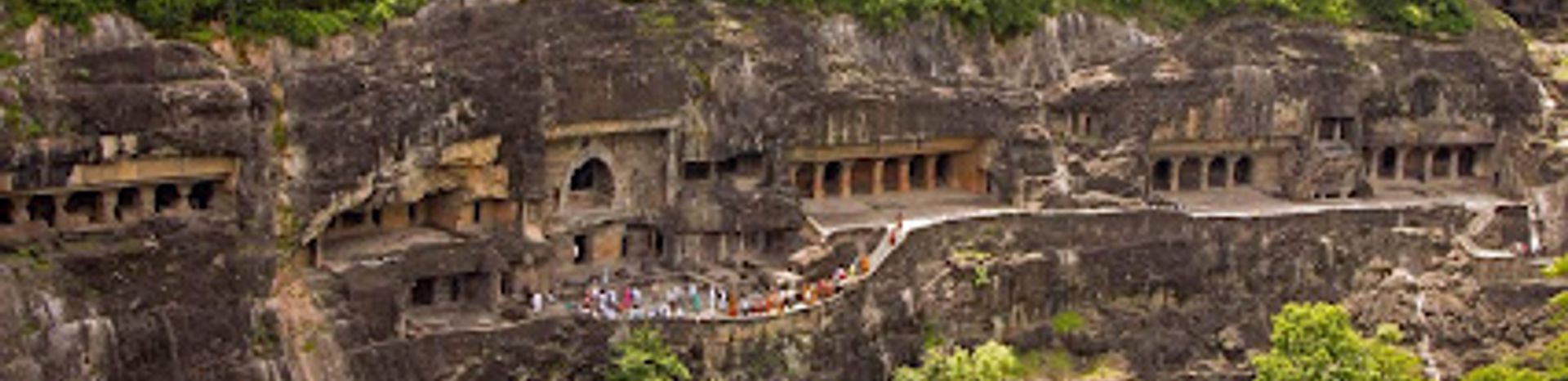
The Aurangabad Caves, dating back to the 6th and 7th centuries, are a series of 12 rock-cut Buddhist shrines showcasing early Buddhist architecture and intricate carvings. Overlooked by the more famous Ajanta and Ellora caves, they offer a serene and insightful glimpse into ancient Indian Buddhist art and religious practices.
A brief summary to Aurangabad Caves Aurangabad
- W886+VQR, Grishneswar temple Road, Aurangabad, Maharashtra, 431101, IN
- Monday 5 am-7 am
- Tuesday 5 am-7 am
- Wednesday 5 am-7 am
- Thursday 5 am-7 am
- Friday 5 am-7 am
- Saturday 5 am-7 am
- Sunday 5 am-7 am
Local tips
- Visit during the cooler months (October to March) for a more comfortable experience.
- Hire a local guide to enhance your understanding of the caves' history and significance.
- Allocate at least 2-3 hours to explore all the caves.

Getting There
-
Taxi
From Aurangabad Airport (approximately 16 km away) , a taxi to Aurangabad Caves typically costs ₹300-₹500 and takes around 30-45 minutes. From the Aurangabad Railway Station (about 9 km away) , a taxi will cost roughly ₹200-₹400 and take 20-30 minutes. Negotiate the fare beforehand. Parking is available near the cave entrance.
-
Public Transport
From Chhatrapati Sambhajinagar Central Bus Stand (approximately 7 km) , take a local bus towards Aurangabad Caves. The bus fare is around ₹20-₹30. The journey takes approximately 30-40 minutes. Buses are frequent, but can be crowded. From the bus stop, it's a short walk to the cave entrance.
Discover more about Aurangabad Caves Aurangabad
Iconic landmarks you can’t miss

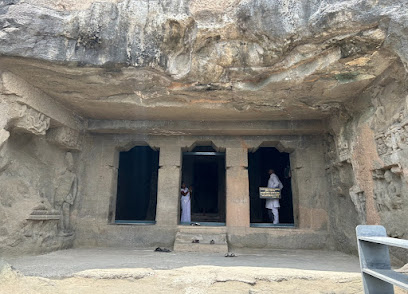
Aurangabad caves
0.8 km
Explore the stunning Aurangabad Caves, a historical treasure trove showcasing ancient Buddhist artistry amidst Maharashtra's scenic landscape.
Himayat baugh Hill
1.9 km
Discover the breathtaking beauty of Himayat Baugh Hill, a top hiking destination in Aurangabad, Maharashtra, perfect for nature lovers and adventure seekers.
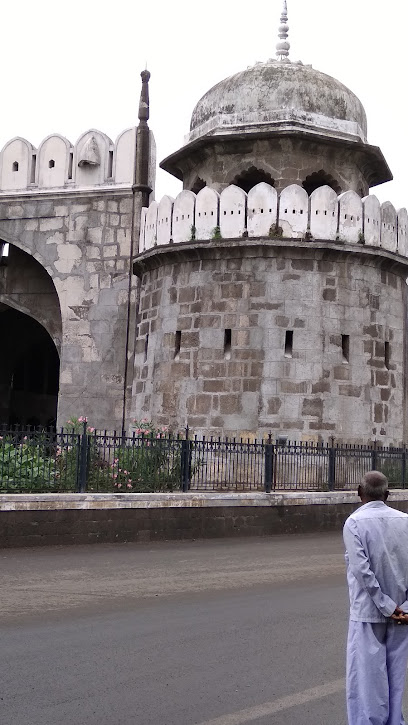
Panchakki
3.1 km
Explore the enchanting Panchakki, a historic watermill in Aurangabad, showcasing incredible architecture and a serene atmosphere.
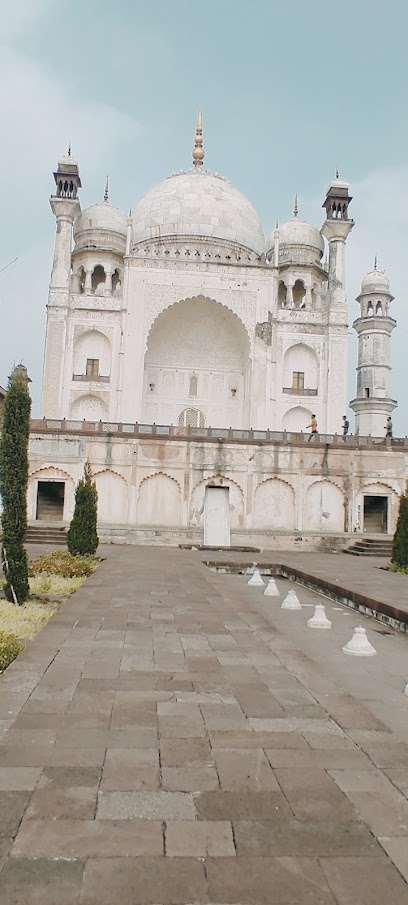
Zenana Mahal, Palace of zeb-un-nisa
3.2 km
Explore Zenana Mahal, the exquisite Palace of Zeb-un-nisa, a historical landmark showcasing the grandeur of Mughal architecture in Aurangabad, India.
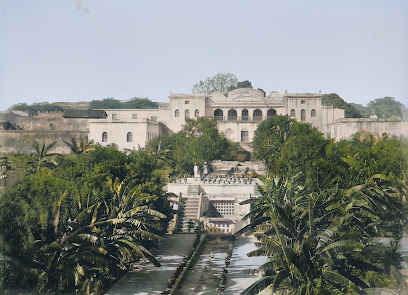
Dr Babasaheb Ambedkar Statue
3.3 km
Explore the Dr. Babasaheb Ambedkar Statue in Aurangabad - a symbol of justice, equality, and India's rich historical legacy, set in a serene and beautiful park.
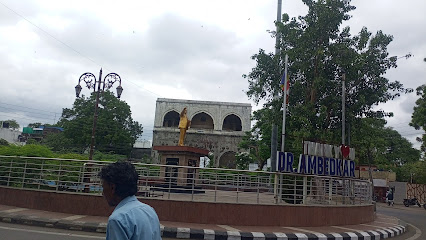
Bhadkal Gate
3.3 km
Discover the architectural marvel of Bhadkal Gate, a historical landmark in Aurangabad, Maharashtra, steeped in rich cultural heritage.
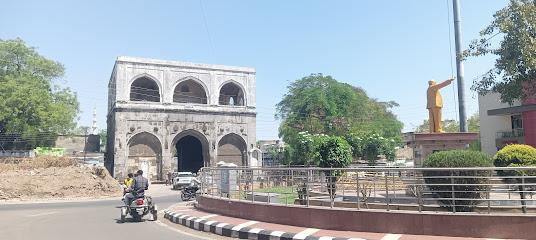
Navkhanda Palace
3.3 km
Explore Navkhanda Palace, a majestic historical landmark in Aurangabad reflecting Maharashtra's rich cultural heritage and architectural beauty.
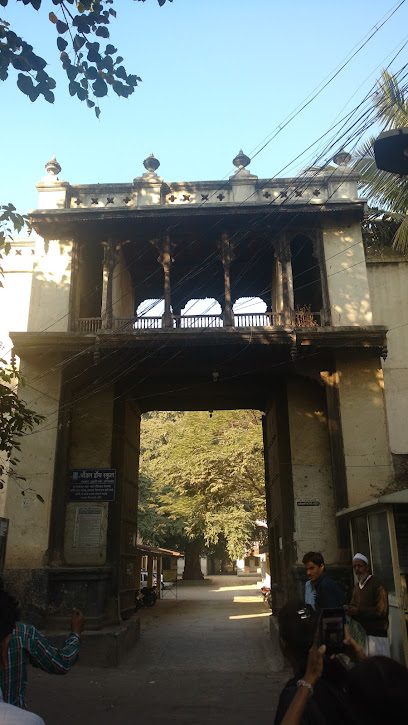
Naubat Gate (Naubat Darwaza) (Quil-e-Ark)
3.3 km
Explore the stunning Naubat Gate in Aurangabad, a historical landmark showcasing exquisite Mughal architecture and a glimpse into the region's rich past.
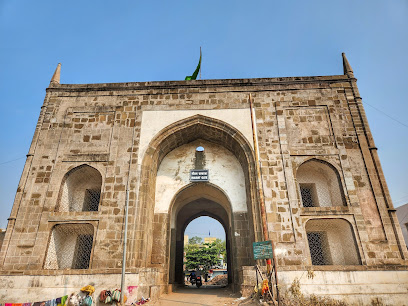
Rangeen Gate (Rangeen Darwaza) Aurangabad
3.5 km
Explore Rangeen Gate in Aurangabad, a stunning historical landmark showcasing vibrant architecture and rich cultural heritage.
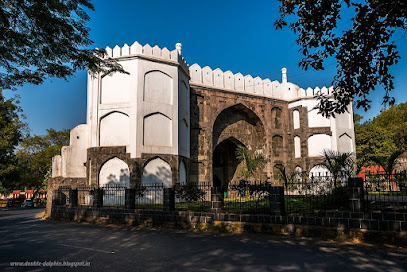
Ajanta Ellora Tours
4.0 km
Discover the breathtaking beauty and cultural significance of Ajanta and Ellora Caves with Ajanta Ellora Tours in Aurangabad, Maharashtra.
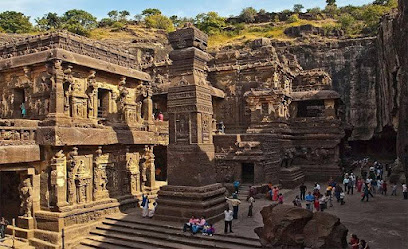
Damdi Mahal
4.1 km
Discover the timeless beauty of Damdi Mahal, a historical landmark in Aurangabad that embodies the rich cultural heritage of Maharashtra.
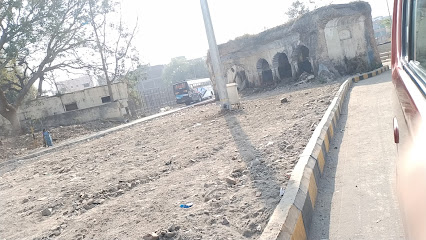
Iqbal Gate
4.2 km
Explore Iqbal Gate, a striking historical landmark in Aurangabad that embodies the city's rich architectural heritage and cultural significance.
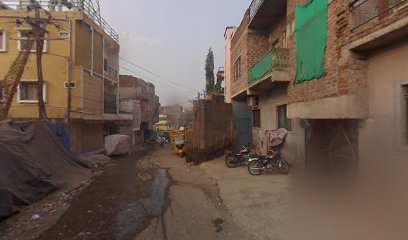
Shahgunj Park
4.2 km
Experience tranquility at Shahgunj Park, a lush green oasis in Aurangabad, where nature meets history in a perfect blend.
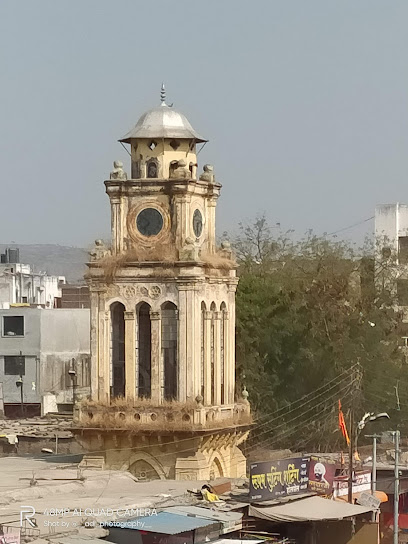
Shahganj Watch Tower
4.2 km
Explore the Shahganj Watch Tower, a historical landmark in Aurangabad, Maharashtra, offering stunning views and rich cultural heritage.
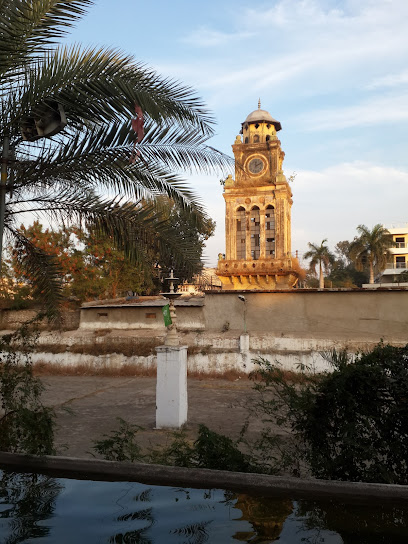
Paithan gate
4.4 km
Explore the majestic Paithan Gate, a historical landmark in Aurangabad, Maharashtra, reflecting India's rich cultural heritage and architectural beauty.
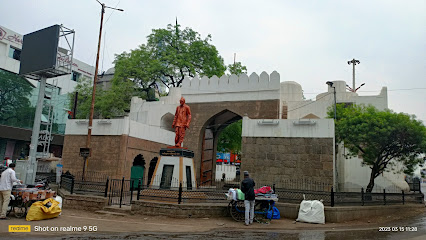
Unmissable attractions to see

View point
0.4 km
Enjoy panoramic views of Aurangabad from this easily accessible and serene vantage point. Perfect for a quick escape and memorable photos.
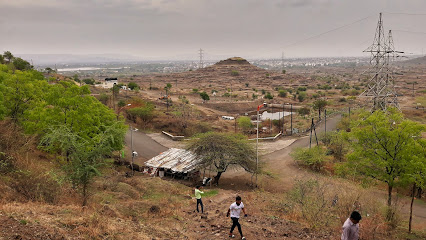
Soneri Mahal
1.2 km
Discover the grandeur of Soneri Mahal, a historic monument in Aurangabad showcasing exquisite Mughal architecture and rich cultural heritage.
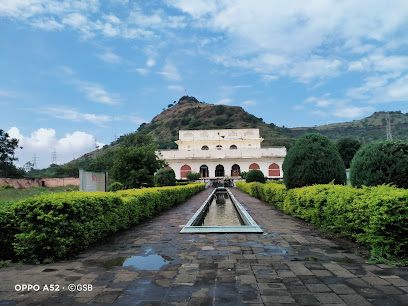
Stepwell near Soneri Mahal
1.2 km
Explore ancient water conservation at the Stepwell near Soneri Mahal, a serene and historically rich site within Aurangabad's university campus.
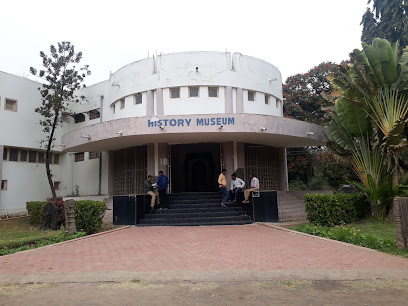
History Museum
1.3 km
Explore Maharashtra's rich history at Aurangabad's History Museum, featuring artifacts from the Paleolithic era to the Colonial period.
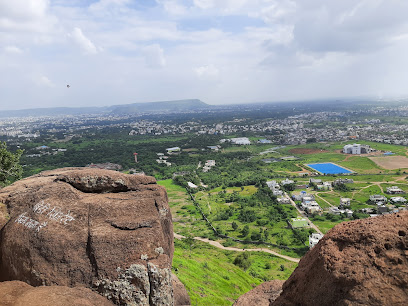
Goga Baba Hill
1.4 km
Hike to panoramic views and spiritual serenity at Goga Baba Hill, Aurangabad's tranquil escape.
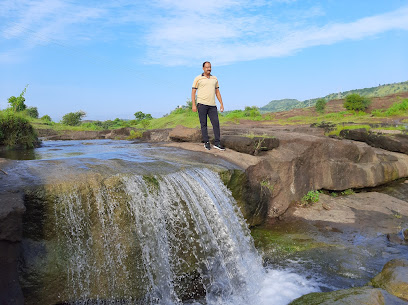
Waterfall
1.6 km
A convenient and refreshing natural waterfall near Aurangabad, perfect for a quick escape into nature's tranquility.
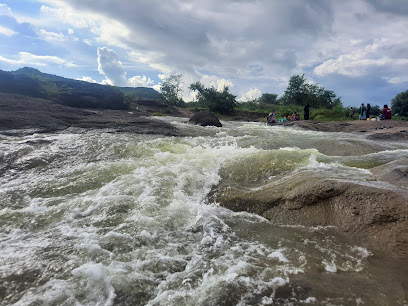
Kham River View Point
2.0 km
Escape to Kham River View Point in Aurangabad for tranquil scenery, nature's beauty, and a peaceful retreat from city life.
BIBI KA MAQBARA
2.0 km
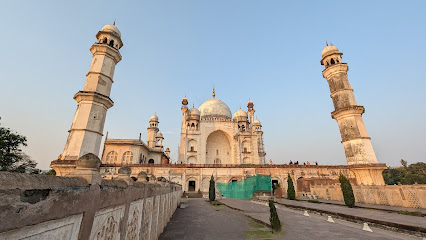
A poignant Mughal monument in Aurangabad, Bibi Ka Maqbara echoes the Taj Mahal's beauty, honoring a queen's memory in the heart of the Deccan.
Harsul Lake
2.2 km
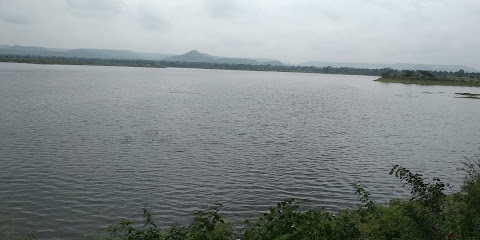
Escape to the serene beauty of Harsul Lake near Aurangabad, a perfect spot for nature lovers and peaceful getaways.
Kham River Water Fall
2.6 km
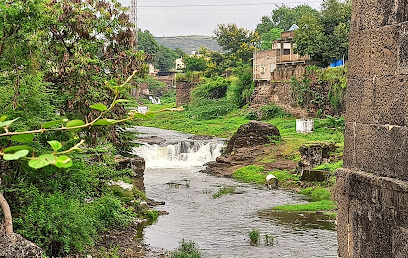
Discover the serene beauty of Kham River Waterfall in Aurangabad, a perfect natural escape for relaxation and picturesque views.
بوابة مكة
2.7 km
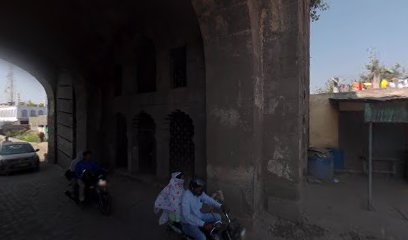
Discover tranquility at بوابة مكة in Aurangabad, a serene escape with stunning architecture and spiritual significance. A must-visit cultural gem!
Makai Gate
2.7 km
Explore the historical charm of Aurangabad's Makai Gate, a testament to Mughal architecture and a gateway to the city's rich cultural heritage.
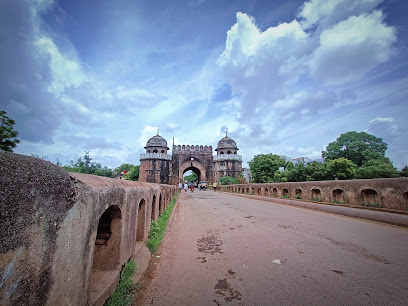
Himayatbagh Biodiversity Heritage site
3.1 km
Explore Aurangabad's green oasis: a historic Mughal garden transformed into a vibrant biodiversity hotspot with diverse flora, fauna, and tranquil trails.
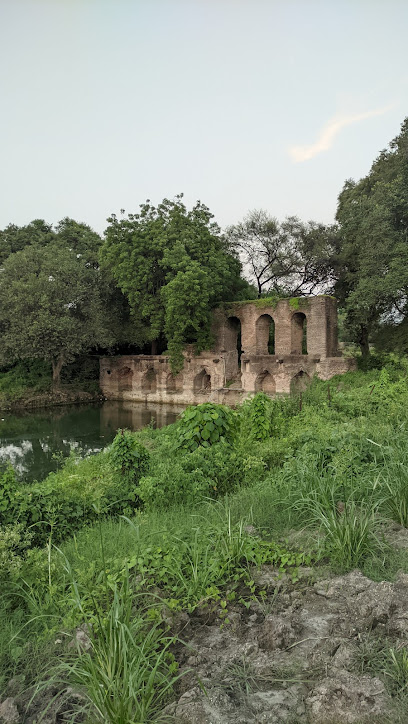
Himayat Bagh
3.1 km
Explore Himayat Bagh: A historic Mughal garden in Chhatrapati Sambhaji Nagar, blending natural beauty with horticultural research and serene landscapes.
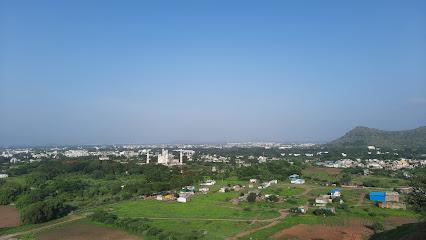
Jama Masjid Aurangabad
3.2 km
Explore Aurangabad's Jama Masjid: A historic Mughal-era mosque with stunning Islamic architecture and a serene atmosphere.
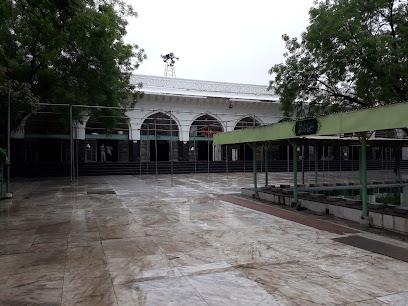
Essential places to dine

HOTEL PRITHVIRAJ FAMILY RESTAURANT
1.4 km
Experience authentic fast food at Hotel Prithviraj Family Restaurant in Aurangabad – where taste meets tradition in every bite.
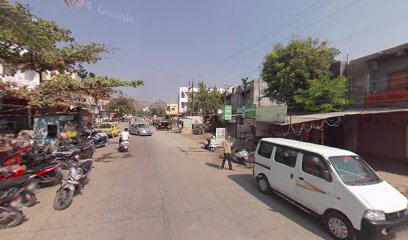
Nanu's Pure Veg Restaurant
1.5 km
Savor authentic vegetarian delights at Nanu's Pure Veg Restaurant in Aurangabad - a must-visit for food enthusiasts.
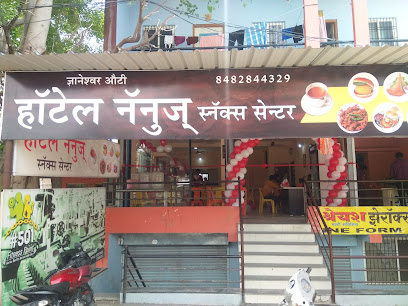
Hotel Tiger hills
1.6 km
Experience comfort and culture at Hotel Tiger Hills in Aurangabad - your family-friendly gateway to Maharashtra's treasures.
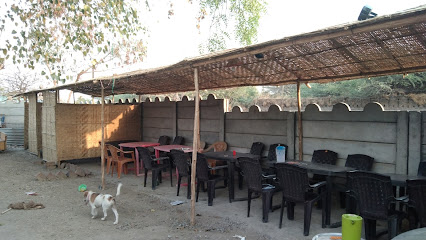
Hotel Om Sai
2.3 km
Discover authentic Maharashtrian cuisine at Hotel Om Sai in Aurangabad—a culinary journey through local flavors awaits.
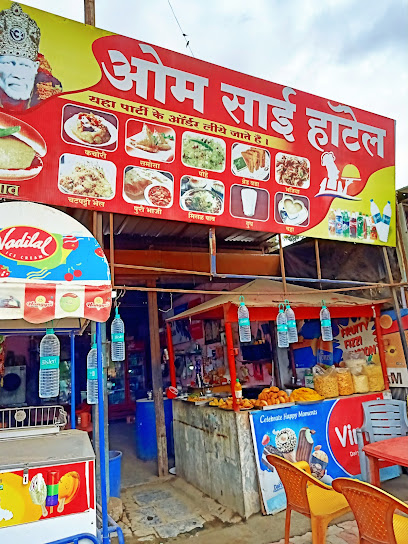
PARI BHOJNALYA
2.6 km
Savor authentic Maharashtrian cuisine at Pari Bhojnalya in Aurangabad – where tradition meets flavor.
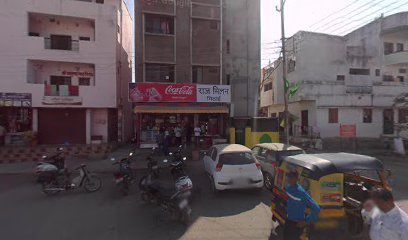
INDIAN CHINESE FAST FOOD CENTER
2.6 km
Experience a delightful blend of Indian and Chinese flavors at Aurangabad's popular fast food center.
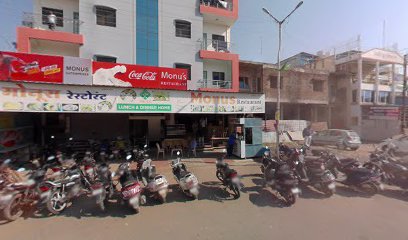
Monu's RESTAURANT
2.7 km
Discover authentic Indian flavors at Monu's Restaurant in Aurangabad—your go-to spot for breakfast and fast food delights.
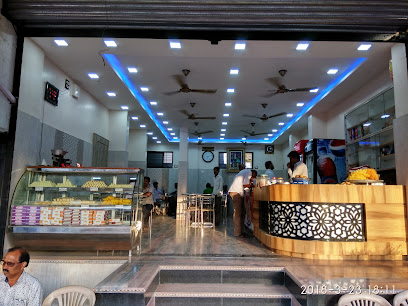
Ravi Nasta Center
2.7 km
Discover authentic Maharashtrian cuisine at Ravi Nasta Center in Aurangabad, where every dish tells a story.
Smile Fast Food Center
2.7 km
Experience the vibrant flavors of Aurangabad at Smile Fast Food Center - your go-to spot for authentic Indian fast food.
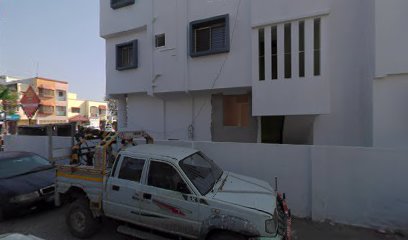
Hotel Aurangabad Family Restaurant
3.3 km
Savor authentic Maharashtrian flavors at Hotel Aurangabad Family Restaurant – a must-visit for families and food lovers alike.
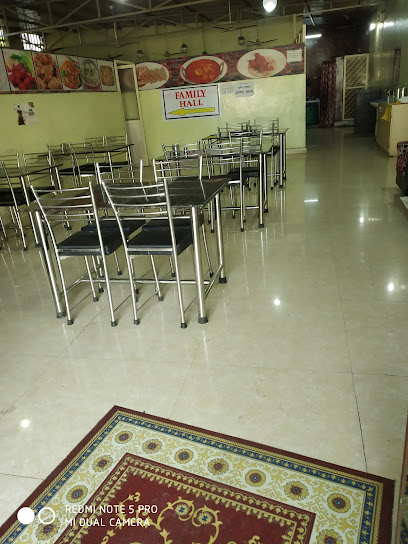
Great Sagar Restaurant
3.4 km
Discover Great Sagar Restaurant: A Culinary Delight Offering Authentic Indian Flavors in Chhatrapati Sambhajinagar.
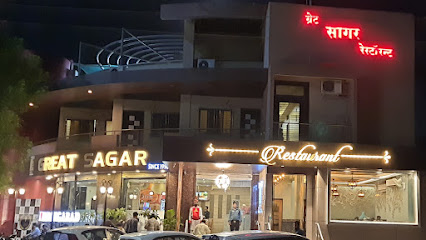
Sagar Restaurant
3.5 km
Experience authentic Indian and Mughlai cuisine at Sagar Restaurant in Aurangabad – where tradition meets flavor.
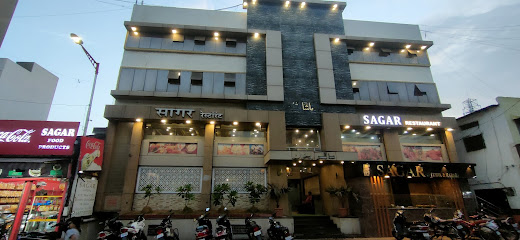
Latitude
3.8 km
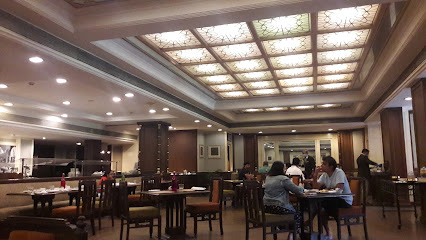
Experience the exquisite blend of Continental and Indian cuisine at Latitude in Aurangabad's luxurious Vivanta hotel.
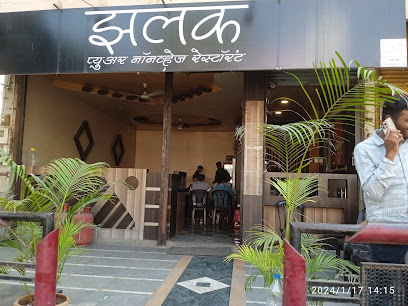
Zalak Restaurant Pure Non-Veg
3.8 km
Discover the rich flavors of Maharashtrian non-veg cuisine at Zalak Restaurant in Aurangabad – where every bite tells a story.
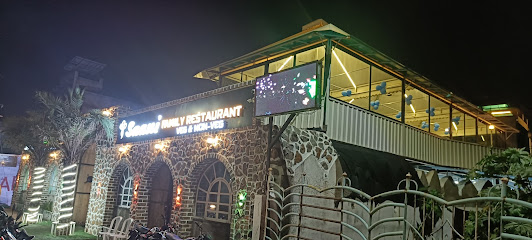
Saani Family Restaurant
3.9 km
Experience authentic Indian flavors at Saani Family Restaurant, your perfect dining destination near Salim Ali Lake in Aurangabad.
Markets, malls and hidden boutiques

Vishal Store
1.6 km
Explore local goods and authentic culture at Vishal Store, the must-visit general store in Aurangabad's vibrant Begampura neighborhood.
Umesh Mohite Store
2.2 km
Explore Umesh Mohite Store in Aurangabad for unique local crafts and souvenirs near the iconic Taj Mahal.

Anuradha Store
2.2 km
Discover authentic local culture and unique handicrafts at Anuradha Store in Aurangabad, Maharashtra, a true treasure for every traveler.
Shri Krishna Aai Emporium
2.4 km
Explore the essence of Aurangabad at Shri Krishna Aai Emporium—your one-stop destination for local crafts and treasures!

DILIP EMPORIUM
2.4 km
Discover unique souvenirs and local treasures at Dilip Emporium in Aurangabad, an essential stop for every traveler.
RASHIKA BANGLE'S STORE
2.4 km
Explore Rashika Bangle's Store for exquisite bangles and authentic local crafts in the heart of Aurangabad, Maharashtra.
Jawale Store
2.5 km
Discover authentic local crafts and delicacies at Jawale Store, a cultural gem in Aurangabad, Maharashtra.
Shivam emporium
2.5 km
Explore the vibrant offerings of Shivam Emporium, a local treasure in Aurangabad, Maharashtra, where culture and shopping unite.
SUJATA BAUTIQ
2.5 km
Explore the heart of Aurangabad at Sujata Bautiq, where local artistry and culture come together in a delightful shopping experience.
Muktai Emporium
2.5 km
Explore Muktai Emporium for unique gifts, local crafts, and treasures that embody the spirit of Aurangabad.
Famous General Stores
3.1 km
Discover unique gifts and local crafts at Famous General Stores in Aurangabad, a shopping experience reflecting the vibrant culture of Maharashtra.
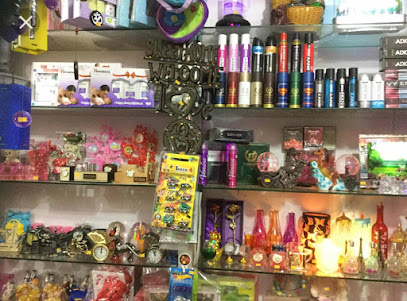
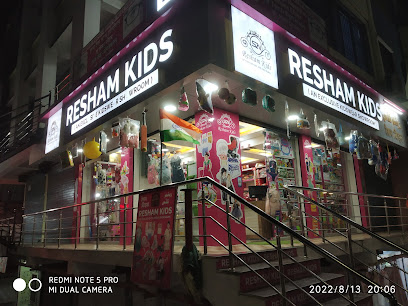
RESHAM KIDS (New_Born_Baby Show_Room, One-Stop-Shop)
3.6 km
Explore Resham Kids in Aurangabad for a delightful selection of baby clothing, toys, and essentials, perfect for parents and little ones alike.
Novelty Collection
3.9 km
Discover unique souvenirs and fashionable accessories at Novelty Collection, Aurangabad's go-to novelty store for tourists.
Alankar
3.9 km
Discover Alankar, Aurangabad's charming gift shop, featuring unique children's clothing, toys, and delightful souvenirs for your loved ones.
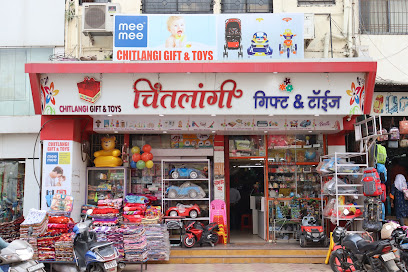
CHITLANGI Gift & Toys
4.1 km
Explore CHITLANGI Gift & Toys, Aurangabad's unique gift shop offering a delightful array of toys, novelties, and more for all ages.
Essential bars & hidden hideouts

Maharashtra Raswanti Hamkas
3.2 km
Discover the vibrant flavors of Maharashtra at Raswanti Hamkas, a lively bar in Aurangabad offering local drinks and snacks in a welcoming atmosphere.
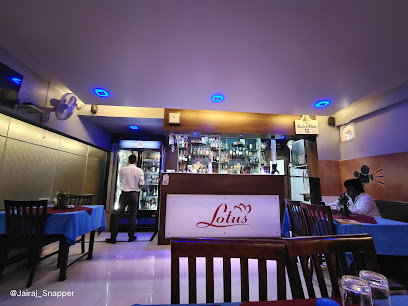
The Lotus Restaurant & Bar
3.7 km
Discover the exquisite flavors and vibrant atmosphere at The Lotus Restaurant & Bar, a must-visit dining destination in Aurangabad.
Tease Bar
3.8 km
Experience sophistication at Tease Bar in Aurangabad, where exquisite cocktails and a chic atmosphere await travelers seeking relaxation.
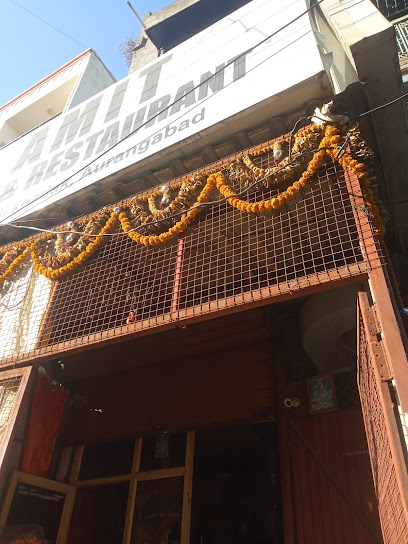
Amit Bar & Restaurant
4.0 km
Experience the vibrant ambiance and diverse menu at Amit Bar & Restaurant in Aurangabad for a memorable dining experience.
Samrat Bar
4.1 km
Discover the local nightlife at Samrat Bar in Aurangabad, where vibrant ambiance meets a diverse drink selection, perfect for socializing.
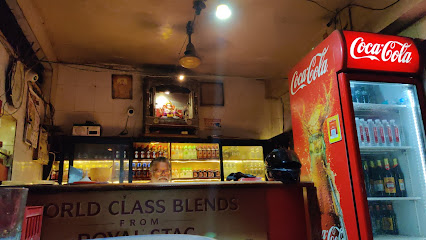
Shree Mangalam Wine Bar
4.1 km
Discover the delightful Shree Mangalam Wine Bar in Aurangabad, where wine lovers can enjoy an extensive selection in a cozy, inviting atmosphere.
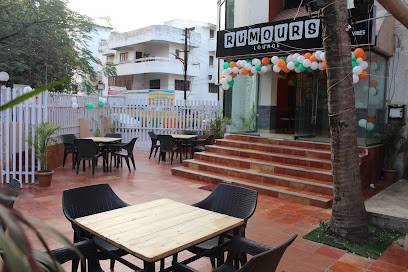
Rumours restaurant & Lounge
4.2 km
Discover the flavors of Aurangabad at Rumours Restaurant & Lounge, where local cuisine meets a vibrant dining atmosphere.
The Den
4.3 km
Experience the rich flavors of Aurangabad at The Den, a restaurant blending local cuisine with international delights in a warm and inviting setting.
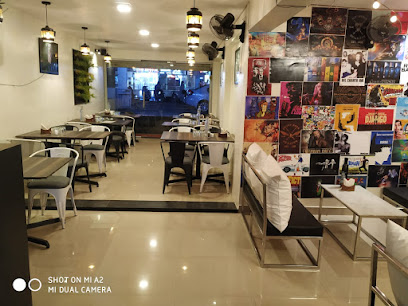
Devpriya's Floating Spirit Bar And Restaurant
4.3 km
Discover a culinary oasis at Devpriya's Floating Spirit Bar And Restaurant, where vibrant flavors meet a stunning atmosphere in Aurangabad.
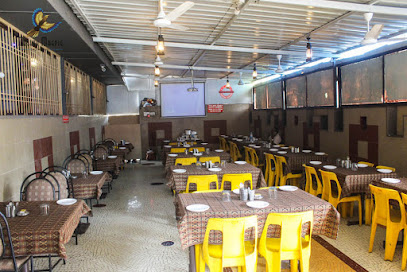
Deshi Wine Shop
4.4 km
Discover a culinary delight at Deshi Wine Shop, a grill restaurant in Aurangabad offering exquisite flavors and a cozy atmosphere for an unforgettable dining experience.
Varad Restaurant& Beer Bar
4.4 km
Discover the vibrant flavors and lively atmosphere at Varad Restaurant & Beer Bar in Aurangabad, a perfect spot for food and drink lovers.
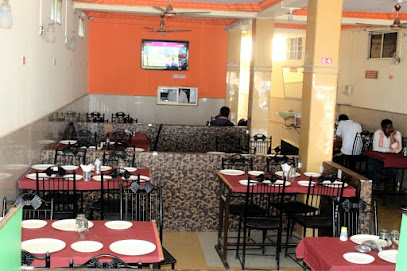
Maroti Sachin bansode
4.5 km
Experience the vibrant atmosphere at Maroti Sachin Bansode, a local bar in Nanded offering great drinks and a friendly vibe.
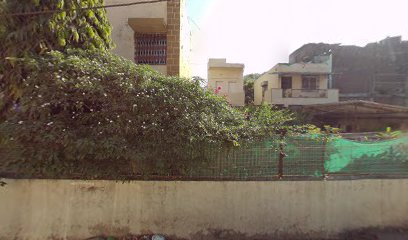
Hotel Janki
4.6 km
Discover the flavors of Aurangabad at Hotel Janki, a delightful bar and restaurant offering a fusion of local and international cuisines in a welcoming atmosphere.
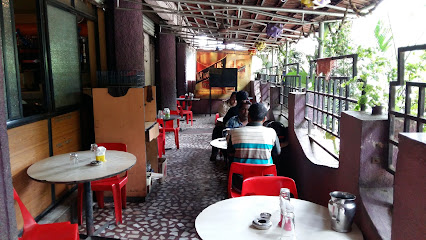
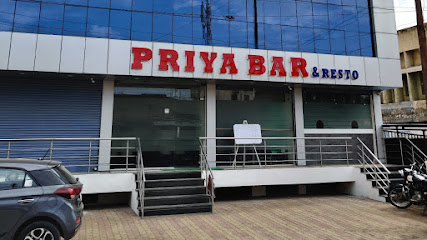
Priya Bar & Restaurant
4.8 km
Discover Aurangabad's vibrant dining scene at Priya Bar & Restaurant, where delicious cuisine meets live music for an unforgettable night out.
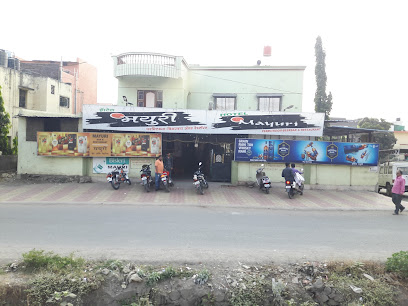
Hotel Mayuri
4.8 km
Discover the flavors of Aurangabad at Hotel Mayuri, where local hospitality meets delicious dining in a cozy setting.
Nightclubs & after hour spots

Royalty house
3.1 km
Discover the high-energy nightlife at Royalty House Night Club in Aurangabad, where music and culture create an unforgettable experience.
PITAI SPOT
3.7 km
Experience the vibrant nightlife at PITAI SPOT, a premier night club in Aurangabad, Maharashtra, where the music and energy create unforgettable moments.
Jashn
3.8 km
Discover the vibrant nightlife at Jashn, Aurangabad's premier night club offering unforgettable music, dance, and social experiences.
Hotel
5.2 km
Discover Aurangabad's vibrant nightlife at the premier night club, where music, dance, and unforgettable experiences await every visitor.
Chetan Bhau Gaikwad Night club
5.5 km
Unleash your night at Chetan Bhau Gaikwad Night Club, the ultimate nightlife destination in Aurangabad with electrifying music and vibrant atmosphere.
Gopal
5.6 km
Experience the vibrant nightlife at Gopal, Aurangabad's top night club, where music, drinks, and fun come together for an unforgettable evening.
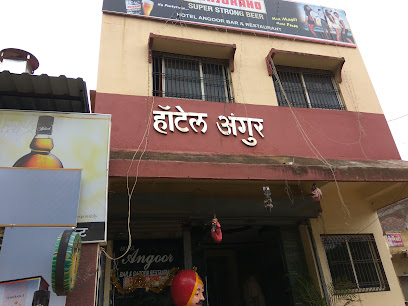
Hotel Angoor
5.7 km
Discover the vibrant atmosphere of Hotel Angoor, a perfect blend of bar and restaurant in Aurangabad for food lovers and travelers alike.
Dhayma Point
5.8 km
Experience Aurangabad's vibrant nightlife at Dhayma Point, where music, dance, and unforgettable memories await.
Pizza studio
5.8 km
Immerse yourself in the vibrant nightlife of Aurangabad at Pizza Studio, where delicious pizzas meet an energetic atmosphere.
Hotel Droan
7.3 km
Experience the vibrant nightlife of Aurangabad at Hotel Droan, a popular bar offering a diverse drink menu and a lively atmosphere.
Slounge
7.3 km
Discover Slounge in Aurangabad - a vibrant bar at Lemon Tree Hotels, perfect for unwinding with friends and enjoying crafted cocktails.
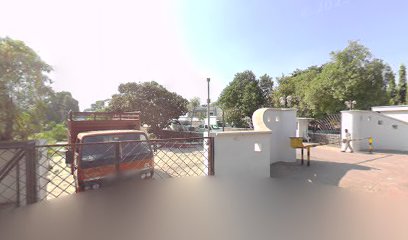
Tokeo Sky Lounge
7.9 km
Discover Tokeo Sky Lounge, a vibrant spot in Aurangabad offering stunning views, delicious cuisine, and a lively atmosphere perfect for any occasion.
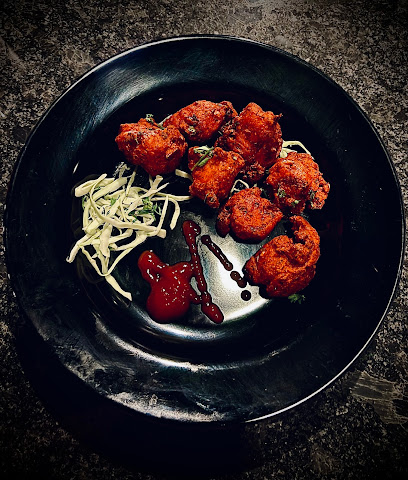
Aurangabad Gymkhana Club Hotel
8.5 km
Discover luxury and leisure at Aurangabad Gymkhana Club Hotel, your gateway to Maharashtra's cultural heritage and modern comfort.
Casino club
12.7 km
Discover the vibrant nightlife at Casino Club in Aurangabad, Maharashtra, where music, dancing, and a lively atmosphere await you.