Khandagiri and Udayagiri Caves: Ancient Jain Rock-Cut Shelters
Explore ancient rock-cut caves of Udayagiri and Khandagiri near Bhubaneswar, showcasing Jain art, architecture, and the legacy of King Kharavela.
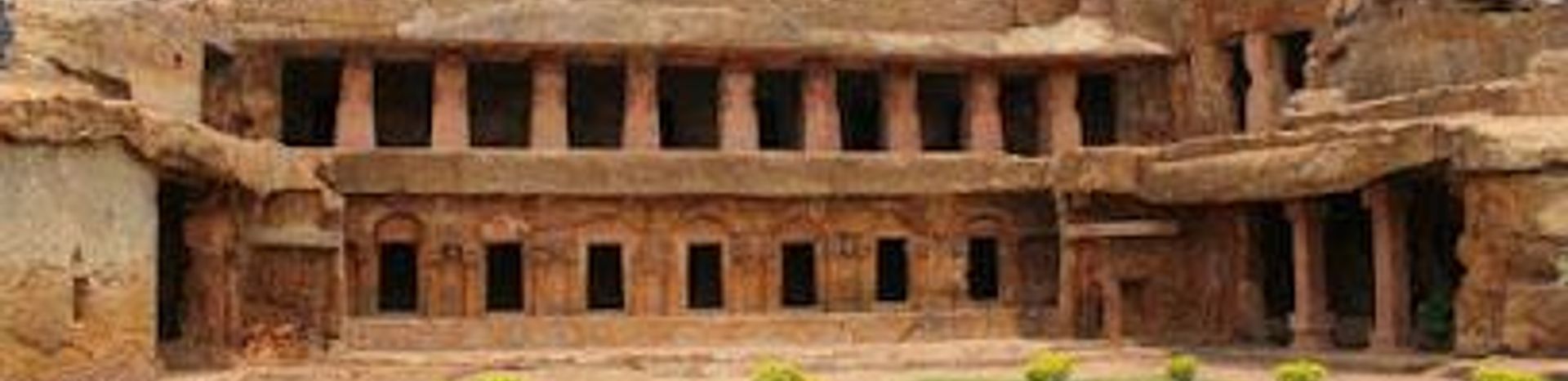
The Khandagiri and Udayagiri Caves, located near Bhubaneswar, Odisha, are ancient rock-cut cave complexes dating back to the 2nd century BCE. Carved into adjacent hills, these caves served as residential blocks for Jain monks during the reign of King Kharavela. The caves are adorned with intricate carvings and inscriptions, offering insights into Jain art, culture, and the history of the Kalinga kingdom.
A brief summary to Khandagiri and Udayagiri Hills
- Bhubaneswar, Khandagiri, Odisha, IN
Local tips
- Wear comfortable shoes as you'll be climbing and walking around the caves.
- Carry water and snacks, especially during the hotter months.
- Hire a local guide to learn about the history and significance of the caves.
- Visit during the cooler months (November to February) for a pleasant experience.
- Photography is allowed, but check if there are any restrictions on using video cameras.

Getting There
-
Taxi
From Bhubaneswar Airport or Railway Station, take a taxi or auto-rickshaw to Khandagiri and Udayagiri Caves, approximately 7-9 km away. The ride usually takes around 15-20 minutes. A taxi will cost approximately ₹130-₹200.
-
Public Transport
Local buses are available from various parts of Bhubaneswar to Khandagiri. From the bus stop, it's a short walk or auto-rickshaw ride to the caves. Bus fares are typically between ₹10-₹20. Be prepared for a potentially crowded ride.
-
Walking
If you are near Baramunda Bus Stand, you can take a leisurely walk to the caves, which is approximately 6-7 km. The walk will take you around 1.5 hours. This is a good option if you want to explore the local surroundings, but be mindful of the heat and traffic.
Discover more about Khandagiri and Udayagiri Hills
Iconic landmarks you can’t miss

Khandagiri caves Entry Gate
0.3 km
Uncover the ancient secrets of Khandagiri Caves, a stunning historical landmark showcasing rock-cut architecture and Buddhist heritage in Bhubaneswar, Odisha.
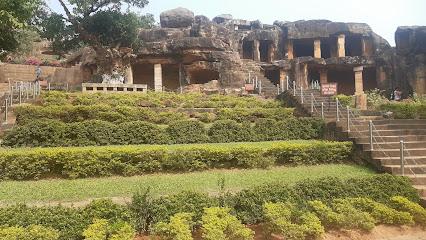
Ganesha Gumpha
0.4 km
Explore Ganesha Gumpha, the ancient rock-cut cave complex in Bhubaneswar, a historical landmark showcasing Jain monastic architecture and serene beauty.
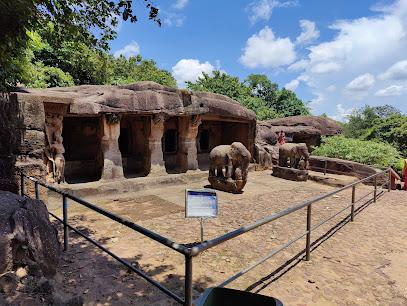
Rameswar Temple
5.4 km
Discover the divine beauty of Rameswar Temple in Bhubaneswar, a serene Hindu temple rich in history and spirituality.
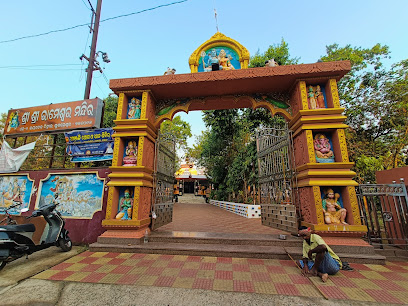
Mausima Temple
5.6 km
Explore the spiritual beauty and architectural marvel of Mausima Temple in Bhubaneswar, a must-visit Hindu temple that enchants every traveler.
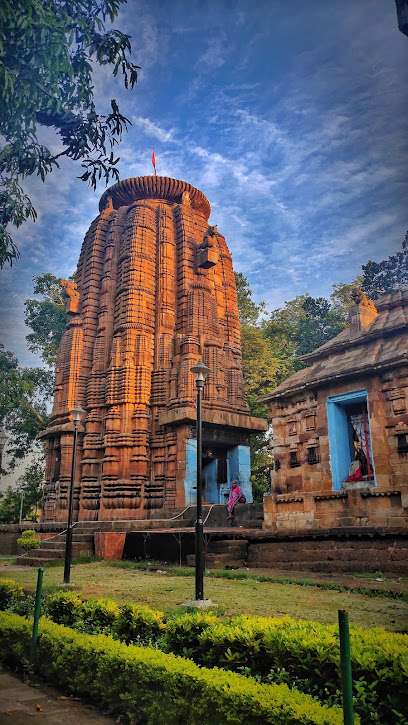
BDA City Centre (Nicco Park)
5.7 km
Experience endless fun and excitement at BDA City Centre (Nicco Park) in Bhubaneswar, where thrilling rides and family-friendly activities await!
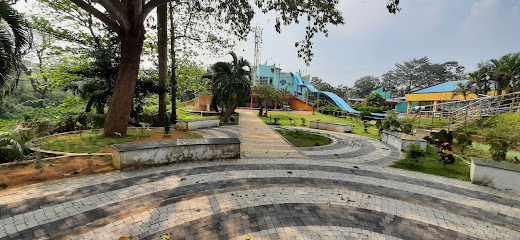
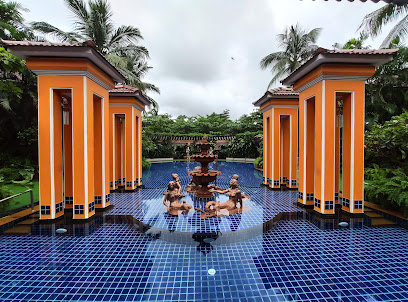
MAYFAIR Convention, Bhubaneswar
5.7 km
Experience luxury and cultural heritage at the MAYFAIR Convention, Bhubaneswar, a perfect venue for both relaxation and grand events.

Jaydev Vihar Square
5.8 km
Explore the vibrant Jaydev Vihar Square in Bhubaneswar, where modern architecture meets traditional culture and scenic beauty unfolds at every corner.
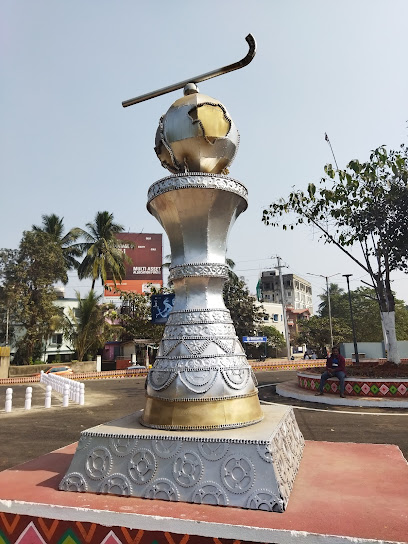
MAYFAIR Lagoon, Bhubaneswar
5.8 km
Discover the serene luxury of Mayfair Lagoon in Bhubaneswar, where exquisite dining and stunning landscapes await your arrival.
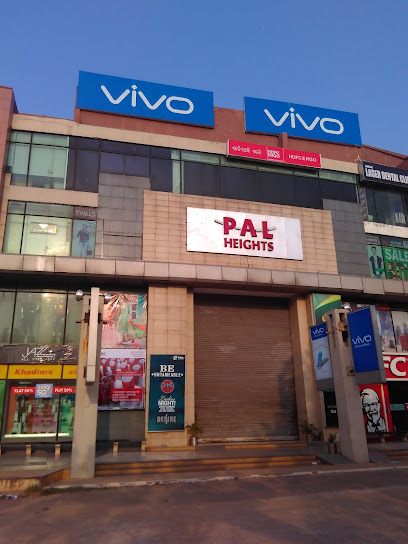
Pal Heights Mall
5.9 km
Discover the vibrant Pal Heights Mall in Bhubaneswar, where shopping, dining, and entertainment come together for an unforgettable experience.
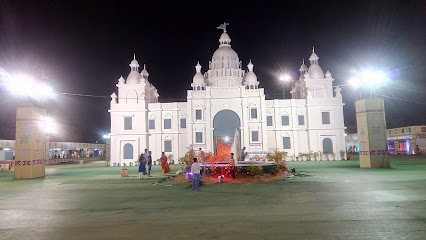
IDCO Exhibition Ground
6.0 km
Explore the vibrant IDCO Exhibition Ground in Bhubaneswar, where culture, commerce, and creativity come together in a lively celebration of Odisha's heritage.
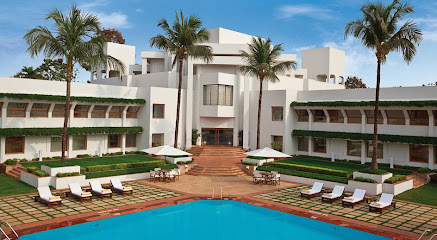
Trident Hotel Bhubaneswar
6.1 km
Experience luxury and comfort at Trident Hotel Bhubaneswar, your gateway to the rich culture and heritage of Odisha.
ପଞ୍ଚୁ ପାଣ୍ଡବ ଗୁମ୍ଫା Panchu Pandava Caves
7.0 km
Discover the ancient rock-cut Panchu Pandava Caves in Bhubaneswar, a historical gem revealing Odisha's rich cultural heritage and stunning artistry.
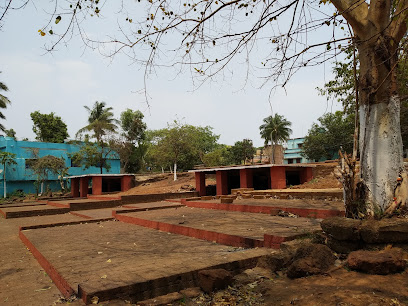
Shaheed Park
7.9 km
Explore Shaheed Park, a tranquil memorial park in Bhubaneswar, dedicated to honoring the heroes of India amidst lush greenery and serene pathways.
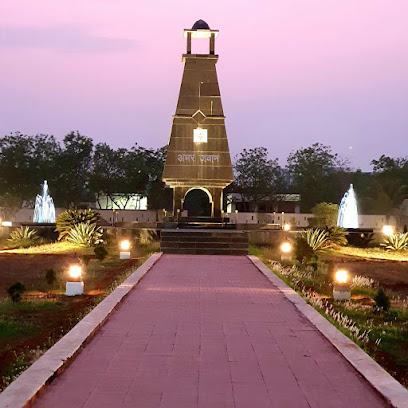
IMFA Park
7.9 km
Discover tranquility at IMFA Park in Bhubaneswar, a lush green paradise perfect for relaxation, picnics, and nature walks.
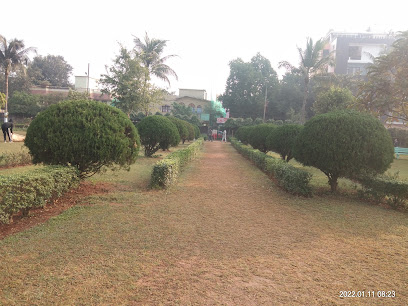
Sisupalgarh
8.2 km
Explore the ancient ruins of Sisupalgarh in Bhubaneswar, a historical gem of Odisha that showcases the rich cultural heritage of India.
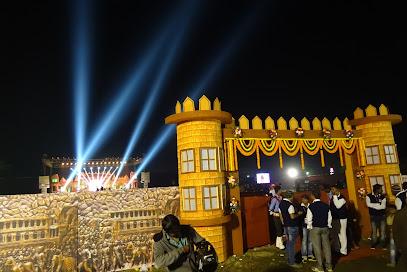
Unmissable attractions to see

KHANDAGIRI SIDE HILL VIEW
0.2 km
Discover stunning Bhubaneswar views and ancient Jain caves at Khandagiri Side Hill View, a historical and scenic escape in Odisha.
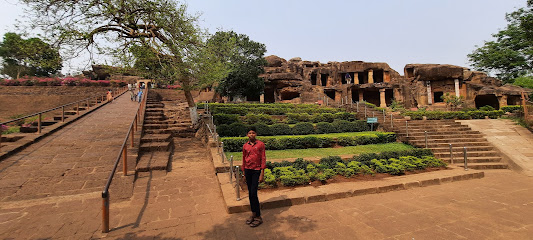
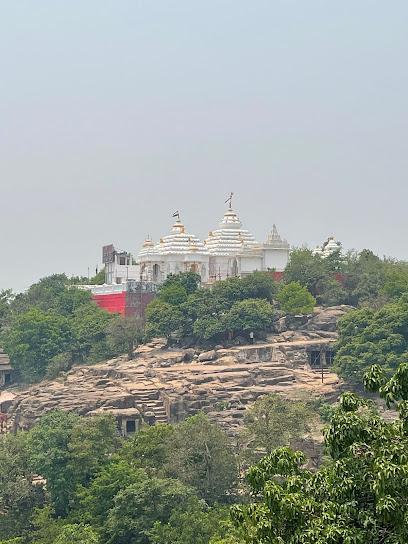
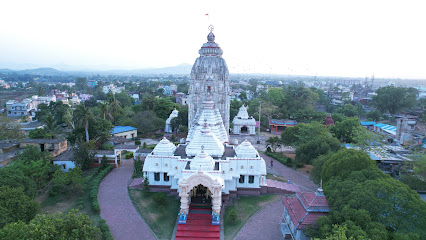
Khandagiri Digambar Jain Temple
0.2 km
Discover ancient Jain heritage at Khandagiri Temple in Bhubaneswar, a spiritual haven amidst historical caves and serene landscapes.
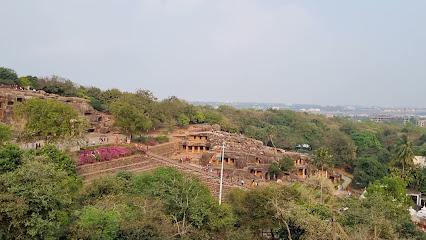
Khandagiri Historical place
0.2 km
Explore ancient rock-cut caves adorned with Jain sculptures and inscriptions at Khandagiri, a testament to India's rich cultural heritage.
Udayagiri and Khandagiri Caves
0.2 km
Discover the ancient Udayagiri and Khandagiri Caves, a historical marvel in Bhubaneswar showcasing Jain architecture and rich cultural heritage.
NABIN NIVAS
0.2 km
Discover the historical beauty and serene landscapes of Nabin Nivas in Bhubaneswar, the perfect blend of culture and nature.
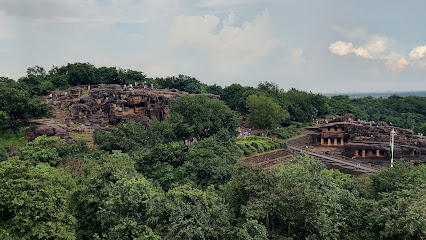
Manchapuri and swargapuri caves
0.3 km
Explore the ancient Manchapuri and Swargapuri Caves in Bhubaneswar, a historical site showcasing Jain art and architecture from the Kalinga dynasty.
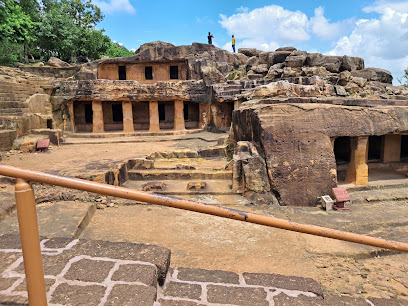
Rani Gumpha
0.3 km
Explore Rani Gumpha, the Queen's Cave: A magnificent double-story cave adorned with ancient carvings and sculptures near Bhubaneswar.
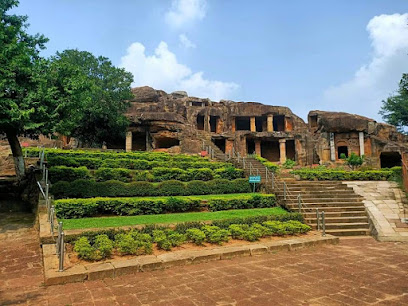
Khandagiri Top Peak
0.3 km
Explore ancient Jain rock-cut caves at Khandagiri Top Peak, Bhubaneswar, offering historical insights and panoramic views.
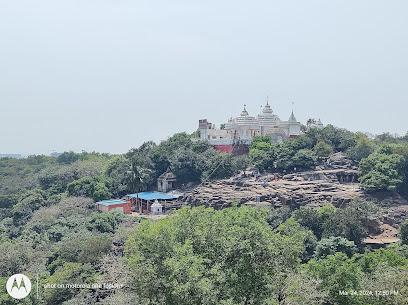
Jayadev Vatika
0.4 km
Discover tranquility amidst lush greenery, serene waterfalls, and cultural inspiration at Jayadev Vatika in Bhubaneswar.
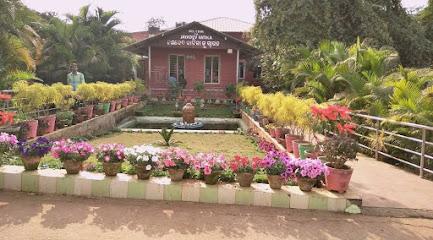
Kharavela Park
0.5 km
Escape to Kharavela Park in Bhubaneswar: A serene green space with lush lawns, walking paths, and recreational facilities for all ages.
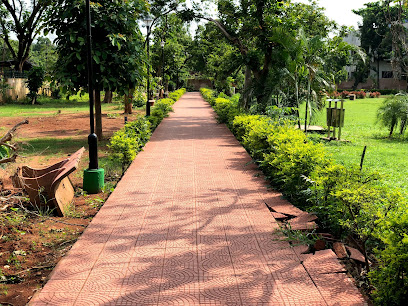
Biju Patnaik Energy Park
0.8 km
Explore renewable energy and enjoy nature at Biju Patnaik Energy Park, Bhubaneswar—an eco-friendly destination for education and recreation.
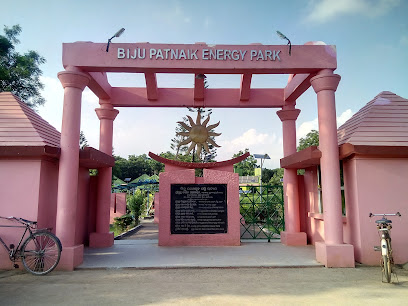
Aircraft View Point,Bhubaneswar
1.8 km
Witness the thrill of flight at Bhubaneswar's Aircraft View Point, a family-friendly spot with stunning airport views and local street food.
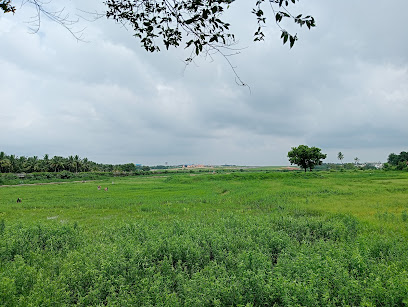
OUTR Giri
2.3 km
Explore OUTR Giri in Bhubaneswar, a serene tourist attraction blending nature and culture for an unforgettable travel experience in Odisha.
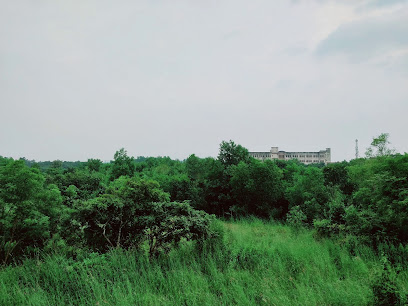
Delta Square
2.7 km
Experience the vibrant culture and scenic beauty of Bhubaneswar at Delta Square, a must-visit destination for relaxation and local flavor.
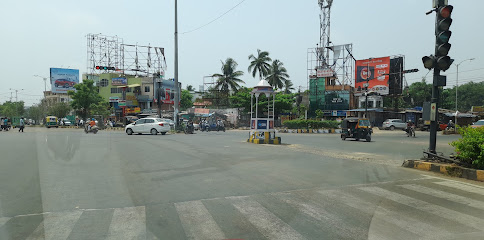
Odisha Tour Places
2.8 km
Discover the enchanting beauty and rich culture of Odisha, where ancient temples meet stunning landscapes and vibrant traditions.
Essential places to dine

Keeva Restaurant & Banquet
0.5 km
Experience the vibrant flavors of India and China at Keeva Restaurant & Banquet in Bhubaneswar - a must-visit culinary destination.
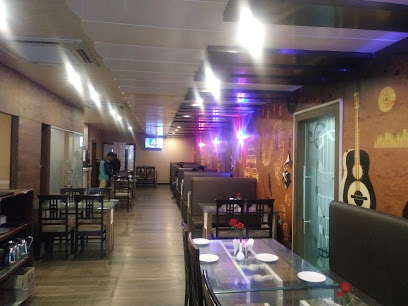
TANGENT RESTAURANT
1.2 km
Experience the essence of Indian cuisine at Tangent Restaurant in Bhubaneswar - where every meal is a celebration of flavors.
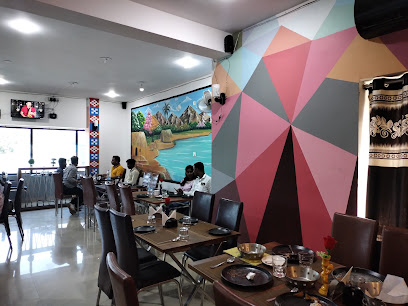
The Klove Restaurant
1.6 km
Discover the best of Chinese and fast food cuisine at The Klove Restaurant in Bhubaneswar – where taste meets comfort.
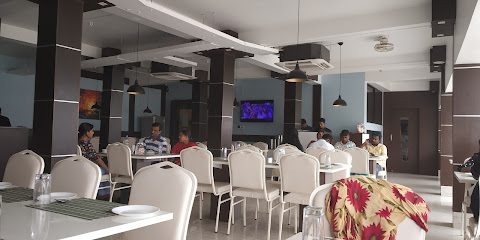
WelcomCafe
1.6 km
Experience exquisite dining at WelcomCafe in Bhubaneswar - where local flavors meet global cuisine in an elegant setting.
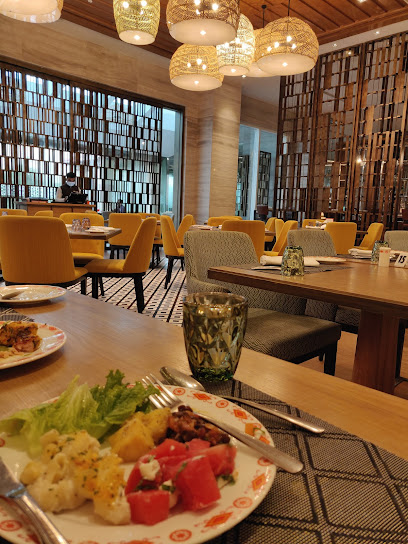
dil-e-mughlai
1.9 km
Discover exquisite Mughlai flavors at Dil-e-Mughlai in Bhubaneswar—where tradition meets taste in a delightful culinary experience.
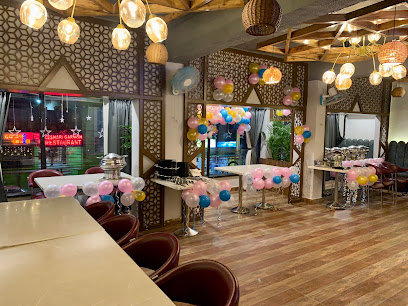
The Aromas, Multi Cuisine Restaurant
2.1 km
Discover authentic Indian flavors at The Aromas - Bhubaneswar's beloved multi-cuisine restaurant offering a memorable dining experience.
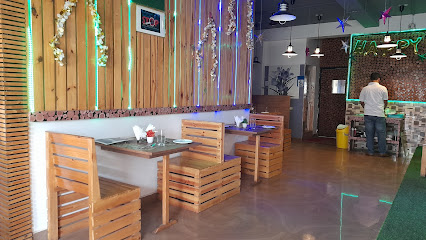
The Chef Restaurant
2.4 km
Experience exquisite fine dining at The Chef Restaurant in Bhubaneswar, where local flavors meet international cuisine in a family-friendly atmosphere.
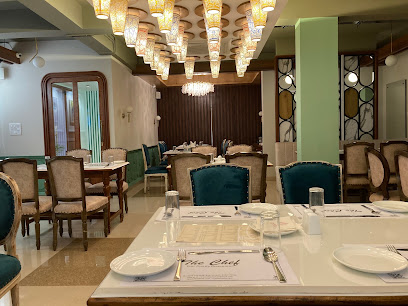
wildlife Restaurant
2.9 km
Experience authentic Indian cuisine at Wildlife Restaurant in Bhubaneswar - where every dish tells a story.

Little Odisha
3.0 km
Discover authentic Odia cuisine at Little Odisha in Bhubaneswar—where tradition meets taste.
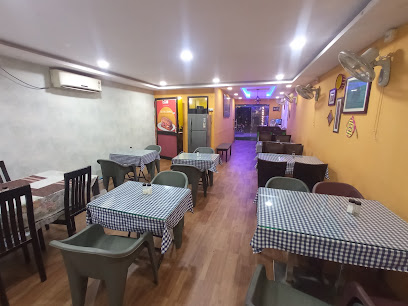
Rainbow Restaurant
3.6 km
Experience the authentic taste of South India at Rainbow Restaurant in Bhubaneswar – a perfect blend of traditional flavors and warm hospitality.
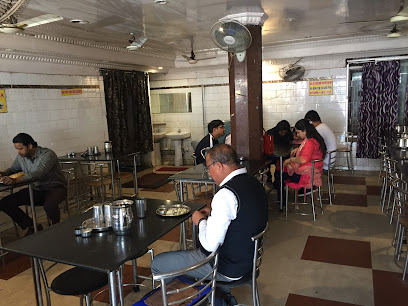
Sai’s Grill Gharana
3.7 km
Discover culinary delights at Sai’s Grill Gharana - where fine dining meets exquisite flavors in Bhubaneswar.
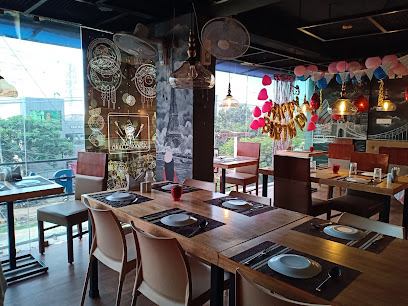
The Chef
4.0 km
Discover the exquisite fusion of Indian and Chinese cuisine at The Chef in Bhubaneswar - perfect for families and food lovers alike.
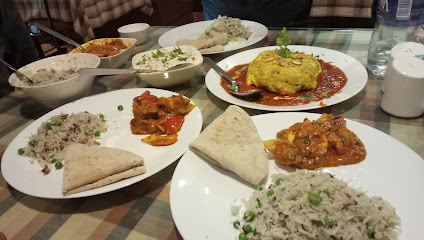
The Living Room | Best Fine Dine Restaurant In Bhubaneswar
4.3 km
Experience exquisite fine dining at The Living Room in Bhubaneswar—where local flavors meet global culinary artistry.
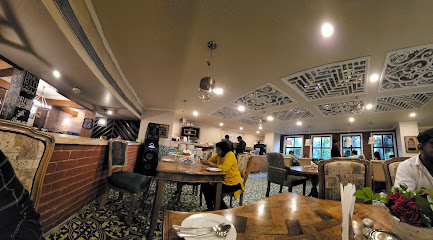
Mainland China
5.1 km
Experience the exquisite flavors of authentic Chinese cuisine at Mainland China - a buffet paradise in Bhubaneswar.
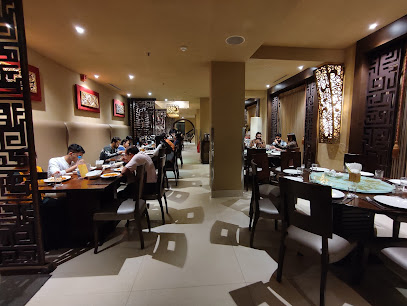
The Pakwan Family Restaurant
5.2 km
Experience the best of Indian and Chinese cuisine at The Pakwan Family Restaurant in Bhubaneswar – a culinary journey you won't forget.
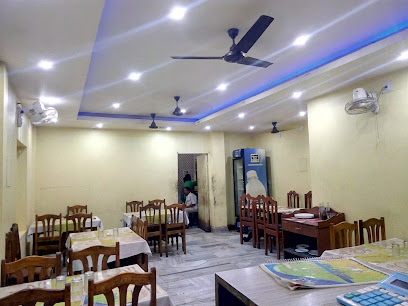
Markets, malls and hidden boutiques

Bishnupriya Gifts
1.6 km
Explore the vibrant collection of handcrafted treasures and traditional souvenirs at Bishnupriya Gifts in Bhubaneswar, Odisha.
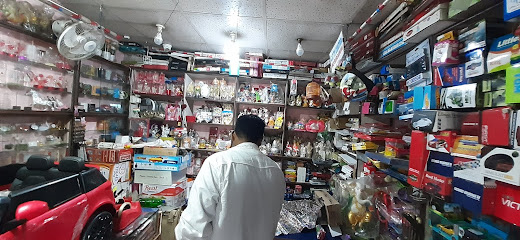
Sridurga - A family cloth store
2.2 km
Discover a vibrant array of clothing for the whole family at Sridurga, Bhubaneswar’s premier shopping destination for traditional and modern attire.
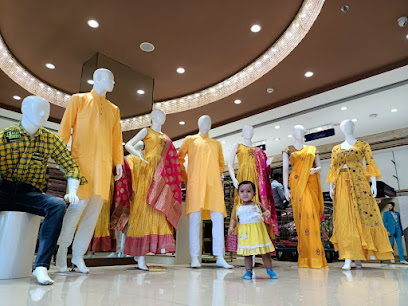
Monsoon Gift House
2.2 km
Explore Monsoon Gift House in Bhubaneswar for unique gifts, local handicrafts, and vibrant souvenirs from Odisha's rich cultural tapestry.
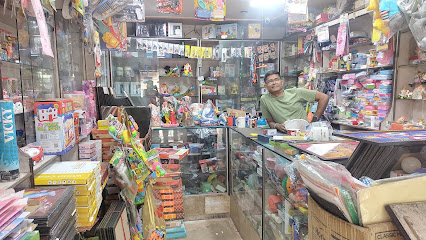
UNIQUE STORE
2.7 km
Explore Bhubaneswar's Unique Store for authentic Odia flavors, local products, and a delightful shopping experience in Baramunda.
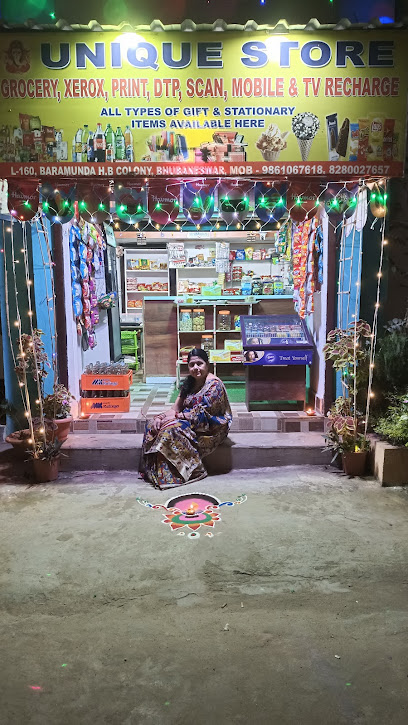
DN Regalia Mall (DN Homes LTD.)
3.4 km
Discover a shopping haven in Bhubaneswar at DN Regalia Mall, where retail therapy meets culinary delights and entertainment.
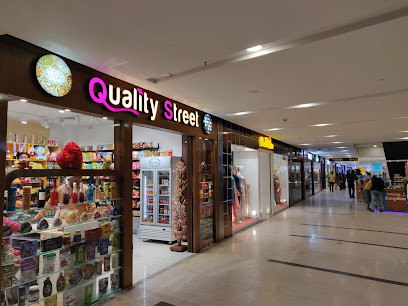
Sajawat Gift shop
3.6 km
Explore the charm of Sajawat Gift Shop in Bhubaneswar, where authentic Indian handicrafts meet delightful souvenirs for every traveler.
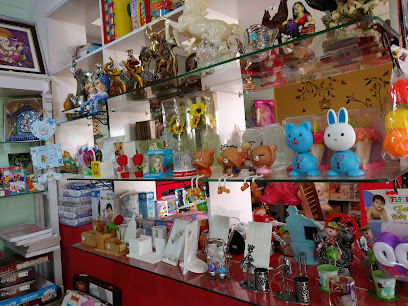
Trenditional Store | Authentic Hand loom Boutique
4.7 km
Discover the artistry of Odisha's handloom textiles at Trenditional Store, where tradition meets contemporary style.
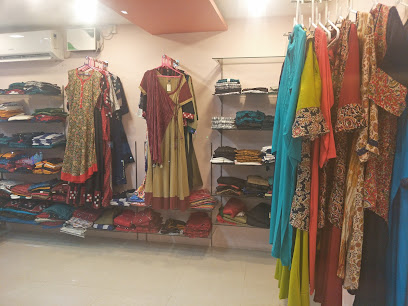
Phulbani store
4.8 km
Discover the heart of Odisha's craftsmanship and culture at Phulbani Store in Bhubaneswar, where shopping is an immersive experience.
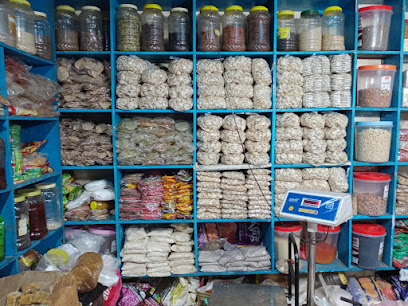
OMM GIFT POINT
5.2 km
Explore OMM Gift Point in Bhubaneswar for unique gifts and authentic handicrafts that reflect the vibrant culture of Odisha.
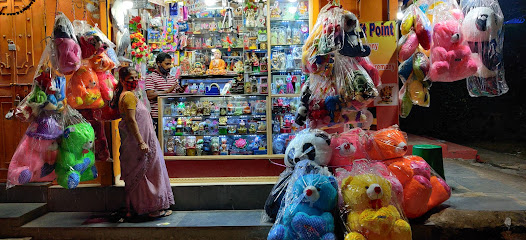
Kalamandir Market Building Bhubaneswar
5.2 km
Explore the vibrant Kalamandir Market Building in Bhubaneswar for unique clothing and a rich cultural experience that embodies the spirit of Odisha.
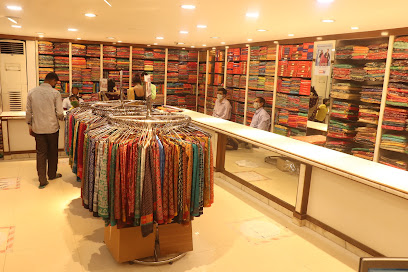
Firstcry.com Store Bhubaneswar Janpath, Bapuji Nagar
5.3 km
Explore a world of baby essentials at Firstcry.com Store Bhubaneswar, your one-stop destination for quality baby products and more.

Utkalika (Govt. Of Odisha Handicrafts)
5.4 km
Explore the vibrant world of Odisha's handicrafts at Utkalika, where tradition meets artistry in every unique piece.
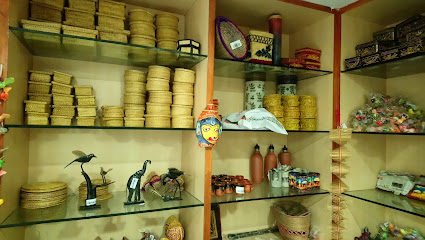
Jaga Balia Variety Store
5.5 km
Explore a unique blend of local crafts and modern products at Jaga Balia Variety Store in Bhubaneswar, the perfect stop for memorable souvenirs.
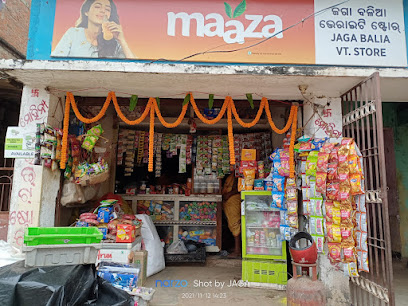
Most Mart - Online Shopping Store
5.5 km
Explore Most Mart in Bhubaneswar for a diverse shopping experience, from groceries to fashion, all in one vibrant location.
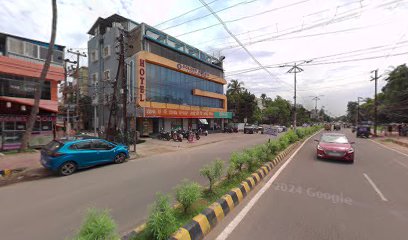
SUCHINANDA'S
5.6 km
Discover the vibrant fashion scene at Suchinanda's, a premier clothing store in Bhubaneswar, offering exquisite traditional and modern attire.
Essential bars & hidden hideouts

7 Down Town Bar
4.1 km
Discover the vibrant nightlife at 7 Down Town Bar in Bhubaneswar, where exceptional drinks and a lively atmosphere await.
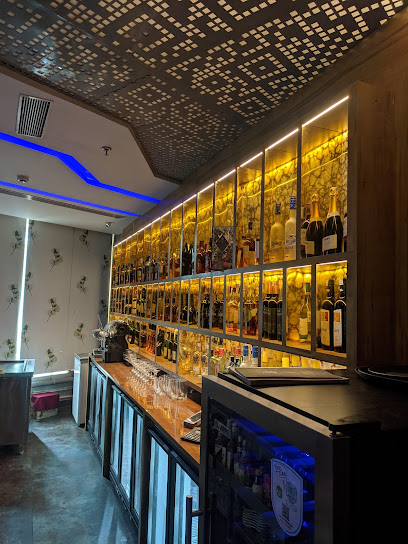
Ajit Bar And Restaurant
4.2 km
Enjoy a delightful blend of grilled delicacies and refreshing drinks at Ajit Bar And Restaurant in Bhubaneswar, a favorite spot for locals and tourists alike.
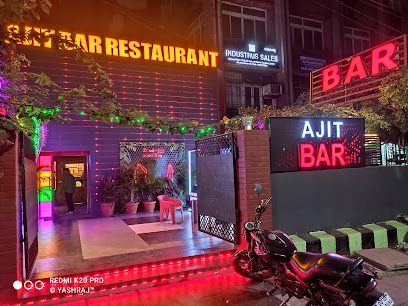
MEZÉ Turkish Bar - Best Bar in Bhubaneswar
4.5 km
Discover the vibrant MEZÉ Turkish Bar in Bhubaneswar, where rich flavors and lively ambiance create unforgettable dining experiences.
Adventure Bar Bliss
5.8 km
Discover a vibrant dining experience at Adventure Bar Bliss, where exceptional food and a lively atmosphere create unforgettable moments.
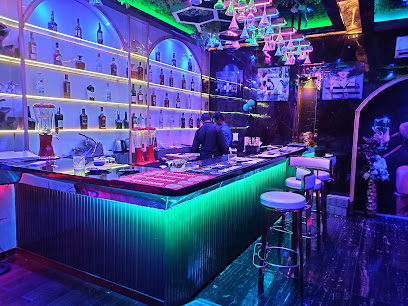
District High | Lounge Bar and Garden
5.8 km
Experience the perfect blend of relaxation and vibrant social atmosphere at District High Lounge Bar and Garden in Bhubaneswar.
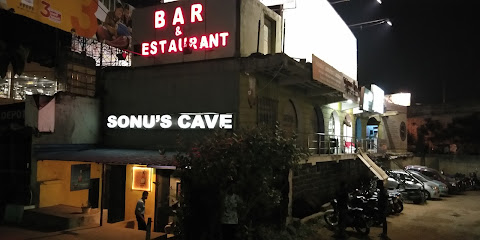
DESIRE- the lounge bar
5.9 km
Discover an unforgettable nightlife at DESIRE - the Lounge Bar in Bhubaneswar, blending a stylish atmosphere with delicious cuisine and lively entertainment.
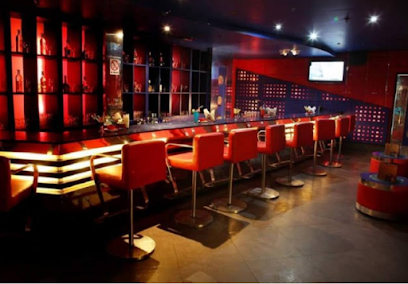
Pegasus Bar
6.0 km
Discover the vibrant Pegasus Bar in Bhubaneswar, where exquisite dining meets a lively nightlife experience in the heart of Odisha.
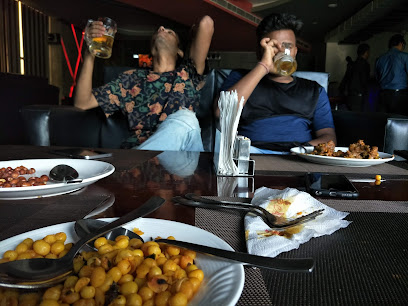
The Rock Sports Bar
6.1 km
Experience the vibrant atmosphere of The Rock Sports Bar in Bhubaneswar, where great food, drinks, and sports unite for an unforgettable night.
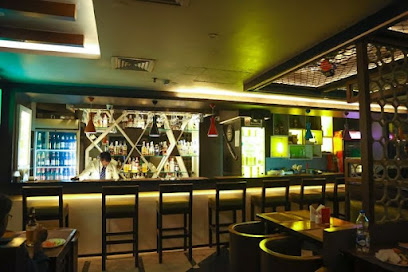
Oceana
6.2 km
Experience the vibrant atmosphere and exquisite flavors at Oceana, Bhubaneswar's premier bar and restaurant.
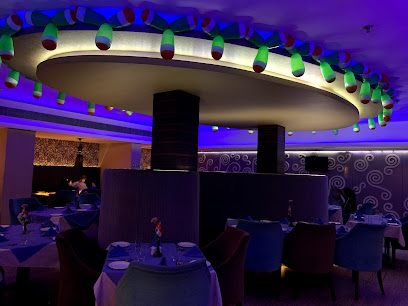
Ekamra Bar
6.2 km
Experience the vibrant nightlife at Ekamra Bar, a lively spot in Bhubaneswar perfect for relaxing with friends and enjoying a wide selection of drinks.
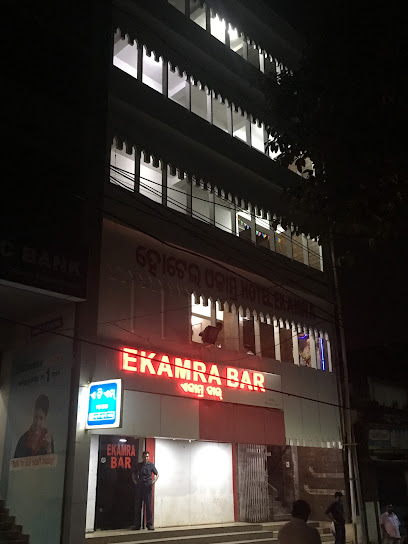
Rob Roy
6.3 km
Experience the vibrant culinary scene at Rob Roy, Bhubaneswar's premier bar and restaurant, where exquisite flavors meet elegant ambiance.
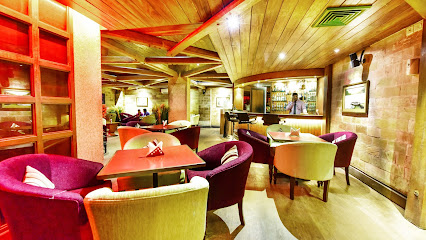
THE CHEERS BAR & RESTAURANT
6.5 km
Experience vibrant dining at The Cheers Bar & Restaurant in Bhubaneswar, where flavorful grills and refreshing drinks await in a lively atmosphere.
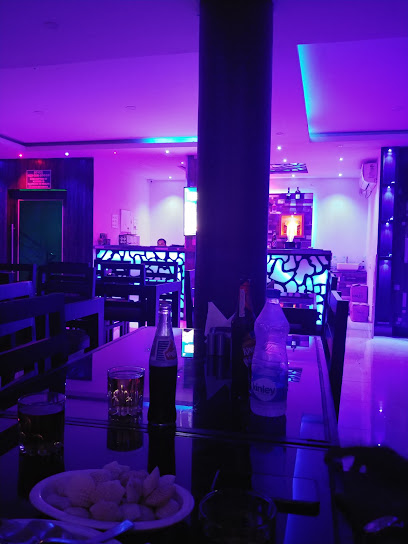
MAD MULE BAR
6.5 km
Discover the lively atmosphere of Mad Mule Bar, a perfect blend of bar and restaurant in Bhubaneswar, ideal for an unforgettable night out.
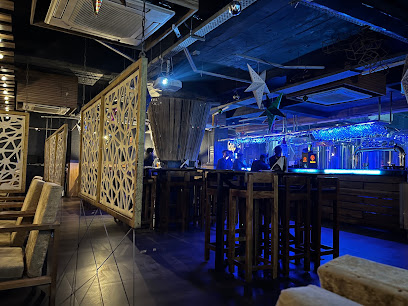
Kacha Pani. Amrit Drinking Centre
6.6 km
Discover Kacha Pani, Bhubaneswar's vibrant Amrit drinking centre offering refreshing local beverages in a lively atmosphere.
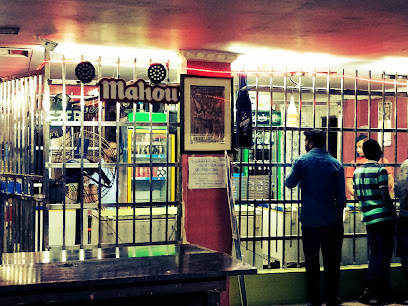
Prince Bar and Restaurant
6.8 km
Experience the vibrant nightlife of Bhubaneswar at Prince Bar and Restaurant, where local flavors meet a lively atmosphere for an unforgettable evening.
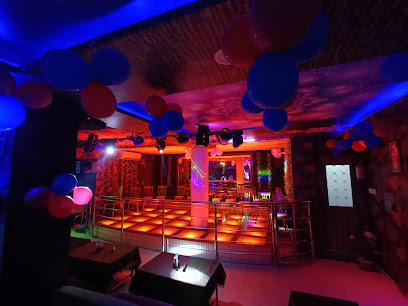
Nightclubs & after hour spots

HYDRA-CLUB AND SKYLOUNGE
2.5 km
Dive into the electrifying nightlife of Bhubaneswar at HYDRA-CLUB AND SKYLOUNGE, where music, food, and fun collide in a stunning setting.
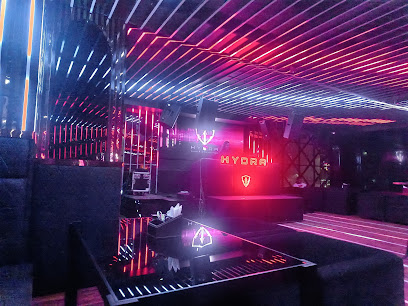
Connect Night Club & Skylounge
2.8 km
Discover the nightlife at Connect Night Club & Skylounge, where vibrant music, delicious cocktails, and stunning views create an unforgettable experience in Bhubaneswar.
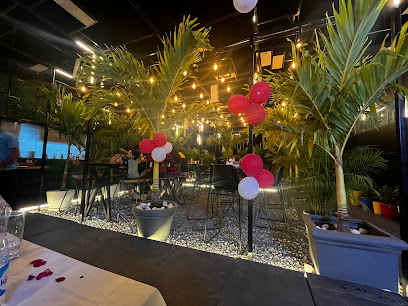
United Khatti
4.6 km
Experience the vibrant nightlife at United Khatti, Bhubaneswar’s top night club, where music, dance, and cocktails create unforgettable memories.
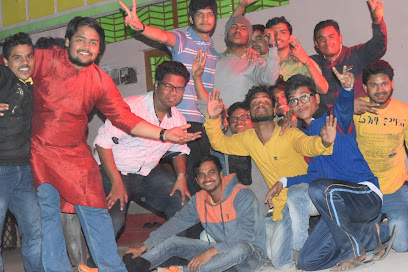
Unity Bois
5.8 km
Experience the vibrant nightlife at Unity Bois, Bhubaneswar's premier night club, where music, dance, and excitement come alive.
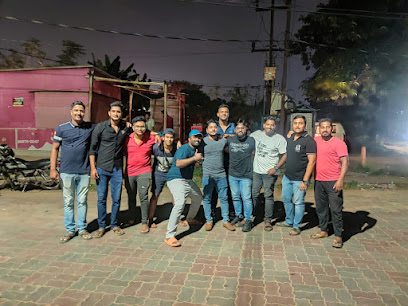
Plaza Club
6.3 km
Experience the vibrant nightlife at Plaza Club in Bhubaneswar - a disco club, bar, and restaurant all in one, offering an unforgettable night out.
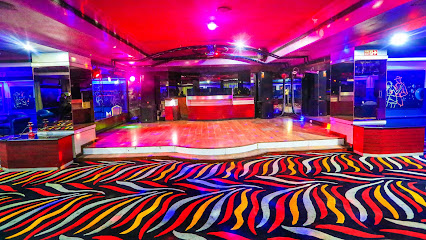
Ashok Bar
7.0 km
Dive into the vibrant nightlife of Bhubaneswar at Ashok Bar, where music, drinks, and unforgettable memories await you.
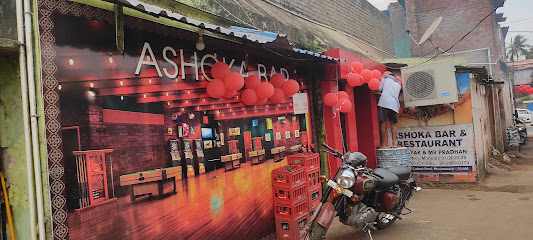
Rain The Club
7.1 km
Immerse yourself in the vibrant nightlife of Bhubaneswar at Rain The Club, where music and energy collide for an unforgettable experience.
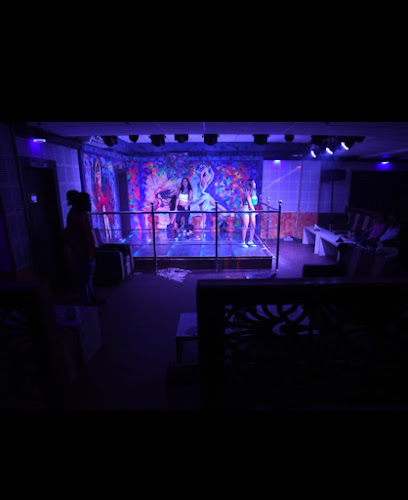
Tiger club
7.9 km
Experience the vibrant nightlife at Tiger Club, Bhubaneswar's premier night club, where music, dance, and fun come together in an electrifying atmosphere.
Club One Peg Down - OPD
8.1 km
Discover the pulse of Bhubaneswar's nightlife at Club One Peg Down - OPD, where music, dance, and unforgettable moments await.
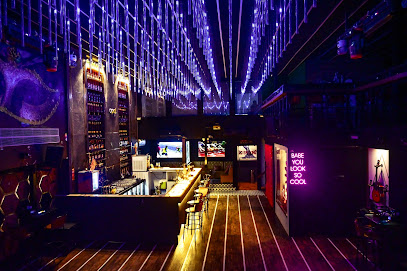
99 HINTS: Club & Lounge
9.6 km
Discover the vibrant nightlife at 99 Hints: Club & Lounge in Bhubaneswar, where the music is lively and the atmosphere is electric.
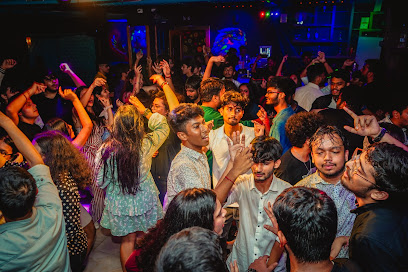
CLUB AZZURO
13.5 km
Dive into the exhilarating nightlife of Bhubaneswar at Club Azzuro, where the music never stops and the dance floor awaits your moves.
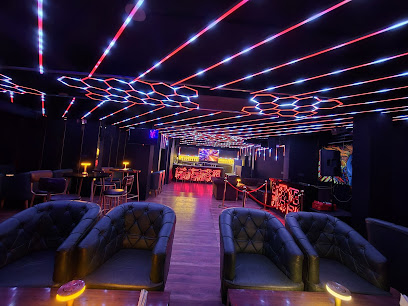
Night Club
42.1 km
Experience the lively nightlife at Ambapada's top night club, where music, dance, and camaraderie create unforgettable memories.
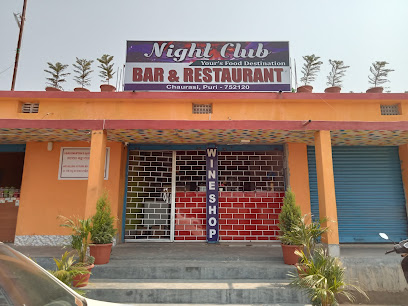
Friends Club
49.7 km
Immerse yourself in the vibrant nightlife at Friends Club, where unforgettable moments and energetic music await in Puri, Odisha.
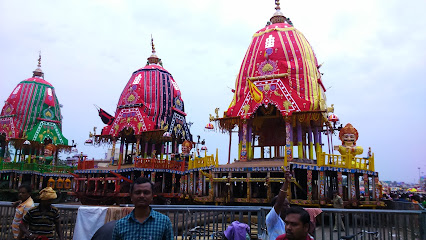
Rinku Behera
50.0 km
Dive into the vibrant nightlife of Puri at Rinku Behera Night Club, where music, dance, and unforgettable moments await.
Mangarajpur Youth Club
50.8 km
Mangarajpur Youth Club: Experience Odisha's vibrant nightlife with electrifying music and a lively dance atmosphere.