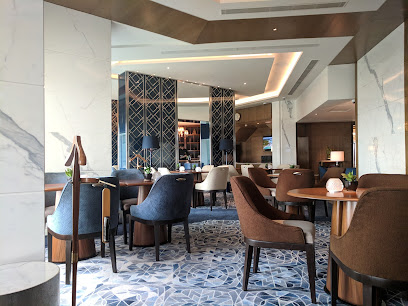
Jawaharlal Nehru Stadium: Delhi's Sporting Colossus
Experience the grandeur of India's sporting heritage at Jawaharlal Nehru Stadium, a versatile venue for sports, culture, and entertainment in the heart of Delhi.
The Jawaharlal Nehru Stadium in New Delhi, named after India's first Prime Minister, is a large multi-sport stadium built in 1982 for the Asian Games and renovated for the 2010 Commonwealth Games. With a seating capacity of over 60,000, it is one of the largest stadiums in India and hosts football, athletics, and cultural events.
A brief summary to Jawaharlal Nehru Stadium
- H6MM+5P9, New Delhi, Jawaharlal Nehru Stadium, Pragati Vihar, Delhi, 110003, IN
- +911124364243
- Visit website
Local tips
- Check the event schedule in advance to secure tickets for popular matches or events.
- Arrive early to explore the stadium and enjoy the local food vendors outside.
- Use public transportation or ride-sharing services to avoid traffic and parking hassles.
- Premium and VIP zones offer the best views.

Getting There
-
Metro
The nearest metro station is JLN Stadium (Violet Line). Exit at Gate 2 and walk for about 5 minutes (0.5 km) to reach the stadium. Metro fares range from ₹10 to ₹60 depending on the distance traveled.
-
Bus
Several DTC buses stop near Pragati Vihar, which is a 5-minute walk from the stadium. Bus numbers include 440A, 450, 522, 522A, and 623. Bus fares typically range from ₹5 to ₹15.
-
Taxi/Ride-Share
Taxis and ride-sharing services like Ola and Uber are readily available in Delhi. Use designated entry gates (Gate 2 and Gate 5) for direct access. A short taxi ride from nearby areas like Lodhi Colony or India Gate will cost approximately ₹80 to ₹200.
Discover more about Jawaharlal Nehru Stadium
Iconic landmarks you can’t miss

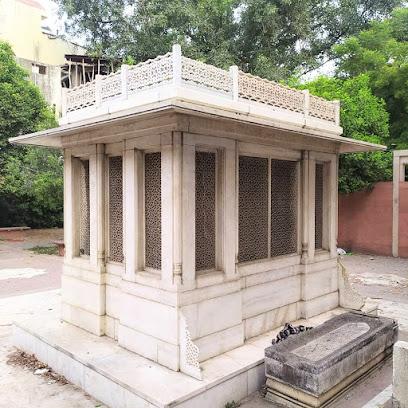
Mazar-e-Mirza Asad Ullah Khan Ghalib Tomb
1.3 km
Explore the tranquil beauty of Mazar-e-Mirza Asad Ullah Khan Ghalib Tomb, a poetic tribute to one of India's greatest Urdu poets, in the heart of New Delhi.
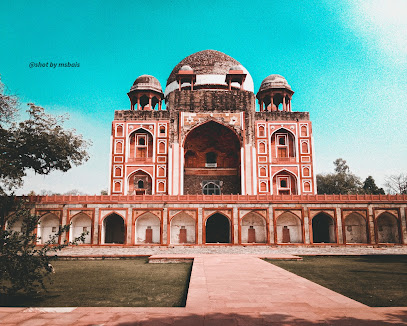
Abdul Rahim Khan-i-Khanan Tomb
1.5 km
Discover the architectural beauty and historical significance of Abdul Rahim Khan-i-Khanan Tomb, a hidden gem in New Delhi's cultural landscape.
Chhote Khan Tomb, Delhi
1.7 km
Explore the serene Chhote Khan Tomb in Delhi, a historical site that unveils the beauty of Mughal architecture amidst tranquil surroundings.
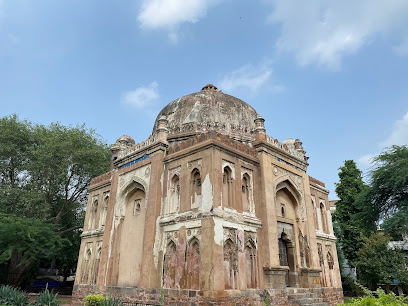
Tomb of Bhura Khan
1.8 km
Discover the beauty and history of the Tomb of Bhura Khan, a serene landmark in New Delhi showcasing exquisite Mughal architecture.
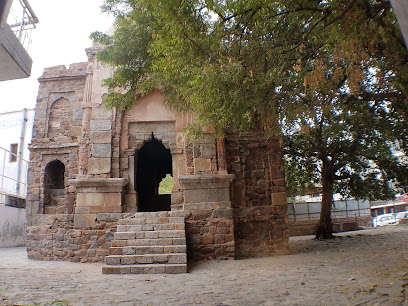
Lodhi Bridge
1.8 km
Discover the serene beauty and historical significance of Lodhi Bridge, a picturesque landmark nestled in the lush embrace of Lodhi Gardens, New Delhi.
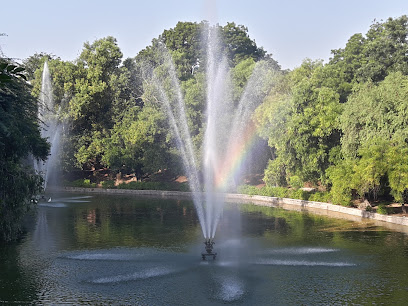
Lakkar Wala Burj
1.9 km
Discover the historic beauty of Lakkar Wala Burj, a UNESCO-listed landmark near the National Zoological Park in New Delhi, rich in cultural heritage.
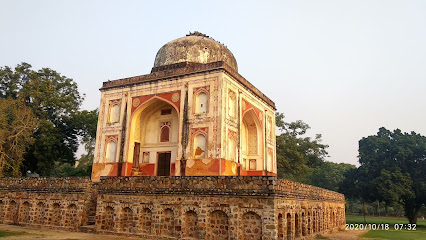
Glass House
1.9 km
Experience tranquility and beauty at the Glass House in Lodhi Gardens, a stunning blend of architecture and nature in the heart of New Delhi.
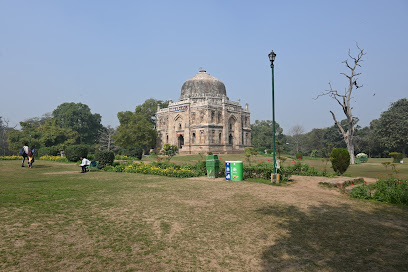
Lal Bangla Monument
2.0 km
Explore the Lal Bangla Monument, a historical landmark in New Delhi that beautifully showcases India's rich cultural heritage amid serene surroundings.
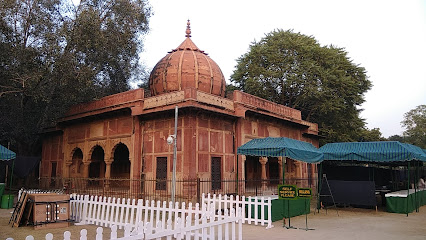
Najaf Khan's Tomb, Delhi
2.0 km
Explore Najaf Khan's Tomb in Delhi, a serene fortress showcasing Mughal architecture and rich historical significance amidst lush gardens.
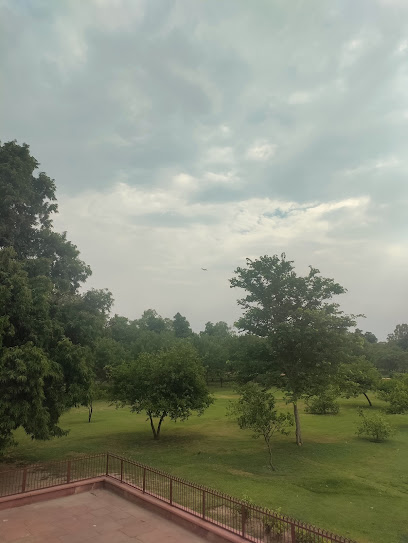
Extension sud, New Delhi
2.1 km
Explore the vibrant streets of Extension Sud, New Delhi, where local culture meets modern urban charm in an unforgettable experience.
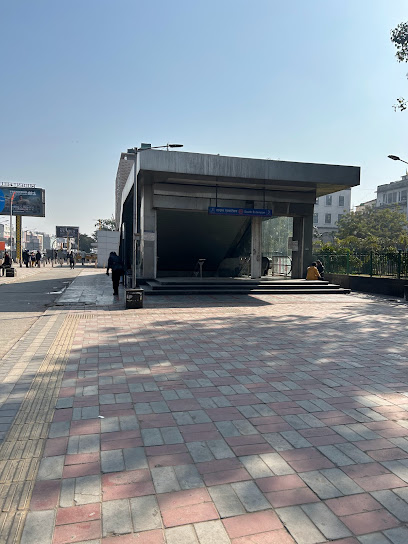
South Extension Pedestrian Subway Art by DSA
2.1 km
Discover the vibrant street art of South Extension Pedestrian Subway in New Delhi, where every mural tells a story of creativity and culture.
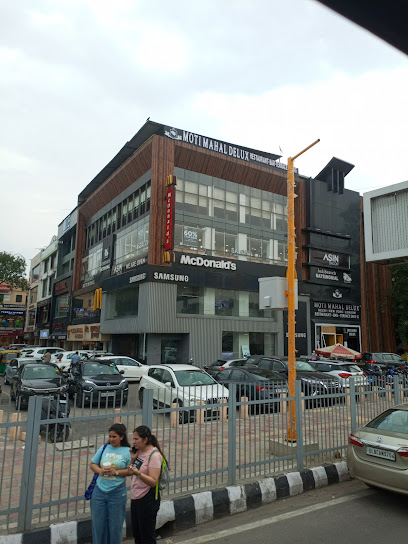
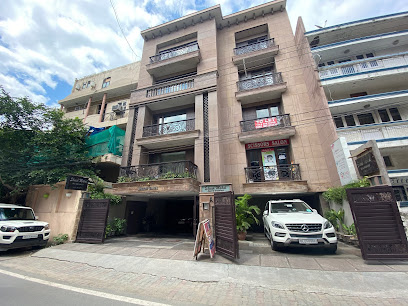
Sheesh Mahal Guest House, South Extension, New Delhi
2.2 km
Experience the charm of Sheesh Mahal Guest House in New Delhi, where comfort meets culture in the heart of South Extension II.
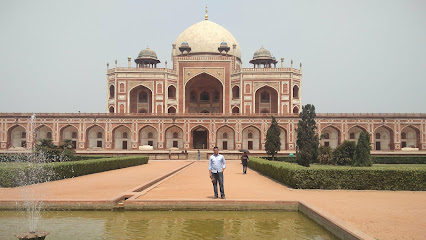
Humayuni Darwaza
2.9 km
Explore the architectural marvel of Humayuni Darwaza in New Delhi, a stunning gateway reflecting the grandeur of Mughal heritage and history.
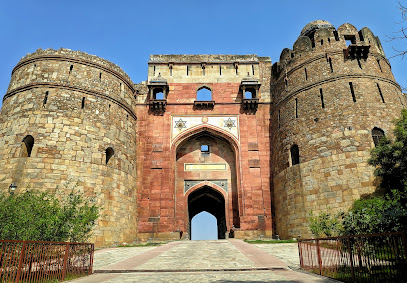
Bada Darwaza
3.0 km
Explore Bada Darwaza, a historical landmark in New Delhi that showcases Mughal architecture and the vibrant culture of India. A must-visit for history lovers.
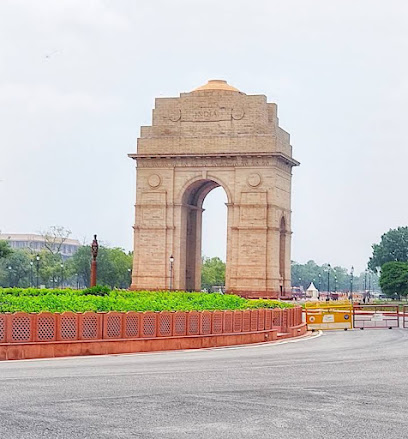
India Gate
3.4 km
Explore India Gate, a historic monument in New Delhi that celebrates the bravery of fallen soldiers amidst lush gardens and vibrant city life.
Unmissable attractions to see

ART INDIA
0.5 km
Explore the vibrant world of contemporary Indian art at ART INDIA, a hub for creativity and cultural dialogue in New Delhi.
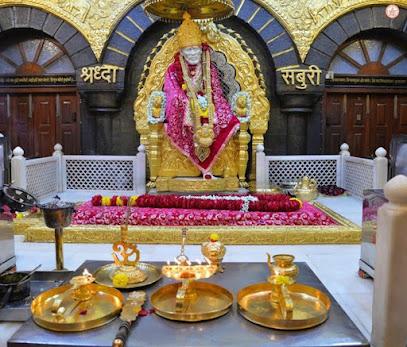
Shri Sai Baba Mandir
0.9 km
A serene temple dedicated to Sai Baba, offering a tranquil escape and spiritual experience in the heart of New Delhi.
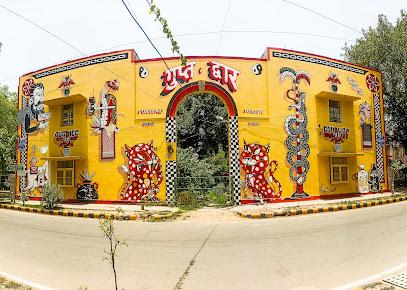
Lodhi Art District
1.0 km
Explore India's first open-air art district in Delhi's Lodhi Colony, where vibrant murals transform streets into a captivating urban canvas.
India Habitat Centre
1.1 km
Explore Delhi's India Habitat Centre: A hub of culture, art, and intellectual exchange in a serene architectural setting.
Dargah Nizamuddin Aulia
1.2 km
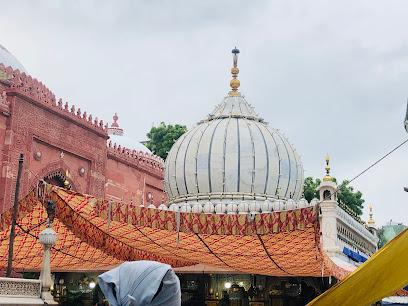
Experience the spiritual heart of Delhi at the Dargah Nizamuddin Aulia, a timeless sanctuary of peace, devotion, and Sufi culture.
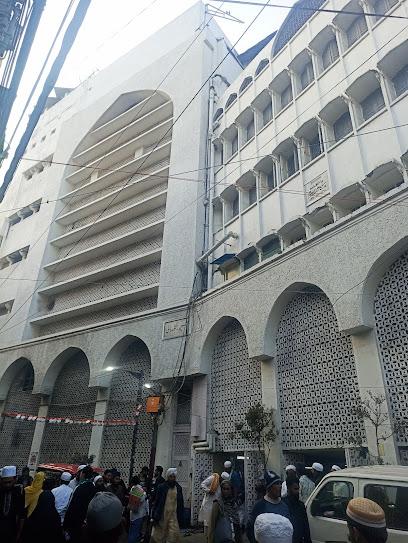
Markaz Nizamuddin Delhi
1.3 km
Discover Markaz Nizamuddin in Delhi, the international center of Tablighi Jamaat, known for its spiritual atmosphere and cultural significance.
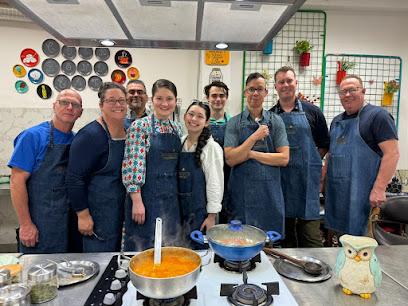
Tastesutra Cooking Studio
1.5 km
Discover the flavors of India at Tastesutra Cooking Studio in Lajpat Nagar. Hands-on classes, market tours, and culinary experiences await!
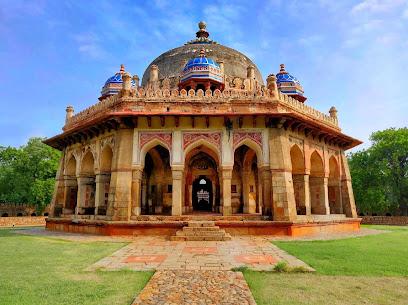
Isa Khan's Tomb, Delhi
1.6 km
Explore Isa Khan's Tomb: A blend of Lodi-Mughal architecture within Humayun's Tomb complex, showcasing intricate designs and historical significance.
National Bonsai Park, Lodhi Garden
1.6 km
Experience tranquility and artistry at Delhi's National Bonsai Park, a hidden gem within the historic Lodhi Garden. Discover miniature trees and ancient techniques.
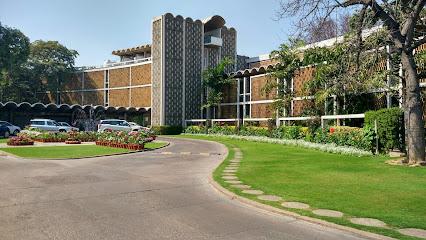
India International Centre
1.6 km
A hub for global dialogue and cultural exchange in the heart of New Delhi, fostering understanding and amity since 1962.
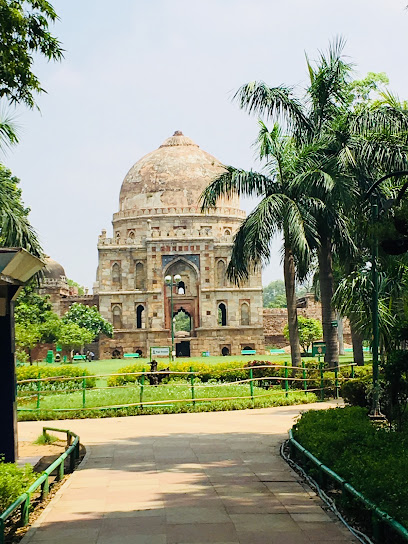
Lodhi Garden Gate No. 3
1.7 km
Explore Delhi's historical heart: Lodhi Garden, where ancient tombs meet lush landscapes for a serene escape.
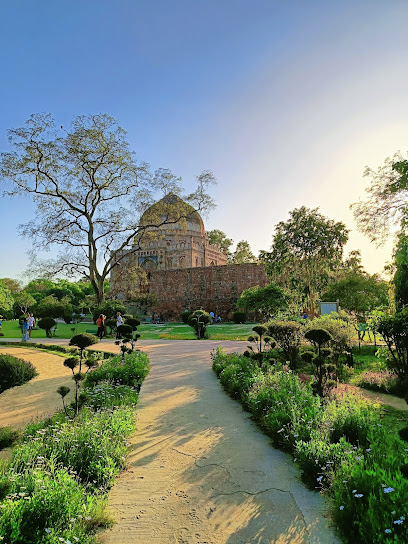
Bada Gumbad
1.8 km
Explore the majestic Bada Gumbad in Delhi's Lodhi Gardens, a Lodi-era architectural marvel with a mysterious past.
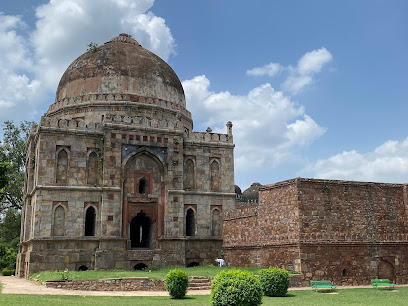
Bade Khan Ka Gumbad
1.8 km
Explore the grandeur of Mughal architecture at Bade Khan Ka Gumbad, a historical gem in New Delhi offering tranquility and beauty.
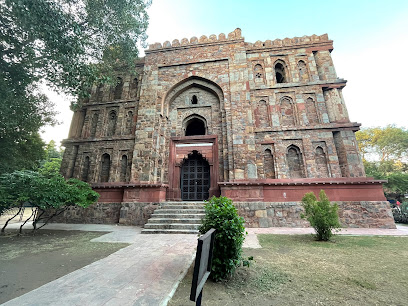
Sunder Nursery
1.8 km
Explore Delhi's Sunder Nursery: A 16th-century heritage park with Mughal monuments, diverse flora, and tranquil gardens.

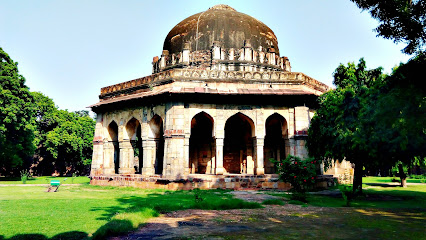
Rose Garden
1.8 km
Discover a vibrant collection of roses within the historic Lodhi Garden, offering a tranquil escape and a feast for the senses in New Delhi.
Essential places to dine

Guppy
1.0 km
Experience exquisite Japanese cuisine at Guppy in New Delhi – where tradition meets modernity in every delicious bite.
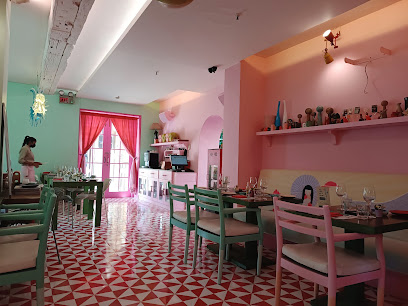
Indian Accent
1.1 km
Discover exquisite flavors at Indian Accent, where traditional Indian cuisine meets contemporary fine dining in New Delhi's vibrant culinary scene.
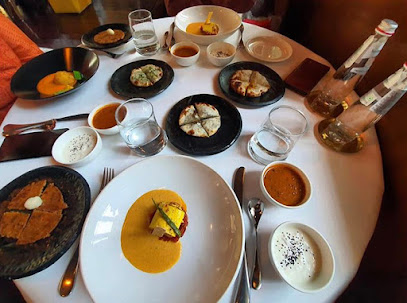
Delhi 'O' Delhi
1.1 km
Experience the vibrant flavors of India at Delhi 'O' Delhi - A premier buffet destination in New Delhi's India Habitat Centre.
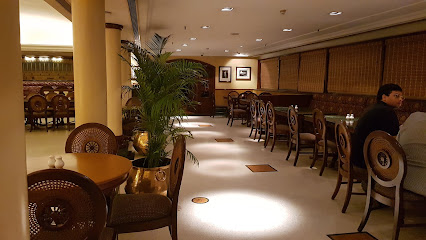
Mr Showarma
1.4 km
Experience authentic Middle Eastern cuisine at Mr Showarma - your go-to destination for delicious shawarmas in New Delhi.
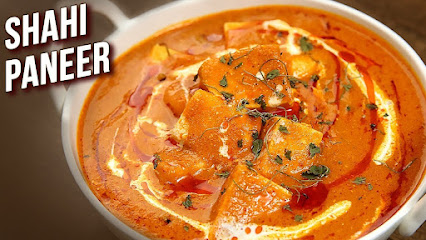
Karims Food Plaza
1.5 km
Experience authentic Mughlai cuisine at Karims Food Plaza in New Delhi – where rich flavors meet vibrant culture in every bite.
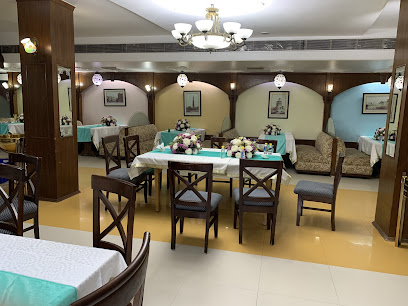
Bistro Français | Regional French cuisine restaurant in Delhi | Authentic French cuisine restaurant
1.5 km
Indulge in exquisite regional French cuisine at Bistro Français, where authentic flavors meet serene garden views in New Delhi.
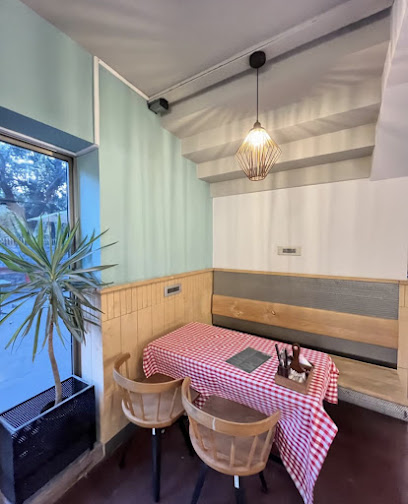
AF Cafe & Restaurant | Lodhi Gardens, New Delhi
1.5 km
Discover culinary delights at AF Cafe & Restaurant in Lodhi Gardens – where modern French cuisine meets serene surroundings.
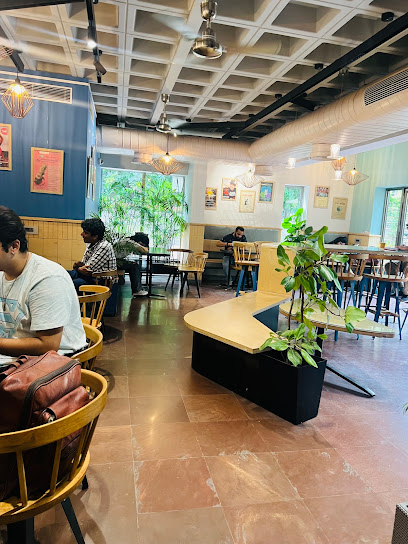
Lodi Slow Dining
1.5 km
Experience exquisite European cuisine at Lodi Slow Dining amidst the tranquility of Lodhi Gardens in New Delhi.
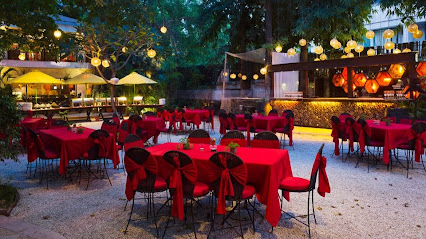
IIC Annexe
1.6 km
Discover exquisite dining at IIC Annexe in Lodhi Gardens, New Delhi – where culinary artistry meets serene nature.
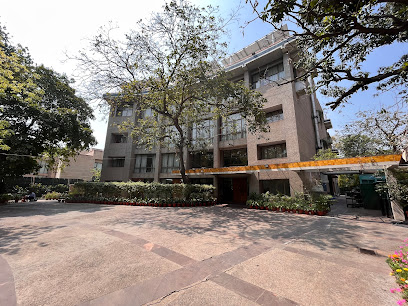
Garden Chef
1.7 km
Discover the essence of Chinese cuisine at Garden Chef in Lodi Colony - where fast food meets authentic flavors.
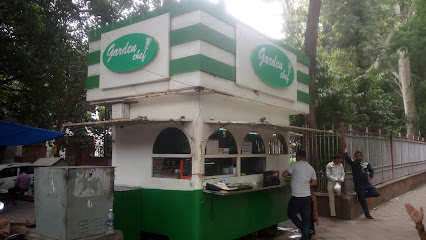
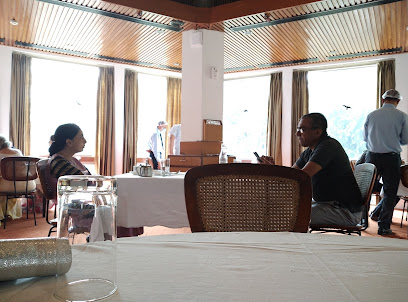
IIC Main Dining Hall
1.7 km
Experience culinary excellence at IIC Main Dining Hall amidst the stunning landscapes of Lodhi Gardens in New Delhi.
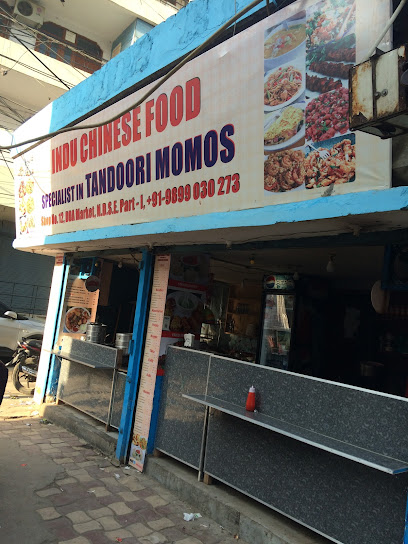
Indu Chinese Food
1.7 km
Experience authentic Chinese flavors at Indu Chinese Food in New Delhi – where delicious meets convenience.
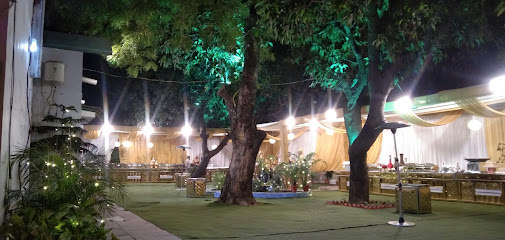
Kothi No 1, Lodi Estate.
1.9 km
Discover exquisite dining at Kothi No 1 in Lodi Estate, where traditional Indian flavors meet modern culinary artistry.
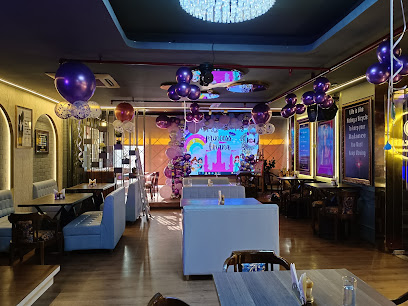
Classy Cafe Bar & Restaurant
2.0 km
Experience exquisite dining and vibrant nightlife at Classy Cafe Bar & Restaurant in New Delhi - where every meal is a celebration.
Out of the Box
2.0 km
Experience diverse culinary delights at Out of the Box in Khan Market - where flavors from around the world come together.
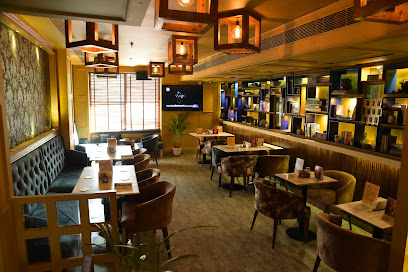
Markets, malls and hidden boutiques

Unique Store
0.6 km
Discover the charm of local shopping at Unique Store in New Delhi, where everyday essentials meet unique finds for every traveler.
The Shop
0.7 km
Explore The Shop in New Delhi for a unique blend of contemporary and traditional fashion, perfect for stylish souvenirs and gifts.
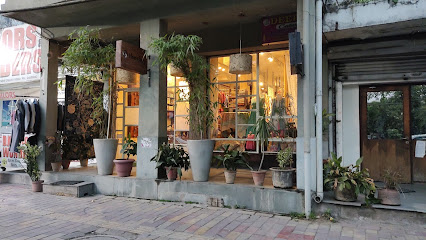
Click Internationals
1.0 km
Explore the essence of contemporary Indian fashion at Click Internationals in New Delhi, a women's clothing store that offers unique styles for every occasion.
Goel Gift Gallery
1.1 km
Explore Goel Gift Gallery in Lodi Colony, New Delhi, for a unique array of gifts blending traditional craftsmanship with modern flair.
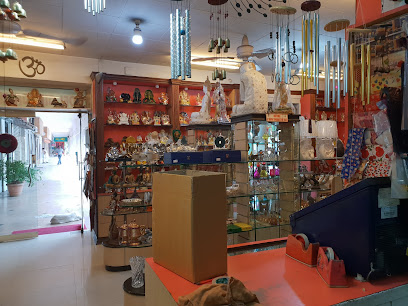
Tiwari Store
1.3 km
Discover the vibrant flavors of India at Tiwari Store, your go-to Indian grocery store in New Delhi for authentic spices and local delicacies.
ASIN BOUTIQUE SOUTH EX
1.4 km
Discover fashion excellence at ASIN Boutique South Ex, New Delhi's premier destination for stylish clothing and accessories.
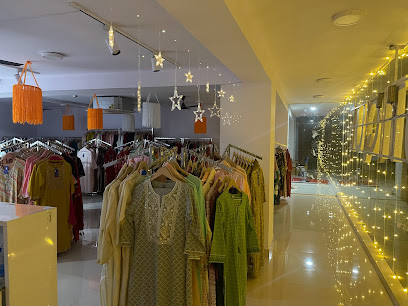
Gadget & Gift Zone
1.4 km
Uncover unique gifts and innovative gadgets at Gadget & Gift Zone – a treasure trove for tourists in New Delhi.
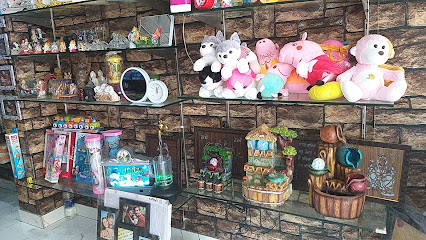
In
1.5 km
Explore a vibrant clothing store in Lajpat Nagar, New Delhi, offering unique clothing, crafts, and home goods for the discerning traveler.
Archies Cards, Gifts & Toys
1.5 km
Explore a treasure trove of toys and gifts at Archies Cards, Gifts & Toys in New Delhi, where joy and creativity come alive for all ages.
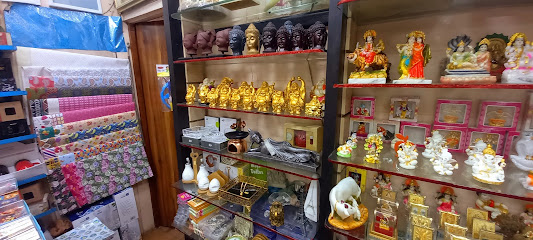
Pappu Paan Shop
1.5 km
Experience the authentic taste of India at Pappu Paan Shop in New Delhi, where every paan is a flavorful journey into tradition and culture.
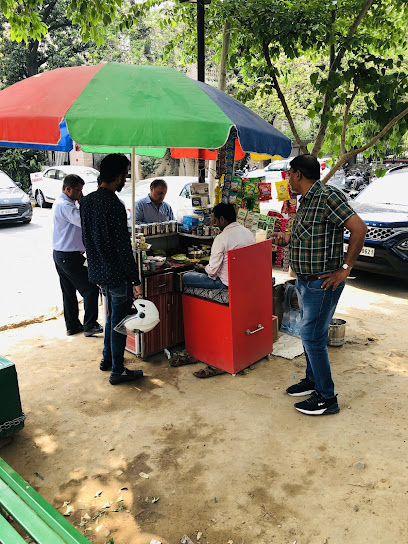
Sanjay Pal
1.6 km
Discover the charm of Sanjay Pal, a unique shopping destination in New Delhi that blends culture, craftsmanship, and the beauty of Lodhi Gardens.
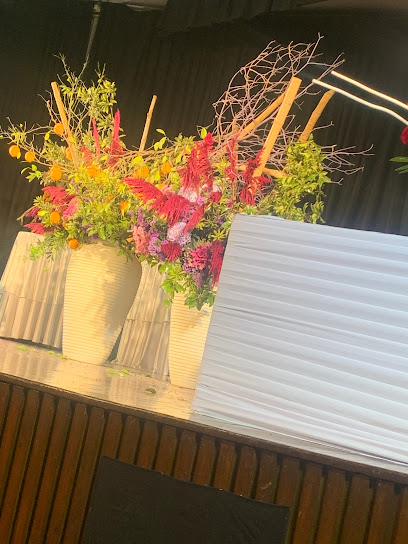
Westside - South Ex., Delhi
2.0 km
Explore the fashion-forward Westside in South Ex., Delhi - a premier destination for trendy clothing and stylish accessories.

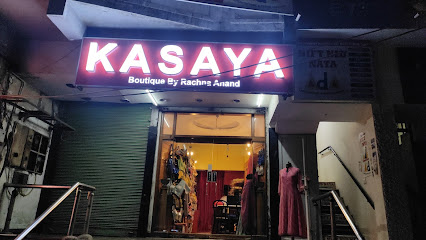
Kasaya
2.0 km
Discover unique fashion and lifestyle treasures at Kasaya, a boutique in New Delhi that showcases contemporary Indian design and craftsmanship.
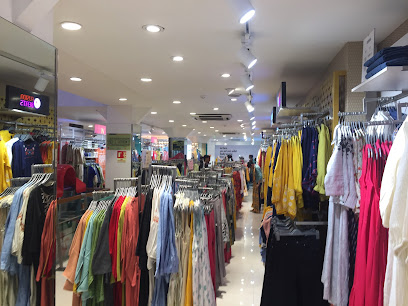
Pantaloons (South Extension, New Delhi)
2.0 km
Explore the latest trends in fashion at Pantaloons, South Extension, offering a diverse range of clothing for all ages and styles.
UM Moolchand India Emporium
2.0 km
Explore unique clothing options at UM Moolchand India Emporium, a vibrant shopping destination in New Delhi's South Extension Market.
Essential bars & hidden hideouts

Safari Lounge
1.0 km
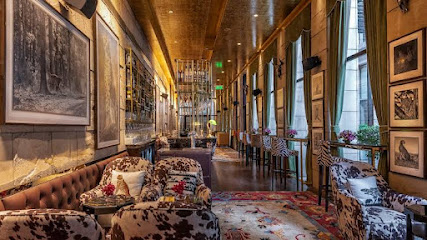
Experience the exotic ambiance of Safari Lounge in New Delhi's Lodhi hotel, where exquisite cocktails and vibrant nightlife await.
The Terrace Bar
1.1 km
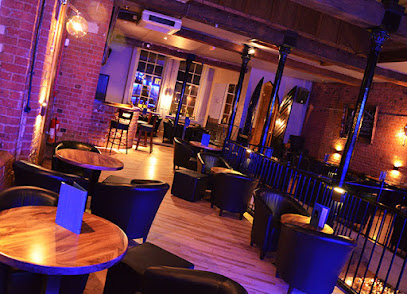
Experience the serene atmosphere of The Terrace Bar at India Habitat Centre, the perfect spot for relaxation and enjoyment in New Delhi.
PRESS CLUB
1.5 km
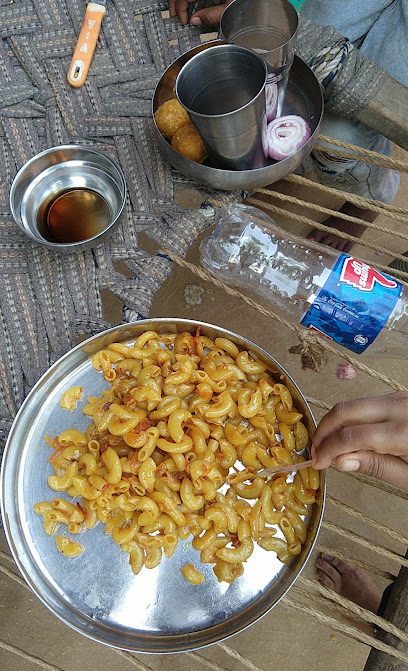
Discover the lively atmosphere and diverse drink selection at PRESS CLUB, a top bar destination in New Delhi.
Cirrus9
1.6 km
Experience the breathtaking skyline of New Delhi at Cirrus9, where exquisite cocktails and gourmet cuisine meet luxury and style.
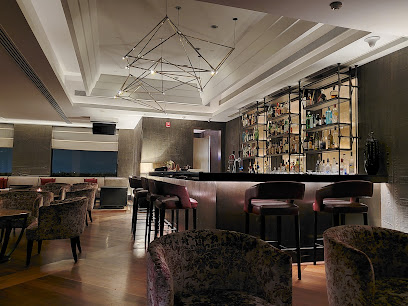
1 Oak
1.8 km
Experience a vibrant fusion of Chinese, Continental, and Italian cuisines at 1 Oak, a must-visit bar in New Delhi.
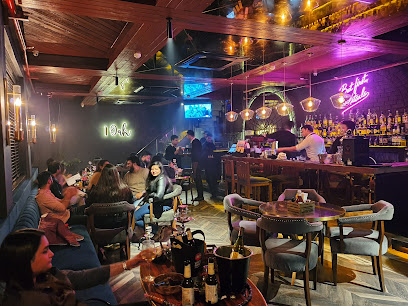
Nocturnal Lyrical Air Bar
1.8 km
Experience the vibrant nightlife of South Delhi at Nocturnal Lyrical Air Bar, where gourmet food meets innovative drinks in a lively atmosphere.
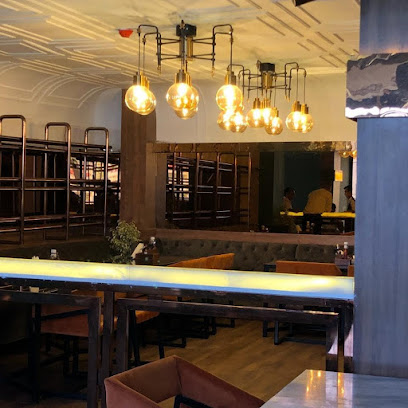
Mic Drop 2.0
2.0 km
Discover the vibrant atmosphere and diverse culinary offerings at Mic Drop 2.0, a must-visit bar and restaurant in South Delhi.
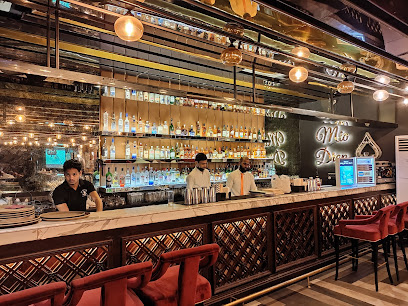
Studio XO Bar
2.0 km
Discover the lively fusion of music and cuisine at Studio XO Bar, a premier live music venue in New Delhi's vibrant nightlife scene.
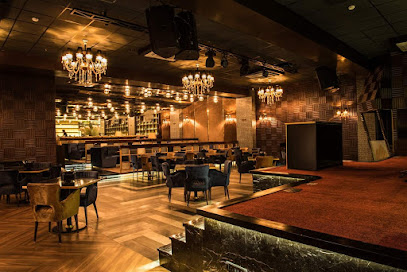
KLAP
2.0 km
Experience culinary creativity at KLAP, a vibrant tapas bar in the heart of Khan Market, New Delhi, where flavors come alive.
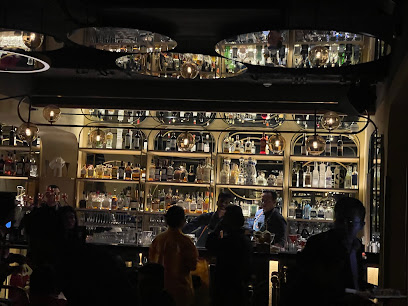
Anglow
2.0 km
Discover Anglow, a chic lounge in Khan Market, where exceptional European cuisine meets crafted cocktails and vibrant live music.
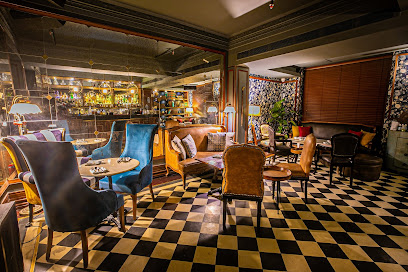
The Chatter House
2.0 km
Experience the vibrant atmosphere and culinary delights of The Chatter House, a premier gastropub in Khan Market, New Delhi.
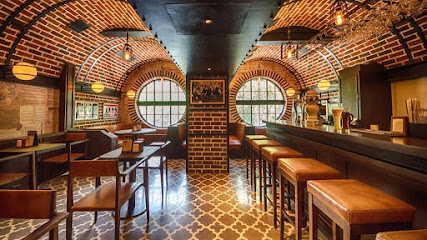
Perch Wine & Coffee Bar
2.1 km
Experience the finest wines and artisanal coffee at Perch Wine & Coffee Bar, a sophisticated destination in Delhi's vibrant Khan Market.
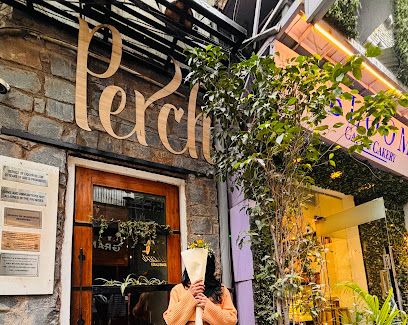
CODE DELHI
2.1 km
Experience the lively atmosphere and innovative cocktails at CODE DELHI, a top cocktail bar and restaurant in South Extension I, New Delhi.
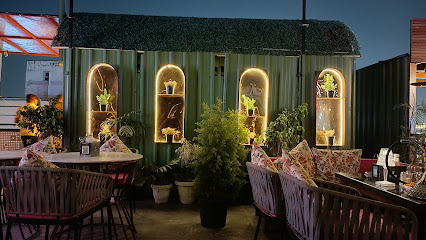
Voda Bar
2.6 km
Discover Voda Bar in New Delhi, where vibrant Asian flavors meet a lively bar atmosphere for an unforgettable culinary experience.
Only Bar Restaurant
4.2 km
Experience the fusion of contemporary Indian cuisine and vibrant bar culture at Only Bar Restaurant in Nehru Place, New Delhi.
Nightclubs & after hour spots

ABH!BRa
1.5 km
Discover the excitement of New Delhi's nightlife at ABH!BRa, a premier night club that promises great music, lively crowds, and unforgettable memories.
The Club Bar and Cigar Lounge
1.6 km
Experience luxury at The Club Bar and Cigar Lounge in New Delhi, where gourmet cuisine and premium spirits meet elegant ambiance.
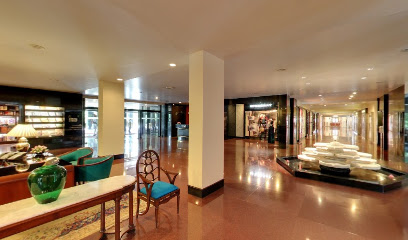
Marhaba by micdrop
1.9 km
Marhaba by micdrop in New Delhi offers an exhilarating disco experience with top DJs, vibrant decor, and an unforgettable nightlife atmosphere.
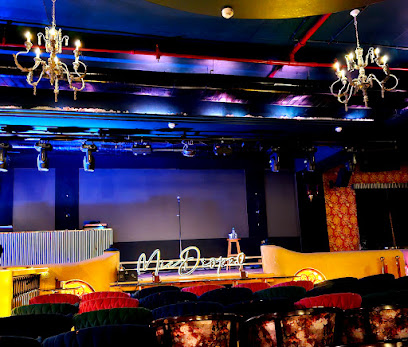
Dava saini
2.2 km
Discover the pulse of New Delhi's nightlife at Dava Saini, a vibrant night club in South Extension II, perfect for music, dancing, and unforgettable experiences.
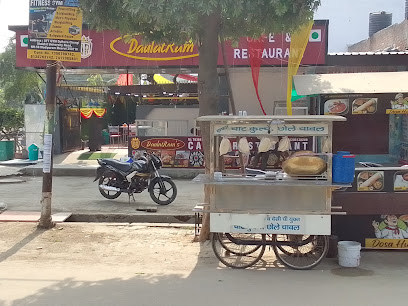
Slique delhi
2.5 km
Experience the vibrant nightlife of New Delhi at Slique, a premier night club known for its music, cocktails, and energetic dance floor.
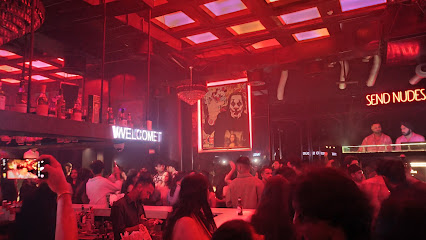
Laepoq
2.5 km
Discover Laepoq, New Delhi's ultimate nightlife destination, where electrifying music and stylish ambiance create unforgettable memories.

Panvel Night Club
2.7 km
Discover the heartbeat of New Delhi's nightlife at Panvel Night Club, where unforgettable nights and electrifying music come together.
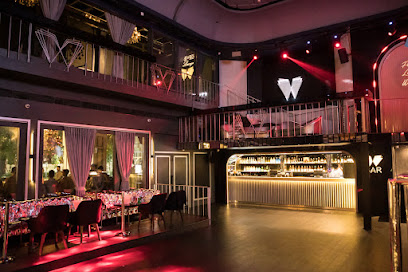
WHITE CLUB DELHI
3.9 km
Discover the vibrant nightlife of Delhi at White Club, where exceptional music and stylish ambiance create unforgettable evenings.
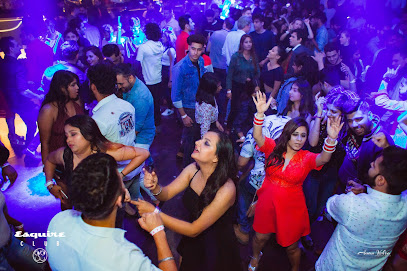
Esquire Night Club
3.9 km
Discover the electrifying nightlife at Esquire Night Club in New Delhi, where music, dance, and style come together for an unforgettable experience.
Key Nightclub
3.9 km
Experience the vibrant nightlife at Key Nightclub in New Delhi, where luxury meets electrifying music for an unforgettable party.
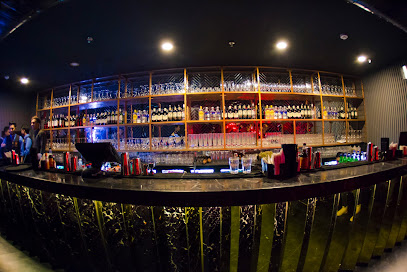
Knot Delhi
3.9 km
Discover the electrifying nightlife of Knot Delhi: a premier disco club in Nehru Place, perfect for dancing and celebrating in style.
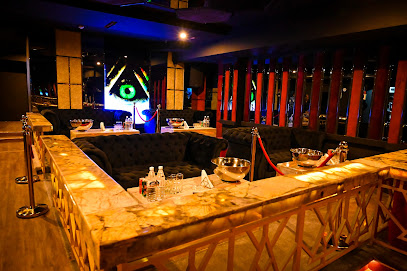
Delhi Nightlife
4.0 km
Dive into the heart of Delhi's nightlife at this vibrant club, where music, drinks, and unforgettable experiences await every night.
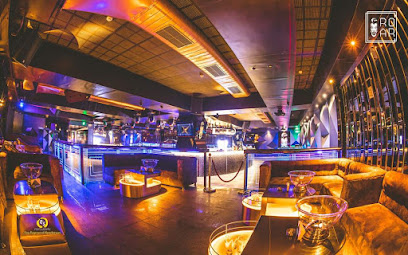
Club BW
4.2 km
Explore the electrifying nightlife and vibrant atmosphere of Club BW, New Delhi's premier night club located in the luxurious Suryaa Hotel.
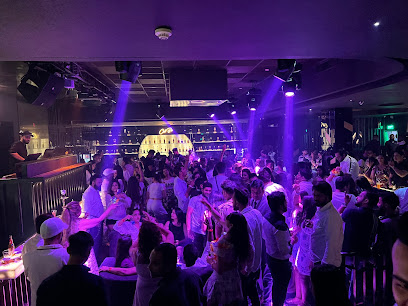
Hall Of Fame
4.5 km
Discover the elegance and vibrant atmosphere of Hall of Fame Lounge in Delhi, where luxury meets leisure in the heart of the city.
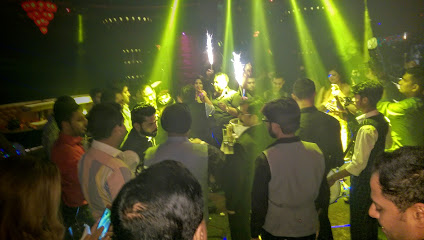
Horizon Club Lounge, Shangri-La Delhi
4.5 km
Experience luxury and tranquility at the Horizon Club Lounge, Shangri-La Delhi, where gourmet delights meet stunning city views.