

Qudsia Bagh, Delhi Travel Guide
Free Guide: Explore the ruins of Qudsia Bagh in Old Delhi, a testament to Mughal opulence and a tranquil escape from the city's bustle.


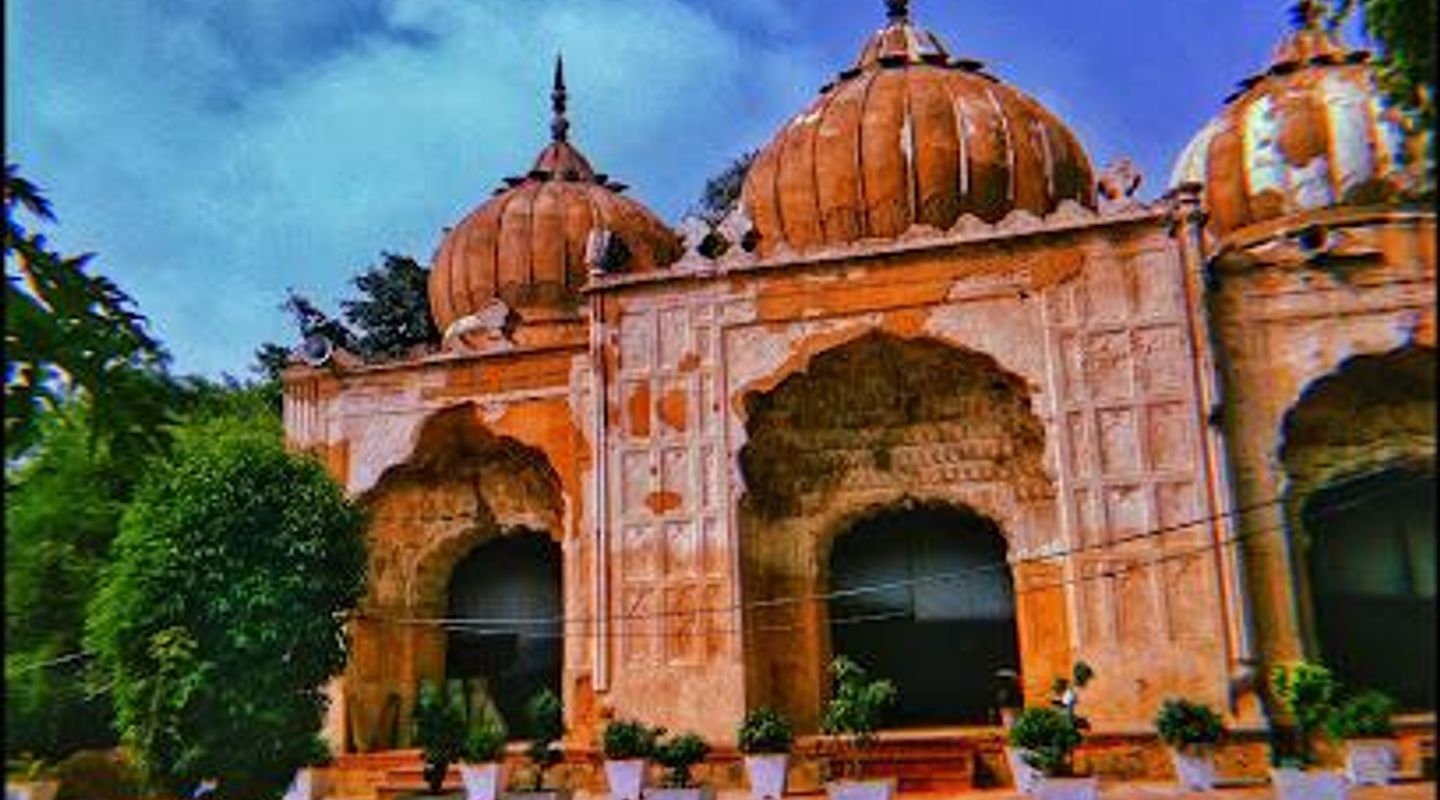
A brief summary of Qudsia Bagh
Explore the ruins of Qudsia Bagh in Old Delhi, a testament to Mughal opulence and a tranquil escape from the city's bustle.
Qudsia Bagh is an 18th-century Mughal garden and palace complex in Old Delhi, built by Qudsia Begum, wife of Mughal Emperor Muhammad Shah, in 1748. Once a luxurious palace with gardens, waterfalls and a private mosque, it suffered damage during the 1857 Rebellion. Today, the remains offer a glimpse into Delhi's rich history.
Opening hours
- Every dayOpen 24 hours
Opening hours as listed on the venue’s Google Business Profile. Hours can change for services and special events, so check with the venue before you go.
- Address
- M6CH+98V, Prema Kunj, Railway Colony, Civil Lines, Delhi, 110054
Getting there
Metro
Public Transport
Discover more about Qudsia Bagh
Overview
Located in Old Delhi, Qudsia Bagh was constructed around 1748 by Qudsia Begum, wife of Mughal Emperor Muhammad Shah. The garden complex was designed in the Persian Charbagh style, featuring four symmetrical gardens with water canals. Once a sprawling palace, Qudsia Bagh served as a private retreat from the Red Fort, showcasing the opulence of the Mughal era. Over time, the complex fell into disrepair, and suffered significant damage during the 1857 Rebellion. British troops used the garden as refuge, mounting cannons on the walls, which led to the destruction of the palace and mosque. Today, only a fraction of the original garden remains, including the western gateway, the Shahi Mosque, and a few pavilions. The Shahi Mosque, once a private place of worship for the emperor and empress, is still in use by the local community. Despite its ruined state, Qudsia Bagh offers visitors a tranquil escape from the city. The lush greenery and architectural remnants provide a glimpse into Delhi's layered history. The Archaeological Survey of India protects the site, and recent restoration efforts have helped to revive some of its former charm.
Evendo Review Centre
 Google
Guest reviews
Explore Qudsia Bagh on the map
A handpicked selection of must-see spots near Qudsia Bagh, mapped for you.
Get your free copy of our complete guide to Qudsia Bagh, delivered straight to you.
Everything on this page, from opening hours and how to get there to Eve’s tips and the best time to go, in one PDF you can read offline, print or share.
Already have an account? Sign in
Your Qudsia Bagh guide is ready.
We'll send it to · Not you? Sign out

Getting your guide ready…
We are putting together a fresh copy of the Qudsia Bagh guide. This can take up to a minute.
This can take a few moments. If your browser asks, choose Allow so the download can start. You'll find the guide in your Downloads folder.
Nothing happened? Download it again
Sorry, the guide is taking longer than usual. Please try again in a minute, or get it by email instead.
Other nearby places you may find interesting
The closest places of the same kind, if this one is not quite what you had in mind.
-
-
-
-
-


Swipe for more places
More to explore near Qudsia Bagh

 Best experiences near Qudsia Bagh
 Best hotels near Qudsia Bagh
 Best landmarks near Qudsia Bagh
 Best attractions near Qudsia Bagh
 Best shops near Qudsia Bagh
 Best restaurants near Qudsia Bagh
 Best bars near Qudsia Bagh
Do you manage this location?
Take control to get all the benefits, like improved information, better appearance, and stronger visibility across AI-powered discovery.
Explore more

Explore more of Delhi
Discover Delhi: A city where history meets modernity, offering a rich tapestry of cultural experiences, diverse cuisine, and vibrant arts and crafts.
Explore Delhi
Explore more of India
Discover the magic of India, where diverse landscapes, rich heritage, and vibrant culture come together to create an unforgettable travel experience.
Explore India
