Aurangabad Caves, Eastern India Travel Guide
Explore ancient Buddhist rock-cut caves near Aurangabad, Maharashtra, showcasing intricate carvings and a blend of Buddhist traditions from the 6th-7th centuries.
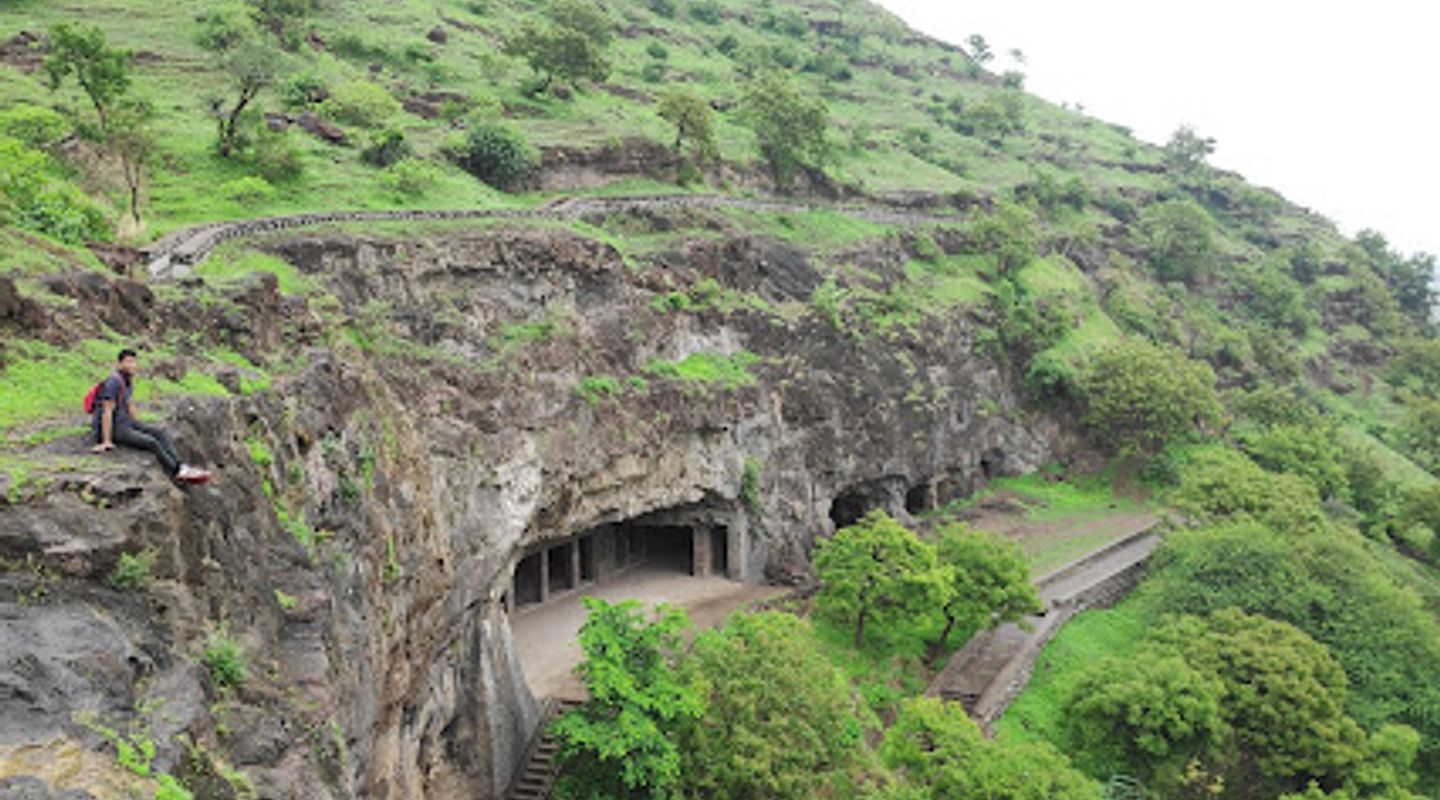
The Aurangabad Caves are a group of 12 rock-cut Buddhist shrines dating back to the 6th and 7th centuries, located near Aurangabad, Maharashtra. Carved from basalt rock, they offer a glimpse into early Buddhist architecture and art, featuring intricate sculptures and carvings. Though often overshadowed by the nearby Ajanta and Ellora Caves, they represent a significant chapter in India's religious and artistic heritage.
A brief summary to Aurangabad Caves
- W886+VQR, Grishneswar temple Road, Chhatrapati Sambhajinagar (Aurangabad), Maharashtra, 431101, IN
- Monday 5 am-7 am
- Tuesday 5 am-7 am
- Wednesday 5 am-7 am
- Thursday 5 am-7 am
- Friday 5 am-7 am
- Saturday 5 am-7 am
- Sunday 5 am-7 am

Know before you go
Hi, I'm Eve. Here are a few practical things to know before exploring Aurangabad Caves.
- Wear comfortable shoes as reaching the caves requires a climb up a hill.
- Visit during the cooler months (October to March) for a more pleasant experience.
- Allocate around 2-3 hours for a comprehensive visit to all the caves.
- Consider hiring a local guide to enhance your understanding of the caves' history and significance.
Do you manage this location?
Take control to get all the benefits, like improved information, better appearance, and stronger visibility across AI-powered discovery. Learn more about listing your business on Evendo
Activate your presenceOther nearby places you may find interesting
The closest places of the same kind, if this one is not quite what you had in mind.
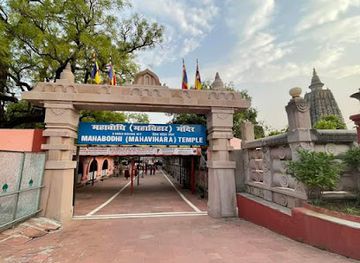
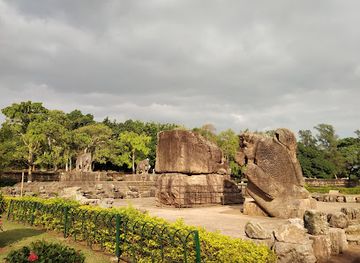
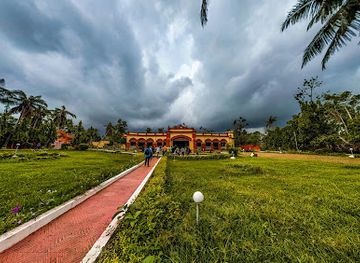
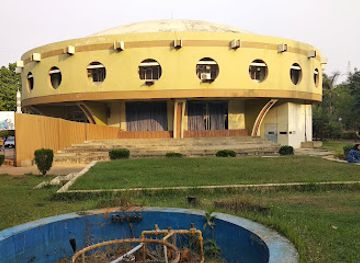
Explore Aurangabad Caves on the Map
A handpicked selection of must-see spots near Aurangabad Caves, mapped for you.
Unlock the Best of Aurangabad Caves
Buy tickets
-
No tickets available
Book tours with entry


Getting There
-
Public Transport
From Aurangabad city center, the caves are approximately 9 km away. The most convenient way to reach the Aurangabad Caves is by taking a local bus or auto-rickshaw from the Central Bus Stand (CBS). Buses towards the caves are frequent and affordable. The approximate fare for a bus is ₹20-₹30. Alternatively, hire an auto-rickshaw for around ₹200-₹300 for a round trip.
-
Taxi/Ride-Share
Taxis and ride-sharing services are readily available in Aurangabad. A taxi ride from the city center to the Aurangabad Caves will cost approximately ₹300-₹400. Several taxi services also offer day packages for visiting Aurangabad's attractions, including the caves. These packages typically range from ₹1200-₹1500.
-
Walking
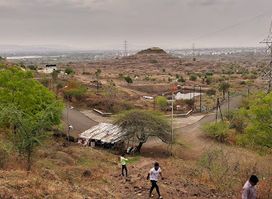
Once you arrive at the base of the hill where the caves are located, there is a short but steep climb to reach the cave entrances. The walk takes about 10-15 minutes. Ensure you wear comfortable shoes.
Discover more about Aurangabad Caves













Your all‑in‑one travel companion app
Explore expert travel guides, compare and book tours, experiences, hotels, and more—all from the palm of your hand. Download now for seamless trip planning wherever your wanderlust takes you.


Explore More of Eastern India

Looking beyond Aurangabad Caves? Discover Eastern India for broader travel guides, local hot-spots, and regional highlights.
Explore Eastern India