

Free Eastern India Travel Guide & Mobile App
Explore Eastern India with free travel guides. Discover regional history, expert tips, proposed trips, and audio guides on web or mobile app.


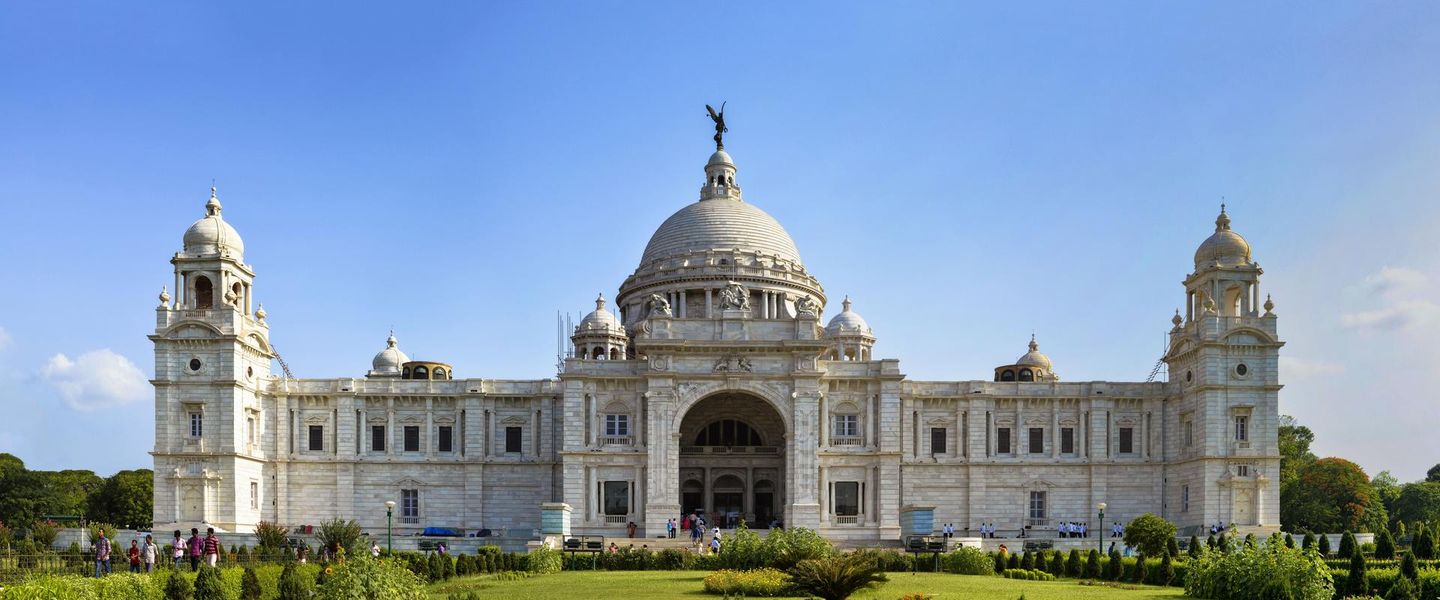


Explore Eastern India for Kolkata’s culture, Odisha’s temples, Bihar’s Buddhist heritage, Himalayan foothills and Jharkhand’s forests.
Read more about Eastern India
When is the best time to visit Eastern India?
Best: December–February · 23–26°C| Month | High (°C) | Rainfall (mm) |
|---|---|---|
| January (best) | 23 | 15 |
| February (best) | 26 | 20 |
| March | 32 | 30 |
| April | 37 | 45 |
| May | 39 | 70 |
| June | 35 | 150 |
| July | 33 | 300 |
| August | 33 | 300 |
| September | 33 | 220 |
| October | 32 | 150 |
| November | 28 | 45 |
| December (best) | 23 | 15 |
Getting to and around Eastern India
How to get there
Transportation
Top city travel guides in Eastern India
The cities of Eastern India, and the easiest places to base yourself.
-

-

-

-
-

-


Swipe for more cities
Destinations in Eastern India
Resorts, valleys and scenic spots worth a trip of their own.
-

-

-

-
-


Swipe for more destinations
Best attractions in Eastern India
Eastern India offers an unusually broad range of attractions because its landscapes and historical regions differ sharply. Kolkata provides museums, galleries, theatres, historic neighbourhoods and riverfront heritage, while West Bengal’s Darjeeling hills add tea gardens, mountain rail heritage and cooler Himalayan scenery. In Odisha, Bhubaneswar’s temple landscape, Puri’s pilgrimage culture, Konark’s archaeological legacy and Chilika’s lagoon environment form a strong coastal circuit. Bihar’s Bodh Gaya, Nalanda and Rajgir are central to Buddhist and ancient Indian history, with Patna adding museums and riverside heritage. Jharkhand’s appeal lies more in forests, waterfalls, plateaux, geological landscapes and Adivasi cultural traditions than in monumental architecture. Across the region, visitors can find craft villages, classical and folk performance, wildlife areas, river journeys and seasonal festivals. Travel distances are significant, and the richest itineraries usually concentrate on one state or one theme rather than treating Eastern India as a single short excursion.
-
Hindu temple
Konark Sun Temple
A 13th-century architectural marvel in Odisha, India, the Konark Sun Temple is a chariot of stone dedicated to the Sun God, Surya.
-
Science museum
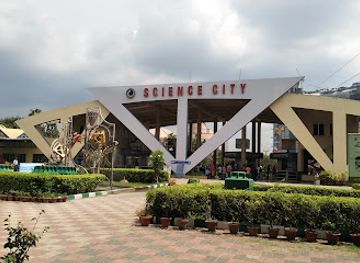
Science City
Explore the wonders of science at Kolkata's Science City: interactive exhibits, space odysseys, and a world of discovery for all ages.
-
Zoo
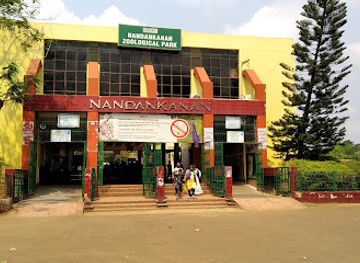
Nandankanan Zoological Park
Explore diverse wildlife in their natural habitat at Nandankanan Zoological Park, a conservation leader and home to the famous white tigers.
-
Art museum
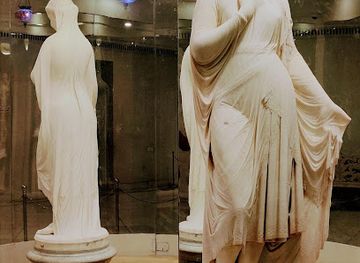
Salar Jung Museum
Explore a world of art and history at the Salar Jung Museum, Hyderabad's cultural treasure trove.
Best landmarks in Eastern India
Eastern India’s landmarks reflect ancient kingdoms, pilgrimage, colonial power and distinctive natural geography. Kolkata’s Victoria Memorial, Howrah Bridge and the buildings of the Maidan and older commercial districts express the city’s imperial and civic history, while the Dakshineswar Kali Temple and Belur Math mark important religious sites on the Hooghly. Odisha’s Konark Sun Temple is a major achievement of medieval temple architecture, and Bhubaneswar’s Lingaraja Temple and other Kalinga-style shrines define the historic cityscape, although access to some sanctums is restricted. The Jagannath Temple at Puri is one of India’s most significant pilgrimage landmarks. In Bihar, the Mahabodhi Temple at Bodh Gaya and the ruins of Nalanda represent the region’s enduring Buddhist and intellectual importance. Jharkhand contributes a different visual vocabulary through the plateau landscapes and major waterfalls around Ranchi, while the Darjeeling Himalayan Railway is a notable mountain transport landmark in West Bengal.
-
Historical landmark
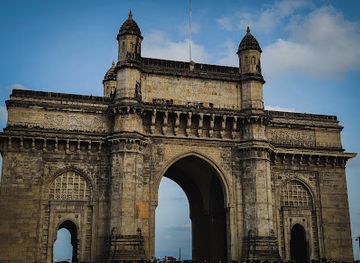
Gateway Of India Mumbai
Explore the Gateway of India, a stunning historical landmark in Mumbai that combines architectural beauty with rich cultural heritage.
-
Monument
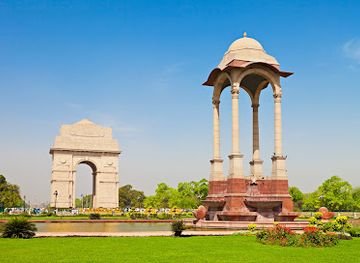
India Gate
Discover the historical significance and architectural beauty of India Gate, a monumental tribute to the valor of Indian soldiers in the heart of New Delhi.
-
 Historical place
Mysore Palace
Explore the grandeur of Mysore Palace, a stunning embodiment of India's royal heritage and architectural brilliance, nestled in the heart of Mysuru, Karnataka.
-
Monument
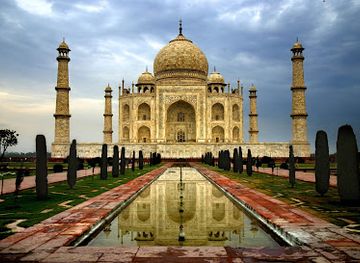
Taj Mahal
Discover the enchanting beauty of the Taj Mahal, a UNESCO World Heritage Site and a symbol of love, nestled in Agra, India.
Explore Eastern India on the map
Plan your trip on one map. See where the top cities, national parks and sights are, and book hotels and experiences in a few clicks.
Best hotels in Eastern India
Best restaurants in Eastern India
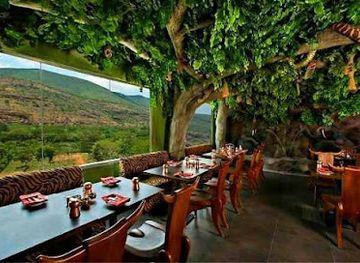
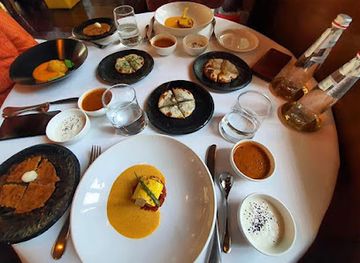
Eastern India’s dining identity is built around rice, lentils, vegetables, freshwater fish, coastal produce and richly varied regional seasoning. Bengali cooking in West Bengal is known for fish preparations, mustard, delicate vegetable dishes and sweets such as sandesh and rasgulla, while Kolkata’s food culture also reflects colonial, Chinese, Muslim and migrant influences. Odisha offers seafood, rice-based dishes, temple-associated vegetarian traditions and distinctive sweets, with Puri and Bhubaneswar providing the widest choice for visitors. Bihar is associated with litti chokha, sattu-based foods, savoury snacks and milk sweets, while Jharkhand’s cooking includes rice, millet, forest produce and robustly seasoned meat and vegetable dishes. Sample regional food in family-run eateries, traditional restaurants, cafés, markets and selected rural inns, taking care with hygiene and drinking water. Food markets and sweet shops are often as revealing as formal dining rooms.
-
Indian
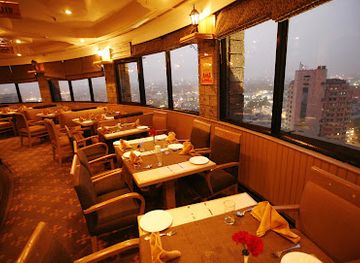
Parikrama The Revolving Restaurant
Discover culinary excellence with breathtaking city views at Parikrama The Revolving Restaurant in New Delhi.
-
Indian
Farmhouse Kitchen Restaurant
Discover authentic Indian flavors at Farmhouse Kitchen Restaurant - where tradition meets taste in Nagpur's vibrant dining scene.
-
Indian
Gufha Restaurant, Jayanagar
Experience the unique blend of Afghan and Indian cuisine at Gufha Restaurant in Jayanagar – where every meal tells a story.
-
Indian
Indian Accent
Experience India's rich culinary heritage at Indian Accent, where tradition meets innovation in every exquisite dish.
Best bars in Eastern India
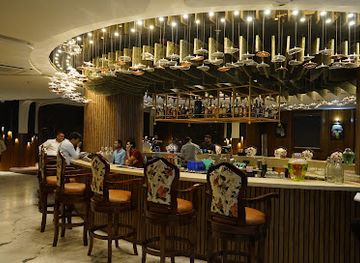
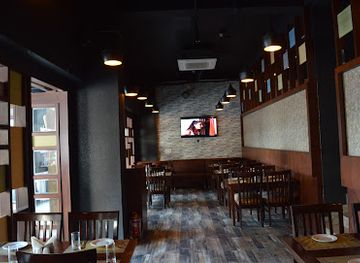
Nightlife in Eastern India varies greatly by city and social setting. Kolkata has the region’s broadest evening scene, ranging from historic-style bars, hotel lounges and contemporary cocktail venues to live music, theatre, cafés and late-opening restaurants. Bhubaneswar and Patna offer urban restaurants, lounges and smaller live-music scenes, while Ranchi has a modest selection of bars and entertainment venues. In Darjeeling, evenings generally centre on cafés, restaurants, hotel bars and occasional live music rather than large clubs. Outside the main cities, traditional tea shops, local restaurants, cultural performances and community gatherings are more representative of evening life. Regulations, opening arrangements and venue status can change, so check locally rather than relying on old listings. Drink responsibly and remember that alcohol availability and social conventions differ between states and districts.
-
Brewery
MYZ - UNO Vizag
Discover MYZ - UNO Vizag: A vibrant brewpub in Siripuram, offering craft beers and delicious cuisine in a lively atmosphere.
-
Pub
On The Rocks - Restobar & Lounge - Mahal
Discover On The Rocks in Mahal, Nagpur - where exquisite dining meets vibrant nightlife in a stunning scenic setting.
-
Bar
90 ML
Experience the vibrant nightlife at 90 ML, Nagpur's premier bar and restaurant, offering exceptional cocktails and mouthwatering cuisine.
-
Bar
Only Bar Restaurant
Only Bar Restaurant: A fusion of modern Indian cuisine and vibrant nightlife in the heart of New Delhi's Nehru Place.


Best nightclubs in Eastern India
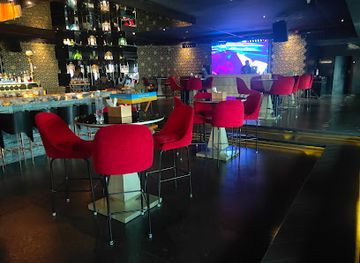
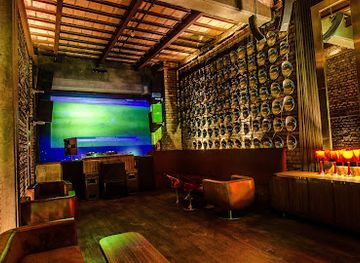
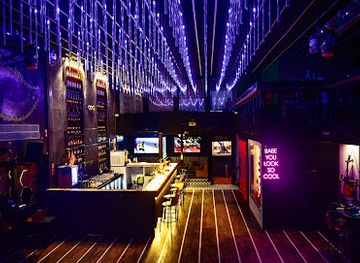
Nightlife in Eastern India varies greatly by city and social setting. Kolkata has the region’s broadest evening scene, ranging from historic-style bars, hotel lounges and contemporary cocktail venues to live music, theatre, cafés and late-opening restaurants. Bhubaneswar and Patna offer urban restaurants, lounges and smaller live-music scenes, while Ranchi has a modest selection of bars and entertainment venues. In Darjeeling, evenings generally centre on cafés, restaurants, hotel bars and occasional live music rather than large clubs. Outside the main cities, traditional tea shops, local restaurants, cultural performances and community gatherings are more representative of evening life. Regulations, opening arrangements and venue status can change, so check locally rather than relying on old listings. Drink responsibly and remember that alcohol availability and social conventions differ between states and districts.
-
Lounge
CLUB FENICIA
Discover CLUB FENICIA, Kolkata's premier lounge and fine dining restaurant, where luxury meets vibrant nightlife in an unforgettable setting.
-
Pub
Roxy
Experience the vibrant nightlife of Kolkata at Roxy, where a lively pub atmosphere meets a stylish disco club ambiance.
-
Disco club
Tantra
Discover Kolkata's nightlife at Tantra, a premier disco club blending modern style with an electrifying atmosphere, perfect for dancing and socializing.
-
Disco club
Club One Peg Down - OPD
Experience the vibrant nightlife of Bhubaneswar at Club One Peg Down - OPD, the ultimate disco club for dance and fun.

Best shops in Eastern India
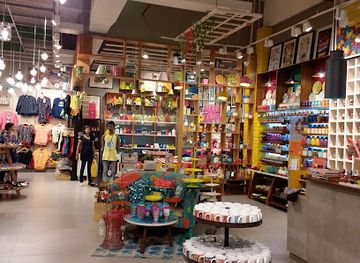
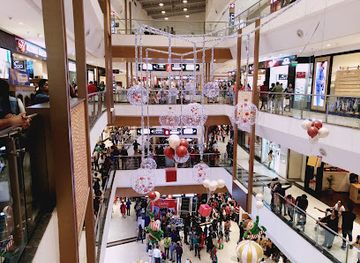
Shopping in Eastern India ranges from Kolkata’s dense markets and independent boutiques to the craft traditions of Odisha, Bihar and Jharkhand. Kolkata is a strong place for books, textiles, sweets, contemporary design, antiques and Bengali handicrafts, with different districts offering very different experiences; bargain carefully and verify provenance for antiques. Odisha is known for handloom textiles, appliqué work, silver filigree, stone carving and painted craft traditions, particularly around Bhubaneswar, Puri and craft-producing centres. Bihar offers Madhubani painting, textiles, local sweets and regional food products, while Jharkhand is associated with metalwork, tribal-inspired craft, textiles and forest-based products sold through established outlets. Darjeeling is a practical place to look for tea, woollens and hill products. Markets can be crowded and product quality varies, so buy from reputable cooperatives, government-supported emporia or clearly established shops when authenticity and fair payment matter.
-
Shopping mall
LuLu International Shopping Mall
Explore LuLu International Shopping Mall in Kochi: A Shopping Paradise with Global Brands, Diverse Cuisines, and Family Fun.
-
Shopping mall
Phoenix Marketcity
Explore the ultimate shopping and entertainment experience at Phoenix Marketcity, Bengaluru's premier destination for fashion, food, and fun.
-
Shopping mall
DLF Mall of India
Discover DLF Mall of India: A vibrant shopping and entertainment hub in Noida, featuring global brands, diverse dining, and family-friendly activities.
-
Shopping mall
Nexus Select CityWalk
Discover a shopping and entertainment oasis at Nexus Select CityWalk, where fashion, food, and fun come together in New Delhi.


Get your free copy of our complete guide to Eastern India, delivered straight to you.
Everything on this page, from attractions and restaurants to essentials and local phrases, in one PDF you can read offline, print or share.
Already have an account? Sign in
Your Eastern India guide is ready.
We'll send it to · Not you? Sign out

Getting your guide ready…
We are putting together a fresh copy of the Eastern India guide. This can take up to a minute.
This can take a few moments. If your browser asks, choose Allow so the download can start. You'll find the guide in your Downloads folder.
Nothing happened? Download it again
Sorry, the guide is taking longer than usual. Please try again in a minute, or get it by email instead.
Eastern India essentials
Currency and Payment
Safety
Emergency Situations
Do's and Don'ts
Local Tips
From Eve
Local phrases worth knowing
You don't need to get them perfect. A few words go a long way, and locals appreciate the effort.
Basics
| English | Local | Say it |
|---|---|---|
| Hello | হ্যালো | [hyalo] |
| Goodbye | বিদায় | [bidāẏ] |
| Yes | হ্যাঁ | [hyā̃] |
| No | না | [nā] |
| Please/You’re welcome | দয়া করে/স্বাগতম | [doyā kore/swagatom] |
| Thank you | ধন্যবাদ | [dhonnobād] |
| Excuse me/Sorry | মাফ করবেন/দুঃখিত | [māf korben/duḥkhito] |
| How are you? | আপনি কেমন আছেন? | [āpni kemon āchhen?] |
| Fine. And you? | ভাল। আর আপনি? | [bhāl. āra āpni?] |
| Do you speak English? | আপনি কি ইংরেজি বলেন? | [āpni ki ingrejī balen?] |
| I don’t understand | আমি বুঝতে পারছি না | [āmi bujhte pārchhi nā] |
Eating & Drinking
| English | Local | Say it |
|---|---|---|
| I’d like to see the menu, please | আমার মেনু দেখতে চাই, দয়া করে | [āmār menu dekhte chāi, doyā kore] |
| I don’t eat meat | আমি মাংস খাই না | [āmi māṅs khāi nā] |
| Cheers! | চিয়ার্স! | [chiẏārs] |
| I would like to pay, please | আমি পেমেন্ট করতে চাই, দয়া করে | [āmi pemenṭ karte chāi, doyā kore] |
Emergencies
| English | Local | Say it |
|---|---|---|
| Help! | সাহায্য করুন! | [sāhāyya karun!] |
| Go away! | যাও! | [jāo!] |
| Call the Police! | পুলিশ ডাকুন! | [puliś ḍākun!] |
| Call a doctor! | ডাক্তার ডাকুন! | [ḍāktār ḍākun!] |
| I’m lost | আমি হারিয়ে গেছি | [āmi hāriẏē gēchi] |
| I’m ill | আমি অসুস্থ | [āmi osustha] |
Shopping
| English | Local | Say it |
|---|---|---|
| I’d like to buy... | আমি কিনতে চাই... | [āmi kinte chāi...] |
| I’m just looking | আমি শুধু দেখছি | [āmi sudhu dekhchhi] |
| How much is it? | এটার দাম কি? | [ēṭār dām ki?] |
| That’s too expensive | এটা খুব দামী | [ēṭā khub dāmī] |
| Can you lower the price? | আপনি কি দাম কমাতে পারেন? | [āpni ki dām komāte pārēn?] |
Time & Numbers
| English | Local | Say it |
|---|---|---|
| What time is it? | এখন সময় কত? | [ēkhon samay koto?] |
| It’s one o’clock | এখন একটা বাজে | [ēkhon ēkṭā bāje] |
| Half past (10) | সাড়ে (১০) | [sāṛē (10)] |
| Morning | সকাল | [sakal] |
| Afternoon | বিকেল | [bikēl] |
| Evening | সন্ধ্যা | [sandhyā] |
| Yesterday | গতকাল | [gatakāl] |
| Today | আজ | [āj] |
| Tomorrow | কাল | [kāl] |
| 1 | ১ | [1] |
| 2 | ২ | [2] |
| 3 | ৩ | [3] |
| 4 | ৪ | [4] |
| 5 | ৫ | [5] |
| 6 | ৬ | [6] |
| 7 | ৭ | [7] |
| 8 | ৮ | [8] |
| 9 | ৯ | [9] |
| 10 | ১০ | [10] |
Transport & Directions
| English | Local | Say it |
|---|---|---|
| Where's a/the...? | কোথায় একটি...? | [kothāẏ ēkaṭi...?] |
| What’s the address? | ঠিকানা কি? | [ṭhikānā ki?] |
| Can you show me (on the map)? | আপনি কি আমাকে দেখাতে পারেন (মানচিত্রে)? | [āpni ki āmāke dekhāte pārēn (mānchitrē)?] |
| When’s the next (bus)? | পরবর্তী (বাস) কখন? | [parabartī (bās) kakhon?] |
| A ticket (to ....) | একটি টিকেট (....) | [ēkaṭi ṭikeṭ (....)] |
History of Eastern India
Ancient Magadha and the Rise of Buddhism
Much of present-day Bihar formed the core of ancient Magadha, one of the most powerful political regions in South Asia. Rajgir and Pataliputra were important centres of early state formation, while the Buddha is traditionally associated with several sites in the area, including Bodh Gaya, Rajgir and Nalanda. Jain traditions also connect Bihar with important teachers and pilgrimage places. This concentration of political, religious and intellectual activity made the middle Ganges basin a formative region in Indian history and left a landscape of stupas, monasteries, archaeological remains and continuing pilgrimage.
Mauryan and Gupta Imperial Centres
The Mauryan Empire, founded in the third century BCE under Chandragupta Maurya and expanded under Ashoka, established Pataliputra as a major imperial capital. Ashoka’s patronage helped spread Buddhism across the subcontinent and beyond, while pillars and inscriptions remain important evidence of early imperial administration. Centuries later, the Gupta period brought major developments in mathematics, literature, art and religious thought. Although political boundaries changed repeatedly, the Ganges plain’s urban centres, trade routes and monastic institutions continued to shape the wider eastern region.
Kalinga, Maritime Trade and Odisha’s Temple Culture
The ancient kingdom of Kalinga occupied much of present-day Odisha and adjoining areas. Its conquest by Ashoka in the third century BCE became a turning point in Mauryan history and is traditionally linked to his subsequent commitment to Buddhist principles. Odisha later developed powerful regional dynasties, including the Eastern Gangas, whose rule supported the construction of major temples at Puri and Konark. Coastal ports connected Kalinga and Odisha with trading networks across the Bay of Bengal, while temple building, sculpture, dance and ritual created a cultural legacy still central to Odisha’s identity.
Islamic Sultanates, Mughal Rule and Regional Courts
From the medieval period, Bengal, Bihar and Odisha were influenced by successive Islamic sultanates and, later, the Mughal Empire. Gaur and Pandua in Bengal became important political and architectural centres, while Murshidabad later emerged as the capital of Bengal’s nawabs. Mosques, tombs, bridges, caravan routes and administrative towns reflect these periods. Muslim, Hindu, Buddhist and Jain traditions developed alongside one another, producing layered urban histories and artistic forms. The region’s political importance also derived from its fertile agriculture, river transport and access to coastal trade.
European Trading Companies and the East India Company
European commercial powers established trading settlements along the eastern coast and the Hooghly River, but British influence expanded most decisively from Bengal. The Battle of Plassey in 1757 helped the East India Company gain political control over Bengal, and Kolkata became the company’s principal administrative and commercial centre in eastern India. Revenue policies, river trade, export agriculture and new institutions reshaped the region. The period also brought severe inequality and devastating famines, while Kolkata developed as a centre of printing, education, reform and political debate.
Colonial Industry, Railways and Mining
During the nineteenth and early twentieth centuries, railways and steam navigation linked Eastern India’s ports, agricultural plains and mineral districts more closely. Kolkata became a major imperial port, while coalfields around Raniganj and the mineral-rich Chota Nagpur Plateau supported industrial growth, steel production and railway expansion. Jamshedpur became an important planned industrial city, and plantations in the Darjeeling hills developed a globally recognised tea industry. These changes brought migration and urbanisation but also harsh labour conditions, land dispossession and long-term environmental pressures.
Partition, Independence and Regional Transformation
The partition of British India in 1947 divided Bengal and created large-scale displacement, particularly affecting Kolkata and eastern Bengal, which became East Pakistan and later Bangladesh. The reorganisation of states, refugee settlement, industrial development and agricultural change transformed the region after independence. Bihar and Odisha later underwent further administrative changes, including the creation of Jharkhand from southern Bihar in 2000. Contemporary Eastern India retains the legacies of colonial cities, pilgrimage networks, industrial corridors, agrarian economies and strong linguistic and regional cultures.
Eastern India in Photos
Browse through our photo collection highlighting the charm and character of the destination.
Neighbouring regions of Eastern India
The closest regions to Eastern India, if you have time for more than one.
-

-

-

-

-


Swipe for more regions
Explore more

Explore more of India
Discover the magic of India, where diverse landscapes, rich heritage, and vibrant culture come together to create an unforgettable travel experience.
Explore India