

Gokarna Travel Guide - Free Web & App
Your ultimate guide to Gokarna. Discover top landmarks, proposed trips, and local tips. Free on the web or via the Evendo companion app.


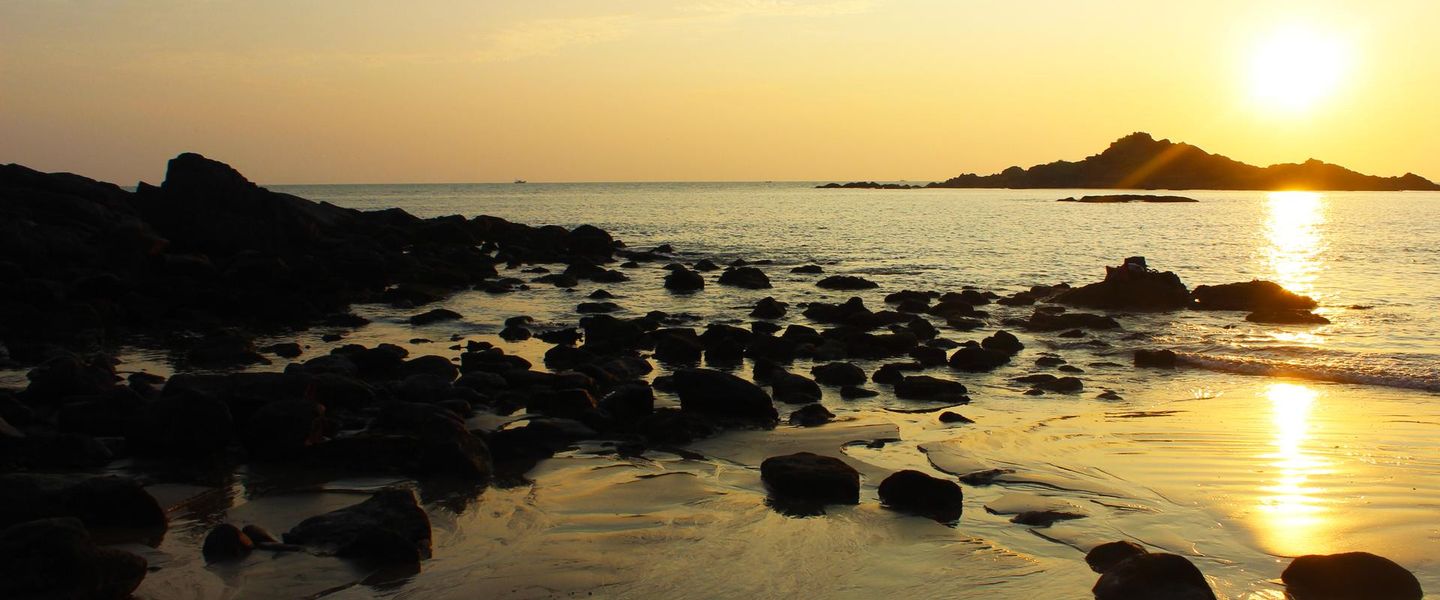


Gokarna, India blends sacred temples, palm-fringed beaches and coastal trails with seafood, village life and a quieter Arabian Sea escape in Karnataka.
A Temple Town on the Arabian Sea
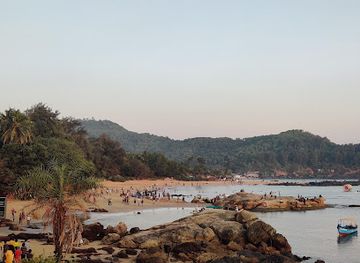
Gokarna lies on Karnataka’s central-western coast, where the Arabian Sea meets a landscape of laterite headlands, coconut groves, fishing settlements and sandy coves. The town is best known as a major Hindu pilgrimage centre, centred on the Mahabaleshwar Temple and the worship of Shiva, yet its coastal setting has given it a second identity as a relaxed beach destination. Gokarna’s character comes from the meeting of these two worlds: pilgrims move through streets lined with traditional houses and temple buildings, while travellers follow footpaths towards Kudle Beach, Om Beach, Half Moon Beach and Paradise Beach.Read more about Gokarna
Beaches, Headlands and Village Landscapes
Pilgrimage, Food and Slow Coastal Travel
When is the best time to visit Gokarna?
Best: December–February · 32–33°C| Month | High (°C) | Rainfall (mm) |
|---|---|---|
| January (best) | 32 | 1 |
| February (best) | 32 | 1 |
| March | 34 | 1 |
| April | 36 | 1 |
| May | 36 | 1 |
| June | 36 | 6 |
| July | 35 | 10 |
| August | 35 | 10 |
| September | 35 | 10 |
| October | 35 | 7 |
| November | 35 | 3 |
| December (best) | 33 | 1 |
Getting to and around Gokarna
How to get there
Transportation
Best attractions in Gokarna
Gokarna’s main attractions combine a historic pilgrimage quarter with a chain of beaches and coastal walks. The Mahabaleshwar Temple anchors the old town, while the nearby Koti Tirtha tank and other religious sites reveal the settlement’s sacred character. South of town, Kudle Beach has a broad sandy sweep backed by palms, and Om Beach is recognised by its two-lobed shape and headland setting. Smaller Half Moon Beach and Paradise Beach offer more secluded coastal scenery, although access can vary with weather, tides and local arrangements. The routes between beaches pass through scrub, rocky slopes and coconut-growing areas rather than a developed promenade. The main bazaar, temple streets and surrounding villages provide a different experience from the shore, with glimpses of local commerce, pilgrimage activity and fishing life. Yana’s dramatic limestone karst formations and the historic port town of Honnavar lie farther away in the wider region, not within Gokarna itself, and require separate travel planning.
-
Tourist attraction
Hilltop Sunset View
Experience breathtaking sunsets and panoramic coastal views from this serene hilltop retreat in Gokarna, Karnataka.
-
Tourist attraction
Jatayu Teertha
Discover the mythological significance and natural beauty of Jatayu Teertha, a serene hilltop retreat in Gokarna.
-
Tourist attraction
Harrbali Viewpoint
Discover Gokarna's beauty from Harrbali Viewpoint: panoramic vistas, serene tranquility, and unforgettable sunsets.
-
Campground
Gokarna Adventure
Experience Gokarna's serene beaches, cultural richness, and adventurous camping at Gokarna Adventure. A perfect coastal getaway!
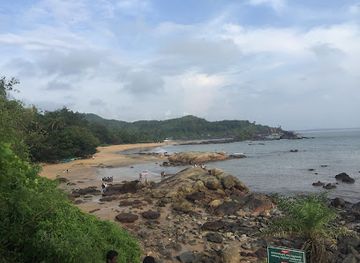


Best landmarks in Gokarna
The Mahabaleshwar Temple is Gokarna’s defining built landmark, a major Shiva shrine whose rituals and pilgrimage traditions give the town its enduring cultural identity. Nearby Koti Tirtha, a sacred water tank surrounded by shrines and houses, forms part of the old town’s religious landscape. On the coast, Om Beach is the best-known natural landmark, its paired curves creating the outline associated with the sacred syllable Om when viewed from above or from the surrounding slopes. Kudle Beach, Half Moon Beach and Paradise Beach are less monumental but significant as a connected sequence of sandy coves, rocky headlands and palm-fringed shore. The headlands and laterite terrain between them shape both the views and the walking routes. Traditional temple streets, small shrines and the working shoreline complete a landmark landscape in which natural features and religious geography remain closely linked.
-
Public beach
Gokarna Main Beach
Discover Gokarna Main Beach, a stunning coastal paradise in Karnataka offering sun-kissed sands, vibrant culture, and breathtaking sunsets.
-
 Hindu temple
Shri Mahabaleshwara Temple (Gokarna)
Explore the enchanting Shri Mahabaleshwara Temple in Gokarna, a spiritual haven known for its stunning architecture and rich cultural heritage.
-
Backpacker Hostel
Zostel Gokarna
Experience the essence of Gokarna at Zostel, a vibrant backpacker hostel near pristine beaches and rich cultural heritage.
-
Tourist attraction
Hilltop Sunset View
Experience breathtaking sunsets at Hilltop Sunset View in Gokarna, a scenic spot that offers stunning ocean vistas and a peaceful atmosphere.
Explore Gokarna on the map
Plan your trip on one map. See where the top attractions, landmarks, restaurants and hotels are, and book hotels and experiences in a few clicks.
Best hotels in Gokarna
Best restaurants in Gokarna
Gokarna’s food scene is concentrated in the town, around the main bazaar and temple quarter, and in seasonal cafés near the better-known beaches. Vegetarian South Indian food is especially prominent, with dishes based on rice, lentils, vegetables, coconut and dosa or idli traditions reflecting the town’s pilgrimage culture. Along the wider Karnataka coast, seafood, fish curry, rice and coconut preparations are also important, although individual beach cafés and restaurants vary in their menus and operating periods. Visitors staying at the beaches may find a mixture of simple cafés, guesthouse kitchens and casual eateries rather than a dense restaurant district. Gokarna town is the more dependable base for everyday meals, provisions and local snacks, while nearby coastal villages offer a less tourist-oriented glimpse of regional food habits. Seasonal businesses can reduce their services during the monsoon, so meal planning is useful outside the main town.
-
Hotel
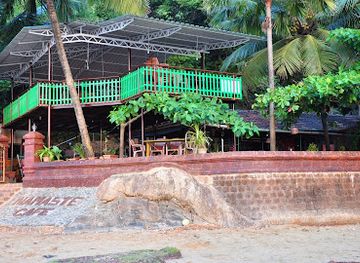
Namaste Cafe
Experience culinary bliss at Namaste Cafe in Gokarna - where delicious food meets stunning beach views.
-
Seafood
White Elephant Restaurant & Cottages
Discover delightful seafood and local cuisine at White Elephant Restaurant & Cottages in Gokarna – where taste meets tranquility.
-
Restaurant
Mantra Cafe
Discover the vibrant culinary scene at Mantra Cafe in Gokarna, where delicious food meets breathtaking beach views.
-
French
Chez Christophe Gokarna French Café since 2010
Savor authentic French cuisine at Chez Christophe Gokarna, where culinary excellence meets coastal charm in India's hidden gem.
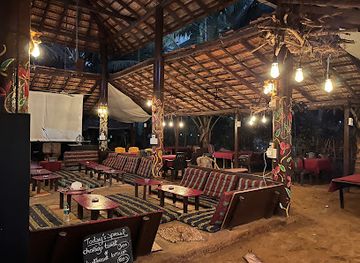
Best bars in Gokarna
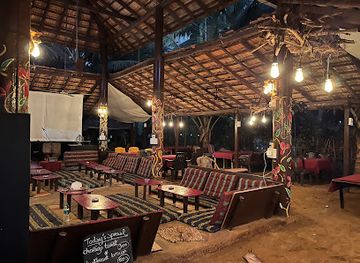
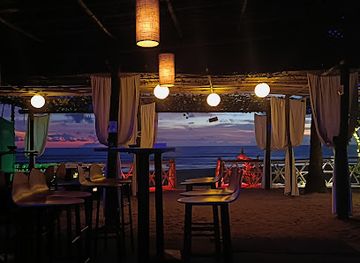
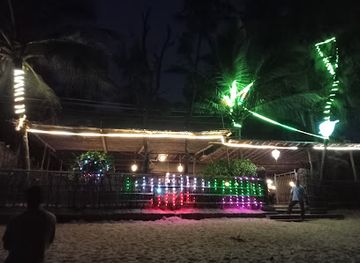
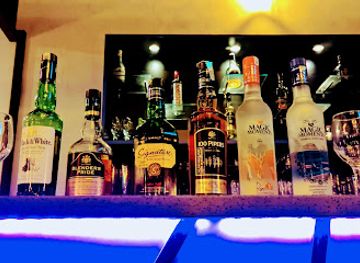
Gokarna is not a major nightlife destination, and its evening atmosphere is shaped more by temple observance, beach walks, guesthouse cafés and quiet conversation than by clubs. Restaurants and seasonal cafés around Kudle and Om beaches may serve drinks and remain sociable after sunset, but availability, licensing and closing arrangements vary. In the main town, religious customs and early-morning pilgrimage activity favour a restrained atmosphere, particularly around the Mahabaleshwar Temple and other sacred spaces. Some travellers gather informally at beach accommodation, while others return to the bazaar for a meal and a walk through the illuminated temple streets. Loud music, public drinking and photography should be approached sensitively near local communities and religious areas. Anyone seeking a larger bar or entertainment scene would need to look to a more developed resort or city elsewhere on the Karnataka or Goa coast rather than expecting one within Gokarna.
-
Restaurant
Namaste Cafe
Discover the flavors of Gokarna at Namaste Cafe, a tranquil spot by the beach offering a variety of delicious dishes and stunning ocean views.
-
Restaurant
Mantra Cafe
Experience the vibrant flavors of Gokarna at Mantra Cafe, where every dish tells a story of local ingredients and culinary passion.
-
Restaurant
Sunset Cafe Beach Stay Gokarna
Experience the fusion of stunning views and delectable cuisine at Sunset Cafe Beach Stay in Gokarna, Karnataka.
-
Camping farm
Halfway Home Gokarna
Embrace nature and comfort at Halfway Home Gokarna, where adventure meets tranquility near the beautiful Kudle Beach.
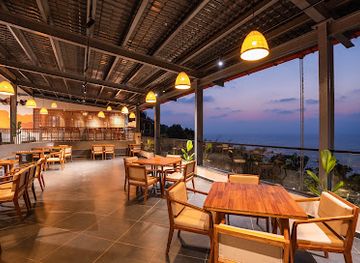
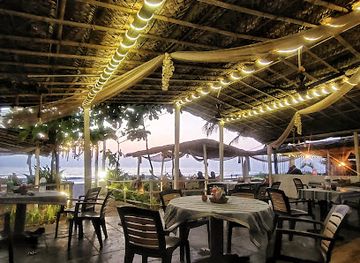
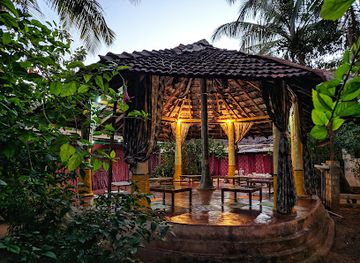
Best nightclubs in Gokarna
Gokarna is not a major nightlife destination, and its evening atmosphere is shaped more by temple observance, beach walks, guesthouse cafés and quiet conversation than by clubs. Restaurants and seasonal cafés around Kudle and Om beaches may serve drinks and remain sociable after sunset, but availability, licensing and closing arrangements vary. In the main town, religious customs and early-morning pilgrimage activity favour a restrained atmosphere, particularly around the Mahabaleshwar Temple and other sacred spaces. Some travellers gather informally at beach accommodation, while others return to the bazaar for a meal and a walk through the illuminated temple streets. Loud music, public drinking and photography should be approached sensitively near local communities and religious areas. Anyone seeking a larger bar or entertainment scene would need to look to a more developed resort or city elsewhere on the Karnataka or Goa coast rather than expecting one within Gokarna.
-
French
Chez Christophe Gokarna French Café since 2010
Experience the charm of French cuisine at Chez Christophe, Gokarna's premier café offering a cozy ambiance and coastal views.
-
Restaurant
Marine - Uana Cafe, Dorm & Lounge, Gokarna
Discover the vibrant Marine Uana Cafe in Gokarna—where adventure meets relaxation along the stunning coastline of Karnataka.
-
Hotel
Nirvana Cafe
Discover Nirvana Cafe, where flavors unite in a tranquil setting near Om Beach, Gokarna, offering a diverse menu for every taste.
-
Restaurant
Om restobar
Experience the vibrant flavors of Gokarna at Om Restobar, a perfect blend of local and international cuisine in a lively atmosphere.
Best shops in Gokarna
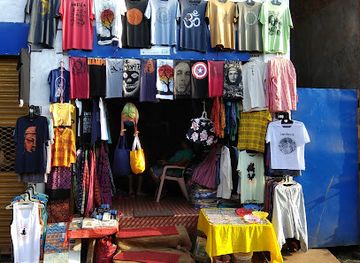
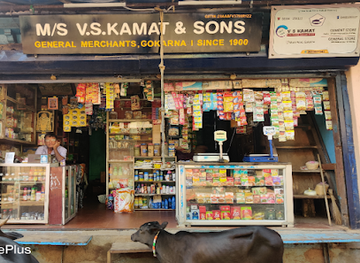
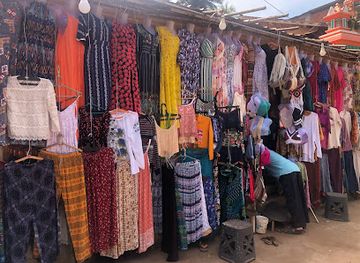
Shopping in Gokarna is modest and practical rather than organised around a large commercial district. The main bazaar near the temple quarter is the principal place for everyday provisions, clothing, religious items, snacks and small souvenirs, while beach areas have seasonal stalls and independent shops aimed at visitors. Travellers may encounter cotton clothing, simple jewellery, incense, devotional articles and locally produced food items, although quality and availability vary. The town’s strongest cultural purchases are often connected with pilgrimage and regional cooking rather than a single signature craft tradition. Small shops and vendors in surrounding villages serve local needs, and larger or more varied retail options are more likely in nearby coastal towns such as Kumta or Karwar. Bargaining practices differ by shop and item; respectful, unhurried transactions are preferable, especially in the temple market and among small family-run businesses.
-
Clothing store
Raghav Collections
Discover unique clothing and local fashion at Raghav Collections, a must-visit store in Gokarna, Karnataka's coastal paradise.
-
Indian grocery store
M/S V.S.Kamat & Sons
Explore a treasure trove of Indian spices and local delicacies at M/S V.S.Kamat & Sons, Gokarna's premier grocery store.
-
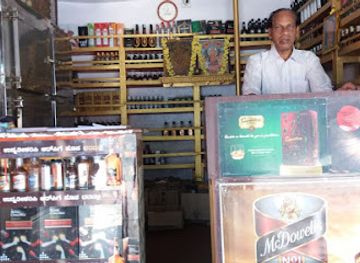
Wine store
Vanashree Wine Shop
Experience the rich flavors of local wines at Vanashree Wine Shop in Gokarna, Karnataka, where every bottle tells a story.
-
Market
Shopping Street
Discover the vibrant shopping street in Gokarna, where local crafts, delicious street food, and a lively atmosphere await every traveler.
Get your free copy of our complete guide to Gokarna, delivered straight to you.
Everything on this page, from attractions and restaurants to essentials and local phrases, in one PDF you can read offline, print or share.
Already have an account? Sign in
Your Gokarna guide is ready.
We'll send it to · Not you? Sign out

Getting your guide ready…
We are putting together a fresh copy of the Gokarna guide. This can take up to a minute.
This can take a few moments. If your browser asks, choose Allow so the download can start. You'll find the guide in your Downloads folder.
Nothing happened? Download it again
Sorry, the guide is taking longer than usual. Please try again in a minute, or get it by email instead.
Gokarna essentials
Currency and Payment
Safety
Emergency Situations
Do's and Don'ts
Local Tips
From Eve
Local phrases worth knowing
You don't need to get them perfect. A few words go a long way, and locals appreciate the effort.
Basics
| English | Local | Say it |
|---|---|---|
| Hello | नमस्कार | [Namaskara] |
| Goodbye | अलविदा | [Alvida] |
| Yes | हाँ | [Haan] |
| No | नहीं | [Nahi] |
| Please/You're welcome | कृपया | [Kripaya] |
| Thank you | धन्यवाद | [Dhanyavad] |
| Excuse me/Sorry | क्षमा कीजिए | [Kshama keejiye] |
| How are you? | आप कैसे हैं? | [Aap kaise hain?] |
| Fine. And you? | ठीक हूँ। आप? | [Theek hoon. Aap?] |
| Do you speak English? | क्या आप अंग्रेज़ी बोलते हैं? | [Kya aap angrezi bolte hain?] |
| I don't understand | मुझे समझ में नहीं आया | [Mujhe samajh mein nahi aaya] |
Eating & Drinking
| English | Local | Say it |
|---|---|---|
| I'd like to see the menu, please | कृपया मेन्यू देखना चाहूँ | [Kripaya menu dekhna chahoon] |
| I don't eat meat | मैं मांस नहीं खाता/खाती | [Main maans nahi khaata/khaati] |
| Cheers! | चियर्स! | [Cheers!] |
| I would like to pay, please | कृपया मैं भुगतान करना चाहूँ | [Kripaya main bhugtan karna chahoon] |
Emergencies
| English | Local | Say it |
|---|---|---|
| Help! | बचाओ! | [Bachao!] |
| Go away! | चले जाओ! | [Chale jao!] |
| Call the Police! | पुलिस को बुलाओ! | [Police ko bulao!] |
| Call a doctor! | डॉक्टर को बुलाओ! | [Doctor ko bulao!] |
| I'm lost | मैं खो गया/गई हूँ | [Main kho gaya/gayi hoon] |
| I'm ill | मुझे बीमारी है | [Mujhe bimari hai] |
Shopping
| English | Local | Say it |
|---|---|---|
| I'd like to buy... | मैं... खरीदना चाहूँ | [Main... khareedna chahoon] |
| I'm just looking | मैं सिर्फ देख रहा/रही हूँ | [Main sirf dekh raha/rahi hoon] |
| How much is it? | यह कितने का है? | [Yeh kitne ka hai?] |
| That's too expensive | यह बहुत महंगा है | [Yeh bahut mahanga hai] |
| Can you lower the price? | क्या आप कीमत कम कर सकते हैं? | [Kya aap keemat kam kar sakte hain?] |
Time & Numbers
| English | Local | Say it |
|---|---|---|
| What time is it? | अब कितने बजे हैं? | [Ab kitne baje hain?] |
| It's one o'clock | एक बजे हैं | [Ek baje hain] |
| Half past (10) | दस बजकर पंद्रह मिनट हैं | [Das baje ke pandrah minute hain] |
| Morning | सुबह | [Subah] |
| Afternoon | दोपहर | [Dopahar] |
| Evening | शाम | [Shaam] |
| Yesterday | कल | [Kal] |
| Today | आज | [Aaj] |
| Tomorrow | कल | [Kal] |
| 1 | एक | [Ek] |
| 2 | दो | [Do] |
| 3 | तीन | [Teen] |
| 4 | चार | [Char] |
| 5 | पाँच | [Paanch] |
| 6 | छह | [Chhah] |
| 7 | सात | [Saat] |
| 8 | आठ | [Aath] |
| 9 | नौ | [Nau] |
| 10 | दस | [Das] |
Transport & Directions
| English | Local | Say it |
|---|---|---|
| Where's a/the...? | ... कहाँ है? | [... kahan hai?] |
| What's the address? | पता क्या है? | [Pata kya hai?] |
| Can you show me (on the map)? | क्या आप मुझे दिखा सकते हैं (नक्शे पर)? | [Kya aap mujhe dikha sakte hain (naksha par)?] |
| When's the next (bus)? | अगली (बस) कब है? | [Agli (bus) kab hai?] |
| A ticket (to ....) | एक टिकट (.... के लिए) | [Ek ticket (... ke liye)] |
History of Gokarna
A Sacred Landscape of Shiva
Gokarna’s historical identity is inseparable from Hindu pilgrimage. The town is associated with the Mahabaleshwar Temple, one of the principal places of worship dedicated to Shiva in the region, and with the revered Atmalinga tradition. Its name is commonly interpreted through the Sanskrit words for cow and ear, reflecting a longstanding religious foundation myth. Whether encountered through temple ritual, pilgrimage routes or the annual Shivaratri celebrations, this sacred geography continues to shape the town’s streets, customs and visitor experience.
Temple Town and Coastal Settlement
For centuries Gokarna developed as a settlement serving pilgrims, local farming communities and the maritime life of the Karnataka coast. The temple quarter, traditional homes and bazaar evolved around religious activity, while coconut cultivation, fishing and small-scale trade connected the town with neighbouring coastal villages. The surrounding landscape was not an empty wilderness but a lived-in mosaic of groves, fields, paths and shorelines. This relationship between sacred institutions and coastal livelihoods remains visible in the contrast between the compact old town and the more dispersed beaches.
A Changing Coastal Economy
Gokarna’s beaches were introduced gradually to a wider travelling public as improvements in road and rail access made the coast easier to reach. Pilgrimage remained central, but guesthouses, seasonal cafés and informal tourism developed around Kudle and Om beaches, with quieter accommodation extending towards the smaller southern coves. Tourism has brought new income and international visibility while also increasing pressure on water, waste management, coastal vegetation and local access. The resulting landscape still retains a village character in many stretches, although development patterns continue to change.
Pilgrimage, Conservation and Modern Gokarna
Contemporary Gokarna balances several overlapping roles: a religious town, a coastal holiday base, a fishing and farming area, and a gateway to beaches valued for their scenery. Temple festivals and pilgrimage traffic can transform the atmosphere of the old town, while the monsoon resets the rhythm of the beaches and often limits seasonal tourism. Responsible travel is particularly important along the shore, where visitors need to respect religious spaces, local livelihoods, dune and vegetation cover, and the changing conditions of coastal paths and waters.
Gokarna in Photos
Browse through our photo collection highlighting the charm and character of the destination.
Neighbouring destination travel guides
The closest destinations to Gokarna, if you have time for more than one.
-

-

-

-

-


Swipe for more destinations
Explore more

Explore more of Western Ghats
Discover the Western Ghats: A UNESCO World Heritage Site teeming with rich biodiversity, stunning landscapes, and thrilling outdoor adventures in India's verdant heart.
Explore Western Ghats
Explore more of India
Discover the magic of India, where diverse landscapes, rich heritage, and vibrant culture come together to create an unforgettable travel experience.
Explore India