

Free Western Ghats Travel Guide & Mobile App
Explore Western Ghats with free travel guides. Discover regional history, expert tips, proposed trips, and audio guides on web or mobile app.


Explore India’s Western Ghats for rainforest wildlife, tea and coffee hills, ancient forts, waterfalls and monsoon-shaped mountain landscapes.
Read more about Western Ghats
When is the best time to visit Western Ghats?
Best: November–January · 27–30°C| Month | High (°C) | Rainfall (mm) |
|---|---|---|
| January (best) | 30 | 10 |
| February | 32 | 15 |
| March | 34 | 20 |
| April | 36 | 30 |
| May | 35 | 100 |
| June | 31 | 300 |
| July | 29 | 400 |
| August | 29 | 400 |
| September | 30 | 300 |
| October | 29 | 100 |
| November (best) | 28 | 30 |
| December (best) | 27 | 10 |
Getting to and around Western Ghats
How to get there
Transportation
Top city travel guides in Western Ghats
The cities of Western Ghats, and the easiest places to base yourself.
-

-

-

-

-

-


Swipe for more cities
Destinations in Western Ghats
Resorts, valleys and scenic spots worth a trip of their own.
-

-

-

-


Swipe for more destinations
Best attractions in Western Ghats
The Western Ghats offer a broad but widely dispersed range of experiences. In Maharashtra, steep Sahyadri escarpments, monsoon waterfalls and hill forts such as Raigad, Pratapgad and Sinhagad combine history with demanding walks and panoramic viewpoints. Goa’s inland hills and protected forests provide a quieter counterpoint to the coast, while Karnataka’s Kodagu, Chikmagalur and Kudremukh landscapes are associated with coffee, forest trails and high rainfall. Kerala contributes Wayanad, Silent Valley, Periyar and the tea country around Munnar, with guided wildlife excursions, plantation visits and mountain walks. The Nilgiris and Anaimalai Hills offer grassland, shola forest and distinctive highland scenery, including the protected landscapes around Ooty and Valparai. Birdwatching, photography, rafting on selected rivers, cycling, rock climbing and short nature walks are available in different districts, subject to local conditions. Some areas are best experienced through forest departments or licensed naturalists, and the attraction is often the relationship between habitat, farming and settlement rather than a single monument. Monsoon travel brings powerful waterfalls and saturated forest colour but also occasional closures, while the clearer months are generally easier for long-distance touring and outdoor activity.
-
Aguada Fort
Explore Aguada Fort, a historical fortress in Goa offering breathtaking views of the Arabian Sea and a glimpse into the region's colonial past.
-
Basilica
Basilica of Bom Jesus
Explore the Basilica of Bom Jesus, a UNESCO World Heritage Site in Old Goa, known for its stunning baroque architecture and rich history.
-
Tourist attraction
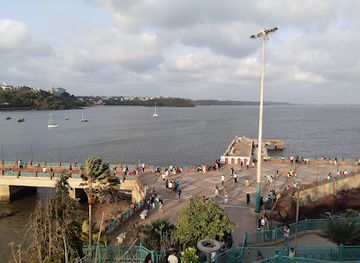
Dona Paula View Point
Discover the stunning vistas at Dona Paula View Point, where the Arabian Sea meets breathtaking sunsets, a must-see for every traveler in Goa.
-
Beach
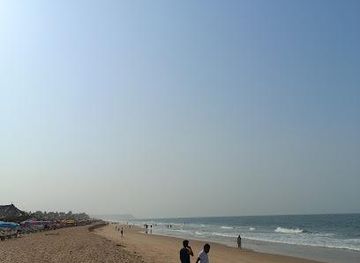
Calangute Beach
Experience the vibrant culture, stunning sunsets, and thrilling water sports at Calangute Beach, a premier destination in Goa's coastal paradise.


Best landmarks in Western Ghats
The Western Ghats’ most recognisable landmarks range from fortified ridges to highland escarpments and forested peaks. In Maharashtra, Raigad Fort, Pratapgad and Sinhagad express the strategic importance of the Sahyadri passes and remain closely tied to Maratha history. The Karla and Bhaja caves, near routes through the northern Ghats, preserve important Buddhist rock-cut architecture and inscriptions. Karnataka’s Kudremukh massif is notable for its rounded grass-covered ridges and dramatic forest setting, while the Nilgiri Hills provide a distinctive highland landscape of shola woodland, open grassland and colonial-era hill development. In Kerala, the summit and slopes of Anamudi form a major mountain landmark within the broader Eravikulam landscape, and the Palakkad Gap is a striking natural break that has long connected the interior with the west coast. Agasthyamalai in the southern Ghats carries both ecological and religious significance, with forests, steep ridges and river catchments extending across Kerala and Tamil Nadu. These places are not interchangeable scenic viewpoints: each reflects a different combination of geology, water, history, biodiversity or cultural meaning.
-
 Fortress
Aguada Fort
Explore Aguada Fort, a historical fortress in Goa offering stunning views of the Arabian Sea and a glimpse into the region's rich colonial past.
-
Fortress
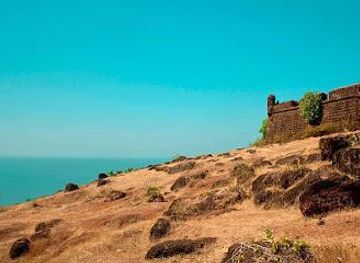
Chapora Fort
Experience the rich history and breathtaking views of Chapora Fort, a must-visit landmark in Goa that enchants every traveler.
-
Fortress
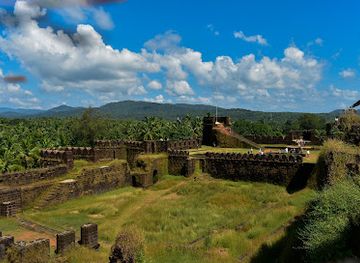
Mirjan Fort
Explore the majestic Mirjan Fort, a historical gem in Karnataka that captures the essence of India's rich heritage and offers breathtaking coastal views.
-
Historical landmark
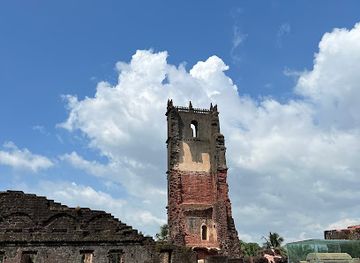
St. Augustine Tower
Explore the St. Augustine Tower, a historical landmark in Old Goa, where history meets breathtaking architecture and serene beauty.
Explore Western Ghats on the map
Plan your trip on one map. See where the top cities, national parks and sights are, and book hotels and experiences in a few clicks.
Best hotels in Western Ghats
Best restaurants in Western Ghats
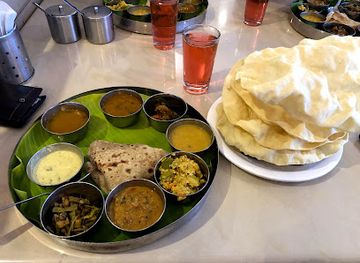
Food in the Western Ghats reflects the range’s many states, languages and ecological zones rather than a single mountain cuisine. Maharashtrian hill towns serve dishes such as bhakri, pithla, misal and seasonal produce, while the Malnad areas of Karnataka are known for rice-based meals, greens, spices and local interpretations of meat and fish dishes. Kodagu is associated with coffee and distinctive pork preparations, although recipes vary between households and communities. Kerala’s highlands bring pepper, cardamom, coconut, tapioca, appam, stews and richly spiced vegetarian and non-vegetarian cooking, while Tamil highland areas add millet, vegetable and South Indian tiffin traditions. Tea estates, coffee plantations and spice-growing districts provide an agricultural context for local drinks and produce, but plantation products are not necessarily traditional dishes. Eating options range from roadside eateries and market stalls to hotels, cafés, rural homestays and contemporary restaurants in larger towns. In remote areas, meals may need to be arranged in advance, and menus can be more regional and seasonal than visitors expect.
-
Resort hotel
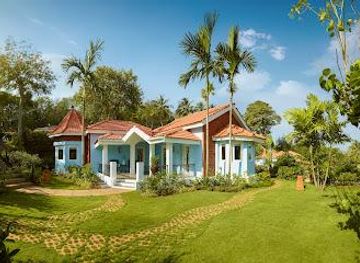
Taj Fort Aguada Resort & Spa, Goa
Iconic beachfront luxury where 17th-century Portuguese fort meets Arabian Sea splendor, indulgent spa rituals, and family adventures in Goa's Candolim haven.
-
Restaurant
Hotel Gurubhavan
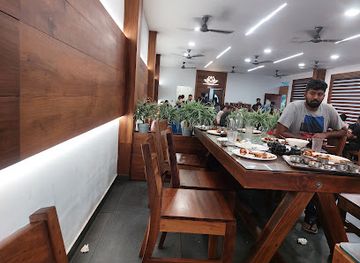
Experience authentic Kerala cuisine at Hotel Gurubhavan in Munnar—your go-to destination for delicious breakfasts and flavorful seafood.
-
South Indian
Saravana Bhavan
Experience authentic South Indian vegetarian cuisine at Saravana Bhavan in Munnar - where every meal is a celebration of flavor.
-
South Indian
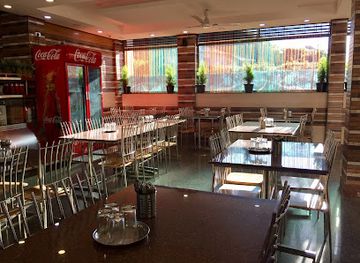
Prakrithi Multi Cuisine Restaurant
Experience authentic South Indian cuisine amidst the breathtaking landscapes of Munnar at Prakrithi Multi Cuisine Restaurant.
Best bars in Western Ghats
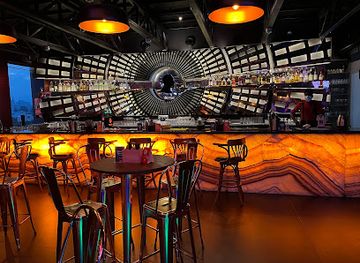
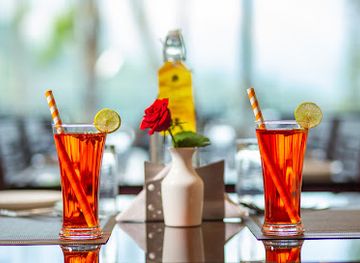
Evening life in the Western Ghats is generally quieter and more town-based than in India’s major cities. Hill stations such as Lonavala, Mahabaleshwar, Ooty, Munnar and parts of Wayanad have hotel restaurants, cafés and a modest selection of bars, while larger gateway towns offer more varied dining and live music. In plantation districts, evenings often centre on homestays, local restaurants and conversation rather than clubs. Traditional pubs and bars are more common in some Karnataka and Maharashtra towns, whereas Kerala’s alcohol licensing rules and state-specific regulations can shape where visitors may drink. Goa’s inland Ghats have access to the state’s broader hospitality scene, but nightlife is more concentrated nearer the coast and should not be assumed in remote mountain villages. Check local rules, carry identification where required and avoid driving on winding roads after drinking. Seasonal visitor crowds can make certain resorts busier, but there is no single nightlife district representing the entire range.
-
Lounge
Sherlock’s Lounge And Kitchen
Experience the vibrant atmosphere and delectable dishes at Sherlock’s Lounge and Kitchen, a top dining destination in Coimbatore's Brookefields Mall.
-
Restaurant
Cloud Castle Restaurant
Discover Cloud Castle Restaurant in Munnar, Kerala, where exquisite cuisine meets stunning views for an unforgettable dining experience.
-
Restaurant
The Silvertips Munnar
Discover the enchanting Silvertips Munnar, where cinematic themes meet luxury accommodations amidst the breathtaking landscapes of Kerala.
-
Grill
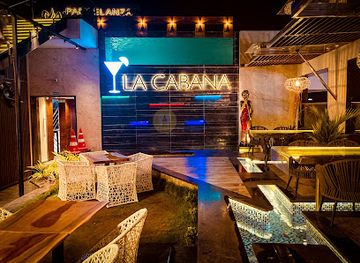
La Cabana Rooftop Bar and Grill
Experience stunning city views while dining on exquisite grilled delicacies at La Cabana Rooftop Bar and Grill in Coimbatore.
Best nightclubs in Western Ghats
Evening life in the Western Ghats is generally quieter and more town-based than in India’s major cities. Hill stations such as Lonavala, Mahabaleshwar, Ooty, Munnar and parts of Wayanad have hotel restaurants, cafés and a modest selection of bars, while larger gateway towns offer more varied dining and live music. In plantation districts, evenings often centre on homestays, local restaurants and conversation rather than clubs. Traditional pubs and bars are more common in some Karnataka and Maharashtra towns, whereas Kerala’s alcohol licensing rules and state-specific regulations can shape where visitors may drink. Goa’s inland Ghats have access to the state’s broader hospitality scene, but nightlife is more concentrated nearer the coast and should not be assumed in remote mountain villages. Check local rules, carry identification where required and avoid driving on winding roads after drinking. Seasonal visitor crowds can make certain resorts busier, but there is no single nightlife district representing the entire range.
-
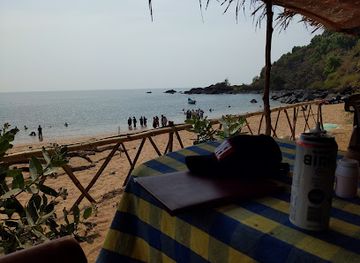
Restaurant
Lazy Beach Cafe Gokarna
Experience the serene beauty and delightful flavors at Lazy Beach Cafe in Gokarna, Karnataka. A must-visit for every traveler!
-
Night club
Adimali Club
Unleash your night at Adimali Club – Kerala's vibrant nightlife destination for music, dancing, and unforgettable experiences.
-
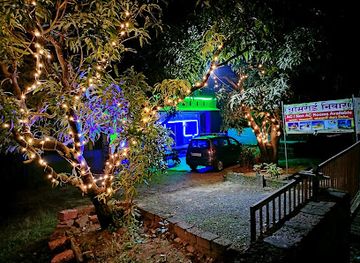
Home Stay
The Amrai Niwas
Experience the charm of Malvan at The Amrai Niwas, a cozy home stay by Wairy Beach with delightful dining and local hospitality.
-
Indian
Half Moon Beach Samudra Cafe
Experience the flavors of India at Half Moon Beach Samudra Cafe, where culinary delights meet the beauty of Gokarna's coastline.
Best shops in Western Ghats
Shopping in the Western Ghats is usually linked to market towns, plantations and local food production rather than large-scale retail. Visitors can look for roasted coffee from Karnataka and Kerala, tea from the Nilgiris and Munnar, cardamom, pepper, clove and other spices, provided products are purchased from reputable sellers and packed for travel. Mahabaleshwar and surrounding Maharashtra are associated with seasonal fruit products, while hill markets across the range sell honey, preserves, chocolate, millet products and locally made snacks. Craft and souvenir choices vary by district and may include bamboo work, textiles, woodwork, pottery and regional handicrafts, though quality and provenance should be checked carefully. Larger towns such as Pune, Mangaluru, Mysuru, Kochi and Coimbatore, many of which are gateways rather than mountain destinations, provide broader retail options. In rural markets, carry cash and ask permission before photographing stalls or artisans. Buying directly from cooperatives, established plantation outlets and genuine craft organisations is preferable to purchasing products made from protected plants, animal materials or unverified cultural claims.
-
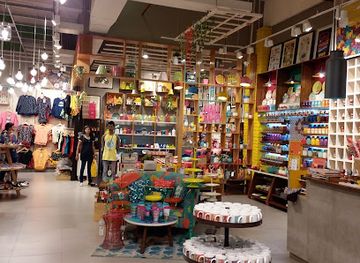
Shopping mall
LuLu International Shopping Mall
Discover the ultimate shopping experience at LuLu International Shopping Mall in Kochi, where luxury and local charm meet.
-
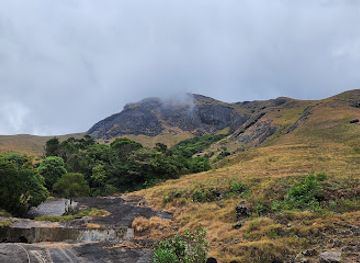
National park
Eravikulam National Park
Explore the breathtaking Eravikulam National Park in Kerala, home to rich biodiversity and stunning landscapes, perfect for nature lovers and adventure seekers.
-
Handicraft
Cauvery Handicrafts Emporium (KSHDCL)
Explore the rich heritage of Indian handicrafts at Cauvery Handicrafts Emporium, a must-visit destination for art lovers and souvenir hunters in Bengaluru.
-
Silk store
Badsha Stores - The Silk Experience Since 1965
Discover the rich heritage of silk at Badsha Stores, Mysuru's premier destination for exquisite sarees and designer clothing since 1965.

Get your free copy of our complete guide to Western Ghats, delivered straight to you.
Everything on this page, from attractions and restaurants to essentials and local phrases, in one PDF you can read offline, print or share.
Already have an account? Sign in
Your Western Ghats guide is ready.
We'll send it to · Not you? Sign out

Getting your guide ready…
We are putting together a fresh copy of the Western Ghats guide. This can take up to a minute.
This can take a few moments. If your browser asks, choose Allow so the download can start. You'll find the guide in your Downloads folder.
Nothing happened? Download it again
Sorry, the guide is taking longer than usual. Please try again in a minute, or get it by email instead.
Western Ghats essentials
Currency and Payment
Safety
Emergency Situations
Do's and Don'ts
Local Tips
From Eve
Local phrases worth knowing
You don't need to get them perfect. A few words go a long way, and locals appreciate the effort.
Basics
| English | Local | Say it |
|---|---|---|
| Hello | नमस्ते | [Namaste] |
| Goodbye | अलविदा | [Alvida] |
| Yes | हाँ | [Haan] |
| No | नहीं | [Nahin] |
| Please/You're welcome | कृपया/आपका स्वागत है | [Kripya/Aapka Swagat Hai] |
| Thank you | धन्यवाद | [Dhanyavaad] |
| Excuse me/Sorry | माफ कीजिए/क्षमा करें | [Maaf Kijiye/Kshama Karein] |
| How are you? | आप कैसे हैं? | [Aap Kaise Hain?] |
| Fine. And you? | ठीक है। और आप? | [Theek Hai. Aur Aap?] |
| Do you speak English? | क्या आप अंग्रेजी बोलते हैं? | [Kya Aap Angrezi Bolte Hain?] |
| I don't understand | मुझे समझ नहीं आ रहा है | [Mujhe Samajh Nahin Aa Raha Hai] |
Eating & Drinking
| English | Local | Say it |
|---|---|---|
| I'd like to see the menu, please | कृपया मेनू दिखाइए | [Kripya Menu Dikhaiye] |
| I don't eat meat | मैं मांस नहीं खाता/खाती | [Main Maas Nahin Khata/Khati] |
| Cheers! | स salud! | [Salud!] |
| I would like to pay, please | कृपया मुझे बिल देना | [Kripya Mujhe Bill Dena] |
Emergencies
| English | Local | Say it |
|---|---|---|
| Help! | बचाओ! | [Bachao!] |
| Go away! | जाओ दूर! | [Jaao Door!] |
| Call the Police! | पुलिस को बुलाओ! | [Police Ko Bulao!] |
| Call a doctor! | डॉक्टर को बुलाओ! | [Doctor Ko Bulao!] |
| I'm lost | मैं खो गया हूँ | [Main Kho Gaya Hoon] |
| I'm ill | मैं बीमार हूँ | [Main Beemar Hoon] |
Shopping
| English | Local | Say it |
|---|---|---|
| I'd like to buy... | मैं खरीदना चाहता/चाहती हूँ... | [Main Kharidna Chahta/Chahti Hoon...] |
| I'm just looking | मैं बस देख रहा/रही हूँ | [Main Bas Dekh Raha/Rahi Hoon] |
| How much is it? | यह कितना है? | [Yah Kitna Hai?] |
| That's too expensive | यह बहुत महंगा है | [Yah Bahut Mehnga Hai] |
| Can you lower the price? | क्या आप कीमत कम कर सकते हैं? | [Kya Aap Keemat Kam Kar Sakte Hain?] |
Time & Numbers
| English | Local | Say it |
|---|---|---|
| What time is it? | क्या समय हुआ है? | [Kya Samay Hua Hai?] |
| It's one o'clock | यह एक बजे है | [Yah Ek Baje Hai] |
| Half past (10) | साढे (10) | [Saade (10)] |
| Morning | सुबह | [Subah] |
| Afternoon | दोपहर | [Dopahar] |
| Evening | शाम | [Shaam] |
| Yesterday | कल | [Kal] |
| Today | आज | [Aaj] |
| Tomorrow | कल | [Kal] |
| 1 | 1 | [1] |
| 2 | 2 | [2] |
| 3 | 3 | [3] |
| 4 | 4 | [4] |
| 5 | 5 | [5] |
| 6 | 6 | [6] |
| 7 | 7 | [7] |
| 8 | 8 | [8] |
| 9 | 9 | [9] |
| 10 | 10 | [10] |
Transport & Directions
| English | Local | Say it |
|---|---|---|
| Where's a/the...? | एक/वह ... कहाँ है? | [Ek/Vah ... Kahan Hai?] |
| What's the address? | पता क्या है? | [Pata Kya Hai?] |
| Can you show me (on the map)? | क्या आप मुझे (नक्शे पर) दिखा सकते हैं? | [Kya Aap Mujhe (Nakshe Par) Dikha Sakte Hain?] |
| When's the next (bus)? | अगली (बस) कब है? | [Agli (Bus) Kab Hai?] |
| A ticket (to ....) | एक टिकट (.... के लिए) | [Ek Ticket (.... Ke Liye)] |
History of Western Ghats
Ancient Landscapes and Early Trade Routes
The Western Ghats are an ancient geological mountain system whose present landforms have been shaped by long erosion, uplift and monsoon activity. Human communities have used the passes and valleys for thousands of years, linking the Deccan plateau with the Arabian Sea coast and the southern plains. Archaeological evidence across the wider region includes megalithic burials, rock shelters and early settlements, while historic trade carried spices, forest products and metals between inland communities and coastal ports. The mountains were not an isolated frontier: they formed a corridor through which languages, religions, crops and political influence moved.
Buddhist Cave Centres and Early Kingdoms
From the last centuries BCE into the early centuries CE, Buddhist communities established cave monasteries and trading settlements along routes crossing the northern and central Ghats. The rock-cut complexes at Karla and Bhaja near the major passes of present-day Maharashtra are especially important survivors, with prayer halls, monastic cells and inscriptions connected to merchants and rulers. Across the southern ranges, early Tamil, Kannada, Malayalam and Sanskrit traditions developed alongside the influence of dynasties including the Cheras, Kadambas, Chalukyas and later regional powers. These foundations shaped the sacred and commercial geography of the mountain belt.
Medieval Temples, Ports and Mountain Polities
During the medieval period, control of passes, river valleys and western ports brought the Ghats into the orbit of powerful kingdoms and trading networks. The Hoysala, Vijayanagara, Zamorin and other southern polities influenced routes and settlements, while Arab and later European maritime commerce intensified the value of pepper, cardamom and other commodities. Temple complexes, fortified settlements and agricultural systems expanded in many valleys. In the north, the rise of the Marathas gave the mountain ridges renewed strategic importance, with forts positioned to control approaches across the Sahyadri ranges.
Maratha Forts and the Politics of the Sahyadris
From the seventeenth century, the rugged northern Ghats became central to the state-building of Shivaji and the Maratha polity. Forts such as Raigad, Pratapgad and Sinhagad occupied ridges and steep spurs, using terrain, water storage and narrow approaches for defence. Their significance extended beyond military architecture: they became symbols of regional power and later of Maratha historical memory. Conflict between the Marathas, the Mughal Empire and the British reshaped administration across the Deccan, while older routes through the passes continued to connect upland markets with coastal centres.
Colonial Hill Stations and Plantation Economies
British rule altered many highland landscapes through roads, railways, forest administration and the creation of hill stations. Places such as Mahabaleshwar, Matheran, Ooty in the Nilgiris and Munnar developed as seasonal retreats, though their histories also involved local communities and existing agricultural systems. Commercial cultivation of coffee, tea, cinchona, cardamom and later rubber expanded in suitable districts, often changing land ownership and labour patterns. Colonial forestry policies classified and managed forests primarily for administrative and commercial purposes, leaving a legacy that still influences conservation and land use.
Conservation and the Modern Biodiversity Mission
Post-independence India saw rapid growth in roads, dams, cities, plantations and industry across the Ghats, alongside growing concern over habitat loss and river catchment degradation. Wildlife protection laws and the creation of national parks, wildlife sanctuaries, tiger reserves and biosphere reserves brought large parts of the range under formal conservation. The Western Ghats were inscribed as a UNESCO World Heritage property in 2012 through a serial collection of protected areas across several states. Conservation today involves balancing biodiversity protection with farming, hydropower, tourism, transport and the rights and livelihoods of forest-dependent communities.
Monsoon Science, Water and Contemporary Change
The Ghats remain central to the water security and climate of peninsular India. Their western slopes receive heavy monsoon rainfall, feeding rivers that supply farms, towns and reservoirs, while forest cover helps regulate streams and soils. Research into endemic species, changing rainfall patterns and landscape fragmentation has made the range important to modern ecology. At the same time, landslides, unplanned construction, quarrying, fires and pressure from tourism have exposed the vulnerability of mountain communities and infrastructure. Contemporary travel therefore takes place within a landscape where conservation and development are closely connected.
Western Ghats in Photos
Browse through our photo collection highlighting the charm and character of the destination.
Neighbouring regions of Western Ghats
The closest regions to Western Ghats, if you have time for more than one.
-

-

-
-

-


Swipe for more regions
Explore more

Explore more of India
Discover the magic of India, where diverse landscapes, rich heritage, and vibrant culture come together to create an unforgettable travel experience.
Explore India