

Mahabaleshwar Travel Guide - Free Web & App
Your ultimate guide to Mahabaleshwar. Discover top landmarks, proposed trips, and local tips. Free on the web or via the Evendo companion app.


Mahabaleshwar, India, draws visitors to Western Ghats viewpoints, strawberry farms, forest walks, Venna Lake and the historic source of the Krishna River.
Plateaux, Forests and Valley Views
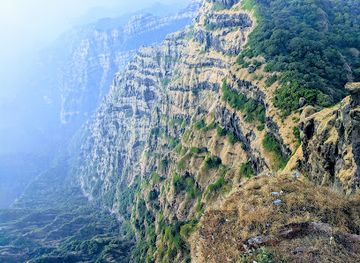
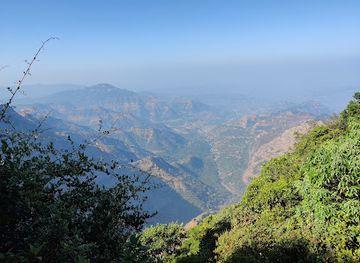
Mahabaleshwar rises on a high, lateritic plateau in Maharashtra’s Western Ghats, around 120 kilometres south-west of Pune. Its wooded hills, deep valleys and winding roads form one of the state’s best-known highland retreats, with viewpoints opening towards the Krishna valley, the Konkan escarpment and the surrounding Sahyadri ranges. The landscape is divided between the more developed resort around Mahabaleshwar town, the older settlement of Old Mahabaleshwar, and extensive forested slopes where seasonal streams descend as waterfalls. Venna Lake, Lingmala Falls, Arthur’s Seat, Wilson Point and Elephant’s Head Point are among the most visited sights, although mist, monsoon rain and changing visibility strongly influence the experience.Read more about Mahabaleshwar
History, Farms and Sacred Geography
Exploring the Region
When is the best time to visit Mahabaleshwar?
Best: July–August, November · 25°C| Month | High (°C) | Rainfall (mm) |
|---|---|---|
| January | 24 | 3 |
| February | 25 | 2 |
| March | 29 | 2 |
| April | 33 | 1 |
| May | 33 | 0 |
| June | 28 | 0 |
| July (best) | 25 | 0 |
| August (best) | 25 | 0 |
| September | 26 | 0 |
| October | 26 | 1 |
| November (best) | 25 | 2 |
| December | 23 | 2 |
Getting to and around Mahabaleshwar
How to get there
Transportation
Best attractions in Mahabaleshwar
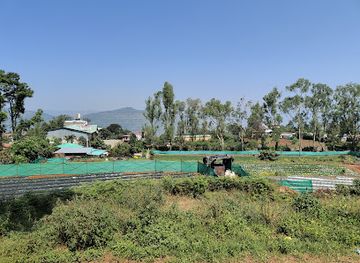
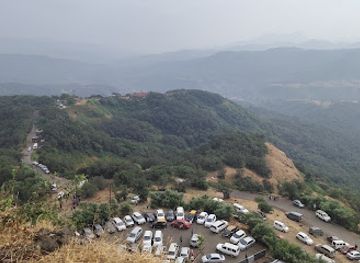
Mahabaleshwar’s attractions are spread across a forested plateau rather than concentrated in one pedestrian centre. Venna Lake is the principal recreational water body, with boating and lakeside activity subject to local operation and conditions. Wilson Point, the highest point in the hill station, is known for broad sunrise and plateau views, while Arthur’s Seat and Elephant’s Head Point look across the steep valleys and escarpments of the Western Ghats. Lingmala Falls is particularly associated with the rainy season, when streams strengthen, though access and footing need care. Old Mahabaleshwar offers the Panch Ganga and Krishna temples, linking sightseeing with sacred geography. Pratapgad Fort, reached by road from the wider hill-station area, provides a major historical excursion, while the Mahabaleshwar–Panchgani road passes strawberry farms and food-producing businesses. Nearby Panchgani and Wai are separate destinations that can be combined with Mahabaleshwar in a broader itinerary.
-
Tourist attraction
Mapro Garden
Discover the beauty of nature and indulge in delicious treats at Mapro Garden, a must-visit tourist attraction in Mahabaleshwar, Maharashtra.
-
Tourist attraction
Venna Lake Boating
Experience the beauty of Venna Lake Boating in Mahabaleshwar, where adventure meets tranquility in a stunning natural setting.
-
Museum
Hollywood Wax Museum & Aquarium
Experience the magic of Hollywood and the wonders of the ocean at the Hollywood Wax Museum & Aquarium in Mahabaleshwar.
-
Tourist attraction
Parsi Point
Discover the breathtaking vistas of Parsi Point in Panchgani, Maharashtra, a perfect blend of nature and tranquility for every traveler.
Best landmarks in Mahabaleshwar
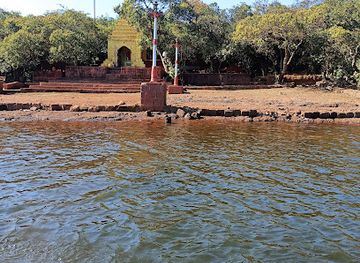
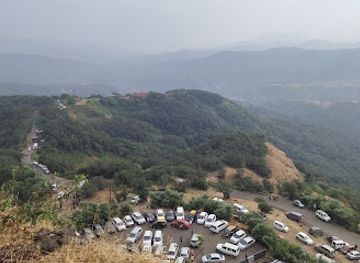
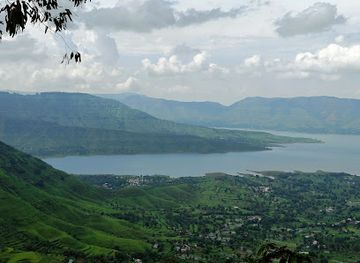
Mahabaleshwar’s defining landmarks are largely natural: the high Western Ghats plateau, steep Krishna valley escarpments, forested ridges and viewpoints such as Arthur’s Seat, Wilson Point and Elephant’s Head Point. Lingmala Falls is a prominent seasonal feature where water descends from the elevated landscape, with its appearance changing markedly between dry and wet periods. The Panch Ganga Temple and Krishna Temple at Old Mahabaleshwar are important cultural landmarks because they connect the area with the traditional sources and convergence of sacred rivers. Pratapgad Fort, outside the immediate town but within the usual Mahabaleshwar touring circuit, occupies a strategically placed ridge and represents the military history of the Maratha period. Venna Lake, shaped by the development of the hill station, is another recognisable part of Mahabaleshwar’s modern landscape.
-
Tourist attraction
Mapro Garden
Explore the enchanting Mapro Garden in Mahabaleshwar, where natural beauty meets delicious strawberry treats and delightful shopping experiences.
-
Tourist attraction
Venna Lake Boating
Discover the enchanting beauty of Venna Lake Boating in Mahabaleshwar, where adventure meets tranquility in a picturesque setting.
-
Museum
Hollywood Wax Museum & Aquarium
Immerse yourself in the star-studded world of the Hollywood Wax Museum & Aquarium, where celebrity encounters and aquatic wonders await in Mahabaleshwar.
-
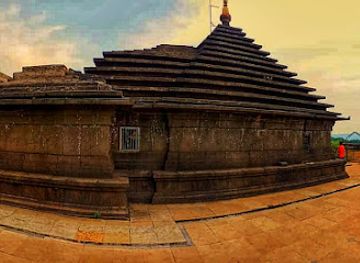
Hindu temple
Mahabaleshwar Temple
Experience the spiritual beauty of Mahabaleshwar Temple, a revered Hindu site set amidst the tranquil hills of Maharashtra.
Explore Mahabaleshwar on the map
Plan your trip on one map. See where the top attractions, landmarks, restaurants and hotels are, and book hotels and experiences in a few clicks.
Best hotels in Mahabaleshwar
Best restaurants in Mahabaleshwar
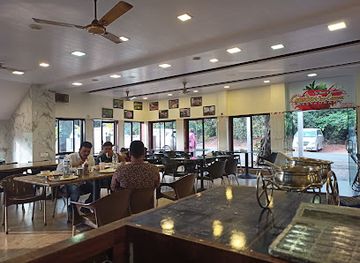
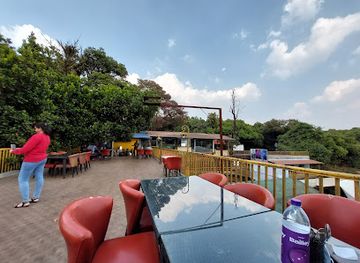
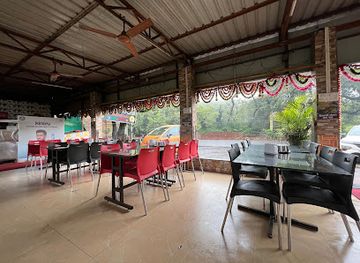
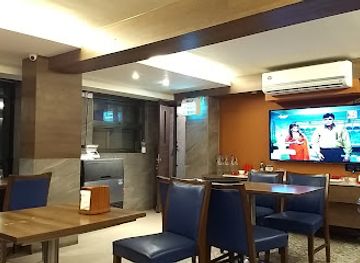
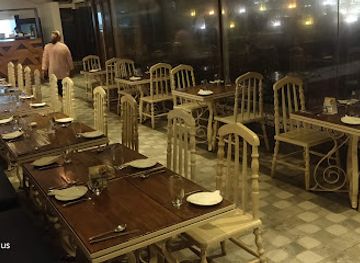
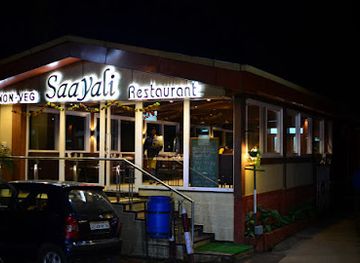
Dining in Mahabaleshwar is concentrated around the main town, hotel areas and the roads towards Panchgani, with smaller choices near busy viewpoints and visitor stops. Menus commonly reflect Maharashtrian cooking alongside North Indian, South Indian, Chinese and familiar café fare, while local farms give strawberries, mulberries, raspberries, corn and other seasonal produce a visible place in snacks, desserts, preserves and drinks. Strawberry cream and fruit-based products are strongly associated with the hill-station experience, although recipes and quality vary between establishments. Village eateries and roadside stalls can offer simple regional meals, bhakri and other local specialities, while Old Mahabaleshwar has food options linked to temple visitors rather than a large restaurant district. Visitors staying outside the town should plan meals ahead, as rural viewpoints and farm areas do not form a continuous dining scene.
-
Restaurant
Garden Ice Cream Restaurant
Discover delicious ice cream delights amidst the scenic beauty of Mahabaleshwar at Garden Ice Cream Restaurant.
-
Vegetarian
FOOD STUDIO PURE VEG
Savor authentic vegetarian delights at Food Studio Pure Veg in Mahabaleshwar - your go-to spot for diverse Indian cuisines.
-
Indian
Shivshahi (Strawberry point) Restaurant
Experience authentic Indian cuisine with breathtaking views at Shivshahi Restaurant in Mahabaleshwar.
-
Family-friendly
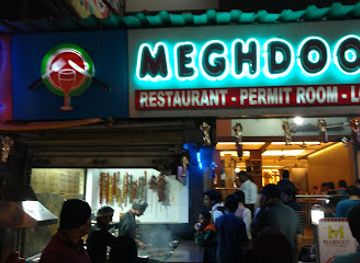
Meghdoot Restaurant
Experience delightful Indian and Chinese cuisine at Meghdoot Restaurant in Mahabaleshwar—perfect for families and travelers alike.
Best bars in Mahabaleshwar
Mahabaleshwar is a quiet hill station rather than a nightlife destination. Evening activity centres on hotel dining rooms, cafés and a limited number of licensed bars associated with larger accommodation properties, while traditional eateries and local restaurants generally provide a more characteristic night-time setting than clubs. The town’s wooded surroundings, cooler evenings and dispersed settlement pattern mean that entertainment usually consists of conversation, food and short walks in well-used areas rather than late-night venues. Panchgani and Wai have their own modest evening scenes, but they should not be treated as extensions of Mahabaleshwar’s town centre. Visitors should check current licensing and operating arrangements locally, particularly outside peak holiday periods, and should avoid driving on unfamiliar winding roads after drinking.
-
Family-friendly
Meghdoot Restaurant
Discover the flavors of India and China at Meghdoot Restaurant in Mahabaleshwar, a perfect family-friendly dining spot.
-
Restaurant
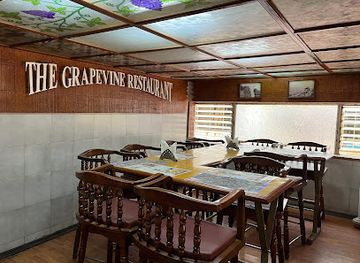
The Grapevine Restaurant
Savor the flavors of Mahabaleshwar at The Grapevine Restaurant, renowned for its delectable crab burger and inviting ambiance.
-
Italian
Farmhouse Bistro Restaurant
Experience authentic Italian cuisine in the heart of Mahabaleshwar at Farmhouse Bistro, where every meal is a delightful journey of flavors.
-
Chinese
The Sizzler Place
Experience the vibrant flavors of China at The Sizzler Place in Mahabaleshwar, a culinary gem in a breathtaking hill station.
Best nightclubs in Mahabaleshwar
Mahabaleshwar is a quiet hill station rather than a nightlife destination. Evening activity centres on hotel dining rooms, cafés and a limited number of licensed bars associated with larger accommodation properties, while traditional eateries and local restaurants generally provide a more characteristic night-time setting than clubs. The town’s wooded surroundings, cooler evenings and dispersed settlement pattern mean that entertainment usually consists of conversation, food and short walks in well-used areas rather than late-night venues. Panchgani and Wai have their own modest evening scenes, but they should not be treated as extensions of Mahabaleshwar’s town centre. Visitors should check current licensing and operating arrangements locally, particularly outside peak holiday periods, and should avoid driving on unfamiliar winding roads after drinking.
-
Family-friendly
Meghdoot Restaurant
Explore the flavors of India and China at Meghdoot Restaurant, a family-friendly dining gem in Mahabaleshwar, Maharashtra.
-
Club
The Club Mahabaleshwar
Experience luxury and nature at The Club Mahabaleshwar, where stunning views and exceptional amenities create a perfect getaway.
-
Bar
MIX- Lounge Bar
Experience the vibrant atmosphere and exquisite drink selection at MIX- Lounge Bar, Mahabaleshwar's luxurious lounge destination.
-
Pub
Longitude 73
Experience the perfect blend of café comfort and pub excitement at Longitude 73 in Mahabaleshwar, where every visit is a delightful escape.
Best shops in Mahabaleshwar
Shopping in Mahabaleshwar is oriented towards regional food products, small souvenirs and everyday visitor goods rather than extensive retail. The main town and roads towards Panchgani contain stalls and shops selling strawberries when in season, along with fruit preserves, syrups, honey, jams, chikki, fudge and other packaged treats associated with the hill-station economy. Local handicraft and souvenir choices may include simple wooden items, textiles and decorative products, but the range varies between businesses and should not be confused with a major artisan centre. Farm outlets and roadside sellers provide opportunities to buy produce directly or semi-directly from the surrounding agricultural area, although visitors should check packaging and transport requirements for perishable goods. Larger, more general shopping needs are best handled in Mahabaleshwar town or on the journey through regional centres such as Wai, Panchgani or Satara.
-
General store
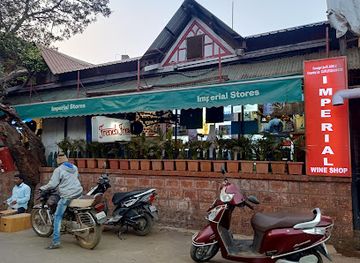
Imperial Stores
Explore Mahabaleshwar's Imperial Stores for local goods, essentials, and a unique shopping experience in the heart of nature's beauty.
-
Clothing store
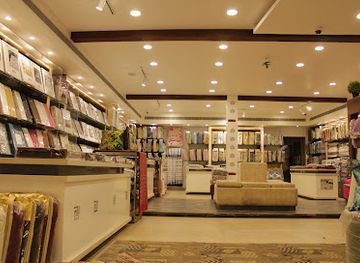
PALLOD Mahabaleshwar
Experience the fusion of tradition and modern fashion at PALLOD Mahabaleshwar, your go-to destination for exquisite sarees and stylish clothing.
-
Craft store
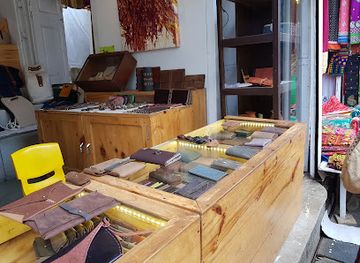
Raw Gallery
Explore the vibrant world of handcrafted artistry at Raw Gallery, a unique craft store in Mahabaleshwar, showcasing local artisan treasures.
-
Clothing store
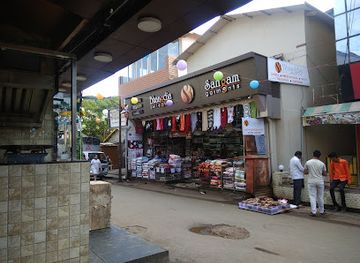
BHANGDIA COLLECTION AND SANGAM GARMENTS
Discover unique clothing at Bhangdia Collection and Sangam Garments in Mahabaleshwar, where local craftsmanship meets modern fashion.
Get your free copy of our complete guide to Mahabaleshwar, delivered straight to you.
Everything on this page, from attractions and restaurants to essentials and local phrases, in one PDF you can read offline, print or share.
Already have an account? Sign in
Your Mahabaleshwar guide is ready.
We'll send it to · Not you? Sign out

Getting your guide ready…
We are putting together a fresh copy of the Mahabaleshwar guide. This can take up to a minute.
This can take a few moments. If your browser asks, choose Allow so the download can start. You'll find the guide in your Downloads folder.
Nothing happened? Download it again
Sorry, the guide is taking longer than usual. Please try again in a minute, or get it by email instead.
Mahabaleshwar essentials
Currency and Payment
Safety
Emergency Situations
Do's and Don'ts
Local Tips
From Eve
Local phrases worth knowing
You don't need to get them perfect. A few words go a long way, and locals appreciate the effort.
Basics
| English | Local | Say it |
|---|---|---|
| Hello | नमस्कार | [Namaskar] |
| Goodbye | अलविदा | [Alvida] |
| Yes | हाँ | [Haan] |
| No | नहीं | [Nahi] |
| Please/You're welcome | कृपया | [Kripaya] |
| Thank you | धन्यवाद | [Dhanyavad] |
| Excuse me/Sorry | क्षमा करें | [Kshama karein] |
| How are you? | आप कैसे हैं? | [Aap kaise hain?] |
| Fine. And you? | ठीक हूँ। आप? | [Theek hoon. Aap?] |
| Do you speak English? | क्या आप अंग्रेज़ी बोलते हैं? | [Kya aap angrezi bolte hain?] |
| I don't understand | मुझे समझ नहीं आया | [Mujhe samajh nahi aaya] |
Eating & Drinking
| English | Local | Say it |
|---|---|---|
| I'd like to see the menu, please | कृपया मेन्यू दिखाएं | [Kripaya menu dikhayein] |
| I don't eat meat | मैं मांस नहीं खाता | [Main maans nahi khaata] |
| Cheers! | चियर्स! | [Cheers!] |
| I would like to pay, please | कृपया मुझे भुगतान करने दे | [Kripaya mujhe bhugtan karne de] |
Emergencies
| English | Local | Say it |
|---|---|---|
| Help! | बचाओ! | [Bachao!] |
| Go away! | चले जाओ! | [Chale jao!] |
| Call the Police! | पुलिस को बुलाओ! | [Police ko bulao!] |
| Call a doctor! | डॉक्टर को बुलाओ! | [Doctor ko bulao!] |
| I'm lost | मैं खो गया हूँ | [Main kho gaya hoon] |
| I'm ill | मुझे बीमारी है | [Mujhe bimari hai] |
Shopping
| English | Local | Say it |
|---|---|---|
| I'd like to buy... | मैं खरीदना चाहूँगा... | [Main khareedna chahunga...] |
| I'm just looking | मैं बस देख रहा हूँ | [Main bas dekh raha hoon] |
| How much is it? | यह कितने का है? | [Yeh kitne ka hai?] |
| That's too expensive | यह बहुत महंगा है | [Yeh bahut mehenga hai] |
| Can you lower the price? | क्या आप कीमत कम कर सकते हैं? | [Kya aap kimat kam kar sakte hain?] |
Time & Numbers
| English | Local | Say it |
|---|---|---|
| What time is it? | अभी कितने बजे हैं? | [Abhi kitne baje hain?] |
| It's one o'clock | एक बजे हैं | [Ek baje hain] |
| Half past (10) | दस बजे तक | [Das baje tak] |
| Morning | सुबह | [Subah] |
| Afternoon | दोपहर | [Dopahar] |
| Evening | शाम | [Shaam] |
| Yesterday | कल | [Kal] |
| Today | आज | [Aaj] |
| Tomorrow | कल | [Kal] |
| 1 | एक | [Ek] |
| 2 | दो | [Do] |
| 3 | तीन | [Teen] |
| 4 | चार | [Char] |
| 5 | पांच | [Paanch] |
| 6 | छह | [Chhah] |
| 7 | सात | [Saath] |
| 8 | आठ | [Aath] |
| 9 | नौ | [Nau] |
| 10 | दस | [Das] |
Transport & Directions
| English | Local | Say it |
|---|---|---|
| Where's a/the...? | कहाँ है...? | [Kahan hai...?] |
| What's the address? | पता क्या है? | [Pata kya hai?] |
| Can you show me (on the map)? | क्या आप मुझे दिखा सकते हैं (नक्शे पर)? | [Kya aap mujhe dikha sakte hain (naksha par)?] |
| When's the next (bus)? | अगली (बस) कब है? | [Agli (bus) kab hai?] |
| A ticket (to ....) | एक टिकट (को...) | [Ek ticket (ko...)] |
History of Mahabaleshwar
A Western Ghats Plateau
Mahabaleshwar occupies a high plateau of the Sahyadri range, part of the Western Ghats, whose basalt landscape was shaped by ancient volcanic activity and later erosion. Deep valleys and seasonal streams cut through the plateau, while heavier rainfall on the elevated escarpment supports dense vegetation compared with the drier lowlands below. The region’s physical form explains both its dramatic viewpoints and its long appeal as a cooler upland environment. Geological time belongs to a much older history than the human settlements, temples and roads that later developed across the hills.
Sacred Rivers and Old Mahabaleshwar
The older settlement of Mahabaleshwar has long been associated with Hindu pilgrimage and sacred river traditions. At the Panch Ganga Temple, local belief connects five rivers, including the Krishna, with a shared sacred source, while the Krishna Temple nearby venerates the traditional origin of one of peninsular India’s major rivers. The temples and surrounding village preserve a religious landscape that predates the modern resort identity. Pilgrimage, local agriculture and forest resources shaped the area before hill-station roads and colonial buildings altered patterns of access.
The Maratha Fort Landscape
Mahabaleshwar stands within the broader historical landscape of the Maratha state. Pratapgad Fort, on a ridge to the south-west of the hill station, was built in the seventeenth century during the reign of Chhatrapati Shivaji Maharaj and became associated with the encounter between Shivaji and Afzal Khan in 1659. The fort’s position reflects the military value of the Sahyadri passes, which connected the Deccan plateau with the Konkan coast. Although Pratapgad is a separate heritage destination reached from Mahabaleshwar, its history is central to understanding the surrounding hills.
The Colonial Hill Station
Mahabaleshwar developed as a British hill station in the early nineteenth century, when officials sought cooler summer surroundings away from the lowland heat. The settlement was formerly known as Malcolm Peth, a name associated with Sir John Malcolm, and roads, bungalows and institutional buildings gradually gave the plateau a new administrative and residential role. British interest did not erase the older sacred settlement at Old Mahabaleshwar; instead, two overlapping identities emerged, with the colonial resort and the religious landscape functioning as distinct parts of the area.
Farms, Tourism and Conservation
Over time, Mahabaleshwar’s cool, wet climate helped support fruit cultivation, especially strawberries and other soft fruits, while hotels, viewpoints and road improvements expanded leisure tourism. Monsoon waterfalls, forested slopes and valley scenery became key attractions, and nearby Panchgani developed its own hill-station and boarding-school character. Modern tourism has brought greater traffic and construction pressure, making responsible waste management, protection of forest habitats and careful treatment of water sources increasingly important. The destination today is therefore shaped by pilgrimage, agriculture, heritage tourism and the continuing need to manage a sensitive highland environment.
Mahabaleshwar in Photos
Browse through our photo collection highlighting the charm and character of the destination.
Neighbouring destination travel guides
The closest destinations to Mahabaleshwar, if you have time for more than one.
-

-

-

-

-


Swipe for more destinations
Explore more
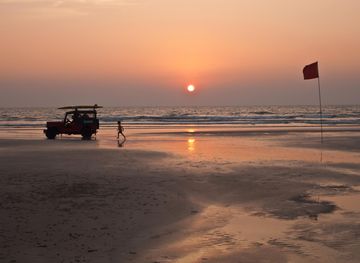
Explore more of Konkan Coast
Discover the pristine beaches, lush greenery, and rich cultural heritage of India's Konkan Coast, a hidden gem stretching from Maharashtra to Karnataka.
Explore Konkan Coast
Explore more of India
Discover the magic of India, where diverse landscapes, rich heritage, and vibrant culture come together to create an unforgettable travel experience.
Explore India