Tomb of Muhammad Ghaus: A Mughal Marvel
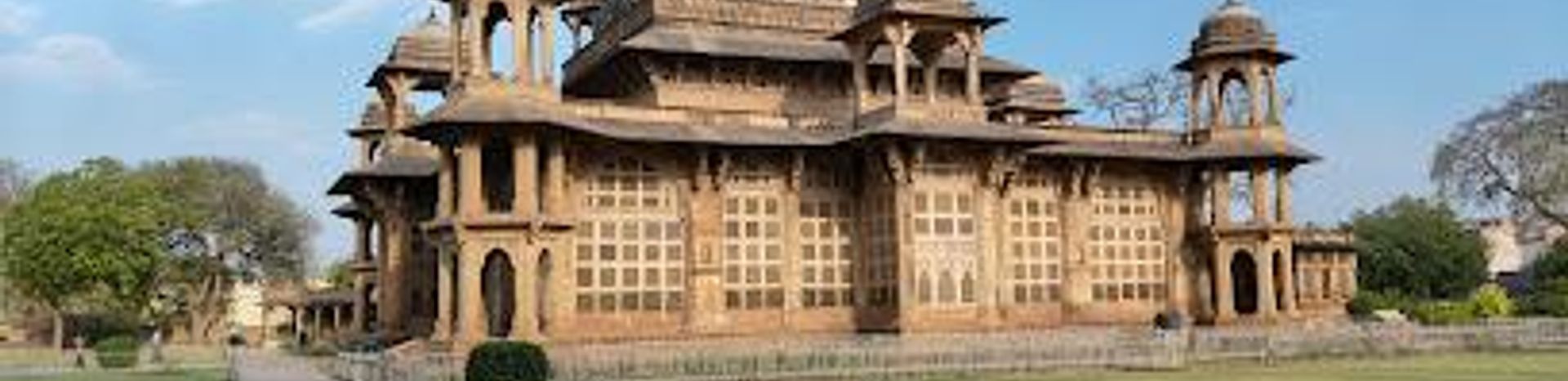
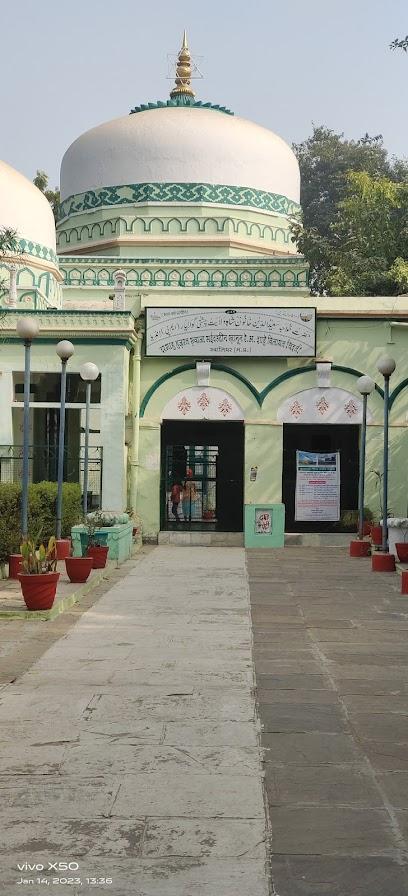
Explore the serene Tomb of Muhammad Ghaus in Gwalior, a masterpiece of Mughal architecture and a tribute to a revered Sufi saint.
The Tomb of Muhammad Ghaus in Gwalior is a 16th-century mausoleum dedicated to the Sufi saint Muhammad Ghaus, a revered figure during the Mughal era. The tomb showcases stunning Mughal architecture with intricate carvings and latticework, offering a serene and historically rich experience.
A brief summary to Tomb of Muhammad Ghaus
- 65JJ+83M, 27 B, Tansen Rd, Gwalior, Tansen Nagar, Madhya Pradesh, 474002, IN
- +917552558250
- Visit website
- Monday 6 am-6 pm
- Tuesday 6 am-6 pm
- Wednesday 6 am-6 pm
- Thursday 6 am-6 pm
- Friday 6 am-6 pm
- Saturday 6 am-6 pm
- Sunday 6 am-6 pm
Local tips
- Visit early in the morning or late afternoon to avoid crowds and enjoy the peaceful atmosphere.
- Wear comfortable shoes as you'll be walking through gardens and exploring the tomb complex.
- Hire a local guide to learn more about the history and significance of the tomb and its surrounding areas.

Getting There
-
Walking
From the Tansen Tomb, walk approximately 500 meters north along Tansen Road. The Tomb of Muhammad Ghaus will be on your left. This is a straightforward walk and should take about 5-10 minutes. There are no specific costs involved.
-
Public Transport
From Gwalior Railway Station, take a local city bus towards Tansen Nagar. The bus fare is approximately ₹10-₹20. Get off at the Tansen Nagar bus stop, which is a 5-minute walk to the tomb. From there, walk along Tansen Road to reach the Tomb of Muhammad Ghaus.
-
Taxi/Ride-share
From Gwalior Fort, hire a taxi or ride-share service (Ola/Uber) to the Tomb of Muhammad Ghaus. The ride is approximately 3 km and should cost around ₹88 - ₹112. The journey takes about 10-15 minutes, depending on traffic.
Discover more about Tomb of Muhammad Ghaus
Iconic landmarks you can’t miss

Karn Mahal
1.1 km
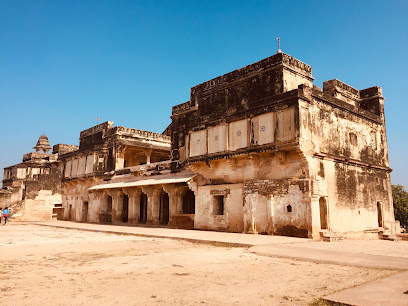
Explore Karn Mahal, a stunning historical landmark in Gwalior, showcasing exquisite architecture and a glimpse into India's royal heritage.
Man mandir palace
1.1 km
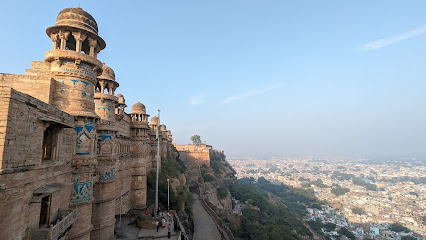
Explore the Man Mandir Palace - a stunning historical landmark in Gwalior Fort, showcasing intricate architecture and rich royal history.
Dargah Hazrat Khwaja Khanoon Sb, Gwalior 474003
1.1 km
Experience the spiritual serenity and architectural beauty of Dargah Hazrat Khwaja Khanoon Sb in Gwalior, a sacred site for pilgrims and travelers alike.
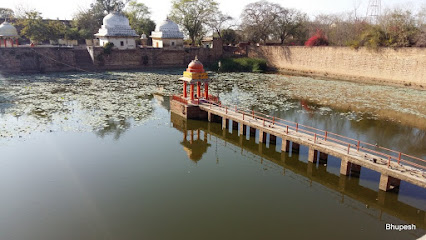
Suraj Kund
1.6 km
Discover the tranquility of Suraj Kund, a serene lake in Gwalior, surrounded by rich history and stunning natural beauty.
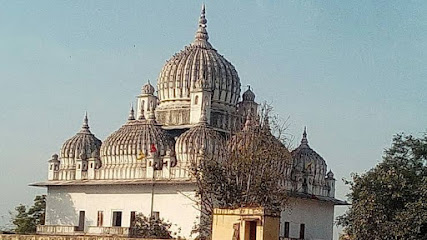
Shri Koteshwar Mahadev Temple - Gwalior District, Madhya Pradesh, India
1.6 km
Experience the spiritual tranquility and architectural beauty of Shri Koteshwar Mahadev Temple in Gwalior, a must-visit Hindu temple and historical landmark.
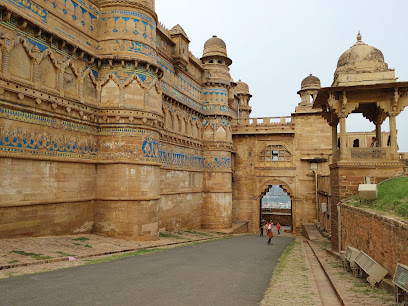
Siddhanchal Jain Temple Caves
1.8 km
Discover the Siddhanchal Jain Temple Caves in Gwalior, a serene blend of spirituality and stunning ancient architecture amidst majestic fort views.
Gurudwara Data Bandi Chhod Sahib Gwalior
1.8 km
Discover spiritual tranquility and rich Sikh heritage at Gurudwara Data Bandi Chhod Sahib in Gwalior, a must-visit landmark for every traveler.
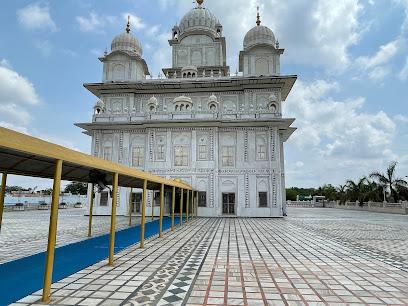
Urvai gate gwalior fort
2.0 km
Discover the grandeur of the Urvai Gate at Gwalior Fort, a historical marvel showcasing India's rich architectural heritage.
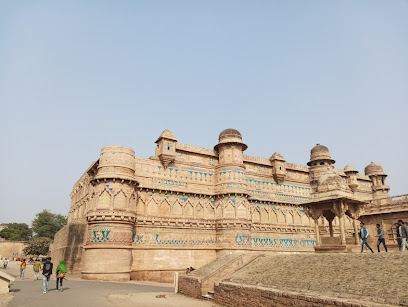
ग्वालियर पुराना पड़ाव गेट
2.1 km
Experience the rich heritage and breathtaking views at Gwalior Fort, a historical landmark showcasing India's architectural brilliance.
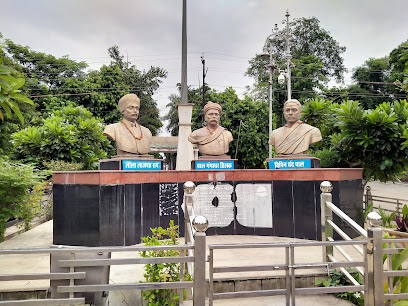
Rani Laxmi Bai Samadhi Sthal
2.3 km
Explore the heroic legacy of Rani Laxmi Bai at her Samadhi Sthal in Gwalior—where history meets tranquility in the heart of India.
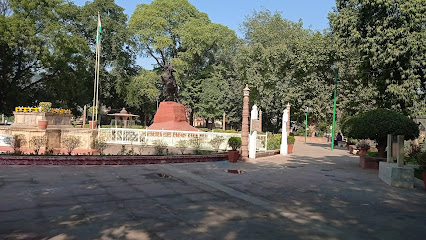
Gwalior Zoo
2.6 km
Explore Gwalior Zoo, a beautiful urban wildlife sanctuary offering encounters with diverse species and a commitment to conservation in Gwalior, India.
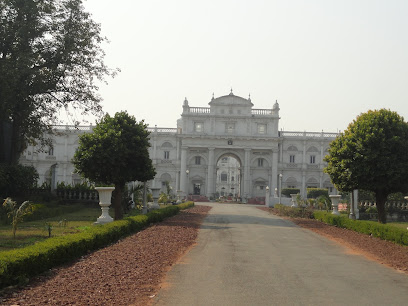
Linel Park
2.8 km
Experience the tranquility of Linel Park in Gwalior, a lush oasis perfect for relaxation, picnics, and scenic strolls amidst beautiful landscapes.
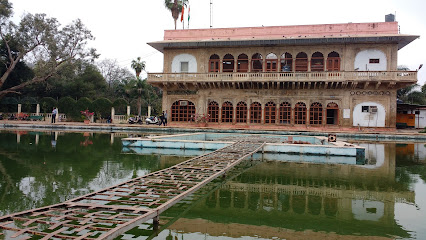
Baija Taal
2.8 km
Experience the tranquil beauty of Baija Taal in Gwalior, a stunning lake perfect for relaxation, picnics, and nature exploration.
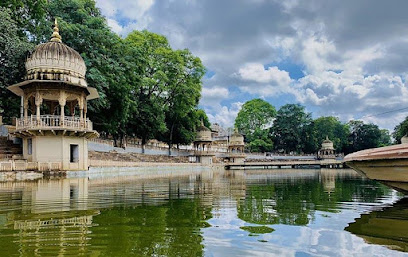
The Rangmahal Garden
3.1 km
Explore The Rangmahal Garden, a serene wedding venue and garden in Gwalior, perfect for leisurely strolls and picturesque moments.
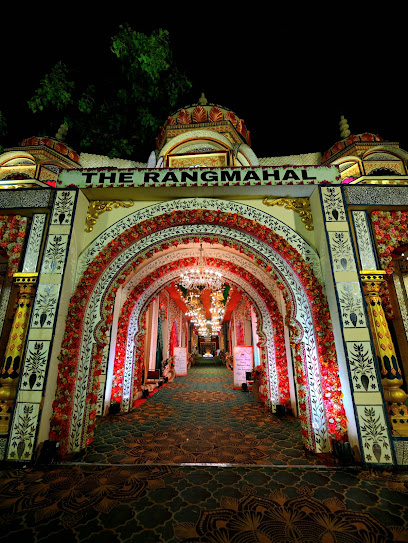
Rani mahal
3.1 km
Discover the enchanting Rani Mahal in Gwalior, a historical villa offering a glimpse into India's royal past with stunning architecture and serene surroundings.
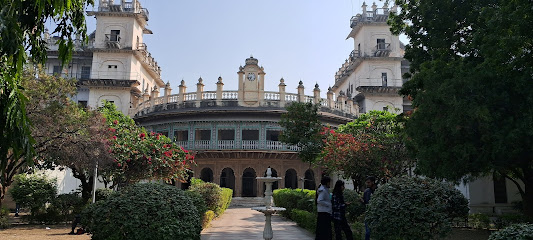
Unmissable attractions to see

Tomb of Tansen
0.1 km
Pay homage to the maestro at the Tomb of Tansen in Gwalior, a serene monument to India's rich musical heritage.
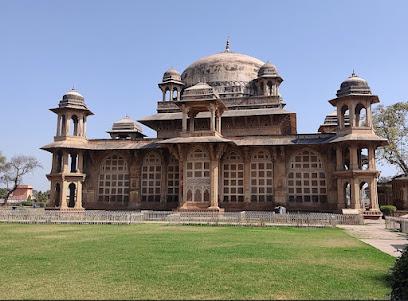
Intak Park Selfie Point
0.2 km
Discover Gwalior's scenic beauty at Intak Park Selfie Point, a perfect spot for relaxation and capturing memorable moments in nature.
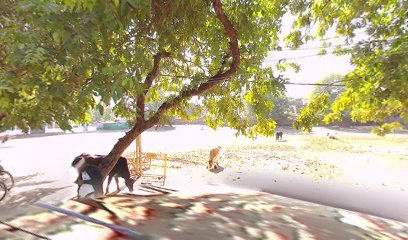
Gujari Mahal
0.9 km
Explore the Gujari Mahal Museum in Gwalior Fort: A love story etched in stone, showcasing centuries of art, artifacts, and historical treasures.
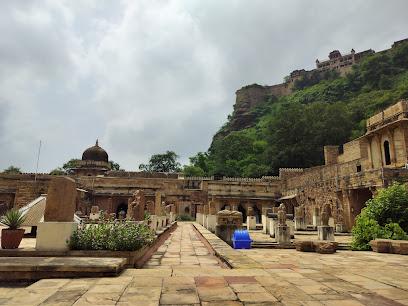
Jahangir Mahal : Gwalior Fort
1.0 km
Explore Jahangir Mahal at Gwalior Fort: A captivating blend of Mughal and Rajput architecture with stunning city views.
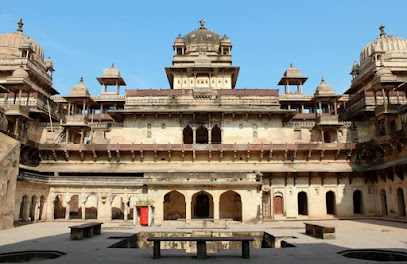
Chaturbhuj Temple
1.0 km
Discover ancient artistry & the earliest zero at Gwalior Fort's Chaturbhuj Temple, a 9th-century rock-cut Vishnu shrine with historical inscriptions.
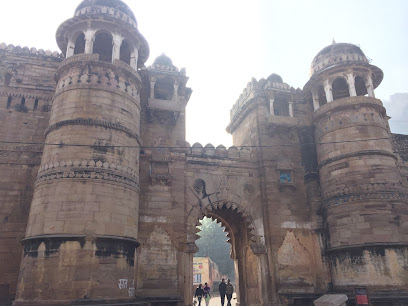
Vikram Mahal
1.0 km
Explore Vikram Mahal at Gwalior Fort: a historic palace with serene atmosphere and architectural beauty dating back to the 16th century.
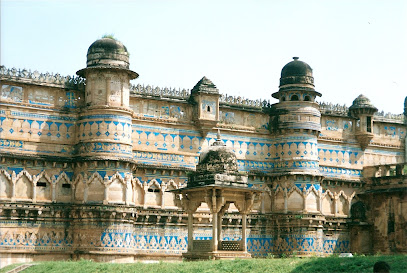
Gwalior Fort
1.0 km
Discover the architectural splendor and historical grandeur of Gwalior Fort, a must-visit destination in Madhya Pradesh, India.
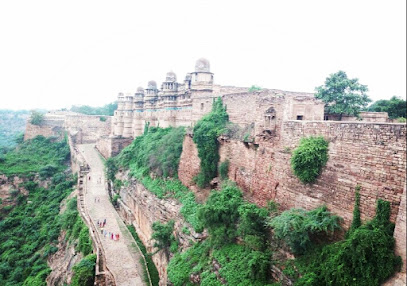
Archaeological Museum
1.1 km
Discover ancient Indian art and artifacts at Gwalior's Archaeological Museum, nestled within the historic Gwalior Fort. A journey through time!
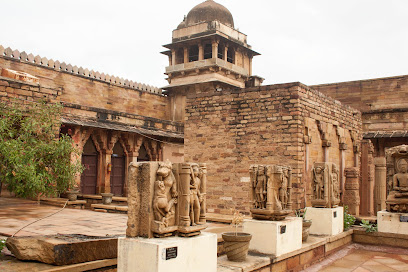
Assi Khamba Ki Bawadis
1.2 km
Explore the ancient Assi Khamba Ki Bawadis at Gwalior Fort, a 16th-century stepwell with stunning architecture and a rich history.
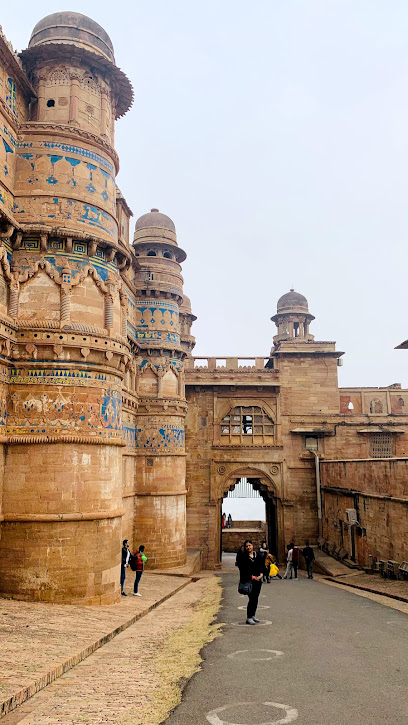
Sahastrbahu Twin Temples
1.3 km
Explore the ancient Sahastrabahu Twin Temples at Gwalior Fort, showcasing stunning 11th-century Nagara architecture and intricate carvings.
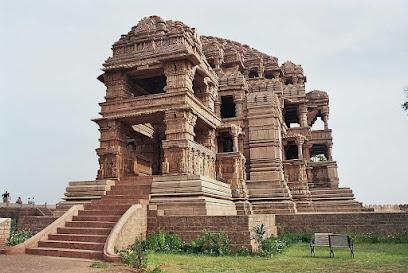
Sai Baba Mandir
1.7 km
Experience serenity at Gwalior's Sai Baba Mandir, a peaceful sanctuary dedicated to Sai Baba, offering solace and spiritual reflection.
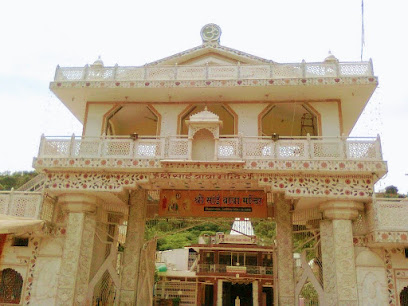
Teli Temple
1.9 km
Explore the architectural marvel of Teli Temple in Gwalior Fort, a unique blend of North and South Indian styles dedicated to Lord Vishnu.
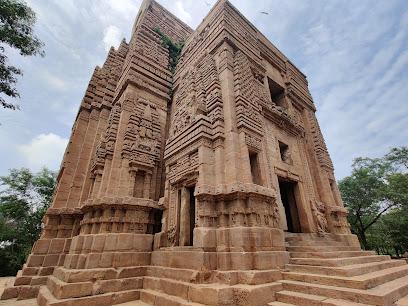
PRATHVI TALL GWALIOR
2.2 km
Experience the architectural beauty and rich history at Prathvi Tall, a must-see tourist attraction in Gwalior, Madhya Pradesh.
Prachin Shiv Mata Mandir
2.2 km
Discover serenity at Prachin Shiv Mata Mandir, a sacred temple in Gwalior dedicated to Lord Shiva and Goddess Parvati.
Kala Vithika
2.2 km
Explore Gwalior's Kala Vithika: A treasure trove of Indian music, art, and cultural heritage. Discover the soul of Gwalior!
Essential places to dine

Vital Restaurant
0.4 km
Savor authentic Indian flavors at Vital Restaurant in Gwalior - where every meal is an extraordinary culinary journey.
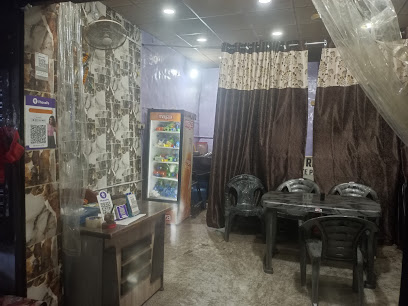
Anand Bhoj
1.8 km
Explore the vibrant flavors of vegetarian cuisine at Anand Bhoj in Gwalior – a culinary delight for every food lover.
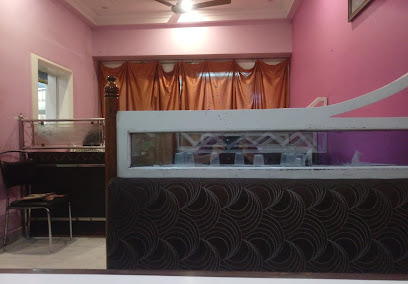
Sai Bhoj Restaurant
1.8 km
Experience exquisite vegetarian fine dining at Sai Bhoj Restaurant in Gwalior – where tradition meets modern culinary artistry.
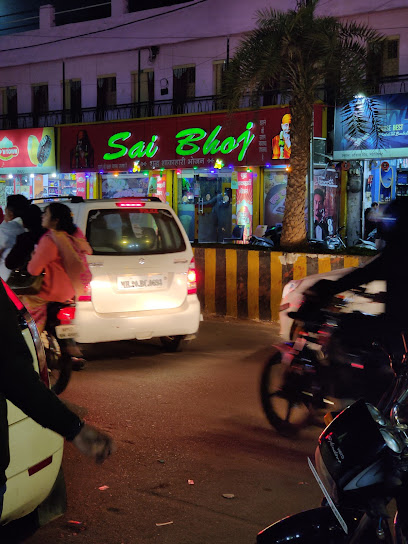
BansiWala Restaurant
1.8 km
Experience the best vegetarian cuisine at BansiWala Restaurant in Gwalior - where flavor meets tradition in every bite.
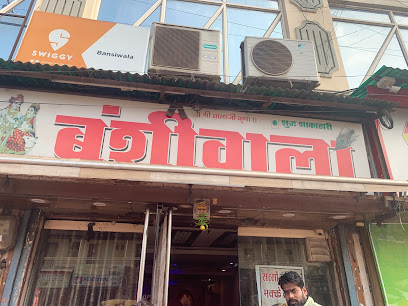
Chotiwala Restaurant
1.8 km
Experience the vibrant flavors of India at Chotiwala Restaurant in Gwalior – a haven for vegetarian food lovers with a rich menu and welcoming ambiance.
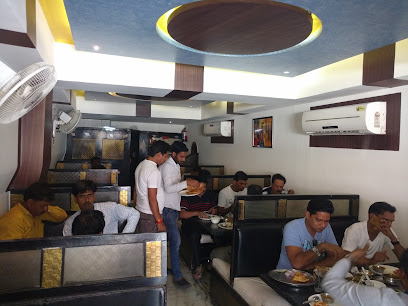
Jai Maa Kali Restaurant
1.8 km
Experience authentic Indian flavors at Jai Maa Kali Restaurant in Gwalior - where tradition meets taste.
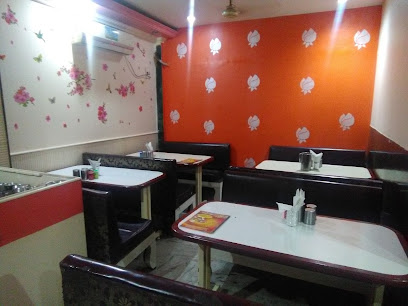
Indian Coffee House
1.8 km
Discover authentic Indian flavors at the iconic Indian Coffee House in Gwalior – where tradition meets taste in every cup.
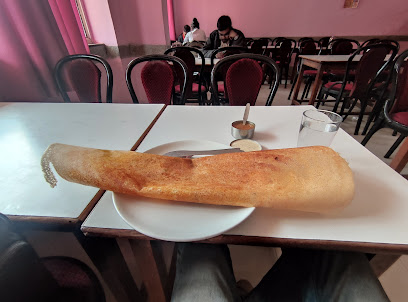
The Aroma Kitchen Restaurant Bar by Hotel Shelter
2.1 km
Experience exquisite flavors at The Aroma Kitchen Restaurant Bar in Gwalior, where culinary artistry meets warm hospitality for an unforgettable dining experience.
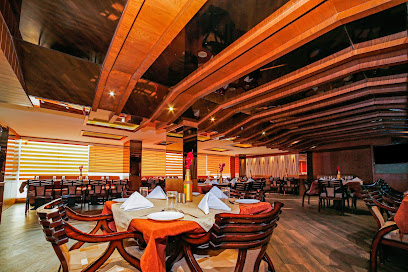
The SIGDI Food Hub
2.1 km
Experience delicious fast food at The SIGDI Food Hub in Gwalior - where every bite tells a story of flavor.
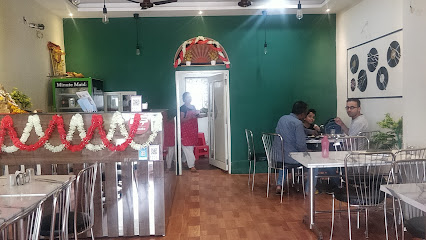
Haridwar Chotiwala Family Restaurant
2.1 km
Experience the rich flavors of India at Haridwar Chotiwala Family Restaurant in Gwalior, where authentic cuisine meets warm hospitality.
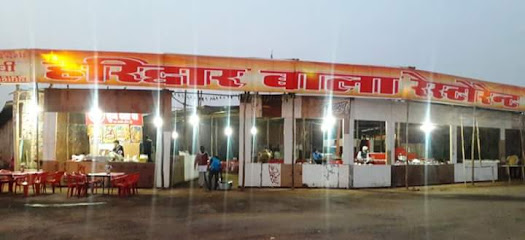
Mehman nawazi cafe and family restaurant
2.2 km
Discover the authentic flavors of India at Mehman Nawazi Cafe in Gwalior - where hospitality meets culinary excellence.
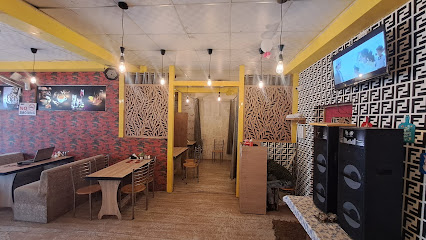
Molecule Gwalior
2.2 km
Experience the fusion of flavors at Molecule Gwalior, where culinary innovation meets traditional Indian hospitality.
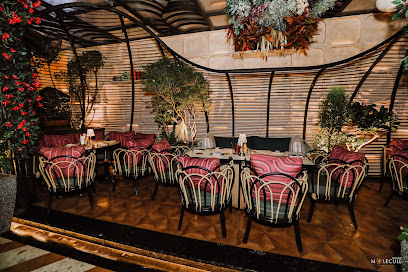
Food delivery in train at Gwalior :-Bhukha.com(IRCTC)
2.2 km
Enjoy authentic Gwalior cuisine delivered right to your train seat with Bhukha.com – where travel meets taste.

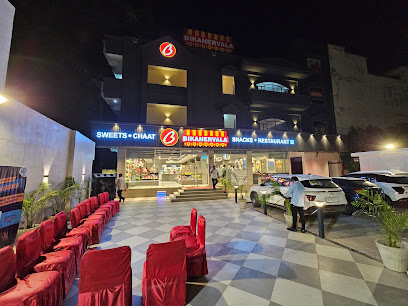
Bikanervala
2.2 km
Discover the essence of Indian cuisine at Bikanervala in Gwalior - a family-friendly haven serving delicious meals and delightful sweets.
Masala kraft - Best Restaurant in gwalior
2.3 km
Experience authentic Indian cuisine at Masala Kraft in Gwalior – where rich flavors meet exquisite dining.
Markets, malls and hidden boutiques

Shoppers Stop Gwalior
1.6 km
Discover the ultimate shopping experience at Shoppers Stop Gwalior, where fashion meets convenience in a vibrant department store setting.

Wing's Estilo - Customise Boutique / Rental Dresses (Dresses on Rent)
1.7 km
Discover unique rental dresses and custom fashion at Wing's Estilo, the premier boutique in Gwalior for fashion enthusiasts and tourists alike.

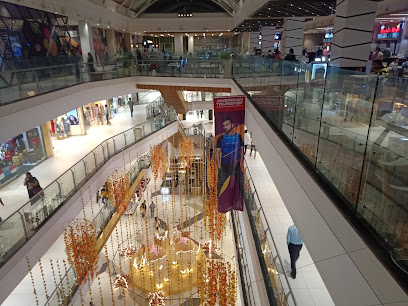
DB City Mall
1.8 km
Explore DB City Mall in Gwalior: Your ultimate shopping destination featuring diverse brands, dining options, and entertainment for an unforgettable experience.
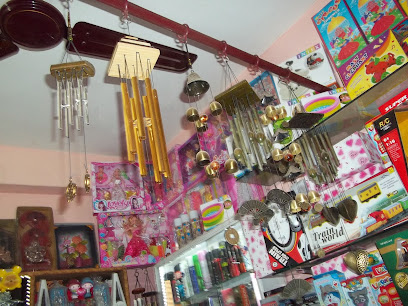
Pari Gift And Toy Center
2.0 km
Explore the vibrant collection of gifts, toys, and novelties at Pari Gift And Toy Center in Gwalior, a perfect stop for unique souvenirs and playful treasures.
Ethnic House
2.0 km
Explore the essence of Indian fashion at Ethnic House in Gwalior, where tradition meets modern style in a vibrant shopping experience.

BM Gift Store
2.2 km
Explore BM Gift Store in Gwalior for unique souvenirs and handcrafted gifts that showcase the rich culture and artistry of India.

Indian Women Fashions Pvt Ltd
2.2 km
Explore the rich tapestry of Indian fashion at Indian Women Fashions Pvt Ltd in Gwalior, where tradition meets contemporary elegance.
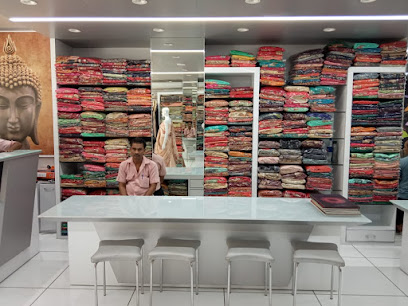
Rawaldas True Mart
2.3 km
Experience the essence of Gwalior at Rawaldas True Mart, your go-to supermarket for local flavors and everyday essentials.
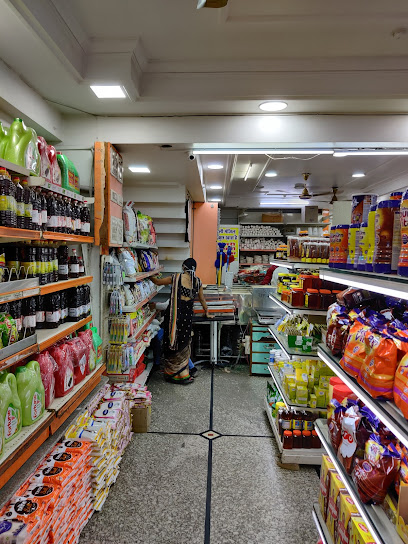
Motamal handlooms
2.3 km
Explore the exquisite collection of handwoven sarees and fabrics at Motamal Handlooms, a treasure trove in Gwalior's vibrant textile scene.
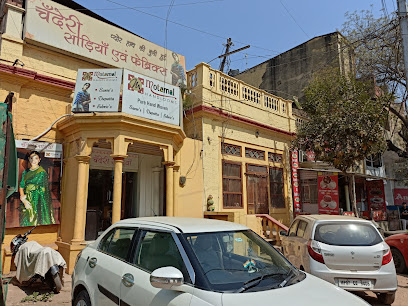
Toonz Retail - Kids Store - Sells Firstcry Products too
2.4 km
Discover a world of joy for your little ones at Toonz Retail, Gwalior's premier children's store for clothing, toys, and more.

Croma - City Center
2.4 km
Explore cutting-edge gadgets and reliable appliances at Croma City Center, your ultimate electronics haven in Gwalior.
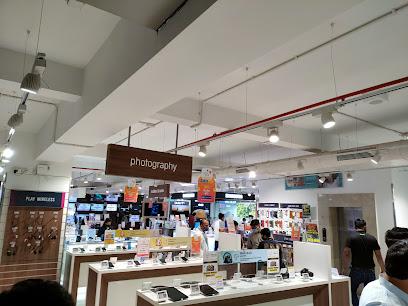
Vishal Mega Mart
2.4 km
Explore Vishal Mega Mart in Gwalior for an extensive range of clothing and accessories at great prices, blending local charm with modern shopping convenience.
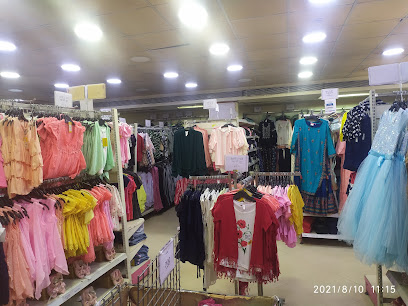
Fastrack store
2.4 km
Shop trendy watches, stylish bags, and exquisite perfumes at Fastrack in Gwalior, the ultimate destination for fashion enthusiasts.

Gift & Fancy Item
2.5 km
Discover Gwalior's Gift & Fancy Item Shop for unique souvenirs, handcrafted jewelry, and quality cosmetics reflecting the region's rich artistry.

Multiple Brand Store
2.7 km
Explore the fashion scene at Gwalior's premier men's clothing store, offering trendy styles and quality apparel for every occasion.
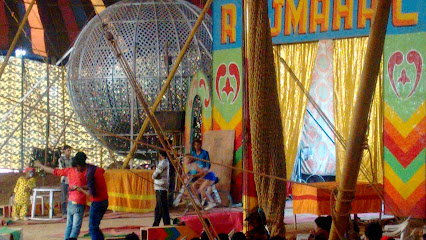
Essential bars & hidden hideouts

Mezbaan Bar and Restaurant
1.6 km
Experience the vibrant nightlife of Gwalior at Mezbaan Bar and Restaurant, offering a diverse menu and inviting ambiance for all visitors.
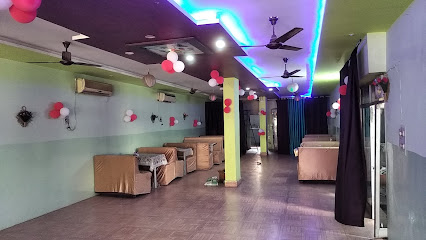
Ambi Wine Shop
1.7 km
Discover Gwalior's finest wines and a warm ambiance at Ambi Wine Shop—where every sip tells a story.
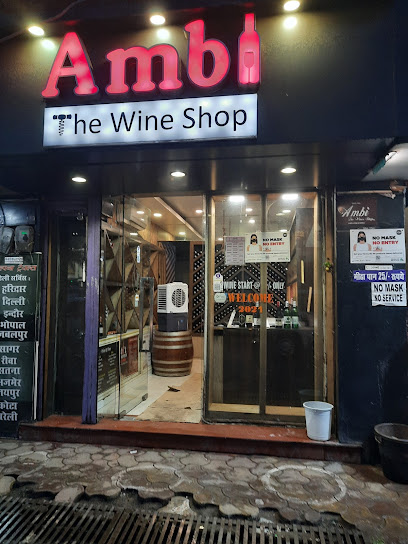
SaFArI bar
1.8 km
Experience the vibrant nightlife of Gwalior at SaFArI Bar, where great drinks and a lively atmosphere await every visitor.

HOTEL SHELTER BAR
2.1 km
Discover vibrant nightlife and delicious local cuisine at Hotel Shelter Bar in the heart of Gwalior.

MEDUSA - Nightclub & Lounge
2.4 km
Dive into the electric nightlife at MEDUSA - Nightclub & Lounge in Gwalior, where music, drinks, and vibrant atmosphere come together for an unforgettable experience.

Sky Lounge
2.4 km
Discover the elegance of Sky Lounge in Gwalior, where breathtaking views meet a relaxed atmosphere, perfect for unwinding after a day of exploration.
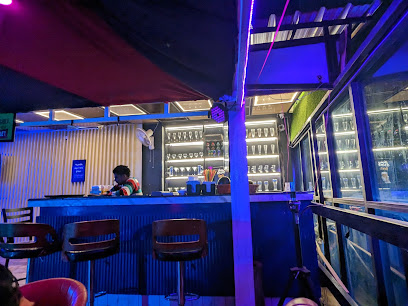
The Brown Room
2.5 km
Experience luxury and sophistication at The Brown Room, Gwalior's premier lounge for exquisite dining and vibrant nightlife.

The sky club and cafe
2.5 km
Discover The Sky Club and Cafe, a rooftop pub in Gwalior offering stunning views, lively ambiance, and a delightful menu of drinks and snacks.
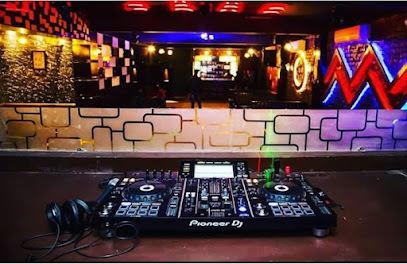
Hotel Ashish Palace Bar and Restaurant
2.5 km
Experience the rich flavors of Gwalior at Hotel Ashish Palace Bar and Restaurant, where great food meets vibrant ambiance.
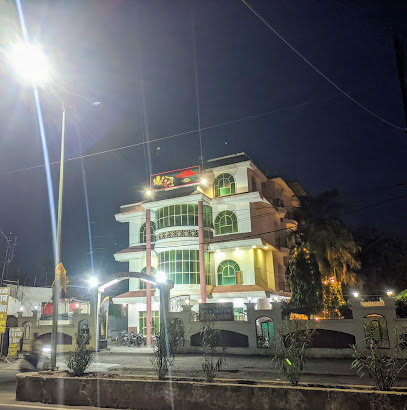
Maikhana Hotel sun beam bar
2.6 km
Discover the lively ambiance and delightful drinks at Maikhana Hotel Sun Beam Bar in the heart of Gwalior's City Center.
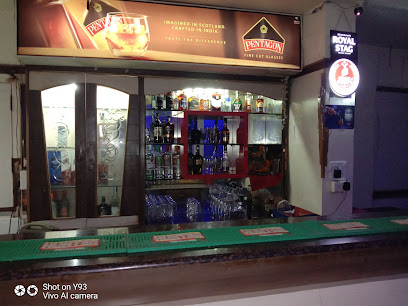
Blue Lounge (Family restaurant & pub)
2.8 km
Experience the perfect blend of family dining and pub vibes at Blue Lounge in Gwalior's Dindayal City Mall.
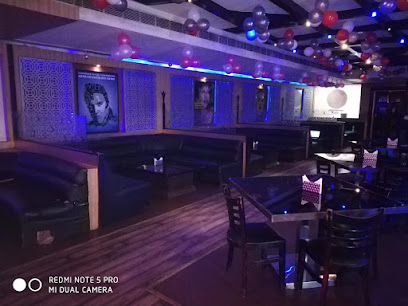
Kabooz Cafe & Lounge Gwalior
3.1 km
Discover the vibrant flavors of Gwalior at Kabooz Cafe & Lounge, where fast food meets a relaxed lounge atmosphere.
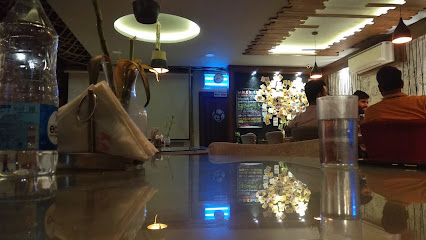
VYB Bar & Lounge
3.1 km
Experience the vibrant nightlife at VYB Bar & Lounge in Gwalior, where delicious drinks and a lively atmosphere await every visitor.
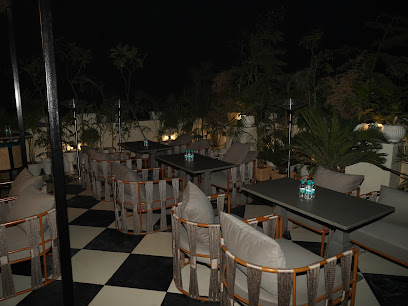
Blue Star Beer Bar
3.3 km
Experience the vibrant nightlife of Gwalior at Blue Star Beer Bar, where local brews and a lively atmosphere await every visitor.
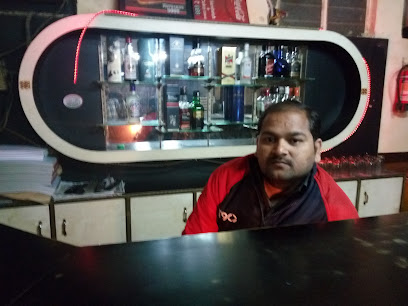
Tbr gwalior The black room
3.4 km
Explore the vibrant nightlife at The Black Room, a popular bar in Gwalior known for its lively atmosphere and delicious drinks.
Nightclubs & after hour spots

Patel barat gar
1.3 km
Discover the vibrant nightlife at Patel Barat Ghar in Gwalior, where music, dance, and excitement meet for an unforgettable experience.
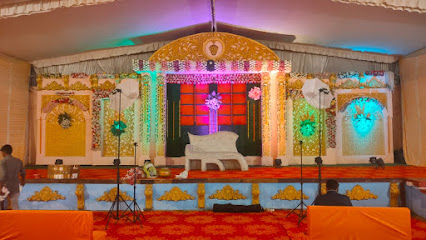
Gwalior lover's point
1.5 km
Discover the breathtaking views and romantic atmosphere at Gwalior Lover's Point, a perfect getaway for couples and nature lovers alike.
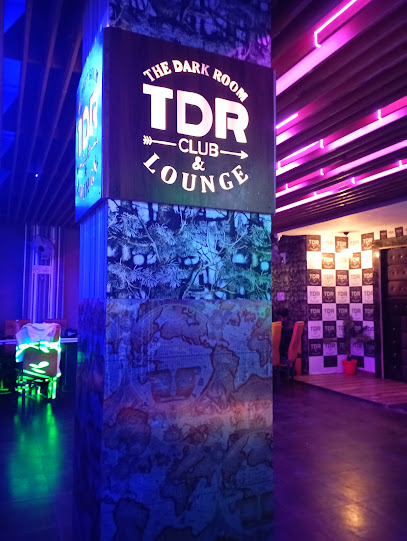
TDR Gwalior
2.5 km
Immerse yourself in the vibrant nightlife of TDR Gwalior, where unforgettable memories are created amidst pulsating music and lively atmosphere.
Silver Oak Club
2.6 km
Dive into the energetic nightlife of Gwalior at Silver Oak Club, where music, dance, and vibrant ambiance await.
Pinto Park Vip Colony
3.8 km
Experience Gwalior's nightlife at Pinto Park Vip Colony, where music, dance, and vibrant atmosphere create unforgettable moments.
K.D’s Lounge
4.0 km
Discover Gwalior's nightlife at K.D's Lounge, a vibrant night club with great music, drinks, and an unforgettable atmosphere.
Jalsa Club & Lounge
5.2 km
Discover Gwalior's lively nightlife at Jalsa Club & Lounge, where music, delicious cuisine, and a vibrant atmosphere await you.
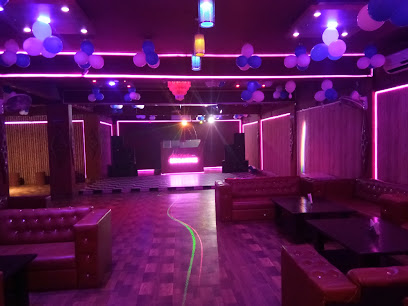
Mahi sound track gwalior
7.2 km
Discover the electrifying nightlife of Gwalior at Mahi Sound Track, where music and dance create unforgettable memories.
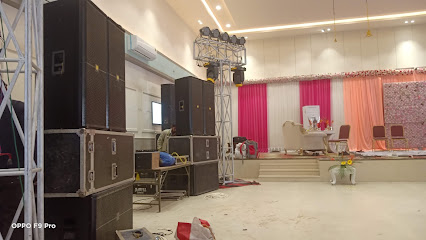
Mama ka Adda
7.2 km
Dive into the vibrant nightlife at Mama ka Adda, Gwalior's premier disco club, where the beats keep you dancing till dawn.
Ganga Ram ka pura
16.2 km
Discover the pulsating nightlife of Madhya Pradesh at Ganga Ram Ka Pura, the ultimate nightclub experience in Banmore.