

Assi Khamba Ki Bawadis, Gwalior Travel Guide
Free Guide: Explore the ancient Assi Khamba Ki Bawadis at Gwalior Fort, a 16th-century stepwell with stunning architecture and a rich history.


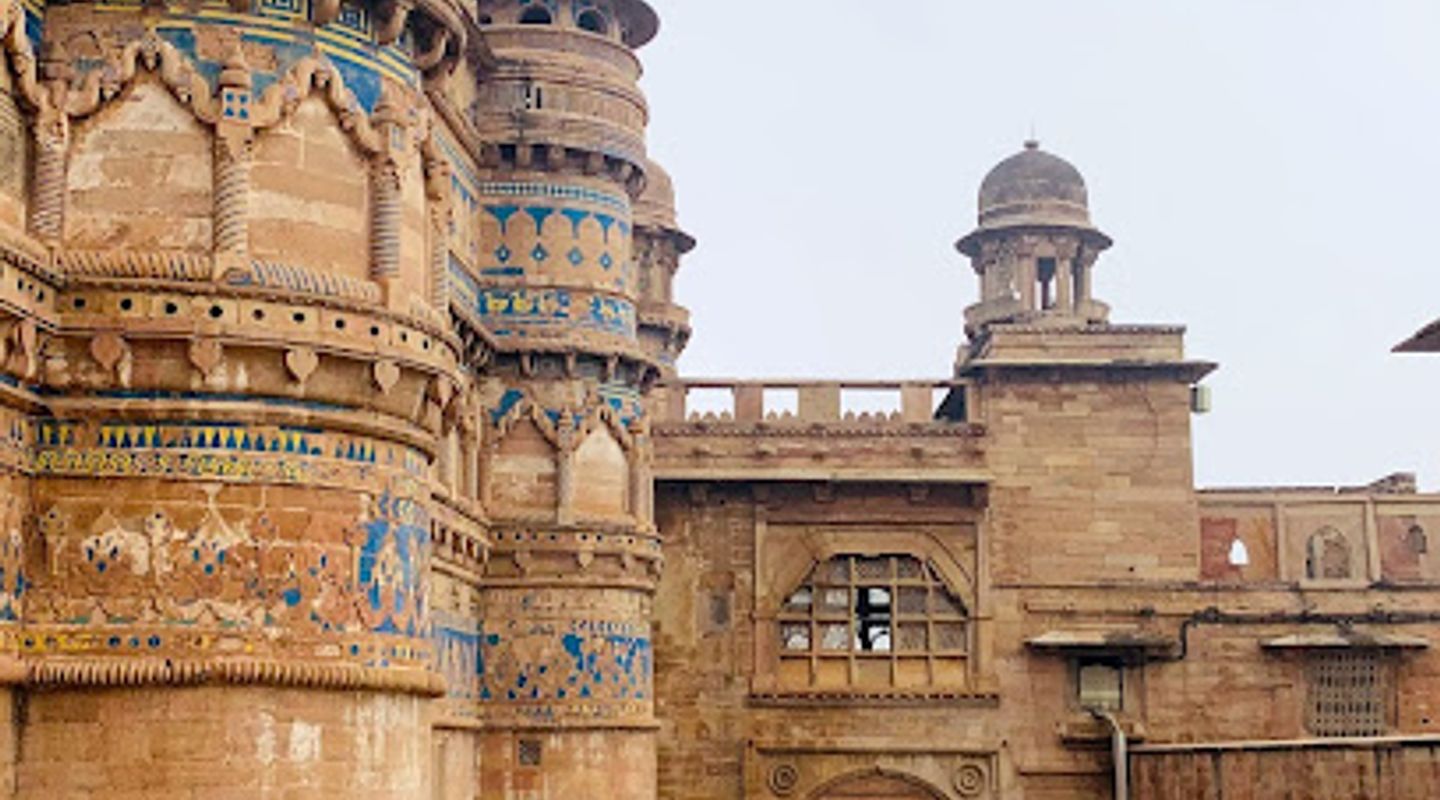
A brief summary of Assi Khamba Ki Bawadis
Explore the ancient Assi Khamba Ki Bawadis at Gwalior Fort, a 16th-century stepwell with stunning architecture and a rich history.
The Assi Khamba Ki Bawadis, located within Gwalior Fort, is an ancient stepwell constructed around 1500 CE by Maharaja Man Singh Tomar. Featuring 80 pillars ('assi khamba' in Hindi), it served as a crucial water reservoir during sieges and offers a glimpse into the architectural ingenuity of the era.
- Address
- 65H9+J9R, Gwalior Fort, Gwalior, Madhya Pradesh 474008
Getting there
Walking
Auto-Rickshaw
Discover more about Assi Khamba Ki Bawadis
Overview
Nestled within the historic Gwalior Fort, the Assi Khamba Ki Bawadis, also known as the 'stepwell with 80 pillars,' is a captivating historical landmark. Constructed around 1500 CE by Maharaja Man Singh Tomar, this ancient stepwell provided a vital water source, particularly during times of siege. Legend says that it was built in just five days by ancient Hindu engineers.The structure descends through multiple stories, showcasing intricate carvings and a symmetrical design supported by its namesake pillars. The well's design incorporates chambers that were reportedly used for bathing by the queens. During the Mughal occupation, the bawadi was repurposed as a prison. Mughal ruler Jahangir is said to have imprisoned Sikh Guru Hargobind Singh and 52 other kings here. The temple inside the baori was modified according to Mughal techniques of building, and the monument stands as an example of the Indo-Islamic style of architecture.Today, visitors can explore the well's perimeter, appreciate its architectural details, and enjoy panoramic views of the city from its edge. The Assi Khamba Ki Bawadis offers a serene escape from the fort's bustling atmosphere, inviting reflection on the rich history and engineering prowess of the past.
Evendo Review Centre
 Google
Guest reviews
Explore Assi Khamba Ki Bawadis on the map
A handpicked selection of must-see spots near Assi Khamba Ki Bawadis, mapped for you.
Get your free copy of our complete guide to Assi Khamba Ki Bawadis, delivered straight to you.
Everything on this page, from opening hours and how to get there to Eve’s tips and the best time to go, in one PDF you can read offline, print or share.
Already have an account? Sign in
Your Assi Khamba Ki Bawadis guide is ready.
We'll send it to · Not you? Sign out

Getting your guide ready…
We are putting together a fresh copy of the Assi Khamba Ki Bawadis guide. This can take up to a minute.
This can take a few moments. If your browser asks, choose Allow so the download can start. You'll find the guide in your Downloads folder.
Nothing happened? Download it again
Sorry, the guide is taking longer than usual. Please try again in a minute, or get it by email instead.
Other nearby places you may find interesting
The closest places of the same kind, if this one is not quite what you had in mind.
-
-
-
-
-


Swipe for more places
More to explore near Assi Khamba Ki Bawadis

 Best experiences near Assi Khamba Ki Bawadis
 Best hotels near Assi Khamba Ki Bawadis
 Best landmarks near Assi Khamba Ki Bawadis
 Best attractions near Assi Khamba Ki Bawadis
 Best shops near Assi Khamba Ki Bawadis
 Best restaurants near Assi Khamba Ki Bawadis
 Best bars near Assi Khamba Ki Bawadis
Do you manage this location?
Take control to get all the benefits, like improved information, better appearance, and stronger visibility across AI-powered discovery.
Explore more

Explore more of Gwalior
Discover Gwalior, a city rich in history and culture, renowned for its majestic forts, royal palaces, and vibrant music heritage, nestled in the heart of India.
Explore Gwalior
Explore more of India
Discover the magic of India, where diverse landscapes, rich heritage, and vibrant culture come together to create an unforgettable travel experience.
Explore India
