

Free Imphal Travel Guide & Mobile App
Plan your Imphal trip with Evendo. Get free guides to top attractions, restaurants, hotels, and bars. Web access or download the mobile app.


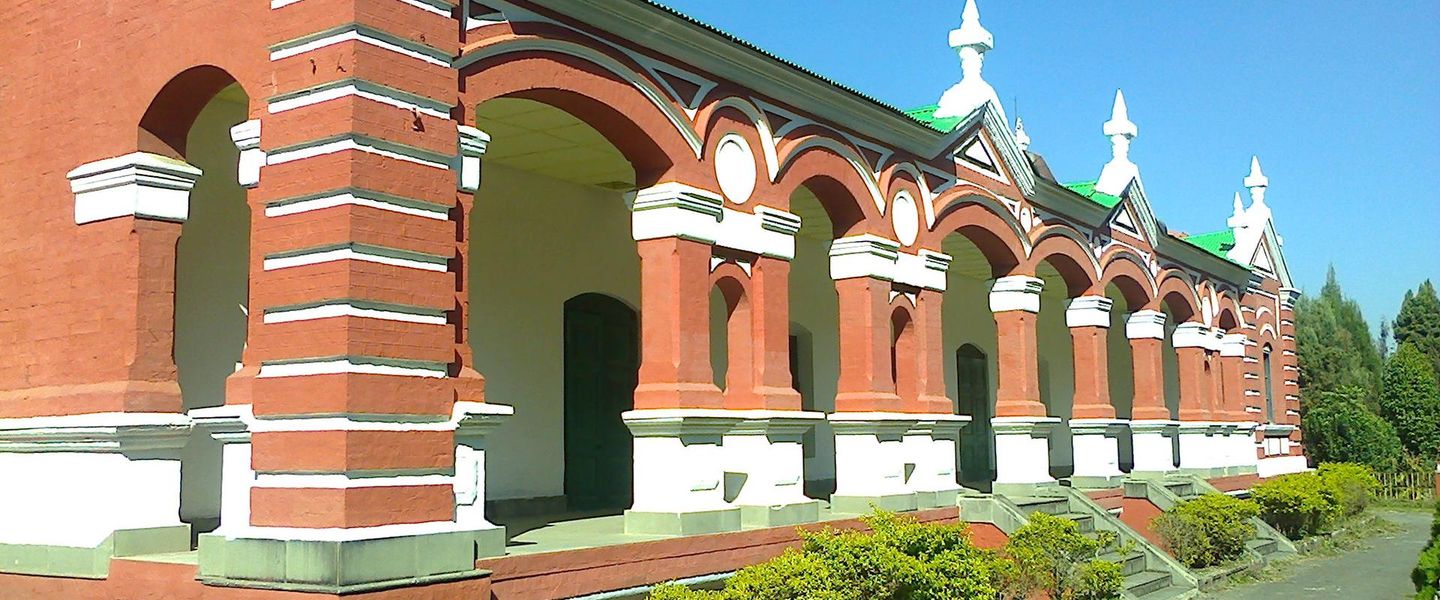


Discover Imphal, the capital of Manipur, where natural splendor meets rich cultural heritage. Explore serene landscapes, historical sites, and vibrant markets.
Read more about Imphal
When is the best time to visit Imphal?
Best: February, November–December · 23–26°C| Month | High (°C) | Rainfall (mm) |
|---|---|---|
| January | 22 | 33 |
| February (best) | 24 | 42 |
| March | 29 | 57 |
| April | 34 | 82 |
| May | 35 | 120 |
| June | 34 | 170 |
| July | 33 | 229 |
| August | 33 | 208 |
| September | 32 | 137 |
| October | 30 | 77 |
| November (best) | 26 | 45 |
| December (best) | 23 | 28 |
Getting to and around Imphal
How to get there
Transportation
Best attractions in Imphal
Imphal, the capital city of Manipur, offers a unique blend of natural beauty, rich history, and vibrant culture. Visitors can explore the famous Kangla Fort, which holds centuries of stories and legends within its walls, and witness the traditional Manipuri dance performances at the Manipur State Museum. Imphal is also known for its lush green landscapes, with Loktak Lake, the largest freshwater lake in Northeast India, being a must-visit destination for nature lovers. Additionally, the Khwairamband Bazaar, also known as the Ima Keithel or Mother's Market, is a bustling market where one can shop for local handicrafts and traditional attire. Imphal truly offers a memorable experience for travelers seeking to immerse themselves in the rich heritage and natural beauty of Northeast India.
-
Tourist attraction
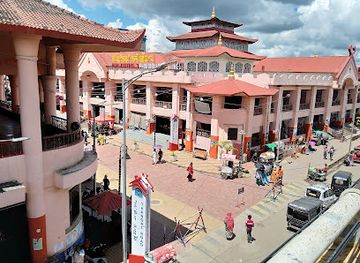
Ima Market
Explore Ima Market, Imphal’s vibrant hub of culture and commerce, showcasing traditional crafts and local delicacies in a unique shopping experience.
14 min walk · 1.1 km from city centre
-
Tourist attraction
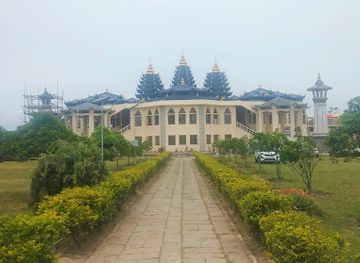
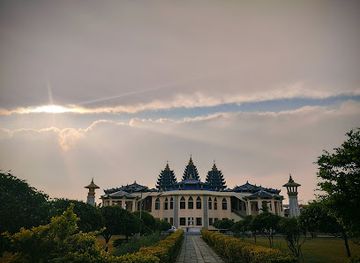
ISKCON Temple, Imphal
Discover the spiritual charm of ISKCON Temple in Imphal, a serene haven reflecting Hindu heritage and local culture amidst breathtaking architecture.
15 min drive · 4.9 km from city centre
-
Park
East Garden
Discover the tranquil beauty of East Garden, a serene park in Imphal, perfect for relaxation, family outings, and nature exploration.
13 min drive · 4.3 km from city centre
-
Tourist attraction
Eco Historical Park
Explore the serene Eco Historical Park in Imphal, where nature meets history in a tranquil setting perfect for all travelers.
8 min drive · 2.7 km from city centre
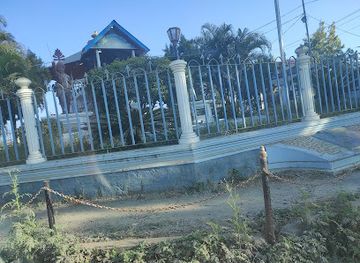
Best landmarks in Imphal
Imphal offers visitors a rich tapestry of historical and cultural landmarks to explore. From the iconic Kangla Fort, a former seat of power in Manipur, to the serene Loktak Lake, known for its floating islands and pristine beauty, there is something for everyone. Imphal also boasts the War Cemetery, a poignant reminder of the region's tumultuous past, and the vibrant Ima Keithel market, where local women sell everything from fresh produce to handicrafts. Visitors can immerse themselves in the unique blend of tradition and modernity that defines Imphal, making it a must-visit destination for history buffs and adventure seekers alike.
-
Market
Ima Market
Discover the vibrant essence of Manipur at Ima Market, a unique cultural hub showcasing local handicrafts, fresh produce, and authentic cuisine.
14 min walk · 1.1 km from city centre
-
Historical landmark
Kangla Fort
Explore the historical significance and architectural beauty of Kangla Fort, a cultural gem in Imphal, Manipur, reflecting the region's rich heritage.
15 min walk · 1.2 km from city centre
-
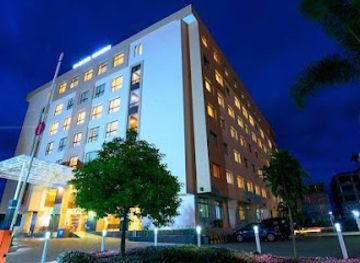
Hotel
Classic Grande Imphal, a member of Radisson Individuals
Discover the perfect blend of modern luxury and traditional hospitality at Classic Grande Imphal, your ideal retreat in Manipur.
5 min drive · 1.5 km from city centre
-
Market
CSC KHWAIRAMBAND
Explore the vibrant CSC Khwairamband Market in Imphal for a taste of local culture, crafts, and culinary delights in the heart of Manipur.
5 min drive · 1.7 km from city centre
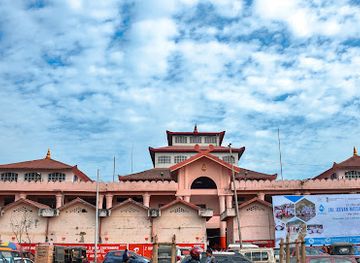
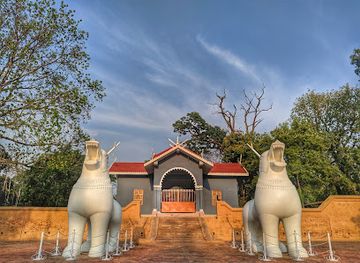
Explore Imphal on the map
Plan your Imphal trip on one map. See where the top attractions, landmarks, restaurants, bars and hotels are, find what's near where you're staying, and book hotels and experiences in a few clicks.
Best hotels in Imphal
Best restaurants in Imphal
Imphal boasts a diverse dining scene that showcases the rich culinary heritage of Manipur. From traditional Manipuri dishes like Eromba and Chamthong to popular North Indian and Chinese cuisines, visitors can find a variety of options to tantalize their taste buds. The bustling markets and street food stalls offer a chance to sample local delicacies like Singju and Paknam, while upscale restaurants provide a more refined dining experience. With a focus on fresh, local ingredients and bold flavors, dining in Imphal is a true gastronomic adventure waiting to be explored.
-
Chicken
OK Chicken
Discover delicious chicken dishes at OK Chicken in Imphal – a culinary highlight of Manipur's vibrant food scene.
9 min walk · 0.7 km from city centre
-
Indian
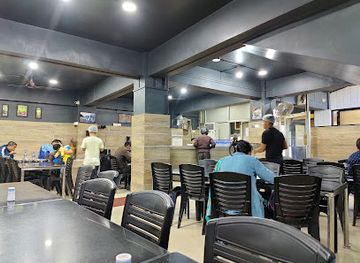
Luxmi Kitchen
Discover authentic Indian and seafood cuisine at Luxmi Kitchen in Imphal - a budget-friendly dining experience infused with local flavors.
15 min walk · 1.2 km from city centre
-
Restaurant
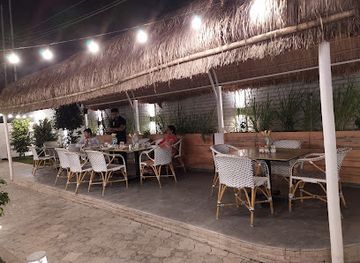
The House by Route 39
Discover authentic Manipuri flavors at The House by Route 39 in Imphal - a must-visit restaurant for every traveler!
12 min drive · 3.9 km from city centre
-
Restaurant
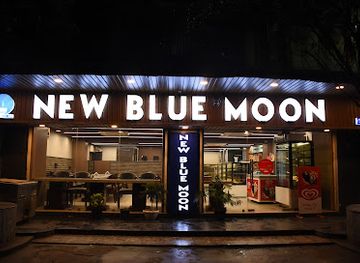
New Blue Moon
Experience the vibrant culinary scene of Imphal at New Blue Moon – where traditional flavors meet modern dining.
10 min walk · 0.8 km from city centre
Best bars in Imphal
Imphal's nightlife scene offers a unique blend of traditional and modern entertainment options for visitors to enjoy after dark. From lively bars serving local brews and delicious snacks to vibrant nightclubs with live music and DJ sets, there is something for everyone to experience. Dance the night away to a mix of traditional Manipuri music and contemporary beats, or simply relax and unwind with a drink in hand while taking in the bustling atmosphere of the city at night. Imphal's nightlife scene is sure to leave visitors with unforgettable memories of their time in this vibrant city.
-
Bar
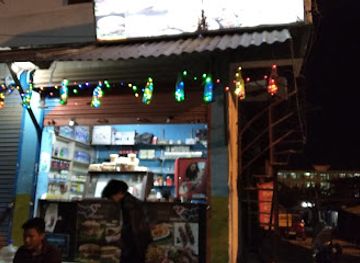
Nganapithong Shop
Discover Nganapithong Shop in Imphal, a cozy bar offering local drinks and snacks in a charming atmosphere perfect for relaxation and socializing.
10 min drive · 3.2 km from city centre
-
Bar
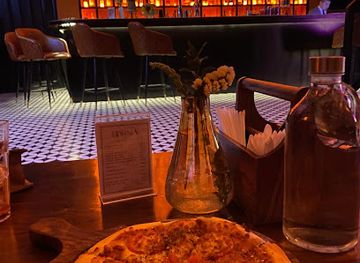
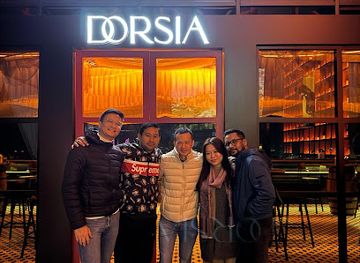
Dorsia lounge
Experience the vibrant nightlife at Dorsia Lounge in Imphal, where eclectic drinks and a lively atmosphere await.
8 min walk · 0.7 km from city centre
-
Bar
THE HUB
Experience the perfect blend of relaxation and social vibrancy at The Hub, Imphal's premier bar and café.
15 min walk · 1.2 km from city centre
-
Restaurant
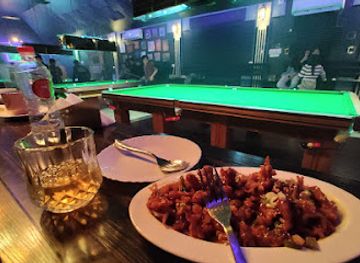
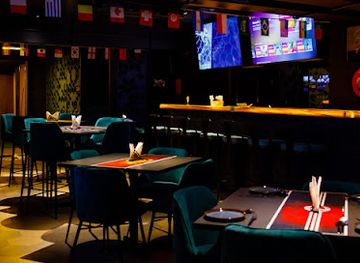
UNDERGROUND SPORTS LOUNGE
Experience Imphal's nightlife at Underground Sports Lounge, where flavorful cuisine meets live music in a vibrant atmosphere.
8 min walk · 0.7 km from city centre
Best nightclubs in Imphal
Imphal's nightlife scene offers a unique blend of traditional and modern entertainment options for visitors to enjoy after dark. From lively bars serving local brews and delicious snacks to vibrant nightclubs with live music and DJ sets, there is something for everyone to experience. Dance the night away to a mix of traditional Manipuri music and contemporary beats, or simply relax and unwind with a drink in hand while taking in the bustling atmosphere of the city at night. Imphal's nightlife scene is sure to leave visitors with unforgettable memories of their time in this vibrant city.
-
Bar
Dorsia lounge
Discover the vibrant nightlife at Dorsia Lounge, the ultimate bar experience in Imphal, Manipur, with great drinks and a lively atmosphere.
8 min walk · 0.7 km from city centre
-
Night club
Rendezvous Restaurant
Experience the vibrant nightlife of Manipur at Rendezvous Restaurant, where delicious cuisine meets electrifying entertainment in a cozy atmosphere.
15 min drive · 5.0 km from city centre
-
 Night club
The Young United Club
Discover the vibrant nightlife at The Young United Club in Imphal, where community spirit meets unforgettable entertainment.
10 min drive · 3.4 km from city centre
-
Night club
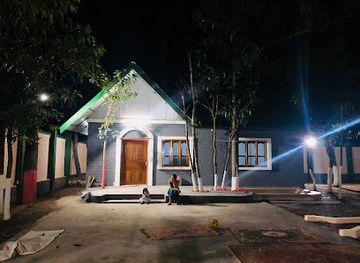
Moon Shadow cottage
Explore the vibrant nightlife at Moon Shadow Cottage, a top night club in Imphal, Manipur, where music and fun come alive.
13 min drive · 4.4 km from city centre
Best shops in Imphal
Imphal offers a unique shopping experience for visitors, with bustling markets filled with local handicrafts, traditional textiles, and vibrant handwoven shawls. Explore the Khwairamband Bazar, known as the 'Women's Market,' where you can find a variety of handcrafted items made by local women. Don't miss the opportunity to shop for Manipuri traditional attire, intricate bamboo and cane products, and delicious local snacks like 'Chamthong,' a popular vegetable stew. Imphal's shopping scene is a perfect blend of culture, tradition, and authenticity, making it a must-visit destination for anyone looking to take home a piece of Manipur's rich heritage.
-
Convenience store
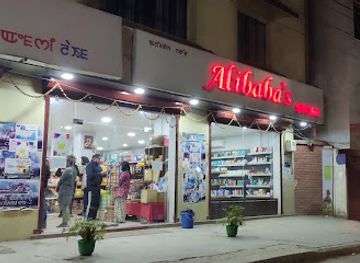
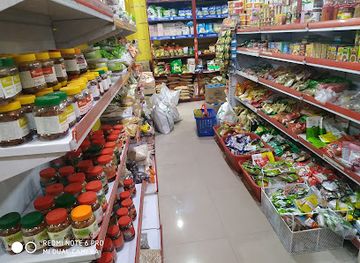
Alibaba's Store
Alibaba's Store in Imphal: Your go-to convenience store for snacks, local goods, and travel essentials.
3 min walk · 0.2 km from city centre
-
Department store
MAMA store
Explore MAMA Store in Imphal for a delightful shopping experience of local crafts, essentials, and unique souvenirs.
12 min drive · 3.9 km from city centre
-
Clothing store
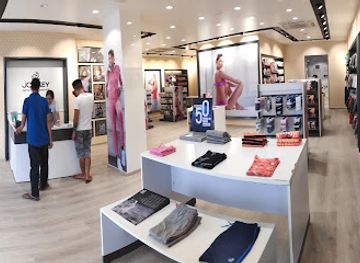
Jockey Exclusive Store
Explore the Jockey Exclusive Store in Imphal for a wide selection of quality clothing, from casual wear to stylish lingerie, for the entire family.
8 min walk · 0.6 km from city centre
-
Women's clothing store
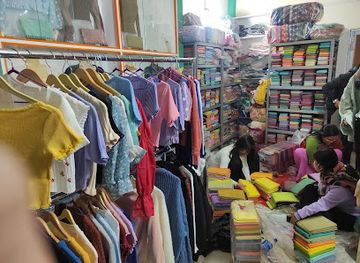
Mapok Langol Fashion
Discover unique women's clothing at Mapok Langol Fashion, where tradition meets contemporary style in the heart of Manipur.
7 min drive · 2.3 km from city centre
Get your free copy of our complete guide to Imphal, delivered straight to you.
Everything on this page, from attractions and restaurants to essentials and local phrases, in one PDF you can read offline, print or share.
Already have an account? Sign in
Your Imphal guide is ready.
We'll send it to · Not you? Sign out

Getting your guide ready…
We are putting together a fresh copy of the Imphal guide. This can take up to a minute.
This can take a few moments. If your browser asks, choose Allow so the download can start. You'll find the guide in your Downloads folder.
Nothing happened? Download it again
Sorry, the guide is taking longer than usual. Please try again in a minute, or get it by email instead.
Imphal essentials
Currency and Payment
Safety
Emergency Situations
Do's and Don'ts
Local Tips
From Eve
Local phrases worth knowing
You don't need to get them perfect. A few words go a long way, and locals appreciate the effort.
Basics
| English | Local | Say it |
|---|---|---|
| Hello | হায় | [hāẏ] |
| Goodbye | বিদায় | [bidāẏ] |
| Yes | হো | [hō] |
| No | না | [nā] |
| Please/You're welcome | দয়া কৰি/আপুনি স্বাগত | [doẏā kari/apuni swāgat] |
| Thank you | ধন্যবাদ | [dhônnobād] |
| Excuse me/Sorry | ক্ষমা কৰক/দুঃখিত | [kshamā karka/dukhit] |
| How are you? | তুমি কেনেদে আছো? | [tumi kenede achō?] |
| Fine. And you? | ভাল আছো। আৰু তুমি? | [bhal achō. aru tumi?] |
| Do you speak English? | তুমি ইংৰাজী ভাষা কথা কৰাৰ যেনে নে? | [tumi iṅrajī bhāṣā kathā karar jene nē?] |
| I don't understand | মোক বুঝিব নাই | [mok bujhiba nai] |
Eating & Drinking
| English | Local | Say it |
|---|---|---|
| I'd like to see the menu, please | মোৰ পৰিমণি চাওক, দয়া কৰি | [mor porimoni chaok, doẏā kari] |
| I don't eat meat | মোক মাংস খাইব নাই | [mok mas khaib nai] |
| Cheers! | উজ্জ্বল! | [ujjwal!] |
| I would like to pay, please | মোৰ মানি দিবলৈ ইচ্ছু কৰিলে | [mor mani diboloi ichchu karile] |
Emergencies
| English | Local | Say it |
|---|---|---|
| Help! | সাহায্য কৰক! | [sahayya karka!] |
| Go away! | পিচ্ছা হোও! | [piccha ho'o!] |
| Call the Police! | পুলিচ বুলা দিনো! | [pulich bula dino!] |
| Call a doctor! | ডাক্টৰ বুলা দিনো! | [ḍākṭar bula dino!] |
| I'm lost | মোক হারিব পৰিছে | [mok harib parikhe] |
| I'm ill | মোক অসুস্থ | [mok asustha] |
Shopping
| English | Local | Say it |
|---|---|---|
| I'd like to buy... | মোৰ কিনিব বিচা... | [mor kinib bicha...] |
| I'm just looking | মোৰ কেৱল চাব হৈ আছো | [mor kebal cab hoi achō] |
| How much is it? | এটা কিয় দাম? | [eta kiyô dam?] |
| That's too expensive | এতিয়া বাহুল্য দাম | [etiya bahuly dam] |
| Can you lower the price? | দাম ঘটাব পাৰিবনে? | [dam ghatab paribane?] |
Time & Numbers
| English | Local | Say it |
|---|---|---|
| What time is it? | কত বাজি? | [kôt baji?] |
| It's one o'clock | এটা একটা বাজি | [eta ekaṭa baji] |
| Half past (10) | দহাক পৰ্ব (দহাক) | [dahak parba (dahak)] |
| Morning | সকালি | [sakali] |
| Afternoon | বেলি | [beli] |
| Evening | সন্ধ্যা | [sôndhya] |
| Yesterday | কাল | [kal] |
| Today | আজি | [aji] |
| Tomorrow | ভবিষ্যত | [bhôbissôt] |
| 1 | 1 | [1] |
| 2 | 2 | [2] |
| 3 | 3 | [3] |
| 4 | 4 | [4] |
| 5 | 5 | [5] |
| 6 | 6 | [6] |
| 7 | 7 | [7] |
| 8 | 8 | [8] |
| 9 | 9 | [9] |
| 10 | 10 | [10] |
Transport & Directions
| English | Local | Say it |
|---|---|---|
| Where's a/the...? | কেনে আছে...? | [kenē achē...?] |
| What's the address? | ঠিকনা কি হৈছে? | [ṭhikna ki haichē?] |
| Can you show me (on the map)? | মোৰ কেৱল দেখোৱাব পাৰিবনে? | [mor kebal dekhōab paribane?] |
| When's the next (bus)? | পৰা বাস কেনে আছে? | [para bas kenē achē?] |
| A ticket (to ....) | এটা টিকেট (.... লৈ) | [eta ṭikēṭ (.... loi)] |
History of Imphal
The Ancient Kingdom of Manipur
Imphal, the capital city of Manipur, has been a significant center since ancient times. The Kingdom of Manipur, with its legendary origins in the mythological Leithak Leikharol, flourished around Imphal. The city was a hub for culture, trade, and politics long before the advent of modern history.
British Colonial Era and the Anglo-Manipur War
Imphal came under the British colonial radar in the 19th century. The Anglo-Manipur War of 1891 was a pivotal event, marking the end of Manipur's sovereignty. The war broke out due to political discord between the British authorities and the local king, Maharaja Surchandra Singh. The Battle of Khongjom, a key conflict in the war, is commemorated in the Khongjom War Memorial.
World War II and the Battle of Imphal
Imphal played a crucial role during World War II. The Battle of Imphal (March to July 1944) was a significant turning point in the Burma Campaign. Allied forces, primarily composed of British and Indian troops, successfully halted the Japanese advance into India. This victory was instrumental in shifting the momentum in favor of the Allies in Southeast Asia.
Post-Independence and Integration into India
After India gained independence in 1947, Manipur was initially a princely state. In 1949, it merged with the Indian Union, with Imphal as its capital. The city has since grown into a cultural and political hub, playing a vital role in the northeastern region of India.
Cultural Heritage and Festivals
Imphal is renowned for its rich cultural heritage. The city hosts numerous festivals such as Yaoshang (Holi), Ningol Chakouba, and Lai Haraoba, reflecting its vibrant traditions. The Manipur State Museum and the RKCS Art Gallery showcase the art, history, and culture of the region. The traditional Manipuri dance, celebrated for its grace and storytelling, is a highlight of Imphal's cultural landscape.
The Legacy of Polo
Imphal is often hailed as the birthplace of modern polo. The ancient game of 'Sagol Kangjei' was played in Manipur long before it was introduced to the West by the British. The Mapal Kangjeibung in Imphal is considered the oldest polo ground in the world, bearing testimony to the city's deep-rooted association with the sport.
Imphal in Photos
Browse through our photo collection highlighting the charm and character of the destination.
Cities near Imphal
The closest cities to Imphal, if you have time for more than one stop.
-

-

-

-

-


Swipe for more cities
Explore more

Explore more of India
Discover the magic of India, where diverse landscapes, rich heritage, and vibrant culture come together to create an unforgettable travel experience.
Explore India