

Free Shillong Travel Guide & Mobile App
Plan your Shillong trip with Evendo. Get free guides to top attractions, restaurants, hotels, and bars. Web access or download the mobile app.


Shillong, India’s hill city, blends Khasi heritage, pine forests, colonial-era streets, live music, waterfalls and gateways to Meghalaya’s landscapes.
A Hill Capital with a Distinctive Rhythm
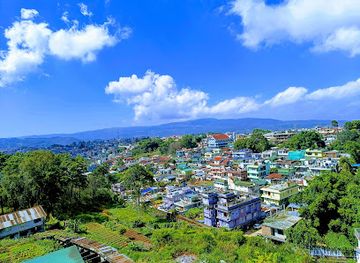
Shillong rises across a series of wooded ridges in Meghalaya, north-east India, where cool air, monsoon clouds and Khasi cultural traditions shape daily life. Known as the ‘Scotland of the East’ during the British period, the city is less a grand colonial relic than a layered hill settlement: modest historic buildings, busy markets, churches, pine-lined roads and neighbourhoods spread across an undulating landscape. Its altitude brings a climate markedly cooler than much of India, although rain can be intense during the monsoon.Read more about Shillong
Khasi Culture and Contemporary City Life
Water, Forest and Highland Views
When is the best time to visit Shillong?
Best: December–February · 16–18°C| Month | High (°C) | Rainfall (mm) |
|---|---|---|
| January (best) | 16 | 32 |
| February (best) | 18 | 51 |
| March | 22 | 97 |
| April | 26 | 278 |
| May | 29 | 410 |
| June | 30 | 550 |
| July | 30 | 552 |
| August | 30 | 520 |
| September | 30 | 400 |
| October | 26 | 233 |
| November | 21 | 91 |
| December (best) | 17 | 39 |
Getting to and around Shillong
How to get there
Transportation
Best attractions in Shillong
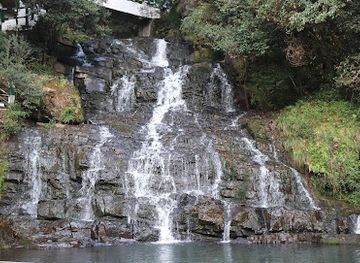
Shillong’s sightseeing combines cultural institutions, landscaped urban spaces and forested hill scenery. The Don Bosco Museum presents the societies, crafts, clothing and material culture of north-east India through a substantial regional collection, while the nearby Cathedral of Mary Help of Christians reflects the city’s long Christian history. In the centre, Ward’s Lake is a compact, landscaped retreat with water, gardens and walking paths, and Lady Hydari Park offers another formal green space. Shillong Peak, on the city’s outskirts, provides a high viewpoint over the surrounding hills when weather allows. Elephant Falls descends through wooded terrain and is one of the area’s best-known short excursions. For a sense of everyday life, Lewduh, or Bara Bazaar, is more revealing than a conventional attraction, with traders handling produce, spices and household goods. The city’s music venues and cafés add a contemporary layer to a day shaped by Khasi culture and highland weather.
-
Tourist attraction
Elephant Falls, Shillong
Experience the breathtaking beauty of Elephant Falls, a stunning natural attraction in Shillong, Meghalaya, surrounded by lush greenery and serene landscapes.
21 min drive · 7.0 km from city centre
-
Upper Shillong Forest
Explore the lush landscapes and diverse wildlife of Upper Shillong Forest, a serene nature preserve in Meghalaya, perfect for nature lovers and adventurers.
-
Museum
Don Bosco Museum
Explore the captivating culture of Northeast India at Don Bosco Museum in Shillong, showcasing rich tribal heritage through engaging exhibits and stunning views.
6 min drive · 2.1 km from city centre
-
Catholic cathedral
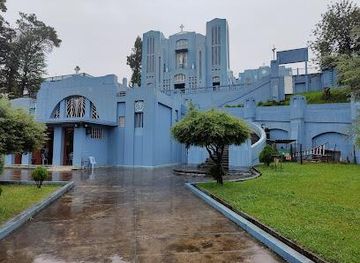
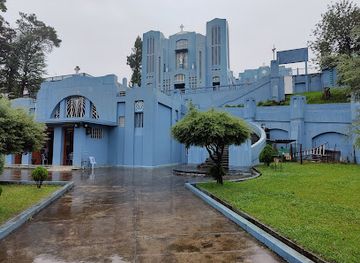
Cathedral of Mary Help of Christians
Explore the majestic Cathedral of Mary Help of Christians in Shillong, a stunning icon of faith and architecture in Northeastern India.
17 min walk · 1.4 km from city centre


Best landmarks in Shillong
Shillong’s most significant landmarks express its roles as Khasi cultural centre, colonial hill station and capital of Meghalaya. The Cathedral of Mary Help of Christians, with its elevated setting and prominent blue-and-white form, is one of the city’s best-known religious buildings and reflects the importance of Catholic institutions in the region. The All Saints’ Cathedral represents another strand of Shillong’s Christian and colonial-era history. Ward’s Lake, created during the British period, is a civic landscape rather than a monument, but its paths and gardens remain closely associated with the city centre. The Don Bosco Museum has become a major contemporary cultural landmark through its presentation of north-east India’s communities. Shillong Peak, meanwhile, is a natural landmark tied to the city’s geography and changing weather, looking across the ridges and valleys that explain Shillong’s development as a hill capital.
-
Tourist attraction
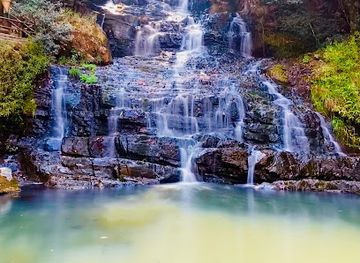
Elephant Falls, Shillong, Meghalaya
Experience the breathtaking beauty of Elephant Falls in Shillong, a three-tiered waterfall surrounded by lush greenery and serene landscapes.
21 min drive · 7.1 km from city centre
-
Family-friendly
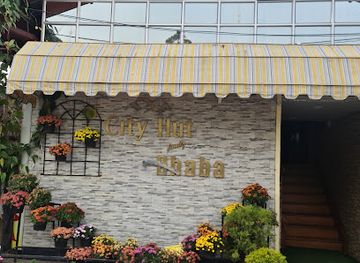
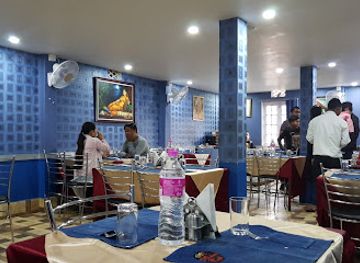
City Hut Family Dhaba
Experience the flavors of India, China, and Europe at City Hut Family Dhaba, a family-friendly restaurant in the heart of Shillong's Police Bazar.
8 min walk · 0.7 km from city centre
-
Museum
Don Bosco Museum
Explore the vibrant culture of Northeast India at Don Bosco Museum, a unique destination showcasing heritage, art, and history in Shillong.
6 min drive · 2.1 km from city centre
-
Catholic cathedral
Cathedral of Mary Help of Christians
Discover the stunning architecture and serene atmosphere of the Cathedral of Mary Help of Christians in Shillong, a must-visit landmark for travelers.
17 min walk · 1.4 km from city centre
Explore Shillong on the map
Plan your Shillong trip on one map. See where the top attractions, landmarks, restaurants, bars and hotels are, find what's near where you're staying, and book hotels and experiences in a few clicks.
Neighbourhoods in Shillong
-

-

-

-


Swipe for more neighbourhoods
Best hotels in Shillong
Best restaurants in Shillong
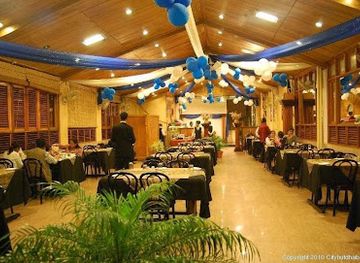
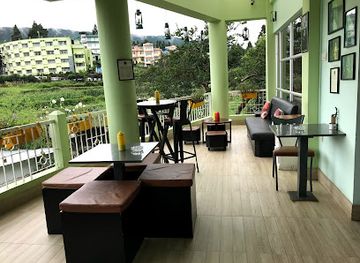
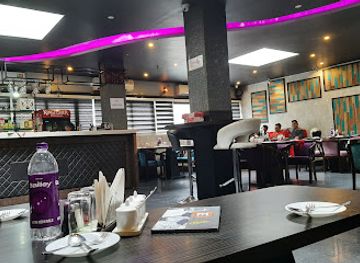
Shillong’s food culture reflects Khasi traditions, Christian influences and the movement of communities across north-east India. Local menus may feature pork, smoked meats, rice, seasonal greens and fermented or preserved ingredients, while distinctive Khasi preparations such as jadoh combine rice with meat and spices. Dohneiihong, a pork dish prepared with black sesame, and tungrymbai, made from fermented soybean, are among the regional specialities visitors may encounter. Police Bazaar has the widest concentration of casual restaurants and cafés, while Laitumkhrah is associated with newer coffee shops, bakeries and informal dining. Tibetan, Indian, Chinese and continental food are also readily represented, reflecting Shillong’s student and administrative population. Lewduh provides an opportunity to see the ingredients used in local kitchens, although market food is best approached with attention to hygiene, freshness and personal tolerance for unfamiliar flavours.
-
Family-friendly
City Hut Family Dhaba
Discover the flavors of India at City Hut Family Dhaba - a family-friendly restaurant offering exquisite Indian, Chinese, and European cuisines in Shillong.
8 min walk · 0.7 km from city centre
-
Restaurant
Dylan's Café
Discover culinary delights at Dylan's Café in Shillong – where local flavors meet vibrant atmosphere.
5 min drive · 1.8 km from city centre
-
Restaurant
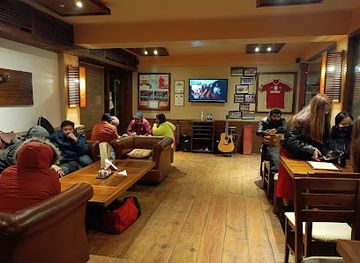
Cafe Shillong
Experience the warmth of Meghalaya at Café Shillong—where every cup tells a story.
5 min drive · 1.6 km from city centre
-
South Indian
Madras Cafe
Discover the rich flavors of South India at Madras Cafe in Shillong – your go-to spot for authentic vegetarian breakfasts and meals.
5 min walk · 0.4 km from city centre
Best bars in Shillong
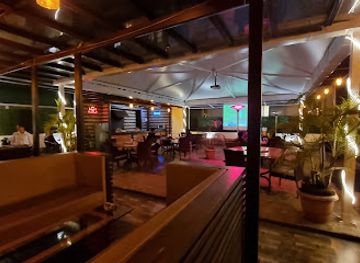
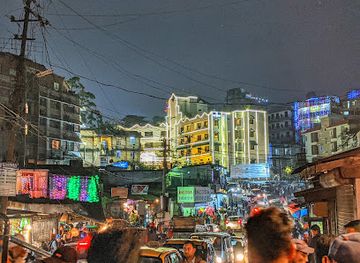
Shillong’s evening culture is better known for live music and informal socialising than for a large club circuit. Bars, pubs and restaurant lounges are concentrated around commercial areas such as Police Bazaar and Laitumkhrah, where evenings may include locally performed rock, acoustic sets or contemporary Indian music. The city’s long association with guitar-based performance has produced a strong culture of bands and music events, although venues and programmes can change. Cafés and relaxed lounges offer quieter alternatives, particularly for students and young professionals, while larger concerts and cultural performances take place separately from ordinary bar-going. Nightlife is not uniformly late or intense, and some districts become quiet after business hours. Use arranged transport when returning to outer neighbourhoods, and remember that local licensing rules and venue policies govern alcohol service and entertainment.
-
Grill
Kitchen Xpress
Discover the culinary delights of Kitchen Xpress in Shillong, where authentic grill flavors meet a warm and inviting atmosphere.
13 min walk · 1.1 km from city centre
-
Cafe
The Loft - Cafe & Restaurant
Discover The Loft in Shillong - where cafe culture meets a diverse culinary experience, offering Chinese, Continental, and delightful cafe fare.
12 min walk · 1.0 km from city centre
-
Bar
Tango RestoBar & Lounge
Discover the ultimate nightlife experience at Tango RestoBar & Lounge in Shillong, where great food, drinks, and entertainment come together.
6 min walk · 0.5 km from city centre
-
Bar
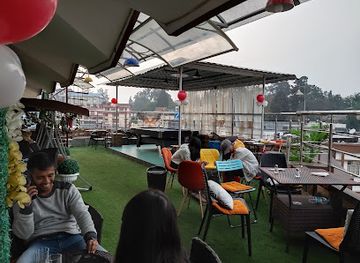
Glass House - Grill & Bar
Unwind at Glass House - Grill & Bar in Shillong, where delectable grilled dishes meet an inviting atmosphere for a memorable night out.
6 min walk · 0.5 km from city centre

Best nightclubs in Shillong
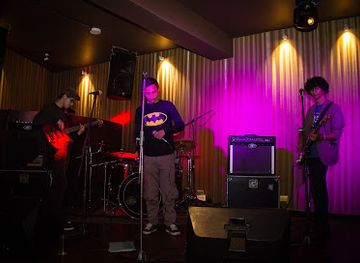
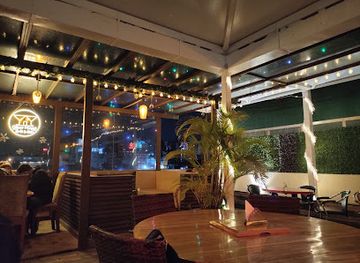
Shillong’s evening culture is better known for live music and informal socialising than for a large club circuit. Bars, pubs and restaurant lounges are concentrated around commercial areas such as Police Bazaar and Laitumkhrah, where evenings may include locally performed rock, acoustic sets or contemporary Indian music. The city’s long association with guitar-based performance has produced a strong culture of bands and music events, although venues and programmes can change. Cafés and relaxed lounges offer quieter alternatives, particularly for students and young professionals, while larger concerts and cultural performances take place separately from ordinary bar-going. Nightlife is not uniformly late or intense, and some districts become quiet after business hours. Use arranged transport when returning to outer neighbourhoods, and remember that local licensing rules and venue policies govern alcohol service and entertainment.
-
Night club
Tango RestoBar & Lounge
Tango RestoBar & Lounge: A dynamic fusion of nightlife, delicious cuisine, and live entertainment in the heart of Shillong.
6 min walk · 0.5 km from city centre
-
Bar
Glass House - Grill & Bar
Experience the vibrant nightlife of Shillong at Glass House - Grill & Bar, where delectable flavors meet an inviting atmosphere.
6 min walk · 0.5 km from city centre
-
Bar
The Evening Club
Experience the vibrant nightlife of Shillong at The Evening Club, where music, drinks, and culture blend in perfect harmony.
6 min walk · 0.5 km from city centre
-
Restaurant
Mikado Restaurant
Discover the diverse flavors of Indian, Chinese, and Continental cuisine at Mikado Restaurant in Shillong's vibrant Police Bazar.
5 min walk · 0.4 km from city centre

Best shops in Shillong
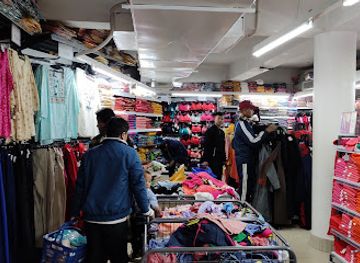
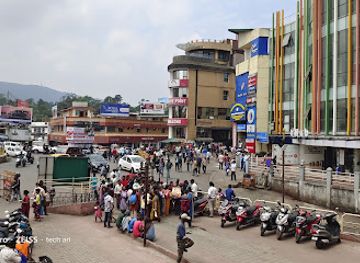
Shopping in Shillong ranges from working markets and small specialist stalls to modern retail streets. Lewduh, widely known as Bara Bazaar, is the city’s principal traditional market and a place to see Khasi and regional produce, spices, grains, baskets and household goods moving through everyday trade. Police Bazaar provides a denser concentration of clothing shops, footwear, electronics, cafés and practical visitor shopping. Artisan outlets and emporia sell Meghalaya handicrafts such as cane and bamboo work, woven items, traditional textiles and locally produced goods, although quality and provenance vary between sellers. Visitors may also find regional tea, spices, honey and packaged foods suitable for travel. Bargaining is more likely in informal markets than in fixed-price shops, and respectful photography matters in places where people are working rather than performing for tourists.
-
Hypermarket
Vishal Mega Mart
Discover Shillong’s vibrant shopping scene at Vishal Mega Mart, where a wide range of groceries and local products await your exploration.
7 min walk · 0.6 km from city centre
-
Shopping mall
OB Shopping Mall
Discover the bustling OB Shopping Mall in Shillong, a unique blend of local crafts, modern shopping, and delicious cuisine.
6 min walk · 0.5 km from city centre
-
Market
Polo Bazaar
Explore Polo Bazaar, Shillong: A bustling market offering local crafts, delicious cuisine, and a glimpse into the vibrant culture of Meghalaya.
15 min walk · 1.2 km from city centre
-
Uniform store
SHUBHAM SHOPPY
Experience quality and style at SHUBHAM SHOPPY, Shillong's premier destination for uniforms and menswear.
3 min walk · 0.3 km from city centre

Get your free copy of our complete guide to Shillong, delivered straight to you.
Everything on this page, from attractions and restaurants to essentials and local phrases, in one PDF you can read offline, print or share.
Already have an account? Sign in
Your Shillong guide is ready.
We'll send it to · Not you? Sign out

Getting your guide ready…
We are putting together a fresh copy of the Shillong guide. This can take up to a minute.
This can take a few moments. If your browser asks, choose Allow so the download can start. You'll find the guide in your Downloads folder.
Nothing happened? Download it again
Sorry, the guide is taking longer than usual. Please try again in a minute, or get it by email instead.
Shillong essentials
Currency and Payment
Safety
Emergency Situations
Do's and Don'ts
Local Tips
From Eve
Local phrases worth knowing
You don't need to get them perfect. A few words go a long way, and locals appreciate the effort.
Basics
| English | Local | Say it |
|---|---|---|
| Hello | Khublei | [koo-blay] |
| Goodbye | Shisha | [shee-sha] |
| Yes | Ha | [ha] |
| No | Thoh | [t-hoh] |
| Please/You're welcome | Khublei | [koo-blay] |
| Thank you | Kublei | [koo-blay] |
| Excuse me/Sorry | Shnong | [shh-nong] |
| How are you? | Kumno ka jingthmu? | [koom-no ka jing-th-moo] |
| Fine. And you? | Ngi leh. Ha kumno? | [ngi leh. ha koom-no] |
| Do you speak English? | Ngam jingthmu iingris? | [ngam jing-th-moo een-grees] |
| I don't understand | Ka jing�it ia ka long kaba? | [ka jing-it ia ka long kaba] |
Eating & Drinking
| English | Local | Say it |
|---|---|---|
| I'd like to see the menu, please | Ka jingim menu, kublei | [ka jing-eem menu, koo-blay] |
| I don't eat meat | Ka jingthmu kren ngeit i khleh | [ka jing-th-moo kren n-gate ee kh-lay] |
| Cheers! | Khublei | [koo-blay] |
| I would like to pay, please | Ka jingim ka por, kublei | [ka jing-eem ka por, koo-blay] |
Emergencies
| English | Local | Say it |
|---|---|---|
| Help! | Dieng | [dee-ng] |
| Go away! | Kharai | [kha-rye] |
| Call the Police! | Dieng i laitlum | [dee-ng ee lait-loom] |
| Call a doctor! | Dieng i doctor | [dee-ng ee doctor] |
| I'm lost | Ka jingthmu kem u | [ka jing-th-moo kem oo] |
| I'm ill | Ka jingthmu u | [ka jing-th-moo oo] |
Shopping
| English | Local | Say it |
|---|---|---|
| I'd like to buy... | Ka jingim... | [ka jing-eem] |
| I'm just looking | Ka jingthmu i jop | [ka jing-th-moo ee jop] |
| How much is it? | Iaphi ia ka jingit? | [yaf-hee ia ka jing-it] |
| That's too expensive | Iathuh ia ka jingpyn�iei | [yat-huh ia ka jing-pyn-eei] |
| Can you lower the price? | Nga thoh kumno ka jingpyn�iei? | [nga t-hoh koom-no ka jing-pyn-eei] |
Time & Numbers
| English | Local | Say it |
|---|---|---|
| What time is it? | Tip kiba? | [tip kee-ba] |
| It's one o'clock | Tip ha kiba | [tip ha kee-ba] |
| Half past (10) | Naitung ha (10) | [nai-toong ha (10)] |
| Morning | Phawar | [pha-war] |
| Afternoon | Tymmen | [tim-men] |
| Evening | Jingkyrkhu | [jing-ker-khoo] |
| Yesterday | Kini ka jylla | [kee-nee ka jylla] |
| Today | Ka jylla | [ka jylla] |
| Tomorrow | Ki khubor | [kee hoo-bor] |
| 1 | Ha | [ha] |
| 2 | Ki | [kee] |
| 3 | Thi | [thee] |
| 4 | Ra | [ra] |
| 5 | Khli | [kh-lee] |
| 6 | Nga | [ng-ah] |
| 7 | Kyrwi | [keer-wee] |
| 8 | Kiew | [kee-oh] |
| 9 | Jyrngam | [jeer-ngam] |
| 10 | Pathaw | [pa-thaw] |
Transport & Directions
| English | Local | Say it |
|---|---|---|
| Where's a/the...? | Hangne... | [hang-nay] |
| What's the address? | Tip leh shyntip? | [tip leh shin-tip] |
| Can you show me (on the map)? | Nga thoh long ka shaphang? | [nga t-hoh long ka sha-fang] |
| When's the next (bus)? | Tip � thoh (bus)? | [tip t-hoh (bus)] |
| A ticket (to ....) | Ka ticket (ia ....) | [ka ticket (ee-ah)] |
History of Shillong
Khasi Hills Before Colonial Rule
The Shillong area developed within the cultural world of the Khasi people, whose communities occupied the hills through village-based social and political systems rather than a single centralised kingdom. Khasi society, language and customary institutions remain fundamental to the identity of Meghalaya. The wider plateau also connected Khasi communities with the Jaintia and Garo hills and with the plains of Assam and Bengal through trade and movement. Shillong’s later growth did not erase this older landscape: many surrounding place names, social practices and patterns of land use preserve the memory of a region shaped by indigenous institutions before British administration.
The Anglo-Khasi War
British expansion into the Khasi Hills in the early nineteenth century brought conflict over roads, political authority and control of the hill routes. The Anglo-Khasi War began in 1829 after resistance led by U Tirot Sing, the Khasi chief of Nongkhlaw, and continued until 1833. Although British forces eventually established control, the resistance remains a significant part of Khasi historical memory and is commemorated in Meghalaya. The conflict also marked a decisive change in the political relationship between the hill communities and the colonial state, setting the conditions for the administrative and military importance Shillong would later acquire.
A British Hill Station Emerges
During the nineteenth century, the British developed Shillong as a hill station and administrative centre, valuing its cooler climate and strategic position between the Assam plains and the hill territories. Missionaries established schools and churches, while roads and public institutions encouraged settlement beyond the earlier Khasi villages. Shillong became the capital of the newly created province of Assam in 1874, increasing its administrative importance. The city’s Christian institutions, English-language education and surviving colonial-era buildings reflect this period, although the urban culture that evolved was shaped equally by Khasi communities and later migrants from across north-east India.
Earthquake, Reconstruction and Growth
The great Assam earthquake of 1897 caused extensive destruction across Shillong and the surrounding region. Buildings, roads and public works were damaged, and the disaster exposed the vulnerability of a hill city built in an active seismic zone. Reconstruction introduced stronger building practices and altered parts of the town’s architectural appearance. During the late colonial and early post-colonial periods, Shillong continued to expand as an administrative, educational and military centre. Its institutions attracted residents from different parts of the region, adding new religious, linguistic and commercial influences to the predominantly Khasi cultural setting.
From Assam Capital to Meghalaya Capital
Political movements seeking greater recognition for the hill peoples led to the creation of the autonomous state of Meghalaya within Assam in 1970 and the full state of Meghalaya in 1972. Shillong became the capital of the new state, a role it continues to hold. This transition strengthened the city’s importance as the centre of Khasi, Jaintia and Garo political life, while also giving institutional expression to the distinct history of the hill region. Government offices, educational establishments and cultural organisations expanded, transforming Shillong from a colonial hill station into the capital of a modern north-eastern state.
Music, Education and Modern Shillong
Since the late twentieth century, Shillong has developed a distinctive reputation for live music, particularly rock, alongside its established educational and religious institutions. Local bands, music festivals and performance venues have connected the city with wider Indian and international music circuits. At the same time, urban growth has brought traffic pressure, construction and changing patterns of land use to the hills. Contemporary Shillong therefore combines state-capital functions with a strong local cultural identity, visible in Khasi traditions, markets, churches, food and music rather than in a single preserved historic quarter.
Shillong in Photos
Browse through our photo collection highlighting the charm and character of the destination.
Cities near Shillong
The closest cities to Shillong, if you have time for more than one stop.
-

-

-

-
-


Swipe for more cities
Explore more

Explore more of India
Discover the magic of India, where diverse landscapes, rich heritage, and vibrant culture come together to create an unforgettable travel experience.
Explore India