

Free Aizawl Travel Guide & Mobile App
Plan your Aizawl trip with Evendo. Get free guides to top attractions, restaurants, hotels, and bars. Web access or download the mobile app.


Discover Aizawl - A tranquil hill city in North-East India, where modernity meets tradition amidst stunning landscapes and rich culture.
Read more about Aizawl
When is the best time to visit Aizawl?
Best: February–March, December · 21–24°C| Month | High (°C) | Rainfall (mm) |
|---|---|---|
| January | 20 | 47 |
| February (best) | 22 | 49 |
| March (best) | 24 | 78 |
| April | 27 | 186 |
| May | 31 | 561 |
| June | 33 | 843 |
| July | 33 | 1192 |
| August | 32 | 1018 |
| September | 31 | 702 |
| October | 28 | 309 |
| November | 24 | 87 |
| December (best) | 21 | 44 |
Getting to and around Aizawl
How to get there
Transportation
Best attractions in Aizawl
Aizawl, the capital city of Mizoram, is a hidden gem waiting to be explored by intrepid travelers. Perched on steep hills, this charming city offers stunning panoramic views of lush green valleys and picturesque landscapes. Visitors can immerse themselves in the rich cultural heritage of the Mizo people by visiting the Mizoram State Museum, which showcases traditional artifacts and historical exhibits. The iconic Solomon's Temple, with its unique architecture and serene ambiance, is a must-visit for spiritual seekers. For nature enthusiasts, the Durtlang Hills and Baktawng Village, home to the world's largest family, offer a tranquil retreat amidst nature's bounty. Aizawl's vibrant markets, such as the Bara Bazaar, are perfect for shopping for local handicrafts and souvenirs. With its warm hospitality, delectable cuisine, and breathtaking vistas, Aizawl promises a truly unforgettable experience for all who venture here.
-
Park
Folkland Park
Discover Aizawl's vibrant recreational haven: Folkland Park, where nature meets entertainment for unforgettable family fun and community spirit.
7 min drive · 2.4 km from city centre
-
Tourist attraction
MZU Park
Discover a serene oasis in Aizawl at MZU Park, where natural beauty meets local art and culture for a peaceful retreat.
15 min drive · 5.2 km from city centre
-
Tourist attraction
Lalat Park
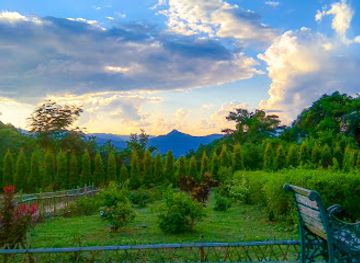
Escape to Lalat Park in Aizawl: A serene oasis with lush greenery, scenic views, and family-friendly recreation in the heart of Mizoram.
14 min walk · 1.2 km from city centre
-
Tourist attraction
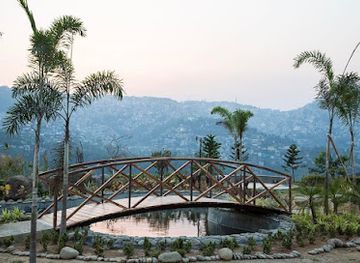
Lalsavunga Park, Hlimen
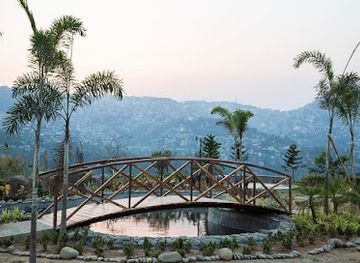
Discover Lalsavunga Park: A serene escape near Aizawl with stunning views, hanging bridges, and family-friendly activities in the heart of Mizoram.
19 min drive · 6.4 km from city centre
Best landmarks in Aizawl
Aizawl, the capital city of Mizoram in India, offers visitors a rich tapestry of cultural and historical landmarks to explore. From the iconic Aizawl Cathedral with its stunning architecture to the bustling markets of Bara Bazar where you can immerse yourself in the local culture, there is something for everyone. Take a stroll along the winding streets of Solomon's Temple and soak in the panoramic views of the city below, or visit the Mizoram State Museum to learn about the region's fascinating history. Don't miss the opportunity to trek up to the Durtlang Hills for a breathtaking sunset over the cityscape, or wander through the peaceful serenity of Reiek Tlang - a perfect escape from the hustle and bustle of city life. Aizawl truly has something for every type of traveller, promising an unforgettable experience for those who are willing to explore its hidden gems.
-
Restaurant
Chopstyx Restaurant
Aizawl's favorite for Chinese and seafood fusion, offering quality dining in a cozy and hygienic setting.
13 min walk · 1.1 km from city centre
-
Recreation center
Folkland Park
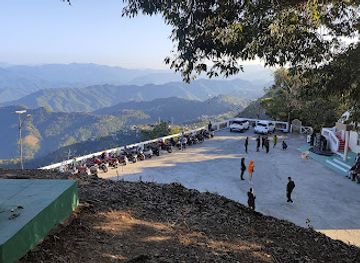
Escape to Folkland Park in Aizawl for recreation, nature, and family fun amidst Mizoram's scenic beauty. Enjoy go-karting, walking trails, and city views.
7 min drive · 2.4 km from city centre
-
Hotel
The Esquire
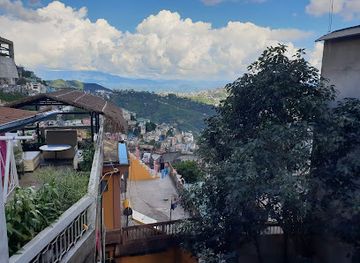
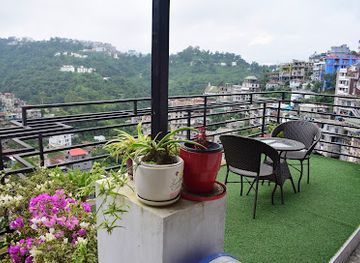
Experience comfort and convenience at The Esquire, your home away from home in the heart of Aizawl, Mizoram.
17 min walk · 1.3 km from city centre
-
Hotel
Hotel Dinthar Zara
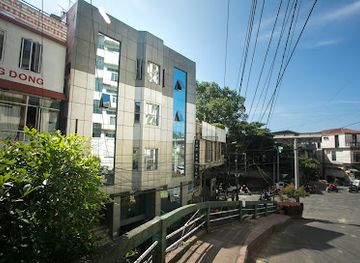
Experience comfort and culture in Aizawl at Hotel Dinthar Zara, with scenic views, local cuisine, and easy access to city attractions.
8 min walk · 0.6 km from city centre
Explore Aizawl on the map
Plan your Aizawl trip on one map. See where the top attractions, landmarks, restaurants, bars and hotels are, find what's near where you're staying, and book hotels and experiences in a few clicks.
Best hotels in Aizawl
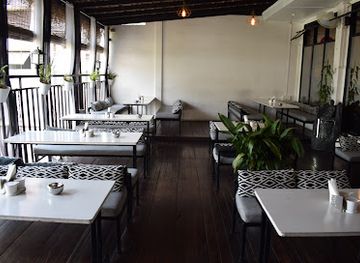
Best restaurants in Aizawl
Aizawl boasts a vibrant dining scene that offers a unique blend of traditional Mizo cuisine and modern fusion dishes. Visitors can expect to indulge in local delicacies such as bamboo shoot curry, smoked pork, and zu tea, while also enjoying international flavors at upscale restaurants. From bustling street food stalls serving up spicy snacks to cozy cafes perfect for a leisurely brunch, Aizawl has something for every palate. The city's restaurants not only provide delicious food but also offer a glimpse into the rich cultural heritage of the region, making dining in Aizawl a truly immersive experience for tourists.
-
Restaurant
Chopstyx Restaurant
Discover the flavors of Aizawl at Chopstyx Restaurant – where Chinese cuisine meets fresh seafood in a delightful dining experience.
13 min walk · 1.1 km from city centre
-
Korean
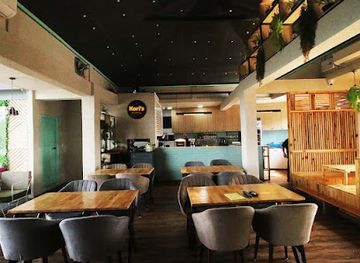
Kori's
Discover authentic Korean flavors at Kori's in Aizawl - where every dish tells a story.
9 min walk · 0.7 km from city centre
-
Restaurant
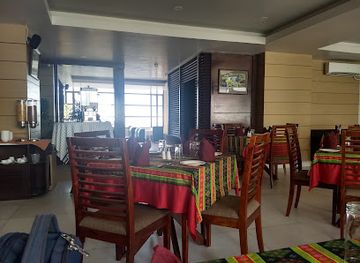
Zamzo Grill & Kitchen Restaurant (Hotel Floria)
Discover the flavors of Mizoram at Zamzo Grill & Kitchen – where culinary tradition meets family-friendly dining in Aizawl.
7 min walk · 0.5 km from city centre
-
Fast Food
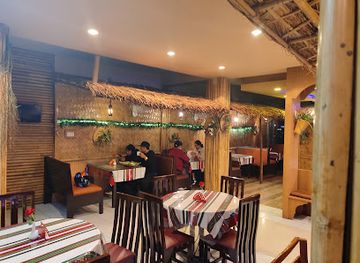
Red Pepper
Discover delicious fast food with a local twist at Red Pepper in Chanmari, Aizawl - perfect for tourists craving quick bites!
15 min walk · 1.2 km from city centre
Best bars in Aizawl
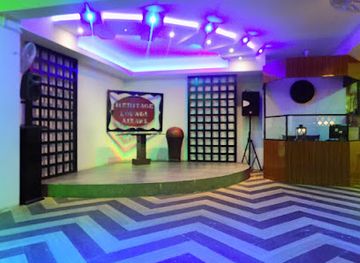
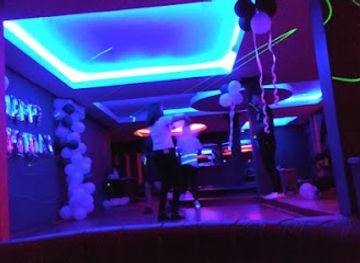
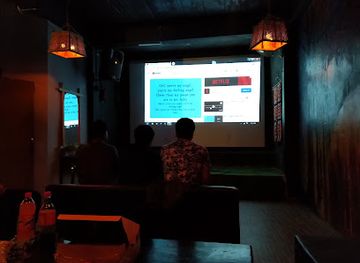
Aizawl's nightlife scene offers a vibrant mix of traditional and modern entertainment options for visitors to enjoy. From cozy local pubs serving up regional delicacies and live music, to trendy nightclubs pulsating with electronic beats and international DJs, there is something for everyone to revel in. The city comes alive after dark, with bustling night markets selling local crafts and street food, and colorful festivals celebrating the rich cultural heritage of the region. Whether you're looking to unwind with a cocktail in hand or dance the night away, Aizawl promises a memorable and dynamic nightlife experience for all travelers.
-
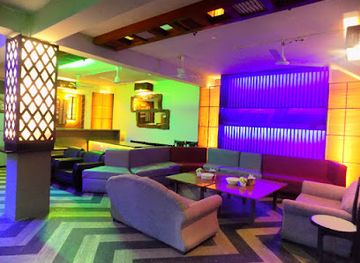
Lounge
Heritage Lounge
Discover vibrant nightlife and exquisite dining at Heritage Lounge in Aizawl - the perfect blend of relaxation and entertainment amidst scenic Mizoram.
8 min drive · 2.6 km from city centre
-
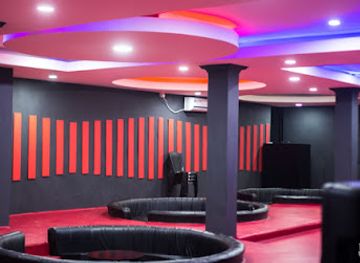
Karaoke bar
VERVE (The Versatile Venue)
Discover Aizawl's vibrant nightlife at VERVE, the ultimate karaoke bar for music lovers and fun seekers in Mizoram.
5 min drive · 1.8 km from city centre
-
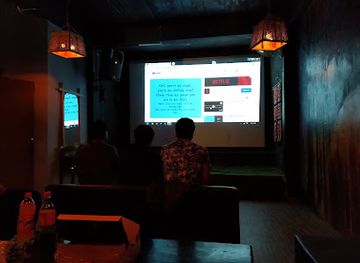
Karaoke bar
RANSAM Basement
Discover the vibrant karaoke scene at RANSAM Basement in Aizawl, where music and fun come together in an unforgettable atmosphere.
5 min drive · 1.8 km from city centre
-
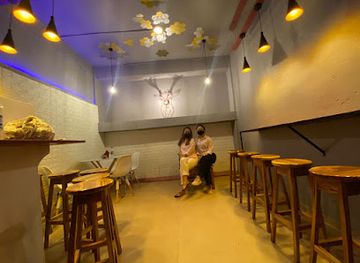
Restaurant
D Juice Bar
Experience the refreshing taste of local fruits at D Juice Bar in Aizawl, a vibrant spot for juices and light snacks.
17 min walk · 1.4 km from city centre
Best nightclubs in Aizawl
Aizawl's nightlife scene offers a vibrant mix of traditional and modern entertainment options for visitors to enjoy. From cozy local pubs serving up regional delicacies and live music, to trendy nightclubs pulsating with electronic beats and international DJs, there is something for everyone to revel in. The city comes alive after dark, with bustling night markets selling local crafts and street food, and colorful festivals celebrating the rich cultural heritage of the region. Whether you're looking to unwind with a cocktail in hand or dance the night away, Aizawl promises a memorable and dynamic nightlife experience for all travelers.
-
Lounge
Heritage Lounge
Experience the vibrant nightlife at Heritage Lounge in Aizawl – a perfect blend of relaxation, entertainment, and local culture.
8 min drive · 2.6 km from city centre
-
Karaoke bar
VERVE (The Versatile Venue)
Discover the lively world of karaoke at VERVE, Aizawl's top venue for music, fun, and unforgettable nights out.
5 min drive · 1.8 km from city centre
-
Karaoke bar
RANSAM Basement
Experience the vibrant nightlife of Aizawl at RANSAM Basement, the ultimate karaoke destination for tourists and locals alike.
5 min drive · 1.8 km from city centre
-
Night club
HYDE INN
Experience the vibrant nightlife at Hyde Inn, Aizawl's premier night club, offering great music, delicious drinks, and an unforgettable atmosphere.
5 min drive · 1.8 km from city centre

Best shops in Aizawl
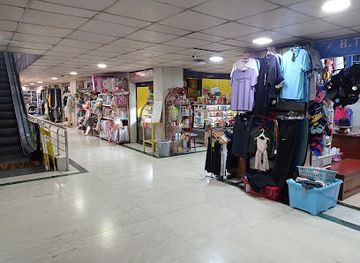
The shopping scene in Aizawl offers a unique blend of traditional and modern experiences for visitors. From bustling markets filled with colorful textiles, handicrafts, and local produce to modern shopping malls with international brands, there is something for every kind of shopper. Don't miss out on exploring the local street markets where you can find authentic Mizo shawls, bamboo products, and tribal jewelry. The vibrant atmosphere and friendly vendors make shopping in Aizawl a truly memorable experience.
-
Shopping mall
Millennium Centre
Discover the Millennium Centre in Aizawl – a vibrant shopping destination blending local culture, modern retail, and delightful dining experiences.
7 min walk · 0.5 km from city centre
-
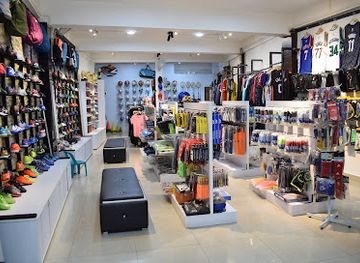
Sporting goods store
Chawngthu Sports
Discover Chawngthu Sports in Aizawl, where quality sporting goods meet a vibrant sports culture, perfect for athletes and enthusiasts alike.
7 min walk · 0.6 km from city centre
-
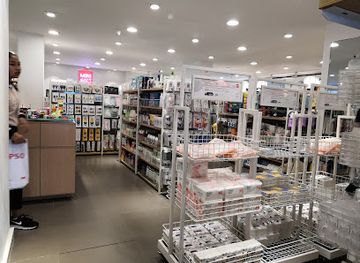
Shopping mall
MINISO
Experience affordable luxury shopping at MINISO in Aizawl, where quality meets creativity in a vibrant atmosphere.
9 min walk · 0.7 km from city centre
-
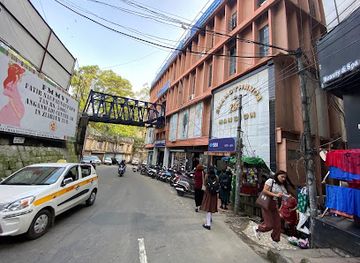
Shopping mall
Solomon's Cave
Discover the vibrant shopping experience at Solomon's Cave in Aizawl, Mizoram, where local culture meets modern convenience.
2 min walk · 0.2 km from city centre
Get your free copy of our complete guide to Aizawl, delivered straight to you.
Everything on this page, from attractions and restaurants to essentials and local phrases, in one PDF you can read offline, print or share.
Already have an account? Sign in
Your Aizawl guide is ready.
We'll send it to · Not you? Sign out

Getting your guide ready…
We are putting together a fresh copy of the Aizawl guide. This can take up to a minute.
This can take a few moments. If your browser asks, choose Allow so the download can start. You'll find the guide in your Downloads folder.
Nothing happened? Download it again
Sorry, the guide is taking longer than usual. Please try again in a minute, or get it by email instead.
Aizawl essentials
Currency and Payment
Safety
Emergency Situations
Do's and Don'ts
Local Tips
From Eve
Local phrases worth knowing
You don't need to get them perfect. A few words go a long way, and locals appreciate the effort.
Basics
| English | Local | Say it |
|---|---|---|
| Hello | Rawngbawlai | [raŋbɔːlai] |
| Goodbye | Thlakrawt | [tɬakrɔːt] |
| Yes | Engtin | [eŋtɪn] |
| No | Engtin lo | [eŋtɪn lo] |
| Please/You're welcome | Hming | [mɪŋ] |
| Thank you | Nangmah | [naŋma] |
| Excuse me/Sorry | Hmeichhia | [mɛitʃia] |
| How are you? | Ka in ang che? | [ka ɪn aŋ tʃe] |
| Fine. And you? | Hriat. Nuam ah ka che? | [riat nʊam a ka tʃe] |
| Do you speak English? | English ka hman thei lo? | [ɪŋglɪʃ ka m̩ θe lo] |
| I don't understand | Ka hria lo | [ka ria lo] |
Eating & Drinking
| English | Local | Say it |
|---|---|---|
| I'd like to see the menu, please | Menu ka thei thei ang | [mɛnju ka θe θe aŋ] |
| I don't eat meat | Na khawih sawm lo | [na kʰawi sɔːm lo] |
| Cheers! | Zumlo | [zʊmlo] |
| I would like to pay, please | Inneih thei thei ang | [ɪnneɪ θe θe aŋ] |
Emergencies
| English | Local | Say it |
|---|---|---|
| Help! | Thlakrawt! | [tɬakrɔːt] |
| Go away! | Lak rawt! | [lak rɔːt] |
| Call the Police! | Thuneitu kal thei rawh! | [tʰuneɪtu kaθ θe rɔː] |
| Call a doctor! | Doctor kal rawh! | [dɔktə kaθ rɔː] |
| I'm lost | Ka hawi lo | [ka haːwi lo] |
| I'm ill | Ka thiam lo | [ka tʰiaːm lo] |
Shopping
| English | Local | Say it |
|---|---|---|
| I'd like to buy... | Ka thei thei ang... | [ka θe θe aŋ] |
| I'm just looking | Ka hman phawt lo | [ka m̩ phaʊt lo] |
| How much is it? | Engmah ka ei? | [eŋma ka eɪ] |
| That's too expensive | Awh mai mai | [aʍ maɪ maɪ] |
| Can you lower the price? | Engmah ka thei ve lo? | [eŋma ka θe ve lo] |
Time & Numbers
| English | Local | Say it |
|---|---|---|
| What time is it? | Nichung ka ei? | [niˈtʃʊŋ ka eɪ] |
| It's one o'clock | Kan hnih ka ei | [kan ˈniː ka eɪ] |
| Half past (10) | Zirna hnih | [ˈziɾna ˈniː] |
| Morning | Thla | [tɬa] |
| Afternoon | Tlawm | [tlaʊm] |
| Evening | Thingzawn | [θiŋˈzɔːn] |
| Yesterday | Thla hnih | [tɬa ˈniː] |
| Today | In | [in] |
| Tomorrow | Ming | [miŋ] |
| 1 | Kan | [kan] |
| 2 | Khat | [kʰat] |
| 3 | Khatra | [kʰatɾa] |
| 4 | Pau | [pau] |
| 5 | Pathum | [patʰum] |
| 6 | Rokua | [ɾɔkʊa] |
| 7 | Thum | [tʰum] |
| 8 | Sailam | [sailam] |
| 9 | Sana | [sana] |
| 10 | Pathian | [patʰiˈan] |
Transport & Directions
| English | Local | Say it |
|---|---|---|
| Where's a/the...? | Kan... | [kan] |
| What's the address? | Address ka ei? | [əˈdɹɛs ka eɪ] |
| Can you show me (on the map)? | Map a min hmuh thei ve lo? | [mæp ə mɪn m̩ hmuθ θei ve lo] |
| When's the next (bus)? | Chawlhkar chu ka ei? | [tʃɔːl̥kʰaɾ tʃu ka eɪ] |
| A ticket (to ....) | Ticket (....) ka thei ang | [tɪkɪt ka θe aŋ] |
History of Aizawl
Founding of Aizawl
Aizawl, the capital of Mizoram, was officially founded in 1871-72. It was initially established as a military fort by the British to control the local Lusei tribals, who were known for their fierce independence and headhunting practices.
Colonial Era and British Influence
During the British colonial era, Aizawl served as an administrative center. The British influence is evident in the city's layout and architecture, with several colonial-era buildings still standing today. The town became a focal point for British efforts to administer and pacify the region.
Mizo Insurgency
In the 1960s, Aizawl became the center of the Mizo National Front (MNF) insurgency against the Indian government. The conflict culminated in the Indian Air Force bombing Aizawl in 1966, marking the first and only instance of India bombing its own territory. This event deeply scarred the local population and is a significant part of the city's history.
Formation of Mizoram State
Mizoram was granted Union Territory status in 1972, with Aizawl as its capital. This was a significant milestone in the region's history, leading to the eventual formation of the state of Mizoram in 1987. Aizawl's role as the administrative and cultural heart of the new state was cemented during this period.
Cultural Melting Pot
Aizawl is a cultural melting pot, with a rich tapestry of traditions, languages, and religions. The city is predominantly inhabited by the Mizo people, who have their own distinct customs, dances, and festivals. Christianity, introduced by Welsh missionaries in the late 19th century, plays a significant role in the cultural life of Aizawl.
Modern-Day Aizawl
Today, Aizawl is a bustling urban center that blends traditional Mizo culture with modern development. The city is known for its picturesque setting, nestled among the hills, and its vibrant markets and cultural institutions. It continues to be the political, cultural, and economic hub of Mizoram.
Travel experiences inspired by this city

Swipe for more travel diaries
Aizawl in Photos
Browse through our photo collection highlighting the charm and character of the destination.
Cities near Aizawl
The closest cities to Aizawl, if you have time for more than one stop.
-

-
-

-

-


Swipe for more cities
Explore more

Explore more of India
Discover the magic of India, where diverse landscapes, rich heritage, and vibrant culture come together to create an unforgettable travel experience.
Explore India