

Free Kozhikode Travel Guide & Mobile App
Plan your Kozhikode trip with Evendo. Get free guides to top attractions, restaurants, hotels, and bars. Web access or download the mobile app.


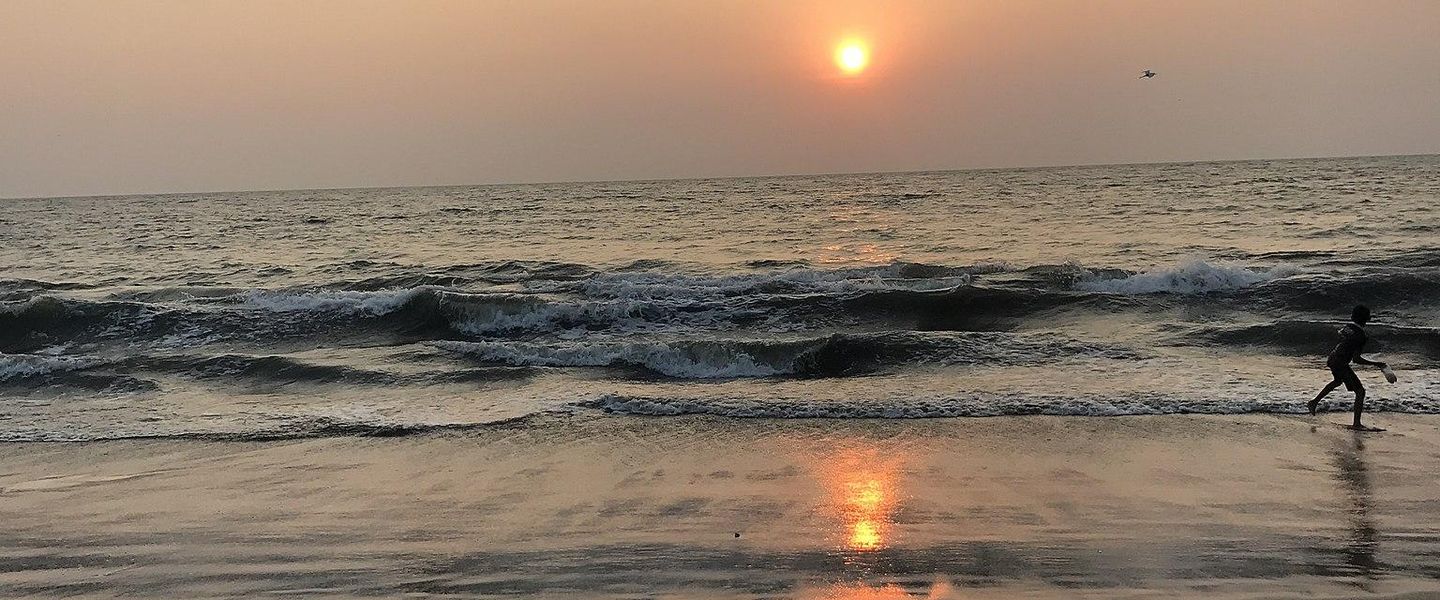


Kozhikode, Kerala blends Malabar history, spice-trade heritage, beaches, mosques, temples and distinctive cuisine with welcoming coastal city life.
A Coast Shaped by the Spice Trade
Kozhikode, also known as Calicut, occupies a distinguished place on Kerala’s Malabar Coast. For centuries, its harbour connected the Indian Ocean world with Arab, Persian, Chinese and European merchants, particularly through the trade in pepper and other spices. Portuguese navigator Vasco da Gama reached nearby Kappad in 1498, an encounter that opened a new chapter in European maritime history. The city’s identity still reflects this layered past: old mosques, Hindu temples, market streets and a cuisine influenced by generations of coastal exchange sit alongside a busy modern centre.Read more about Kozhikode
Beaches, Markets and Everyday City Life
Malabar Culture and Coastal Landscapes
When is the best time to visit Kozhikode?
Best: November–January · 32°C| Month | High (°C) | Rainfall (mm) |
|---|---|---|
| January (best) | 32 | 3 |
| February | 32 | 3 |
| March | 33 | 3 |
| April | 33 | 3 |
| May | 33 | 8 |
| June | 32 | 17 |
| July | 32 | 18 |
| August | 32 | 18 |
| September | 32 | 15 |
| October | 32 | 12 |
| November (best) | 32 | 7 |
| December (best) | 32 | 4 |
Getting to and around Kozhikode
How to get there
Transportation
Best attractions in Kozhikode
Kozhikode’s principal attractions reveal both its coastal setting and its long commercial history. Kozhikode Beach offers an open Arabian Sea horizon, evening promenades and views from its old piers, while nearby Lion’s Park provides a family-oriented public space. Mananchira Square, formed around a historic tank associated with the Zamorin period, is a calm green centre amid the city’s commercial streets. A walk through Mittai Theruvu introduces the shops and food traditions for which Calicut is known, especially its halwa. The Mishkal Mosque in Kuttichira is an important historic Mappila monument, and the Tali Temple reflects the city’s Hindu religious heritage, with access governed by temple customs. The Kerala Lalithakala Akademi art gallery offers a cultural counterpoint through exhibitions and visual arts. Outside the central city, Kappad commemorates Vasco da Gama’s 1498 landing, while Beypore presents a working maritime tradition centred on wooden uru boat construction.
-
Beach
Kozhikode Beach
Discover the beauty of Kozhikode Beach, where golden sands meet rich cultural experiences and stunning sunsets in Kerala's coastal paradise.
19 min walk · 1.5 km from city centre
-
Beach
Kozhikode Beach
Discover the charm of Kozhikode Beach, where golden sands meet rich history and vibrant culture in Kerala's coastal paradise.
19 min walk · 1.5 km from city centre
-
Tourist attraction
SAROVARAM BIOPARK
Explore the lush landscapes and diverse wildlife of Sarovaram Biopark, a tranquil escape in Kozhikode, Kerala's natural paradise.
5 min drive · 1.7 km from city centre
-
Bird watching area
Kadalundi Bird Sanctuary
Explore the breathtaking Kadalundi Bird Sanctuary in Kerala, a paradise for bird lovers and nature enthusiasts, where diverse avian species thrive.
35 min drive · 15 km from city centre


Best landmarks in Kozhikode
Kozhikode’s landmarks embody the city’s history as a Malabar port and a centre of religious and civic life. The Mishkal Mosque at Kuttichira is a striking historic timber-and-tile mosque associated with the region’s Mappila Muslim community and maritime connections. Tali Temple, traditionally linked with the Zamorin rulers, remains an important Hindu religious institution whose architecture and rituals must be approached with respect for access rules. Mananchira Square preserves the setting of a historic water tank and now forms one of the city’s principal civic spaces. Kozhikode Beach’s old piers recall the city’s relationship with the sea, even though the port’s commercial role has changed. The Kuttichira tank and surrounding streets add further historical depth, while the nearby Kappad beach landmark commemorates Vasco da Gama’s arrival in 1498, outside the city itself.
-
Market
Mittayi Theruvu - SM Street
Dive into the heart of Kozhikode at Mittayi Theruvu - SM Street, where shopping and local culture come alive in a vibrant market experience.
11 min walk · 0.9 km from city centre
-
Beach
Kozhikode Beach
Discover the beauty of Kozhikode Beach, where stunning sunsets, delicious cuisine, and vibrant culture meet along the picturesque Malabar Coast.
19 min walk · 1.5 km from city centre
-
Park
SAROVARAM BIOPARK
Discover the tranquil beauty of Sarovaram Biopark in Kozhikode, Kerala, a green oasis perfect for nature lovers and families seeking serenity.
5 min drive · 1.7 km from city centre
-
Park
Mananchira Ground
Explore Mananchira Ground in Kozhikode: A serene park blending nature, culture, and history in the heart of Kerala's vibrant city.
7 min walk · 0.6 km from city centre


Explore Kozhikode on the map
Plan your Kozhikode trip on one map. See where the top attractions, landmarks, restaurants, bars and hotels are, find what's near where you're staying, and book hotels and experiences in a few clicks.
Best hotels in Kozhikode
Best restaurants in Kozhikode
Kozhikode is one of Kerala’s strongest culinary destinations, with Malabar cooking shaped by coastal trade, Muslim heritage and abundant local produce. Kozhikode biryani, fragrant with rice, spices and tender meat, is a signature dish, while pathiri, neypathal, chatti pathiri and layered breads show the region’s skill with rice flour and pastry. Seafood, coconut, curry leaves, pepper and tamarind appear widely, and snacks such as unnakaya, banana fritters and cutlets are common in bakeries and tea shops. Mittai Theruvu is associated with Calicut halwa, sold in dense, colourful varieties, alongside savouries and biscuits. Traditional restaurants, modest biryani houses and cafés around the commercial centre offer very different settings, from quick meals to leisurely family dining. The city’s food culture also reflects Arab and wider Indian Ocean influences without losing its distinctly Malabari character.
-
Indian
Paragon Restaurant
Discover the authentic taste of Kerala at Paragon Restaurant - where every dish tells a story.
4 min walk · 0.3 km from city centre
-
Indian
Rahmath Hotel
Experience authentic Indian flavors at Rahmath Hotel in Kozhikode - where every dish tells a story.
10 min walk · 0.8 km from city centre
-
Indian
Rahmath Restaurant
Experience authentic Indian flavors at Rahmath Restaurant in Kozhikode – a haven for biryani lovers and fast food fans alike.
10 min walk · 0.8 km from city centre
-
Keralan
Bombay Restaurant
Discover the rich flavors of Keralan cuisine at Bombay Restaurant—where tradition meets taste in the heart of Kozhikode.
14 min walk · 1.1 km from city centre


Best bars in Kozhikode
Kozhikode has a relatively restrained evening scene, shaped more by food, family outings and public coastal spaces than by large nightclub districts. Kozhikode Beach becomes a popular place for an evening walk, while cafés, hotel lounges and restaurants provide most of the city’s social nightlife. Visitors seeking alcoholic drinks generally find the clearest legally regulated options in licensed hotel venues and authorised establishments, with availability and operating practices subject to local rules. Live cultural activity is more likely to involve Malayalam theatre, literary programmes, music performances or community events than a dense circuit of late-night clubs. The commercial centre can remain active after dark, particularly around food streets and shopping areas, but quieter residential districts are not entertainment quarters. Evening travel is easiest when transport is arranged in advance, especially after moving beyond the central beach and market areas.
-
Bar
Queens Hotel
Discover the charm of Kozhikode at Queens Hotel, where comfort meets culinary excellence in a vibrant bar atmosphere.
5 min drive · 1.7 km from city centre
-
Bar
Hotel Amrutha
Immerse yourself in the lively culture of Kozhikode at Hotel Amrutha, a must-visit bar and restaurant for delightful local and international cuisine.
10 min walk · 0.8 km from city centre
-
Bar
Le Chicago Bar & Grill
Discover the lively nightlife at Le Chicago Bar & Grill in Kozhikode, Kerala, where delicious drinks and great company await you.
14 min walk · 1.1 km from city centre
-
Bar
Toddy Parlour & family restaurant
Experience the authentic flavors of Kerala at Toddy Parlour & Family Restaurant, where local cuisine and vibrant atmosphere meet.
19 min drive · 6.4 km from city centre


Best nightclubs in Kozhikode
Kozhikode has a relatively restrained evening scene, shaped more by food, family outings and public coastal spaces than by large nightclub districts. Kozhikode Beach becomes a popular place for an evening walk, while cafés, hotel lounges and restaurants provide most of the city’s social nightlife. Visitors seeking alcoholic drinks generally find the clearest legally regulated options in licensed hotel venues and authorised establishments, with availability and operating practices subject to local rules. Live cultural activity is more likely to involve Malayalam theatre, literary programmes, music performances or community events than a dense circuit of late-night clubs. The commercial centre can remain active after dark, particularly around food streets and shopping areas, but quieter residential districts are not entertainment quarters. Evening travel is easiest when transport is arranged in advance, especially after moving beyond the central beach and market areas.
-
Bar
Gossip Lounge
Discover the vibrant nightlife at Gossip Lounge, where exceptional drinks meet a lively atmosphere in the heart of Kozhikode, Kerala.
6 min walk · 0.5 km from city centre
-
Night club
Malarvadi club
Discover the lively nightlife at Malarvadi Club in Kozhikode, where music, dancing, and memorable experiences await every night.
30 min drive · 10 km from city centre
-
Night club
തുരുത്ത്
Discover the electrifying nightlife at Thuruth, Kadalundi's premier night club, where unforgettable memories are made.
34 min drive · 14 km from city centre
-
Night club
Commercial Complex
Experience the vibrant nightlife of Cheruvannur at its premier night club, where music and fun come together for an unforgettable evening.
27 min drive · 9.0 km from city centre


Best shops in Kozhikode
Shopping in Kozhikode ranges from traditional market streets to modern retail centres, with the strongest sense of place found around Mittai Theruvu, or Sweet Meat Street. The district is known for Calicut halwa, banana chips, savoury snacks, bakery goods and other edible gifts, while nearby shops sell textiles, clothing, household products and everyday goods. Kuttichira and the older commercial quarters offer a more local atmosphere, with businesses connected to the city’s Muslim and maritime heritage. Visitors can also look for Malabar spices, tea, coconut-based products and regional sweets, although packaged food should be checked for labelling and freshness. Contemporary shopping malls and branded stores provide air-conditioned alternatives, but Kozhikode’s retail character is most apparent in its compact, busy markets, where food traditions and ordinary local commerce continue side by side.
-
Shopping mall
HiLITE Mall
Explore HiLITE Mall in Kozhikode, a vibrant shopping destination with diverse stores, dining, and entertainment for an unforgettable experience.
18 min drive · 5.9 km from city centre
-
Shopping mall
Mittayi Theruvu - SM Street
Discover the vibrant heart of Kozhikode at Mittayi Theruvu - a shopping paradise filled with local sweets, crafts, and a lively market atmosphere.
11 min walk · 0.9 km from city centre
-
Shopping mall
Focus Mall
Explore the dynamic shopping, dining, and entertainment offerings at Focus Mall, the heart of Kozhikode's retail experience.
7 min walk · 0.5 km from city centre
-
Shopping mall
Shobhika Wedding Mall
Explore the vibrant Shobhika Wedding Mall in Kozhikode, a unique shopping haven for wedding attire and accessories that embodies Kerala's rich culture.
8 min drive · 2.7 km from city centre


Get your free copy of our complete guide to Kozhikode, delivered straight to you.
Everything on this page, from attractions and restaurants to essentials and local phrases, in one PDF you can read offline, print or share.
Already have an account? Sign in
Your Kozhikode guide is ready.
We'll send it to · Not you? Sign out

Getting your guide ready…
We are putting together a fresh copy of the Kozhikode guide. This can take up to a minute.
This can take a few moments. If your browser asks, choose Allow so the download can start. You'll find the guide in your Downloads folder.
Nothing happened? Download it again
Sorry, the guide is taking longer than usual. Please try again in a minute, or get it by email instead.
Kozhikode essentials
Currency and Payment
Safety
Emergency Situations
Do's and Don'ts
Local Tips
From Eve
Local phrases worth knowing
You don't need to get them perfect. A few words go a long way, and locals appreciate the effort.
Basics
| English | Local | Say it |
|---|---|---|
| Hello | ഹലോ | [halo] |
| Goodbye | വിട | [vita] |
| Yes | അതെ | [athe] |
| No | ഇല്ല | [illa] |
| Please/You're welcome | ദയവായി | [dayavayi] |
| Thank you | നന്ദി | [nandi] |
| Excuse me/Sorry | ക്ഷമിക്കണം | [kshamikkanam] |
| How are you? | സുഖമാണോ? | [sukhamaano?] |
| Fine. And you? | നന്ദി. നീ? | [nandi. nee?] |
| Do you speak English? | നീ ഇംഗ്ലീഷ് സംസാരിക്കുക? | [nee english samsaarikkuka?] |
| I don't understand | ഞാൻ അറിയില്ല | [naan ariyilla] |
Eating & Drinking
| English | Local | Say it |
|---|---|---|
| I'd like to see the menu, please | മെനു കാണാനും വേണം | [menu kaanaanum venam] |
| I don't eat meat | ഞാൻ പാല കഴിയാറില്ല | [naan paala kuzhiyaarilla] |
| Cheers! | സ്വാഗതം! | [swagatham!] |
| I would like to pay, please | ചെലവ് ചെയ്യാനും വേണം | [chelavu cheyaanum venam] |
Emergencies
| English | Local | Say it |
|---|---|---|
| Help! | സഹായം! | [sahaayam!] |
| Go away! | പോയിത്തരം! | [poi tharam!] |
| Call the Police! | പോലീസിനെ വിളിക്കുക! | [polisinne vilikkuka!] |
| Call a doctor! | ഡോക്ടറിനെ വിളിക്കുക! | [doctorinne vilikkuka!] |
| I'm lost | ഞാൻ കഴിഞ്ഞിരിക്കുന്നു | [naan kazhinnirikkunnu] |
| I'm ill | ഞാൻ രോഗിയാണ് | [naan rogiyaanu] |
Shopping
| English | Local | Say it |
|---|---|---|
| I'd like to buy... | വാങ്ങാനും വേണം... | [vaanganaum venam...] |
| I'm just looking | ഞാൻ കണ്ണുകൾ വേണ്ടിയാണ് | [naan kannukal vendiyaanu] |
| How much is it? | ഇത്രയും ആയിരിക്കും? | [ithrayum aayirikkum?] |
| That's too expensive | അത് വളരെ വിലയുള്ളതാണ് | [athu valare vilayullathaano] |
| Can you lower the price? | വില കുറയ്ക്കാനും കഴിയുമോ? | [vila kuraykaanum kazhiyumo?] |
Time & Numbers
| English | Local | Say it |
|---|---|---|
| What time is it? | എന്താ സമയം? | [entha samayam?] |
| It's one o'clock | ഒന്നു സമയം | [onnu samayam] |
| Half past (10) | പത്തിനു അര വരെ | [paththinu ar vare] |
| Morning | പ്രാഭാതം | [praabhatham] |
| Afternoon | ഉച്ചയ്ക്ക് | [uchaykku] |
| Evening | സന്ധ്യ | [sandhya] |
| Yesterday | ഇന്നലെ | [innale] |
| Today | ഇന്ന് | [innu] |
| Tomorrow | നാളെ | [naale] |
| 1 | ഒന്ന് | [onnu] |
| 2 | രണ്ട് | [randu] |
| 3 | മൂന്ന് | [moonnu] |
| 4 | നാല് | [naalu] |
| 5 | അഞ്ച് | [anch] |
| 6 | ആറ് | [aaru] |
| 7 | ഏഴ് | [ezhu] |
| 8 | എട്ട് | [ettu] |
| 9 | ഒമ്പത് | [ombath] |
| 10 | പത്ത് | [path] |
Transport & Directions
| English | Local | Say it |
|---|---|---|
| Where's a/the...? | ...എവിടെ? | [...evide?] |
| What's the address? | വിലാസം എന്താ? | [vilaasam entha?] |
| Can you show me (on the map)? | എനിക്ക് കാർട്ടിൽ കാണിക്കാംബാകും? | [enikk karttil kaanikkambakum?] |
| When's the next (bus)? | അടുത്ത (ബസ്സ്) എപ്പോ? | [adutha (bass) eppo?] |
| A ticket (to ....) | ഒരു ടിക്കറ്റ് (.... വരെ) | [oru ticket (.... vare)] |
History of Kozhikode
Early Port and Regional Kingdoms
Kozhikode developed as an important port on the Malabar Coast under the rule of the Zamorins, known locally as the Samoothiris, whose power expanded from the medieval period. The city’s prosperity rested on maritime commerce, especially the export of pepper and other spices, and on its connections with merchants from Arabia, Persia, East Africa and China. Kozhikode was not simply a trading station but a cosmopolitan political centre in which Muslim merchant communities, Hindu rulers and diverse overseas visitors interacted. The port’s influence extended across northern Kerala, while its markets and shipping links helped shape the commercial culture that remains visible in the city’s food, religious architecture and coastal neighbourhoods.
Maritime Exchange across the Indian Ocean
By the late medieval period, Kozhikode formed part of a dense Indian Ocean trading network. Arab merchants established long-standing links with the Malabar coast, contributing to the growth of Islam in the region and to the development of Mappila Muslim society. Chinese contact is remembered in local traditions and in the wider exchange of goods, nautical knowledge and material culture. Pepper, cardamom, ginger and textiles moved through the port, while imported ceramics, metals and luxury goods entered Malabar markets. This commercial history helped make Kozhikode a meeting place of languages, faiths and culinary practices, foundations that continue to distinguish the city from many other urban centres in Kerala.
Vasco da Gama and European Intervention
In 1498, the Portuguese navigator Vasco da Gama landed at Kappad, on the coast north of present-day Kozhikode, after sailing around the Cape of Good Hope. The arrival marked a significant turning point in European attempts to control the maritime spice trade, although Portuguese relations with the Zamorin and established Muslim merchants soon became conflict-ridden. Portuguese pressure disrupted existing commercial arrangements without immediately replacing them, and the Malabar coast remained a contested arena involving local rulers, merchant communities and rival European powers. Kappad’s association with the voyage is therefore best understood within a wider history of Indian Ocean commerce and European military-commercial expansion.
Colonial Rule and Changing Commerce
The Portuguese were followed by Dutch and British involvement in Malabar, and the region eventually came under British authority through the expansion of the Madras Presidency. Under colonial rule, administrative systems, roads and commercial practices changed, while older port-based networks continued in altered form. Kozhikode became known officially as Calicut, a name that remained widely used in English and in international trade. The city’s markets handled agricultural produce, timber and textiles, and its connections with the hinterland strengthened. Colonial influence affected education, law and urban administration, but it did not erase the cultural institutions, religious communities and food traditions formed during the earlier Indian Ocean period.
Nationalism and Social Reform
The Malabar region was deeply affected by the political movements that accompanied India’s struggle for independence. Kozhikode became an important centre for public meetings, journalism and nationalist activity, while social reform movements addressed education, caste inequalities and the position of women. The Malabar Rebellion of 1921, centred mainly in areas of present-day Malappuram and neighbouring districts, also shaped the political memory of the wider region, though its causes and consequences remain historically complex. After independence in 1947, Kozhikode became part of the state of Madras before Kerala was formed in 1956. The city then developed as a major educational, administrative and commercial centre in northern Kerala.
Modern Kozhikode and Malabar Identity
Post-independence Kozhikode expanded beyond its historic commercial core, with new residential districts, educational institutions, transport links and public cultural spaces. The city’s identity has been strengthened by Malayalam literature, journalism, music and the continuing influence of Mappila cultural traditions. Its cuisine preserves the memory of maritime exchange through combinations of rice, meat, seafood, coconut, spices and baked breads, while the old markets continue to serve local communities rather than functioning only as heritage displays. Contemporary Kozhikode therefore presents its past through living practices: religious buildings remain active, coastal trade has evolved, and historic food and market traditions continue alongside modern urban life.
Kozhikode in Photos
Browse through our photo collection highlighting the charm and character of the destination.
Cities near Kozhikode
The closest cities to Kozhikode, if you have time for more than one stop.
-

-

-

-

-


Swipe for more cities
Explore more

Explore more of India
Discover the magic of India, where diverse landscapes, rich heritage, and vibrant culture come together to create an unforgettable travel experience.
Explore India