

Free Bengaluru Travel Guide & Mobile App
Plan your Bengaluru trip with Evendo. Get free guides to top attractions, restaurants, hotels, and bars. Web access or download the mobile app.


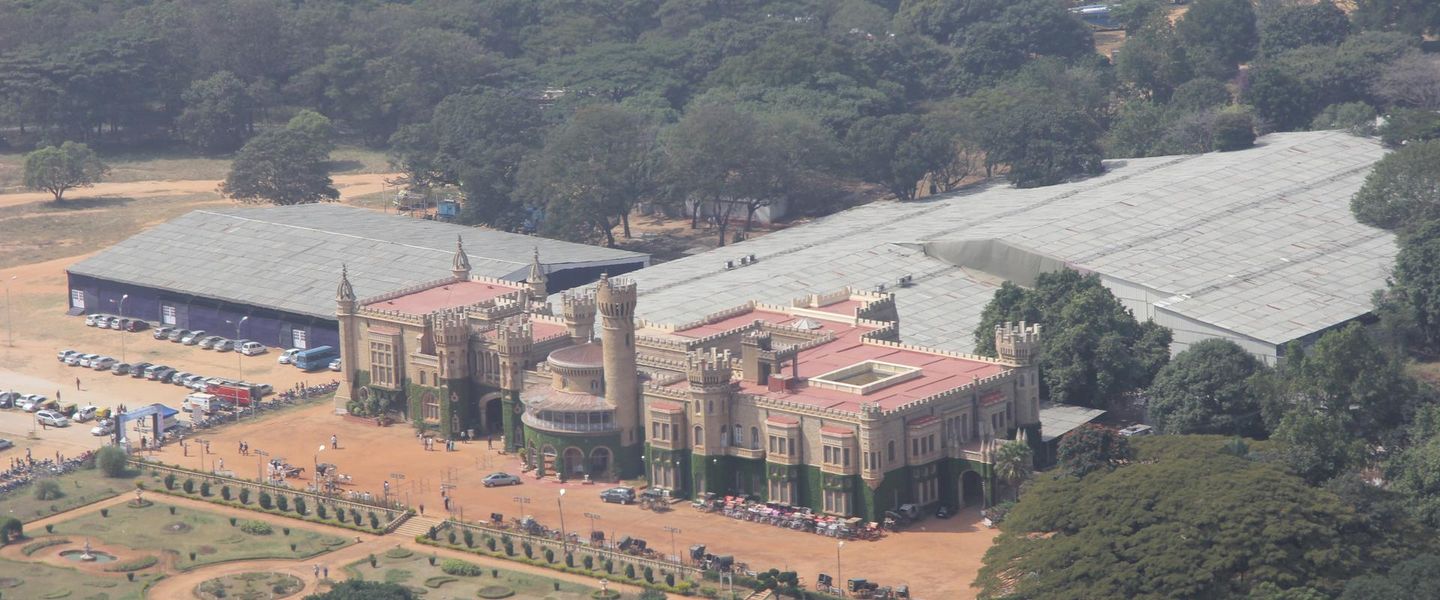


Bengaluru blends palace heritage, South Indian cuisine, leafy avenues and India’s technology culture with museums, markets and lively neighbourhoods to explore.
A City of Contrasts
Bengaluru, formerly known as Bangalore, stands on the Deccan Plateau in southern India, where a relatively mild climate, tree-lined avenues and a fast-changing urban landscape shape everyday life. Karnataka’s capital is widely associated with information technology, but its identity extends well beyond office parks and start-up culture. Historic neighbourhoods, flower markets, temples, colonial-era institutions and grand civic buildings provide a more layered introduction to the city.Read more about Bengaluru
Heritage and Urban Life
Culture Beyond the Glass Towers
When is the best time to visit Bengaluru?
Best: November–January · 26–27°C| Month | High (°C) | Rainfall (mm) |
|---|---|---|
| January (best) | 27 | 6 |
| February | 28 | 4 |
| March | 30 | 5 |
| April | 33 | 10 |
| May | 31 | 38 |
| June | 29 | 132 |
| July | 28 | 175 |
| August | 27 | 145 |
| September | 27 | 92 |
| October | 27 | 28 |
| November (best) | 27 | 9 |
| December (best) | 26 | 5 |
Getting to and around Bengaluru
How to get there
Transportation
Best attractions in Bengaluru
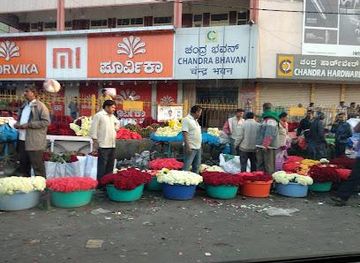
Bengaluru’s principal attractions reveal several layers of the city rather than one unified historic centre. Bengaluru Palace introduces visitors to the former Wodeyar royal world through its Tudor-inspired architecture and interiors, while the Government Museum and Venkatappa Art Gallery offer a concise introduction to Karnataka’s archaeology and modern art. Lalbagh Botanical Garden is valued for its mature plant collections, landscaped paths and long horticultural history; Cubbon Park provides a contrasting green setting beside major public institutions. In the older core, KR Market presents the city as a working commercial organism, with flower stalls, produce and early-morning activity. The Bull Temple and surrounding Basavanagudi streets offer a more devotional and neighbourhood-based experience, while the Indian Music Experience Museum explores India’s musical traditions through interactive displays. Together, these places show Bengaluru as a city of gardens, science, commerce, religion and contemporary culture.
-
Hindu temple
ISKCON temple Bangalore
Experience serenity at ISKCON Bangalore, a majestic temple dedicated to Lord Krishna, blending spiritual heritage with architectural grandeur.
19 min drive · 6.3 km from city centre
-
Botanical garden
Lalbagh Botanical Garden
Discover Bengaluru's iconic Lalbagh Botanical Garden: A historic green space with diverse flora, ancient rock formations, and stunning flower shows.
8 min drive · 2.7 km from city centre
-
Park
Sri Chamarajendra Park
Escape to Bengaluru's green heart: Explore lush landscapes, historical landmarks, and serene pathways in the iconic Cubbon Park.
9 min walk · 0.7 km from city centre
-
Historical place museum
Bengaluru Palace
Explore the regal opulence of Bengaluru Palace, a Tudor-style architectural gem and a window into the lives of Mysore's royalty.
11 min drive · 3.6 km from city centre


Best landmarks in Bengaluru
Bengaluru’s landmarks bring together royal power, colonial planning, civic ambition and religious life. Vidhana Soudha, completed in 1956, is the seat of Karnataka’s legislature and a monumental expression of post-independence statehood, with an imposing central dome and Indian-derived decorative vocabulary. Bengaluru Palace, associated with the Wodeyar dynasty, presents a very different architectural language through its fortified appearance and Tudor-inspired details. The surviving Bengaluru Fort marks the development of the old pete and the city’s strategic history, while the Bull Temple in Basavanagudi remains an important religious landmark dedicated to Nandi, Shiva’s bull. St Mary’s Basilica in the former Cantonment reflects Bengaluru’s Christian heritage and colonial-era urban expansion. Attara Kacheri, the red-painted High Court building opposite Vidhana Soudha, completes one of the city’s most recognisable civic ensembles.
-
 Botanical garden
Lalbagh Botanical Garden
Discover the stunning beauty and biodiversity of Lalbagh Botanical Garden, a serene escape in Bengaluru that captivates nature lovers and history enthusiasts alike.
8 min drive · 2.7 km from city centre
-
Shopping mall
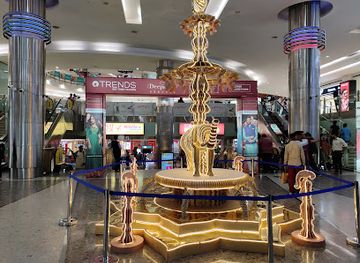
Mantri Square Mall
Discover the ultimate shopping experience at Mantri Square Mall in Bengaluru, featuring diverse retail stores, exquisite dining, and exciting entertainment options.
10 min drive · 3.4 km from city centre
-
Park
Cubbon Park
Discover the tranquility of Cubbon Park, Bengaluru's green haven, where history, nature, and culture converge for an unforgettable experience.
9 min walk · 0.7 km from city centre
-
Historical place museum
Bengaluru Palace
Explore the magnificent Bengaluru Palace, a historical landmark showcasing royal architecture and rich cultural heritage in the heart of Karnataka.
11 min drive · 3.6 km from city centre


Explore Bengaluru on the map
Plan your Bengaluru trip on one map. See where the top attractions, landmarks, restaurants, bars and hotels are, find what's near where you're staying, and book hotels and experiences in a few clicks.
Neighbourhoods in Bengaluru
-

-

-

-

-


Swipe for more neighbourhoods
Best hotels in Bengaluru
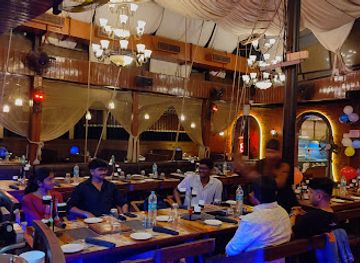
Best restaurants in Bengaluru
Bengaluru’s food culture is anchored in Karnataka’s southern traditions, with crisp masala dosa, idli, vada, vangi bath, bisi bele bath and ragi-based dishes appearing in establishments ranging from longstanding vegetarian halls to modern cafés. Basavanagudi and Malleswaram are especially associated with classic tiffin restaurants, while the pete area and market districts offer practical local eating rather than polished dining rooms. Filter coffee remains part of the city’s daily rhythm, served in small steel tumblers at traditional cafés as well as contemporary coffee shops. Bengaluru’s long history of migration has also created strong communities and restaurants serving coastal Karnataka food, Andhra cuisine, Tamil dishes, North Indian specialities and international fare. Food courts, bakeries and newer restaurants in Indiranagar, Koramangala and central neighbourhoods reflect the technology economy’s appetite for experimentation, including regional reinterpretations and contemporary vegetarian cooking.
-
Continental restaurant
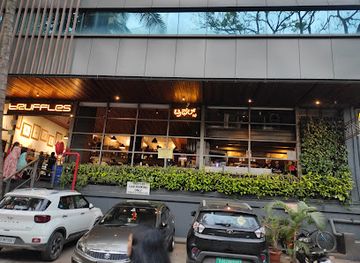
Truffles
Experience the best of continental cuisine at Truffles in Bengaluru's Koramangala - where flavor meets hospitality.
14 min drive · 4.7 km from city centre
-
American
Hard Rock Cafe Bengaluru
Discover the vibrant atmosphere and delicious American cuisine at Hard Rock Cafe Bengaluru – where great food meets live music!
11 min walk · 0.9 km from city centre
-
Barbecue
The Black Pearl Koramangala
Discover The Black Pearl Koramangala – A culinary haven blending barbecue delights with global flavors in the heart of Bengaluru.
14 min drive · 4.7 km from city centre
-
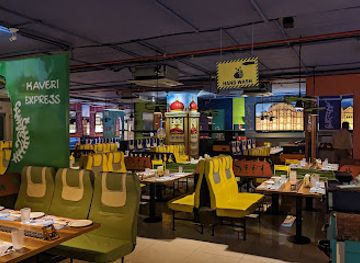
Restaurant
Platform65 - Bannerghatta Road - Train Theme Restaurant
Experience dining like never before at Platform65 - Bengaluru's enchanting train-themed restaurant offering diverse culinary delights.
30 min drive · 10 km from city centre
Best bars in Bengaluru
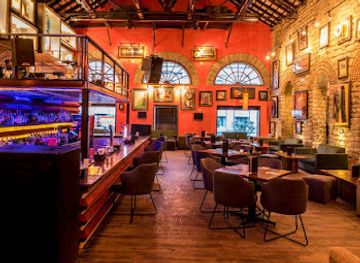
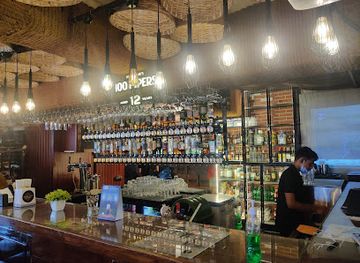
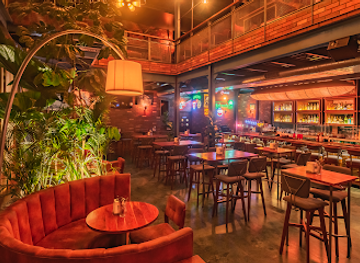
Bengaluru has one of India’s most varied evening scenes, shaped by a large student and technology workforce, though nightlife is spread across neighbourhoods rather than concentrated in one compact quarter. Indiranagar is known for bars, breweries, live music and late-evening restaurants, while Koramangala and parts of central Bengaluru offer cocktail lounges, casual pubs and performance spaces. The city’s long association with rock music supports venues for bands and intimate gigs, alongside comedy, theatre and cultural programming at established arts spaces. Craft breweries are a notable contemporary feature, but they sit alongside quieter wine bars, cafés and restaurants where evenings are social rather than club-focused. Conditions, licensing rules and opening arrangements can change, so visitors should check current details locally and use reliable transport when returning late.
-
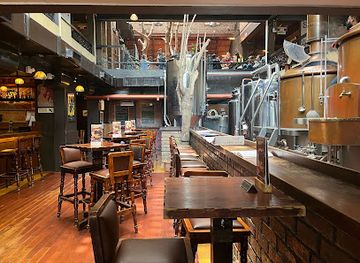
Brewpub
Toit Brewpub
Experience the best of craft beer and gourmet food at Toit Brewpub, Bengaluru's vibrant social hub.
15 min drive · 5.1 km from city centre
-
Brewpub
Big Pitcher - Indiranagar
Discover Big Pitcher - Indiranagar, a lively brewpub in Bengaluru offering craft beers, delicious barbecue, and unforgettable nightlife experiences.
17 min drive · 5.8 km from city centre
-
Grill
Just BLR
Experience the vibrant flavors of Bengaluru at Just BLR, a premier grill restaurant offering delicious dishes in a lively atmosphere.
17 min walk · 1.4 km from city centre
-
Cocktail bar
The Reservoire
Discover the vibrant ambiance and innovative cocktails at The Reservoire, Bengaluru's top cocktail bar and brunch hotspot.
16 min drive · 5.2 km from city centre
Best nightclubs in Bengaluru
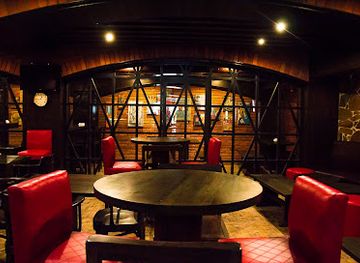
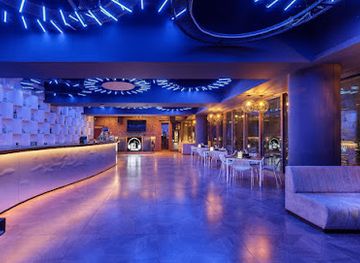
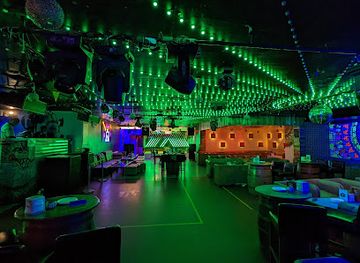
Bengaluru has one of India’s most varied evening scenes, shaped by a large student and technology workforce, though nightlife is spread across neighbourhoods rather than concentrated in one compact quarter. Indiranagar is known for bars, breweries, live music and late-evening restaurants, while Koramangala and parts of central Bengaluru offer cocktail lounges, casual pubs and performance spaces. The city’s long association with rock music supports venues for bands and intimate gigs, alongside comedy, theatre and cultural programming at established arts spaces. Craft breweries are a notable contemporary feature, but they sit alongside quieter wine bars, cafés and restaurants where evenings are social rather than club-focused. Conditions, licensing rules and opening arrangements can change, so visitors should check current details locally and use reliable transport when returning late.
-
Pub
1522 The Pub Malleshwaram
Discover the lively atmosphere and diverse menu at 1522 The Pub Malleshwaram, a must-visit destination for tourists in Bengaluru.
17 min drive · 5.7 km from city centre
-
Lounge
High Ultra Lounge
Experience the heights of luxury dining at High Ultra Lounge, Bengaluru's premier rooftop venue offering breathtaking views and exquisite cuisine.
18 min drive · 6.1 km from city centre
-
Night club
Nolimmits Lounge & Club
Experience the vibrant nightlife at Nolimmits Lounge & Club in Bengaluru, where music, cocktails, and unforgettable moments await.
5 min drive · 1.8 km from city centre
-
Lounge
Aqua & iBAR, THE Park Bangalore
Discover the ultimate nightlife experience at Aqua & iBAR in Bangalore, where every drink and moment is crafted for enjoyment.
8 min drive · 2.7 km from city centre

Best shops in Bengaluru
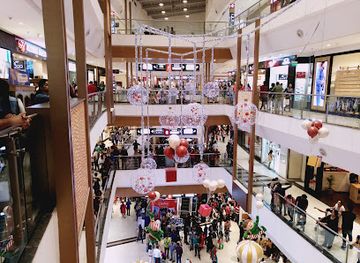
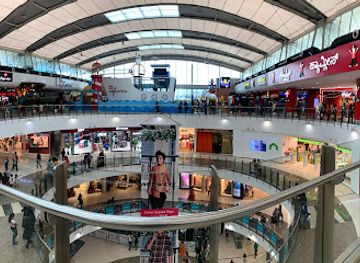
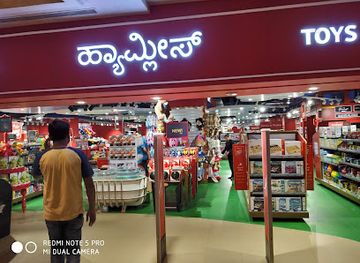
Shopping in Bengaluru ranges from working wholesale markets and traditional textiles to design-led boutiques and modern retail complexes. KR Market is the city’s most vivid commercial space, particularly for flowers, fruit and household produce, while Avenue Road and Chickpet continue the older pete tradition of specialised shops selling books, fabrics, jewellery and practical goods. Commercial Street and Brigade Road offer established high-street shopping, and neighbourhoods such as Indiranagar and Koramangala contain independent fashion, homeware and lifestyle retailers. Visitors seeking regional products may find Karnataka silk, sandalwood items, incense, coffee and handicrafts, though authenticity and quality vary between sellers. Malleswaram and Basavanagudi are useful for browsing small shops alongside temples and food businesses, while larger malls provide air-conditioned retail and familiar international brands without the market atmosphere of central Bengaluru.
-
Shopping mall
Phoenix Marketcity
Explore the ultimate shopping and dining experience at Phoenix Marketcity, Bengaluru's top shopping destination with diverse retail and entertainment options.
31 min drive · 11 km from city centre
-
Shopping mall
Mantri Square Mall
Explore the diverse shopping, dining, and entertainment options at Mantri Square Mall in Bengaluru, a must-visit destination for every tourist.
10 min drive · 3.4 km from city centre
-
Shopping mall
UB City
Explore UB City, Bengaluru's premier luxury shopping mall, featuring high-end brands, exceptional dining, and vibrant cultural experiences.
2 min walk · 0.1 km from city centre
-
Market
Sri Krishnarajendra Market
Explore the bustling energy of Sri Krishnarajendra Market in Bengaluru, where local culture, fresh produce, and vibrant textiles come alive.
6 min drive · 2.2 km from city centre
Get your free copy of our complete guide to Bengaluru, delivered straight to you.
Everything on this page, from attractions and restaurants to essentials and local phrases, in one PDF you can read offline, print or share.
Already have an account? Sign in
Your Bengaluru guide is ready.
We'll send it to · Not you? Sign out

Getting your guide ready…
We are putting together a fresh copy of the Bengaluru guide. This can take up to a minute.
This can take a few moments. If your browser asks, choose Allow so the download can start. You'll find the guide in your Downloads folder.
Nothing happened? Download it again
Sorry, the guide is taking longer than usual. Please try again in a minute, or get it by email instead.
Bengaluru essentials
Currency and Payment
Safety
Emergency Situations
Do's and Don'ts
Local Tips
History of Bengaluru
The Founding of Bengaluru Pete
Bengaluru’s conventional foundation is associated with Kempe Gowda I, a local chieftain who established a fortified settlement and market town, or pete, in the 16th century under the Vijayanagara Empire. The precise origins of the place-name are older and remain the subject of differing interpretations, but the growth of the pete created the commercial nucleus around which the modern city developed. Kempe Gowda is also associated with the boundary markers traditionally said to define the settlement’s expansion. The surviving urban structure around Chickpet, Balepet and Avenue Road still reflects the importance of specialised markets, temples and tightly arranged trade streets in the early town.
Mysore Kingdom and Wodeyar Rule
After the decline of Vijayanagara power, Bengaluru passed through the hands of regional rulers before becoming closely linked with the Wodeyar kingdom of Mysore. Hyder Ali strengthened the city’s fortifications in the 18th century, and his son Tipu Sultan developed the Lalbagh gardens, transforming an earlier garden into an ambitious horticultural estate. Bengaluru’s strategic position brought it into the Anglo-Mysore conflicts, and British forces captured the fort in 1791 during the Third Anglo-Mysore War. The city’s military and political importance increased further as Mysore became an important power in southern India.
The Cantonment and Colonial Expansion
Following the defeat of Tipu Sultan in 1799, Bengaluru developed along two distinct lines: the older pete and a British Cantonment to its east. The Cantonment introduced new military, administrative and residential districts, as well as churches, clubs and institutions that influenced the city’s architecture and social geography. Commercial streets such as Commercial Street grew around this expanding population, while rail connections and improved roads strengthened Bengaluru’s regional importance. The contrast between the indigenous market town and the more formally planned Cantonment remains visible in the different street patterns and building traditions of central Bengaluru.
Institutions, Industry and a New Capital
Bengaluru’s modern identity was shaped by institutions established during the late colonial and early post-independence periods. The Indian Institute of Science, founded in 1909, helped establish the city as a centre for scientific education and research. Public enterprises and engineering industries expanded after independence, while the city became the capital of the newly formed Mysore State in 1956. When the state was renamed Karnataka in 1973, Bengaluru remained its administrative centre. Public-sector manufacturing, research establishments and universities gave the city a technical and professional character before the later rise of private information technology.
The Garden City and Civic Modernism
Bengaluru’s reputation as a garden city grew through the development of avenues, parks and institutions such as Lalbagh and Cubbon Park, whose planted landscapes softened the expanding urban fabric. The construction of Vidhana Soudha in the 1950s gave the new state a monumental legislative building, combining modern engineering with a highly expressive interpretation of Indian architectural forms. Residential areas including Basavanagudi, Malleswaram and Jayanagar developed distinctive layouts, markets and educational institutions. These landscapes and buildings remain important evidence of the civic ambitions that accompanied Bengaluru’s growth after independence.
The Information-Technology Transformation
From the 1980s onwards, Bengaluru became a major centre for software services, telecommunications, biotechnology and start-up businesses. The establishment and expansion of technology districts, particularly along the southern and eastern corridors, drew workers and students from across India and accelerated metropolitan growth. This transformation brought new employment, international connections and cultural diversity, while also intensifying pressure on roads, housing, water resources and lakes. Contemporary Bengaluru therefore contains several overlapping cities: the historic pete, the former Cantonment, post-independence institutional districts and a global technology economy whose influence is visible in its workplaces, migration patterns and new neighbourhoods.
Bengaluru in Photos
Browse through our photo collection highlighting the charm and character of the destination.
Cities near Bengaluru
The closest cities to Bengaluru, if you have time for more than one stop.
-

-

-

-

-


Swipe for more cities
Explore more

Explore more of India
Discover the magic of India, where diverse landscapes, rich heritage, and vibrant culture come together to create an unforgettable travel experience.
Explore India