

Free Kochi Travel Guide & Mobile App
Plan your Kochi trip with Evendo. Get free guides to top attractions, restaurants, hotels, and bars. Web access or download the mobile app.


Kochi blends Kerala’s maritime history, spice-trade heritage, Chinese fishing nets, backwaters and distinctive coastal cuisine in a culture-rich Indian city.
Maritime Heritage and Colonial Streets
Kochi, on Kerala’s Malabar Coast in south-west India, is a city shaped by tides, trade and cultural exchange. Its historic heart lies across the islands and peninsulas of Old Kochi, where Fort Kochi’s tree-lined lanes pass Portuguese churches, Dutch-era buildings, spice warehouses and the celebrated Chinese fishing nets. Across the water, Mattancherry and Jew Town reveal another layer of the city’s past through the Paradesi Synagogue, the Mattancherry Palace and shops dealing in antiques, handicrafts and aromatic spices.Read more about Kochi
Water, Art and Contemporary Life
Coastal Kerala on the Plate
When is the best time to visit Kochi?
Best: November–January · 31–32°C| Month | High (°C) | Rainfall (mm) |
|---|---|---|
| January (best) | 32 | 6 |
| February | 33 | 6 |
| March | 33 | 7 |
| April | 35 | 12 |
| May | 34 | 19 |
| June | 33 | 25 |
| July | 32 | 25 |
| August | 32 | 25 |
| September | 32 | 22 |
| October | 31 | 17 |
| November (best) | 31 | 12 |
| December (best) | 31 | 7 |
Getting to and around Kochi
How to get there
Transportation
Best attractions in Kochi
Kochi’s principal sightseeing areas unfold across the historic islands and the mainland. In Fort Kochi, the waterfront Chinese fishing nets create one of the city’s most recognisable scenes, while St Francis Church and the atmospheric lanes around Princess Street reveal the port’s European past. Across the channel, Mattancherry Palace contains important Kerala murals and courtly artefacts, and nearby Jew Town leads to the Paradesi Synagogue and antique-filled heritage quarter. The Kerala Folklore Museum in Thevara offers a broad introduction to regional architecture, ritual objects and performing arts, while the Hill Palace Museum in Tripunithura presents the former Cochin royal collection in a more spacious setting outside the central waterfront. Contemporary art spaces in Fort Kochi and Mattancherry gain particular importance during the Kochi-Muziris Biennale. Ferries, harbour views and the walkable lanes of Vypin add a maritime dimension to the city’s cultural attractions.
-
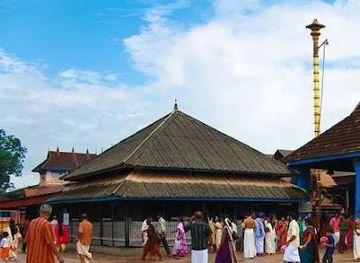
Hindu temple
Chottanikkara Bhagavati Temple
Experience the divine tranquility and cultural richness at Chottanikkara Bhagavati Temple, a premier Hindu shrine in Kochi, Kerala.
33 min drive · 13 km from city centre
-
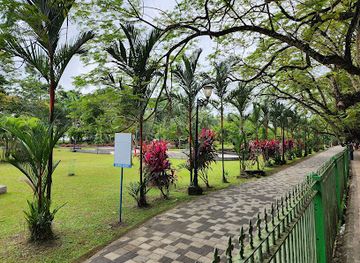
Tourist attraction
Subhash Bose Park
Experience tranquility and beauty at Subhash Bose Park, Kochi's green oasis along Marine Drive, perfect for relaxation and family fun.
14 min drive · 4.7 km from city centre
-
Archaeological museum
Hill Palace Museum
Explore Hill Palace Museum, a captivating journey through Kerala's royal history and cultural heritage amidst stunning architecture and serene landscapes.
31 min drive · 11 km from city centre
-
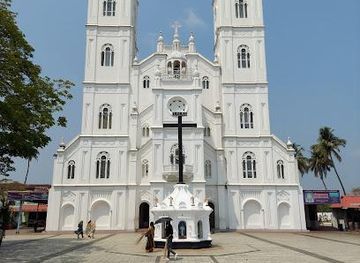
Basilica
National Shrine Basilica of Our Lady of Ransom - Vallarpadam
Explore the spiritual beauty of the National Shrine Basilica of Our Lady of Ransom in Kochi, a must-visit destination for peace, history, and architectural splendor.
20 min drive · 6.8 km from city centre

Best landmarks in Kochi
Kochi’s landmarks embody the port’s layered political and religious history. St Francis Church in Fort Kochi is associated with the Portuguese period and the first burial of Vasco da Gama, while the nearby Basilica of Santa Cruz reflects the continuing importance of Catholic communities in the historic quarter. Mattancherry Palace, known as the Dutch Palace, preserves murals and royal associations linked to the Kingdom of Cochin, and the Paradesi Synagogue in Jew Town stands within a historic Jewish quarter shaped by centuries of trade and migration. The Chinese fishing nets are working harbour structures as well as visual symbols of Kochi’s maritime identity. Bolgatty Palace, on Bolghatty Island, represents a later European presence, while the Wellington Island waterfront and port facilities express the twentieth-century transformation of Cochin into a modern harbour. Together these places show how local, Asian and European histories were superimposed on the same waterways.
-
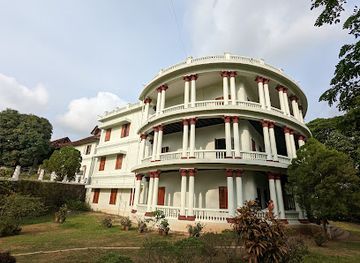
Archaeological museum
Hill Palace Museum
Explore the grandeur of Kerala's royal history at Hill Palace Museum, the largest archaeological museum showcasing rich heritage and stunning artifacts.
31 min drive · 11 km from city centre
-
History museum
Mattancherry Palace
Explore the enchanting Mattancherry Palace in Kochi, Kerala, where history and art converge in a stunning architectural masterpiece.
9 min drive · 3.1 km from city centre
-
Museum
Kerala Folklore Museum
Explore the vast and vibrant cultural heritage of Kerala at the Folklore Museum, where art, tradition, and history intertwine beautifully.
10 min drive · 3.5 km from city centre
-
Resort hotel
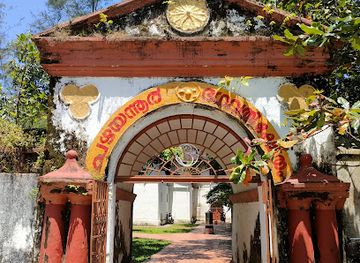
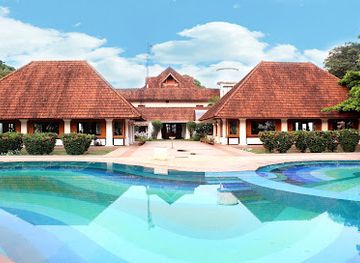
Bolgatty Palace and Island Resort
Discover the rich heritage and serene beauty of Bolgatty Palace and Island Resort, a timeless gem in the heart of Kerala's backwaters.
18 min drive · 5.9 km from city centre

Explore Kochi on the map
Plan your Kochi trip on one map. See where the top attractions, landmarks, restaurants, bars and hotels are, find what's near where you're staying, and book hotels and experiences in a few clicks.
Neighbourhoods in Kochi
-

-

-


Swipe for more neighbourhoods
Best hotels in Kochi
Best restaurants in Kochi
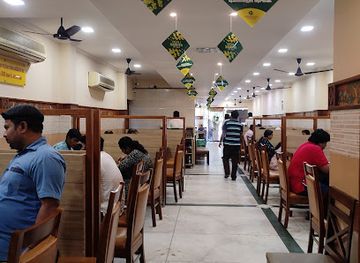
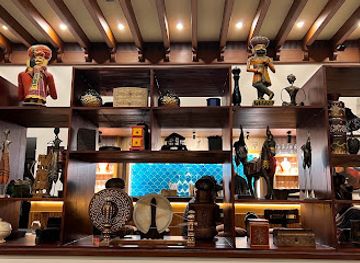
Kochi’s food reflects Kerala’s coastal geography and its long history of exchange. Fish and prawns appear alongside coconut, rice, curry leaves, black pepper and tamarind, while dishes such as appam with stew, puttu with kadala curry, Kerala parotta, meen curry and biryani show different strands of regional culinary culture. Fort Kochi and Mattancherry offer cafés, seafood restaurants, bakeries and establishments influenced by the area’s trading communities, while Ernakulam provides a wider range of vegetarian dining, contemporary restaurants and informal local eateries. The city also carries Syrian Christian, Malabari, Arab, Portuguese and Jewish influences, visible in particular preparations and festive foods. Banana-leaf meals remain an important traditional experience, and toddy-shop cuisine, where available, is associated with strongly spiced seafood and meat dishes. Busy markets and small neighbourhood restaurants often provide a more everyday view of Kochi’s cooking than heritage-district dining alone.
-
Indian
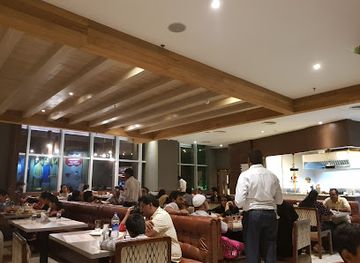
Paragon | Lulu Mall, Kochi
Discover authentic Kerala cuisine at Paragon in Lulu Mall, Kochi – where every dish promises rich flavors and unforgettable experiences.
32 min drive · 12 km from city centre
-
Vegetarian
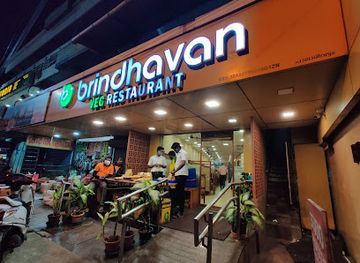
Brindhavan Vegetarian Restaurant
Experience authentic South Indian vegetarian cuisine at Brindhavan Vegetarian Restaurant in Kochi - where flavor meets tradition.
26 min drive · 8.8 km from city centre
-
Vegetarian
Brindhavan Restaurant
Discover the best vegetarian dining experience at Brindhavan Restaurant in Kochi – where flavor meets tradition!
27 min drive · 9.1 km from city centre
-
Keralan
Restaurant Chef Pillai Kochi
Savor authentic Keralan flavors at Restaurant Chef Pillai in Kochi - where tradition meets culinary artistry.
16 min drive · 5.4 km from city centre
Best bars in Kochi
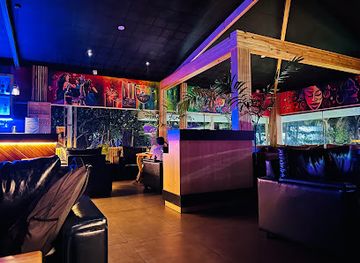
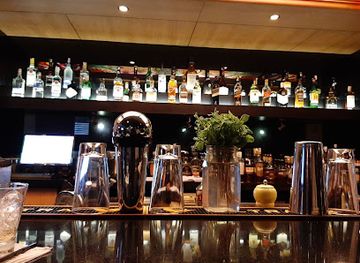
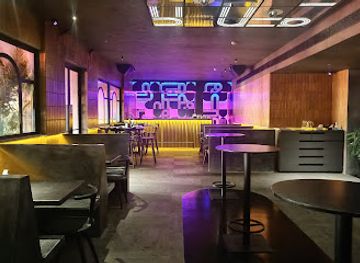
Kochi’s evening life is varied but more relaxed and dispersed than that of India’s largest nightlife centres. Fort Kochi has the greatest concentration of atmospheric cafés, heritage-style bars, hotel lounges and cultural venues, while Ernakulam’s MG Road, Marine Drive and Panampilly Nagar offer contemporary restaurants, lounges and social spaces. Alcohol service is regulated in Kerala, and opening arrangements, licensing and availability can differ between venues, so visitors should check locally rather than assume that every establishment serves drinks. Live music, stand-up performances, gallery events and theatre can provide alternatives to clubbing, particularly around cultural districts and hotel venues. Kathakali and other classical performances are evening cultural experiences rather than nightlife in the conventional sense, and may include introductions that explain the elaborate make-up, gesture and musical storytelling. Roads and waterfront promenades can become lively after sunset, but late-night activity remains concentrated in particular venues rather than across the whole city.
-
Bar
Polakulath's Karthika Regency
Discover the lively atmosphere and delectable menu at Polakulath's Karthika Regency, a must-visit bar and restaurant in Edappally, Ernakulam, Kerala.
31 min drive · 11 km from city centre
-
Pub
Watson's Kochi
Discover the vibrant atmosphere and delicious flavors at Watson's Kochi, a must-visit pub in Ernakulam for every traveler.
18 min drive · 6.1 km from city centre
-
Bar
Blue Rock Resto Bar
Discover the vibrant flavors of Kerala at Blue Rock Resto Bar, where culinary excellence meets a lively atmosphere in the heart of Kochi.
16 min drive · 5.4 km from city centre
-
Bar
Booyah Resto Bar
Discover the vibrant nightlife at Booyah Resto Bar in Ernakulam, where delicious food and refreshing drinks meet a lively atmosphere.
20 min drive · 6.8 km from city centre
Best nightclubs in Kochi
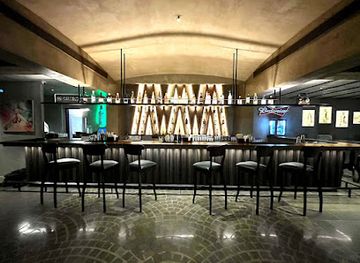
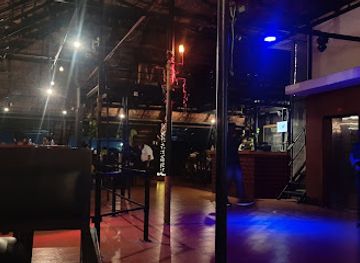
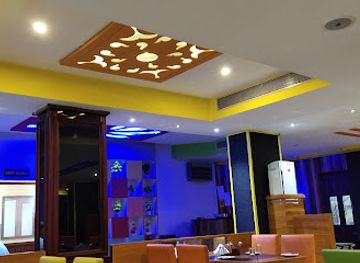
Kochi’s evening life is varied but more relaxed and dispersed than that of India’s largest nightlife centres. Fort Kochi has the greatest concentration of atmospheric cafés, heritage-style bars, hotel lounges and cultural venues, while Ernakulam’s MG Road, Marine Drive and Panampilly Nagar offer contemporary restaurants, lounges and social spaces. Alcohol service is regulated in Kerala, and opening arrangements, licensing and availability can differ between venues, so visitors should check locally rather than assume that every establishment serves drinks. Live music, stand-up performances, gallery events and theatre can provide alternatives to clubbing, particularly around cultural districts and hotel venues. Kathakali and other classical performances are evening cultural experiences rather than nightlife in the conventional sense, and may include introductions that explain the elaborate make-up, gesture and musical storytelling. Roads and waterfront promenades can become lively after sunset, but late-night activity remains concentrated in particular venues rather than across the whole city.
-
Pub
Clubb 18
Experience the vibrant nightlife at Clubb 18 in Fort Kochi, a lively pub known for its great drinks, music, and unforgettable atmosphere.
14 min drive · 4.7 km from city centre
-
Bar
Glow
Experience vibrant nightlife at Glow, a lively bar in Ernakulam offering a diverse drink menu and a welcoming atmosphere for all.
12 min drive · 3.9 km from city centre
-
Rock music club
KAVORAM
Discover the vibrant rock music scene at KAVORAM, Ernakulam's top destination for live music, great drinks, and an electrifying atmosphere.
28 min drive · 9.2 km from city centre
-
Night club
Island D Club
Experience the vibrant nightlife at Island D Club in Kochi, where lively music and delicious food come together for an unforgettable night out.
21 min drive · 7.1 km from city centre

Best shops in Kochi
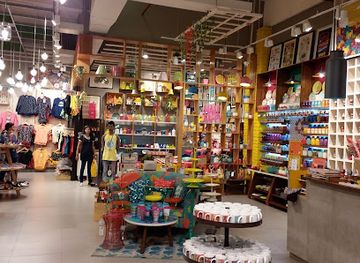
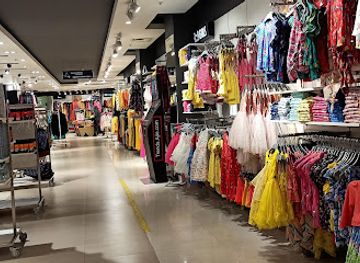
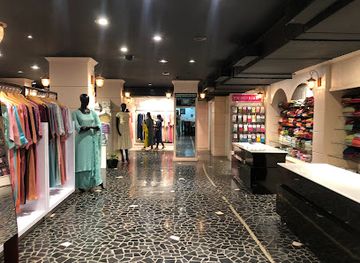
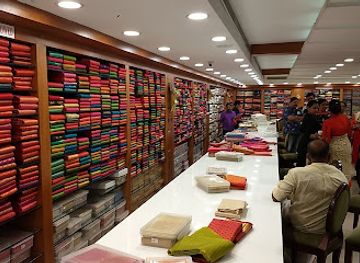
Shopping in Kochi ranges from old trading streets to modern urban retail. Mattancherry’s Jew Town is known for antique shops, decorative objects, textiles and spice-related goods, although provenance and authenticity should be considered carefully when buying older-looking pieces. Broadway in central Ernakulam is a dense commercial district with everyday goods, household items, fabrics and small shops, while nearby Market Road gives a sense of the city’s wholesale and local trading culture. Fort Kochi has galleries, craft shops, bookshops and boutiques aimed partly at visitors, with products including Kerala textiles, coir articles, woodwork, spices and contemporary design. Larger shopping centres such as Lulu Mall in Edappally provide international brands, food outlets and air-conditioned retail space. Traditional purchases are best approached as an opportunity to learn about local materials and craft practices rather than as proof of an object’s historical age or origin.
-
Shopping mall
LuLu International Shopping Mall
Experience the ultimate shopping and dining adventure at LuLu International Shopping Mall in Kochi, Kerala, where modernity meets local charm.
32 min drive · 12 km from city centre
-
Shopping mall
Centre Square Mall
Experience the best of shopping, dining, and entertainment at Centre Square Mall in Kochi, Kerala. A perfect destination for all travelers.
16 min drive · 5.5 km from city centre
-
Boutique
Paris De Boutique
Explore Paris De Boutique in Ernakulam for exquisite designer clothing and unique fabrics, perfect for wedding attire and creative projects.
24 min drive · 8.0 km from city centre
-
Designer Clothing Store
Milan Design | Kochi
Unveil your style at Milan Design, Kochi's premier destination for designer clothing, offering unique fashion pieces and exceptional customer service.
16 min drive · 5.2 km from city centre
Get your free copy of our complete guide to Kochi, delivered straight to you.
Everything on this page, from attractions and restaurants to essentials and local phrases, in one PDF you can read offline, print or share.
Already have an account? Sign in
Your Kochi guide is ready.
We'll send it to · Not you? Sign out

Getting your guide ready…
We are putting together a fresh copy of the Kochi guide. This can take up to a minute.
This can take a few moments. If your browser asks, choose Allow so the download can start. You'll find the guide in your Downloads folder.
Nothing happened? Download it again
Sorry, the guide is taking longer than usual. Please try again in a minute, or get it by email instead.
Kochi essentials
Currency and Payment
Safety
Emergency Situations
Do's and Don'ts
Local Tips
From Eve
Local phrases worth knowing
You don't need to get them perfect. A few words go a long way, and locals appreciate the effort.
Basics
| English | Local | Say it |
|---|---|---|
| Hello | ഹലോ | [halo] |
| Goodbye | വിട | [vita] |
| Yes | അതെ | [athe] |
| No | ഇല്ല | [illa] |
| Please/You're welcome | ദയവായി | [dayavayi] |
| Thank you | നന്ദി | [nandi] |
| Excuse me/Sorry | ക്ഷമിക്കണം | [ksamikkanam] |
| How are you? | സുഖമാണോ? | [sukhamaano?] |
| Fine. And you? | നന്ദി. നിനക്ക്? | [nandi. ninakku?] |
| Do you speak English? | നിനക്ക് ഇംഗ്ലീഷ് സംസാരിക്കുക? | [ninakku english samsaarikkuka?] |
| I don't understand | ഞാൻ മനസ്സിലായില്ല | [naan manassilayilla] |
Eating & Drinking
| English | Local | Say it |
|---|---|---|
| I'd like to see the menu, please | ദയവായി മെനു കാണാമോ | [dayavayi menu kaanamo] |
| I don't eat meat | ഞാൻ മാംസം കഴിയുന്നില്ല | [naan maamsam kuzhiyunnilla] |
| Cheers! | ചീർസ്! | [cheers!] |
| I would like to pay, please | ദയവായി പണം നൽകാമോ | [dayavayi panam nalkaamo] |
Emergencies
| English | Local | Say it |
|---|---|---|
| Help! | സഹായം! | [sahayam!] |
| Go away! | പോയിക്കിൽ | [poikkil] |
| Call the Police! | പോലീസിനെ വിളിക്കൂ! | [polisinne vilikku!] |
| Call a doctor! | ഡോക്ടർനെ വിളിക്കൂ! | [doctorne vilikku!] |
| I'm lost | ഞാൻ പാത്തുക്കി | [naan paathukki] |
| I'm ill | ഞാൻ രോഗിയാണ് | [naan rogiyaanu] |
Shopping
| English | Local | Say it |
|---|---|---|
| I'd like to buy... | ഞാൻ വാങ്ങാനായിട്ടുണ്ട്... | [naan vaanganaayittund...] |
| I'm just looking | ഞാൻ മാത്രം കാണുന്നു | [naan maathram kaanunn] |
| How much is it? | അത് എത്ര? | [athu ethra?] |
| That's too expensive | അത് വളരെ വാങ്ങിയത് | [athu valare vaangiyathu] |
| Can you lower the price? | വില കുറഞ്ഞു പറഞ്ഞേക്കുമോ? | [vil kurannu paranjeekkumo?] |
Time & Numbers
| English | Local | Say it |
|---|---|---|
| What time is it? | എന്തൊരു സമയമാണ്? | [enthoru samayamaano?] |
| It's one o'clock | ഒന്ന് മണിക്കൂർ | [onnu manikkoor] |
| Half past (10) | (പത്തു) അര കഴിഞ്ഞിരിക്കുക | [(patu) ara kazhinjirikkuka] |
| Morning | രാവിലെ | [raavile] |
| Afternoon | ഉച്ചയ്ക്ക് | [ucchaykku] |
| Evening | സന്ധ്യ | [sandhya] |
| Yesterday | നിന്നെ | [ninne] |
| Today | ഇന്ന് | [innu] |
| Tomorrow | നാളെ | [naale] |
| 1 | ഒന്ന് | [onnu] |
| 2 | രണ്ട് | [randu] |
| 3 | മൂന്ന് | [moonnu] |
| 4 | നാല് | [naalu] |
| 5 | അഞ്ച് | [anch] |
| 6 | ആറ് | [aaru] |
| 7 | ഏഴ് | [eel] |
| 8 | എട്ട് | [ett] |
| 9 | ഒന്പത് | [onpath] |
| 10 | പത്ത് | [patth] |
Transport & Directions
| English | Local | Say it |
|---|---|---|
| Where's a/the...? | ...എങ്ങനെ? | [...enganne?] |
| What's the address? | വിലാസം എന്താണ്? | [vilaasam enthaanu?] |
| Can you show me (on the map)? | ഞാൻ കാര്യം കാണിക്കാമോ? | [naan kaaryam kaanikkaamo?] |
| When's the next (bus)? | അടുത്ത ബസാ എപ്പോ? | [adutha basa eppo?] |
| A ticket (to ....) | ഒരു ടിക്കറ്റ് (....ഇലേക്ക്) | [oru ticket (....ilekku)] |
History of Kochi
Early Settlements and Backwater Trade
The coast around present-day Kochi was inhabited long before the modern city emerged, with communities relying on fishing, farming and maritime exchange across Kerala’s lagoons and the Arabian Sea. The wider Malabar Coast traded in spices, especially pepper, as well as coconut products, timber and other goods. Arab merchants maintained long-standing commercial relationships with the region, while Jewish communities were established in Kerala by the medieval period. Kochi’s geography changed significantly after a major flood associated with the Periyar River in 1341, which is widely linked to the formation or enlargement of the harbour and the decline of nearby Muziris as a principal trading centre. The new waterways helped create the conditions for Kochi’s later prominence.
The Rise of the Kingdom of Cochin
From the fourteenth century, Kochi developed as the centre of the Kingdom of Cochin, a small but strategically placed state whose rulers governed amid competition among neighbouring powers. The natural harbour attracted merchants from across the Indian Ocean, and the settlement grew through connections with the Malabar spice trade. Local political authority was shaped by relationships with the Zamorin of Calicut and other regional rulers, while commercial communities from Arabia, Persia and elsewhere added to the port’s cosmopolitan character. The royal association survives in the name and traditions of Mattancherry, where later palace buildings and religious institutions reflect the overlapping histories of Cochin’s court, merchant groups and coastal communities.
Portuguese Power on the Coast
Portuguese navigators reached the Malabar Coast at the end of the fifteenth century, and their arrival transformed the region’s political and commercial balance. In 1503, Afonso de Albuquerque helped establish Portuguese influence at Cochin, with the kingdom becoming an ally in the Portuguese struggle against the Zamorin of Calicut. Fort Emmanuel was built at Fort Kochi, and the Portuguese presence introduced new military, religious and architectural forms. St Francis Church, whose earliest structure dates from the Portuguese period, is associated with the first burial of Vasco da Gama in 1524 before his remains were later transferred to Lisbon. Portuguese dominance depended on control of maritime trade and gradually faced challenges from rival European powers.
Dutch Rule and the Cochin Court
The Dutch East India Company captured Portuguese positions in Cochin in 1663, beginning a new phase of European influence. Dutch administrators altered fortifications and commercial infrastructure, while the city remained tied to the spice trade and to the political fortunes of the Cochin royal family. The Mattancherry Palace, commonly called the Dutch Palace because of later renovations, preserves murals and court associations that connect local dynastic history with European intervention. Dutch power declined during the eighteenth century as Mysorean expansion under Haidar Ali and Tipu Sultan disrupted the balance of the Malabar region, and British influence subsequently became predominant. Kochi’s surviving churches, warehouses, palaces and streets record these successive layers rather than a single colonial identity.
British Influence and Port Development
Cochin entered the British sphere during the nineteenth century, while the princely state of Cochin retained internal authority under British paramountcy. Modern port development accelerated in the early twentieth century, particularly through the engineering work led by Sir Robert Bristow after 1920. The creation of a deeper harbour and new facilities strengthened Cochin’s role as a major port and altered the relationship between its islands and channels. Rail connections and expanding commercial activity encouraged growth in Ernakulam, which gradually emerged as the mainland’s dominant business centre. This period also brought administrative change, new educational institutions and wider political activity, linking local society to the Indian nationalist movement and to debates about social reform in Kerala.
Independence and the Modern City
Cochin joined the Indian Union after independence in 1947, and the former princely state became part of the reorganised state of Kerala in 1956. Ernakulam and the surrounding islands expanded as trade, industry, education and transport developed, while the port remained central to the regional economy. The city’s contemporary identity was strengthened by the arrival of Cochin International Airport in 1999, the growth of information and service industries, and improved urban transport. The Kochi-Muziris Biennale, founded in 2012, brought international contemporary art into historic buildings and widened the city’s cultural profile. Today, Kochi’s heritage quarters coexist with a large metropolitan area whose waterways, port infrastructure and diverse communities continue to shape daily life.
Travel experiences inspired by this city
-
 9 Day Trip
Solo Adventure through the Serene Kerala Backwaters
Discover the tranquil beauty of Kerala's backwaters on a solo journey, exploring lagoons, lakes, and canals while embracing local culture and sustainability.
9 Day Trip
Solo Adventure through the Serene Kerala Backwaters
Discover the tranquil beauty of Kerala's backwaters on a solo journey, exploring lagoons, lakes, and canals while embracing local culture and sustainability.
 1 Apr 2026
By Juan Diaz -
 9 Day Trip
Exploring the Tranquil Kerala Backwaters with Friends
Experience the serene beauty of Kerala's backwaters with friends on a unique houseboat adventure, blending relaxation with cultural immersion.
9 Day Trip
Exploring the Tranquil Kerala Backwaters with Friends
Experience the serene beauty of Kerala's backwaters with friends on a unique houseboat adventure, blending relaxation with cultural immersion.
 20 Feb 2026
By Abena Mensah -
 14 Day Trip
Family Adventure in the Kerala Backwaters
Explore Kerala's serene backwaters with family, embracing nature, culture, and sustainable living in an unforgettable 14-day journey.
14 Day Trip
Family Adventure in the Kerala Backwaters
Explore Kerala's serene backwaters with family, embracing nature, culture, and sustainable living in an unforgettable 14-day journey.
 1 Dec 2025
By James Smith -
 15 Day Trip
Family Adventure in the Backwaters of Alleppey
Discover the serene beauty of Alleppey's backwaters with family. Experience cultural immersion, local cuisine, and unique adventures in Kerala's gem.
15 Day Trip
Family Adventure in the Backwaters of Alleppey
Discover the serene beauty of Alleppey's backwaters with family. Experience cultural immersion, local cuisine, and unique adventures in Kerala's gem.
 5 Aug 2025
By Louis Bholah
Swipe for more travel diaries
Kochi in Photos
Browse through our photo collection highlighting the charm and character of the destination.
Cities near Kochi
The closest cities to Kochi, if you have time for more than one stop.
-

-
-

-

-


Swipe for more cities
Explore more

Explore more of India
Discover the magic of India, where diverse landscapes, rich heritage, and vibrant culture come together to create an unforgettable travel experience.
Explore India