

Free Coimbatore Travel Guide & Mobile App
Plan your Coimbatore trip with Evendo. Get free guides to top attractions, restaurants, hotels, and bars. Web access or download the mobile app.


Coimbatore blends Tamil heritage, textile history and Western Ghats scenery with temples, museums, markets and distinctive food in southern India.
Industry, Temples and Mountain Air
Coimbatore, widely known by its Tamil name Kovai, lies in western Tamil Nadu between the fertile Noyyal River basin and the foothills of the Western Ghats. It is one of southern India’s principal industrial cities, shaped by cotton, engineering, textiles and the manufacture of machinery, yet its identity extends well beyond factories and commerce. Broad roads, busy markets and modern shopping districts sit alongside old temples, shaded residential quarters and villages absorbed into the expanding urban landscape.Read more about Coimbatore
Heritage in the City
Foothills and Local Flavours
When is the best time to visit Coimbatore?
Best: November–January · 31–32°C| Month | High (°C) | Rainfall (mm) |
|---|---|---|
| January (best) | 32 | 23 |
| February | 33 | 22 |
| March | 36 | 16 |
| April | 38 | 10 |
| May | 37 | 10 |
| June | 34 | 5 |
| July | 34 | 5 |
| August | 34 | 6 |
| September | 34 | 9 |
| October | 33 | 14 |
| November (best) | 32 | 18 |
| December (best) | 31 | 22 |
Getting to and around Coimbatore
How to get there
Transportation
Best attractions in Coimbatore
Coimbatore’s attractions reveal both its industrial personality and its religious traditions. The Gedee Car Museum displays a carefully assembled collection of historic automobiles, while the GD Naidu Museum of Industrialisation explores the ingenuity associated with the city’s engineering culture. The Gass Forest Museum, one of the city’s older institutions, presents specimens connected with forestry and natural history. Perur Patteeswarar Temple offers sculpted halls and an active Shaiva setting, and Marudamalai Temple rises on a hill north-west of the centre with broad views towards the plains. VOC Park provides family recreation and green space near the central districts, while the Ukkadam area leads towards waterways and the city’s southern edge. Visitors interested in contemporary spiritual architecture may travel beyond the urban core to the Isha Yoga Center at the Velliangiri foothills. Siruvani’s forest and water landscapes are a regional excursion rather than a city attraction.
-
Tourist attraction
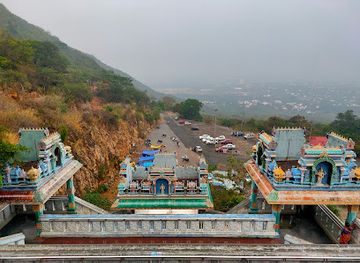
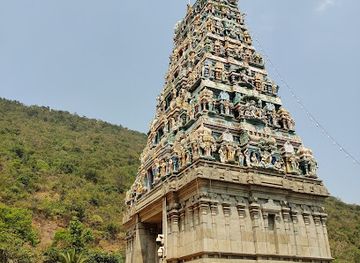
Arulmigu Subramaniya Swamy Temple, Marudhamalai
A serene hill temple near Coimbatore dedicated to Lord Murugan, offering spiritual solace and panoramic views.
33 min drive · 13 km from city centre
-
Museum
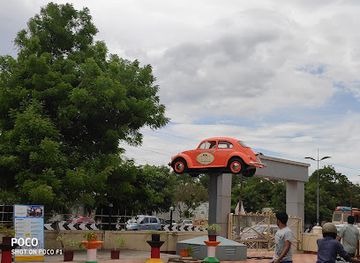
Gedee Car Museum
Explore a stunning collection of vintage cars & automotive history at Coimbatore's Gedee Car Museum, a tribute to innovation & design.
16 min walk · 1.3 km from city centre
-
Tourist attraction
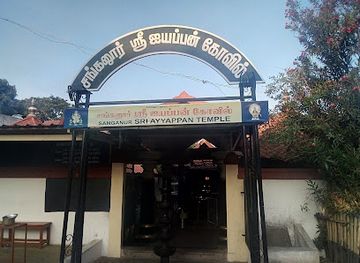
Sree Ayyappan Temple
Experience the divine at Coimbatore's Sree Ayyappan Temple, a spiritual haven mirroring the traditions of Sabarimala.
6 min drive · 1.9 km from city centre
-
Park
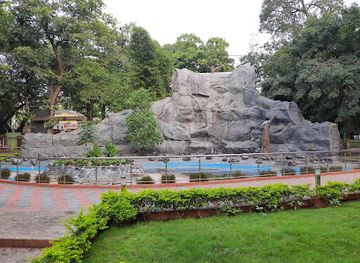
Gandhi Park
Escape to serenity in the heart of Coimbatore at Gandhi Park, a tribute to nature, culture, and history.
6 min drive · 1.9 km from city centre

Best landmarks in Coimbatore
Perur Patteeswarar Temple is Coimbatore’s defining historic religious landmark, particularly noted for its sculpted pillars, stone halls and continuing importance to Shaiva worship. Marudamalai Temple occupies a wooded hill north-west of the city and is dedicated to Murugan, making the climb and approach part of its devotional character. Eachanari Vinayagar Temple, on the southern side of the city, is another prominent place of worship associated with Ganesha. The railway heritage of Coimbatore Junction reflects the transport links that helped the industrial city grow, while the Town Hall and market area represent its commercial development rather than monumental architecture. At the city’s margins, the Velliangiri foothills form a powerful natural backdrop and carry religious significance, though the Isha Yoga Center and surrounding landscapes are outside the historic urban core.
-
Shopping mall
Brookefields Mall
Discover the ultimate shopping experience at Brookefields Mall, Coimbatore's vibrant hub for fashion, food, and entertainment.
11 min walk · 0.9 km from city centre
-
Hindu temple
Arulmigu Subramaniya Swamy Temple, Marudhamalai
Explore the Arulmigu Subramaniya Swamy Temple, a serene Hindu temple in Coimbatore, where spirituality meets stunning architecture and rich Tamil culture.
33 min drive · 13 km from city centre
-
Museum
Gedee Car Museum
Discover automotive history at Gedee Car Museum in Coimbatore, showcasing vintage and modern cars in a unique and educational environment.
16 min walk · 1.3 km from city centre
-
Escape room center
Dare 2 Escape
Experience adrenaline-pumping excitement at Dare 2 Escape in Coimbatore, where thrilling escape room adventures await you and your friends.
16 min walk · 1.3 km from city centre
Explore Coimbatore on the map
Plan your Coimbatore trip on one map. See where the top attractions, landmarks, restaurants, bars and hotels are, find what's near where you're staying, and book hotels and experiences in a few clicks.
Best hotels in Coimbatore
Best restaurants in Coimbatore
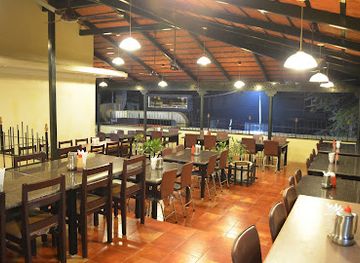
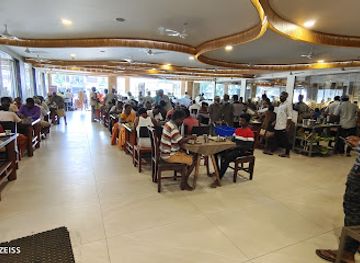
Coimbatore’s food culture belongs to the wider Kongunadu tradition of western Tamil Nadu, where rice, pulses, millets, coconut, sesame and locally seasoned meat give everyday cooking a robust identity. Vegetarian meals served on banana leaves, sambar, rasam, dosas and idlis are widely available, while regional specialities include arisi paruppu sadam, a rice-and-lentil preparation, and varied millet dishes. Kari-based meals, kothu parotta and biryani reflect broader Tamil influences and the city’s links with neighbouring regions. Long-established vegetarian eateries, bakeries, tea shops and casual restaurants sit alongside modern cafés in RS Puram, Race Course and other commercial districts. Markets and small food counters provide a more informal view of local eating, though visitors should choose busy establishments with good food turnover. Filtered or bottled water is the practical choice for travellers unused to local conditions.
-
South Indian
Valarmathi Mess
Discover Valarmathi Mess: A Culinary Haven Offering Authentic South Indian Delights in Coimbatore's Race Course Area.
14 min walk · 1.1 km from city centre
-
Non Vegetarian Restaurant
Cock Ra Co
Experience the vibrant flavors of India at Cock Ra Co in Coimbatore—your destination for delicious barbecue and authentic non-vegetarian cuisine.
18 min walk · 1.5 km from city centre
-
South Indian
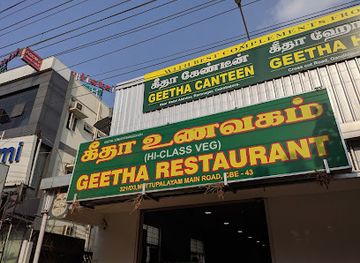
Geetha Restaurant
Experience the rich tastes of authentic South Indian cuisine at Geetha Restaurant in Coimbatore - a culinary delight for every traveler.
8 min drive · 2.6 km from city centre
-
South Indian
Shree Anandhaas
Experience authentic South Indian vegetarian cuisine at Shree Anandhaas in Coimbatore - a breakfast lover's paradise!
5 min drive · 1.7 km from city centre
Best bars in Coimbatore
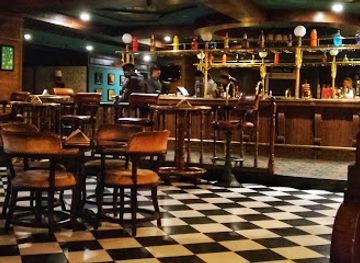
Coimbatore’s evening scene is more restrained than that of India’s largest nightlife centres, with activity concentrated in restaurants, hotel lounges, cafés and a limited selection of bars rather than a dense club circuit. RS Puram, Race Course and parts of Avinashi Road have the broadest choice of evening dining and social venues, while larger hotels may provide licensed bars, live music or occasional events. The city’s commercial districts become livelier after work, but many neighbourhoods quieten relatively early. Evening cultural life also includes Tamil cinema, shopping, temple festivals and performances linked to local arts institutions. Alcohol service is regulated, and opening arrangements and licensing can vary, so visitors should check current local information rather than assume that a venue operates like a late-night bar district in a major international city.
-
Disco club
10 Downing Street Coimbatore
Discover the vibrant nightlife and family-friendly dining at 10 Downing Street, Coimbatore's premier disco club and cocktail bar.
28 min drive · 9.5 km from city centre
-
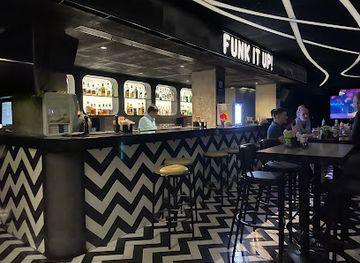
Bar
Func Bar&Kitchen
Experience the vibrant culinary scene at Func Bar & Kitchen in Coimbatore, where delicious cocktails and delectable dishes await.
9 min drive · 2.8 km from city centre
-
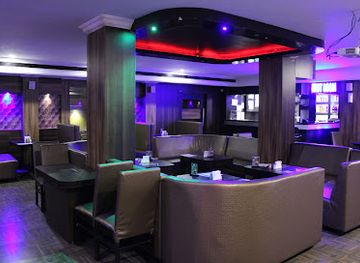
Bar
G-Spirit Bar
Discover the vibrant G-Spirit Bar in Coimbatore, where great drinks meet a lively atmosphere for an unforgettable night out.
28 min drive · 9.4 km from city centre
-
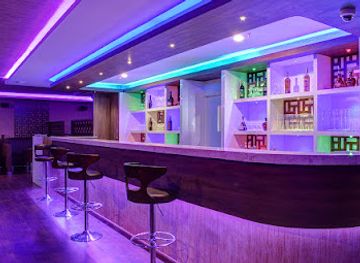
Bar
Sojen Bar
Discover the vibrant Sojen Bar in Coimbatore, where delicious food meets an energetic bar atmosphere, perfect for memorable nights out.
27 min drive · 9.0 km from city centre
Best nightclubs in Coimbatore
Coimbatore’s evening scene is more restrained than that of India’s largest nightlife centres, with activity concentrated in restaurants, hotel lounges, cafés and a limited selection of bars rather than a dense club circuit. RS Puram, Race Course and parts of Avinashi Road have the broadest choice of evening dining and social venues, while larger hotels may provide licensed bars, live music or occasional events. The city’s commercial districts become livelier after work, but many neighbourhoods quieten relatively early. Evening cultural life also includes Tamil cinema, shopping, temple festivals and performances linked to local arts institutions. Alcohol service is regulated, and opening arrangements and licensing can vary, so visitors should check current local information rather than assume that a venue operates like a late-night bar district in a major international city.
-
Disco club
10 Downing Street Coimbatore
Explore the vibrant nightlife at 10 Downing Street Coimbatore, where exquisite cocktails meet lively entertainment in a stylish setting.
28 min drive · 9.5 km from city centre
-
Club
The Coimbatore Club
Discover the energy of The Coimbatore Club, a lively destination for nightlife, music, and socializing in the heart of Tamil Nadu.
17 min walk · 1.3 km from city centre
-
Disco club
EDM Club
Experience the pulsating nightlife at EDM Club in Coimbatore, where electrifying beats and vibrant energy come together for an unforgettable night.
16 min drive · 5.3 km from city centre
-
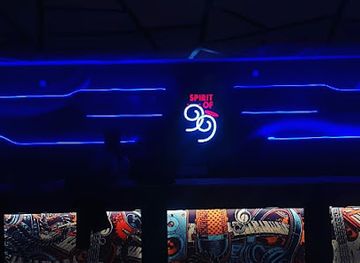
Night club
Spirit of 99
Spirit of 99: Coimbatore's ultimate night club experience with electrifying music and vibrant ambiance for an unforgettable night out.
12 min drive · 3.9 km from city centre


Best shops in Coimbatore
Coimbatore’s shopping districts combine wholesale commerce, practical manufacturing and regional textiles. The streets around Town Hall and Oppanakara Street are central to the city’s traditional retail life, with clothing, household goods, jewellery and everyday merchandise packed into busy commercial lanes. RS Puram and Cross-Cut Road offer a more contemporary mixture of branded shops, boutiques, cafés and specialist retailers. Textiles and cotton garments reflect the city’s mill-town history, while locally manufactured pumps, motors and engineering goods are part of its industrial identity rather than conventional souvenirs. Coimbatore is also associated with wet grinders, and authorised retailers may offer models for domestic use, although shipping and electrical specifications require attention. For edible gifts, packaged snacks, spices and regional sweets are more practical than fresh produce. Bargaining depends on the shop and product, so fixed-price stores provide a clearer comparison.
-
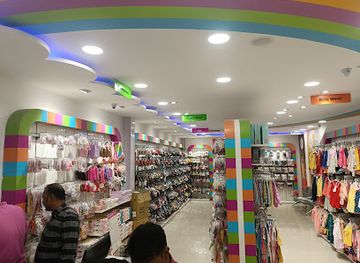
Baby store
FirstCry.com Store Coimbatore Avinashi Road
Explore a vibrant world of baby and maternity products at FirstCry.com Store in Coimbatore, your ultimate family shopping destination.
8 min drive · 2.8 km from city centre
-
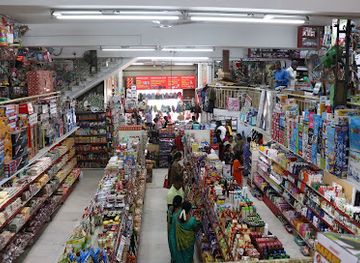
Gift shop
Selvasingh Stores
Experience the ultimate shopping destination in Coimbatore at Selvasingh Stores, where variety meets value in a vibrant atmosphere.
16 min walk · 1.3 km from city centre
-
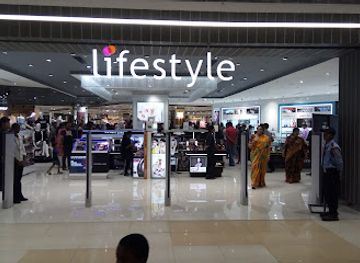
Gift shop
Lifestyle Stores
Explore Lifestyle Stores in Coimbatore for a unique shopping experience, offering trendy clothing, beauty products, and more in a vibrant mall setting.
6 min walk · 0.5 km from city centre
-
Gift shop
Dear & Near
Explore unique gifts and local crafts at Dear & Near, a charming shop in Coimbatore, perfect for finding memorable souvenirs.
16 min walk · 1.3 km from city centre
Get your free copy of our complete guide to Coimbatore, delivered straight to you.
Everything on this page, from attractions and restaurants to essentials and local phrases, in one PDF you can read offline, print or share.
Already have an account? Sign in
Your Coimbatore guide is ready.
We'll send it to · Not you? Sign out

Getting your guide ready…
We are putting together a fresh copy of the Coimbatore guide. This can take up to a minute.
This can take a few moments. If your browser asks, choose Allow so the download can start. You'll find the guide in your Downloads folder.
Nothing happened? Download it again
Sorry, the guide is taking longer than usual. Please try again in a minute, or get it by email instead.
Coimbatore essentials
Currency and Payment
Safety
Emergency Situations
Do's and Don'ts
Local Tips
From Eve
Local phrases worth knowing
You don't need to get them perfect. A few words go a long way, and locals appreciate the effort.
Basics
| English | Local | Say it |
|---|---|---|
| Hello | வணக்கம் | [Vanakkam] |
| Goodbye | பிரியாமல் | [Piriyamal] |
| Yes | ஆம் | [Aam] |
| No | இல்லை | [Illai] |
| Please/You're welcome | தயவு செய்து | [Thayavu seydhu] |
| Thank you | நன்றி | [Nandri] |
| Excuse me/Sorry | மன்னிக்கவும் | [Mannikkavum] |
| How are you? | எப்படி இருக்கும்? | [Eppadi irukkum?] |
| Fine. And you? | நன்றாக இருக்கிறேன். உங்கள் அனுபவம் எப்படி? | [Nandraga irukkiren. Ungal anupavam eppadi?] |
| Do you speak English? | உங்களுக்கு ஆங்கிலம் பேசுகிறீர்களா? | [Ungalukku angilam pesugireerkala?] |
| I don't understand | நான் புரியவில்லை | [Naan puriyavillai] |
Eating & Drinking
| English | Local | Say it |
|---|---|---|
| I'd like to see the menu, please | தயவுசெய்து மெனுவை காணவும் | [Thayavuseydhu menuvai kaanavum] |
| I don't eat meat | நான் இறைச்சி சாப்பிடவில்லை | [Naan iraichchi saappidavillai] |
| Cheers! | வாழ்த்துக்கள்! | [Vaazhthukkal] |
| I would like to pay, please | தயவுசெய்து பணம் செலுத்த விரும்புகிறேன் | [Thayavuseydhu panam selutha virumbugiren] |
Emergencies
| English | Local | Say it |
|---|---|---|
| Help! | உதவி! | [Udhavi!] |
| Go away! | போய்! | [Poy!] |
| Call the Police! | காவல் அலுவலரை அழைக்கவும்! | [Kaaval aluvalarai azhaikkavum!] |
| Call a doctor! | ஒரு மருத்துவரை அழைக்கவும்! | [Oru maruthuvarai azhaikkavum!] |
| I'm lost | நான் காட்டினேன் | [Naan kaattinen] |
| I'm ill | எனக்கு நோய் உள்ளது | [Enakku noyy ulladhu] |
Shopping
| English | Local | Say it |
|---|---|---|
| I'd like to buy... | நான் வாங்க விரும்புகிறேன்... | [Naan vaanga virumbugiren...] |
| I'm just looking | நான் பார்க்கிறேன் | [Naan paarkkiren] |
| How much is it? | அது எவ்வளவு? | [Adhu evvalavu?] |
| That's too expensive | அது மிகவும் விலையாகுகிறது | [Adhu mikavum vilaiyagukiradhu] |
| Can you lower the price? | விலையை குறைக்க முடியுமா? | [Vilaiyai kurhaikka mudiyuma?] |
Time & Numbers
| English | Local | Say it |
|---|---|---|
| What time is it? | எந்த நேரம்? | [Endha neram?] |
| It's one o'clock | ஒரு மணி | [Oru mani] |
| Half past (10) | பத்துக்கு அரை | [Pathukku arai] |
| Morning | காலை | [Kaalaai] |
| Afternoon | மதியம் | [Mathiyam] |
| Evening | மாலை | [Maalai] |
| Yesterday | நேற்று | [Nettru] |
| Today | இன்று | [Indru] |
| Tomorrow | நாளை | [Naalai] |
| 1 | ஒன்று | [Onru] |
| 2 | இரண்டு | [Irandu] |
| 3 | மூன்று | [Moonru] |
| 4 | நான்கு | [Naanku] |
| 5 | ஐந்து | [Aindhu] |
| 6 | ஆறு | [Aaru] |
| 7 | ஏழு | [Ezhu] |
| 8 | எட்டு | [Ettu] |
| 9 | ஒன்பது | [Onpathu] |
| 10 | பத்து | [Pathu] |
Transport & Directions
| English | Local | Say it |
|---|---|---|
| Where's a/the...? | ஒரு/அது எங்கே உள்ளது? | [Oru/adhu engae ulladhu?] |
| What's the address? | முகவரியாக என்ன? | [Mugavariyaaga enna?] |
| Can you show me (on the map)? | உங்கள் வடிவத்தில் காண்கிறார்களா? | [Ungal vadivathil kaanugiraarkala?] |
| When's the next (bus)? | அடுத்த (பஸ்) எப்போது? | [Adutha (bus) eppothu?] |
| A ticket (to ....) | ஒரு டிக்கெட் (.... க்கு) | [Oru ticket (....kku)] |
History of Coimbatore
Kongu Nadu’s Early Settlements
Coimbatore developed within Kongu Nadu, a historical region of western Tamil Nadu whose fertile plains, river channels and routes through the Western Ghats supported agriculture and exchange. Settlements around the Noyyal River were connected to wider south Indian networks, while nearby passes linked the Tamil plains with the Mysore plateau and the western coast. The region was influenced at different times by the Cheras, Cholas, Pandyas and later powers, and its religious landscape grew around village shrines and major temples. Although the modern city is comparatively recent in form, its surrounding cultural geography preserves older patterns of Kongu Tamil society, farming, temple patronage and movement across the uplands.
Medieval Kingdoms and Temple Culture
From the medieval period, control of the Coimbatore area shifted among regional dynasties and, later, the Vijayanagara Empire and the Nayak rulers of Madurai. Temple foundations and expansions helped organise settlement life, agricultural resources and local patronage. Perur, now incorporated into the urban area, became particularly important through the development of the Patteeswarar temple complex, whose halls and sculptures belong to a long tradition of Shaiva worship in Tamil Nadu. The region’s position between the eastern plains and western routes also gave it strategic value. Political authority changed repeatedly, but temple institutions, agrarian communities and commercial movement provided continuity.
Mysore Rule and Colonial Administration
In the eighteenth century, the Coimbatore region was drawn into the conflicts involving the Mysore state, the British East India Company and the rulers of southern India. Administration ultimately passed to the British, and Coimbatore became part of the Madras Presidency. Colonial roads, revenue systems and new commercial connections strengthened the town’s role as an agricultural and trading centre. Cotton cultivation benefited from the surrounding dry plains, while the Palghat Gap and other routes across the Western Ghats connected the area to Kerala and the western coast. These geographical and administrative changes laid foundations for the industrial expansion that would define the city in the following century.
Cotton, Mills and Industrial Growth
Coimbatore’s modern economy began to accelerate in the late nineteenth and early twentieth centuries as cotton processing, ginning and textile production expanded. Entrepreneurs, engineers and migrant workers contributed to the growth of mills, workshops and trading houses, earning the city a lasting association with textiles. The arrival and development of railway connections improved the movement of cotton, machinery and finished goods, while institutions established by industrial and educational groups strengthened technical training. Engineering enterprises later broadened the economic base beyond spinning and weaving. This industrial culture explains the city’s continuing reputation as a manufacturing centre and the presence of museums devoted to engineering, transport and technological innovation.
Post-Independence Coimbatore
After Indian independence in 1947, Coimbatore continued to expand through textiles, pumps, motors, foundries, engineering and education. Its industrial ecosystem supported numerous small and medium-sized businesses, while suburban growth joined older villages and market settlements to the urban core. Higher education institutions, hospitals and research-oriented enterprises added new dimensions to the city’s economy. At the same time, temples such as Marudamalai and Perur remained active religious centres, and Tamil cultural traditions continued through festivals, food and family networks. Contemporary Coimbatore therefore reflects several overlapping histories: Kongu regional identity, temple-centred settlement, colonial commerce and a post-independence industrial city shaped by technical expertise.
Coimbatore in Photos
Browse through our photo collection highlighting the charm and character of the destination.
Cities near Coimbatore
The closest cities to Coimbatore, if you have time for more than one stop.
-
-

-

-

-


Swipe for more cities

