

Free Mysore Travel Guide & Mobile App
Plan your Mysore trip with Evendo. Get free guides to top attractions, restaurants, hotels, and bars. Web access or download the mobile app.


Mysore, India blends royal palaces, sandalwood heritage, temple traditions and vibrant markets with celebrated yoga, cuisine and nearby wildlife escapes.
A Royal City in Karnataka
Mysore, officially Mysuru, rises across the southern Karnataka plateau with a graceful identity shaped by palaces, temples, gardens and long-established craft traditions. The city is best known for Mysore Palace, whose illuminated domes and ornate interiors recall the ceremonial world of the Wadiyar dynasty, but its character extends well beyond the royal enclosure. Broad avenues, leafy residential quarters and wide market streets give the centre a more measured rhythm than Bengaluru, while Chamundi Hill forms a constant southern landmark.Read more about Mysore
Palaces, Markets and Living Traditions
Festivals and the Wider Landscape
When is the best time to visit Mysore?
Best: December–February · 27–30°C| Month | High (°C) | Rainfall (mm) |
|---|---|---|
| January (best) | 27 | 2 |
| February (best) | 30 | 2 |
| March | 33 | 5 |
| April | 34 | 16 |
| May | 32 | 97 |
| June | 29 | 137 |
| July | 27 | 113 |
| August | 27 | 95 |
| September | 27 | 108 |
| October | 27 | 263 |
| November | 29 | 90 |
| December (best) | 27 | 21 |
Getting to and around Mysore
How to get there
Transportation
Best attractions in Mysore
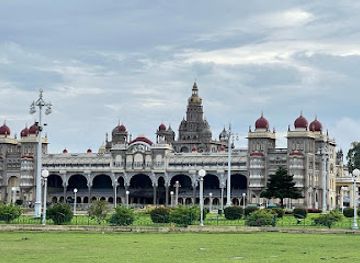
Mysore Palace is the city's defining visitor attraction, with richly decorated halls, courtyards and a ceremonial history that becomes especially evocative when the building is illuminated. The nearby Jaganmohan Palace houses an important art collection, including works associated with the Wadiyar court, while the Karanji Lake Nature Park offers a quieter setting for lakeside walks and birdlife. Devaraja Market provides an immersive look at everyday Mysuru through flower stalls, spices, fruit and traditional goods. On the city's southern edge, Chamundi Hill combines panoramic views with the revered Chamundeshwari Temple. Families and railway enthusiasts may enjoy the Railway Museum, and the Brindavan Gardens, beside the Krishnarajasagara reservoir outside the urban centre, provide formal gardens and evening illumination. Together these places reveal Mysuru as a city of royal history, religious tradition, horticulture and living commerce.
-
Museum
Mysore Palace
Discover the grandeur of Mysore Palace, a historic treasure showcasing stunning architecture and rich cultural heritage in the heart of Karnataka.
17 min walk · 1.4 km from city centre
-
Art museum
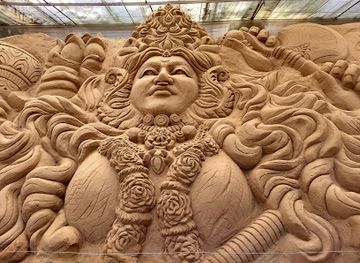
Sand Museum Mysuru
Visit Sand Museum Mysuru for an unforgettable experience of intricate sand sculptures and artistic creativity in the heart of Karnataka.
11 min drive · 3.7 km from city centre
-
Tourist attraction
Lokaranjan Aqua World Underwater Zoo
Experience the magic of marine life at Lokaranjan Aqua World Underwater Zoo, a unique fusion of aquarium and zoo in Mysuru, Karnataka.
5 min drive · 1.5 km from city centre
-
Garden
Brindavana Gardens
Explore the breathtaking beauty of Brindavana Gardens, a serene botanical paradise in Karnataka, India, featuring vibrant flowers and a captivating musical fountain.
36 min drive · 16 km from city centre


Best landmarks in Mysore
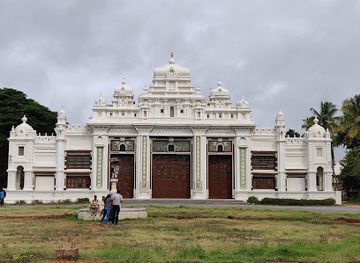
Mysore Palace is the principal architectural symbol of the former princely state, combining an imposing public frontage with domes, stained glass, carved detail and interiors designed for court ceremony. Chamundeshwari Temple crowns Chamundi Hill and represents the city's enduring religious connection to the goddess Chamundeshwari, traditionally regarded as its guardian deity. Jaganmohan Palace, once a royal residence, is notable for its ornate facade and later role as a cultural and artistic institution. The Karanji Mansion and Lalitha Mahal Palace reflect different phases of Wadiyar-era architectural ambition, while St Philomena's Cathedral, with its prominent twin spires, represents the city's Christian heritage. Devaraja Market is less monumental but equally significant as a surviving civic landmark: its arcades and trading activity preserve the commercial life of the historic centre.
-
 Historical place
Mysore Palace
Explore the majestic Mysore Palace, a historical marvel showcasing stunning architecture and rich cultural heritage in the heart of Mysuru, Karnataka.
7 min walk · 0.6 km from city centre
-
Zoo
Sri Chamarajendra Zoological Gardens
Explore the vibrant wildlife and serene landscapes of Sri Chamarajendra Zoological Gardens in Mysuru, a premier zoo and conservation center.
5 min drive · 1.5 km from city centre
-
Aquarium
Lokaranjan Aqua World Underwater Zoo
Experience the magic of marine life at Lokaranjan Aqua World Underwater Zoo, an unforgettable attraction in Mysuru showcasing the beauty of underwater ecosystems.
5 min drive · 1.5 km from city centre
-
Art museum
Sand Museum Mysuru
Unveil the artistry of sand at the Sand Museum in Mysuru, where every grain tells a story and every sculpture sparks imagination.
11 min drive · 3.7 km from city centre
Explore Mysore on the map
Plan your Mysore trip on one map. See where the top attractions, landmarks, restaurants, bars and hotels are, find what's near where you're staying, and book hotels and experiences in a few clicks.
Best hotels in Mysore
Best restaurants in Mysore
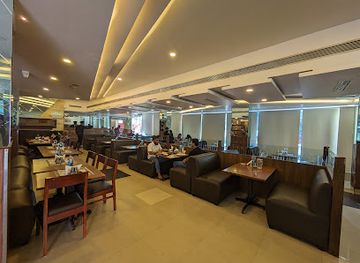
Mysuru's food culture belongs to the broader vegetarian-rich traditions of Karnataka, with crisp masala dosa, idli, vada, bisibele bath and rice-based meals served in eateries ranging from long-established dining rooms to informal cafés. The city is particularly associated with Mysore pak, a ghee-rich sweet, while filter coffee, savoury snacks and South Indian breakfast dishes are everyday staples. Devaraja Market and the streets around the old centre provide a useful introduction to fruit, flowers, spices and locally made treats, although market food is best approached with ordinary care about hygiene and water. Restaurants in central Mysuru often serve thalis on metal plates, while contemporary establishments add North Indian, Chinese and international dishes to the local repertoire. Karnataka's influence is also evident in ragi-based foods, coconut, lentils and fragrant spice blends, with vegetarian choices especially prominent.
-
Restaurant
Empire Restaurant Mysore
Experience the vibrant flavors of India at Empire Restaurant Mysore - where culinary tradition meets modern dining.
10 min drive · 3.2 km from city centre
-
Vegetarian
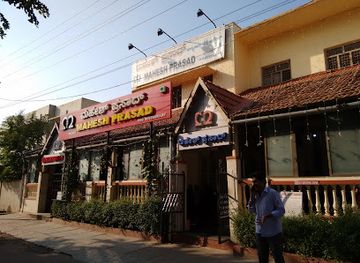
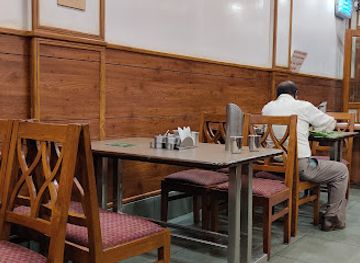
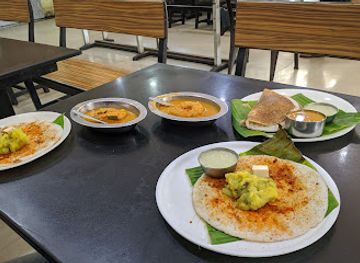
Mahesh Prasad Veg Restaurant
Experience authentic South Indian vegetarian cuisine at Mahesh Prasad Veg Restaurant in Mysuru – perfect for breakfast and beyond.
17 min walk · 1.4 km from city centre
-
Restaurant
Hotel RRR Mysore
Experience authentic South Indian cuisine at Hotel RRR in Mysore—famous for its delicious biryani and warm hospitality.
12 min walk · 0.9 km from city centre
-
South Indian
Gayatri Tiffin Room (GTR) - Vegetarian Restaurant
Experience authentic South Indian vegetarian cuisine at Gayatri Tiffin Room in Mysuru - perfect for breakfast and light meals.
5 min drive · 1.8 km from city centre
Best bars in Mysore
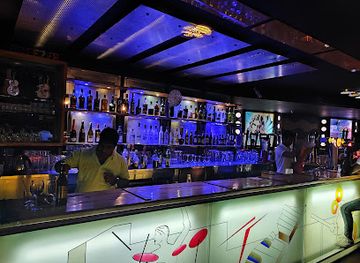
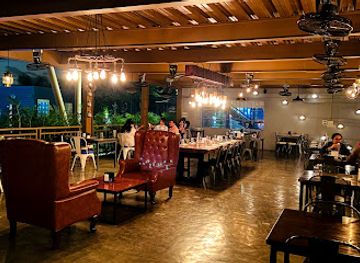
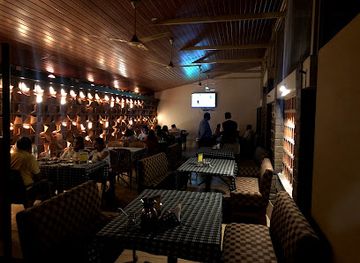
Mysuru's evenings are generally more measured than those of Bengaluru, with social life centred on restaurants, hotel lounges, cafés and cultural programmes rather than a large club scene. Around the central districts and newer commercial areas, visitors can find licensed bars serving beer, spirits and cocktails, while larger hotels provide a quieter setting for an evening drink. Live music, classical performances and festival events offer alternatives to nightlife focused on alcohol, particularly during the Dasara season when public programmes and illuminated streets bring extra activity to the city. Local regulations and serving practices can change, and alcohol may not be available in every establishment. Evening walks around well-used central streets can be atmospheric, but transport back to accommodation is best arranged in advance for quieter areas.
-
Brewpub
The Barge
Discover the vibrant atmosphere and unique craft beers at The Barge, a top brewpub in Mysuru, perfect for tourists seeking local flavors.
19 min drive · 6.4 km from city centre
-
Pub
Purple Haze Mysuru
Unleash your spirit at Purple Haze Mysuru – a lively pub and nightclub offering delicious food, refreshing drinks, and unforgettable nightlife experiences.
15 min drive · 5.2 km from city centre
-
Bar
Mysore Union - Bar & Restaurant
Discover the culinary delights and vibrant nightlife at Mysore Union - Bar & Restaurant in Mysuru, where every meal is a celebration.
25 min drive · 8.2 km from city centre
-
Bar
Bopy's Restaurant Bar & Pub
Experience the vibrant culinary scene at Bopy's Restaurant Bar & Pub in Mysuru, where delicious non-vegetarian dishes meet a lively bar atmosphere.
14 min drive · 4.7 km from city centre
Best nightclubs in Mysore
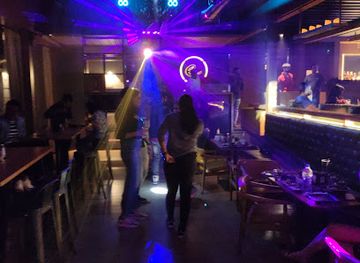
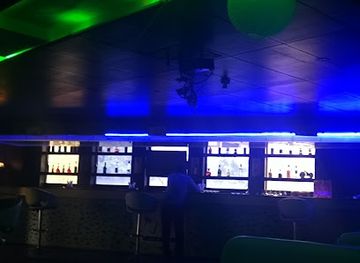
Mysuru's evenings are generally more measured than those of Bengaluru, with social life centred on restaurants, hotel lounges, cafés and cultural programmes rather than a large club scene. Around the central districts and newer commercial areas, visitors can find licensed bars serving beer, spirits and cocktails, while larger hotels provide a quieter setting for an evening drink. Live music, classical performances and festival events offer alternatives to nightlife focused on alcohol, particularly during the Dasara season when public programmes and illuminated streets bring extra activity to the city. Local regulations and serving practices can change, and alcohol may not be available in every establishment. Evening walks around well-used central streets can be atmospheric, but transport back to accommodation is best arranged in advance for quieter areas.
-
Lounge
EVOLVE BISTROxMUSIC
Discover the vibrant atmosphere of EVOLVE BISTROxMUSIC, where delightful cuisine meets electrifying music in Mysuru's premier lounge.
14 min drive · 4.7 km from city centre
-
Night club
Fluid Lounge
Discover the lively Fluid Lounge in Mysuru, a night club and vegetarian restaurant offering a unique blend of nightlife and delicious dining experiences.
11 min drive · 3.5 km from city centre
-
Disco club
Shai tem
Experience the vibrant nightlife of Mysuru at Shai Tem, where electrifying beats and dazzling lights create unforgettable memories.
5 min drive · 1.7 km from city centre
-
Night club
sizzling corner
Dive into the vibrant nightlife of Mysuru at Sizzling Corner, a premier night club offering electrifying music and a lively atmosphere.
11 min drive · 3.7 km from city centre
Best shops in Mysore
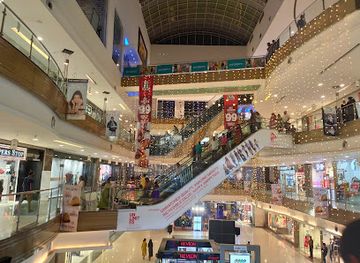
Shopping in Mysuru ranges from the produce and flower stalls of Devaraja Market to specialist stores selling the products for which the city is known. Mysore silk is the best-known textile tradition, while sandalwood carving, incense, oils, rosewood inlay and traditional paintings reflect local craft and courtly influence. Shops around the palace and central commercial streets carry souvenirs and sweets, including boxes of Mysore pak, but quality and authenticity vary, so established retailers and clear receipts are sensible for valuable purchases. The market is more useful for observing everyday trade than for browsing a polished retail environment, with spices, fruit, flowers and household goods arranged in compact, busy sections. Modern shops and shopping centres serve residents with clothing, electronics and national brands, creating a practical contrast with the craft-focused stores near the old city.
-
Shopping mall
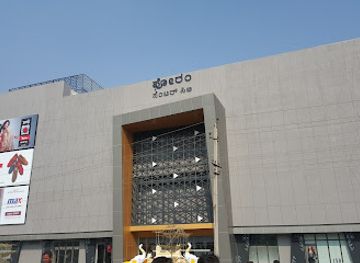
Mall Of Mysore
Discover a shopping paradise at the Mall of Mysore, where modern retail meets traditional charm in the heart of Karnataka.
5 min drive · 1.8 km from city centre
-
Shopping mall
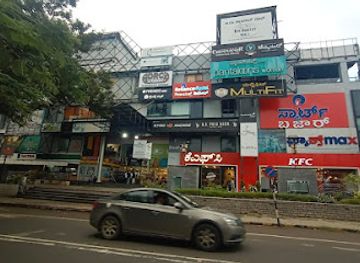
Nexus Centre City
Discover a shopping paradise at Nexus Centre City in Mysuru, where diverse brands, delicious dining, and family-friendly entertainment await.
7 min drive · 2.3 km from city centre
-
Shopping mall
BM Habitat Mall
Discover the vibrant shopping scene at BM Habitat Mall in Mysuru, where local culture meets modern retail and dining experiences.
11 min drive · 3.7 km from city centre
-
Shopping mall
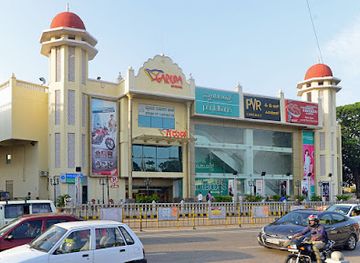
Garuda Mall Mysuru
Discover the best shopping experience in Mysuru at Garuda Mall, where local charm meets modern retail and entertainment.
8 min walk · 0.7 km from city centre
Get your free copy of our complete guide to Mysore, delivered straight to you.
Everything on this page, from attractions and restaurants to essentials and local phrases, in one PDF you can read offline, print or share.
Already have an account? Sign in
Your Mysore guide is ready.
We'll send it to · Not you? Sign out

Getting your guide ready…
We are putting together a fresh copy of the Mysore guide. This can take up to a minute.
This can take a few moments. If your browser asks, choose Allow so the download can start. You'll find the guide in your Downloads folder.
Nothing happened? Download it again
Sorry, the guide is taking longer than usual. Please try again in a minute, or get it by email instead.
Mysore essentials
Currency and Payment
Safety
Emergency Situations
Do's and Don'ts
Local Tips
From Eve
Local phrases worth knowing
You don't need to get them perfect. A few words go a long way, and locals appreciate the effort.
Basics
| English | Local | Say it |
|---|---|---|
| Hello | ಹಲೋ | [halo] |
| Goodbye | ಬೈ ಬೈ | [bai bai] |
| Yes | ಹೌದು | [haudu] |
| No | ಇಲ್ಲ | [illa] |
| Please/You're welcome | ದಯವಿಟ್ಟು | [dayavittu] |
| Thank you | ಧನ್ಯವಾದಗಳು | [dhanyavadagalu] |
| Excuse me/Sorry | ಕ್ಷಮಿಸಿ | [kshamisi] |
| How are you? | ನೀವು ಹೇಗಿದ್ದೀರಿ? | [neevu hegiddiri?] |
| Fine. And you? | ಚೆನ್ನಾಗಿದೆ. ನೀವು? | [chennagide. neevu?] |
| Do you speak English? | ನೀವು ಇಂಗ್ಲಿಷ್ ಮಾತಾಡುತ್ತೀರಾ? | [neevu English maadatauttira?] |
| I don't understand | ನನಗೆ ಅರ್ಥವಾಗುತ್ತಿಲ್ಲ | [nanage arthavaaguttilla] |
Eating & Drinking
| English | Local | Say it |
|---|---|---|
| I'd like to see the menu, please | ಮೆನು ನೋಡಲು ಬೇಕಾಗಿದೆ | [menu nodalu bekaagide] |
| I don't eat meat | ನಾನು ಮಾಂಸವನ್ನು ತಿನ್ನುವುದಿಲ್ಲ | [naanu maamsavannu tinnuvudilla] |
| Cheers! | ಚೀರ್ಸ್! | [cheers!] |
| I would like to pay, please | ದಯವಿಟ್ಟು ಪಾವತಿ ಮಾಡಲು ಬೇಕಾಗಿದೆ | [dayavittu paavati maadalu bekaagide] |
Emergencies
| English | Local | Say it |
|---|---|---|
| Help! | ಸಹಾಯ! | [sahaya!] |
| Go away! | ದೂರ ಹೋಗು! | [doora hogu!] |
| Call the Police! | ಪೊಲೀಸ್ ಗೆ ಕರೆ! | [police ge kare!] |
| Call a doctor! | ಡಾಕ್ಟರ್ ಗೆ ಕರೆ! | [doctor ge kare!] |
| I'm lost | ನಾನು ಹಿಂತಿರುಗಿದ್ದೇನೆ | [naanu hintirugiddene] |
| I'm ill | ನನಗೆ ಅಸ್ವಸ್ಥತೆ ಇದೆ | [nanage aswasthate ide] |
Shopping
| English | Local | Say it |
|---|---|---|
| I'd like to buy... | ನಾನು ಖರೀದಿಸಲು ಬೇಕಾಗಿದೆ... | [naanu khareedisalu bekaagide...] |
| I'm just looking | ನಾನು ನೋಡುತ್ತಿದ್ದೇನೆ | [naanu noduttiddene] |
| How much is it? | ಇದು ಎಷ್ಟು ಖರೀದಿಸಬೇಕು? | [idu eshtu khareedisabeeku?] |
| That's too expensive | ಅದು ಹೆಚ್ಚು ಖರೀದಿಸಬೇಕು | [adu hecchu khareedisabeeku] |
| Can you lower the price? | ಬೆಲೆಯನ್ನು ಕಡಿಮೆ ಮಾಡಬಹುದುಗಳು? | [beleyannu kadmey maadabahudugalu?] |
Time & Numbers
| English | Local | Say it |
|---|---|---|
| What time is it? | ಏಕೆನ್ಟಿ ಸಮಯ ಏನು? | [ekenti samaya enu?] |
| It's one o'clock | ಒಂದು ಗಂಟೆ | [ondu gante] |
| Half past (10) | ಹಾಫ್ ಪಾಸ್ಟ್ (10) | [haaf paast (10)] |
| Morning | ಬೆಳಗ್ಗೆ | [belagge] |
| Afternoon | ಅಪರಾಹ್ನ | [aparaahna] |
| Evening | ಸಂಜೆ | [sanje] |
| Yesterday | ನಿನ್ನೆ | [ninne] |
| Today | ಇಂದು | [indu] |
| Tomorrow | ನಾಳೆ | [naale] |
| 1 | ಒಂದು | [ondu] |
| 2 | ಎರಡು | [eradu] |
| 3 | ಮೂರು | [mooru] |
| 4 | ನಾಲ್ಕು | [naalku] |
| 5 | ಐದು | [aidu] |
| 6 | ಆರು | [aaru] |
| 7 | ಏಳು | [elu] |
| 8 | ಎಂಟು | [entu] |
| 9 | ಒಂಬತ್ತು | [ombattu] |
| 10 | ಹತ್ತು | [hattu] |
Transport & Directions
| English | Local | Say it |
|---|---|---|
| Where's a/the...? | ಒಂದು/ಅದು ಎಲ್ಲಿದೆ? | [ondu/adu ellide?] |
| What's the address? | ವಿಳಾಸ ಏನು? | [vilaasa enu?] |
| Can you show me (on the map)? | ನನಗೆ ತೋರಿಸಬಹುದುಗಳು? | [nanage torisabahudugalu?] |
| When's the next (bus)? | ಮುಂದಿನ (ಬಸ್) ಏನು? | [mundina (bas) enu?] |
| A ticket (to ....) | ಒಂದು ಟಿಕೆಟ್ (.... ಗೆ) | [ondu ticket (.... ge)] |
History of Mysore
Early Mysore and the Wadiyar Foundation
The history of Mysore is closely linked with the Wadiyar, or Wodeyar, dynasty, which established control over the area in 1399 according to the traditional dynastic account. The settlement developed as the centre of a regional kingdom in the southern Karnataka plateau, with political authority, temple patronage and agrarian wealth reinforcing one another. For much of its early history, the kingdom operated within the wider sphere of the Vijayanagara Empire, whose influence shaped administration, religion and artistic culture across the region. After Vijayanagara's defeat at the Battle of Talikota in 1565, Mysore gained greater independence and gradually expanded its political importance. The palace precinct and surrounding temple traditions still reflect the long association between royal power and religious patronage.
Kingdom, Temples and Expanding Power
During the seventeenth and eighteenth centuries, the Mysore kingdom strengthened its position among the competing powers of southern India. The Wadiyars developed the capital's courtly institutions and supported temples, music, painting and ceremonial traditions. Mysore's strategic importance grew as regional states, the Marathas, the Nizam of Hyderabad and the British East India Company contested influence in the south. The kingdom's authority extended across productive agricultural territories and trade routes, while nearby Srirangapatna became a key fortified centre on an island in the Kaveri River. These political and commercial developments created the foundations for the later prominence of Mysore's court, military administration and distinctive material culture.
Hyder Ali and Tipu Sultan
Military commander Hyder Ali rose to power within the Mysore state during the eighteenth century and became its effective ruler, while the Wadiyar remained the formal dynastic figurehead. His son, Tipu Sultan, succeeded him in 1782 and continued the struggle against the British East India Company and its allies. The Anglo-Mysore Wars transformed southern Indian politics, bringing military innovation, diplomatic activity and repeated campaigns across the region. Tipu's final defeat and death at Srirangapatna in 1799 ended the independent Mysorean resistance to British expansion. The Wadiyar dynasty was restored under British supervision, and the political centre of the kingdom shifted back towards Mysore, leaving Srirangapatna with some of the most important surviving military and religious sites associated with this era.
British Paramountcy and the Princely State
After 1799, Mysore existed as a princely state under British paramountcy, with the Wadiyar ruler restored to the throne but major limits placed on sovereignty. British administrative influence encouraged new forms of education, infrastructure and bureaucratic organisation, while the court continued to patronise religion, music and the arts. In 1831, the British assumed direct administration after allegations of misgovernment; control was returned to the Wadiyar dynasty in 1881 under the Rendition agreement. The late nineteenth and early twentieth centuries saw the city develop as an administrative and cultural capital, with palaces, public institutions, planned roads and gardens contributing to the architectural character visible today.
Modernisation and the Wadiyar Legacy
Under rulers including Krishnaraja Wadiyar IV, Mysore became associated with progressive administration, public works and support for education, industry, music and the visual arts. Hydroelectric development, improved civic services and institutions such as the University of Mysore helped give the state a reputation for modernising princely governance, although social inequalities and the limits of princely rule remained part of this history. The Dasara festival was developed into a major public and ceremonial spectacle, combining royal ritual with civic celebration. Palaces, museums, educational buildings and public gardens from this period continue to define Mysore's cultural landscape and its association with refinement, learning and royal ceremony.
Mysuru in Independent India
Following Indian independence in 1947, Mysore joined the Indian Union and became part of the reorganised state of Mysore, which was renamed Karnataka in 1973. The city expanded beyond its historic core through new residential districts, educational institutions and industries, while its palace-centred identity remained central to tourism and civic life. Mysore's traditions of silk production, sandalwood craft, classical music, yoga and South Indian cuisine continued alongside a growing service economy. In 2014, the city officially adopted the name Mysuru, reflecting the established Kannada form. Contemporary Mysuru therefore combines the legacy of a princely capital with the social, cultural and economic life of a modern Karnataka city.
Mysore in Photos
Browse through our photo collection highlighting the charm and character of the destination.
Cities near Mysore
The closest cities to Mysore, if you have time for more than one stop.
-

-

-
-

-


Swipe for more cities
Explore more

Explore more of India
Discover the magic of India, where diverse landscapes, rich heritage, and vibrant culture come together to create an unforgettable travel experience.
Explore India