
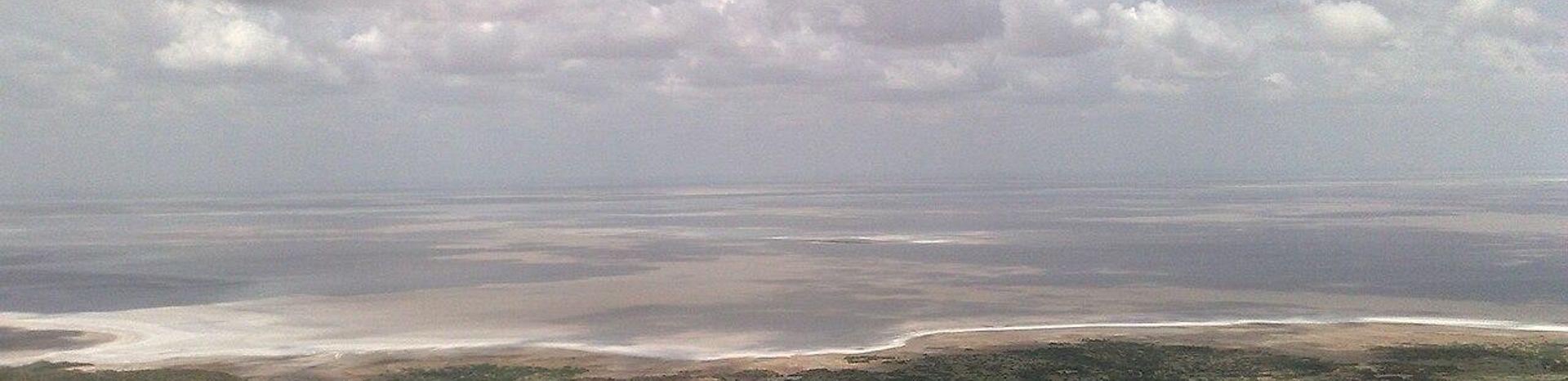
The Enchanting Rann of Kutch: India's White Desert Wonderland
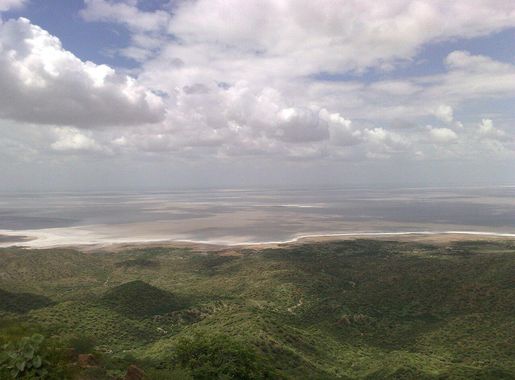
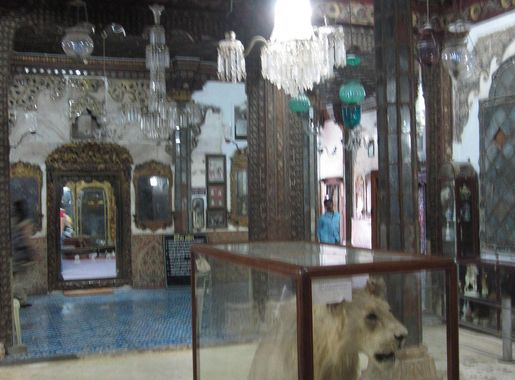
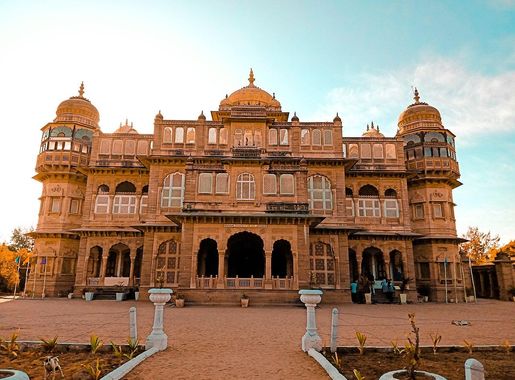
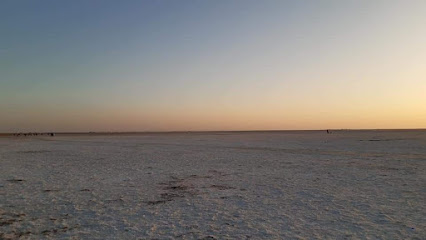
The Rann of Kutch, located in the western state of Gujarat, India, is a mesmerizing salt marsh that stretches over 10,000 square kilometers. This vast expanse of white desert offers a unique and surreal landscape that is unlike any other in the world. It is most famous for its shimmering white salt flats that appear to stretch infinitely, creating a magical and ethereal atmosphere. The best time to visit is during the Rann Utsav, a cultural festival that showcases the vibrant culture, music, and dance of the region, held from November to February. Beyond the striking visuals, the Rann of Kutch is home to a rich and diverse ecosystem. The region supports a variety of wildlife, including flamingos, wild asses, and numerous migratory birds. The nearby Kutch Desert Wildlife Sanctuary offers an excellent opportunity for bird watching and wildlife photography. Visitors can also explore the quaint villages around the Rann, where they can witness traditional handicrafts, embroidery, and pottery being made by skilled artisans. The Rann of Kutch is not just about its natural beauty but also its vibrant culture and history. The nearby town of Bhuj serves as a gateway to the region and is known for its historical sites, palaces, and museums. The Aina Mahal (Palace of Mirrors) and Prag Mahal are two must-visit attractions in Bhuj. The region is also famous for its delicious Gujarati cuisine, which includes dishes like Dhokla, Khandvi, and Kachoris, offering a delightful culinary experience for visitors.
Local tips in Rann of Kutch
- Visit during Rann Utsav for a complete cultural experience.
- Carry warm clothing as temperatures can drop significantly at night.
- Book accommodations in advance, especially during the festival season.
- Explore local handicrafts and support the artisans by purchasing their work.
- Take a guided tour to learn more about the region's history and wildlife.




The Enchanting Rann of Kutch: India's White Desert Wonderland
The Rann of Kutch, located in the western state of Gujarat, India, is a mesmerizing salt marsh that stretches over 10,000 square kilometers. This vast expanse of white desert offers a unique and surreal landscape that is unlike any other in the world. It is most famous for its shimmering white salt flats that appear to stretch infinitely, creating a magical and ethereal atmosphere. The best time to visit is during the Rann Utsav, a cultural festival that showcases the vibrant culture, music, and dance of the region, held from November to February. Beyond the striking visuals, the Rann of Kutch is home to a rich and diverse ecosystem. The region supports a variety of wildlife, including flamingos, wild asses, and numerous migratory birds. The nearby Kutch Desert Wildlife Sanctuary offers an excellent opportunity for bird watching and wildlife photography. Visitors can also explore the quaint villages around the Rann, where they can witness traditional handicrafts, embroidery, and pottery being made by skilled artisans. The Rann of Kutch is not just about its natural beauty but also its vibrant culture and history. The nearby town of Bhuj serves as a gateway to the region and is known for its historical sites, palaces, and museums. The Aina Mahal (Palace of Mirrors) and Prag Mahal are two must-visit attractions in Bhuj. The region is also famous for its delicious Gujarati cuisine, which includes dishes like Dhokla, Khandvi, and Kachoris, offering a delightful culinary experience for visitors.
When is the best time to go to Rann of Kutch?
Iconic landmarks you can’t miss

White Desert Of Kutch
Discover the breathtaking beauty of the White Desert of Kutch, a unique salt flat experience in Gujarat, India, merging nature and culture in one mesmerizing destination.
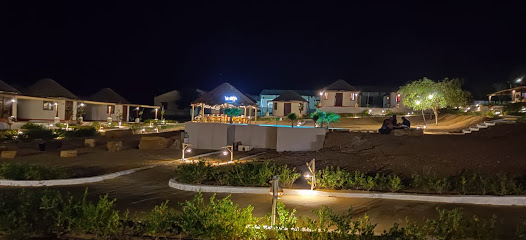
Rann Utsav - The Tent City
Experience the vibrant culture of Gujarat at Rann Utsav, a unique tent city festival amidst the stunning white desert landscape.
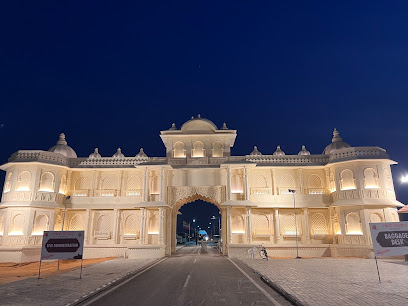
Aaina Mahal
Explore Aaina Mahal in Bhuj, Gujarat, where history and architecture blend seamlessly to provide an unforgettable cultural experience.
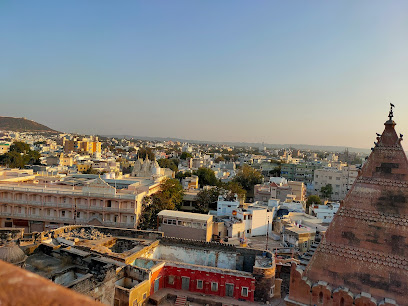
Prag Mahal
Explore Prag Mahal in Bhuj, Gujarat: A Majestic Fusion of Gothic and Indian Architecture Steeped in Rich History.
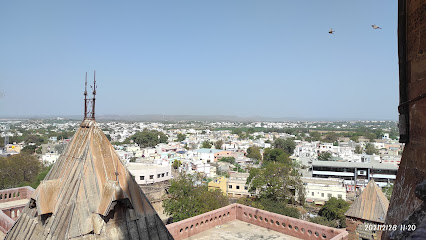
Lakhpat Fort
Explore Lakhpat Fort: A historic fortress in Gujarat offering stunning views and rich cultural heritage near the India-Pakistan border.
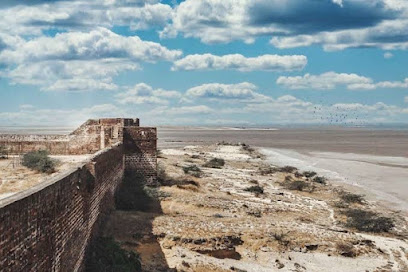
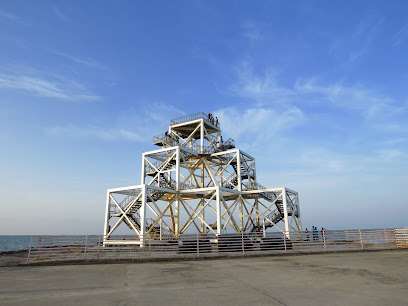
Sunset Point
Experience the breathtaking sunsets and panoramic views at Sunset Point, a must-visit tourist attraction in Gujarat.
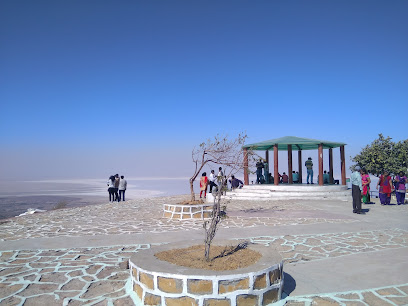
Sunset Point Dholavira
Discover the stunning sunsets and rich cultural heritage at Sunset Point Dholavira, a hidden gem in Gujarat, India, perfect for tranquil getaways.
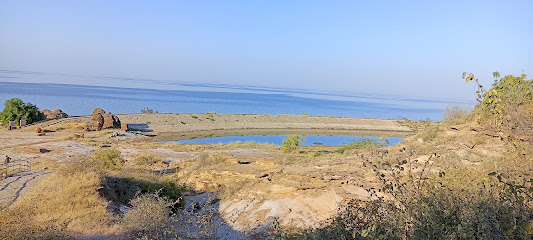
White Desert Bhuj
Experience the surreal beauty of the White Desert Bhuj, a unique destination offering breathtaking landscapes and rich cultural experiences in Gujarat, India.
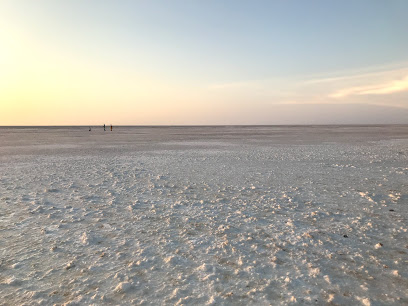
Rann of kuchh
Explore the breathtaking Rann of Kutch, a magnificent salt desert in Gujarat, where adventure meets vibrant local culture and stunning landscapes.
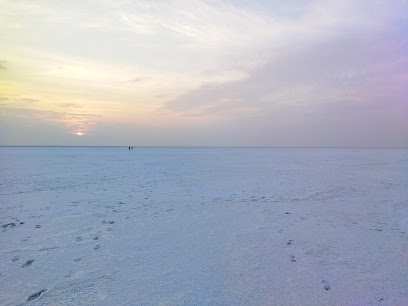
Road To Rann of Kutch
Discover the mesmerizing landscapes and rich culture along the Road to Rann of Kutch, a must-visit destination in Gujarat's enchanting salt desert.
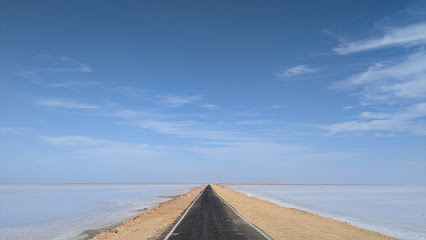
Dhordo to Dholavira road
Experience the breathtaking beauty and historical significance of the Dhordo to Dholavira Road in Gujarat, a must-visit for all travelers.
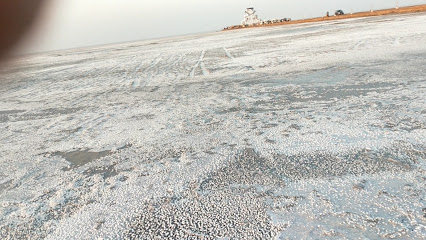
Rann of kutch Lake View
Explore the captivating beauty of the Rann of Kutch Lake View, a unique tourist attraction in Gujarat with stunning landscapes and rich cultural experiences.
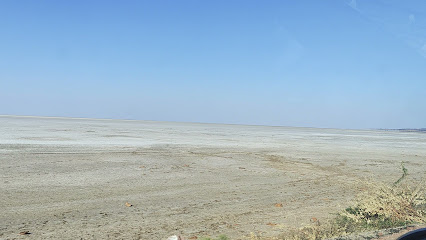
Rann of kutch
Explore the mesmerizing salt desert of Rann of Kutch, a unique blend of natural beauty and rich cultural heritage in Gujarat, India.
Unmissable attractions to see

White Desert Of Kutch
Explore the mesmerizing White Desert of Kutch, a surreal salt flat in Gujarat, known for its stunning landscapes and vibrant local culture.
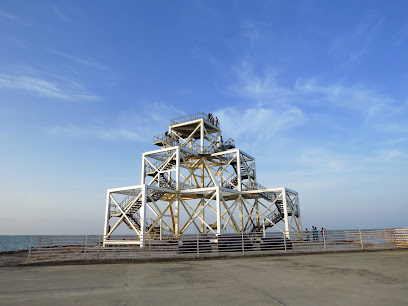
Rann Utsav - The Tent City
Immerse yourself in the vibrant culture of Gujarat at Rann Utsav, where the beauty of the desert meets the richness of Indian traditions.
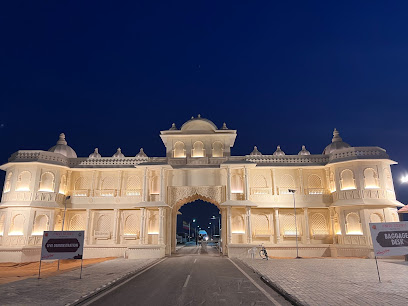
Sunset Point
Experience the captivating beauty of Sunset Point in Gujarat, where breathtaking sunsets meet serene landscapes, perfect for every nature lover.
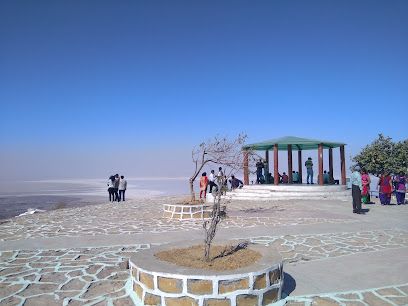
Chhippar point
Discover the breathtaking beauty of Chhippar Point, a serene coastal attraction in Gujarat perfect for relaxation and stunning sunset views.
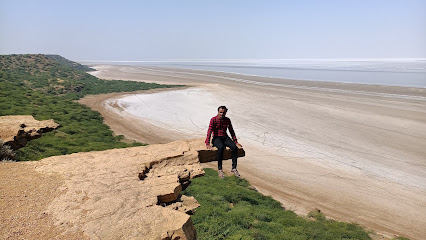
Sunset Point Dholavira
Experience the breathtaking sunsets and rich history at Sunset Point Dholavira, a hidden gem in Gujarat that showcases the beauty of ancient civilization.
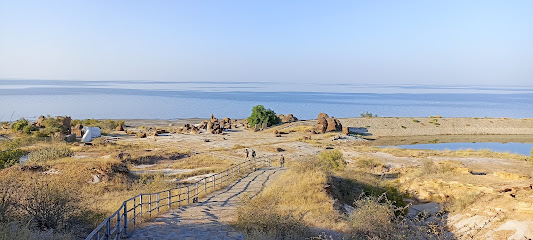
Magnetic Hill
Discover the fascinating optical illusion of Magnetic Hill in Gujarat, India, where gravity seems to take a backseat amidst stunning landscapes.
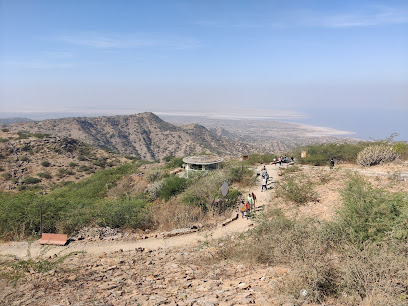
Rann Utsav
Experience the vibrant culture and stunning landscapes of Rann Utsav, a unique festival in Gujarat's mesmerizing salt desert.
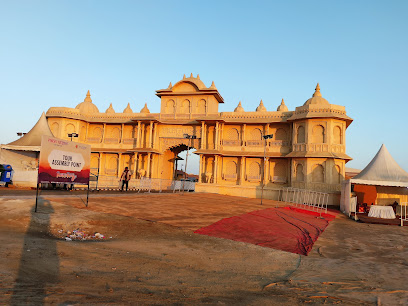
Kutchch Fossil Park
Explore the ancient world at Kutchch Fossil Park, Gujarat – a natural history museum showcasing fossilized remains and the wonders of our geological past.
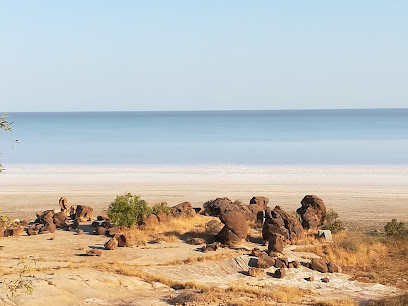
Rann of kutch
Experience the mesmerizing beauty of the Rann of Kutch, where the salt desert meets vibrant culture and breathtaking wildlife in Gujarat, India.
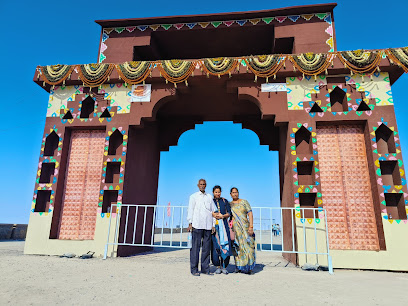
Ki...aayo
Discover the stunning White Rann of Kutch, a unique salt desert offering breathtaking landscapes, vibrant culture, and unforgettable sunsets.
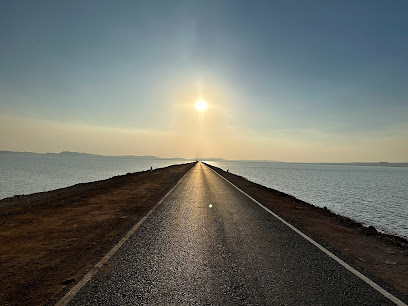
Road to Heaven
Explore the breathtaking Road to Heaven in Gujarat, an enchanting journey through nature's beauty and local culture, perfect for every traveler.
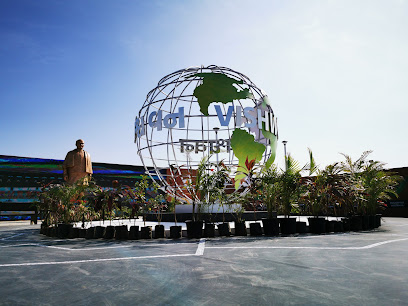
White Desert Bhuj
Experience the breathtaking beauty of the White Desert in Bhuj, Gujarat, a stunning salt flat that transforms into a cultural hub during the Rann Utsav.
Rann of kuchh
Explore the breathtaking landscapes and rich culture of the Rann of Kutch, a unique salt desert in Gujarat, India.
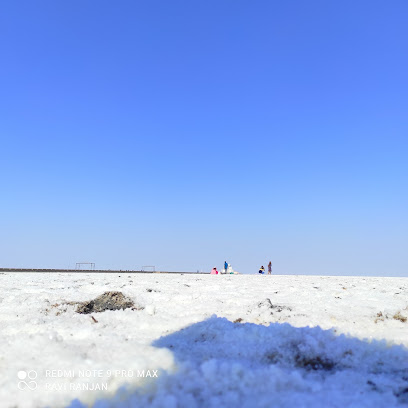
Safed run
Experience the enchanting beauty of Safed Run, a stunning white desert in Bhuj, Gujarat, perfect for adventure, relaxation, and photography.
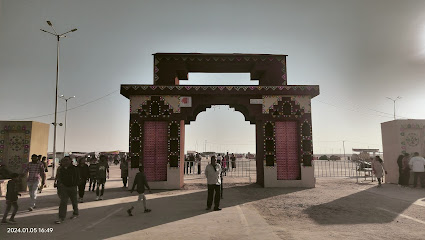
road to heaven
Discover the breathtaking beauty of the Road to Heaven in Gujarat, a picturesque route offering serene landscapes and unforgettable views.
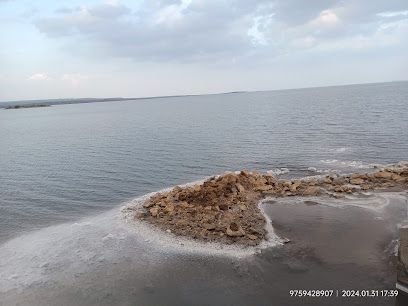
Essential places to dine

Umiyaji Dining Hall
Discover the essence of Gujarat at Umiyaji Dining Hall, where authentic vegetarian dishes delight your palate in Bhuj.
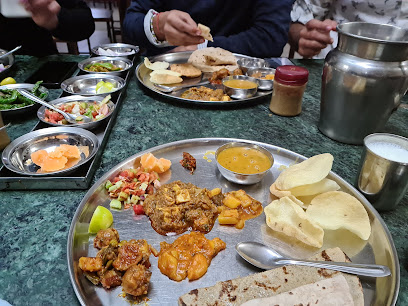
Shaan-E-Punjab Dhaba
Experience authentic Punjabi vegetarian cuisine at Shaan-E-Punjab Dhaba in Bhuj – where every meal tells a delicious story.
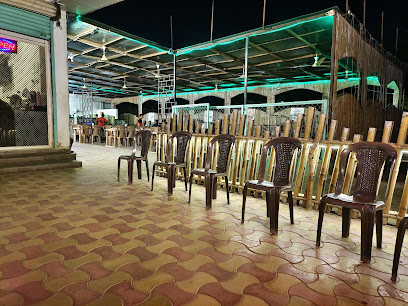
Noorani Restaurant
Experience the authentic flavors of India at Noorani Restaurant in Bhuj – where culinary traditions meet modern tastes.
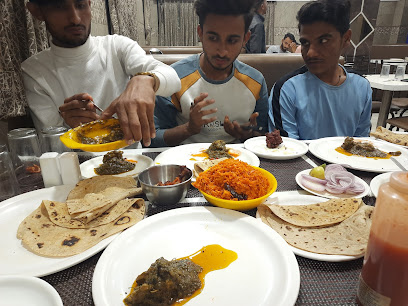
TEN 11 Lounge
Discover the flavors of India at TEN 11 Lounge in Bhuj - a perfect blend of traditional dishes and modern dining experience.
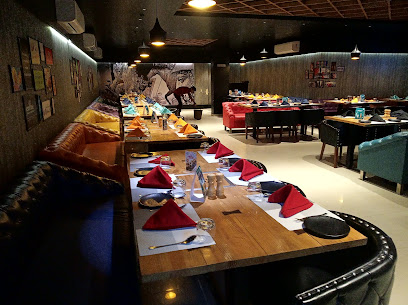
Pangat - Restaurant & Be Ghadi Cafe
Discover Pangat Restaurant in Nakhatrana for an authentic dhaba experience featuring delicious local cuisine and welcoming ambiance.
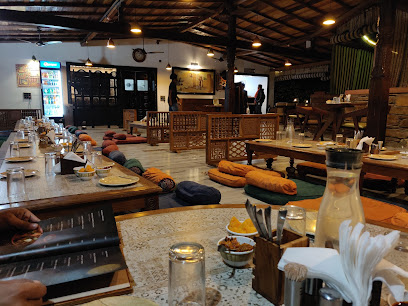
MOON LIGHT RESTAURA
Experience the best of Indian cuisine at Moon Light Restaura in Bhuj – perfect for families and fine dining lovers seeking authentic flavors.
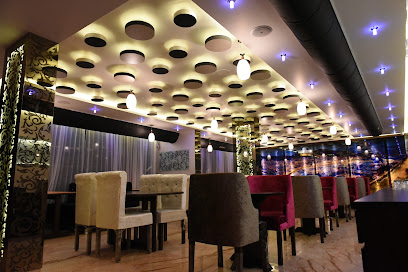
Gamthi Kathiyawadi Restaurant Kutch
Experience authentic Indian cuisine at Gamthi Kathiyawadi Restaurant in Kutch – where every bite tells a story of tradition and flavor.
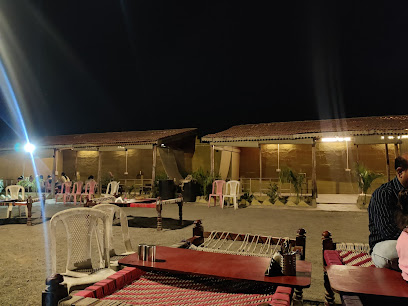
Vrundavan Resort & Restaurant
Experience tranquility and exceptional vegetarian cuisine at Vrundavan Resort & Restaurant in Gujarat's scenic landscapes.
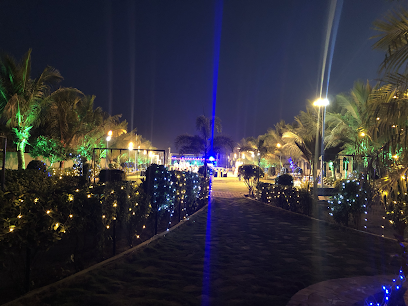
Annapurna Restaurant
Experience the essence of Indian cuisine at Annapurna Restaurant in Bhuj – where every dish tells a story.
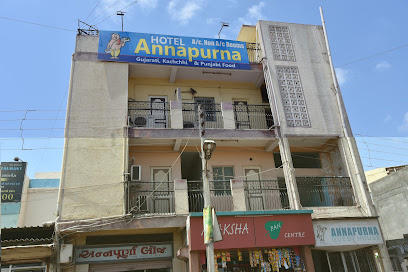
PATEL DINNING HALL & FAMILY RESTAURANT
Discover the essence of Gujarat at Patel Dining Hall & Family Restaurant - where authentic vegetarian flavors meet warm hospitality.
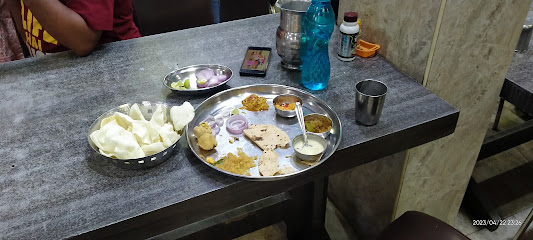
Kishan Lodge
Experience the essence of Indian gastronomy at Kishan Lodge - where vegetarian delights meet authentic flavors in Bhuj.
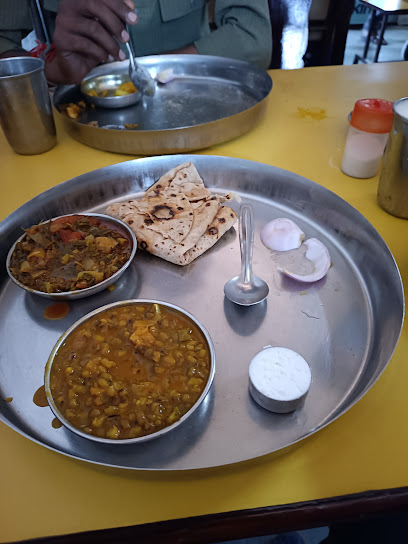
Sher e Punjab
Discover authentic Punjabi flavors at Sher e Punjab Dhaba in Bhuj - where every dish tells a story.
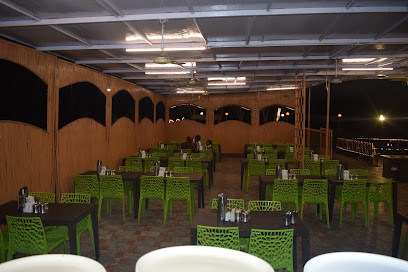
UMA DININGHALL
Discover authentic Indian flavors at UMA DININGHALL - a must-visit culinary destination in Nakhatrana, Gujarat.
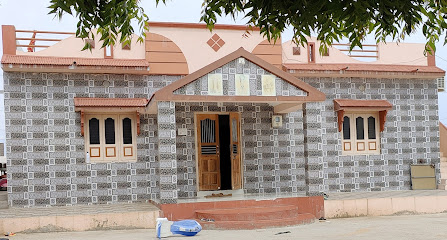
Kutch Kitchen - Restaurant at Smritivan
Experience authentic Gujarati cuisine at Kutch Kitchen near Smritivan in Bhuj – where every dish is a celebration of local flavors.
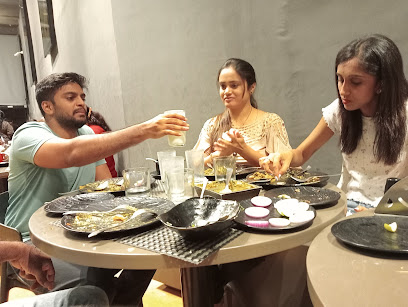
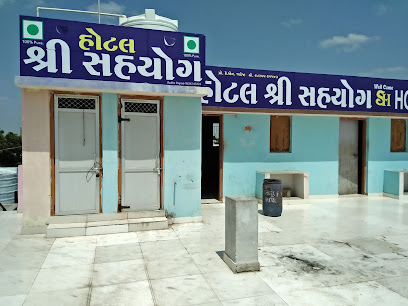
Hotel Sahyog
Savor the rich flavors of India at Hotel Sahyog – where authentic cuisine meets warm hospitality in Bhachau.
Markets, malls and hidden boutiques

White Desert Of Kutch
Discover the breathtaking beauty of the White Desert of Kutch, a surreal salt flat experience that captures the essence of Gujarat's vibrant culture and stunning landscapes.
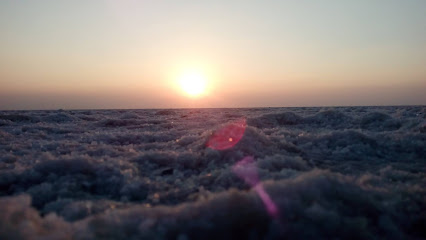
Rann Utsav - The Tent City
Experience the vibrant culture and mesmerizing beauty of Rann Utsav - a unique tent city festival in the heart of the Kutch desert, Gujarat.
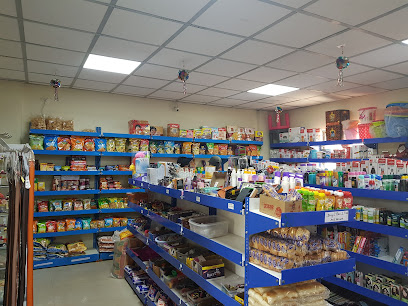
WelHome
Discover the essence of local life at WelHome, a vibrant housing society and supermarket in Varshamedi, Gujarat, perfect for tourists and locals alike.
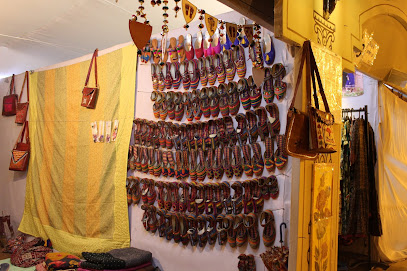
Bhoomi Handicrafts
Discover the essence of Gujarat through exquisite handmade crafts at Bhoomi Handicrafts in Bhuj, a true artisan's paradise.
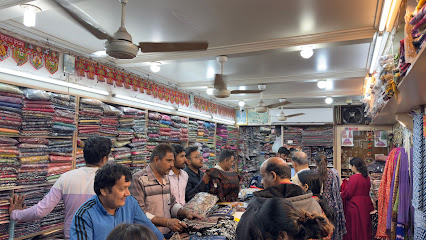
Rann Utsav
Immerse yourself in the vibrant culture and breathtaking beauty of Rann Utsav, Gujarat's enchanting festival in the white desert.
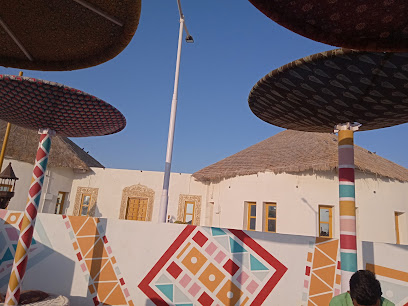
Kutch Kutir Udhyog
Discover the vibrant artistry of Kutch at Kutch Kutir Udhyog, where tradition meets craftsmanship in the heart of Bhuj.
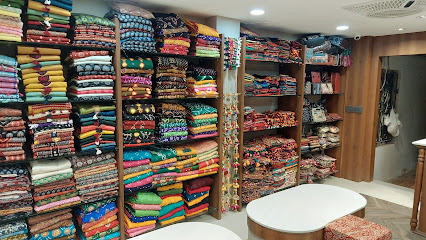
Handicrafts of Kutch
Explore the vibrant craftsmanship of Kutch, featuring unique handbags, sarees, and traditional handicrafts in Bhuj, Gujarat.
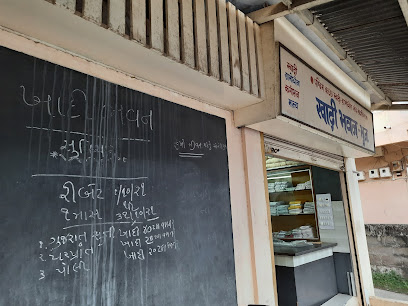
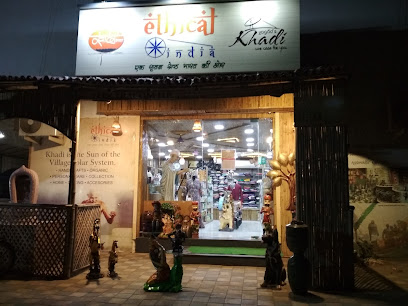
KHADI-ethical India
Explore Khadi-Ethical India in Gandhidham for unique gifts, sustainable fashion, and authentic Indian craftsmanship that supports local artisans.
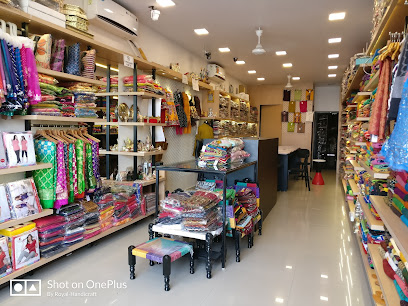
Royal Handicraft
Explore Royal Handicraft in Anjar for exquisite designer clothing and unique boutique finds that celebrate the essence of local craftsmanship.
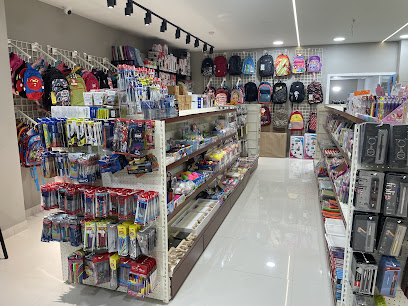
Jyoti The School mall || Best School Uniform, School Product, School Shoes, Books And Stationery
Explore Jyoti The School Mall for all your educational needs in Bhuj, from uniforms to stationery and sports gear, all under one roof.
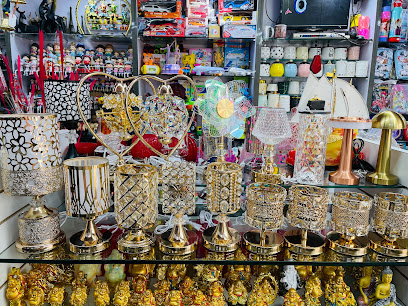
Prem Gift
Explore a unique selection of local handicrafts and souvenirs at Prem Gift in Bhuj, Gujarat, where every item tells a story.
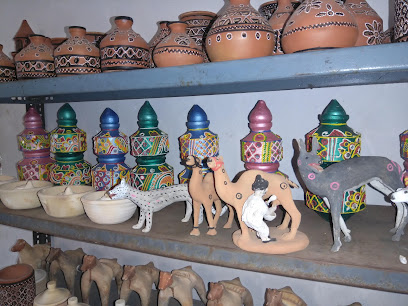
Khavda Painted Pottery
Discover the vibrant heritage of Khavda Painted Pottery, a treasure trove of handmade artistry in the heart of Gujarat.
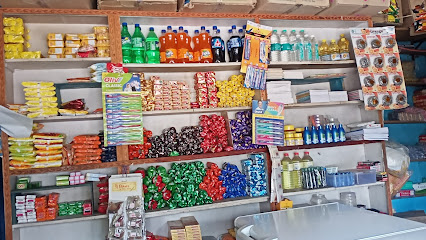
Ramdev General Store
Discover local flavors and essentials at Ramdev General Store in Samakhiali, Gujarat, where community spirit meets convenience.
RAMESH GENERAL STORE
Discover unique writing instruments and stationery treasures at Ramesh General Store in Anjar, Gujarat, a must-visit for stationery lovers!
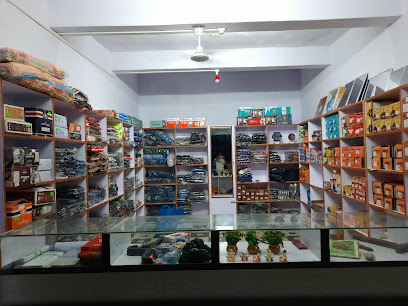
Shree Ravechi Shopping Center
Explore the Shree Ravechi Shopping Center for a unique blend of shopping and local culture in Ratanpar, Gujarat.
Essential bars & hidden hideouts

White Rann Restaurant And Guest house
Experience the best of Gujarati cuisine and hospitality at White Rann Restaurant and Guest House, your perfect retreat in Dhordo.
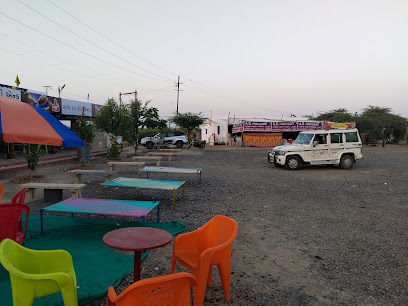
Rann Utsav-The Tent City, Welcome Lounge
Immerse yourself in the vibrant culture and breathtaking landscapes of Rann Utsav, Gujarat's enchanting desert festival.
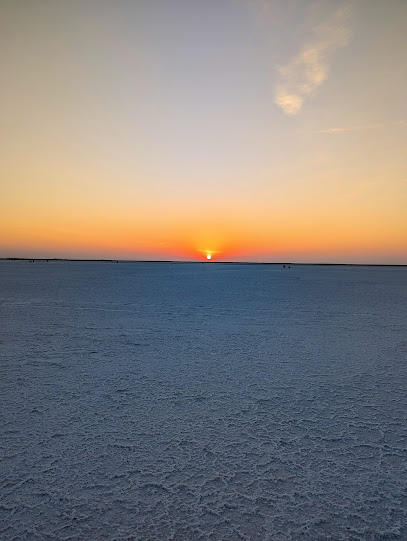
Rolling Beans
Discover the tranquility of Rolling Beans in Gujarat, where delicious local cuisine meets a cozy lounge ambiance for the ultimate dining experience.
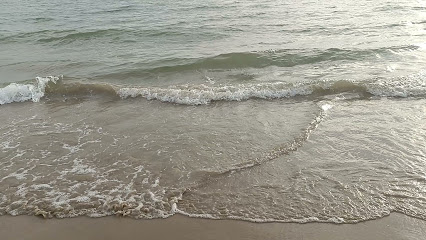
bhuj
Discover the vibrant bar scene of Bhuj, where local flavors meet international drinks in a lively atmosphere perfect for tourists.

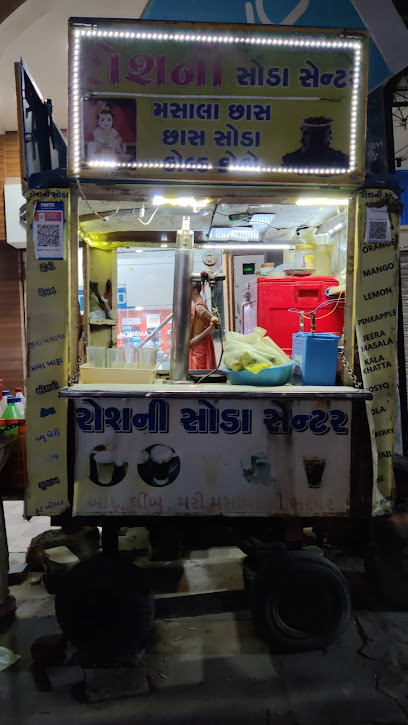
Roshni Soda Center
Discover Roshni Soda Center in Gandhidham, where refreshing soda creations meet a vibrant local atmosphere for an unforgettable experience.
Alif Chicken Shop
Discover the vibrant flavors of Gujarati chicken cuisine at Alif Chicken Shop in Gandhidham, a must-visit for food enthusiasts.
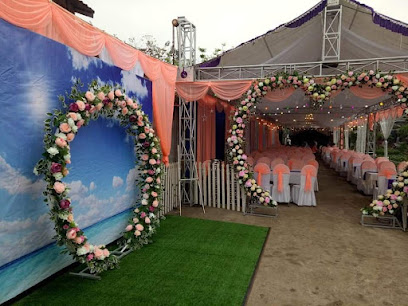
Karu parivar
Experience the charm of Jangi at Karu Parivar, a cozy bar with a relaxed atmosphere and a great selection of drinks.
Chamunda sports
Join the excitement at Chamunda Sports, Bhuj's top sports bar for live games, delicious snacks, and a vibrant atmosphere.
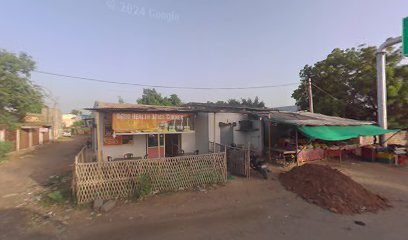
Rasa Peer circle Adani port Road Mundra Kutch
Discover the lively atmosphere of Rasa Peer Circle in Mundra, where local flavors meet refreshing drinks for an unforgettable experience.
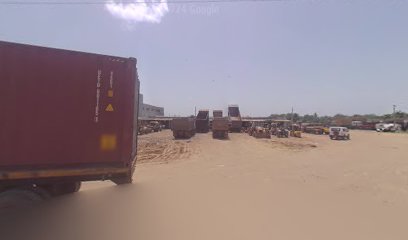
Madva
Experience the lively ambiance of Madva Bar in Bhuj, Gujarat, where great drinks and vibrant nightlife come together for an unforgettable evening.
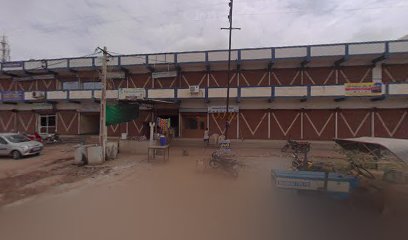
deepak stor
Experience the vibrant nightlife at Deepak Stor, a lively bar in Gujarat, blending local flavors and a welcoming ambiance for all tourists.
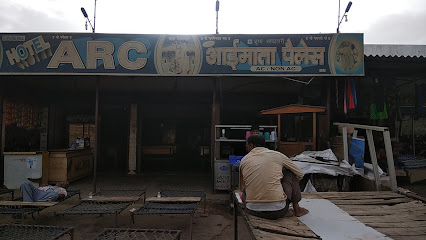
Mayank soda baar
Discover the lively ambiance and refreshing drinks at Mayank Soda Baar, a must-visit destination in Adipur, Gujarat for an unforgettable night out.
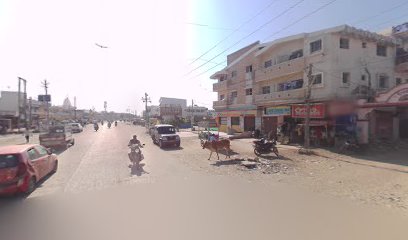
Lockdown cold bar
Discover the lively Lockdown Cold Bar in Bhuj, where refreshing drinks and a vibrant atmosphere await you amidst the city's charm.
Pravin thakor
Discover Pravin Thakor in Memdavad, a cozy bar offering a unique blend of local flavors and a vibrant atmosphere for tourists seeking relaxation.
Koli shankar
Experience the vibrant nightlife at Koli Shankar in Mundra, where local flavors meet a lively atmosphere for an unforgettable evening.


Local Phrases about Rann of Kutch
-
- Helloહેલો
[hello] - Goodbyeઅલવિદા
[alvida] - Yesહા
[ha] - Noનહીં
[nahin] - Please/You're welcomeકૃપા કરીને
[krupa karine] - Thank youઆભાર
[abhar] - Excuse me/Sorryમાફ કરજો
[maaf karjo] - How are you?તમે કેમ છો?
[tame kem cho?] - Fine. And you?સારુ. અને તમે?
[saru. ane tame?] - Do you speak English?તમે અંગ્રેજી બોલો છો?
[tame angreji bolo cho?] - I don't understandમને સમજ નથી આવે
[mane samaj nathi ave]
- Helloહેલો
-
- I'd like to see the menu, pleaseમેનૂ જોવાનું છે, કૃપા કરીને
[menu jovanu che, krupa karine] - I don't eat meatહું માંસ નથી ખાવું
[hu mans nathi khavu] - Cheers!ચિયર્સ!
[cheers!] - I would like to pay, pleaseપેમેન્ટ કરવું છે, કૃપા કરીને
[payment karvu che, krupa karine]
- I'd like to see the menu, pleaseમેનૂ જોવાનું છે, કૃપા કરીને
-
- Help!મદદ!
[madad!] - Go away!ચલો જાઓ!
[chalo jao!] - Call the Police!પોલીસ બુલાવો!
[police bulavo!] - Call a doctor!ડૉક્ટર બુલાવો!
[doctor bulavo!] - I'm lostમારૂ જગ્યા ગુમ થયું છે
[maru jagya gum thayu che] - I'm illમને બીમારી છે
[mane bimari che]
- Help!મદદ!
-
- I'd like to buy...હું ... ખરીદી જોઈએ
[hu ... kharidi joie] - I'm just lookingહું ફક્ત જોવું છું
[hu fakt jovu chu] - How much is it?એનું ભાવ કેટલું છે?
[enu bhav ketlun che?] - That's too expensiveતે ખૂબ મહંગુ છે
[te khub mahangu che] - Can you lower the price?ભાવ ઓછું કરી શકો છો?
[bhav ochhu kari shako cho?]
- I'd like to buy...હું ... ખરીદી જોઈએ
-
- What time is it?હવે કઈ વાગ્યું છે?
[have kai vagyu che?] - It's one o'clockએક વાગ્યું થયું છે
[ek vagyu thayu che] - Half past (10)દસનું આધું
[dasnu aadhu] - Morningસવાર
[savar] - Afternoonબપોર
[bapor] - Eveningસાંજ
[sanj] - Yesterdayગઈકો
[gaiko] - Todayઆજે
[aje] - Tomorrowકાલે
[kale] - 1એક
[ek] - 2બે
[be] - 3ત્રણ
[tran] - 4ચાર
[char] - 5પાંચ
[pach] - 6છ
[chh] - 7સાત
[sat] - 8આઠ
[ath] - 9નવ
[nav] - 10દસ
[das]
- What time is it?હવે કઈ વાગ્યું છે?
-
- Where's a/the...?અહીં ક્યાં છે...?
[ahin kyam che...?] - What's the address?સરનામું શું છે?
[sarnam shu che?] - Can you show me (on the map)?તમે મને (નકશા પર) દેખાવી શકો છો?
[tame mane (naksha par) dekhavi shako cho?] - When's the next (bus)?આવતી (બસ) ક્યાં છે?
[avti (bus) kyam che?] - A ticket (to ....)એક ટિકિટ (... સુધી)
[ek ticket (... sudhi)]
- Where's a/the...?અહીં ક્યાં છે...?
History of Rann of Kutch
-
The Rann of Kutch is believed to have been a part of the Harappan civilization, also known as the Indus Valley Civilization, which thrived around 2600 to 1900 BCE. Archaeological excavations, especially at sites like Dholavira, reveal sophisticated urban planning, including water management systems, reservoirs, and intricate drainage systems. Dholavira is one of the largest and most prominent Harappan sites in India, showcasing the advanced engineering and urban planning skills of the civilization.
-
In 325 BCE, Alexander the Great’s forces reached the western fringes of the Indian subcontinent, including the Rann of Kutch. Although the region was not a major theater of his campaigns, it marked the easternmost extent of his empire. The encounter with local tribes and rulers, such as the Mallians and the Oxydracae, left a lasting impression on the local culture and trade.
-
Between the 1st and 4th centuries CE, the region came under the influence of the Western Kshatrapas, a dynasty that ruled over parts of western and central India. The Kshatrapas were known for their patronage of art and culture, which significantly influenced the architectural and sculptural styles in the region. The inscriptions and coins from this era provide valuable insights into the sociopolitical and economic conditions of the time.
-
The Solanki dynasty, which ruled Gujarat from the 10th to the 13th centuries, had a significant impact on the Rann of Kutch. The Solankis were great patrons of art and architecture, and their rule saw the construction of numerous temples and stepwells. The dynasty also played a crucial role in the region's maritime trade, establishing Kutch as a vital trade link between India and the Arabian Peninsula.
-
In 1819, the Battle of Bhuj took place between the British East India Company and the Cutch State. This battle was a part of the larger Anglo-Maratha Wars, which ultimately led to British supremacy in India. The British victory in this battle significantly altered the political landscape of Kutch, leading to its eventual incorporation into the Bombay Presidency of British India.
-
One of the most significant natural disasters to hit the region was the earthquake of 1819. The earthquake caused extensive damage and led to the formation of the Allah Bund, a natural dam, which altered the course of the Indus River. The seismic event had long-lasting effects on the geography and economy of the Rann of Kutch, reshaping the landscape and influencing settlement patterns.
-
The Rann of Kutch was a battleground during the Indo-Pakistani War of 1965. The conflict, known as the Rann of Kutch skirmishes, occurred in the disputed border area between India and Pakistan. Although it was a brief confrontation, the skirmishes had significant political and military implications, leading to subsequent diplomatic negotiations and the establishment of the International Boundary.
-
The Rann Utsav, or White Desert Festival, is a modern cultural event that celebrates the unique heritage of the Rann of Kutch. Held annually during the winter months, the festival showcases the region's traditional crafts, music, dance, and cuisine. It has become a significant tourist attraction, drawing visitors from all over the world to experience the vibrant culture and stunning landscapes of the Rann of Kutch.
Rann of Kutch Essentials
-
The Rann of Kutch is located in the state of Gujarat, India. The nearest airport is Bhuj Airport, approximately 80 kilometers away. From Bhuj, you can take a taxi or a bus to reach the Rann of Kutch. The journey typically takes around 1.5 to 2 hours by road. Alternatively, you can reach Bhuj by train from major cities like Mumbai and Ahmedabad. The roads are well-maintained, making self-driving a viable option as well.
-
Within the Rann of Kutch, local transportation options include taxis and auto-rickshaws. For longer distances, buses and private cars are available. Renting a car can also be a convenient option for those looking to explore the region at their own pace. For a more local experience, you can use camel carts or take guided tours offered by local operators.
-
The official currency in India is the Indian Rupee (INR). Credit cards are accepted in some hotels, restaurants, and shops, but it is advisable to carry cash, especially in smaller establishments and rural areas. ATMs are available in Bhuj and some parts of the Rann of Kutch, but it is wise to withdraw sufficient cash before heading into more remote areas.
-
The Rann of Kutch is generally a safe destination for tourists. However, it is advisable to take standard precautions. Avoid walking alone at night in unfamiliar areas and keep an eye on your belongings in crowded places. While there are no specific high-crime areas targeting tourists, staying vigilant and aware of your surroundings is always best. Be cautious of the extreme weather conditions and ensure you are well-prepared.
-
In case of emergency, dial 100 for police assistance and 108 for medical emergencies. The local police station and medical facilities are available in Bhuj. It is recommended to have travel insurance that covers medical emergencies. For minor health issues, there are pharmacies in Bhuj where you can purchase over-the-counter medications.
-
Fashion: Do dress modestly, especially when visiting religious sites. Avoid wearing revealing clothing. Religion: Do respect local customs and traditions. Public Transport: Do be respectful and give up your seat to elderly passengers. Don’t eat or drink on public transport. Greetings: Do greet people with a ‘Namaste’ or a handshake. Eating & Drinking: Do try local delicacies and accept food offerings graciously. Don’t refuse hospitality, as it is considered impolite.
-
To experience the Rann of Kutch like a local, visit during the Rann Utsav, a cultural festival showcasing the region’s rich heritage. Engage with locals to learn about their crafts, such as embroidery and pottery. Don’t miss the sunrise and sunset over the salt flats for a truly magical experience. For a unique adventure, consider staying in a traditional Bhunga mud hut.
Nearby Cities to Rann of Kutch
-
 Things To Do in Hyderabad
-
Things To Do in Ahmedabad
-
Things To Do in Jaisalmer
-
Things To Do in Karachi
-
Things To Do in Vadodara
-
Things To Do in Udaipur
-
Things To Do in Jodhpur
-
Things To Do in Pushkar
-
Things To Do in Nashik
-
Things To Do in Mumbai
-
Things To Do in Jaipur
-
Things To Do in Ranthambore
-
Things To Do in Multan
-
Things To Do in Aurangabad
-
Things To Do in Pune