

Free Konkan Coast Travel Guide & Mobile App
Explore Konkan Coast with free travel guides. Discover regional history, expert tips, proposed trips, and audio guides on web or mobile app.


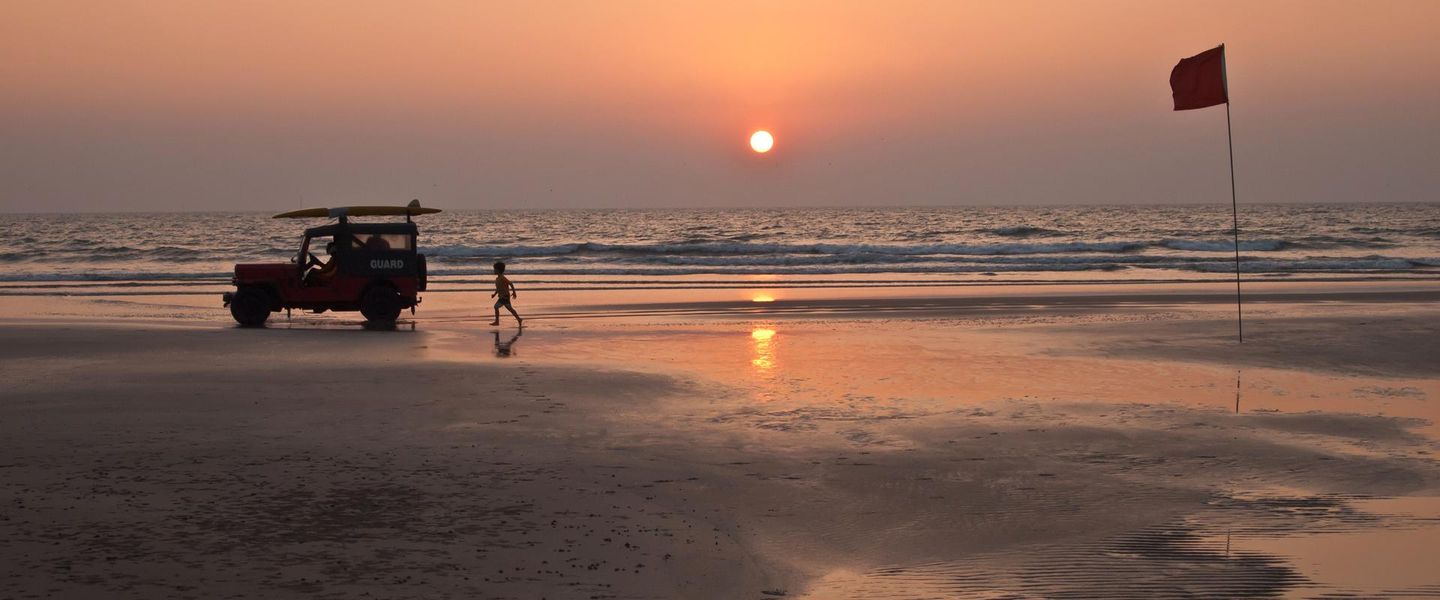


Explore India’s Konkan Coast for sea forts, mango country, Malvani seafood, temple towns and beaches between Mumbai and Sindhudurg.
Read more about Konkan Coast
When is the best time to visit Konkan Coast?
Best: December–February · 30–31°C| Month | High (°C) | Rainfall (mm) |
|---|---|---|
| January (best) | 30 | 1 |
| February (best) | 31 | 1 |
| March | 33 | 2 |
| April | 34 | 5 |
| May | 34 | 45 |
| June | 32 | 500 |
| July | 30 | 600 |
| August | 30 | 500 |
| September | 30 | 400 |
| October | 32 | 50 |
| November | 32 | 10 |
| December (best) | 31 | 2 |
Getting to and around Konkan Coast
How to get there
Transportation
Top city travel guides in Konkan Coast
The cities of Konkan Coast, and the easiest places to base yourself.
-

-


Swipe for more cities
Destinations in Konkan Coast
Resorts, valleys and scenic spots worth a trip of their own.

Swipe for more destinations
Best attractions in Konkan Coast
The Konkan Coast's attractions combine maritime heritage, beaches, temples, wildlife habitats and everyday coastal life. Sea forts are the defining historical experience: Murud-Janjira rises from the water near Murud, Sindhudurg stands on an island off Malvan, and Vijaydurg and Ratnadurg guard prominent harbours farther south and north respectively. Ganpatipule brings together a temple, a broad beach and a pilgrimage landscape, while Alibag, Kashid, Harihareshwar, Tarkarli and Devbag offer different combinations of sand, rocky shoreline and water-based recreation. Ratnagiri's hinterland adds mango orchards, village scenery and historic sites such as the hilltop Ratnadurg Fort. Around Sindhudurg, seasonal snorkelling and diving can reveal coral and marine habitats, subject to weather and local operating conditions. The region also suits quieter activities: creek boat rides, birdwatching in wetland and mangrove areas, cycling on rural lanes, and visits to markets or traditional villages. Attractions are often dispersed, and the pleasure lies in combining a major fort or temple with the food, ferry crossings and landscapes of the surrounding district rather than treating the coast as a sequence of isolated resorts.
-
Tourist attraction
Alibaug Beach
Experience the serene beauty of Alibaug Beach, where golden sands meet the azure Arabian Sea for a perfect getaway in Maharashtra.
-
Aadishakti aai Ekvira Devi Temple
Discover the spiritual beauty and cultural richness of Aadishakti aai Ekvira Devi Temple, a must-visit Hindu pilgrimage site in Karla, Maharashtra.
-
Fortress
Murud-Janjira Fort
Explore the Murud-Janjira Fort, a historical fortress off Maharashtra’s coast, known for its stunning architecture and rich maritime history.
-
Fortress
Lohgad Fort
Explore the historic Lohgad Fort in Maharashtra, a trekking paradise with breathtaking views and a rich cultural heritage from the Maratha era.


Best landmarks in Konkan Coast
The Konkan's strongest landmarks are its sea forts, whose walls and bastions express the strategic importance of western India's maritime frontier. Murud-Janjira, built on an island off the Murud coast, is notable for its imposing position and its long association with the Siddis, while Sindhudurg, founded under Maratha rule off Malvan, occupies a rocky island reached by boat. Vijaydurg shelters a historic harbour farther south, and Ratnadurg overlooks the Arabian Sea from a headland at Ratnagiri. Korlai Fort, near the mouth of the Kundalika River, reflects the region's Portuguese-era military history. Ganpatipule's coastal temple is an important religious landmark, set beside a beach rather than enclosed within an inland town. The laterite plateaux, estuaries, headlands and coconut-fringed bays are natural landmarks in their own right, giving the coastline its distinctive red-and-green appearance. Fort access can involve uneven stone, exposed sun, tides and boat transfers, so these places are best approached as working historical landscapes rather than polished monuments.
-
Fortress
Ratnadurg Fort
Discover the historical charm and breathtaking views at Ratnadurg Fort, a must-visit tourist attraction in Ratnagiri, Maharashtra.
-
Museum
Prachin Konkan Museum
Explore the rich cultural heritage of Konkan at the Prachin Konkan Museum in Ganpatipule, where history and tradition come alive.
-
Park
Thiba Point
Explore the beauty of Thiba Point in Ratnagiri, Maharashtra, where stunning sea views meet rich history in a tranquil park setting.
-
Fortress
Jaigad Fort
Discover the fascinating history and stunning views at Jaigad Fort, an iconic fortress on the Maharashtra coastline, perfect for every traveler.


Explore Konkan Coast on the map
Plan your trip on one map. See where the top cities, national parks and sights are, and book hotels and experiences in a few clicks.
Best hotels in Konkan Coast
Best restaurants in Konkan Coast
Konkan cooking is strongly associated with rice, coconut, kokum, local spices and seafood, with Malvani flavours particularly prominent around Sindhudurg and the southern Maharashtra coast. Fish curry, fried fish, prawns, crab and seasonal shellfish appear in homes, small eateries and coastal restaurants, while sol kadhi provides a tangy kokum-and-coconut accompaniment or drink. Vegetarian meals may include rice, dal, vegetables, coconut preparations and breads made from rice or millet. Ratnagiri and neighbouring districts are celebrated for Alphonso mangoes in season, and cashews, jackfruit, kokum syrup, dried fish and coastal sweets are common market products. Family-run seafood places, village kitchens, simple beach restaurants, cafés in larger towns and traditional eateries provide a broader picture of the region than formal dining alone. Menus and availability depend on the fishing season, weather and local supply, so visitors should expect variation and ask about the day's catch rather than relying on a fixed selection.
-
Seafood
Masala Kitchen Restaurant(Seafood Specialist)
Experience authentic Konkani seafood cuisine at Masala Kitchen near Mandvi Beach - where every dish tells a story.
-
Seafood
Hotel Kokani Angan
Discover exquisite seafood at Hotel Kokani Angan in Karwanchiwadi - where every dish tells a story of coastal tradition.
-
Indian
konkan swad restaurant and trimurti cottage
Discover authentic Konkani flavors at Konkan Swad Restaurant & Trimurti Cottage in Revdanda - A delightful culinary experience awaits!
-
Restaurant
KONKAN SPICE (Fine Dine Restaurant) | CHEERS!!! Bar
Discover authentic Konkan cuisine at KONKAN SPICE in Ganpatipule – where every meal is a flavorful journey through Maharashtra's culinary heritage.


Best bars in Konkan Coast
Evening life on the Konkan Coast is generally low-key and centred on family restaurants, local eateries, hotel terraces and traditional pubs rather than a continuous nightclub circuit. Alibag and the larger towns have the broadest choice of contemporary cafés and licensed bars, while Ratnagiri and Malvan offer modest urban nightlife alongside seafood restaurants and late-evening snack stalls. In smaller villages, evenings are shaped by quiet homestays, temple areas, conversation and early meals, with occasional live music or seasonal entertainment rather than regular club nights. Alcohol is served only in licensed premises, and visitors should not assume that a beach setting permits public drinking. Some resorts offer cocktails or organised evening events, but opening arrangements and entertainment change seasonally. The most distinctive nighttime experience is often a meal featuring local fish, sol kadhi and regional produce, followed by the cooler air of a coastal road or a view of the darkening sea.
-
Seafood
Ratnagiri Family Restaurant and Bar
Discover the flavors of coastal India at Ratnagiri Family Restaurant and Bar, where seafood delights meet a family-friendly atmosphere.
-
Restaurant
Patil Khanaval
Discover a seafood haven at Patil Khanaval in Murud, where fresh flavors meet stunning beach views for an unforgettable dining experience.
-
Seafood
Ratnagiri Bar and Restaurant
Discover the best seafood dining experience at Ratnagiri Bar and Restaurant in Chembur, Mumbai, where every dish is a celebration of flavor.
-
Resort hotel
O'NEST Nakshatra Beach Resort
Discover the tranquil charm of O'NEST Nakshatra Beach Resort, where luxury meets nature on the stunning shores of Ganpatipule in Maharashtra.


Best nightclubs in Konkan Coast
Evening life on the Konkan Coast is generally low-key and centred on family restaurants, local eateries, hotel terraces and traditional pubs rather than a continuous nightclub circuit. Alibag and the larger towns have the broadest choice of contemporary cafés and licensed bars, while Ratnagiri and Malvan offer modest urban nightlife alongside seafood restaurants and late-evening snack stalls. In smaller villages, evenings are shaped by quiet homestays, temple areas, conversation and early meals, with occasional live music or seasonal entertainment rather than regular club nights. Alcohol is served only in licensed premises, and visitors should not assume that a beach setting permits public drinking. Some resorts offer cocktails or organised evening events, but opening arrangements and entertainment change seasonally. The most distinctive nighttime experience is often a meal featuring local fish, sol kadhi and regional produce, followed by the cooler air of a coastal road or a view of the darkening sea.
-
Night club
Kitty Su Mumbai
Discover the vibrant nightlife of Mumbai at Kitty Su, a premier nightclub featuring electrifying music, exquisite cocktails, and an unforgettable atmosphere.
-
Night club
XOYO Bar & Club
Discover the dynamic nightlife at XOYO Bar & Club in Thane, Maharashtra, where music, drinks, and vibrant energy await every visitor.
-
Bar
Tryst Mumbai
Experience the vibrant nightlife at Tryst Mumbai, an upscale bar and nightclub known for its exquisite cocktails and lively dance floor.
-
Night club
Trilogy Super Club
Dive into the vibrant nightlife of Mumbai at Trilogy Super Club, where unforgettable experiences and electrifying parties await every night.


Best shops in Konkan Coast
Shopping along the Konkan Coast is strongest in market towns and village bazaars rather than purpose-built retail districts. Ratnagiri is a practical place to look for Alphonso mangoes when in season, along with mango pulp, kokum products, cashews, dried fish and regional sweets. Malvan markets are useful for packaged spices, dried seafood and ingredients associated with Malvani cooking, while Alibag and other northern towns combine everyday shops with small galleries, craft outlets and coastal souvenirs. Sawantwadi, in the southern hinterland near Sindhudurg, is known for lacquerware and traditional wooden craft associated with the town's artistic heritage. Local stalls may also sell woven goods, shell ornaments and handmade household items, though quality and provenance vary. Farmers' and fish markets are most rewarding early in the day, and perishable products require sensible packing for travel. Bargaining is customary in some informal markets but not in established shops; ask before photographing crafts or market activity and choose reusable packaging where possible.
-
Tourist attraction
Alibaug Beach
Experience the charm of Alibaug Beach, a serene coastal getaway in Maharashtra, perfect for relaxation, adventure, and scenic beauty.
-
Public beach
Varsoli Beach
Experience the tranquility and adventure at Varsoli Beach, a hidden gem in Alibag, Maharashtra, where nature and culture meet.
-
Fortress
Ratnadurg Fort
Discover the rich history and breathtaking views at Ratnadurg Fort, a majestic fortress overlooking the Arabian Sea in Maharashtra.
-
Museum
Prachin Konkan Museum
Explore the vibrant cultural heritage of Maharashtra at Prachin Konkan Museum - a must-see attraction in Ganpatipule.


Get your free copy of our complete guide to Konkan Coast, delivered straight to you.
Everything on this page, from attractions and restaurants to essentials and local phrases, in one PDF you can read offline, print or share.
Already have an account? Sign in
Your Konkan Coast guide is ready.
We'll send it to · Not you? Sign out

Getting your guide ready…
We are putting together a fresh copy of the Konkan Coast guide. This can take up to a minute.
This can take a few moments. If your browser asks, choose Allow so the download can start. You'll find the guide in your Downloads folder.
Nothing happened? Download it again
Sorry, the guide is taking longer than usual. Please try again in a minute, or get it by email instead.
Konkan Coast essentials
Currency and Payment
Safety
Emergency Situations
Do's and Don'ts
Local Tips
From Eve
Local phrases worth knowing
You don't need to get them perfect. A few words go a long way, and locals appreciate the effort.
Basics
| English | Local | Say it |
|---|---|---|
| Hello | नमस्कार | [namaskār] |
| Goodbye | आला | [ālā] |
| Yes | हो | [ho] |
| No | नाही | [nāhī] |
| Please/You're welcome | कृपया | [kr̥payā] |
| Thank you | धन्यवाद | [dhanyavād] |
| Excuse me/Sorry | क्षमस्व | [kṣamasva] |
| How are you? | तू कसा आहेस? | [tū kasā āhes?] |
| Fine. And you? | ठीक आहे. आणि तू? | [ṭhīk āhe. āṇi tū?] |
| Do you speak English? | तू इंग्रजी बोलतोस का? | [tū ingrājī bōltōs kā?] |
| I don't understand | माझं समजलं नाही | [mājhā samazlāṁ nāhī] |
Eating & Drinking
| English | Local | Say it |
|---|---|---|
| I'd like to see the menu, please | मला मेनू पाहिजे, कृपया | [malā mēnū pāhije, kr̥payā] |
| I don't eat meat | मी मांस खात नाही | [mī māns khāt nāhī] |
| Cheers! | चियर्स! | [chiars!] |
| I would like to pay, please | मला पैसे द्यायचे आहेत, कृपया | [malā paisē dyāycē āhēt, kr̥payā] |
Emergencies
| English | Local | Say it |
|---|---|---|
| Help! | मदत! | [madat!] |
| Go away! | पळा! | [paḷā!] |
| Call the Police! | पोलीसांना कॉल करा! | [pōlīsānnā kāl karā!] |
| Call a doctor! | डॉक्टरांना कॉल करा! | [ḍŏkṭarānnā kāl karā!] |
| I'm lost | मी हरवले आहे | [mī haravalē āhē] |
| I'm ill | मी आजारी आहे | [mī ājārī āhē] |
Shopping
| English | Local | Say it |
|---|---|---|
| I'd like to buy... | मला खरेदी करायची आहे... | [malā kharēdī karāycī āhē...] |
| I'm just looking | मी फक्त बघतोय | [mī phakta baghṭōy] |
| How much is it? | हे किती आहे? | [hē kitī āhē?] |
| That's too expensive | हे फार महाग आहे | [hē phār mahāg āhē] |
| Can you lower the price? | तू किंमत कमी करू शकतोस का? | [tū kiṁmat kamī karū śakatōs kā?] |
Time & Numbers
| English | Local | Say it |
|---|---|---|
| What time is it? | सध्या किती वाजले? | [sadhyā kitī vājalē?] |
| It's one o'clock | एक वाजले आहे | [ēk vājalē āhē] |
| Half past (10) | दहा वाजले आहेत | [dahā vājalē āhēta] |
| Morning | सकाळ | [sakāḷ] |
| Afternoon | दुपार | [dupār] |
| Evening | संध्याकाळ | [sandhyākāḷ] |
| Yesterday | काल | [kāl] |
| Today | आज | [āj] |
| Tomorrow | उद्या | [udyā] |
| 1 | १ | [1] |
| 2 | २ | [2] |
| 3 | ३ | [3] |
| 4 | ४ | [4] |
| 5 | ५ | [5] |
| 6 | ६ | [6] |
| 7 | ७ | [7] |
| 8 | ८ | [8] |
| 9 | ९ | [9] |
| 10 | १० | [10] |
Transport & Directions
| English | Local | Say it |
|---|---|---|
| Where's a/the...? | कुठे आहे...? | [kuṭhē āhē...?] |
| What's the address? | पत्ता काय आहे? | [pattā kāy āhē?] |
| Can you show me (on the map)? | तू मला दाखवू शकतोस का (नकाशावर)? | [tū malā dākhavū śakatōs kā (nakāśāvara)?] |
| When's the next (bus)? | पुढील (बस) कधी आहे? | [puḍhīl (bas) kadhī āhē?] |
| A ticket (to ....) | एक तिकीट (....साठी) | [ēk tikīṭ (....sāṭhī)] |
History of Konkan Coast
Ancient Ports and Indian Ocean Trade
The Konkan shoreline has long connected the western Deccan with the Indian Ocean. Ports around Sopara, near modern Nala Sopara north of Mumbai, were linked to inland trade and are associated with early Buddhist and wider commercial networks. Coastal shipping moved rice, textiles, spices, timber and other goods between the Deccan, Gujarat, the Arabian Peninsula and ports farther south. Much of the ancient coastline has altered through siltation and urban growth, but the region's later history of fortified harbours and cosmopolitan trading settlements reflects this older maritime geography.
Buddhist and Early Historic Legacies
Early religious and trading communities left evidence across western India, including Buddhist connections around the northern Konkan and routes leading towards the Western Ghats. Monastic sites, inscriptions and port settlements reveal how religious institutions were supported by merchants and rulers moving through the coastal corridor. The surviving material record is uneven, and some of the best-known cave complexes lie beyond the immediate shoreline, but the Konkan's position between sea routes and the Deccan plateau was already established in the early historic period.
Medieval Coastal Kingdoms and Seaborne Commerce
Over the medieval centuries, the Konkan was contested by regional powers including the Shilaharas, Yadavas, Bahmani successors and the Sultanates of the Deccan. Control of ports, river mouths and passes through the Western Ghats mattered as much as control of farmland. Muslim merchant communities became established in several coastal settlements, while Hindu temples and agrarian villages continued to shape local society. The period left a layered culture in which maritime trade, inland pilgrimage and the seasonal rhythms of rice cultivation remained closely connected.
Portuguese Strongholds and Changing Sea Routes
Portuguese expansion along the western coast from the sixteenth century altered the political and commercial balance of the Konkan. Their major base at Goa lay south of the Maharashtra Konkan defined here, but Portuguese influence also extended to northern settlements and sea routes, including Chaul and the wider Mumbai region. Fortified positions, missionary activity and competition over customs and shipping affected local rulers and merchants. Portuguese power was never uniform along the coast, and other Indian and European forces continued to compete for harbours and maritime trade.
Maratha Maritime Power and the Siddis of Janjira
The seventeenth and eighteenth centuries brought renewed fortification of the coast. The Marathas developed naval bases and strengthened sea forts, most famously at Sindhudurg and Vijaydurg, while the Siddis of Janjira maintained the formidable island stronghold of Murud-Janjira. These powers competed over shipping, taxation and strategic anchorages in a period when control of the sea was essential to political authority in western India. The forts that survive today are therefore not isolated monuments but part of a wider system of coastal defence.
British Bombay and the Port Economy
The rise of British Bombay transformed the northern Konkan by concentrating administration, shipping, finance and industrial employment around the island city and its expanding harbour. Coastal villages supplied food, labour and materials, while roads and later railways tied market towns more closely to Bombay. British influence also affected land revenue, forestry and port administration. The southern districts retained stronger agrarian and maritime economies, but migration to Bombay became an important feature of Konkan life and remains visible in family, business and cultural connections.
Modern Connectivity and Regional Tourism
After Indian independence, road improvements, expanding bus networks and the Konkan Railway, completed in the late twentieth century, made the coastline more accessible from Mumbai, Pune and southern India. Formerly remote beaches, temples and forts entered domestic tourism circuits, while Alphonso mangoes, Malvani cuisine and Sindhudurg's marine environments gained wider recognition. Tourism remains uneven: some places have substantial development, whereas many villages retain a seasonal and locally oriented economy. Managing waste, water use, coastal construction and habitat protection is an ongoing concern.
Konkan Coast in Photos
Browse through our photo collection highlighting the charm and character of the destination.
Neighbouring regions of Konkan Coast
The closest regions to Konkan Coast, if you have time for more than one.
-

-

-

-

-


Swipe for more regions
Explore more

Explore more of India
Discover the magic of India, where diverse landscapes, rich heritage, and vibrant culture come together to create an unforgettable travel experience.
Explore India