

Free Ranchi Travel Guide & Mobile App
Plan your Ranchi trip with Evendo. Get free guides to top attractions, restaurants, hotels, and bars. Web access or download the mobile app.


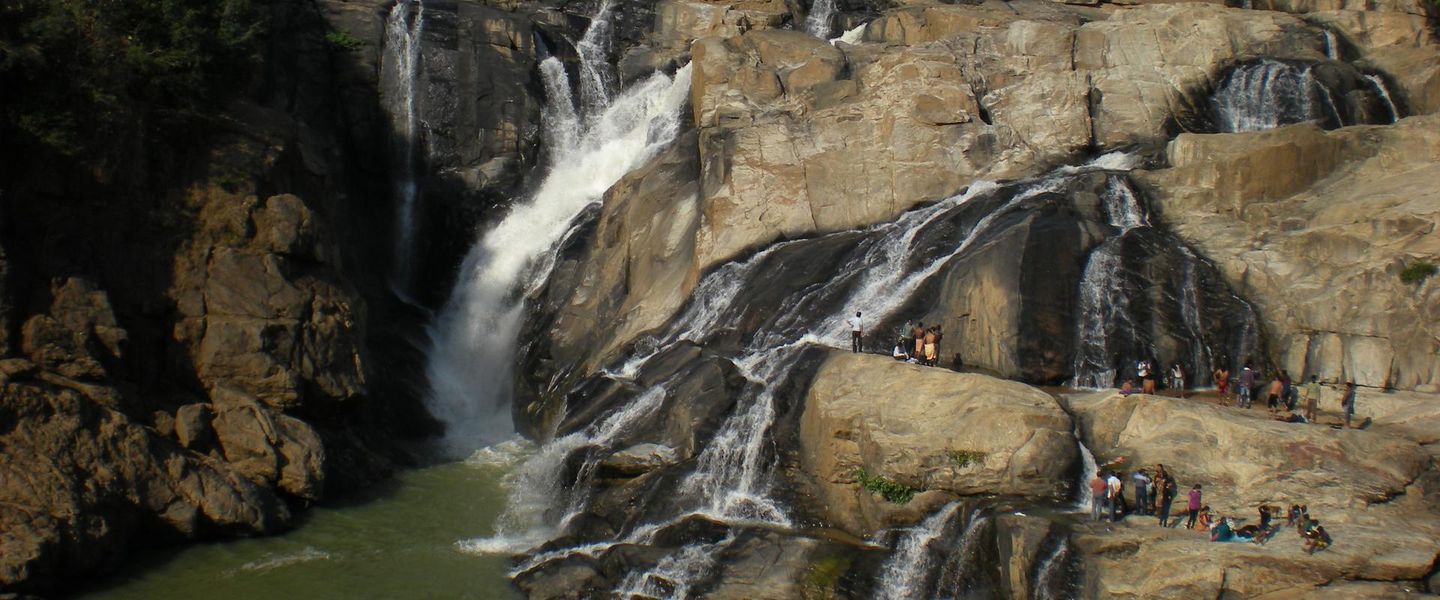


Ranchi, India’s plateau capital, combines waterfalls, tribal heritage, temples, gardens and forested landscapes with distinctive culture and local markets.
A Plateau Capital with a Distinctive Character
Ranchi, the capital of Jharkhand, stands on the Chota Nagpur Plateau in eastern India, where red earth, sal forests and rocky waterways shape the city’s setting. Its moderate elevation has long given it a different rhythm from the hotter plains, while its growth as a state capital has brought new institutions, neighbourhoods and commercial districts alongside older settlements. Ranchi is also an important centre of Adivasi, or Indigenous, culture, particularly associated with the Munda, Oraon and other communities of the region.Read more about Ranchi
Waterfalls, Gardens and Open Landscapes
Culture in Contemporary Ranchi
When is the best time to visit Ranchi?
Best: December–February · 25–29°C| Month | High (°C) | Rainfall (mm) |
|---|---|---|
| January (best) | 25 | 24 |
| February (best) | 29 | 26 |
| March | 33 | 31 |
| April | 37 | 44 |
| May | 38 | 73 |
| June | 36 | 211 |
| July | 35 | 275 |
| August | 35 | 252 |
| September | 35 | 228 |
| October | 33 | 90 |
| November | 30 | 35 |
| December (best) | 26 | 23 |
Getting to and around Ranchi
How to get there
Transportation
Best attractions in Ranchi
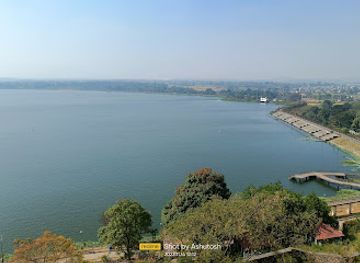
Ranchi’s attractions range from landscaped viewpoints to cultural institutions and natural sites. The Rock Garden, cut into granite beside Kanke Dam, uses the plateau’s exposed stone to create terraces, sculptures and paths with broad views across the water. Tagore Hill, associated with Jyotirindranath Tagore, offers a wooded climb and a quieter perspective over the city. At State Museum Hotwar, galleries explore Jharkhand’s archaeology, art and Indigenous cultures, while the Birsa Munda Tribal University area reflects the state’s continuing emphasis on Adivasi knowledge. Jagannath Temple in the southern part of the city is known for its hilltop setting and annual Rath Yatra. Beyond the built-up centre, Hundru Falls, Dassam Falls and Jonha Falls reveal the escarpments and rivers of the Chota Nagpur Plateau, although each is a separate excursion rather than a central-city attraction.
-
Tourist attraction
Pahari Mandir, Ranchi
Discover the serene beauty and spiritual significance of Pahari Mandir, a stunning Hindu temple offering breathtaking views in Ranchi, Jharkhand.
8 min drive · 2.6 km from city centre
-
Tourist attraction
Tagore Hill
Experience the tranquility and stunning views at Tagore Hill, a cultural gem in Ranchi, Jharkhand, perfect for nature lovers and poetry enthusiasts.
14 min drive · 4.7 km from city centre
-
Tourist attraction
Oxygen Park
Explore the serene beauty of Oxygen Park in Ranchi, a tranquil oasis perfect for relaxation, picnics, and outdoor activities amidst lush greenery.
10 min drive · 3.4 km from city centre
-
Park
Rock Garden
Discover the tranquility of Rock Garden in Ranchi, a picturesque park that blends nature and art for a perfect family outing.
16 min drive · 5.3 km from city centre
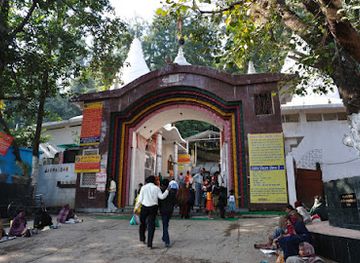
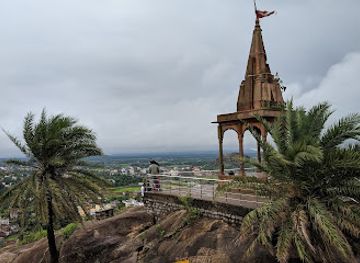
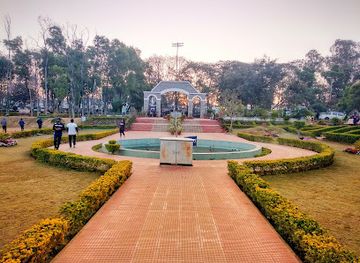
Best landmarks in Ranchi
Ranchi’s landmarks express the meeting of religious tradition, Indigenous history, colonial-era development and modern statehood. The Jagannath Temple, built on a hill in the southern city, is a prominent pilgrimage site associated with the annual Rath Yatra and reflects the regional importance of Jagannath worship. Chutia’s Ram Temple complex preserves a connection with Ranchi’s older settlement history and Nagvanshi-era traditions. The Ranchi G.P.O. and older civic buildings around the established administrative areas recall the city’s colonial institutional past, while the Birsa Munda Memorial honours the Munda leader whose 1890s uprising became a defining symbol of Adivasi resistance. The MECON and Heavy Engineering Corporation precincts, though functional rather than monumental, represent the industrial transformation that followed Independence. Nearby Tagore Hill is both a physical landmark and a cultural one through its association with the Tagore family.
-
Shopping mall
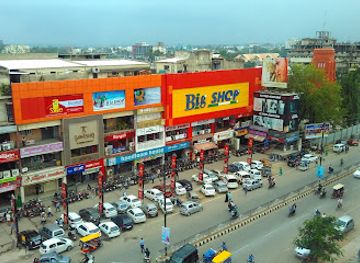
JD Hi Street Mall
Explore shopping, entertainment, and dining at JD Hi Street Mall in Ranchi – a vibrant hub for tourists seeking fun and leisure.
7 min walk · 0.6 km from city centre
-
Hindu temple
Pahari Mandir, Ranchi
Discover the tranquil charm of Pahari Mandir in Ranchi, a sacred Hindu temple offering breathtaking views and spiritual experiences.
8 min drive · 2.6 km from city centre
-
Tourist attraction
Tagore Hill
Discover the tranquil beauty and rich heritage of Tagore Hill, a serene refuge in Ranchi, Jharkhand, perfect for nature lovers and history enthusiasts.
14 min drive · 4.7 km from city centre
-
Park
Oxygen Park
Discover tranquility and culture at Oxygen Park, Ranchi's lush urban oasis ideal for relaxation, picnics, and community events.
10 min drive · 3.4 km from city centre


Explore Ranchi on the map
Plan your Ranchi trip on one map. See where the top attractions, landmarks, restaurants, bars and hotels are, find what's near where you're staying, and book hotels and experiences in a few clicks.
Best hotels in Ranchi
Best restaurants in Ranchi
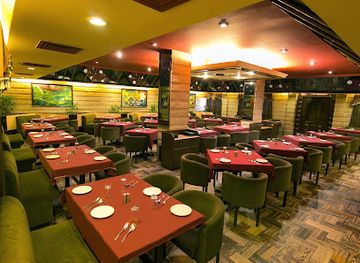
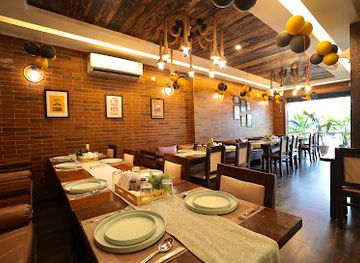
Ranchi’s food culture draws on the rice-growing traditions of Jharkhand, Indigenous ingredients and culinary influences from neighbouring Bihar, Bengal and Odisha. Local dishes include dhuska, a fried rice-and-lentil preparation often served with a vegetable or chickpea curry; chilka roti, made from a rice-based batter; pittha, a filled or steamed rice preparation; and seasonal forest foods such as rugra, a wild mushroom gathered in the monsoon. Arsa, a sweet rice-and-jaggery preparation, is associated with regional festivals and celebrations. Small eateries and market stalls are useful places to encounter these flavours, while established restaurants around Main Road, Lalpur and Morabadi offer broader Indian menus, vegetarian cooking and familiar urban dining. Tea stalls, sweets shops and snack counters form an important part of everyday eating, particularly around transport hubs and commercial streets.
-
Restaurant
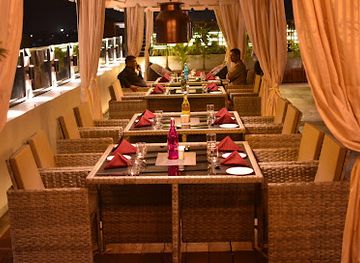
The Reef Rooftop Restaurant
Discover breathtaking views and exquisite cuisine at The Reef Rooftop Restaurant in Ranchi – where dining meets delight.
5 min drive · 1.6 km from city centre
-
Vegetarian
Kaveri Restaurant and Catering
Experience the best of vegetarian cuisine at Kaveri Restaurant and Catering in Ranchi - perfect for family meals or grand celebrations.
7 min walk · 0.5 km from city centre
-
Restaurant
Jashn,The Restaurant
Experience the rich flavors of North Indian cuisine at Jashn in Ranchi – where every meal is a celebration.
14 min walk · 1.1 km from city centre
-
Barbecue
Barbeque Nation
Experience the ultimate barbecue dining at Barbeque Nation Ranchi with unlimited deliciousness and vibrant flavors.
18 min walk · 1.4 km from city centre

Best bars in Ranchi
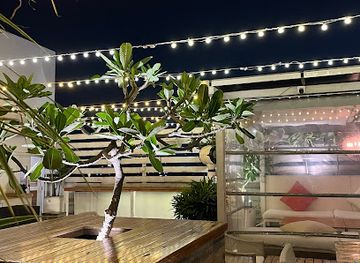
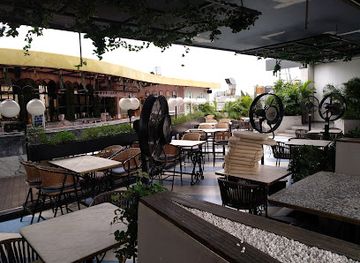
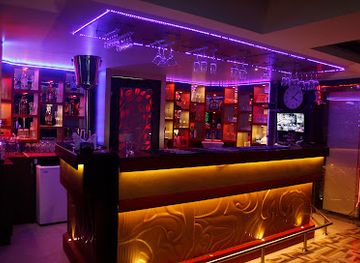
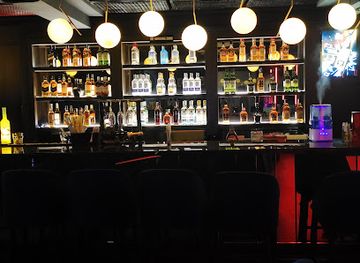
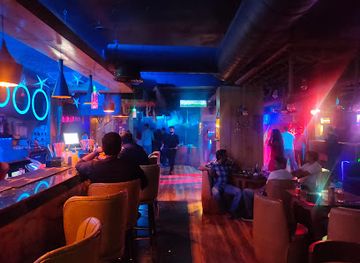
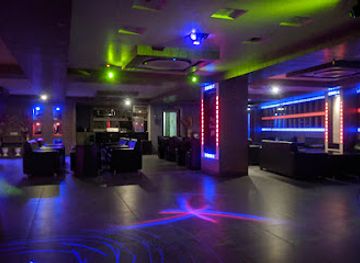
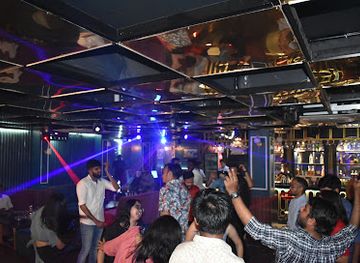
Ranchi’s nightlife is relatively modest and concentrated in hotels, restaurants and commercial districts rather than a single club quarter. Main Road, Lalpur, Morabadi and areas around the city’s larger shopping and hotel developments offer cafés, lounges and restaurants where evenings are generally social and relaxed. Hotel bars provide the most established setting for cocktails, beer and spirits, while cafés attract students and younger residents for tea, coffee and informal gatherings. Live music and occasional cultural performances appear through hotels, auditoriums and city institutions, although programmes vary. Many residents spend evenings at food streets, cinemas or family-oriented restaurants rather than nightclubs. Visitors should remember that alcohol service and venue practices follow local laws and can change around public holidays, elections and religious observances.
-
Lounge
Prana Lounge
Experience the height of luxury dining at Prana Lounge in Ranchi, where exquisite cuisine meets stunning views in a vibrant atmosphere.
7 min drive · 2.4 km from city centre
-
Restaurant
Mocha Cafe & Bar
Experience the lively ambiance and diverse menu at Mocha Cafe & Bar, the go-to spot in Ranchi for foodies and social butterflies alike.
5 min drive · 1.5 km from city centre
-
Lounge
Oak Grove - Best Lounge | Bar in Ranchi
Experience the perfect blend of food, drinks, and atmosphere at Oak Grove Lounge in Ranchi's Krishna Mall.
8 min drive · 2.5 km from city centre
-
Grill
Kairo Bar and Lounge
Experience the ultimate blend of culinary delights and vibrant nightlife at Kairo Bar and Lounge in Ranchi, Jharkhand.
17 min walk · 1.3 km from city centre
Best nightclubs in Ranchi
Ranchi’s nightlife is relatively modest and concentrated in hotels, restaurants and commercial districts rather than a single club quarter. Main Road, Lalpur, Morabadi and areas around the city’s larger shopping and hotel developments offer cafés, lounges and restaurants where evenings are generally social and relaxed. Hotel bars provide the most established setting for cocktails, beer and spirits, while cafés attract students and younger residents for tea, coffee and informal gatherings. Live music and occasional cultural performances appear through hotels, auditoriums and city institutions, although programmes vary. Many residents spend evenings at food streets, cinemas or family-oriented restaurants rather than nightclubs. Visitors should remember that alcohol service and venue practices follow local laws and can change around public holidays, elections and religious observances.
-
Night club
The Urban Brava
Discover the vibrant nightlife of Ranchi at The Urban Brava, where music, dance, and culinary delights come together in an electrifying atmosphere.
14 min walk · 1.1 km from city centre
-
Bar
Xtreme Sports Bar & Grill, Ranchi.
Discover the ultimate sports bar experience at Xtreme Sports Bar & Grill in Ranchi, where great food, exciting games, and vibrant nightlife come together.
15 min walk · 1.2 km from city centre
-
Night club
Moontown Lounge
Experience Ranchi's vibrant nightlife at Moontown Lounge, where exquisite drinks meet electrifying music in a stylish setting.
5 min drive · 1.6 km from city centre
-
Bar
Buzz Bar & Lounge
Experience the vibrant nightlife at Buzz Bar & Lounge in Ranchi, where cocktails, dancing, and stunning views come together for an unforgettable evening.
14 min drive · 4.6 km from city centre

Best shops in Ranchi
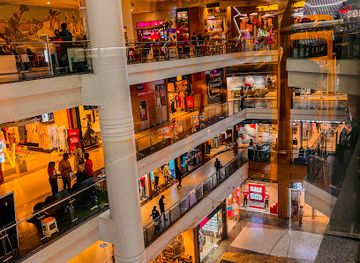
Shopping in Ranchi ranges from crowded traditional markets to modern retail centres. Main Road is the principal commercial artery, with clothing shops, jewellers, electronics retailers and department-style stores, while Upper Bazaar is known for wholesale trade, household goods, textiles and food provisions. Doranda and Lalpur add busy neighbourhood shopping, and larger malls provide national fashion, cinema and dining brands. For culturally distinctive purchases, visitors can look for dokra metalwork, bamboo and cane goods, tribal-inspired jewellery, handwoven textiles and regional food products through established craft outlets and government-supported emporia, checking provenance rather than assuming every tribal-style item is locally made. Markets also sell rice products, spices, sweets and seasonal forest produce. Bargaining may be possible in informal markets, but it is less usual in fixed-price shops and contemporary retail centres.
-
Shopping mall
Nucleus Mall
Discover the vibrant shopping and entertainment hub of Ranchi at Nucleus Mall, where retail therapy meets local flavor and fun.
6 min drive · 1.9 km from city centre
-
Shopping mall
JD Hi Street Mall
Explore JD Hi Street Mall in Ranchi for a dynamic shopping experience with top brands, entertainment, and diverse dining options.
7 min walk · 0.6 km from city centre
-
Clothing store
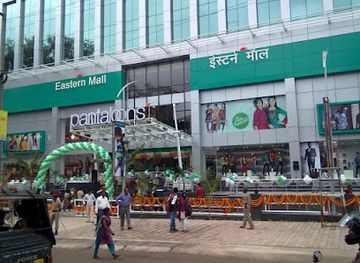
Pantaloons (Eastern Mall, Ranchi)
Discover a vast collection of fashionable clothing for all ages at Pantaloons in Eastern Mall, Ranchi—a true retail haven.
17 min walk · 1.4 km from city centre
-
Shopping mall
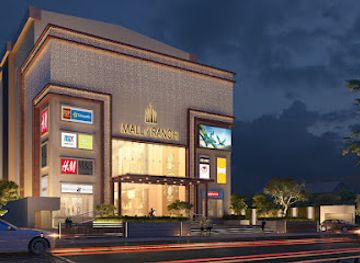
Mall Of Ranchi
Discover the Mall of Ranchi: a shopping paradise blending fashion, food, and fun in the heart of Jharkhand's capital.
8 min drive · 2.6 km from city centre
Get your free copy of our complete guide to Ranchi, delivered straight to you.
Everything on this page, from attractions and restaurants to essentials and local phrases, in one PDF you can read offline, print or share.
Already have an account? Sign in
Your Ranchi guide is ready.
We'll send it to · Not you? Sign out

Getting your guide ready…
We are putting together a fresh copy of the Ranchi guide. This can take up to a minute.
This can take a few moments. If your browser asks, choose Allow so the download can start. You'll find the guide in your Downloads folder.
Nothing happened? Download it again
Sorry, the guide is taking longer than usual. Please try again in a minute, or get it by email instead.
Ranchi essentials
Currency and Payment
Safety
Emergency Situations
Do's and Don'ts
Local Tips
From Eve
Local phrases worth knowing
You don't need to get them perfect. A few words go a long way, and locals appreciate the effort.
Basics
| English | Local | Say it |
|---|---|---|
| Hello | नमस्कार | [namaskār] |
| Goodbye | अलविदा | [alavidā] |
| Yes | हाँ | [hāṁ] |
| No | नहीं | [nahīṁ] |
| Please/You're welcome | कृपया | [kṛipayā] |
| Thank you | धन्यवाद | [dhanyavād] |
| Excuse me/Sorry | क्षमा करें | [kṣamā kareṁ] |
| How are you? | आप कैसे हैं? | [āp kaise haiṁ?] |
| Fine. And you? | ठीक हूँ। आप? | [ṭhīk hūṁ. āp?] |
| Do you speak English? | क्या आप अंग्रेज़ी बोल सकते हैं? | [kyā āp aṅgrezī bol sakte haiṁ?] |
| I don't understand | मुझे समझ में नहीं आया | [mujhe samajh meṁ nahīṁ āyā] |
Eating & Drinking
| English | Local | Say it |
|---|---|---|
| I'd like to see the menu, please | कृपया मेन्यू दिखाइए | [kṛipayā menyū dikhāiye] |
| I don't eat meat | मैं मांस नहीं खाता/खाती | [maiṁ māns nahīṁ khātā/khātī] |
| Cheers! | जय हो! | [jay ho!] |
| I would like to pay, please | कृपया मैं भुगतान करना चाहूँ | [kṛipayā maiṁ bhugatān karnā cāhūṁ] |
Emergencies
| English | Local | Say it |
|---|---|---|
| Help! | बचाओ! | [bachāo!] |
| Go away! | चले जाओ! | [cale jāo!] |
| Call the Police! | पुलिस को बुलाओ! | [pulis ko bulāo!] |
| Call a doctor! | डॉक्टर को बुलाओ! | [ḍākṭar ko bulāo!] |
| I'm lost | मैं खो गया/गई हूँ | [maiṁ kho gayā/gaī hūṁ] |
| I'm ill | मुझे बीमारी है | [mujhe bīmārī hai] |
Shopping
| English | Local | Say it |
|---|---|---|
| I'd like to buy... | मैं ... खरीदना चाहूँ | [maiṁ ... kharīdnā cāhūṁ] |
| I'm just looking | मैं बस देख रहा/रही हूँ | [maiṁ bas dekh rahā/rahī hūṁ] |
| How much is it? | यह कितने का है? | [yah kitne kā hai?] |
| That's too expensive | यह बहुत महंगा है | [yah bahut mahangā hai] |
| Can you lower the price? | क्या आप कीमत कम कर सकते हैं? | [kyā āp kīmat kam kar sakte haiṁ?] |
Time & Numbers
| English | Local | Say it |
|---|---|---|
| What time is it? | अभी कितने बजे हैं? | [abhī kitne baje haiṁ?] |
| It's one o'clock | एक बजे हैं | [ek baje haiṁ] |
| Half past (10) | दस बजे तक | [das baje tak] |
| Morning | सुबह | [subah] |
| Afternoon | दोपहर | [dophar] |
| Evening | शाम | [śām] |
| Yesterday | कल | [kal] |
| Today | आज | [āj] |
| Tomorrow | कल | [kal] |
| 1 | एक | [ek] |
| 2 | दो | [do] |
| 3 | तीन | [tīn] |
| 4 | चार | [cār] |
| 5 | पाँच | [pā̃c] |
| 6 | छह | [chhah] |
| 7 | सात | [sāt] |
| 8 | आठ | [āṭh] |
| 9 | नौ | [nau] |
| 10 | दस | [das] |
Transport & Directions
| English | Local | Say it |
|---|---|---|
| Where's a/the...? | ... कहाँ है? | [... kahā hai?] |
| What's the address? | पता क्या है? | [patā kyā hai?] |
| Can you show me (on the map)? | क्या आप मुझे दिखा सकते हैं (नक्शे पर)? | [kyā āp mujhe dikhā sakte haiṁ (nakśe par)?] |
| When's the next (bus)? | अगली (बस) कब है? | [aglī (bas) kab hai?] |
| A ticket (to ....) | एक टिकट (... के लिए) | [ek ṭikaṭ (... ke lie)] |
History of Ranchi
Indigenous Communities of the Plateau
The Ranchi region has long been home to Indigenous communities including the Munda, Oraon, Kharia and other peoples whose social, agricultural and religious traditions remain central to Jharkhand’s identity. Villages, sacred groves and communal festivals developed within the forested plateau environment, and many local place names reflect this earlier cultural landscape. Sarna traditions, which honour sacred natural spaces, and festivals such as Sarhul continue to express relationships between community, land and seasonal change. The region’s history cannot therefore be understood solely through dynasties or colonial administration: its Adivasi institutions, customary practices and resistance to outside control have profoundly shaped modern Ranchi and the wider Chota Nagpur Plateau.
Nagvanshi Rule and Regional Power
For several centuries, much of the Chota Nagpur region was associated with the Nagvanshi dynasty, whose political centre was at Chutia and later at Navratangarh, west of present-day Ranchi. The dynasty’s authority interacted with village communities and local chiefs rather than producing a densely urbanised kingdom on the model of the great plains. Chutia, now absorbed into Ranchi’s expanding urban fabric, preserves important reminders of this earlier period, including the Chutia Ram Temple complex. Nagvanshi rule forms part of the layered history behind the city’s present-day cultural landscape, where regional Hindu traditions stand alongside older and continuing Indigenous customs.
Colonial Administration and Mission Institutions
British influence expanded across Chota Nagpur during the nineteenth century, bringing new systems of land administration, taxation, roads and missionary activity. Ranchi developed as an administrative centre, while Christian missions established schools, churches and medical institutions that became particularly significant among local communities. Colonial policies and revenue pressures also contributed to profound social disruption, especially where customary landholding was challenged. The city’s later role as a headquarters for administration and education grew from this period. Buildings and institutions dating from the colonial era are now interwoven with post-Independence development, although the wider region’s history is also marked by repeated Adivasi resistance to external authority.
Birsa Munda and the Ulgulan
The most powerful historical figure associated with the Ranchi region is Birsa Munda, a Munda religious and political leader who led the Ulgulan, or Great Tumult, against colonial rule and exploitative land practices in the 1890s. His movement combined spiritual renewal with demands for the restoration of customary rights, gaining support across parts of the Chota Nagpur Plateau. Birsa Munda was captured and died in Ranchi jail in 1900, aged 25. His legacy later became a major symbol of Adivasi resistance and Jharkhand’s political identity. The Birsa Munda Memorial and airport named after him reflect his continuing importance in the city’s public memory.
Industrial Growth after Independence
After India gained independence in 1947, Ranchi became increasingly important as an administrative, educational and industrial centre. The establishment of Heavy Engineering Corporation at Hatia in the 1950s helped transform the city’s economy and attracted workers and technical specialists from many parts of India. Educational institutions, public-sector offices and expanding transport links further altered Ranchi’s urban character. Industrial development sat alongside the plateau’s agricultural and forest economies, creating a city shaped by several different communities and occupational worlds. The resulting neighbourhoods, institutions and infrastructure laid much of the foundation for Ranchi’s contemporary metropolitan expansion.
Capital of Jharkhand
Ranchi became the capital of the newly created state of Jharkhand on 15 November 2000, a date chosen to coincide with the birth anniversary of Birsa Munda. Statehood followed a long regional movement seeking political recognition for the distinct history, cultural identity and economic concerns of the Chota Nagpur and Santhal regions. The new capital gained government departments, civic construction and population growth, while debates over land, urban expansion and Indigenous rights became increasingly prominent. Modern Ranchi therefore carries two linked identities: an administrative capital with expanding institutions and a historic Adivasi centre whose cultural and environmental foundations continue to influence public life.
Ranchi in Photos
Browse through our photo collection highlighting the charm and character of the destination.
Cities near Ranchi
The closest cities to Ranchi, if you have time for more than one stop.
-

-

-

-

-


Swipe for more cities

