

Free Hyderabad Travel Guide & Mobile App
Plan your Hyderabad trip with Evendo. Get free guides to top attractions, restaurants, hotels, and bars. Web access or download the mobile app.


Hyderabad blends Charminar heritage, Golconda history, biryani, bazaars and contemporary culture for memorable sightseeing in Telangana, India.
Charminar and the Old City
Hyderabad rises across the Deccan Plateau as a city of layered histories, where the four minarets of Charminar overlook lively lanes scented with spices, rose attar and freshly cooked biryani. Founded in 1591 by Muhammad Quli Qutb Shah, the city grew around the Musi River and developed a distinctive Indo-Islamic court culture under the Qutb Shahi and Asaf Jahi rulers. In the Old City, Mecca Masjid, Chowmahalla Palace and the bazaars around Laad Bazaar reveal the ceremonial and commercial life of earlier Hyderabad, while the Salar Jung Museum preserves an extraordinary range of art and historic objects.Read more about Hyderabad
Fortresses, Palaces and Lakes
A Deccan City Today
When is the best time to visit Hyderabad?
Best: December–February · 30–33°C| Month | High (°C) | Rainfall (mm) |
|---|---|---|
| January (best) | 32 | 2 |
| February (best) | 33 | 4 |
| March | 36 | 7 |
| April | 39 | 19 |
| May | 41 | 58 |
| June | 36 | 130 |
| July | 34 | 153 |
| August | 33 | 146 |
| September | 32 | 134 |
| October | 31 | 74 |
| November | 32 | 20 |
| December (best) | 30 | 7 |
Getting to and around Hyderabad
How to get there
Transportation
Best attractions in Hyderabad
Hyderabad's sightseeing begins in the Old City, where Charminar anchors a network of lanes leading to Mecca Masjid, Chowmahalla Palace and the bangle shops of Laad Bazaar. The Salar Jung Museum offers a substantial collection of art, decorative objects, arms and manuscripts, while the nearby Nizam's Museum provides a more focused glimpse of the former ruling household. At Golconda Fort, gateways, bastions, royal spaces and elevated views reveal the scale of the medieval stronghold; the Qutb Shahi Tombs nearby provide a quieter setting of domes and gardens. Hussain Sagar brings open water into the metropolitan landscape, with Tank Bund and Lumbini Park offering urban promenades around the lake. Contemporary Hyderabad is represented by the museums and cultural venues of the wider city, while Birla Mandir provides a hilltop perspective and a place of worship built in white marble.
-
 Tourist attraction
Charminar
Discover Charminar: Hyderabad's iconic 16th-century monument, blending Indo-Islamic architecture and bustling markets in the heart of the city.
9 min drive · 2.9 km from city centre
-
Tourist attraction
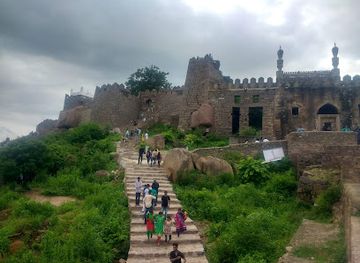
Golconda Fort
Explore the majestic Golconda Fort in Hyderabad: a historic citadel with stunning architecture, diamond lore, and panoramic city views.
27 min drive · 9.1 km from city centre
-
Handicraft
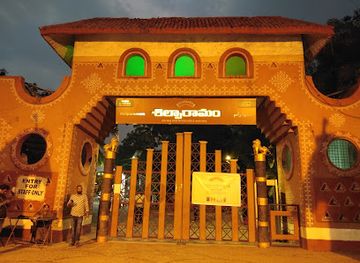
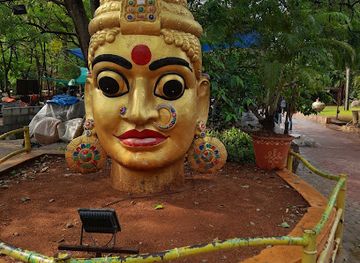
Shilparamam
Experience India's rich cultural heritage at Shilparamam, a crafts village showcasing traditional arts, crafts, and performances in Hyderabad.
34 min drive · 14 km from city centre
-
Park
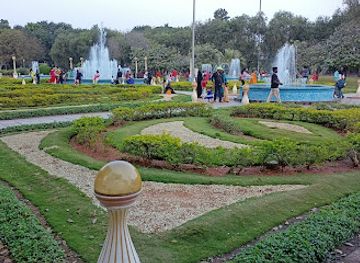
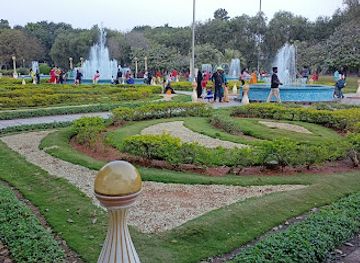
NTR Gardens
Escape to Hyderabad's NTR Gardens: A lush urban oasis with serene landscapes, recreational activities, and a tribute to N.T. Rama Rao.
11 min drive · 3.6 km from city centre
Best landmarks in Hyderabad
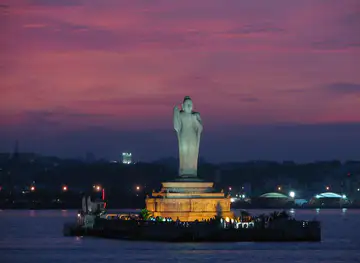
Charminar is Hyderabad's defining civic monument, a four-arched structure built in 1591 at the centre of the Qutb Shahi capital and still the visual focus of the Old City. Nearby Mecca Masjid is one of the city's principal historic mosques, while Chowmahalla Palace represents the ceremonial world of the Nizams through its courtyards, halls and formal architecture. Golconda Fort, spread across a granite hill, preserves the walls, gates and defensive planning of a powerful Deccan stronghold. The Qutb Shahi Tombs form an important dynastic memorial complex, bringing together domed mausoleums and landscaped grounds. Secunderabad's St Mary's Church reflects the cantonment's colonial-era history, and Hussain Sagar's large Buddha statue has become a modern symbol of the urban lake shared by Hyderabad and Secunderabad.
-
Monument
Charminar
Discover the grandeur of Charminar, a historical monument in Hyderabad that beautifully blends culture, architecture, and bustling local markets.
9 min drive · 2.9 km from city centre
-
Fortress
Golconda Fort
Discover the grandeur of Golconda Fort: a historical fortress in Telangana, showcasing stunning architecture, captivating stories, and breathtaking views.
27 min drive · 9.1 km from city centre
-
Handicraft
Shilparamam
Explore the vibrant arts and crafts of India at Shilparamam, a cultural landmark in the heart of Hyderabad's HITEC City.
34 min drive · 14 km from city centre
-
Park
NTR Gardens
Discover the beauty and tranquility of NTR Gardens in Hyderabad, a perfect blend of nature and culture for an unforgettable experience.
11 min drive · 3.6 km from city centre
Explore Hyderabad on the map
Plan your Hyderabad trip on one map. See where the top attractions, landmarks, restaurants, bars and hotels are, find what's near where you're staying, and book hotels and experiences in a few clicks.
Neighbourhoods in Hyderabad
-

-

-

-
-


Swipe for more neighbourhoods
Best hotels in Hyderabad
Best restaurants in Hyderabad
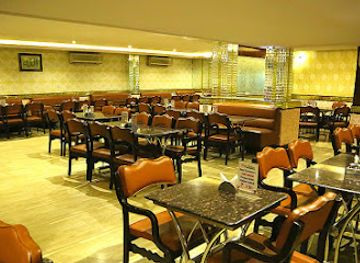
Hyderabadi cuisine is defined by the meeting of Deccan ingredients, royal kitchen techniques and local Telugu influences. Biryani, prepared with fragrant rice, meat or vegetables and assertive spices, is the city's best-known dish, while haleem becomes especially prominent during Ramadan. Other flavours to seek include mirchi ka salan, bagara baingan, kebabs, marag, khubani ka meetha and the layered bread known as sheermal. Irani cafés remain associated with milky tea, Osmania biscuits and an informal style of conversation, although the city's dining scene also includes South Indian tiffin, Telangana specialities, vegetarian restaurants and contemporary kitchens in Jubilee Hills, Banjara Hills and the western business districts. The Old City and central Hyderabad are useful for traditional food, while markets and neighbourhood eateries reveal how regional, Muslim, Persianate and modern influences continue to share the table.
-
Indian
Cafe Bahar
Experience authentic Indian flavors at Café Bahar in Hyderabad - a culinary treasure renowned for its biryanis and kebabs.
6 min drive · 1.8 km from city centre
-
Restaurant
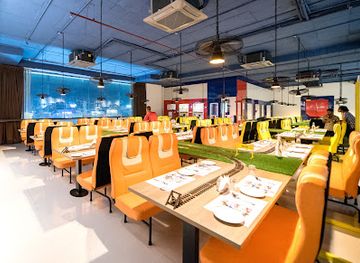
Platform 65 - The Train Theme Restaurant - KPHB
Discover Platform 65: A Train-Themed Restaurant Serving Exquisite Indian & Chinese Cuisine in Hyderabad's Kukatpally.
35 min drive · 15 km from city centre
-
Barbecue
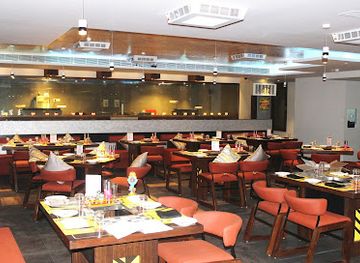
AB's - Absolute Barbecues | Jubilee Hills, Hyderabad
Experience the ultimate barbecue dining at AB's - Absolute Barbecues in Jubilee Hills, Hyderabad with endless buffet options and interactive grilling.
31 min drive · 11 km from city centre
-
Seafood
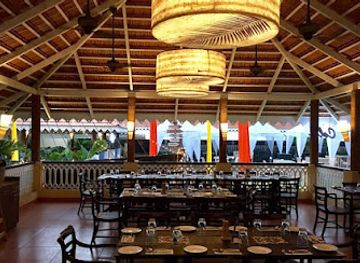
The Fisherman's Wharf
Experience exquisite seafood dining at The Fisherman's Wharf – where culinary delights meet vibrant ambiance in Hyderabad's Financial District.
37 min drive · 17 km from city centre
Best bars in Hyderabad
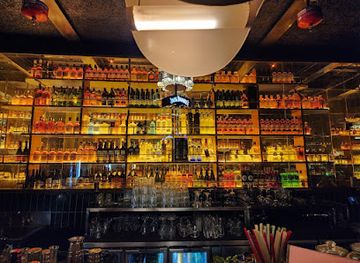
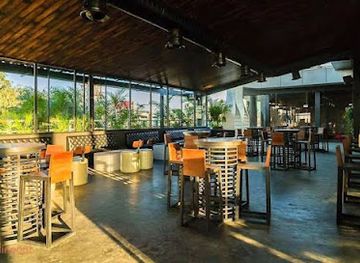
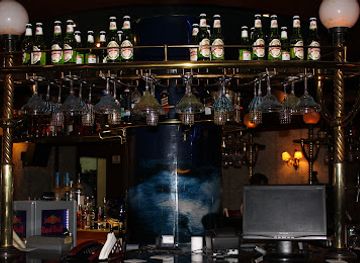
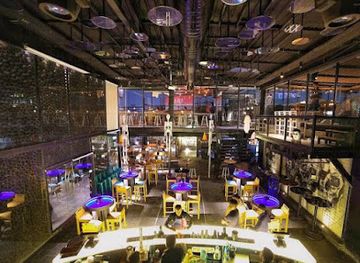
Hyderabad's evening scene is concentrated less in the Old City than in Jubilee Hills, Banjara Hills, Madhapur and the wider HITEC City area, where lounges, cocktail bars, brewpubs and live-music venues serve a younger professional population. The historic centre is more suited to evening walks around illuminated monuments, late food stops and the atmosphere of traditional markets than to clubbing. Hotels and contemporary restaurants provide relatively restrained options for wine, cocktails and social gatherings, while larger venues in the western districts host DJs and ticketed performances. Theatre, stand-up comedy, Telugu film culture and occasional cultural programmes broaden the after-dark offer beyond drinking. Alcohol service is regulated, venue policies vary, and visitors should carry identification, use reliable transport after dark and respect local expectations around public behaviour.
-
Brewpub
Prost
Discover the vibrant brewpub culture at Prost, where craft beers and delicious cuisine meet in Hyderabad's Jubilee Hills.
30 min drive · 10 km from city centre
-
Live music bar
Air Live Jubilee Hills
Air Live Jubilee Hills: Where live music, delicious food, and an elegant atmosphere come together for an unforgettable nightlife experience in Hyderabad.
29 min drive · 9.5 km from city centre
-
Pub
10 Downing Street - Begumpet
Experience the vibrant nightlife of Hyderabad at 10 Downing Street, a premier pub offering delicious food, crafted cocktails, and an energetic atmosphere.
19 min drive · 6.5 km from city centre
-
Pub
Amnesia Lounge Bar
Discover the vibrant nightlife at Amnesia Lounge Bar in Jubilee Hills, Hyderabad, offering exquisite food, drinks, and unforgettable experiences.
30 min drive · 9.9 km from city centre
Best nightclubs in Hyderabad
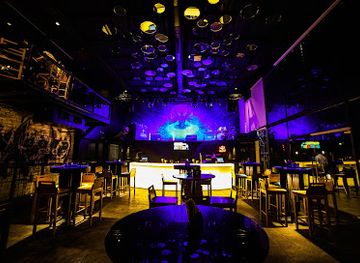
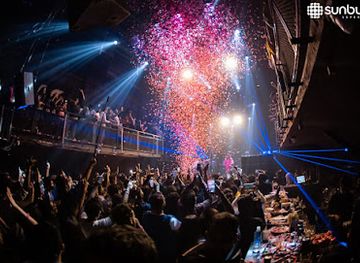
Hyderabad's evening scene is concentrated less in the Old City than in Jubilee Hills, Banjara Hills, Madhapur and the wider HITEC City area, where lounges, cocktail bars, brewpubs and live-music venues serve a younger professional population. The historic centre is more suited to evening walks around illuminated monuments, late food stops and the atmosphere of traditional markets than to clubbing. Hotels and contemporary restaurants provide relatively restrained options for wine, cocktails and social gatherings, while larger venues in the western districts host DJs and ticketed performances. Theatre, stand-up comedy, Telugu film culture and occasional cultural programmes broaden the after-dark offer beyond drinking. Alcohol service is regulated, venue policies vary, and visitors should carry identification, use reliable transport after dark and respect local expectations around public behaviour.
-
Pub
Amnesia Lounge Bar
Experience the vibrant nightlife at Amnesia Lounge Bar in Jubilee Hills, where exquisite cuisine meets an electrifying atmosphere for unforgettable evenings.
30 min drive · 9.9 km from city centre
-
Disco club
Carpe Diem
Experience the lively blend of disco, café, and pub culture at Carpe Diem, Hyderabad's premier nightlife destination.
31 min drive · 11 km from city centre
-
Night club
Prism Club & Kitchen
Discover the ultimate nightlife experience at Prism Club & Kitchen in Hyderabad, where exquisite cocktails and electrifying music await you.
37 min drive · 17 km from city centre
-
Disco club
TOT - Best Nightclub in Hyderabad
Discover Hyderabad's nightlife at TOT, the premier disco club offering electrifying music, exquisite drinks, and an unforgettable atmosphere.
27 min drive · 9.0 km from city centre


Best shops in Hyderabad
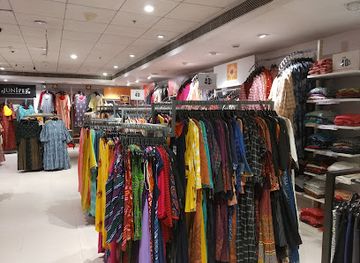
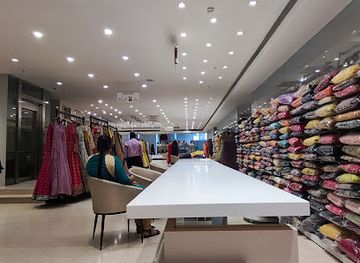
The lanes around Charminar and Laad Bazaar are Hyderabad's most recognisable shopping area, known particularly for bangles, bridal accessories, imitation jewellery, perfumes and traditional clothing. Begum Bazaar is a long-established wholesale and retail quarter with household goods, spices and everyday merchandise, while markets around Nampally and Abids offer textiles, books, electronics and general shopping. Sultan Bazaar remains associated with clothing and fabrics, and modern malls and branded stores are concentrated in districts such as Banjara Hills, Jubilee Hills and the western technology corridor. Pearls are a familiar souvenir, though buyers should compare quality and ask for clear details before purchasing. Other useful gifts include locally made textiles, lacquer bangles, spice blends, sweets and packaged Osmania biscuits; bargaining is more customary in informal markets than in fixed-price shops.
-
Shopping mall
GVK One Mall
Explore GVK One Mall in Hyderabad for a premier shopping, dining, and entertainment experience in a vibrant atmosphere.
17 min drive · 5.5 km from city centre
-
Clothing store
Fashion Factory
Explore Fashion Factory in Jubilee Hills, Hyderabad for a stylish collection of men's, women's, and sportswear clothing at affordable prices.
31 min drive · 11 km from city centre
-
Women's clothing store
Neeru's Emporio
Discover the essence of Indian fashion at Neeru's Emporio, a women's clothing store offering stunning designs and vibrant styles in Hyderabad.
31 min drive · 11 km from city centre
-
Gift shop
Moments of Love - Personalize & Customized Gifts
Explore unique personalized gifts at Moments of Love in Hyderabad, perfect for making memories last a lifetime.
6 min drive · 1.8 km from city centre


Get your free copy of our complete guide to Hyderabad, delivered straight to you.
Everything on this page, from attractions and restaurants to essentials and local phrases, in one PDF you can read offline, print or share.
Already have an account? Sign in
Your Hyderabad guide is ready.
We'll send it to · Not you? Sign out

Getting your guide ready…
We are putting together a fresh copy of the Hyderabad guide. This can take up to a minute.
This can take a few moments. If your browser asks, choose Allow so the download can start. You'll find the guide in your Downloads folder.
Nothing happened? Download it again
Sorry, the guide is taking longer than usual. Please try again in a minute, or get it by email instead.
Hyderabad essentials
Currency and Payment
Safety
Emergency Situations
Do's and Don'ts
Local Tips
From Eve
Local phrases worth knowing
You don't need to get them perfect. A few words go a long way, and locals appreciate the effort.
Basics
| English | Local | Say it |
|---|---|---|
| Hello | नमस्ते | [Namaste] |
| Goodbye | अलविदा | [Alvida] |
| Yes | हाँ | [Haan] |
| No | नहीं | [Nahi] |
| Please/You're welcome | कृपया | [Kripya] |
| Thank you | धन्यवाद | [Dhanyavaad] |
| Excuse me/Sorry | माफ़ कीजिए | [Maaf kijiye] |
| How are you? | आप कैसे हैं? | [Aap kaise hain?] |
| Fine. And you? | ठीक हूँ। आप सुनाइए। | [Theek hoon. Aap sunaiye.] |
| Do you speak English? | क्या आप अंग्रेज़ी बोलते हैं? | [Kya aap Angrezi bolte hain?] |
| I don't understand | मुझे समझ में नहीं आया | [Mujhe samajh mein nahi aaya] |
Eating & Drinking
| English | Local | Say it |
|---|---|---|
| I'd like to see the menu, please | कृपया मेन्यू दिखाइए | [Kripya menu dikhaiye] |
| I don't eat meat | मैं मांस नहीं खाता/खाती | [Main maans nahi khaata/khaati] |
| Cheers! | चियर्स! | [Cheers!] |
| I would like to pay, please | कृपया मुझे भुगतान करने दीजिए | [Kripya mujhe bhugtaan karne dijiye] |
Emergencies
| English | Local | Say it |
|---|---|---|
| Help! | मदद! | [Madad!] |
| Go away! | चले जाओ! | [Chale jao!] |
| Call the Police! | पुलिस को बुलाओ! | [Police ko bulao!] |
| Call a doctor! | डॉक्टर को बुलाओ! | [Doctor ko bulao!] |
| I'm lost | मैं खो गया/गई हूँ | [Main kho gaya/gayi hoon] |
| I'm ill | मैं बीमार हूँ | [Main beemar hoon] |
Shopping
| English | Local | Say it |
|---|---|---|
| I'd like to buy... | मैं ... खरीदना चाहूँगा/चाहूँगी | [Main ... khareedna chahunga/chahungi] |
| I'm just looking | मैं सिर्फ देख रहा/रही हूँ | [Main sirf dekh raha/rahi hoon] |
| How much is it? | यह कितने का है? | [Yeh kitne ka hai?] |
| That's too expensive | यह बहुत महंगा है | [Yeh bahut mahnga hai] |
| Can you lower the price? | क्या आप कीमत कम कर सकते हैं? | [Kya aap keemat kam kar sakte hain?] |
Time & Numbers
| English | Local | Say it |
|---|---|---|
| What time is it? | अभी कितने बजे हैं? | [Abhi kitne baje hain?] |
| It's one o'clock | एक बजे हैं | [Ek baje hain] |
| Half past (10) | दस बजे तक | [Das baje tak] |
| Morning | सुबह | [Subah] |
| Afternoon | दोपहर | [Dopahar] |
| Evening | शाम | [Shaam] |
| Yesterday | कल | [Kal] |
| Today | आज | [Aaj] |
| Tomorrow | कल | [Kal] |
| 1 | एक | [Ek] |
| 2 | दो | [Do] |
| 3 | तीन | [Teen] |
| 4 | चार | [Char] |
| 5 | पाँच | [Paanch] |
| 6 | छह | [Chhah] |
| 7 | सात | [Saath] |
| 8 | आठ | [Aath] |
| 9 | नौ | [Nau] |
| 10 | दस | [Das] |
Transport & Directions
| English | Local | Say it |
|---|---|---|
| Where's a/the...? | ... कहाँ है? | [... Kahan hai?] |
| What's the address? | पता क्या है? | [Pata kya hai?] |
| Can you show me (on the map)? | क्या आप मुझे दिखा सकते हैं (नक्शे पर)? | [Kya aap mujhe dikha sakte hain (nakshay par)?] |
| When's the next (bus)? | अगली (बस) कब है? | [Agli (bus) kab hai?] |
| A ticket (to ....) | एक टिकट (.... के लिए) | [Ek ticket (.... ke liye)] |
History of Hyderabad
Deccan Settlements Before Hyderabad
The Hyderabad region has a long history of settlement on the Deccan Plateau, shaped by agriculture, water management and trade routes crossing peninsular India. Before the city was founded, the fortified hill settlement of Golconda became an important centre under the Kakatiyas and later the Bahmani and Qutb Shahi powers. The area was also associated with the diamond trade, although the wider Golconda region rather than the modern city alone was the source of the best-known stones. Telugu-speaking communities, Deccani Muslims, Hindus, Persians and other groups contributed to the cultural setting in which the later capital developed. Surviving fortifications, temples, mosques and irrigation works reflect the political and social complexity of the medieval Deccan.
The Qutb Shahi Foundation
Muhammad Quli Qutb Shah founded Hyderabad in 1591, traditionally understood as a new capital established south of the older Golconda stronghold. Charminar was built at the centre of the planned settlement and became both a ceremonial monument and an urban landmark. The Qutb Shahi rulers sponsored mosques, palaces, gardens, reservoirs and migration from across the Islamic world and the Deccan, helping create the composite culture often associated with Hyderabad. Persianate court traditions interacted with Telugu literary and regional practices, while commerce expanded around the new city. The Qutb Shahi period ended when Mughal forces captured Golconda in 1687, bringing the kingdom into the Mughal imperial system.
Asaf Jahi Hyderabad
After Mughal authority weakened in the Deccan, Nizam-ul-Mulk established the Asaf Jahi dynasty in 1724, and Hyderabad became the capital of the Nizams. The city grew as a princely state with its own administration, court, army and cultural institutions, while British influence increased through the subsidiary alliance and the cantonment at Secunderabad. Palaces such as Chowmahalla and Falaknuma expressed the wealth and ceremonial world of the ruling household. Hyderabad's society became notably multilingual and cosmopolitan, with Deccani Urdu, Telugu, Marathi, Kannada and other languages present in its markets and institutions. The period also saw the development of educational and civic bodies, including Osmania University, founded in 1918.
Reform, Education and Political Change
The late nineteenth and early twentieth centuries brought new forms of education, public debate, print culture and civic organisation to Hyderabad. Osmania University used Urdu as a principal medium in its early educational system, while other schools and colleges expanded access to modern subjects. Hyderabad also experienced debates over representation, social reform and the relationship between princely authority and emerging democratic politics. The city was affected by wider nationalist movements in British India, though the Nizam's state followed its own political course. These changes helped produce a generation of writers, administrators, activists and professionals whose work shaped public life beyond the palace and aristocratic institutions.
Integration into the Indian Union
At the end of British rule in 1947, Hyderabad remained a princely state under Nizam Osman Ali Khan and did not immediately join either India or Pakistan. Political tension and violence intensified before Indian military action, known as Operation Polo, brought the state into the Indian Union in September 1948. The transition was a deeply contested and traumatic period, with violence affecting different communities; its human consequences remain part of scholarly and public discussion. Hyderabad subsequently served as the capital of Hyderabad State and, after the reorganisation of Indian states in 1956, became the capital of Andhra Pradesh. Its institutions and economy continued to expand through the post-independence decades.
Telangana and the Contemporary City
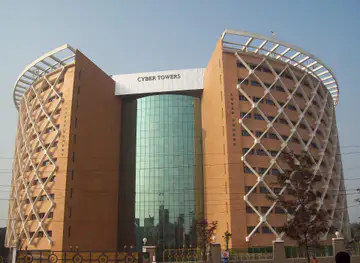
A long movement for a separate Telangana state drew on concerns about regional identity, water, employment and political representation. Telangana was formed on 2 June 2014, with Hyderabad designated the state capital and a transitional joint capital arrangement with Andhra Pradesh. In the decades around statehood, Hyderabad developed into a major centre for information technology, pharmaceuticals, biotechnology, education and film production. HITEC City and Gachibowli transformed the western side of the metropolitan area, while the historic quarters remained active centres of worship, trade and residential life. The modern city therefore combines the institutions of a technology-led economy with the architecture, languages and food traditions inherited from its Deccan past.
Hyderabad in Photos
Browse through our photo collection highlighting the charm and character of the destination.
Cities near Hyderabad
The closest cities to Hyderabad, if you have time for more than one stop.
-

-

-

-

-


Swipe for more cities
Explore more

Explore more of India
Discover the magic of India, where diverse landscapes, rich heritage, and vibrant culture come together to create an unforgettable travel experience.
Explore India