

Laban (Shillong) Travel Guide - Free
Explore Laban in Shillong with Evendo's free guide. Find the best shops, historic streets, restaurants, and gems on web or mobile.


Laban in Shillong offers hillside walks, Laban Bazaar, Crinoline Falls, historic churches and everyday Khasi-Bengali culture away from central crowds.
A Residential Hillside Character
Laban occupies a hilly part of southern Shillong, close enough to the city centre for easy access yet distinct in its quieter, locally rooted atmosphere. Its roads climb and fold around residential lanes, small shops, churches, schools and pockets of greenery, with changing views towards Shillong’s ridges and valleys. Rather than functioning as a single sightseeing precinct, Laban is a lived-in neighbourhood whose character emerges through everyday movement: morning shopping at Laban Bazaar, children travelling to school, shared taxis negotiating steep roads and residents gathering around churches, sports grounds and roadside food stalls.Read more about Laban
Community, Faith and Education
Markets, Water and Local Streets
Explore Laban on the map
A handpicked selection of must-see spots in Laban, mapped for you.
Best hotels in Laban
Best restaurants in Laban
Laban’s dining scene is modest, practical and closely connected to the market and residential population. Around Laban Bazaar, visitors can find small eateries, tea stalls and takeaway counters serving everyday meals rather than a concentrated restaurant district. The food reflects Shillong’s wider mixture of Khasi, Bengali, Assamese and pan-Indian influences, with rice-based meals, meat and fish dishes, snacks, tea and simple breads appearing according to the establishment. Independent cooks and family-run shops are more characteristic here than destination restaurants, so menus and opening patterns can vary. The most useful approach is to look for busy local places, ask what is freshly prepared and carry cash for smaller purchases. Visitors seeking a broader choice of cafés and formal restaurants will find more options in central Shillong, while Laban is better suited to observing ordinary neighbourhood eating and market-linked food habits.
-
Fast Food
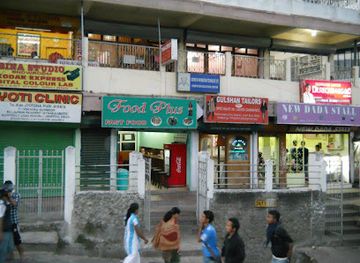
Food Plus
Discover Food Plus in Shillong: A fast food delight offering local flavors and quick bites in a cozy setting.
5 min walk · 0.4 km from neighbourhood centre
-
Fast Food
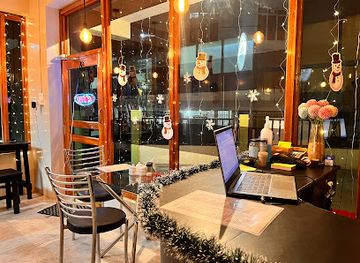
Around The Corner
Experience delicious fast food at Around The Corner in Shillong - where local flavors meet international delights.
5 min walk · 0.4 km from neighbourhood centre
-
Chinese
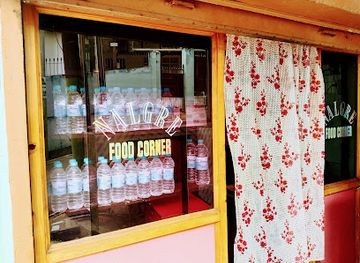
Nalgre Food Corner
Experience the best of Chinese and Indian cuisines at Nalgre Food Corner in Shillong - where flavor meets tradition.
4 min walk · 0.3 km from neighbourhood centre
-
Restaurant
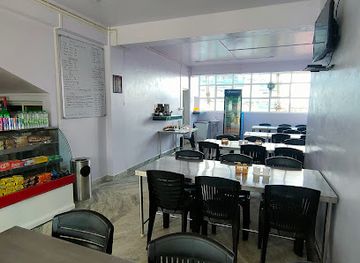
Ann's Kitchen
Experience authentic flavors at Ann's Kitchen in Shillong - where local ingredients meet culinary creativity in a warm and inviting atmosphere.
7 min walk · 0.5 km from neighbourhood centre
Best shops in Laban
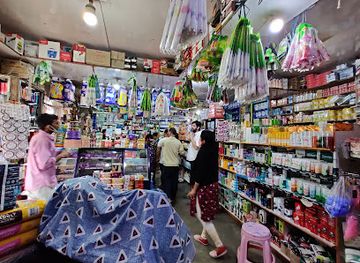
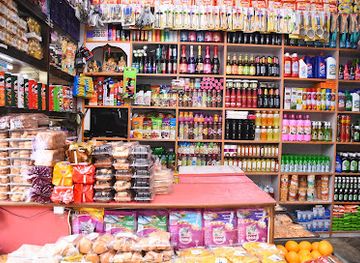
Shopping in Laban centres on Laban Bazaar and the surrounding local streets, where the emphasis is on daily necessities, fresh provisions, household goods, clothing, small services and inexpensive snacks rather than souvenir retail. The market is useful for seeing how Shillong’s neighbourhood commerce operates, with traders serving nearby households and passing commuters. Independent shops may stock regional ingredients and familiar north-eastern food products, but availability changes and the area should not be presented as a specialist craft or fashion quarter. Visitors can browse respectfully, compare ordinary goods and ask before photographing stalls or people. For Meghalaya handicrafts, branded clothing, books and a wider selection of gifts, central Shillong offers more established shopping areas. Laban’s distinctiveness lies in its local, functional rhythm and the way commerce merges with residential life.
-
Grocery store
MAHALAXMI STORE
Discover the rich flavors of Meghalaya at Mahalaxmi Store, your go-to grocery destination in Shillong's Laban neighborhood.
8 min walk · 0.7 km from neighbourhood centre
-
Grocery store
Paul store
Explore the vibrant local culture at Paul Store in Shillong, where authentic products and friendly service await every traveler.
5 min walk · 0.4 km from neighbourhood centre
Laban essentials
Getting There
Getting Around
Safety
Emergency Situations
Do's and Don'ts
Local Tips

From Eve
Local phrases worth knowing
You don't need to get them perfect. A few words go a long way, and locals appreciate the effort.
Basics
| English | Local | Say it |
|---|---|---|
| Hello | नमस्ते | [namaste] |
| Goodbye | अलविदा | [alvida] |
| Yes | हाँ | [haan] |
| No | नहीं | [nahin] |
| Please/You're welcome | कृपया | [krupaya] |
| Thank you | धन्यवाद | [dhanyavaad] |
| Excuse me/Sorry | क्षमा करें | [kshama karein] |
| How are you? | आप कैसे हैं? | [aap kaise hain?] |
| Fine. And you? | ठीक हूँ। और आप? | [thik hoon. aur aap?] |
| Do you speak English? | क्या आप अंग्रेजी बोलते हैं? | [kya aap angrezi bolte hain?] |
| I don't understand | मुझे समझ में नहीं आया | [mujhe samajh mein nahin aaya] |
Eating & Drinking
| English | Local | Say it |
|---|---|---|
| I'd like to see the menu, please | कृपया मेनू देखना चाहूँ | [krupaya menu dekhna chahoon] |
| I don't eat meat | मैं मांस नहीं खाता | [main maans nahin khata] |
| Cheers! | चियर्स! | [cheers!] |
| I would like to pay, please | कृपया मैं चुकाना चाहूँ | [krupaya main chukaana chahoon] |
Emergencies
| English | Local | Say it |
|---|---|---|
| Help! | बचाओ! | [bachao!] |
| Go away! | चले जाओ! | [chale jao!] |
| Call the Police! | पुलिस को बुलाओ! | [police ko bulaao!] |
| Call a doctor! | डॉक्टर को बुलाओ! | [doctor ko bulaao!] |
| I'm lost | मैं खो गया हूँ | [main kho gaya hoon] |
| I'm ill | मुझे बीमारी है | [mujhe bimaari hai] |
Shopping
| English | Local | Say it |
|---|---|---|
| I'd like to buy... | मैं खरीदना चाहूँ... | [main khareedna chahoon...] |
| I'm just looking | मैं बस देख रहा हूँ | [main bas dekh raha hoon] |
| How much is it? | यह कितना है? | [yah kitna hai?] |
| That's too expensive | यह बहुत महंगा है | [yah bahut mahanga hai] |
| Can you lower the price? | क्या आप कीमत कम कर सकते हैं? | [kya aap keemat kam kar sakte hain?] |
Time & Numbers
| English | Local | Say it |
|---|---|---|
| What time is it? | अब कितने बजे हैं? | [ab kitne baje hain?] |
| It's one o'clock | एक बजे हैं | [ek baje hain] |
| Half past (10) | दस बजे तक | [das baje tak] |
| Morning | सुबह | [subah] |
| Afternoon | दोपहर | [dopahar] |
| Evening | शाम | [shaam] |
| Yesterday | कल | [kal] |
| Today | आज | [aaj] |
| Tomorrow | कल | [kal] |
| 1 | एक | [ek] |
| 2 | दो | [do] |
| 3 | तीन | [teen] |
| 4 | चार | [chaar] |
| 5 | पांच | [paanch] |
| 6 | छह | [chhah] |
| 7 | सात | [saat] |
| 8 | आठ | [aath] |
| 9 | नौ | [nau] |
| 10 | दस | [das] |
Transport & Directions
| English | Local | Say it |
|---|---|---|
| Where's a/the...? | कहाँ है...? | [kahaan hai...?] |
| What's the address? | पता क्या है? | [pata kya hai?] |
| Can you show me (on the map)? | क्या आप मुझे दिखा सकते हैं (नक्शे पर)? | [kya aap mujhe dikha sakte hain (naksha par)?] |
| When's the next (bus)? | अगली (बस) कब है? | [agli (bus) kab hai?] |
| A ticket (to ....) | एक टिकट (.... के लिए) | [ek ticket (.... ke liye)] |
History of Laban
From Hill Settlement to Shillong
Laban’s early history is tied to the wider transformation of the Shillong plateau from Khasi settlement and cultivated landscape into a colonial administrative and military centre. After the British established Shillong as a hill station in the nineteenth century, roads, government institutions, churches and schools encouraged urban expansion beyond the earliest central zones. Laban developed as part of this southern growth, retaining a more residential and community-based character than the commercial core. The neighbourhood’s name and earliest local development should be understood within Shillong’s Khasi geographical setting rather than as a separate colonial foundation with a single documented date.
Institutions Shape the Locality
During the late nineteenth and early twentieth centuries, Shillong’s expanding administration and education system drew workers, clergy, teachers, traders and families from across the region. Laban acquired the schools, churches, homes and local commerce that still help define it, including institutions associated with Bengali residents alongside Khasi households and organisations. The growth of Laban Bazaar reflected the practical needs of this population, while religious buildings and educational campuses gave the area a civic structure beyond its residential lanes. These developments linked Laban closely to Shillong’s rise as the capital of Assam from 1874, without making the neighbourhood identical to the colonial administrative centre.
Urban Growth and Changing Communities
The twentieth century brought continued demographic and spatial change to Laban as Shillong expanded, roads improved and families built or adapted homes on the slopes. The movement of people around the Partition of 1947 and the later reorganisation of the north-eastern states affected Shillong’s Bengali and Khasi communities, although the consequences varied between families and institutions. Laban’s schools, churches, market activity and residential associations helped preserve its local identity through these changes. Older houses and established public institutions now stand alongside later concrete construction, reflecting the gradual rather than entirely planned growth of the neighbourhood.
Contemporary Residential Laban
In contemporary Shillong, Laban remains primarily a lived-in urban quarter rather than a concentrated tourist district. Its identity is maintained through local shopping, worship, education, sporting activity and neighbourhood networks, while traffic, building pressure and seasonal rain shape daily life. The area’s proximity to central Shillong makes it increasingly relevant to visitors seeking a more ordinary view of the city, but its significance lies less in a single landmark than in the continuity of its streets, institutions and mixed communities. Places such as Laban Bazaar and the Crinoline Falls area connect present-day life with the neighbourhood’s older relationship to commerce, settlement and the surrounding hills.
Laban in Photos
Browse through our photo collection highlighting the charm and character of the destination.
Neighbourhoods near Laban
The closest neighbourhoods to Laban, if you have time for more than one stop.
-

-

-



Swipe for more neighbourhoods
Explore more

Explore more of Shillong
Shillong, India’s hill city, blends Khasi heritage, pine forests, colonial-era streets, live music, waterfalls and gateways to Meghalaya’s landscapes.
Explore Shillong