

Laitumkhrah (Shillong) Travel Guide - Free
Explore Laitumkhrah in Shillong with Evendo's free guide. Find the best shops, historic streets, restaurants, and gems on web or mobile.


Laitumkhrah, Shillong’s café quarter, pairs Khasi neighbourhood life with churches, independent food spots, hillside walks and easy access to central Meghalaya.
A Local Centre with a Creative Pulse
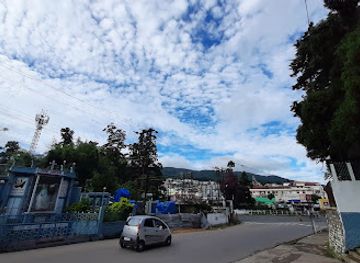
Laitumkhrah is one of Shillong’s most recognisable neighbourhoods, spreading across the city’s eastern hills in a mixture of residential lanes, churches, small businesses, student life and increasingly confident café culture. Its main commercial stretch, Laitumkhrah Main Road, is more compact and locally rooted than Shillong’s larger central shopping areas, yet it has become a natural meeting point for younger residents, visitors and the city’s creative community. The neighbourhood’s appeal lies less in a single grand attraction than in the way everyday life unfolds between steep roads, painted shopfronts, food outlets and hillside views.Read more about Laitumkhrah
Streets, Churches and Everyday Shillong
Cafés, Food and the Hillside Rhythm
Best attractions in Laitumkhrah
Laitumkhrah’s attractions are closely tied to its streets and everyday atmosphere rather than to a large museum or monumental complex. Laitumkhrah Main Road provides the clearest introduction, with cafés, bakeries, small shops and busy junctions revealing the neighbourhood’s contemporary social life. Visitors can walk outwards towards quieter residential lanes, where leafy compounds, churches and hillside views offer a slower picture of Shillong. The Laitumkhrah Presbyterian Church and the Ramakrishna Mission complex are important points of cultural and religious interest, although visitors should check local access arrangements and behave respectfully. The area’s cafés are also part of its visitor appeal, particularly for those interested in Shillong’s independent food culture and youth-oriented creative scene. Laitumkhrah works best as a neighbourhood walk, with time allowed for rain, gradients and unplanned pauses rather than as a sequence of formal ticketed sights.
-
Tourist attraction
Cathedral of Mary Help of Christians
Explore the Cathedral of Mary Help of Christians, a stunning architectural marvel in Shillong, known for its beauty and serene ambiance amidst lush landscapes.
7 min walk · 0.6 km from neighbourhood centre
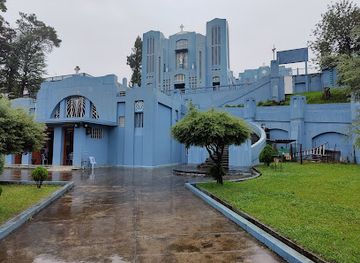
Best landmarks in Laitumkhrah
Laitumkhrah’s most meaningful landmarks are religious, institutional and street-based rather than monumental. Laitumkhrah Main Road is the neighbourhood’s principal urban marker, shaping the commercial identity that has grown around its junctions and side lanes. Laitumkhrah Presbyterian Church represents the area’s Christian institutional landscape and the wider importance of church life in Shillong’s Khasi communities. The Ramakrishna Mission complex provides another established religious and educational presence, connecting the locality with the broader network of institutions that helped shape Shillong’s eastern hills. Residential compounds, school grounds and older roadside buildings add texture to the neighbourhood, even when they are not formal heritage monuments. Together these places show how Laitumkhrah developed through settlement, religious institutions, education and local commerce rather than through a single planned civic centre.
-
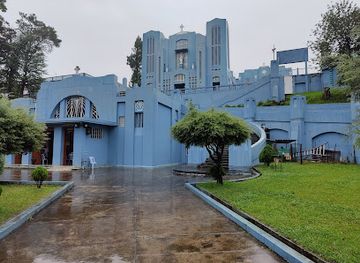
Catholic cathedral
Cathedral of Mary Help of Christians
Explore the breathtaking Cathedral of Mary Help of Christians in Shillong, a stunning blend of architecture, spirituality, and community life.
7 min walk · 0.6 km from neighbourhood centre
-
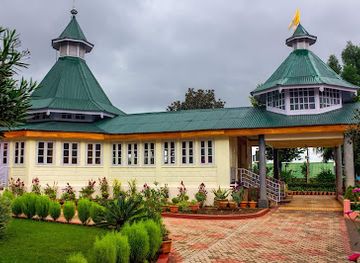
Ashram
Ramakrishna Mission, Shillong
Discover tranquility at the Ramakrishna Mission in Shillong, a spiritual haven blending stunning architecture and serene landscapes for a rejuvenating experience.
6 min walk · 0.5 km from neighbourhood centre
-
Historical landmark
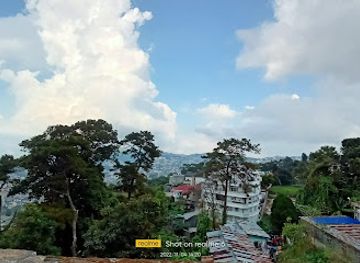
Laitumkhrah Point
Experience the rich history and stunning vistas at Laitumkhrah Point, a must-visit landmark in Shillong, Meghalaya.
5 min walk · 0.4 km from neighbourhood centre
-
Historical landmark
Dhankheti Point
Experience the breathtaking views and rich heritage at Dhankheti Point, Shillong's captivating historical landmark nestled in nature's embrace.
9 min walk · 0.7 km from neighbourhood centre
Explore Laitumkhrah on the map
A handpicked selection of must-see spots in Laitumkhrah, mapped for you.
Best hotels in Laitumkhrah
Best restaurants in Laitumkhrah
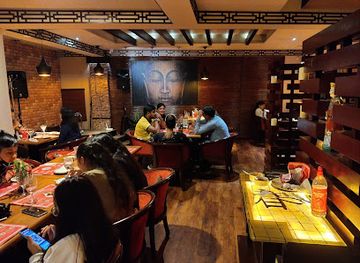
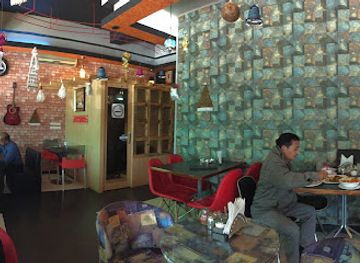
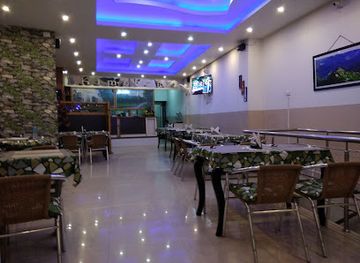
Laitumkhrah has one of Shillong’s most concentrated areas for casual dining and café culture, especially around and near Laitumkhrah Main Road. Coffee shops, bakeries, dessert counters and small restaurants cater to students, office workers and local residents, creating a sociable food scene that is more informal than a traditional restaurant quarter. Menus vary, but visitors can look for Khasi and wider north-eastern influences alongside Indian, continental and contemporary café dishes; local specialities may also appear in changing forms rather than on every menu. The neighbourhood is a useful place to sample Shillong’s modern eating habits, from a relaxed afternoon drink to an evening meal in a compact independent venue. Because businesses and menus change, it is sensible to check current details locally, particularly when looking for regional dishes rather than general café fare.
-
Chinese
Dejavu Restaurant
Experience authentic Chinese flavors at Dejavu Restaurant in Shillong - where every dish tells a story.
5 min walk · 0.4 km from neighbourhood centre
-
North Eastern Indian restaurant
Rynsan, Shillong
Discover the authentic taste of North Eastern India at Rynsan in Shillong – a culinary haven for food lovers.
8 min walk · 0.6 km from neighbourhood centre
-
Restaurant
Tidbitz Grill Republica
Discover delectable barbecue and authentic Chinese dishes at Tidbitz Grill Republica in Shillong - where every meal is a celebration of flavors.
4 min walk · 0.3 km from neighbourhood centre
-
Indian
Kimberly Restaurant
Experience authentic Indian cuisine at Kimberly Restaurant in Shillong – where tradition meets taste in every dish.
4 min walk · 0.3 km from neighbourhood centre

Best bars in Laitumkhrah
Laitumkhrah’s evening life is centred more on cafés, casual restaurants and social gatherings than on a dense strip of nightclubs. The main road becomes a popular meeting area after work and study, with conversation, food and coffee extending into the evening, while the surrounding residential lanes remain comparatively quiet. Some dining venues may serve alcoholic drinks, but the neighbourhood should not be approached as Shillong’s principal club district; nightlife is modest, locally oriented and closely interwoven with eating out. Live music and cultural events can occur in Shillong venues, though schedules and availability change, so visitors should check locally rather than rely on a fixed programme. Respect for homes, churches and businesses is important when returning late, and taxis are the practical option for unfamiliar roads in heavy rain or poor visibility.
-
Restaurant
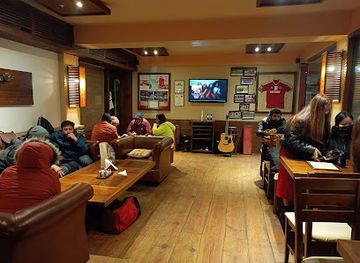
Cafe Shillong
Experience the rich flavors and cozy ambiance of Café Shillong, your perfect retreat in Meghalaya's vibrant capital.
4 min walk · 0.4 km from neighbourhood centre
-
Cafe
The Loft - Cafe & Restaurant
Experience the perfect blend of cozy atmosphere and diverse culinary delights at The Loft, Shillong's favorite café and restaurant.
15 min walk · 1.2 km from neighbourhood centre
-
Restaurant
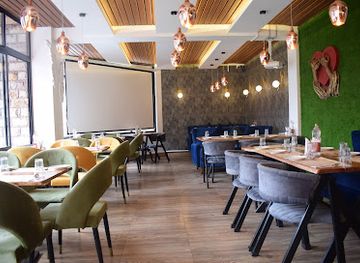
Besa Bistro - Best Restaurant in Shillong
Experience a culinary delight at Besa Bistro in Shillong, offering a fusion of Indian, Chinese, and Continental cuisines in a vibrant setting.
6 min walk · 0.5 km from neighbourhood centre
-
Bar
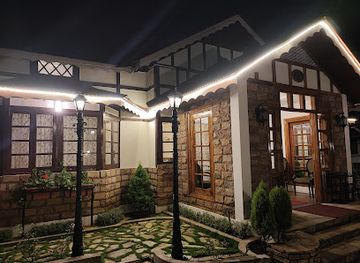
Ahavah Shillong
Discover Ahavah Shillong, where fine dining meets vibrant nightlife in the heart of Meghalaya, offering a culinary journey unlike any other.
5 min walk · 0.4 km from neighbourhood centre

Best nightclubs in Laitumkhrah
Laitumkhrah’s evening life is centred more on cafés, casual restaurants and social gatherings than on a dense strip of nightclubs. The main road becomes a popular meeting area after work and study, with conversation, food and coffee extending into the evening, while the surrounding residential lanes remain comparatively quiet. Some dining venues may serve alcoholic drinks, but the neighbourhood should not be approached as Shillong’s principal club district; nightlife is modest, locally oriented and closely interwoven with eating out. Live music and cultural events can occur in Shillong venues, though schedules and availability change, so visitors should check locally rather than rely on a fixed programme. Respect for homes, churches and businesses is important when returning late, and taxis are the practical option for unfamiliar roads in heavy rain or poor visibility.
-
Cocktail bar
Fusion BAR
Experience the vibrant nightlife of Shillong at Fusion BAR, where innovative cocktails and a lively atmosphere await you.
4 min walk · 0.3 km from neighbourhood centre
-
Night club
Savio Hall
Experience the electrifying nightlife at Savio Hall, Shillong's premier night club, where music and dance unite for an unforgettable evening.
7 min walk · 0.6 km from neighbourhood centre
-
Bar
ThePitch Restro & Bar
Discover the perfect blend of local culture and international flavors at ThePitch Restro & Bar in Shillong, Meghalaya.
5 min walk · 0.4 km from neighbourhood centre
Best shops in Laitumkhrah
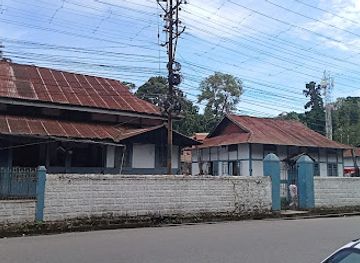
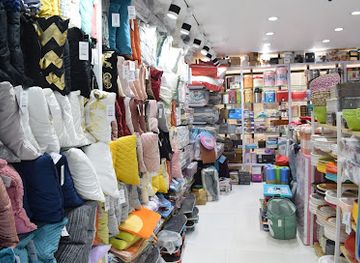
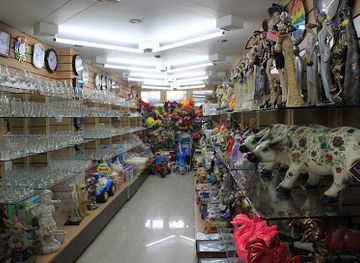
Shopping in Laitumkhrah is primarily practical and independent, concentrated around the main road rather than organised into a large enclosed retail complex. Small grocery shops, pharmacies, salons, clothing outlets, bakeries, cafés and service businesses serve the surrounding residential and student population. Visitors may also find locally made foods, north-eastern products and contemporary lifestyle goods, although stock varies between businesses and the area is not a dedicated craft market. The most interesting retail experience comes from walking between established neighbourhood shops and newer, design-conscious businesses, observing how Shillong’s local economy combines everyday needs with café and creative culture. For a broader market experience, visitors need to travel elsewhere in the city, so Laitumkhrah is best treated as a place for browsing independent shops and picking up useful provisions rather than as a destination for major souvenir shopping.
-
Gift shop
ILAHUI Store SHILLONG
Explore ILAHUI Store Shillong for unique gifts and local treasures that capture the essence of Meghalaya's rich culture.
3 min walk · 0.2 km from neighbourhood centre
-
Gift shop
Archies
Explore Archies in Shillong for unique gifts, delightful greeting cards, and local treasures that embody the charm of Meghalaya.
3 min walk · 0.3 km from neighbourhood centre
-
Clothing store
Street Style Store Shillong
Explore the vibrant fashion scene at Street Style Store Shillong, a trendy destination for unique clothing and accessories that reflects local culture.
6 min walk · 0.4 km from neighbourhood centre
-
 Gift shop
Janai Collection
Explore the vibrant Janai Collection in Shillong, offering unique clothing and gifts that celebrate the rich culture of Meghalaya.
2 min walk · 0.2 km from neighbourhood centre

Laitumkhrah essentials
Getting There
Getting Around
Safety
Emergency Situations
Do's and Don'ts
Local Tips

From Eve
Local phrases worth knowing
You don't need to get them perfect. A few words go a long way, and locals appreciate the effort.
Basics
| English | Local | Say it |
|---|---|---|
| Hello | হাই | [hai] |
| Goodbye | বিদায় | [bidaay] |
| Yes | হো | [ho] |
| No | না | [na] |
| Please/You're welcome | অনুগ্রহ করে | [onugroh kore] |
| Thank you | ধন্যবাদ | [dhonnyobad] |
| Excuse me/Sorry | দুঃখিত | [dukkhit] |
| How are you? | তুমি কেমন আছো? | [tumi kemon asho?] |
| Fine. And you? | ভাল। আর তুমি? | [bhal. ar tumi?] |
| Do you speak English? | তুমি ইংরেজি কথা বলতে পারো? | [tumi ingreji kotha bolte paro?] |
| I don't understand | আমি বুঝতে পারছি না | [ami bujhte parchi na] |
Eating & Drinking
| English | Local | Say it |
|---|---|---|
| I'd like to see the menu, please | আমি মেনু দেখতে চাই | [ami menu dekhte chai] |
| I don't eat meat | আমি মাংস খাই না | [ami mangsh khai na] |
| Cheers! | চিয়ার্স! | [cheers!] |
| I would like to pay, please | আমি দয়া করে টাকা দিতে চাই | [ami doya kore taka dite chai] |
Emergencies
| English | Local | Say it |
|---|---|---|
| Help! | সাহায্য! | [sahayyo!] |
| Go away! | চলে যাও! | [chole jao!] |
| Call the Police! | পুলিশকে কল করুন! | [polishke kol korun!] |
| Call a doctor! | ডাক্তারকে কল করুন! | [daktarke kol korun!] |
| I'm lost | আমি হারানো | [ami harano] |
| I'm ill | আমি অসুস্থ | [ami osustho] |
Shopping
| English | Local | Say it |
|---|---|---|
| I'd like to buy... | আমি ... কিনতে চাই | [ami ... kinte chai] |
| I'm just looking | আমি শুধু দেখছি | [ami shudhu dekhchi] |
| How much is it? | এটা কত টাকা? | [eta kot taka?] |
| That's too expensive | এটা খুব মহঙ্গা | [eta khub mohonga] |
| Can you lower the price? | দাম কমাতে পারবেন? | [dam komate parben?] |
Time & Numbers
| English | Local | Say it |
|---|---|---|
| What time is it? | এখন কত বাজে? | [ekhon kot baje?] |
| It's one o'clock | এটা একটা বাজে | [eta ekta baje] |
| Half past (10) | (১০) টা পর্যন্ত | [(10) ta porjonto] |
| Morning | সকাল | [shokal] |
| Afternoon | দুপুর | [dupur] |
| Evening | সন্ধ্যা | [shondhya] |
| Yesterday | গতকাল | [gatkal] |
| Today | আজ | [aj] |
| Tomorrow | আগামীকাল | [agamikalkal] |
| 1 | এক | [ek] |
| 2 | দুই | [dui] |
| 3 | তিন | [tin] |
| 4 | চার | [char] |
| 5 | পাঁচ | [pach] |
| 6 | ছয় | [chhoy] |
| 7 | সাত | [shat] |
| 8 | আট | [at] |
| 9 | নয় | [noy] |
| 10 | দশ | [dosh] |
Transport & Directions
| English | Local | Say it |
|---|---|---|
| Where's a/the...? | ... কোথায়? | [... kothay?] |
| What's the address? | ঠিকানা কি? | [thikana ki?] |
| Can you show me (on the map)? | আপনি আমাকে দেখাতে পারবেন (ম্যাপে)? | [apni amake dekhate parben (mape)?] |
| When's the next (bus)? | পরবর্তী (বাস) কখন? | [porborti (bosh) kokhon?] |
| A ticket (to ....) | একটি টিকিট (.... পর্যন্ত) | [ekti ticket (.... porjonto)] |
History of Laitumkhrah
A Khasi Hills Settlement
Laitumkhrah developed within the Khasi Hills landscape that preceded Shillong’s emergence as a colonial hill station. The locality’s name and identity belong to the Khasi cultural geography of the area, although tidy English translations of Khasi place names are not always reliable. Before modern commercial growth, the neighbourhood was shaped by hill paths, cultivated land, scattered settlement and the wider network of Khasi communities around Shillong. Its present form therefore reflects an older landscape of local movement rather than a district planned as a single new town.
Shillong’s Expanding Eastern Hills
As Shillong expanded under British administration and later as the capital of Meghalaya, Laitumkhrah became increasingly connected to the city’s roads, schools, churches and public institutions. Residential development spread along the ridges and slopes, while small shops supplied surrounding households. The growth of Christian educational and religious institutions across Shillong also influenced the neighbourhood’s built character, adding compounds, places of worship and student activity to the older Khasi settlement pattern. Its roads remained hilly and locally scaled, unlike the more formal commercial spaces associated with central Shillong.
From Residential Locality to Café Quarter
In recent decades, Laitumkhrah has acquired a stronger commercial and cultural identity without losing its residential core. Cafés, bakeries, casual restaurants, salons and small lifestyle businesses have joined long-established shops along and near the main road, responding to a growing population of students, professionals and domestic visitors. This change forms part of Shillong’s wider urban development rather than a complete replacement of the neighbourhood’s earlier character. Churches, homes and local businesses continue to structure daily life, while the concentration of independent food and social venues has made Laitumkhrah a recognised contemporary meeting place.
Laitumkhrah in Photos
Browse through our photo collection highlighting the charm and character of the destination.
Neighbourhoods near Laitumkhrah
The closest neighbourhoods to Laitumkhrah, if you have time for more than one stop.
-

-

-


Swipe for more neighbourhoods
Explore more
Explore more of Shillong
Shillong, India’s hill city, blends Khasi heritage, pine forests, colonial-era streets, live music, waterfalls and gateways to Meghalaya’s landscapes.
Explore Shillong