

Free Lafayette Travel Guide & Mobile App
Plan your Lafayette trip with Evendo. Get free guides to top attractions, restaurants, hotels, and bars. Web access or download the mobile app.


Lafayette, Indiana pairs Wabash River scenery, historic downtown streets, Purdue-area culture, local museums and welcoming Midwestern dining.
River City and County Seat
Lafayette occupies a historic bend of the Wabash River in west-central Indiana, where a compact downtown, civic architecture and a strong university influence create a distinctly Midwestern city experience. Founded in 1825 and named for the Marquis de Lafayette, the city developed as a centre of river commerce, transport and county government. Today, its older streets lead through a lively collection of independent businesses, restaurants, galleries and cultural venues, while residential neighbourhoods spread beyond the central grid.Read more about Lafayette
History in the Landscape
Culture, Campus and Local Life
When is the best time to visit Lafayette?
Best: May–June, September · 24–28°C| Month | High (°C) | Rainfall (mm) |
|---|---|---|
| January | 3 | 53 |
| February | 5 | 51 |
| March | 12 | 71 |
| April | 17 | 94 |
| May (best) | 24 | 112 |
| June (best) | 28 | 102 |
| July | 31 | 102 |
| August | 29 | 97 |
| September (best) | 25 | 79 |
| October | 18 | 76 |
| November | 10 | 66 |
| December | 4 | 61 |
Getting to and around Lafayette
How to get there
Transportation
Best attractions in Lafayette
Lafayette's attractions range from civic history to riverfront recreation and local art. Downtown provides an easy introduction, with the Tippecanoe County Courthouse anchoring a historic commercial district of independent shops, restaurants and restored buildings. Columbian Park offers gardens, open lawns, a zoo and family-oriented recreation, while the Wabash River heritage trail system follows wooded and landscaped stretches through the wider community. The Art Museum of Greater Lafayette presents regional and broader American art in a welcoming gallery setting, and the Haan Museum of Indiana Art occupies a historic house with a collection focused on artists connected to the state. Across the river, Purdue University adds campus architecture, public art, sporting culture and academic museums to the metropolitan mix. For a regional excursion, the Tippecanoe Battlefield memorial and museum at Battle Ground interpret the 1811 conflict, but the site lies outside Lafayette itself.
-
Tourist attraction
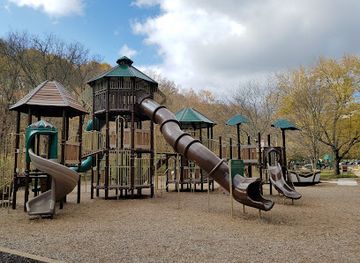
Happy Hollow Park
Explore Happy Hollow Park: A Family-Friendly Oasis of Fun, Nature, and Community in West Lafayette, Indiana.
17 min drive · 5.7 km from city centre
-
Tourist attraction
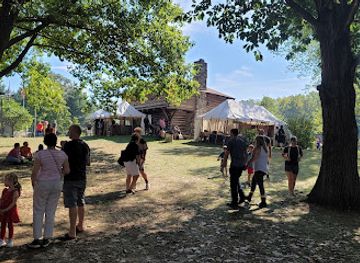
Fort Ouiatenon
Explore the historical richness of Fort Ouiatenon, a premier tourist attraction in West Lafayette, Indiana, where history comes alive through engaging reenactments and scenic beauty.
27 min drive · 8.9 km from city centre
-
Tourist attraction
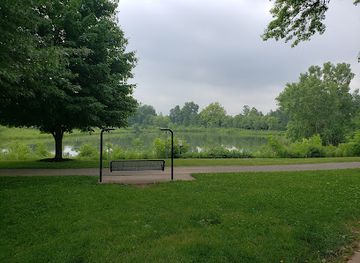
Armstrong Park
Explore the lush beauty and family-friendly amenities of Armstrong Park in Lafayette, Indiana, where nature and community come together for unforgettable experiences.
8 min drive · 2.8 km from city centre
-
Tourist attraction
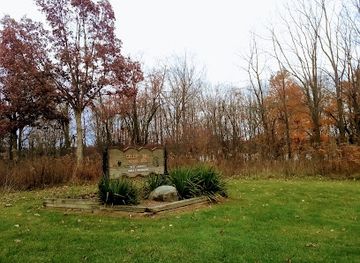
Celery Bog Nature Area
Explore the tranquil Celery Bog Nature Area in West Lafayette, Indiana, a nature preserve rich in wildlife and scenic hiking trails.
26 min drive · 8.7 km from city centre
Best landmarks in Lafayette
The Tippecanoe County Courthouse is Lafayette's most prominent civic landmark, standing at the centre of the historic downtown and expressing the city's long role as the county seat. The courthouse square and surrounding commercial blocks preserve the visual relationship between government, trade and the nineteenth-century urban grid. The Haan Museum of Indiana Art occupies a substantial historic residence and is significant both for its collection and for its connection to Indiana's artistic heritage. The Moses Fowler House, a nineteenth-century Italianate residence associated with Lafayette's early commercial elite, offers another reminder of the city's prosperous Victorian period when open for public programmes or tours. Across the Wabash, Purdue University's campus forms a separate landmark landscape of academic buildings, memorials and public spaces. The river bridges and wooded corridor are less monumental but equally important, linking Lafayette's civic core with the university city that has shaped its modern identity.
-
Zoo
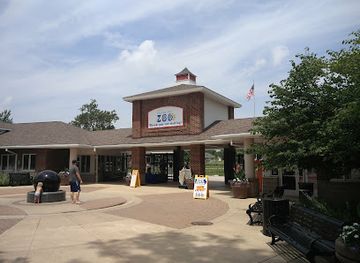
Columbian Park Zoo
Explore Columbian Park Zoo in Lafayette, Indiana - a family-friendly destination brimming with wildlife and educational fun.
6 min drive · 1.9 km from city centre
-
Amusement park
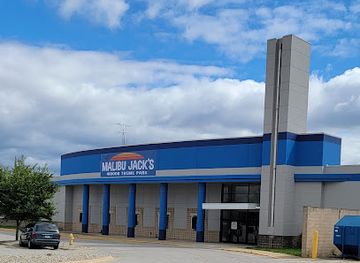
Malibu Jack's Lafayette
Experience exhilarating rides and family-friendly fun at Malibu Jack's Lafayette, the ultimate amusement park for unforgettable memories.
16 min walk · 1.3 km from city centre
-
Park
Happy Hollow Park
Explore Happy Hollow Park: a lush urban retreat in West Lafayette, Indiana, perfect for families, nature lovers, and outdoor enthusiasts.
17 min drive · 5.7 km from city centre
-
Historical landmark
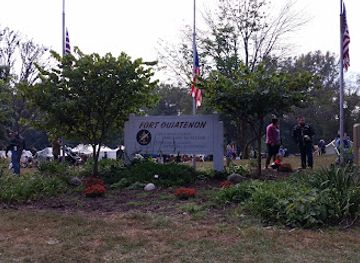
Fort Ouiatenon
Explore Fort Ouiatenon, an iconic historical landmark in Indiana, where history, culture, and scenic beauty converge for an unforgettable experience.
27 min drive · 8.9 km from city centre
Explore Lafayette on the map
Plan your Lafayette trip on one map. See where the top attractions, landmarks, restaurants, bars and hotels are, find what's near where you're staying, and book hotels and experiences in a few clicks.
Best hotels in Lafayette
Best restaurants in Lafayette
Lafayette's dining scene reflects west-central Indiana's farm country, university population and Midwestern comfort-food traditions. Independent restaurants and casual eateries cluster around downtown, while the adjoining West Lafayette and Purdue districts add student-oriented cafés, international food and relaxed evening dining. Local menus commonly draw on burgers, sandwiches, steaks, fried chicken, seasonal produce and hearty American plates, alongside pizza and bakery fare suited to a college town. The area also has a strong tradition of accessible family restaurants, including the Lafayette-born Arni's, whose long local association makes it part of the region's dining story. Farmers' markets and food-focused community events provide opportunities to encounter Indiana produce and prepared specialities. Restaurant styles range from historic-feeling diners to contemporary kitchens, with the most varied choice found across the connected Lafayette–West Lafayette area rather than in one single street.
-
American
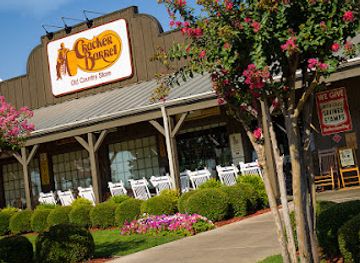
Cracker Barrel Old Country Store
Experience the charm of Southern hospitality at Cracker Barrel Old Country Store in Lafayette – where comfort food meets nostalgic shopping.
12 min drive · 4.1 km from city centre
-
Traditional American
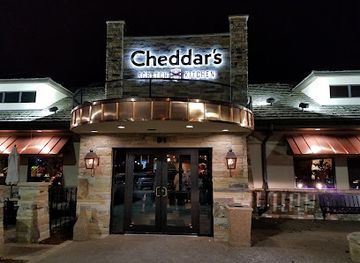
Cheddar's Scratch Kitchen
Experience the best of traditional American cuisine at Cheddar's Scratch Kitchen in Lafayette - where comfort food meets Southern hospitality.
7 min drive · 2.3 km from city centre
-
Steak
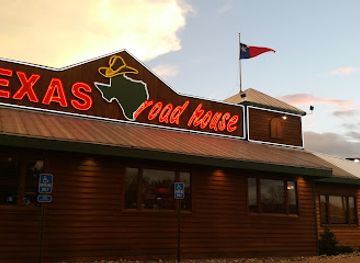
Texas Roadhouse
Experience exceptional steaks and authentic American cuisine at Texas Roadhouse in Lafayette—where great food meets great company.
12 min walk · 1.0 km from city centre
-
Italian
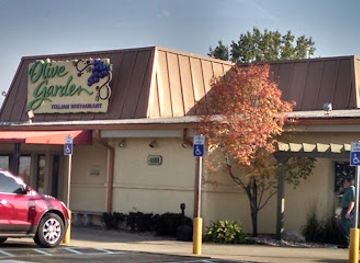
Olive Garden Italian Restaurant
Experience authentic Italian cuisine at Olive Garden in Lafayette - perfect for families with diverse tastes and dietary preferences.
10 min drive · 3.3 km from city centre
Best bars in Lafayette
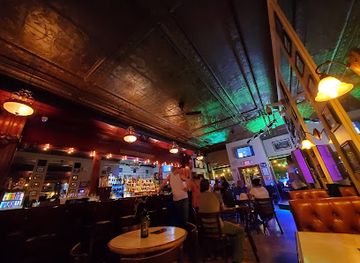
Lafayette's evening life is modest in scale but varied, with downtown bars, neighbourhood pubs, breweries and live-music venues providing the principal local options. Around the courthouse and nearby commercial streets, evenings tend to centre on conversation, regional beer, cocktails and performances rather than large nightclub production. West Lafayette's Purdue connection brings a younger, student-led atmosphere to bars and casual venues near campus, particularly during the academic year and around university sporting events. The Long Center for the Performing Arts offers a cultural alternative through theatre, music and touring performances, while seasonal festivals and community events can extend evening activity beyond the regular bar scene. Opening patterns and events change, and some venues are age-restricted, so visitors should check current details and carry appropriate identification. Lafayette is better suited to relaxed social evenings and live entertainment than to an extensive late-night club circuit.
-
Irish
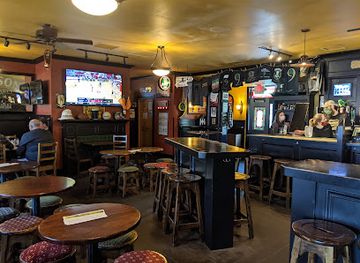
Nine Irish Brothers, West Lafayette
Discover the charm of Ireland at Nine Irish Brothers, a beloved pub and restaurant in West Lafayette, Indiana, serving up delicious Irish fare and drinks.
14 min drive · 4.6 km from city centre
-
Irish
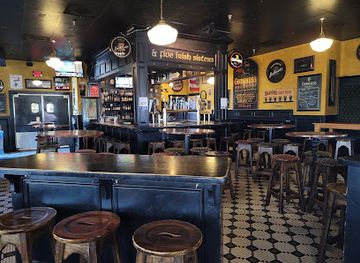
Nine Irish Brothers Lafayette
Discover the heart of Ireland in Lafayette at Nine Irish Brothers, a cozy pub serving authentic Irish cuisine and drinks in a welcoming atmosphere.
6 min walk · 0.5 km from city centre
-
Family-friendly
Walt's Other Pub
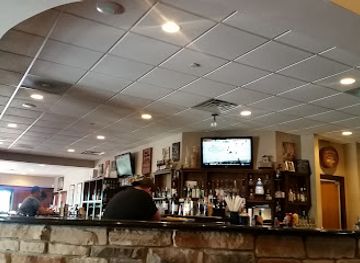
Discover family-friendly dining at Walt's Other Pub in Lafayette, Indiana, where delicious meals and a welcoming atmosphere await.
8 min drive · 2.8 km from city centre
-
Pub
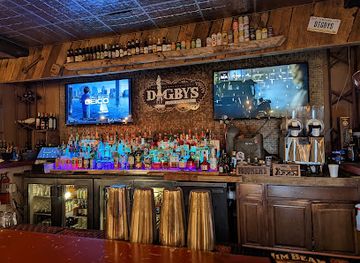
Digby's Pub and Patio
Discover the heart of Lafayette at Digby's Pub and Patio, where delicious food, craft drinks, and a vibrant atmosphere await.
11 min drive · 3.6 km from city centre
Best nightclubs in Lafayette
Lafayette's evening life is modest in scale but varied, with downtown bars, neighbourhood pubs, breweries and live-music venues providing the principal local options. Around the courthouse and nearby commercial streets, evenings tend to centre on conversation, regional beer, cocktails and performances rather than large nightclub production. West Lafayette's Purdue connection brings a younger, student-led atmosphere to bars and casual venues near campus, particularly during the academic year and around university sporting events. The Long Center for the Performing Arts offers a cultural alternative through theatre, music and touring performances, while seasonal festivals and community events can extend evening activity beyond the regular bar scene. Opening patterns and events change, and some venues are age-restricted, so visitors should check current details and carry appropriate identification. Lafayette is better suited to relaxed social evenings and live entertainment than to an extensive late-night club circuit.
-
Bar
Knickerbocker Saloon
Discover the lively Knickerbocker Saloon in Lafayette, Indiana, where cocktails, live music, and a vibrant atmosphere create unforgettable nights.
11 min drive · 3.5 km from city centre
-
Pool hall
Vault
Experience the vibrant nightlife at The Vault, Lafayette's top destination for pool, drinks, and unforgettable memories.
11 min drive · 3.8 km from city centre
-
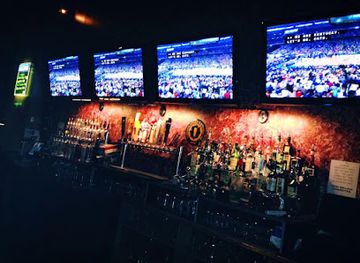
Sports bar
Champ's Sports Bar
Experience the excitement of live sports and karaoke at Champ's Sports Bar in Lafayette, where every game is a celebration.
17 min walk · 1.4 km from city centre
-
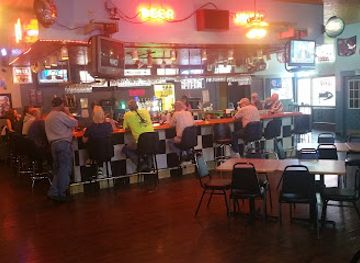
Night club
Neon Cactus
Discover the vibrant nightlife of West Lafayette at Neon Cactus, where great music, delicious drinks, and unforgettable moments await.
13 min drive · 4.4 km from city centre

Best shops in Lafayette
Shopping in Lafayette is centred on downtown's independent businesses, where historic commercial streets contain boutiques, gift shops, specialist retailers, cafés and galleries within easy walking distance of the courthouse. The Lafayette Farmers Market, held seasonally, focuses on regional produce, baked goods, plants and handmade products, offering a more local alternative to standard retail. West Lafayette and the Purdue area add university-related merchandise, books, clothing and everyday shopping, while larger commercial districts on the outskirts provide mainstream stores and services. Visitors may find Indiana-made foods, locally produced crafts, art, books and practical souvenirs more distinctive than generic memorabilia. Retail character varies between the older city centre, the student-oriented university district and suburban shopping areas, so the best area depends on whether the aim is independent browsing, campus goods or conventional retail.
-
Shopping mall
Market Square Shopping Center
Explore the Market Square Shopping Center in Lafayette, Indiana—your ultimate destination for shopping, dining, and family fun.
11 min drive · 3.6 km from city centre
-
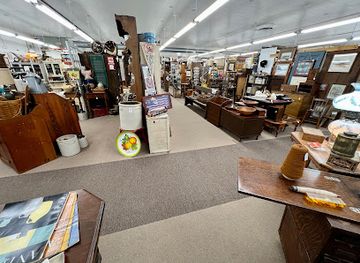
Flea market
Sell It Here
Explore the vibrant Sell It Here Flea Market in Lafayette, Indiana, for unique antiques, collectibles, and local craftsmanship.
7 min drive · 2.2 km from city centre
-
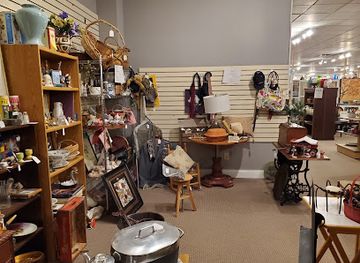
Antique store
Leaping Leopard Antiques
Discover a treasure trove of unique vintage finds at Leaping Leopard Antiques in Lafayette, Indiana, a must-visit for antique lovers.
9 min drive · 3.0 km from city centre
-
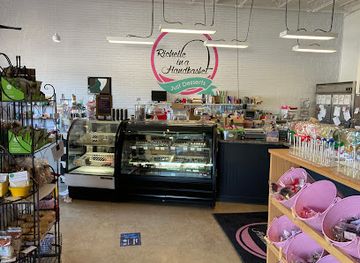
Gift shop
Richelle In A Handbasket
Explore unique gifts and local delights at Richelle In A Handbasket, Lafayette's premier gift shop for tourists and locals alike.
11 min drive · 3.6 km from city centre
Get your free copy of our complete guide to Lafayette, delivered straight to you.
Everything on this page, from attractions and restaurants to essentials and local phrases, in one PDF you can read offline, print or share.
Already have an account? Sign in
Your Lafayette guide is ready.
We'll send it to · Not you? Sign out

Getting your guide ready…
We are putting together a fresh copy of the Lafayette guide. This can take up to a minute.
This can take a few moments. If your browser asks, choose Allow so the download can start. You'll find the guide in your Downloads folder.
Nothing happened? Download it again
Sorry, the guide is taking longer than usual. Please try again in a minute, or get it by email instead.
Lafayette essentials
Currency and Payment
Safety
Emergency Situations
Do's and Don'ts
Local Tips
From Eve
Local phrases worth knowing
You don't need to get them perfect. A few words go a long way, and locals appreciate the effort.
Basics
| English | Local | Say it |
|---|---|---|
| Hello | Howdy | [haw-dee] |
| Goodbye | See ya | [see yuh] |
| Yes | Yep | [yep] |
| No | Nah | [nah] |
| Please/You're welcome | Please/No problem | [pleez/no problum] |
| Thank you | Thanks | [thanks] |
| Excuse me/Sorry | Pardon me/My bad | [par-dun mee/my bad] |
| How are you? | How ya doin'? | [how yuh doin'] |
| Fine. And you? | Good. How 'bout you? | [good. how 'bout yuh?] |
| Do you speak English? | Ya speak English? | [yuh speak english?] |
| I don't understand | I don't get it | [I don't get it] |
Eating & Drinking
| English | Local | Say it |
|---|---|---|
| I'd like to see the menu, please | I wanna check out the menu, please | [eye wanna check out the menu, please] |
| I don't eat meat | I don't do meat | [I don't do meat] |
| Cheers! | Cheers! | [Cheers!] |
| I would like to pay, please | I wanna settle up, please | [eye wanna settle up, please] |
Emergencies
| English | Local | Say it |
|---|---|---|
| Help! | Help! | [Help!] |
| Go away! | Get lost! | [get lost!] |
| Call the Police! | Call the cops! | [call the cops!] |
| Call a doctor! | Call a doc! | [call a doc!] |
| I'm lost | I'm turned around | [I'm turned around] |
| I'm ill | I'm sick | [I'm sick] |
Shopping
| English | Local | Say it |
|---|---|---|
| I'd like to buy... | I wanna grab... | [eye wanna grab...] |
| I'm just looking | Just browsin' | [just browsin'] |
| How much is it? | How much for this? | [how much for this?] |
| That's too expensive | That's steep | [that's steep] |
| Can you lower the price? | Can ya do a deal? | [can yuh do a deal?] |
Time & Numbers
| English | Local | Say it |
|---|---|---|
| What time is it? | What's the time? | [what's the time?] |
| It's one o'clock | It's one | [it's one] |
| Half past (10) | Ten thirty | [ten thirty] |
| Morning | Mornin' | [mornin'] |
| Afternoon | Afternoon | [Afternoon] |
| Evening | Evenin' | [evenin'] |
| Yesterday | Yesterday | [Yesterday] |
| Today | Today | [Today] |
| Tomorrow | Tomorrow | [Tomorrow] |
| 1 | One | [One] |
| 2 | Two | [Two] |
| 3 | Three | [Three] |
| 4 | Four | [Four] |
| 5 | Five | [Five] |
| 6 | Six | [Six] |
| 7 | Seven | [Seven] |
| 8 | Eight | [Eight] |
| 9 | Nine | [Nine] |
| 10 | Ten | [Ten] |
Transport & Directions
| English | Local | Say it |
|---|---|---|
| Where's a/the...? | Where's the... at? | [where's the... at?] |
| What's the address? | What's the address? | [what's the address?] |
| Can you show me (on the map)? | Can ya show me (on the map)? | [can yuh show me (on the map)?] |
| When's the next (bus)? | When's the next (bus)? | [when's the next (bus)?] |
| A ticket (to ....) | A ticket (to ....) | [A ticket (to ....)] |
History of Lafayette
Indigenous Wabash Country
Long before Lafayette was founded, the Wabash River valley was home to Indigenous peoples, including Miami and Wea communities, whose economies and movement were shaped by the river, wetlands and prairies. European traders and settlers later entered a landscape already connected by established Indigenous routes. The area became strategically important during the early nineteenth century as the United States expanded its influence in the Old Northwest. The Battle of Tippecanoe took place in 1811 near present-day Battle Ground, north of Lafayette, during conflict involving a pan-Indigenous resistance movement and the territorial government led by William Henry Harrison. Although the battlefield is outside Lafayette, the event remains an important part of the region's historical identity.
Lafayette's Founding in 1825
Lafayette was founded in 1825 by William Digby, who named the settlement in honour of the French aristocrat and military officer Gilbert du Motier, Marquis de Lafayette, a celebrated ally of the American Revolution. The town's position beside the Wabash River encouraged trade and transport, while its selection as the seat of Tippecanoe County gave it an early civic importance. Streets, public buildings and commercial premises gradually formed around the river crossing and central courthouse area. Lafayette's origin reflects the pattern of many nineteenth-century Indiana towns: a planned settlement whose political role, access to waterways and links to surrounding farmland supported steady growth.
Canals, Railways and Commerce
During the nineteenth century, Lafayette became increasingly connected to regional and national markets. The Wabash and Erie Canal reached the area in the 1840s, strengthening the movement of agricultural goods and manufactured products along the Wabash basin. Railways followed and eventually became more influential than canal transport, linking Lafayette with Indianapolis, Chicago and other Midwestern centres. These connections helped establish the city as a commercial and industrial hub while encouraging population growth and urban development. The historic downtown, with its civic buildings and surviving commercial blocks, is a visible legacy of the period when transport, trade and county administration shaped Lafayette's prosperity.
Purdue and the Expanding Region
In 1869, the Indiana General Assembly accepted a gift from businessman John Purdue and established Purdue University in the neighbouring settlement of West Lafayette. The university's development transformed the wider community, bringing engineering, agriculture, science and later a broad range of academic and cultural institutions to the Wabash valley. Lafayette and West Lafayette remained separate municipalities, but their economies and daily life became closely connected through bridges, employment, education and shared cultural activities. Purdue's presence also encouraged technological and industrial development, adding a research and student dimension to a city whose earlier identity had rested largely on commerce, agriculture and transport.
Modern Lafayette
During the twentieth century, Lafayette continued to combine manufacturing, education, public administration and service industries. Historic neighbourhoods and downtown buildings were joined by suburban development, while civic investment helped preserve institutions such as the Long Center for the Performing Arts and local museums. The Wabash River corridor gained importance for recreation and environmental appreciation, complementing the city's older commercial core. Today, Lafayette's identity is shared with the broader Tippecanoe County region: it remains a practical county seat and independent city, but its cultural life is closely influenced by West Lafayette, Purdue University and the surrounding agricultural landscape.
Lafayette in Photos
Browse through our photo collection highlighting the charm and character of the destination.
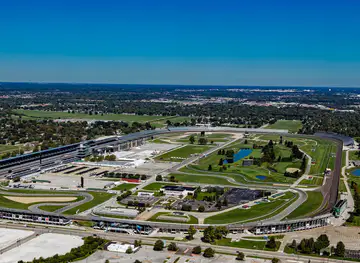
Cities near Lafayette
The closest cities to Lafayette, if you have time for more than one stop.
-

-

-

-

-


Swipe for more cities
Explore more

Explore more of Indiana
Explore Indiana: From the bustling streets of Indianapolis to the serene beauty of Indiana Dunes, discover the diverse experiences that make Indiana the Crossroads of America.
Explore Indiana