

Mount Bromo Travel Guide - Free Web & App
Your ultimate guide to Mount Bromo. Discover top landmarks, proposed trips, and local tips. Free on the web or via the Evendo companion app.


Mount Bromo, Indonesia, pairs sunrise views with volcanic craters, Tenggerese culture, jeep rides and scenic hikes across East Java’s highlands.
Volcanic Landscapes
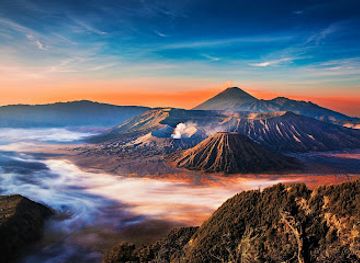
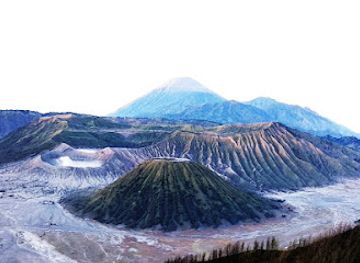
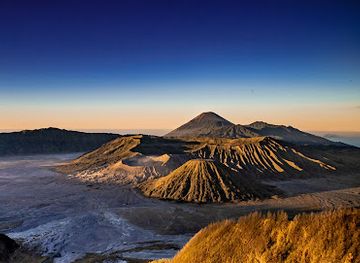
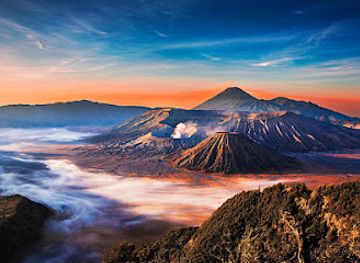
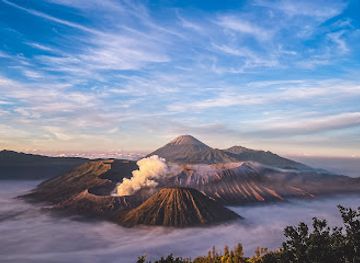
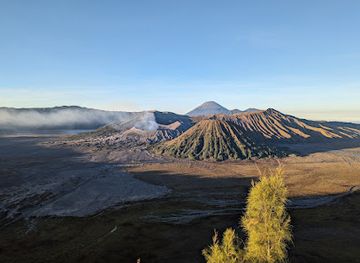
Mount Bromo rises from the vast Tengger Caldera in East Java, Indonesia, a landscape of ash-grey sand, steep crater walls and highland viewpoints shaped by repeated volcanic activity. The mountain itself is modest in height compared with neighbouring Mount Semeru, Java’s highest peak, but its setting makes it one of the island’s most recognisable natural destinations. Bromo’s smoking crater stands within the caldera beside Mount Batok, while the surrounding Bromo Tengger Semeru National Park protects upland forests, volcanic terrain and culturally important Tenggerese communities.Read more about Mount Bromo
Villages and Tenggerese Culture
Experiencing Mount Bromo
When is the best time to visit Mount Bromo?
Best: January–March · 21°C| Month | High (°C) | Rainfall (mm) |
|---|---|---|
| January (best) | 21 | 120 |
| February (best) | 21 | 125 |
| March (best) | 21 | 130 |
| April | 21 | 135 |
| May | 22 | 140 |
| June | 22 | 145 |
| July | 22 | 150 |
| August | 22 | 155 |
| September | 22 | 160 |
| October | 23 | 165 |
| November | 23 | 170 |
| December | 23 | 175 |
Getting to and around Mount Bromo
How to get there
Transportation
Best attractions in Mount Bromo
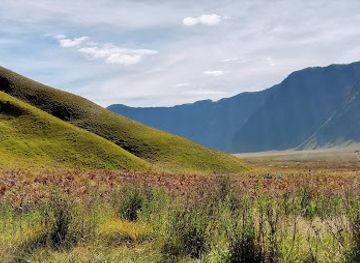
Mount Bromo’s principal attractions lie within the Tengger Caldera, where the smoking cone rises from the Sea of Sand beside the sharply ridged Mount Batok. Pre-dawn visits to Penanjakan and other authorised viewpoints are popular for broad views across the caldera, although cloud and volcanic conditions determine what can be seen. From the caldera floor, visitors may travel by permitted vehicle and continue on foot towards the crater, subject to current access rules. The wider national park includes the green savannah known as Teletubbies Hill, highland grasslands and forested slopes that contrast with the ash-coloured volcanic basin. Cemoro Lawang provides the best-known eastern gateway, while Tosari and other villages on the western approaches reveal a different side of the Tengger landscape. Tenggerese villages and the Poten Hindu temple add cultural depth, particularly during the Yadnya Kasada period, when the crater becomes the setting for a major religious ceremony.
-
Tourist attraction
Lautan Pasir Bromo
Explore the breathtaking Lautan Pasir Bromo, a unique sea of sand in East Java surrounded by stunning volcanic peaks and rich cultural heritage.
-
Tourist attraction
Puncak B29
Explore the breathtaking views and serene landscapes of Puncak B29, a must-visit tourist attraction in East Java, Indonesia.
-
Tourist attraction
Pasir Berbisik
Explore Pasir Berbisik, East Java's natural wonder known for its whispering sands and stunning landscapes, perfect for adventure and photography.
-
Tourist attraction
Ranu Regulo
Experience the serene beauty of Ranu Regulo, a tranquil lake in East Java offering stunning views and a peaceful escape into nature.


Best landmarks in Mount Bromo
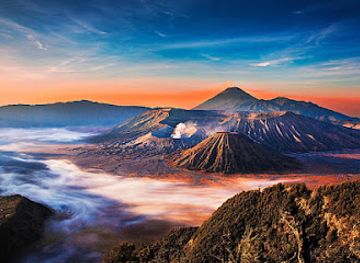
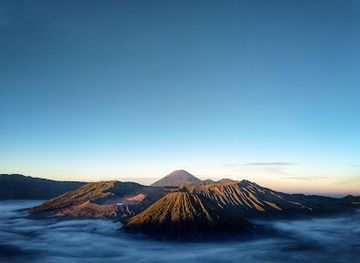
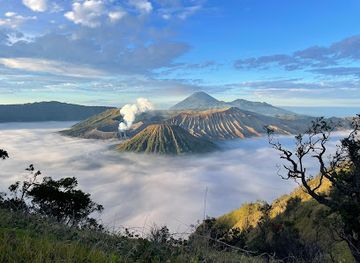
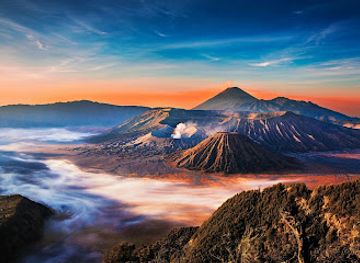
Mount Bromo is the defining natural landmark, a still-active volcanic cone whose broad setting within the Tengger Caldera gives it significance beyond its individual summit. The Sea of Sand is the caldera’s most recognisable physical feature, while Mount Batok provides a strongly eroded and visually distinctive companion cone. The Poten temple, located near the foot of Bromo, is an important Tenggerese Hindu landmark and a focal point during the Yadnya Kasada ceremony. Penanjakan is associated with panoramic sunrise views across the volcanic complex, though viewpoint access can change with weather and park regulations. The caldera rim, savannah and forested uplands complete a sequence of natural landmarks that explains the area’s geological character and cultural identity. Mount Semeru is a major landmark of the wider national park, but it is a separate volcano rather than part of Mount Bromo itself.
-
National park
Bromo Tengger Semeru National Park
Discover the breathtaking beauty of Bromo Tengger Semeru National Park where volcanic landscapes and rich culture come together in East Java, Indonesia.
-
 Volcano
Mt Bromo
Explore the stunning landscapes and breathtaking sunrises of Mt. Bromo, an active volcano in East Java, Indonesia, perfect for adventure seekers.
-
Tourist attraction
Lautan Pasir Bromo
Experience the surreal beauty of Lautan Pasir Bromo, where breathtaking landscapes and cultural richness create an unforgettable adventure in East Java.
-
Tourist attraction
Penanjakan Bromo
Discover the breathtaking sunrise views at Penanjakan Bromo, the gateway to the iconic Mount Bromo and a highlight of East Java's natural beauty.
Explore Mount Bromo on the map
Plan your trip on one map. See where the top attractions, landmarks, restaurants and hotels are, and book hotels and experiences in a few clicks.
Best hotels in Mount Bromo
Best restaurants in Mount Bromo
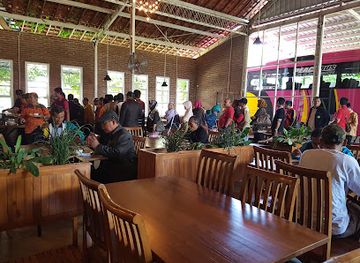
Dining around Mount Bromo is concentrated in gateway villages rather than scattered across the caldera. Cemoro Lawang, Ngadisari, Tosari and nearby settlements offer simple guesthouse dining, small warung eateries, cafés and food stalls, with menus shaped by East Javanese cooking and the needs of hikers leaving before dawn. Visitors may encounter rice dishes, noodles, soups, fried snacks, vegetables and warming drinks, while larger towns such as Probolinggo, Malang and Pasuruan provide a broader choice of restaurants and regional specialities. Tenggerese upland agriculture influences local produce, although availability varies with season and weather. Early excursions often begin before normal breakfast hours, so arranging food with accommodation can be practical. Vegetarian choices may be available, but travellers with dietary restrictions should explain them clearly in Indonesian and carry suitable provisions for time spent in the national park.
-
Buffet
Rumah Makan Bromo Asri
Explore the flavors of Indonesia at Rumah Makan Bromo Asri – a delightful buffet restaurant serving fresh local dishes in Probolinggo.
-
Indonesian
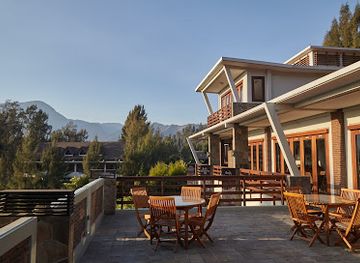
Bawangan Bromo Hotel & Resto
Experience authentic Indonesian cuisine at Bawangan Bromo Hotel & Resto, nestled near breathtaking landscapes in East Java.
-
Tourist attraction
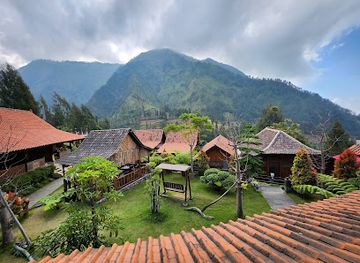
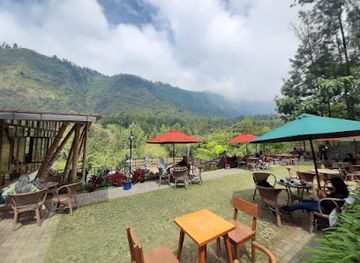
Bromo Hillside
Discover breathtaking views and delightful local cuisine at Bromo Hillside in East Java - a must-visit destination for nature lovers and food enthusiasts alike.
-
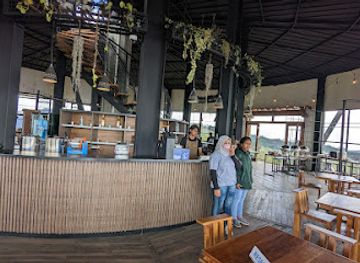
Coffee shop
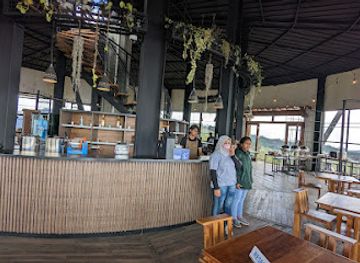
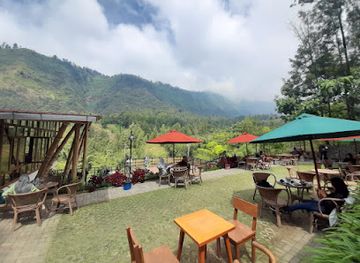
De Potrek Coffee Bromo
Discover De Potrek Coffee Bromo: where exquisite coffee meets breathtaking views in East Java's stunning landscapes.
Best bars in Mount Bromo
Mount Bromo is not a nightlife destination, and the highland gateways generally become quiet after evening meals and preparations for early-morning excursions. Cemoro Lawang, Ngadisari and Tosari have modest guesthouse and village dining scenes rather than dedicated club districts, with evenings centred on hot drinks, conversation and resting in the cold mountain air. Alcohol may be limited or unavailable in smaller settlements, and visitors should not expect late-opening bars, live-music venues or large entertainment complexes around the national park. More conventional urban nightlife can be found in Malang or other larger East Javanese towns, but these are gateway destinations outside the Mount Bromo landscape and require a separate journey. Respect the quiet character of local villages, particularly near religious sites and family homes.
-
Indonesian
Bawangan Bromo Hotel & Resto
Experience the flavors of East Java at Bawangan Bromo Hotel & Resto, where traditional Indonesian cuisine meets stunning views of Mount Bromo.
-
Restaurant
Bromo Hillside
Discover the enchanting beauty of Bromo Hillside, where breathtaking views meet delightful dining in the heart of East Java's stunning landscapes.
-
Restaurant
De Potrek Coffee Bromo
Experience breathtaking views and delightful cuisine at De Potrek Coffee Bromo, a perfect blend of nature and culinary art in East Java.
-
Restaurant
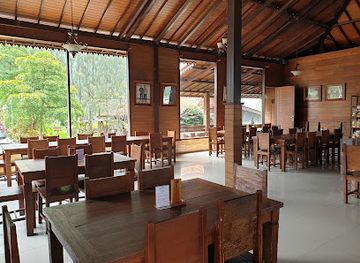
Jiwa Jawa Bromo
Experience the beauty of East Java at Jiwa Jawa Bromo: a unique blend of restaurant, art gallery, and stunning views of Mount Bromo.
Best nightclubs in Mount Bromo
Mount Bromo is not a nightlife destination, and the highland gateways generally become quiet after evening meals and preparations for early-morning excursions. Cemoro Lawang, Ngadisari and Tosari have modest guesthouse and village dining scenes rather than dedicated club districts, with evenings centred on hot drinks, conversation and resting in the cold mountain air. Alcohol may be limited or unavailable in smaller settlements, and visitors should not expect late-opening bars, live-music venues or large entertainment complexes around the national park. More conventional urban nightlife can be found in Malang or other larger East Javanese towns, but these are gateway destinations outside the Mount Bromo landscape and require a separate journey. Respect the quiet character of local villages, particularly near religious sites and family homes.
-
Volcano
Mt Bromo
Explore the breathtaking beauty of Mt. Bromo, an active volcano in East Java, famous for stunning sunrises and diverse landscapes.
-
Tourist attraction
Teletubbies Hill Bromo
Explore the vibrant landscapes of Teletubbies Hill Bromo, a stunning attraction in East Java perfect for nature lovers and photography enthusiasts.
-
Tourist attraction
Seruni Point
Discover the breathtaking views and hiking opportunities at Seruni Point, East Java's hidden gem near Mount Bromo.
-
Tourist attraction
Puncak B29
Experience the breathtaking views of Puncak B29, a stunning tourist attraction in East Java, Indonesia, perfect for nature lovers and photographers alike.
Best shops in Mount Bromo
Shopping around Mount Bromo is limited and practical, with small village shops, market stalls and roadside sellers concentrated in gateway settlements such as Cemoro Lawang, Ngadisari and Tosari. Travellers may find warm clothing, hats, scarves, gloves, snacks, drinks and basic walking supplies, while local food products and agricultural produce reflect the cool Tengger highlands. Souvenirs may include printed images, small handicrafts and religiously themed items, but the area is not an established centre for extensive craft or luxury retail. For a wider selection of clothing, equipment, regional food products and Indonesian handicrafts, larger towns such as Probolinggo and Malang are more suitable. Visitors should buy responsibly, avoid products made from protected wildlife or plants, and remember that stock and opening patterns in mountain villages can be variable.
-
National park
Bromo Tengger Semeru National Park
Discover the stunning landscapes, rich biodiversity, and vibrant culture of Bromo Tengger Semeru National Park in East Java, Indonesia.
-
Volcano
Mt Bromo
Explore the enchanting landscapes and cultural richness of Mt. Bromo, an active volcano in East Java, Indonesia, renowned for its breathtaking sunrises.
-
Tourist attraction
Penanjakan Bromo
Experience the breathtaking sunrise views at Penanjakan Bromo, a top tourist attraction in East Java, Indonesia, surrounded by stunning volcanic landscapes.
-
Tourist attraction
Seruni Point
Seruni Point: A Stunning Viewpoint of Mount Bromo and an Adventurer's Paradise in East Java, Indonesia.
Get your free copy of our complete guide to Mount Bromo, delivered straight to you.
Everything on this page, from attractions and restaurants to essentials and local phrases, in one PDF you can read offline, print or share.
Already have an account? Sign in
Your Mount Bromo guide is ready.
We'll send it to · Not you? Sign out

Getting your guide ready…
We are putting together a fresh copy of the Mount Bromo guide. This can take up to a minute.
This can take a few moments. If your browser asks, choose Allow so the download can start. You'll find the guide in your Downloads folder.
Nothing happened? Download it again
Sorry, the guide is taking longer than usual. Please try again in a minute, or get it by email instead.
Mount Bromo essentials
Currency and Payment
Safety
Emergency Situations
Do's and Don'ts
Local Tips
From Eve
Local phrases worth knowing
You don't need to get them perfect. A few words go a long way, and locals appreciate the effort.
Basics
| English | Local | Say it |
|---|---|---|
| Hello | Halo | [ha-lo] |
| Goodbye | Selamat tinggal | [se-la-mat ting-gal] |
| Yes | Ya | [ya] |
| No | Tidak | [ti-dak] |
| Please/You're welcome | Silakan | [si-la-kan] |
| Thank you | Terima kasih | [te-ri-ma ka-sih] |
| Excuse me/Sorry | Maaf | [ma-af] |
| How are you? | Apa kabar? | [a-pa ka-bar] |
| Fine. And you? | Baik. Dan kamu? | [ba-ik. dan ku-mu] |
| Do you speak English? | Apakah Anda bisa berbahasa Inggris? | [a-pa-kah an-da bi-sa ber-ba-ha-sa ing-gris] |
| I don't understand | Saya tidak mengerti | [sa-ya ti-dak men-ger-ti] |
Eating & Drinking
| English | Local | Say it |
|---|---|---|
| I'd like to see the menu, please | Saya ingin melihat menu, tolong | [sa-ya in-gin me-li-hat me-nu, to-long] |
| I don't eat meat | Saya tidak makan daging | [sa-ya ti-dak ma-kan da-ging] |
| Cheers! | Selamat minum! | [se-la-mat mi-num] |
| I would like to pay, please | Saya ingin membayar, tolong | [sa-ya in-gin mem-ba-yar, to-long] |
Emergencies
| English | Local | Say it |
|---|---|---|
| Help! | Tolong! | [to-long] |
| Go away! | Pergi! | [per-gi] |
| Call the Police! | Panggil polisi! | [pang-gil po-li-si] |
| Call a doctor! | Panggil dokter! | [pang-gil dok-ter] |
| I'm lost | Saya tersesat | [sa-ya ter-se-sat] |
| I'm ill | Saya sakit | [sa-ya sa-kit] |
Shopping
| English | Local | Say it |
|---|---|---|
| I'd like to buy... | Saya ingin membeli... | [sa-ya in-gin mem-be-li...] |
| I'm just looking | Saya hanya melihat-lihat | [sa-ya hu-nya me-li-hat-li-hat] |
| How much is it? | Berapa harganya? | [be-ra-pa har-ga-nya] |
| That's too expensive | Itu terlalu mahal | [i-tu ter-la-lu ma-hal] |
| Can you lower the price? | Bisakah Anda menurunkan harganya? | [bi-sa-kah an-da me-nu-run-kan har-ga-nya] |
Time & Numbers
| English | Local | Say it |
|---|---|---|
| What time is it? | Jam berapa sekarang? | [jam be-ra-pa se-ka-rang] |
| It's one o'clock | Jam satu | [jam sa-tu] |
| Half past (10) | Setengah (sepuluh) | [se-ten-gah (se-pu-luh)] |
| Morning | Pagi | [pa-gi] |
| Afternoon | Sore | [so-re] |
| Evening | Malam | [ma-lam] |
| Yesterday | Kemarin | [ke-ma-rin] |
| Today | Hari ini | [ha-ri i-ni] |
| Tomorrow | Besok | [be-sok] |
| 1 | Satu | [sa-tu] |
| 2 | Dua | [du-a] |
| 3 | Tiga | [ti-ga] |
| 4 | Empat | [em-pat] |
| 5 | Lima | [li-ma] |
| 6 | Enam | [e-nam] |
| 7 | Tujuh | [tu-juh] |
| 8 | Delapan | [de-la-pan] |
| 9 | Sembilan | [sem-bi-lan] |
| 10 | Sepuluh | [se-pu-luh] |
Transport & Directions
| English | Local | Say it |
|---|---|---|
| Where's a/the...? | Dimana... | [di-ma-na] |
| What's the address? | Berapa alamatnya? | [be-ra-pa a-la-mat-nya] |
| Can you show me (on the map)? | Bisakah Anda menunjukkan ke saya (di peta)? | [bi-sa-kah an-da me-nun-juk-kan ke sa-ya (di pe-ta)] |
| When's the next (bus)? | Kapan bus berikutnya? | [ka-pan bus be-ru-ti-nya] |
| A ticket (to ....) | Tiket (ke ....) | [ti-ket (ke)] |
History of Mount Bromo
The Tengger Volcanic Complex
Mount Bromo is one of several volcanic cones within the Tengger Caldera, a large volcanic depression created by major eruptive activity in geological time. The caldera’s floor later accumulated ash and other volcanic material, forming the Sea of Sand that now surrounds Bromo and Mount Batok. Mount Semeru, an active volcano to the south, belongs to the wider Bromo Tengger Semeru volcanic landscape, although it is a distinct mountain and not part of Mount Bromo itself. Continuing volcanic activity has shaped both the terrain and the practical experience of visiting the area.
Early Tenggerese Settlement
The highlands around Bromo are associated with the Tenggerese, a Javanese Hindu community whose traditions are linked to the mountain landscape and the wider Tengger region. Tenggerese villages developed in a demanding environment of steep slopes, thin volcanic soils and a cool climate, with agriculture adapted to upland conditions. Their cultural identity preserves Hindu beliefs and ceremonies that differ in emphasis from the religious traditions dominant across much of Java. Mount Bromo is therefore not only a geological feature but also a sacred presence within a settled cultural landscape.
The Kasada Tradition
The annual Yadnya Kasada, commonly known as the Kasada ceremony, is the best-known expression of the Tenggerese relationship with Bromo. During the ceremony, offerings are taken to the crater as part of a religious tradition associated with gratitude, vows and requests for protection or prosperity. The event has historical links with Tenggerese origin traditions and remains a living practice rather than a staged tourist performance. Visitors may observe parts of the occasion only with sensitivity, keeping clear of worshippers and following local or park guidance.
Arrival of Modern Tourism
Improved roads and the growth of travel from East Java’s cities gradually made the Bromo highlands more accessible to domestic and international visitors. Cemoro Lawang became the principal gateway on the Probolinggo side, while Tosari and other settlements developed as approaches from the west and north. Sunrise excursions, four-wheel-drive journeys across the Sea of Sand and crater walks became characteristic visitor activities. Tourism has brought income to local communities, while also increasing pressure on roads, ash-covered terrain, waste management and sensitive volcanic environments.
National Park and Conservation
Bromo is protected within Bromo Tengger Semeru National Park, established in 1982 to conserve a large section of East Java’s volcanic highlands, including the Tengger Caldera and Mount Semeru. Protection covers more than the iconic crater: forests, savannah, wildlife habitats and culturally significant landscapes are also managed within the park. Contemporary visitation is shaped by conservation rules, volcanic monitoring and temporary closures when conditions are unsafe. The resulting balance between pilgrimage, local livelihoods, recreation and environmental protection remains central to the area’s future.
Mount Bromo in Photos
Browse through our photo collection highlighting the charm and character of the destination.
Neighbouring destination travel guides
The closest destinations to Mount Bromo, if you have time for more than one.
-

-

-

-

-


Swipe for more destinations
Explore more

Explore more of East Java
Discover East Java: Volcanoes, Beaches, and Rich Cultural Heritage in Indonesia's Diverse Eastern Province
Explore East Java
Explore more of Indonesia
Explore Indonesia: An archipelago of diverse cultures, stunning landscapes, and endless adventures from bustling cities to serene beaches.
Explore Indonesia