

Free East Java Travel Guide & Mobile App
Explore East Java with free travel guides. Discover regional history, expert tips, proposed trips, and audio guides on web or mobile app.


Discover East Java: Volcanoes, Beaches, and Rich Cultural Heritage in Indonesia's Diverse Eastern Province
Read more about East Java
When is the best time to visit East Java?
Best: June–August · 30–31°C| Month | High (°C) | Rainfall (mm) |
|---|---|---|
| January | 30 | 300 |
| February | 30 | 250 |
| March | 31 | 200 |
| April | 31 | 150 |
| May | 31 | 100 |
| June (best) | 31 | 75 |
| July (best) | 30 | 50 |
| August (best) | 30 | 50 |
| September | 31 | 75 |
| October | 31 | 150 |
| November | 31 | 200 |
| December | 31 | 250 |
Getting to and around East Java
How to get there
Transportation
Top city travel guides in East Java
The cities of East Java, and the easiest places to base yourself.
-

-

-


Swipe for more cities
Destinations in East Java
Resorts, valleys and scenic spots worth a trip of their own.

Swipe for more destinations
Best attractions in East Java
East Java, Indonesia, is a treasure trove of natural beauty and cultural heritage, offering visitors a captivating blend of experiences. Marvel at the breathtaking sunrise over Mount Bromo, an active volcano surrounded by a surreal sea of sand, and explore the lush landscapes of the Ijen Crater, known for its stunning blue flames and sulfur mines. Wander through the historical streets of Malang, adorned with Dutch colonial architecture and vibrant art, and soak in the serene ambiance of the Trowulan archaeological site, the remnants of the ancient Majapahit Kingdom. For beach lovers, the pristine shores of Banyuwangi and the crystal-clear waters of G-Land provide perfect spots for surfing and relaxation. The bustling city of Surabaya, with its rich history and modern attractions, offers a dynamic urban experience, while the traditional villages of the Tenggerese people provide a unique cultural immersion. East Java is a destination where adventure, history, and natural wonders converge, promising an unforgettable journey for every traveler.
-
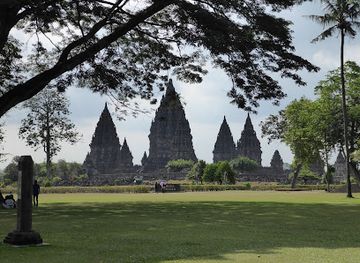
Hindu temple
Prambanan Temple
Explore the grandeur of Prambanan Temple, Indonesia's iconic Hindu temple complex, rich in history, culture, and stunning architecture.
-
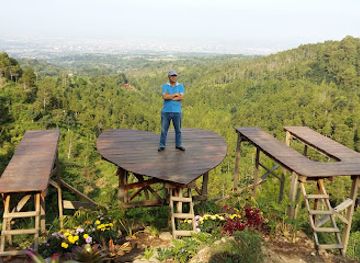
Museum
Museum Angkut
Explore the fascinating world of transportation at Museum Angkut in Batu, East Java, featuring a diverse collection of vehicles and immersive exhibits.
-
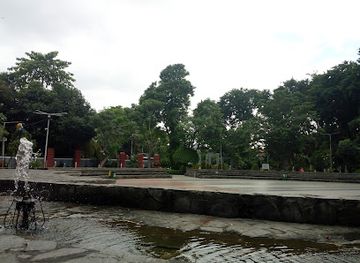
City park
Bungkul Park
Bungkul Park: Experience Surabaya's lush urban oasis, where nature, culture, and community thrive in East Java.
-
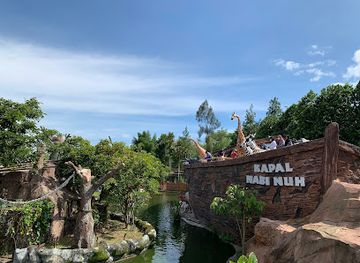
Zoo
Jawa Timur Park 2
Explore the captivating wildlife and family-friendly attractions at Jawa Timur Park 2, a top zoo destination in East Java, Indonesia.
Best landmarks in East Java
East Java, Indonesia, is a treasure trove of awe-inspiring landmarks that promise an unforgettable journey through time and nature. Marvel at the majestic Mount Bromo, where a pre-dawn trek rewards you with breathtaking sunrise views over a lunar-like landscape. Explore the ancient ruins of Trowulan, the heart of the Majapahit Empire, and lose yourself in the intricate carvings of the Candi Bajang Ratu and Candi Tikus. Dive into the lush green beauty of Ijen Crater, where turquoise acidic lakes and the mesmerizing blue fire phenomenon create a surreal experience. Wander through the historical city of Malang, adorned with Dutch colonial architecture, vibrant street art, and the whimsical Jodipan Village. Discover the serene beauty of Baluran National Park, often dubbed the 'Little Africa' of Java, with its savanna-like landscapes teeming with wildlife. These landmarks, each with its unique charm and story, beckon travelers to delve into the rich cultural tapestry and natural splendors of East Java.
-
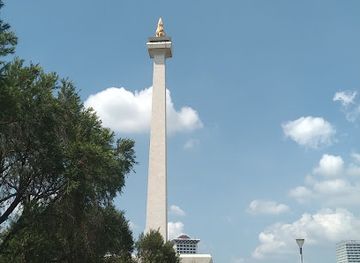
Monument
Monas
Discover the iconic Monas, a symbol of Indonesia's independence, offering stunning views and rich historical insights in the heart of Jakarta.
-
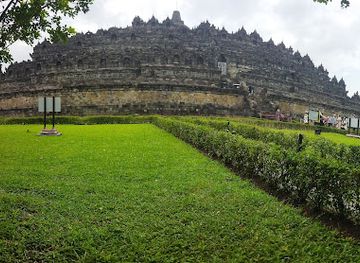
Buddhist temple
Borobudur Temple
Explore Borobudur Temple, the world's largest Buddhist temple, a UNESCO World Heritage site filled with rich history and breathtaking architecture.
-
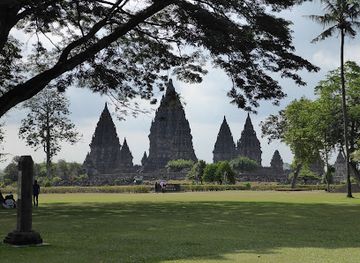
Hindu temple
Prambanan Temple
Discover the grandeur of Prambanan Temple, a UNESCO World Heritage Site and a pinnacle of Hindu architecture in Indonesia, steeped in rich history and spirituality.
-
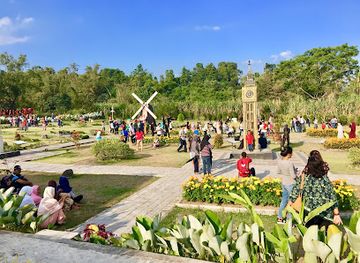
Park
Merapi Park Yogyakarta
Experience a unique blend of natural beauty and iconic landmarks at Merapi Park Yogyakarta, a perfect picnic spot for families and nature lovers.
Explore East Java on the map
Plan your trip on one map. See where the top cities, national parks and sights are, and book hotels and experiences in a few clicks.
Best hotels in East Java
Best restaurants in East Java
East Java's dining scene is a tantalizing journey through the rich tapestry of Javanese culture, offering an array of culinary delights that will captivate your taste buds. Imagine savoring the iconic rawon, a robust black beef soup infused with the earthy flavors of keluak nuts, or enjoying the succulent satay kambing, skewered and grilled to perfection. The bustling street food markets beckon with the aroma of freshly fried tempeh and the sizzling sound of bakso meatballs being prepared, while upscale restaurants serve refined takes on traditional dishes like lontong balap, a hearty mix of rice cakes, bean sprouts, and savory broth. Don’t miss the chance to try rujak cingur, a unique salad featuring cow’s snout, an East Javanese specialty that perfectly balances sweet, sour, and spicy flavors. Whether you are dining in a rustic warung or a chic modern eatery, East Java promises a memorable culinary adventure that melds time-honored recipes with contemporary flair.
-
Restaurant
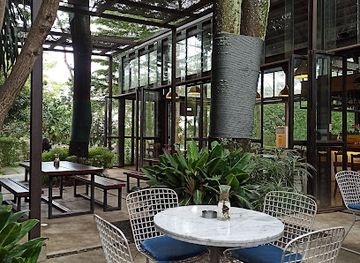
Miss Bee Providore
Discover Miss Bee Providore: A culinary haven in Bandung blending Western delights with Indonesian flavors amidst charming surroundings.
-
Indonesian
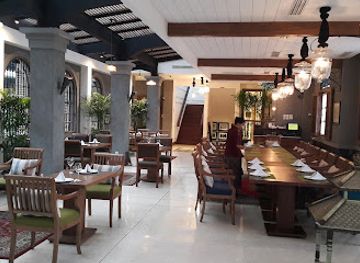
Plataran Menteng
Discover authentic Indonesian flavors at Plataran Menteng in Jakarta - where tradition meets modern culinary artistry.
-
Javanese restaurant
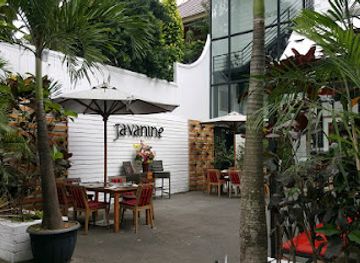
Javanine Resto
Discover authentic Javanese flavors at Javanine Resto in Malang - where every dish is a celebration of Indonesian culinary heritage.
-
Indonesian
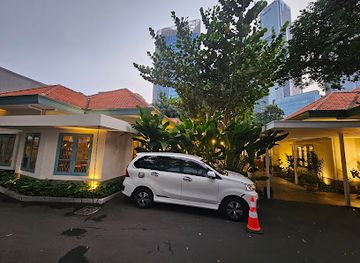
Kaum Jakarta
Discover the rich flavors of Indonesia at Kaum Jakarta—where tradition meets modernity in an unforgettable dining experience.
Best bars in East Java
East Java's nightlife is a vibrant tapestry of culture and modernity, offering a unique blend of traditional and contemporary experiences. In the bustling city of Surabaya, nightlife enthusiasts can explore a variety of stylish bars, rooftop lounges, and energetic nightclubs where local DJs spin the latest tracks. Malang, with its cooler climate, offers a more laid-back scene, featuring cozy cafes and live music venues that showcase local talent. For those seeking an authentic cultural experience, traditional Javanese performances and dance shows in cities like Kediri and Blitar provide a mesmerizing glimpse into the region's rich heritage. Whether you're sipping on a meticulously crafted cocktail with a panoramic city view or enjoying a traditional wayang kulit shadow puppet performance under the stars, East Java's nightlife promises an unforgettable adventure for every traveler.
-
Bar
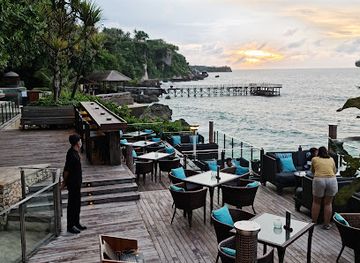
Rock Bar
Discover the magic of sunsets at Rock Bar in Bali, where stunning ocean views and exquisite cocktails create unforgettable moments.
-
Pub
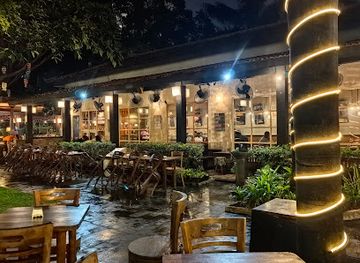
Melly's Garden
Experience the vibrant nightlife of Central Jakarta at Melly's Garden, where refreshing drinks and live music create an unforgettable atmosphere.
-
Restaurant
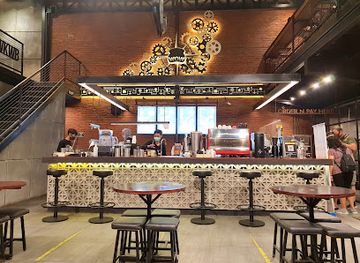
WARUNK WOW KWB
Discover the perfect blend of delicious cuisine, live music, and a vibrant atmosphere at WARUNK WOW KWB in Batu City, East Java.
-
Lounge
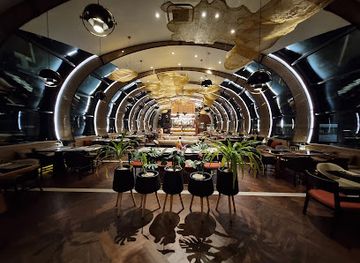
SKYDOME Golden Tulip Holland Resort Batu
Experience luxury and relaxation at SKYPDOME Golden Tulip Holland Resort Batu, where breathtaking views meet exquisite dining in East Java's serene hills.
Best nightclubs in East Java
East Java's nightlife is a vibrant tapestry of culture and modernity, offering a unique blend of traditional and contemporary experiences. In the bustling city of Surabaya, nightlife enthusiasts can explore a variety of stylish bars, rooftop lounges, and energetic nightclubs where local DJs spin the latest tracks. Malang, with its cooler climate, offers a more laid-back scene, featuring cozy cafes and live music venues that showcase local talent. For those seeking an authentic cultural experience, traditional Javanese performances and dance shows in cities like Kediri and Blitar provide a mesmerizing glimpse into the region's rich heritage. Whether you're sipping on a meticulously crafted cocktail with a panoramic city view or enjoying a traditional wayang kulit shadow puppet performance under the stars, East Java's nightlife promises an unforgettable adventure for every traveler.
-
Lounge
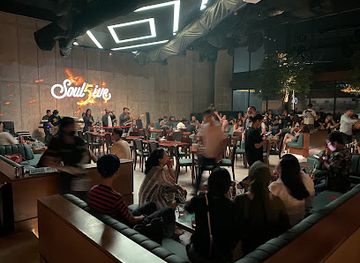
W Super Club Basra Surabaya
Experience the vibrant nightlife at W Super Club Basra Surabaya, where great drinks and an electric ambiance await you.
-
Night club
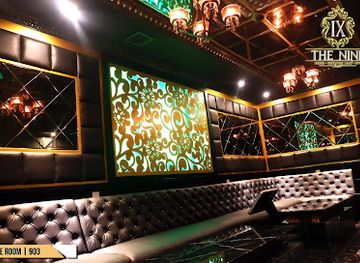
THE NINE CLUB & KTV
Discover the vibrant nightlife of Malang at The Nine Club & KTV, where karaoke and dance come alive in an unforgettable atmosphere.
-
Disco club
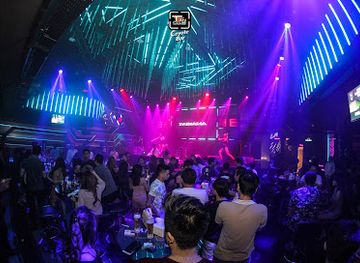
Top Ten Club Coyote Bar
Experience the vibrant nightlife at Top Ten Club Coyote Bar in Surabaya, where electrifying music and a lively atmosphere await!
-
Disco club
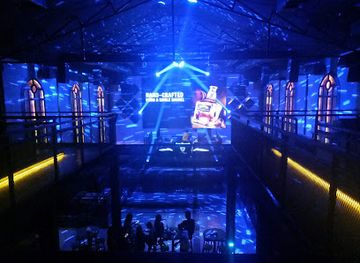
Shelter Club Surabaya
Unleash your nightlife energy at Shelter Club Surabaya, the ultimate disco destination in East Java with electrifying music and vibrant ambiance.
Best shops in East Java
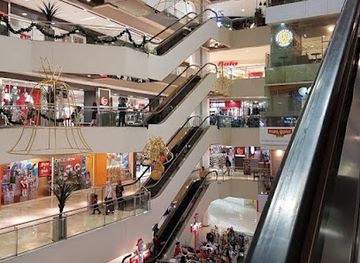
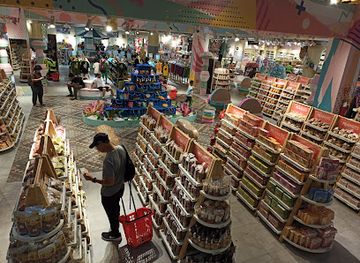
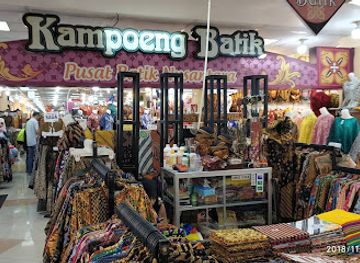
East Java's shopping scene is a vibrant tapestry of traditional and modern experiences, from bustling local markets where you can haggle for batik fabrics and intricate handicrafts, to contemporary malls in Surabaya offering international brands and high-end boutiques. Wander through the aromatic spice markets of Malang, or explore the antique shops in the historic city of Blitar, where you can find rare Javanese artifacts and vintage treasures. Don't miss the chance to visit the artisanal workshops in Banyuwangi, where you can watch skilled craftsmen create exquisite silver jewelry and pottery, making for unique souvenirs to take home. Each shopping destination in East Java provides a distinct cultural immersion, offering a glimpse into the region's rich heritage and vibrant local life.
-
Shopping mall
Tunjungan Plaza
Explore Tunjungan Plaza: Surabaya's ultimate shopping mall, offering a blend of local culture, international brands, and delightful dining options.
-
Shopping mall
The Keranjang Bali
Explore the vibrant shopping scene at The Keranjang Bali, a cultural hub for unique souvenirs and local craftsmanship in Kuta.
-
Market
Pasar Atom
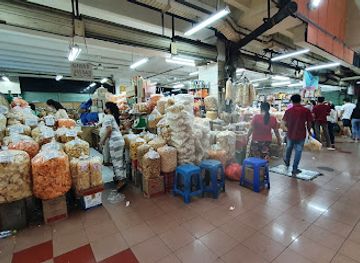
Explore the heart of Surabaya at Pasar Atom, a vibrant market offering unique textiles, local delicacies, and a taste of East Java's rich culture.
-
Shopping mall
ITC Mega Grosir Surabaya
Explore ITC Mega Grosir Surabaya for an unforgettable shopping experience filled with local treasures and global brands.
Get your free copy of our complete guide to East Java, delivered straight to you.
Everything on this page, from attractions and restaurants to essentials and local phrases, in one PDF you can read offline, print or share.
Already have an account? Sign in
Your East Java guide is ready.
We'll send it to · Not you? Sign out

Getting your guide ready…
We are putting together a fresh copy of the East Java guide. This can take up to a minute.
This can take a few moments. If your browser asks, choose Allow so the download can start. You'll find the guide in your Downloads folder.
Nothing happened? Download it again
Sorry, the guide is taking longer than usual. Please try again in a minute, or get it by email instead.
East Java essentials
Currency and Payment
Safety
Emergency Situations
Do's and Don'ts
Local Tips
From Eve
Local phrases worth knowing
You don't need to get them perfect. A few words go a long way, and locals appreciate the effort.
Basics
| English | Local | Say it |
|---|---|---|
| Hello | Halo | [Hah-loh] |
| Goodbye | Selamet tinggal | [Seh-lah-met ting-gal] |
| Yes | Ya | [Yah] |
| No | Ora | [Oh-rah] |
| Please/You're welcome | Tolong/Sama-sama | [Toh-long/Sah-mah sah-mah] |
| Thank you | Matur nuwun | [Mah-toor noo-woon] |
| Excuse me/Sorry | Nuwun sewu | [Noo-woon seh-woo] |
| How are you? | Kulo piye? | [Koo-loh pee-yeh] |
| Fine. And you? | Apik. Lan sampeyan? | [Ah-peek. Lahn sahm-peh-yan] |
| Do you speak English? | Sampeyan bisa ngomong Inggris? | [Sahm-peh-yan bee-sah ngoh-mong Ing-gris] |
| I don't understand | Aku ora paham | [Ah-koo oh-rah pah-hahm] |
Eating & Drinking
| English | Local | Say it |
|---|---|---|
| I'd like to see the menu, please | Aku pengen ndeleng menu, tolong | [Ah-koo pen-gin ndeh-leng meh-nu, toh-long] |
| I don't eat meat | Aku ora makan daging | [Ah-koo oh-rah mah-kahn dah-ging] |
| Cheers! | Sugeng ngopi! | [Soo-geng ngo-pee] |
| I would like to pay, please | Aku pengen mbayar, tolong | [Ah-koo pen-gin mbah-yar, toh-long] |
Emergencies
| English | Local | Say it |
|---|---|---|
| Help! | Tulungan! | [Too-loo-ngan] |
| Go away! | Menjauh! | [Men-jauh] |
| Call the Police! | Telpon Polisi! | [Tel-pon Poh-lee-see] |
| Call a doctor! | Telpon dokter! | [Tel-pon dok-ter] |
| I'm lost | Aku kesasar | [Ah-koo keh-sah-sar] |
| I'm ill | Aku lara | [Ah-koo lah-rah] |
Shopping
| English | Local | Say it |
|---|---|---|
| I'd like to buy... | Aku pengen tuku... | [Ah-koo pen-gin too-koo] |
| I'm just looking | Aku mung ndeleng | [Ah-koo moong ndeh-leng] |
| How much is it? | Piro regane? | [Pee-roh reh-gah-neh] |
| That's too expensive | Kuwi larang banget | [Koo-ee lah-rahng bah-ngit] |
| Can you lower the price? | Bisa turunkan regane? | [Bee-sah too-run-kahn reh-gah-neh] |
Time & Numbers
| English | Local | Say it |
|---|---|---|
| What time is it? | Jam piro? | [Jahm pee-roh] |
| It's one o'clock | Jam siji | [Jahm see-jee] |
| Half past (10) | Setengah sepuluh | [Seh-teng-ah sep-oo-looh] |
| Morning | Esuk | [Eh-sook] |
| Afternoon | Sore | [So-reh] |
| Evening | Bengi | [Beng-ee] |
| Yesterday | Kemarin | [Keh-mah-rin] |
| Today | Dina iki | [Dee-nah ee-kee] |
| Tomorrow | Esuk maneh | [Eh-sook mah-neh] |
| 1 | Siji | [See-jee] |
| 2 | Dua | [Doo-ah] |
| 3 | Tiga | [Tee-gah] |
| 4 | Sekawan | [Seh-kah-wan] |
| 5 | Lima | [Lee-mah] |
| 6 | Enem | [Eh-nem] |
| 7 | Pitu | [Pee-too] |
| 8 | Wolu | [Woh-loo] |
| 9 | Sewu | [Seh-woo] |
| 10 | Sepuluh | [Seh-poo-looh] |
Transport & Directions
| English | Local | Say it |
|---|---|---|
| Where's a/the...? | Nang endi ...? | [Nahng en-dee] |
| What's the address? | Apa alamaté? | [Ah-pah ah-lah-mah-tay] |
| Can you show me (on the map)? | Bisa nuduhake aku (ing peta)? | [Bee-sah noo-dah-hah-keh ah-koo (ing peh-tah)] |
| When's the next (bus)? | Bisa kapan bis sabanjuré? | [Bee-sah kah-pahn bees sah-bahn-joo-ray] |
| A ticket (to ...) | Sijine tiket (ke ...) | [See-jee-neh tee-ket (keh ...)] |
History of East Java
Majapahit Empire
The Majapahit Empire, which flourished from the late 13th century to the early 16th century, was one of the greatest and most powerful empires in Southeast Asian history. Its capital, Trowulan, located in present-day East Java, was a bustling metropolis and the heart of a sprawling archipelagic empire. The empire's influence extended across much of modern Indonesia, Malaysia, Singapore, and even parts of the Philippines. The Majapahit era is considered a golden age of Javanese culture, with significant developments in art, architecture, and literature.
Singhasari Kingdom
Before the rise of Majapahit, the Singhasari Kingdom (1222–1292) played a pivotal role in East Java's history. Founded by Ken Arok, a commoner who rose to power, Singhasari was known for its military prowess and cultural achievements. The kingdom's most famous ruler, Kertanegara, attempted to expand its influence through expeditions to neighboring regions. Singhasari's downfall came at the hands of the Mongol-led Yuan Dynasty, which paved the way for the rise of the Majapahit Empire.
Kediri Kingdom
The Kediri Kingdom, which flourished between the 11th and 13th centuries, is another significant historical entity in East Java. Known for its rich literary tradition, Kediri produced some of the earliest known works of Javanese literature, including the epic poem 'Kakawin Bharatayuddha'. The kingdom was a major center of commerce and culture, with extensive trade networks reaching as far as India and China. Kediri's decline eventually led to the rise of the Singhasari and Majapahit kingdoms.
Dutch Colonial Era
East Java came under Dutch colonial rule in the 18th and 19th centuries as part of the Dutch East Indies. The colonial period brought significant changes to the region's social and economic structures. Plantations, especially for sugar and coffee, were established, and infrastructure such as railways and ports was developed. However, the period was also marked by resistance and uprisings, including the notable Diponegoro War (1825–1830) led by Prince Diponegoro. The colonial legacy has left a lasting impact on East Java's cultural and architectural landscape.
Japanese Occupation
During World War II, East Java, like the rest of Indonesia, was occupied by Japanese forces from 1942 to 1945. The occupation was a period of hardship, with forced labor and severe resource exploitation. However, it also ignited a sense of nationalism among Indonesians, contributing to the struggle for independence. The Japanese occupation ended with Japan's surrender in 1945, leading to the proclamation of Indonesian independence on August 17, 1945.
Independence and Modern Era
Following Indonesia's declaration of independence in 1945, East Java played an integral role in the national struggle against Dutch efforts to reassert control. The city of Surabaya was the site of one of the most significant battles, known as the Battle of Surabaya, in November 1945. This event is commemorated annually as Heroes' Day. In the modern era, East Java has developed into a vibrant region with a rich blend of traditional and contemporary culture. Cities like Surabaya and Malang are centers of education, industry, and tourism, reflecting the dynamic spirit of the region.
Cultural Heritage
East Java is a treasure trove of cultural heritage, with numerous temples, monuments, and traditional arts. The ancient temples of Penataran, Jago, and Singosari are remnants of the region's glorious past. Traditional arts such as wayang kulit (shadow puppetry), batik, and gamelan music are still practiced and celebrated. Festivals like the Karapan Sapi (bull racing) and the Reog Ponorogo dance performance showcase the unique cultural identity of East Java's diverse communities.
East Java in Photos
Browse through our photo collection highlighting the charm and character of the destination.
Neighbouring regions of East Java
The closest regions to East Java, if you have time for more than one.
-

-

-

-

-


Swipe for more regions
Explore more

Explore more of Indonesia
Explore Indonesia: An archipelago of diverse cultures, stunning landscapes, and endless adventures from bustling cities to serene beaches.
Explore Indonesia