

Tanjung Puting National Park, Indonesia Travel Guide
Explore Tanjung Puting National Park: A sanctuary for orangutans and diverse wildlife in the heart of Borneo, Indonesia, offering boat tours and eco-friendly adventures.
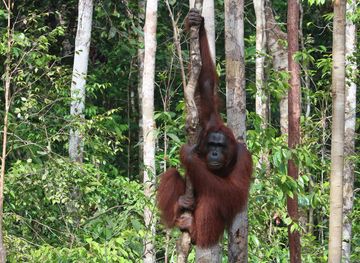
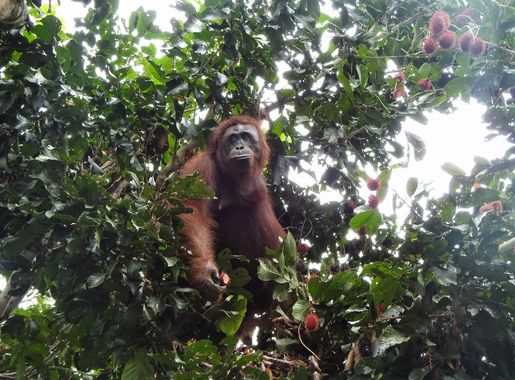
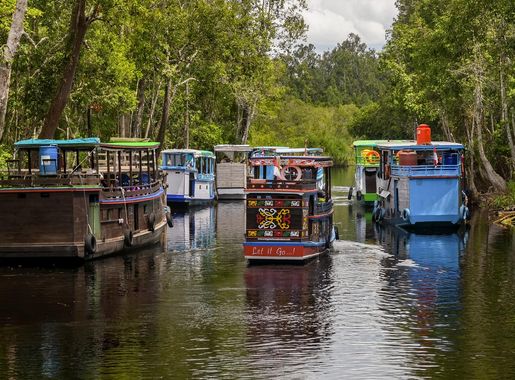
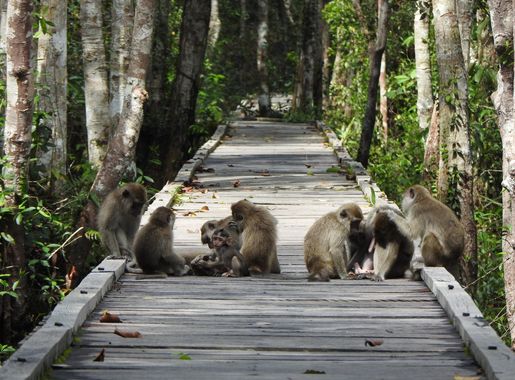
Tanjung Puting National Park, located in the heart of Borneo, Indonesia, is a sanctuary for nature and wildlife lovers. This vast and lush park is home to a rich variety of flora and fauna, making it a paradise for those seeking an immersive jungle experience. The park is best known for its orangutan conservation efforts, and visitors have the unique opportunity to see these magnificent creatures up close in their natural habitat. With guided tours and feeding stations, you can witness orangutans swinging from tree to tree, an unforgettable sight that highlights the importance of conservation. Beyond the orangutans, Tanjung Puting is also a haven for other wildlife such as proboscis monkeys, gibbons, and over 200 bird species. The park's diverse ecosystem includes lowland tropical rainforests, mangrove swamps, and coastal beach forests. Exploring this diverse landscape by boat, especially along the Sekonyer River, enhances the sense of adventure. A boat tour, known as a klotok, is a popular way to travel through the park, offering a relaxing yet thrilling way to observe the wildlife and stunning scenery. Tanjung Puting's commitment to eco-tourism means that visitors can enjoy the natural beauty while contributing to the park's conservation efforts. The local guides are knowledgeable and passionate, providing insights into the wildlife and the ongoing efforts to protect this unique environment. Whether you're a seasoned traveler or a first-time explorer, Tanjung Puting National Park offers an enriching and memorable experience that underscores the importance of preserving our planet's natural wonders.

Know before you go
Hi, I'm Eve. Here are a few practical things to know before exploring Tanjung Puting National Park.
- Book a klotok tour in advance to secure the best guides and boats.
- Bring insect repellent and lightweight, long-sleeved clothing to protect against mosquitoes.
- Carry a reusable water bottle and stay hydrated, as the tropical climate can be very humid.
- Respect the wildlife by keeping a safe distance and not feeding the animals.
- Consider visiting during the dry season (June to September) for the best weather conditions and easier wildlife spotting.
Explore Tanjung Puting National Park: Things to Do, Places to Eat, Hotels & More
Handpicked recommendations for top attractions, local dining, accommodations, and more

Best attractions in Tanjung Puting National Park
Top-rated picks
Best Attractions

Tanjung Keluang
Explore Tanjung Keluang, a stunning wildlife refuge in Central Kalimantan, where pristine beaches meet vibrant ecosystems in a paradise for nature lovers.

Orangutan Tour in Tanjung Puting by Varada Borneo
Embark on a breathtaking orangutan adventure in Tanjung Puting, exploring Borneo's lush rainforest and diverse wildlife in their natural habitat.

Camp Leakey
Experience the enchanting beauty of Camp Leakey, a vital conservation hub for orangutans in Central Kalimantan's lush rainforests.

Tanjung Puting Trip Toris Marley
Explore the lush landscapes and diverse wildlife of Tanjung Puting National Reserve, a UNESCO Biosphere Reserve in Central Kalimantan.

Best landmarks in Tanjung Puting National Park
Top-rated picks
Best Landmarks

Taman Nasional Tanjung Puting
Discover the enchanting wilderness of Taman Nasional Tanjung Puting, a national park filled with vibrant ecosystems and unique wildlife experiences.

Tanjung Puting National Park Quayside & Office
Explore the heart of Kalimantan at Tanjung Puting National Park—home to orangutans, diverse wildlife, and breathtaking natural beauty.

Tanjung Puting Trip Toris Marley
Explore the pristine wilderness of Tanjung Puting National Reserve, where adventure meets biodiversity in the heart of Central Kalimantan.

CV. DOLPHINDO / Orangutan Tour Tanjung Puting
Discover the magic of Tanjung Puting National Park with CV. DOLPHINDO, where adventure meets nature in a spectacular landscape.

Best restaurants in Tanjung Puting National Park
Top-rated picks
Best Restaurants

Rumah Bakar Semangat 47
Discover authentic Indonesian flavors at Rumah Bakar Semangat 47, where fresh grilled fish meets warm hospitality in Central Kalimantan.

Taman Nasional Tanjung Puting
Explore Taman Nasional Tanjung Puting: A National Park Rich in Biodiversity and Home to Endangered Orangutans.

Tanjung Puting National Park Quayside & Office
Discover Tanjung Puting National Park: A Biodiversity Haven and Orangutan Sanctuary in Central Kalimantan.

Rumah Makan Dunia Laut
Experience authentic Indonesian seafood at Rumah Makan Dunia Laut in Sidorejo - a culinary gem offering fresh flavors from the ocean.

Best bars in Tanjung Puting National Park
Top-rated picks
Best Bars

barru empire barber and beauty salon
Experience exceptional grooming services at Barru Empire Barber and Beauty Salon in Central Kalimantan, perfect for tourists seeking style and relaxation.

Karaokeku Pangkalan Bun
Experience the vibrant nightlife at Karaokeku Pangkalan Bun, the ultimate karaoke destination in Central Kalimantan for unforgettable fun and local culture.

Kedai Mama Ayu
Discover Kedai Mama Ayu, a cozy bar in Central Kalimantan, where local culture meets delightful drinks in a welcoming atmosphere.

Cafe Sarang
Experience the inviting atmosphere and local flavors at Cafe Sarang in Sukamara Regency, Central Kalimantan—a perfect bar for relaxation and socializing.

Best nightclubs in Tanjung Puting National Park
Top-rated picks
Best Nightclubs

Taman Nasional Tanjung Puting
Discover the lush beauty and unique wildlife of Taman Nasional Tanjung Puting, Indonesia’s premier destination for eco-tourism and adventure.

Tanjung Puting National Park Quayside & Office
Explore the stunning landscapes and diverse wildlife of Tanjung Puting National Park, a must-visit destination for eco-tourists and nature lovers.

Orangutan Tour Tanjung Puting by Varada Borneo
Explore Tanjung Puting National Park, a pristine wildlife sanctuary where orangutans roam freely in their lush natural habitat.

Tanjung Puting Trip Toris Marley
Discover the pristine beauty of Tanjung Puting National Reserve, home to orangutans and breathtaking ecosystems in Central Kalimantan.

Best shops in Tanjung Puting National Park
Top-rated picks
Best Shops

Taman Nasional Tanjung Puting
Discover the breathtaking beauty and rich biodiversity of Taman Nasional Tanjung Puting, where adventure meets conservation in the heart of Borneo.

Tanjung Puting National Park Quayside & Office
Explore Tanjung Puting National Park, a breathtaking Indonesian gem, home to orangutans and rich biodiversity waiting to be discovered.

Kawal Pusat Oleh-Oleh Pangkalan Bun
Explore Kawal Pusat Oleh-Oleh Pangkalan Bun, the ultimate destination for authentic Indonesian gifts, local crafts, and memorable souvenirs in Central Kalimantan.

Toko Oleh Oleh Salbiah Abuk
Explore Toko Oleh Oleh Salbiah Abuk for unique Kalimantan souvenirs, local delicacies, and cultural treasures that capture the essence of Central Kalimantan.

Explore Tanjung Puting National Park on the Map
A handpicked selection of must-see spots in Tanjung Puting National Park, mapped for you.
Tanjung Puting National Park Essentials
-
Tanjung Puting National Park is located in Central Kalimantan on the island of Borneo, Indonesia. The nearest airport is Iskandar Airport in Pangkalan Bun, which is accessible via domestic flights from major Indonesian cities such as Jakarta and Surabaya. From Pangkalan Bun, you can take a taxi or an arranged transfer to the port of Kumai, which is about 20 kilometers away. From Kumai, you can board a traditional wooden klotok boat that will take you into the park via the Sekonyer River.
-
Within the park, the primary mode of transportation is by klotok boat, which serves as both a means of travel and accommodation for many visitors. These boats are equipped with basic amenities and offer a unique way to experience the park's wildlife and scenery. In the town of Pangkalan Bun, taxis and motorcycle taxis (ojek) are available for getting around. Public buses and minibuses (angkot) also operate but may be less reliable for tourists.
-
The official currency in Indonesia is the Indonesian Rupiah (IDR). Credit cards are accepted in some hotels and restaurants in Pangkalan Bun, but cash is essential for most transactions, especially within the park. ATMs are available in Pangkalan Bun, but it's advisable to withdraw sufficient cash before heading to the park, as there are no banking facilities within Tanjung Puting.
-
Tanjung Puting National Park is generally safe for tourists. However, like any travel destination, it is important to take standard precautions. Avoid walking alone at night in unfamiliar areas, and always keep an eye on your belongings. Pangkalan Bun and Kumai are relatively safe, but it is always best to stay vigilant. There are no specific high-crime areas targeting tourists in these towns, but general caution is advised.
-
In case of an emergency, dial 112 for immediate assistance. The local police station and medical facilities are available in Pangkalan Bun. It is strongly recommended to have travel insurance that covers medical emergencies. For minor health issues, there are pharmacies in Pangkalan Bun where you can purchase over-the-counter medications. Always inform your boat operator of any health conditions or special requirements before embarking on the river journey.
-
Fashion: Do wear lightweight, long-sleeved clothing to protect against sun and insect bites. Avoid flashy or revealing clothing. Religion: Do respect local customs and traditions. Public Transport: Do be respectful and patient. Don't bargain aggressively with taxi or ojek drivers. Greetings: Do greet people with a smile and a slight bow of the head. Handshakes are common but use your right hand. Eating & Drinking: Do try local dishes and accept food offerings graciously. Don't refuse food or drink without a polite reason, as it may be considered impolite.
-
To experience Tanjung Puting National Park like a local, consider hiring a knowledgeable local guide who can offer insights into the area's wildlife and conservation efforts. Visit the orangutan feeding stations at Camp Leakey, Tanjung Harapan, and Pondok Tanggui to see these magnificent animals up close. Engage with the boat crew and learn about their daily lives and experiences. Don't miss out on night-time boat rides to see fireflies illuminating the riverbanks.
When is the best time to visit Tanjung Puting National Park?
Useful Local Phrases for Tanjung Puting National Park
You don't need to speak the language perfectly. Even learning a few simple words can make conversations warmer—and locals usually appreciate the effort.
— Eve

Here are the phrases I use most often in Tanjung Puting National Park. Try a few—you'll be surprised how far they go! 😊
❤️
-
- HelloHai
[hɑi] - GoodbyeSelamat tinggal
[səˈlamat ˈtɪŋɡal] - YesYa
[ja] - NoTidak
[ˈtidak] - Please/You're welcomeTolong
[ˈtolonɡ] - Thank youTerima kasih
[təˈrima kaˈsih] - Excuse me/SorryMaaf
[maˈaf] - How are you?Apa kabar?
[ˈapa ˈkabar] - Fine. And you?Baik. Dan kamu?
[baɪk dæn ˈkamu] - Do you speak English?Bisa bicara bahasa Inggris?
[ˈbisa biˈtʃara baˈhasa ˈiŋɡris] - I don't understandSaya tidak mengerti
[saˈja ˈtidak məŋˈɡərti]
- HelloHai
-
- I'd like to see the menu, pleaseSaya ingin melihat menu, tolong
[ˈsaʝa ˈiŋɪn məˈlihat ˈmenu ˈtolonɡ] - I don't eat meatSaya tidak makan daging
[saˈja ˈtidak ˈmakan ˈdaɪ̯aŋ] - Cheers!Selamat minum!
[səˈlamat ˈminum] - I would like to pay, pleaseSaya ingin membayar, tolong
[ˈsaʝa ˈiŋɪn məmˈbaɪ̯ar ˈtolonɡ]
- I'd like to see the menu, pleaseSaya ingin melihat menu, tolong
-
- Help!Tolong!
[ˈtolonɡ] - Go away!Pergi!
[ˈpərɡi] - Call the Police!Panggil polisi!
[ˈpaŋɡɪl poˈlisi] - Call a doctor!Panggil dokter!
[ˈpaŋɡɪl ˈdɔkter] - I'm lostSaya tersesat
[saˈja tərˈsəsat] - I'm illSaya sakit
[saˈja ˈsakit]
- Help!Tolong!
-
- I'd like to buy...Saya ingin membeli...
[ˈsaʝa ˈiŋɪn məmˈbəli] - I'm just lookingSaya hanya melihat-lihat
[saˈja ˈhanya məˈlihat ˈlihat] - How much is it?Berapa harganya?
[bəˈrapa haˈrɡanja] - That's too expensiveItu terlalu mahal
[ˈitu tərˈlalu maˈhal] - Can you lower the price?Bisa kurangi harganya?
[ˈbisa kuˈraŋɪ haˈrɡanja]
- I'd like to buy...Saya ingin membeli...
-
- What time is it?Jam berapa sekarang?
[dʒam bəˈrapa səˈkarəŋ] - It's one o'clockSekarang pukul satu
[səˈkarəŋ puˈkul ˈsatu] - Half past (10)Setengah (sepuluh)
[səˈtəŋa (səˈpuluh)] - MorningPagi
[ˈpaɡi] - AfternoonSore
[ˈsɔrə] - EveningMalam
[ˈmalam] - YesterdayKemarin
[kəˈmariŋ] - TodayHari ini
[ˈhari ˈini] - TomorrowBesok
[ˈbəsok] - 1Satu
[ˈsatu] - 2Dua
[ˈdua] - 3Tiga
[ˈtiɡa] - 4Empat
[ˈəmpat] - 5Lima
[ˈlima] - 6Enam
[ˈənam] - 7Tujuh
[ˈtujuh] - 8Delapan
[dəˈlapan] - 9Sembilan
[səmˈbilan] - 10Sepuluh
[səˈpuluh]
- What time is it?Jam berapa sekarang?
-
- Where's a/the...?Dimana ada/ada...
[diˈmana ˈada/ˈada] - What's the address?Alamatnya dimana?
[aˈlamatnja diˈmana] - Can you show me (on the map)?Bisa tunjukkan saya (di peta)?
[ˈbisa ˈtundʒukkan ˈsaʝa (di ˈpəta)] - When's the next (bus)?Kapan yang berikutnya (bis)?
[kaˈpan jaŋ bəˈrutnja (bis)] - A ticket (to ....)Tiket (ke ....)
[ˈtikət (kə)]
- Where's a/the...?Dimana ada/ada...
History of Tanjung Puting National Park
-
Tanjung Puting National Park was officially established in 1982, although its history as a protected area dates back to the early 20th century. The area was initially designated as a game reserve by the Dutch colonial government in 1937. Over time, its status evolved through various administrative changes until it was declared a national park by the Indonesian government.
-
Dr. Biruté Galdikas, a renowned primatologist, played a crucial role in bringing international attention to Tanjung Puting. Starting her research in the early 1970s, she established Camp Leakey within the park, which became a center for the study and rehabilitation of orangutans. Her work has been instrumental in conservation efforts and in raising global awareness about the plight of orangutans.
-
The Dayak people, indigenous to the Borneo region, have a rich cultural heritage that is closely tied to the forests of Tanjung Puting. Traditionally, they practiced sustainable agriculture and had deep spiritual connections to the land. The Dayak's knowledge of local flora and fauna has been invaluable in the conservation of the national park.
-
Tanjung Puting National Park has faced numerous conservation challenges, including illegal logging, mining, and palm oil plantations. Despite these threats, concerted efforts by the Indonesian government, NGOs, and local communities have been made to protect and restore the park's biodiversity. Various programs have been implemented to combat deforestation and illegal activities within the park.
-
In recent decades, Tanjung Puting has become a popular destination for ecotourism. The park offers visitors the chance to see orangutans, proboscis monkeys, and other wildlife in their natural habitats. Ecotourism has provided an economic incentive for conservation, as local communities benefit from the influx of tourists, creating a model for sustainable development.
-
Since its early days, Tanjung Puting has attracted explorers and researchers interested in its unique biodiversity. Notable scientific expeditions have documented the park's diverse ecosystems, contributing to our understanding of tropical rainforests. These studies have helped shape conservation strategies and policies to protect the park's natural resources.
Neighbouring destination travel guides
Browse our curated selection of top destinations, scenic points, and must-visit spots in the area.


Your all‑in‑one travel companion app
Explore expert travel guides, compare and book tours, experiences, hotels, and more—all from the palm of your hand. Download now for seamless trip planning wherever your wanderlust takes you.


Explore More of Central Kalimantan
Looking beyond Tanjung Puting National Park? Discover Central Kalimantan for broader travel guides, local hot-spots, and regional highlights.
Explore Central KalimantanExplore More of Indonesia

Looking beyond Tanjung Puting National Park? Discover Indonesia for broader travel guides, local hot-spots, and regional highlights.
Explore IndonesiaTanjung Puting National Park in Photos
Browse through our photo collection highlighting the charm and character of the destination.





The Wildlife Haven of Tanjung Puting National Park
Tanjung Puting National Park, located in the heart of Borneo, Indonesia, is a sanctuary for nature and wildlife lovers. This vast and lush park is home to a rich variety of flora and fauna, making it a paradise for those seeking an immersive jungle experience. The park is best known for its orangutan conservation efforts, and visitors have the unique opportunity to see these magnificent creatures up close in their natural habitat. With guided tours and feeding stations, you can witness orangutans swinging from tree to tree, an unforgettable sight that highlights the importance of conservation. Beyond the orangutans, Tanjung Puting is also a haven for other wildlife such as proboscis monkeys, gibbons, and over 200 bird species. The park's diverse ecosystem includes lowland tropical rainforests, mangrove swamps, and coastal beach forests. Exploring this diverse landscape by boat, especially along the Sekonyer River, enhances the sense of adventure. A boat tour, known as a klotok, is a popular way to travel through the park, offering a relaxing yet thrilling way to observe the wildlife and stunning scenery. Tanjung Puting's commitment to eco-tourism means that visitors can enjoy the natural beauty while contributing to the park's conservation efforts. The local guides are knowledgeable and passionate, providing insights into the wildlife and the ongoing efforts to protect this unique environment. Whether you're a seasoned traveler or a first-time explorer, Tanjung Puting National Park offers an enriching and memorable experience that underscores the importance of preserving our planet's natural wonders.