

Raja Ampat, Indonesia Travel Guide
Explore Raja Ampat, a remote archipelago in Indonesia known for its breathtaking marine biodiversity, pristine beaches, and lush rainforests.
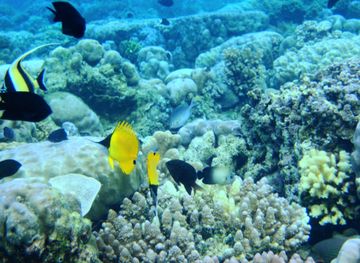
Raja Ampat, located in the heart of the Coral Triangle, is a paradise for nature lovers and adventure seekers. This remote archipelago consists of over 1,500 small islands, cays, and shoals, offering a stunning diversity of marine life and pristine beaches. The name 'Raja Ampat' translates to 'Four Kings,' referring to the four main islands: Waigeo, Batanta, Salawati, and Misool. Each island has its own unique charm and ecosystems, making it a perfect destination for exploration. Diving and snorkeling are among the top activities in Raja Ampat, thanks to its crystal-clear waters and rich underwater biodiversity. The coral reefs are home to over 1,300 species of fish and 600 types of coral, making it one of the most biodiverse marine habitats on the planet. Popular dive sites include Cape Kri, Manta Ridge, and Misool Island, where you can encounter manta rays, sharks, and colorful coral gardens. Beyond its underwater wonders, Raja Ampat boasts lush rainforests, hidden lagoons, and ancient rock paintings. Birdwatching enthusiasts can spot the iconic Wilson's Bird of Paradise and the Red Bird of Paradise in their natural habitats. The local Papuan culture adds another layer of richness to your visit, with opportunities to experience traditional dances, crafts, and village life. Sustainable tourism is a key focus in Raja Ampat, with many eco-friendly resorts and conservation projects in place. Visitors are encouraged to respect the local environment and contribute to ongoing conservation efforts. Whether you're an avid diver, a nature lover, or simply looking to escape to a remote tropical paradise, Raja Ampat offers an unforgettable experience.

Know before you go
Hi, I'm Eve. Here are a few practical things to know before exploring Raja Ampat.
- Best time to visit is between October and April when the seas are calm and visibility is excellent for diving.
- Bring cash as ATMs are scarce and many places do not accept credit cards.
- Pack eco-friendly sunscreen to protect the coral reefs.
- Consider staying in eco-resorts to support local conservation efforts.
- Respect local customs and traditions when visiting villages.
Explore Raja Ampat: Things to Do, Places to Eat, Hotels & More
Handpicked recommendations for top attractions, local dining, accommodations, and more

Best attractions in Raja Ampat
Top-rated picks
Best Attractions

Piaynemo Raja Ampat
Experience the unparalleled beauty of Piaynemo in Raja Ampat, a natural paradise with stunning vistas and rich marine life, perfect for adventure and relaxation.

Telaga Bintang - Raja Ampat
Explore the breathtaking beauty and vibrant marine life of Telaga Bintang, a hidden gem in the enchanting Raja Ampat archipelago.

Pulau Matan Sorong Papua Barat
Explore the pristine beaches, vibrant coral reefs, and rich culture of Pulau Matan in Raja Ampat, a true paradise for nature lovers and adventure seekers.

Sauwandarek Village
Discover the beauty of Sauwandarek Village in Raja Ampat, where breathtaking underwater adventures meet rich cultural experiences.

Best landmarks in Raja Ampat
Top-rated picks
Best Landmarks

Piaynemo Raja Ampat
Experience the breathtaking views and vibrant marine life at Piaynemo, a paradise in Raja Ampat, Indonesia, perfect for nature lovers and adventure seekers.

Telaga Bintang - Raja Ampat
Explore the breathtaking beauty of Telaga Bintang in Raja Ampat, a paradise for snorkeling, diving, and cultural experiences amidst stunning natural landscapes.

Pulau Matan Sorong Papua Barat
Explore the stunning beauty and vibrant marine life of Pulau Matan Sorong, a hidden gem in Raja Ampat, West Papua.
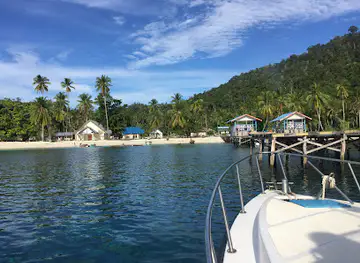
Sauwandarek Village
Explore the stunning natural beauty and rich culture of Sauwandarek Village in Raja Ampat, a hidden gem in West Papua, Indonesia.

Best restaurants in Raja Ampat
Top-rated picks
Best Restaurants

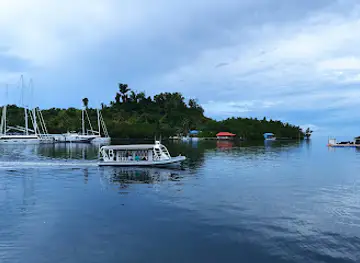
Meridian Adventure Scuba Dive Resort & Marina
Experience world-class diving and serene relaxation at Meridian Adventure Scuba Dive Resort & Marina in Raja Ampat's stunning natural beauty.
Rumah Makan Sederhana
Experience authentic Javanese cuisine at Rumah Makan Sederhana in Raja Ampat - a culinary gem surrounded by natural beauty.
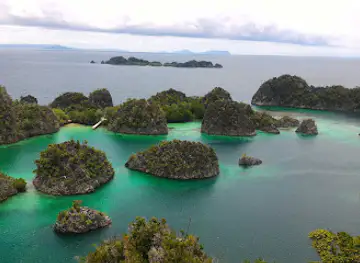
Warung Cahaya Bone Waisai Raja Ampat
Discover the flavors of Indonesia at Warung Cahaya Bone in Raja Ampat – where fresh seafood meets traditional hospitality.

Rumah Makan PONDOK LESEHAN
Experience authentic Indonesian cuisine at Rumah Makan PONDOK LESEHAN in Raja Ampat - where local flavors meet warm hospitality.

Best bars in Raja Ampat
Top-rated picks
Best Bars

Meridian Adventure Scuba Dive Resort & Marina
Explore the vibrant underwater world at Meridian Adventure Scuba Dive Resort & Marina, where adventure meets luxury in Raja Ampat.

Rumah Makan Sederhana
Experience the essence of Javanese cuisine in the heart of Raja Ampat at Rumah Makan Sederhana, where every dish tells a story.

Logband Cozy Resto & Bakery Waisai
Discover the exquisite seafood and baked delights at Logband Cozy Resto & Bakery in the enchanting Raja Ampat.

Warung Begadang
Discover the flavors of Indonesia at Warung Begadang, a charming restaurant in Raja Ampat offering delicious local cuisine in a vibrant atmosphere.

Best nightclubs in Raja Ampat
Top-rated picks
Best Nightclubs

MONALISA CLUB (KARAOKE)
Discover the exhilarating nightlife of Sorong at MONALISA CLUB, where karaoke meets disco for an unforgettable evening of music and fun.

AS Karaoke & Restaurant
Discover a lively blend of dining and entertainment at AS Karaoke & Restaurant in Sorong, West Papua - a perfect spot for food and fun!

STARLIGHT EXECUTIVE CLUB
Discover the lively nightlife at Starlight Executive Club in Sorong City, where music and dance create unforgettable moments in West Papua.

Pandora Bar
Discover the vibrant nightlife of Sorong at Pandora Bar, where local flavors and lively music create an unforgettable experience.

Best shops in Raja Ampat
Top-rated picks
Best Shops

Souvenir T-shirt Store Raja Ampat
Explore the vibrant Souvenir T-shirt Store in Raja Ampat for unique apparel that captures the spirit of West Papua's breathtaking landscapes and culture.

Icon Raja Ampat
Explore Icon Raja Ampat, a charming souvenir store offering unique handmade crafts and clothing that celebrate the culture of West Papua.

Toko Dua Saudara
Discover local flavors and essential goods at Toko Dua Saudara, your go-to grocery store in the heart of Raja Ampat.

Toko Pin Manya Art Shop
Explore Toko Pin Manya Art Shop for authentic handcrafted treasures in the heart of Raja Ampat, West Papua.

Explore Raja Ampat on the Map
A handpicked selection of must-see spots in Raja Ampat, mapped for you.
Raja Ampat Essentials
-
Raja Ampat is located in the province of West Papua, Indonesia. The main gateway to Raja Ampat is through Sorong, which has an airport, Domine Eduard Osok Airport (SOQ), that receives flights from major cities in Indonesia such as Jakarta and Makassar. From Sorong, you will need to take a ferry to Waisai, the capital of Raja Ampat. Ferries run daily, and the journey typically takes about 2 to 3 hours.
-
Once in Raja Ampat, transportation options are relatively limited as it is an archipelago. The primary means of getting around are boats and speedboats, which can be chartered from local operators. For exploring specific islands, you may find motorbikes and bicycles for rent in Waisai and other larger islands. Walking is also a common way to explore the immediate vicinity of your accommodation.
-
The official currency in Indonesia is the Indonesian Rupiah (IDR). While some high-end resorts and dive centers may accept credit cards, cash is the most widely accepted form of payment. ATMs are available in Sorong and Waisai, but it is advisable to carry sufficient cash, especially if you plan to visit remote islands where banking facilities are limited. Foreign currency exchange services are also available in Sorong.
-
Raja Ampat is generally considered safe for tourists. However, standard travel precautions should be taken. Avoid displaying valuable items and always secure your belongings. While there are no specific high-crime areas targeting tourists, it is best to stay vigilant and aware of your surroundings, especially in crowded places and during boat transfers.
-
In case of an emergency, the local emergency number is 112. Medical facilities are available in Waisai, but they may not be equipped for serious conditions. For critical health issues, evacuation to Sorong or a major city may be necessary. It is highly recommended to have comprehensive travel insurance that covers medical evacuations. For minor health concerns, there are pharmacies in Waisai where you can purchase over-the-counter medications.
-
Fashion: Do wear modest and respectful clothing, especially when visiting local villages. Avoid wearing revealing attire. Religion: Do respect local customs and traditions. If you visit a mosque, dress modestly and remove your shoes before entering. Public Transport: Do be patient and respectful when using public transport options like ferries. Don't rush or push when boarding. Greetings: Do greet locals with a smile or a nod. A polite 'Selamat pagi' (Good morning) is always appreciated. Eating & Drinking: Do try local delicacies and fish dishes. Don't waste food, as it is considered disrespectful.
-
To experience Raja Ampat like a local, consider staying in a homestay, which allows you to engage closely with the local community. Visit local markets to buy fresh fish and produce. Engage in local customs and traditions, and always ask for permission before taking photographs of people. For an authentic experience, join a local guide on a birdwatching tour to see the famous Birds of Paradise.
When is the best time to visit Raja Ampat?
Useful Local Phrases for Raja Ampat
You don't need to speak the language perfectly. Even learning a few simple words can make conversations warmer—and locals usually appreciate the effort.
— Eve

Here are the phrases I use most often in Raja Ampat. Try a few—you'll be surprised how far they go! 😊
❤️
-
- HelloHalo
[ha-lo] - GoodbyePapae
[pa-pa-e] - YesIya
[ee-ya] - NoTidak
[tee-dak] - Please/You're welcomeTolong
[toh-long] - Thank youTerima kasih
[te-ree-ma ka-see] - Excuse me/SorryMaaf
[mah-ahf] - How are you?Apa kabar?
[ah-pa ka-bar] - Fine. And you?Baik. Kamu?
[bai-k. ka-moo] - Do you speak English?Bisa bicara bahasa Inggris?
[bee-sa bee-cha-ra ba-ha-sa ing-grees] - I don't understandSaya tidak mengerti
[sa-ya tee-dak me-ngair-tee]
- HelloHalo
-
- I'd like to see the menu, pleaseSaya ingin melihat menu, tolong
[sa-ya in-gin me-lee-hat me-nu, toh-long] - I don't eat meatSaya tidak makan daging
[sa-ya tee-dak ma-kan da-yang] - Cheers!Selamat minum!
[se-la-mat mee-noom] - I would like to pay, pleaseSaya ingin membayar, tolong
[sa-ya in-gin mem-ba-yar, toh-long]
- I'd like to see the menu, pleaseSaya ingin melihat menu, tolong
-
- Help!Tolong!
[toh-long] - Go away!Pergi!
[per-gee] - Call the Police!Panggil polisi!
[pang-geel po-lee-see] - Call a doctor!Panggil dokter!
[pang-geel dok-ter] - I'm lostSaya tersesat
[sa-ya ter-se-sat] - I'm illSaya sakit
[sa-ya sa-kit]
- Help!Tolong!
-
- I'd like to buy...Saya ingin membeli...
[sa-ya in-gin mem-be-lee] - I'm just lookingSaya hanya melihat-lihat
[sa-ya han-ya me-lee-hat-lee-hat] - How much is it?Berapa harganya?
[be-ra-pa har-ga-nya] - That's too expensiveItu terlalu mahal
[ee-too ter-la-lu ma-hal] - Can you lower the price?Bisa kurangi harganya?
[bee-sa koo-ran-gee har-ga-nya]
- I'd like to buy...Saya ingin membeli...
-
- What time is it?Jam berapa sekarang?
[jam be-ra-pa se-ka-rang] - It's one o'clockJam satu
[jam sa-too] - Half past (10)Setengah (sepuluh)
[se-ten-gah (se-poo-loo)] - MorningPagi
[pa-gee] - AfternoonSore
[so-re] - EveningMalam
[ma-lam] - YesterdayKemarin
[ke-ma-rin] - TodayHari ini
[ha-ree ee-nee] - TomorrowBesok
[be-sok] - 1Satu
[sa-too] - 2Dua
[doo-a] - 3Tiga
[tee-ga] - 4Empat
[em-pat] - 5Lima
[lee-ma] - 6Enam
[e-nam] - 7Tujuh
[too-joo] - 8Delapan
[de-la-pan] - 9Sembilan
[sem-bee-lan] - 10Sepuluh
[se-poo-loo]
- What time is it?Jam berapa sekarang?
-
- Where's a/the...?Dimana ada/ada...
[dee-ma-na a-da/a-da] - What's the address?Apa alamatnya?
[ah-pa a-la-mat-nya] - Can you show me (on the map)?Bisa tunjukkan saya (di peta)?
[bee-sa toon-jook-kan sa-ya (dee pe-ta)] - When's the next (bus)?Kapan yang berikutnya (bus)?
[ka-pan yang be-roo-keet-nya (boos)] - A ticket (to ....)Tiket (ke ....)
[tee-ket (ke)]
- Where's a/the...?Dimana ada/ada...
History of Raja Ampat
-
Raja Ampat, an archipelago comprising over 1,500 small islands, cays, and shoals, is located off the northwest tip of Bird's Head Peninsula on the island of New Guinea, in Indonesia's West Papua province. The name 'Raja Ampat' translates to 'Four Kings,' which refers to the four main islands of Misool, Salawati, Batanta, and Waigeo. The area has been inhabited for thousands of years by indigenous Papuan tribes, who developed a rich culture and history influenced by their maritime environment.
-
In the 15th century, Raja Ampat came under the influence of the Sultanate of Tidore, a powerful sultanate that controlled much of the region's spice trade. The local chiefs, or 'rajas,' paid tribute to the Sultan of Tidore. This relationship established the foundation for the name 'Raja Ampat,' as the four main islands were each ruled by a local king who acknowledged the Sultan’s supremacy.
-
During the 16th and 17th centuries, European explorers, including the Portuguese and the Dutch, arrived in the region seeking control over the lucrative spice trade. The Dutch East India Company (VOC) eventually established dominance over the area, integrating it into their extensive colonial network. The Dutch influence brought significant changes, including the introduction of Christianity, which is still prominent in the region today.
-
During World War II, Raja Ampat became a strategic location due to its position in the Pacific Theater. The Japanese forces occupied the islands, using them as bases for military operations. The remnants of this period, such as sunken ships and aircraft, now form part of the underwater attractions that draw divers from around the world.
-
Following Indonesia's declaration of independence in 1945 and subsequent struggles, Raja Ampat was integrated into the Republic of Indonesia in the 1960s. The region became part of the province of West Papua. Despite its remote location, Raja Ampat has gained global recognition for its stunning natural beauty and biodiversity, leading to increased efforts to preserve its unique environment and cultural heritage.
-
The indigenous communities of Raja Ampat have maintained their cultural heritage through traditional practices, arts, and rituals. The semi-nomadic lifestyle of the sea-faring tribes, their unique languages, and traditional dances reflect the rich cultural tapestry of the region. The local communities continue to engage in sustainable fishing practices and utilize their deep knowledge of the marine environment, ensuring the preservation of their way of life and the natural resources upon which they depend.
-
In recent decades, Raja Ampat has become a focal point for marine conservation due to its unparalleled biodiversity, often referred to as the 'Amazon of the Seas.' Numerous conservation initiatives, both local and international, have been implemented to protect the coral reefs, marine life, and terrestrial ecosystems. Raja Ampat's Marine Protected Areas (MPAs) are among the most successful in the world, balancing the needs of local communities with environmental sustainability.
Neighbouring destination travel guides
Browse our curated selection of top destinations, scenic points, and must-visit spots in the area.


Your all‑in‑one travel companion app
Explore expert travel guides, compare and book tours, experiences, hotels, and more—all from the palm of your hand. Download now for seamless trip planning wherever your wanderlust takes you.


Explore More of Maluku Islands

Looking beyond Raja Ampat? Discover Maluku Islands for broader travel guides, local hot-spots, and regional highlights.
Explore Maluku IslandsExplore More of Indonesia

Looking beyond Raja Ampat? Discover Indonesia for broader travel guides, local hot-spots, and regional highlights.
Explore IndonesiaRaja Ampat in Photos
Browse through our photo collection highlighting the charm and character of the destination.



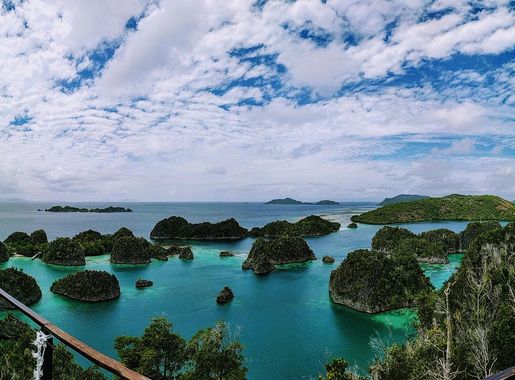


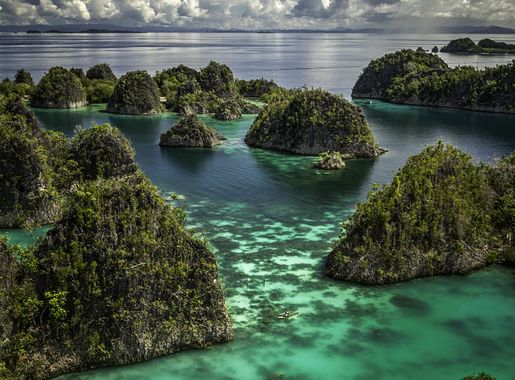
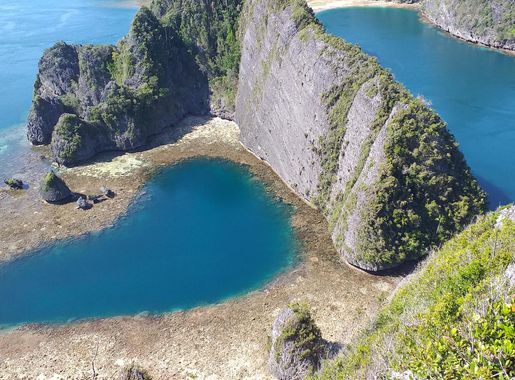
Raja Ampat: The Jewel of Indonesia's Archipelago
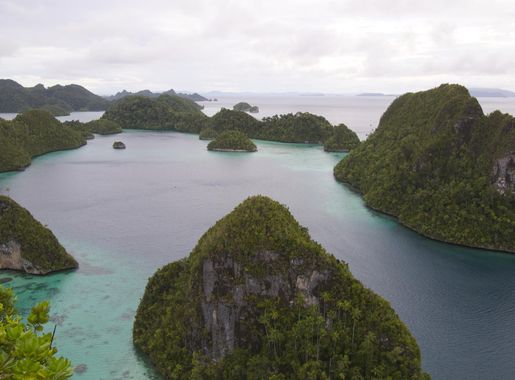
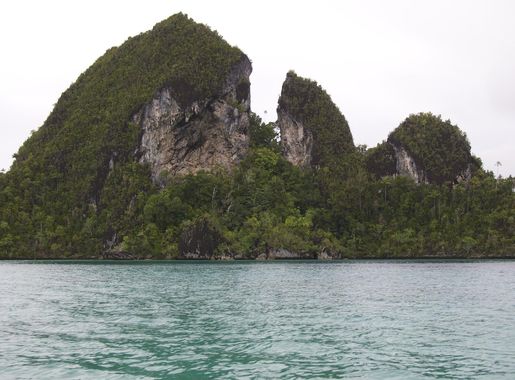
Raja Ampat, located in the heart of the Coral Triangle, is a paradise for nature lovers and adventure seekers. This remote archipelago consists of over 1,500 small islands, cays, and shoals, offering a stunning diversity of marine life and pristine beaches. The name 'Raja Ampat' translates to 'Four Kings,' referring to the four main islands: Waigeo, Batanta, Salawati, and Misool. Each island has its own unique charm and ecosystems, making it a perfect destination for exploration. Diving and snorkeling are among the top activities in Raja Ampat, thanks to its crystal-clear waters and rich underwater biodiversity. The coral reefs are home to over 1,300 species of fish and 600 types of coral, making it one of the most biodiverse marine habitats on the planet. Popular dive sites include Cape Kri, Manta Ridge, and Misool Island, where you can encounter manta rays, sharks, and colorful coral gardens. Beyond its underwater wonders, Raja Ampat boasts lush rainforests, hidden lagoons, and ancient rock paintings. Birdwatching enthusiasts can spot the iconic Wilson's Bird of Paradise and the Red Bird of Paradise in their natural habitats. The local Papuan culture adds another layer of richness to your visit, with opportunities to experience traditional dances, crafts, and village life. Sustainable tourism is a key focus in Raja Ampat, with many eco-friendly resorts and conservation projects in place. Visitors are encouraged to respect the local environment and contribute to ongoing conservation efforts. Whether you're an avid diver, a nature lover, or simply looking to escape to a remote tropical paradise, Raja Ampat offers an unforgettable experience.