

Free Ottumwa Travel Guide & Mobile App
Plan your Ottumwa trip with Evendo. Get free guides to top attractions, restaurants, hotels, and bars. Web access or download the mobile app.


Discover Ottumwa: A Scenic River Valley Gem in Iowa with Rich History, Beautiful Parks, and a Vibrant Dining Scene.
Read more about Ottumwa
When is the best time to visit Ottumwa?
Best: May, September–October · 19–26°C| Month | High (°C) | Rainfall (mm) |
|---|---|---|
| January | 2 | 22 |
| February | 4 | 23 |
| March | 10 | 41 |
| April | 17 | 76 |
| May (best) | 24 | 111 |
| June | 29 | 120 |
| July | 31 | 111 |
| August | 29 | 102 |
| September (best) | 26 | 89 |
| October (best) | 19 | 66 |
| November | 11 | 41 |
| December | 2 | 28 |
Getting to and around Ottumwa
How to get there
Transportation
Best attractions in Ottumwa
Ottumwa, Iowa offers a unique blend of historical sites and outdoor activities for visitors to enjoy. Explore the beautiful American Gothic House, the inspiration behind Grant Wood's famous painting, or take a stroll through the Wapello County Historical Museum to learn about the area's rich heritage. Outdoor enthusiasts can hike or bike along the scenic trails of Ottumwa Park or go fishing and boating on the Des Moines River. Don't miss the chance to sample delicious local cuisine at the numerous restaurants in downtown Ottumwa, or browse the charming shops for unique souvenirs. With its welcoming atmosphere and diverse attractions, Ottumwa is a hidden gem waiting to be discovered.
-
Convention center
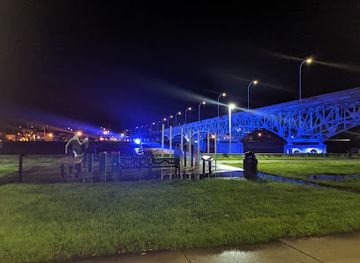
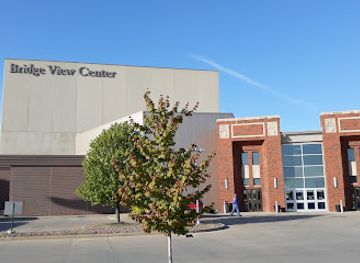
Bridge View Center
Discover the Bridge View Center in Ottumwa, Iowa - a dynamic venue for events, culture, and entertainment in the heart of the community.
6 min walk · 0.5 km from city centre
-
Tourist attraction
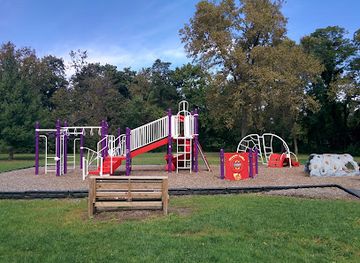
Wildwood Park
Explore Wildwood Park in Ottumwa, Iowa - a scenic oasis for nature lovers, families, and outdoor enthusiasts alike.
12 min drive · 3.8 km from city centre
-
Tourist attraction
Memorial Park
Explore the natural beauty and tranquility of Memorial Park in Ottumwa, Iowa, a perfect retreat for family fun, relaxation, and wildlife encounters.
7 min drive · 2.2 km from city centre
-
Tourist attraction
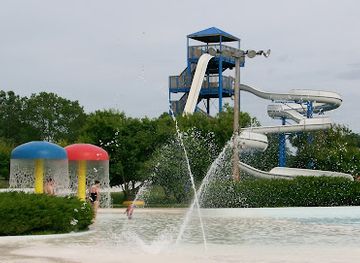
Beach Ottumwa
Experience endless summer fun at Beach Ottumwa, Iowa's top family-friendly water park with thrilling slides, relaxing pools, and adventure for all ages.
11 min walk · 0.9 km from city centre
Best landmarks in Ottumwa
Ottumwa offers visitors a unique blend of history and charm, with landmarks such as the Wapello County Historical Museum, showcasing the rich heritage of the area, and the American Gothic House, the backdrop of Grant Wood's iconic painting. Visitors can also explore the Ottumwa Coal Palace, a historic structure made entirely of coal, and enjoy the scenic views at the Chippewa Park and Bridge View Center. Whether you're interested in history, architecture, or simply soaking in the local culture, Ottumwa's landmarks have something for everyone to enjoy.
-
Restaurant
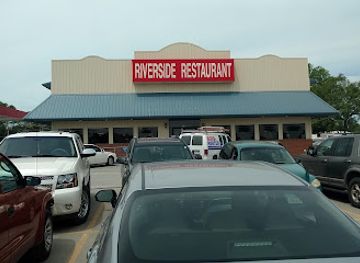
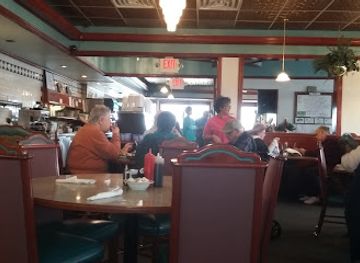
Riverside Family Restaurant
Experience classic American comfort food and friendly service at Riverside Family Restaurant, a beloved family dining destination in Ottumwa, Iowa.
6 min drive · 2.0 km from city centre
-
Sandwich
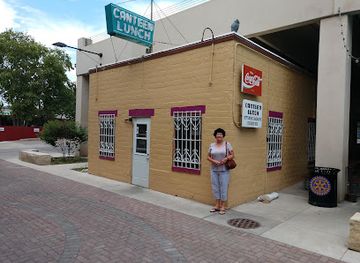
Canteen Lunch in the Alley
Experience a taste of history at Canteen Lunch in the Alley, Ottumwa's legendary diner serving up famous loose-meat sandwiches since 1927.
8 min walk · 0.6 km from city centre
-
Convention center
Bridge View Center
Ottumwa's premier event venue on the Des Moines River, hosting concerts, conferences, weddings, and more in a modern, versatile space.
6 min walk · 0.5 km from city centre
-
Restaurant
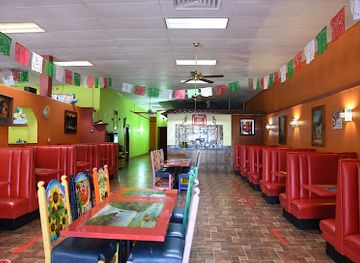
Rancho Grande
Experience authentic Mexican cuisine in a vibrant setting at Rancho Grande, Ottumwa's favorite spot for flavorful dishes and friendly service.
5 min walk · 0.4 km from city centre
Explore Ottumwa on the map
Plan your Ottumwa trip on one map. See where the top attractions, landmarks, restaurants, bars and hotels are, find what's near where you're staying, and book hotels and experiences in a few clicks.
Best hotels in Ottumwa
Best restaurants in Ottumwa
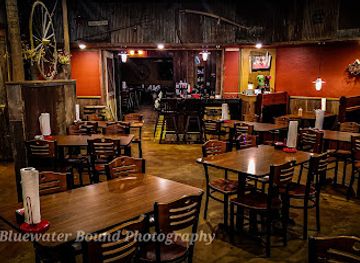
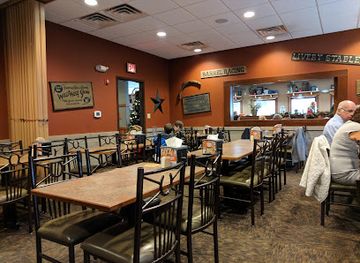
Visitors to Ottumwa can expect a diverse dining scene that caters to all tastes and preferences. From classic American diners serving up hearty breakfasts to trendy bistros offering farm-to-table cuisine, there is something for everyone. Seafood lovers will delight in the fresh catches at the local seafood restaurants, while those craving international flavors can explore the various ethnic eateries scattered throughout the city. To top it off, Ottumwa boasts a number of charming cafes and bakeries for those looking to satisfy their sweet tooth. With its welcoming atmosphere and delicious offerings, Ottumwa's dining scene is sure to leave visitors satisfied and eager to return.
-
Restaurant
Riverside Family Restaurant
Discover Riverside Family Restaurant in Ottumwa - where delicious meals meet family-friendly vibes along the scenic riverbank.
6 min drive · 2.0 km from city centre
-
Sandwich
Canteen Lunch in the Alley
Discover Canteen Lunch in the Alley: A culinary gem offering delectable sandwiches and fast food delights in Ottumwa, Iowa.
8 min walk · 0.6 km from city centre
-
Barbecue
Bubba-Q's
Discover Bubba-Q's in Ottumwa: A Barbecue Paradise Offering Mouthwatering Smoked Meats and Cozy Atmosphere.
7 min drive · 2.3 km from city centre
-
Buffet
Pizza Ranch
Experience a delightful buffet at Pizza Ranch in Ottumwa – where comfort food meets family-friendly dining!
11 min drive · 3.6 km from city centre
Best bars in Ottumwa
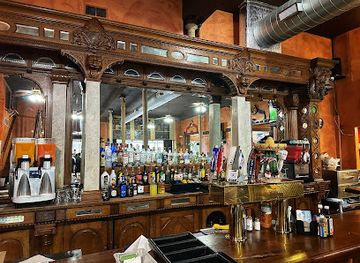
Ottumwa's nightlife scene offers a diverse range of options for visitors looking to unwind and have a good time. From cozy neighborhood bars serving up craft beers and local favorites to lively nightclubs with live music and dancing, there is something for everyone. The city's bars and nightclubs are known for their friendly atmosphere and welcoming locals, making it easy for tourists to feel right at home. Whether you're looking for a laid-back evening or a night of excitement, Ottumwa has it all.
-
Barbecue
Bubba-Q's
Experience the mouthwatering flavors of authentic barbecue at Bubba-Q's in Ottumwa, Iowa, where every bite tells a delicious story.
7 min drive · 2.3 km from city centre
-
Restaurant
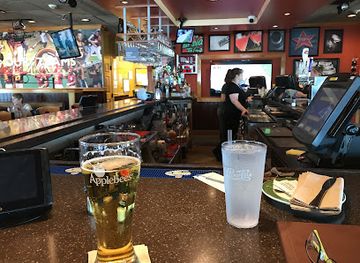
Applebee's Grill + Bar
Experience the heart of American cuisine at Applebee's Grill + Bar in Ottumwa, where delicious dishes and a warm atmosphere await.
8 min drive · 2.7 km from city centre
-
Mexican
Tequila Grill Ottumwa
Discover the essence of Mexican dining at Tequila Grill Ottumwa with authentic flavors and a vibrant atmosphere perfect for all occasions.
7 min walk · 0.6 km from city centre
-
Restaurant
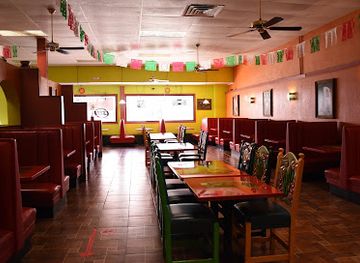
Rancho Grande
Experience authentic Mexican cuisine at Rancho Grande in Ottumwa, where vibrant flavors and a welcoming atmosphere await every visitor.
5 min walk · 0.4 km from city centre

Best nightclubs in Ottumwa
Ottumwa's nightlife scene offers a diverse range of options for visitors looking to unwind and have a good time. From cozy neighborhood bars serving up craft beers and local favorites to lively nightclubs with live music and dancing, there is something for everyone. The city's bars and nightclubs are known for their friendly atmosphere and welcoming locals, making it easy for tourists to feel right at home. Whether you're looking for a laid-back evening or a night of excitement, Ottumwa has it all.
-
Grill
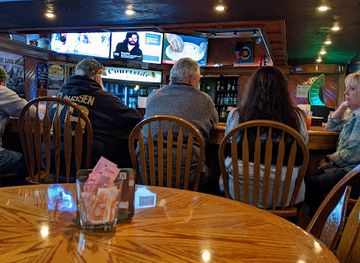
Courtside Bar & Grill
Experience delicious grill favorites and a lively bar atmosphere at Courtside Bar & Grill in Ottumwa, Iowa - perfect for food lovers and sports fans!
13 min drive · 4.2 km from city centre
-
Grill
Recovery Room
Experience the vibrant flavors of Recovery Room, a top-notch grill and breakfast restaurant in Ottumwa, Iowa, perfect for travelers and food lovers alike.
10 min drive · 3.4 km from city centre
-
Grill
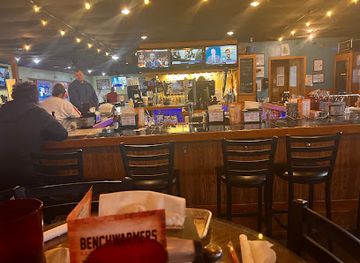
Benchwarmers Eatery & Sports
Experience the best in grill cuisine and sports entertainment at Benchwarmers Eatery & Sports in Ottumwa, Iowa.
6 min drive · 2.1 km from city centre
-
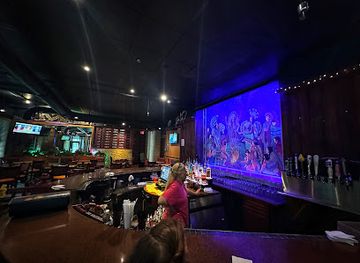
Bar
Tom-Tom Tap
Discover Tom-Tom Tap in Ottumwa, Iowa - where vibrant nightlife meets delicious food and drinks in a friendly atmosphere.
9 min walk · 0.7 km from city centre

Best shops in Ottumwa
The shopping scene in Ottumwa offers a charming mix of local boutiques, antique shops, and specialty stores that cater to every taste and budget. From unique handmade crafts to vintage treasures, visitors can explore the historic downtown area and discover hidden gems around every corner. Whether you're looking for one-of-a-kind souvenirs or trendy fashion finds, Ottumwa's shopping scene has something for everyone to enjoy.
-
Department store
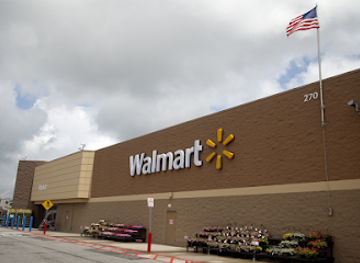
Walmart Supercenter
Discover Walmart Supercenter in Ottumwa, Iowa - a comprehensive shopping destination offering groceries, electronics, clothing, and more at budget-friendly prices.
12 min drive · 4.0 km from city centre
-
Shopping mall
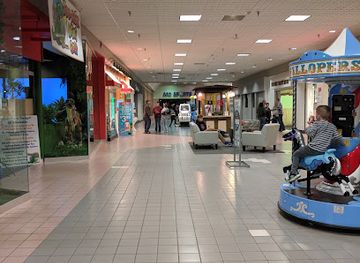
The Quincy Place Mall
Experience a diverse shopping and dining adventure at the Quincy Place Mall in Ottumwa, Iowa, the heart of community retail therapy.
7 min drive · 2.3 km from city centre
-
Craft store
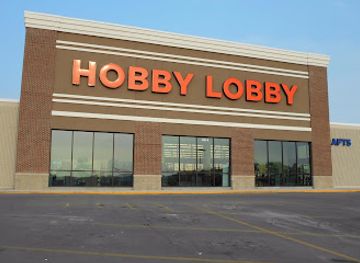
Hobby Lobby
Explore Hobby Lobby in Ottumwa, your ultimate destination for craft supplies, fabrics, and home goods to spark your creativity.
8 min drive · 2.8 km from city centre
-
Department store
Kohl's
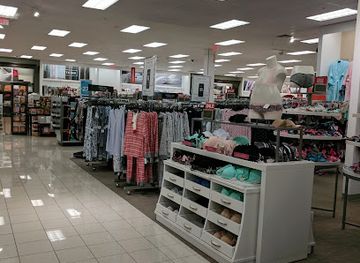
Explore Kohl's in Ottumwa for a wide selection of affordable clothing, home goods, and unique finds in a friendly shopping environment.
10 min drive · 3.2 km from city centre
Get your free copy of our complete guide to Ottumwa, delivered straight to you.
Everything on this page, from attractions and restaurants to essentials and local phrases, in one PDF you can read offline, print or share.
Already have an account? Sign in
Your Ottumwa guide is ready.
We'll send it to · Not you? Sign out

Getting your guide ready…
We are putting together a fresh copy of the Ottumwa guide. This can take up to a minute.
This can take a few moments. If your browser asks, choose Allow so the download can start. You'll find the guide in your Downloads folder.
Nothing happened? Download it again
Sorry, the guide is taking longer than usual. Please try again in a minute, or get it by email instead.
Ottumwa essentials
Currency and Payment
Safety
Emergency Situations
Do's and Don'ts
Local Tips
From Eve
Local phrases worth knowing
You don't need to get them perfect. A few words go a long way, and locals appreciate the effort.
Basics
| English | Local | Say it |
|---|---|---|
| Hello | Howdy | [haw-dee] |
| Goodbye | See ya | [see yuh] |
| Yes | Yep | [yep] |
| No | Nah | [nah] |
| Please/You're welcome | Please/No problem | [pleez/no prob-lem] |
| Thank you | Thanks | [thanks] |
| Excuse me/Sorry | Pardon me/My bad | [par-dun me/my bad] |
| How are you? | How's it going? | [hows it go-in?] |
| Fine. And you? | Good. You? | [good. yuh?] |
| Do you speak English? | Ya speak English? | [ya speak ing-glish?] |
| I don't understand | I ain't gettin' it | [I aint get-tin it] |
Eating & Drinking
| English | Local | Say it |
|---|---|---|
| I'd like to see the menu, please | Can I check out the menu? | [can I chek out the menu?] |
| I don't eat meat | I don't do meat | [I dont do meat] |
| Cheers! | Cheers! | [cheers] |
| I would like to pay, please | I'm ready to pay | [Im ready to pay] |
Emergencies
| English | Local | Say it |
|---|---|---|
| Help! | Help! | [help] |
| Go away! | Beat it! | [beat it!] |
| Call the Police! | Call the cops! | [Call the cops!] |
| Call a doctor! | Get a doc! | [get a doc!] |
| I'm lost | I'm all turned around | [Im all turned around] |
| I'm ill | I'm feelin' off | [Im feelin off] |
Shopping
| English | Local | Say it |
|---|---|---|
| I'd like to buy... | I wanna buy... | [I wanna buy] |
| I'm just looking | Just browsing | [just brows-ing] |
| How much is it? | What's the price? | [whats the price?] |
| That's too expensive | That's steep | [thats steep] |
| Can you lower the price? | Can ya drop the price? | [can ya drop the price?] |
Time & Numbers
| English | Local | Say it |
|---|---|---|
| What time is it? | What's the time? | [whats the time?] |
| It's one o'clock | It's one | [Its one] |
| Half past (10) | Half past ten | [half past ten] |
| Morning | Mornin' | [mornin] |
| Afternoon | Afternoon | [afternoon] |
| Evening | Evenin' | [evenin] |
| Yesterday | Yest'day | [yestday] |
| Today | Today | [today] |
| Tomorrow | Tomorrah | [tomorrah] |
| 1 | One | [wun] |
| 2 | Two | [too] |
| 3 | Three | [three] |
| 4 | Four | [four] |
| 5 | Five | [five] |
| 6 | Six | [six] |
| 7 | Seven | [seven] |
| 8 | Eight | [eight] |
| 9 | Nine | [nine] |
| 10 | Ten | [ten] |
Transport & Directions
| English | Local | Say it |
|---|---|---|
| Where's a/the...? | Where's the...? | [wheres the] |
| What's the address? | What's the addy? | [whats the addy] |
| Can you show me (on the map)? | Can ya show me (on the map)? | [can ya show me (on the map)] |
| When's the next (bus)? | When's the next (bus)? | [whens the next (bus)] |
| A ticket (to ....) | A ticket (to ....) | [A ticket (to)] |
History of Ottumwa
The Founding of Ottumwa
Ottumwa was established in 1843, situated along the Des Moines River in southeastern Iowa. The early settlers were drawn by the fertile land and the strategic river location which provided essential resources and transportation routes. The town quickly grew as a hub for agriculture and trade.
The Impact of the Civil War
During the Civil War, Ottumwa played a significant role as a supply depot for the Union Army. The town's location made it a crucial point for the transportation of troops and resources. Many local men enlisted in the Union forces, and the community was deeply affected by the war's events and outcomes.
The Rise of the Railroad
The arrival of the railroad in the 1850s transformed Ottumwa into a bustling center of commerce. The Burlington and Missouri River Railroad connected the town to national markets, facilitating the export of agricultural products and the import of goods. This period marked significant economic growth and development for Ottumwa.
The Ottumwa Coal Strike of 1899
In 1899, Ottumwa was the scene of a major coal strike, as miners protested for better wages and working conditions. The strike highlighted the harsh realities of industrial labor and brought national attention to labor rights issues. The event was a pivotal moment in the town's labor history and contributed to broader labor reforms.
The John Morrell & Co. Meatpacking Plant
Established in 1877, the John Morrell & Co. meatpacking plant became one of Ottumwa's largest employers and a cornerstone of the local economy. The plant attracted a diverse workforce and had a lasting impact on the community's demographic and economic landscape. It remained a significant presence in Ottumwa until its closure in 1973.
The Impact of World War II
World War II brought changes to Ottumwa, including the establishment of the Ottumwa Naval Air Station in 1942. This facility trained thousands of naval aviators and contributed to the war effort. The influx of military personnel and wartime production activities boosted the local economy and left a lasting legacy in the community.
The Preservation of Historic Sites
Ottumwa is home to several historic sites that reflect its rich heritage. The Wapello County Courthouse, built in 1894, is an architectural gem, and the Historic Railroad Depot, dating back to 1951, showcases the town's railroad history. Efforts to preserve these landmarks highlight the community's commitment to honoring its past.
Cultural Festivals and Traditions
Ottumwa hosts a variety of cultural events and festivals that celebrate its diverse heritage. The annual Oktoberfest, for example, brings the community together with music, food, and traditional German festivities. These events reflect Ottumwa's vibrant spirit and the importance of cultural preservation and community engagement.
Ottumwa in Photos
Browse through our photo collection highlighting the charm and character of the destination.
Cities near Ottumwa
The closest cities to Ottumwa, if you have time for more than one stop.
-

-

-

-

-


Swipe for more cities
Explore more

Explore more of Iowa
Explore Iowa: The American Heartland with its blend of rural charm, vibrant cities, rich cultural experiences, and natural beauty, perfect for nature lovers and cultural enthusiasts.
Explore Iowa