

Free Muscatine Travel Guide & Mobile App
Plan your Muscatine trip with Evendo. Get free guides to top attractions, restaurants, hotels, and bars. Web access or download the mobile app.


Muscatine, Iowa, pairs Mississippi River scenery with pearl-button history, historic architecture, museums, parks and welcoming small-city culture for curious travellers.
River Town and Pearl-Country Heritage
Muscatine occupies a broad bend of the Mississippi River in eastern Iowa, where wooded bluffs, working waterfronts and fertile farmland give the city a distinctly Midwestern character. Its identity is closely tied to the freshwater mussels once gathered from the river: from the late nineteenth century into the twentieth, Muscatine became a major centre of pearl-button manufacturing, earning the nickname Pearl Button Capital of the World. The industry transformed a small river settlement into an internationally connected manufacturing town, and its story remains central to the city's museums and local memory.Read more about Muscatine
Historic Streets and Riverfront Spaces
Small-City Exploration
When is the best time to visit Muscatine?
Best: June, August–September · 23–29°C| Month | High (°C) | Rainfall (mm) |
|---|---|---|
| January | 0 | 28 |
| February | 4 | 30 |
| March | 11 | 49 |
| April | 17 | 81 |
| May | 22 | 111 |
| June (best) | 27 | 109 |
| July | 29 | 101 |
| August (best) | 29 | 94 |
| September (best) | 23 | 83 |
| October | 16 | 66 |
| November | 10 | 50 |
| December | 2 | 32 |
Getting to and around Muscatine
How to get there
Transportation
Best attractions in Muscatine
Muscatine's principal attractions are closely connected to its river-town history. The Muscatine History and Industry Center explains the city's manufacturing past and the freshwater-mussel trade that made pearl-button production internationally significant, while the Muscatine Art Center combines regional art with exhibitions in a historic house. Riverside Park offers open Mississippi views, walking space and a perspective on the working river. Downtown streets provide a quieter form of sightseeing, with older commercial buildings, civic architecture and independent businesses revealing the city's nineteenth- and twentieth-century growth. For a nature-focused outing beyond the urban area, Wild Cat Den State Park has wooded ravines, sandstone formations and trails, and nearby Pine Creek Grist Mill preserves an early Iowa milling site. Together these places present Muscatine through industry, art, architecture and landscape rather than through a large concentration of conventional tourist attractions.
-
Tourist attraction
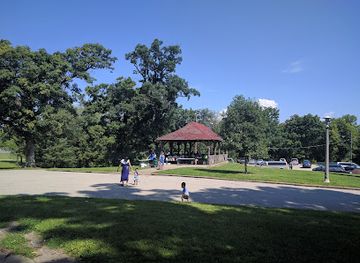
Weed Park
Explore the natural beauty and recreational charm of Weed Park in Muscatine, Iowa, a perfect destination for family fun and relaxation.
13 min drive · 4.4 km from city centre
-
Tourist attraction
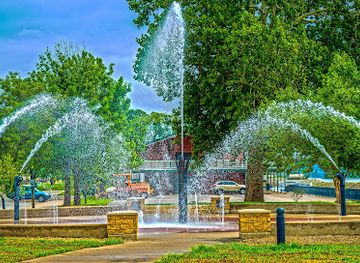
Riverside Park
Experience the beauty and tranquility of Riverside Park, a scenic destination in Muscatine, Iowa, perfect for relaxation and family fun.
6 min drive · 2.0 km from city centre
-
Tourist attraction
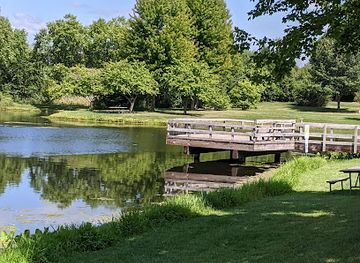
Discovery Park
Experience the tranquility and beauty of Discovery Park in Muscatine, Iowa, where nature and recreation come together in perfect harmony.
7 min drive · 2.3 km from city centre
-
Tourist attraction
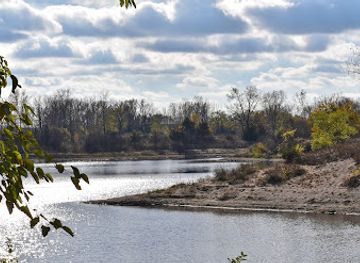
Deep Lakes Park
Explore the natural beauty of Deep Lakes Park in Muscatine, Iowa – a perfect destination for outdoor adventures and family fun.
17 min drive · 5.7 km from city centre
Best landmarks in Muscatine
Muscatine's landmarks express the city's development as a Mississippi port and manufacturing centre. The Muscatine History and Industry Center is significant not only as a museum but as a place where the pearl-button story and wider industrial heritage are interpreted. The Muscatine Art Center occupies the former William B. and Julia A. Musser mansion, linking civic culture with the substantial homes built during the city's prosperous period. Downtown's historic commercial buildings and public architecture preserve the scale of the old trading centre, while Riverside Park marks the continuing relationship with the Mississippi. Outside the city, Pine Creek Grist Mill is an important regional historic structure associated with early milling and settlement, although it should not be confused with a Muscatine landmark within the urban area. Together these sites show how river commerce, domestic prosperity, manufacturing and civic ambition shaped the city.
-
Restaurant
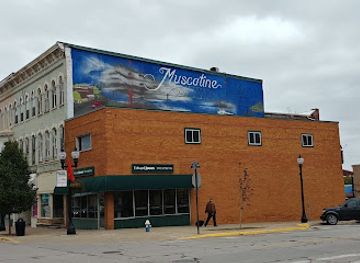
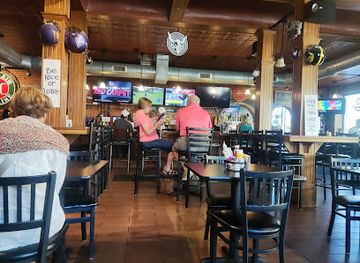
Boonie's On the Avenue
Discover the flavors of Muscatine at Boonie's On the Avenue, where every meal is a celebration of comfort food and sports camaraderie.
5 min drive · 1.8 km from city centre
-
Pizza
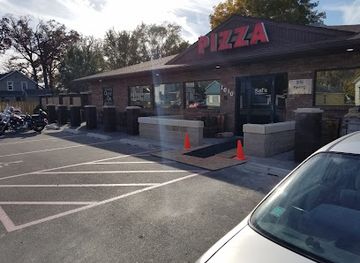
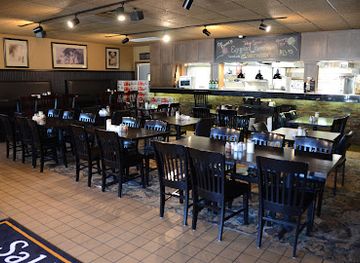
Sal Vitale's Italian Restaurant And Pizzeria
Discover the authentic taste of Italy at Sal Vitale's Italian Restaurant and Pizzeria, where every dish is a celebration of flavors.
11 min drive · 3.6 km from city centre
-
Diner
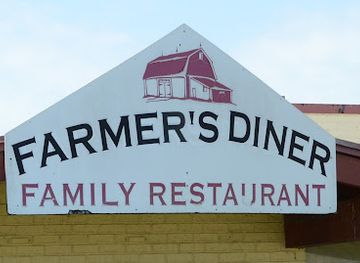
All American Diner
Experience hearty American classics at All American Diner, the perfect spot for families and travelers in Muscatine, Iowa.
13 min drive · 4.5 km from city centre
-
Ice Cream
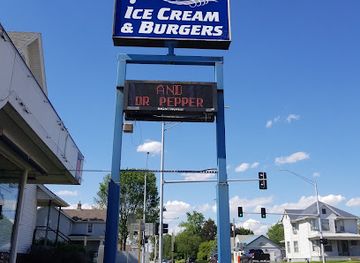
Tee's Ice Cream & Burgers
Discover the sweet taste of Muscatine at Tee's Ice Cream & Burgers, where delicious ice cream and classic burgers await you in a cozy atmosphere.
11 min drive · 3.5 km from city centre
Explore Muscatine on the map
Plan your Muscatine trip on one map. See where the top attractions, landmarks, restaurants, bars and hotels are, find what's near where you're staying, and book hotels and experiences in a few clicks.
Best hotels in Muscatine
Best restaurants in Muscatine
Muscatine's dining scene reflects eastern Iowa's practical Midwestern cooking and its position beside the Mississippi, with familiar American meals, burgers, sandwiches, steaks, pizza, baked goods and locally rooted comfort food forming the everyday foundation. Independent cafés, family restaurants and casual eateries are more characteristic than a dense fine-dining quarter, while the downtown area offers the greatest concentration of places to eat and meet. The city's industrial history and agricultural surroundings are reflected in hearty portions, seasonal produce and a preference for informal hospitality. Bars and breweries add relaxed evening food, and regional influences appear through Mexican, Italian, Asian and other international choices found in a small but varied local market. Visitors should look to local businesses and seasonal events for changing menus rather than assuming that Muscatine has a signature dish comparable with a major culinary destination.
-
Restaurant
Boonie's On the Avenue
Experience the best of American comfort food at Boonie's On the Avenue in Muscatine—where family dining meets vibrant sports bar culture.
5 min drive · 1.8 km from city centre
-
Pizza
Sal Vitale's Italian Restaurant And Pizzeria
Experience authentic Italian cuisine at Sal Vitale's Italian Restaurant And Pizzeria in Muscatine – where every bite takes you straight to Italy.
11 min drive · 3.6 km from city centre
-
Family-friendly
Muscatine Family Restaurant
Experience delightful family dining at Muscatine Family Restaurant with delicious breakfasts and friendly service in Iowa.
13 min drive · 4.3 km from city centre
-
Buffet
Pizza Ranch
Experience the joy of buffet dining at Pizza Ranch in Muscatine - where pizza meets comfort food for the whole family.
14 min drive · 4.6 km from city centre
Best bars in Muscatine
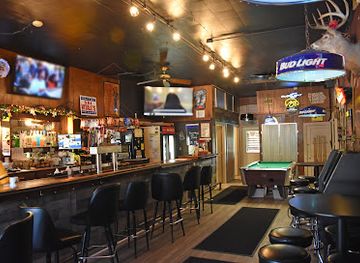
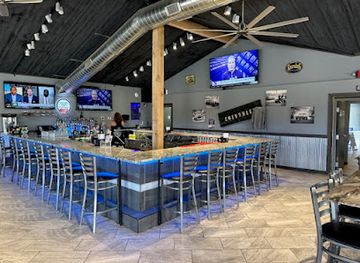
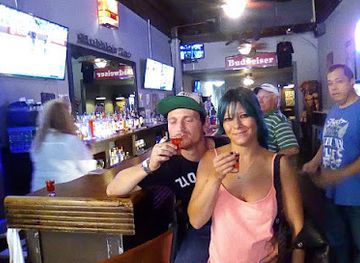
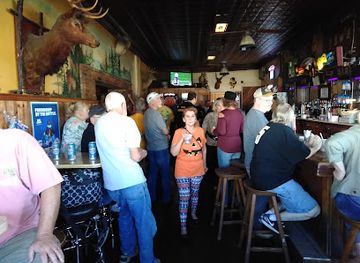
Muscatine's evening scene is modest and sociable rather than club-focused. Downtown bars, taverns and brewery settings provide places for local conversation, casual drinks and live or community-oriented events, while restaurants often form an important part of an evening out. Contrary Brewing Co. is associated with the city's craft-beer scene, and local entertainment can also include seasonal riverfront programmes, concerts and performances organised by community institutions. There is little reason to expect a dense district of late-night clubs; nightlife generally centres on a handful of established venues and scheduled events rather than an all-night circuit. Visitors should check current listings for performances and music, as opening patterns and entertainment programmes can vary considerably in a small city. Standard US rules concerning legal drinking age, identification and responsible service apply.
-
Restaurant
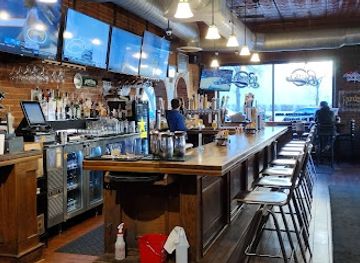
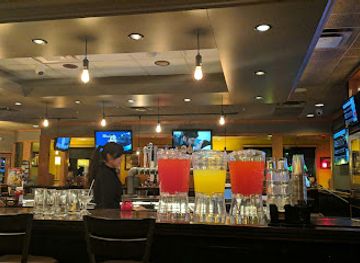
Boonie's On the Avenue
Experience the best of comfort food and vibrant dining at Boonie's On the Avenue, a top restaurant in Muscatine, Iowa.
5 min drive · 1.8 km from city centre
-
Restaurant
Applebee's Grill + Bar
Savor the flavors of classic American cuisine at Applebee's Grill + Bar in Muscatine, where every meal is a celebration of good food and great company.
15 min drive · 4.9 km from city centre
-
Grill
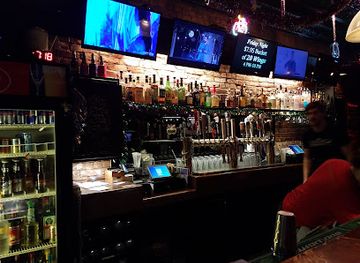
Missipi Brewing Company
Discover the vibrant atmosphere of Missipi Brewing Company, where craft beer meets delicious grill cuisine and live music in Muscatine, Iowa.
6 min drive · 1.9 km from city centre
-
Italian
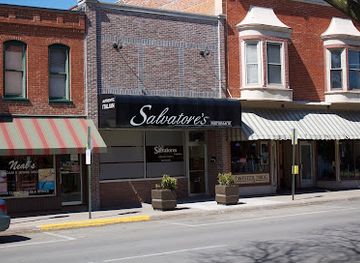
Salvatores by Papà Reno Italian Restaurant
Experience authentic Italian flavors at Salvatores by Papà Reno, where every dish is a celebration of culinary tradition in a cozy setting.
6 min drive · 2.1 km from city centre
Best nightclubs in Muscatine
Muscatine's evening scene is modest and sociable rather than club-focused. Downtown bars, taverns and brewery settings provide places for local conversation, casual drinks and live or community-oriented events, while restaurants often form an important part of an evening out. Contrary Brewing Co. is associated with the city's craft-beer scene, and local entertainment can also include seasonal riverfront programmes, concerts and performances organised by community institutions. There is little reason to expect a dense district of late-night clubs; nightlife generally centres on a handful of established venues and scheduled events rather than an all-night circuit. Visitors should check current listings for performances and music, as opening patterns and entertainment programmes can vary considerably in a small city. Standard US rules concerning legal drinking age, identification and responsible service apply.
-
Bar
Mike's Hilltop Tap
Discover the vibrant nightlife at Mike's Hilltop Tap, a cozy bar in Muscatine offering karaoke, great drinks, and a welcoming atmosphere for all.
12 min walk · 0.9 km from city centre
-
Bar
Headquarters Muscatine
Discover the lively atmosphere of Headquarters Muscatine, where delicious barbecue meets captivating live music in the heart of Iowa.
9 min drive · 3.0 km from city centre
-
Bar
Hubble's Tap
Discover Hubble's Tap in Muscatine, Iowa: a vibrant bar and lounge offering delicious pizza, games, and a lively atmosphere for all visitors.
6 min drive · 2.0 km from city centre
-
Bar
Jody's Bar
Experience the vibrant atmosphere at Jody's Bar in Muscatine, where friendly service and a great drink selection await you.
6 min drive · 2.1 km from city centre
Best shops in Muscatine
Shopping in Muscatine is spread between downtown independent businesses, everyday retail areas and larger commercial facilities rather than concentrated in a major urban shopping district. Central streets are the most atmospheric place to look for locally owned shops, gifts, antiques and seasonal products, while the Muscatine Mall area provides more conventional retail and services. The city's heritage offers distinctive purchases linked to the Mississippi and pearl-button industry, including educational souvenirs, shell-inspired items and locally produced gifts, although genuine antique buttons and vintage pieces vary by shop. Regional food products, baked goods, craft work and practical Midwestern merchandise are also more representative than luxury retail. Visitors interested in antiques and small-town architecture may find browsing downtown more rewarding than seeking a highly curated shopping quarter, with business hours and individual stock changing over time.
-
Department store
Walmart Supercenter
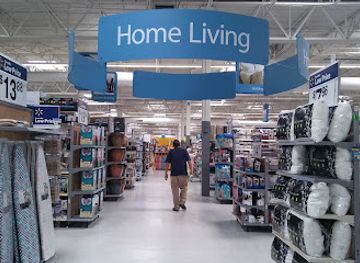
Explore Walmart Supercenter in Muscatine, Iowa, your convenient destination for groceries, clothing, electronics, and more, all in one place.
17 min drive · 5.5 km from city centre
-
Supermarket
ALDI
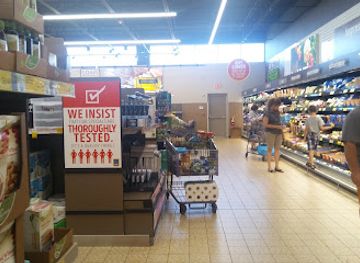
Explore Muscatine's ALDI for affordable groceries and local flavors that enrich your travel experience in Iowa.
18 min drive · 6.0 km from city centre
-
Shopping mall
Muscatine Mall
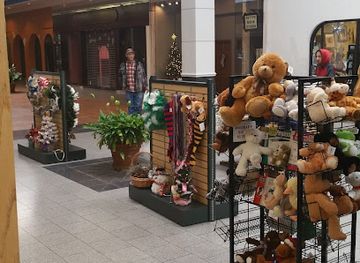
Discover a diverse shopping experience at Muscatine Mall in Iowa, featuring outlet stores, unique shops, and delightful dining options.
13 min drive · 4.5 km from city centre
-
Coffee shop
The Coffee Belt
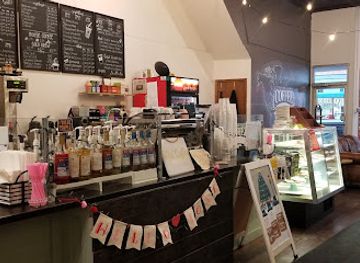
Experience the warmth and flavor of The Coffee Belt, Muscatine's favorite spot for freshly brewed coffee and cozy gatherings.
6 min drive · 2.0 km from city centre
Get your free copy of our complete guide to Muscatine, delivered straight to you.
Everything on this page, from attractions and restaurants to essentials and local phrases, in one PDF you can read offline, print or share.
Already have an account? Sign in
Your Muscatine guide is ready.
We'll send it to · Not you? Sign out

Getting your guide ready…
We are putting together a fresh copy of the Muscatine guide. This can take up to a minute.
This can take a few moments. If your browser asks, choose Allow so the download can start. You'll find the guide in your Downloads folder.
Nothing happened? Download it again
Sorry, the guide is taking longer than usual. Please try again in a minute, or get it by email instead.
Muscatine essentials
Currency and Payment
Safety
Emergency Situations
Do's and Don'ts
Local Tips
From Eve
Local phrases worth knowing
You don't need to get them perfect. A few words go a long way, and locals appreciate the effort.
Basics
| English | Local | Say it |
|---|---|---|
| Hello | Howdy | [haw-dee] |
| Goodbye | See ya | [see yuh] |
| Yes | Yep | [yep] |
| No | Nope | [nohp] |
| Please/You're welcome | Please/You're welcome | [pleez/yur welcome] |
| Thank you | Thanks | [thanks] |
| Excuse me/Sorry | Excuse me/Sorry | [ek-skyoos me/sore-ee] |
| How are you? | Howdy | [haw-dee] |
| Fine. And you? | Fine. How 'bout you? | [fahyn. how 'bout yuh] |
| Do you speak English? | Do ya speak English? | [doo yuh speek ing-glish] |
| I don't understand | I don't get ya | [eye dohnt get yuh] |
Eating & Drinking
| English | Local | Say it |
|---|---|---|
| I'd like to see the menu, please | Can I see the menu, please | [kan eye see the men-yoo, pleez] |
| I don't eat meat | I don't eat meat | [eye dohnt eet meet] |
| Cheers! | Cheers! | [cheers] |
| I would like to pay, please | I wanna pay, please | [eye wan-nuh pay, pleez] |
Emergencies
| English | Local | Say it |
|---|---|---|
| Help! | Help! | [help] |
| Go away! | Get lost! | [get lost] |
| Call the Police! | Call the cops! | [call the cops] |
| Call a doctor! | Call a doc! | [call a doc] |
| I'm lost | I'm lost | [eye'm lost] |
| I'm ill | I'm sick | [eye'm sik] |
Shopping
| English | Local | Say it |
|---|---|---|
| I'd like to buy... | I wanna buy... | [eye wan-nuh buy] |
| I'm just looking | Just browsing | [just brow-zing] |
| How much is it? | How much does it cost? | [how much duhz it cost] |
| That's too expensive | That costs too much | [that cost too much] |
| Can you lower the price? | Can ya give me a discount? | [kan yuh giv meh a dis-kownt] |
Time & Numbers
| English | Local | Say it |
|---|---|---|
| What time is it? | What's the time? | [whats the time] |
| It's one o'clock | It's one | [its one] |
| Half past (10) | Ten-thirty | [ten-thur-tee] |
| Morning | Morning | [mor-ning] |
| Afternoon | Afternoon | [af-ter-noon] |
| Evening | Evening | [ee-ven-ing] |
| Yesterday | Yesterday | [yes-ter-day] |
| Today | Today | [toh-day] |
| Tomorrow | Tomorrow | [toh-mor-row] |
| 1 | One | [wun] |
| 2 | Two | [too] |
| 3 | Three | [three] |
| 4 | Four | [for] |
| 5 | Five | [fahyv] |
| 6 | Six | [siks] |
| 7 | Seven | [sev-uhn] |
| 8 | Eight | [eyt] |
| 9 | Nine | [nine] |
| 10 | Ten | [ten] |
Transport & Directions
| English | Local | Say it |
|---|---|---|
| Where's a/the...? | Where's the...? | [wheres the] |
| What's the address? | What's the address? | [whats the address] |
| Can you show me (on the map)? | Can you show me (on the map)? | [kan yuh show me (on the map)] |
| When's the next (bus)? | When's the next (bus)? | [whens the next (bus)] |
| A ticket (to ....) | A ticket (to ....) | [a ticket (to)] |
History of Muscatine
Indigenous River Landscapes
Long before the modern city developed, the Mississippi corridor around present-day Muscatine was used and inhabited by Indigenous peoples, including communities associated with the Sauk and Meskwaki. The river supplied fish, mussels, transport and fertile ground, while its islands and wooded margins formed an interconnected landscape rather than a fixed urban settlement. European traders and explorers later entered this region through the Mississippi network, bringing new commercial and political pressures. The city's name is often connected with the Mascouten, an Indigenous people identified in early French records, although the precise chain of naming remains debated. This layered history is important to understanding Muscatine as a river place before it became an industrial town.
Settlement and Bloomington
American settlement expanded in the area during the 1830s as river transportation and land development accelerated in what became eastern Iowa. The settlement was first known as Bloomington, and its position beside a navigable stretch of the Mississippi encouraged trade, milling, ferry connections and the movement of agricultural goods. Streets, warehouses and commercial enterprises gradually gathered around the landing, while farms spread across the surrounding interior. The community was incorporated as a town in the 1830s and later adopted the name Muscatine in 1849. Its early growth reflected both the opportunities and uncertainties of a frontier river economy, where transport, seasonal water conditions and access to regional markets shaped everyday life.
A Commercial Mississippi Port
During the nineteenth century, Muscatine developed as a commercial centre linking Iowa farms with the wider Mississippi Valley. Steamboats carried people and goods along the river, while mills, warehouses and merchants served a growing hinterland. Lumber was especially important, and riverborne timber supported local processing and construction before railways and changing markets altered the trade. The arrival of rail connections strengthened Muscatine's links with inland communities and helped diversify industry. Civic buildings, churches, businesses and substantial homes appeared as prosperity grew. Much of the city's older architectural character dates from this period, when river commerce and expanding manufacturing gave Muscatine the form of a confident regional town.
The Pearl-Button Industry
Muscatine's most distinctive industrial chapter began in the late nineteenth century, when workers learned to cut and polish buttons from freshwater mussel shells gathered in the Mississippi. Improved machinery allowed production to expand, and factories supplied clothing manufacturers across the United States and beyond. The industry created employment for factory workers, shell gatherers and related businesses, while attracting immigrants and migrants to a changing river community. For decades, pearl buttons were a defining local product and a major source of civic identity. Over time, declining shell supplies, environmental pressures and the rise of plastic buttons weakened the trade. The National Pearl Button Museum, interpreted through the Muscatine History and Industry Center, preserves this important story.
Industry, Floods and Adaptation
Twentieth-century Muscatine retained its manufacturing base while adapting to shifts in technology, transport and markets. Companies associated with agricultural processing, chemicals, machinery and other industries helped maintain the city's economic role after pearl-button production declined. As a Mississippi community, Muscatine has also had to live with flooding and the practical demands of managing a riverfront, particularly during major regional flood events. These pressures influenced land use, infrastructure and public access to the water. The city's modern identity therefore combines inherited industrial knowledge with the environmental realities of life beside a major river, rather than resting solely on its nineteenth-century commercial past.
A Contemporary River Community
Today Muscatine remains a regional centre in eastern Iowa, with a population and urban scale that support museums, schools, parks, local businesses and manufacturing without losing its small-city character. Historic downtown buildings and established residential areas sit alongside industrial sites and newer infrastructure, showing the successive layers of river commerce, factory growth and civic investment. The Mississippi continues to shape recreation, scenery and public identity, while the pearl-button story provides a distinctive cultural link between the natural river environment and the city's working past. Museums, restored buildings and community events keep that history visible as Muscatine develops within the broader Quad Cities and eastern Iowa region.
Muscatine in Photos
Browse through our photo collection highlighting the charm and character of the destination.
Cities near Muscatine
The closest cities to Muscatine, if you have time for more than one stop.
-

-

-

-

-


Swipe for more cities
Explore more

Explore more of Iowa
Explore Iowa: The American Heartland with its blend of rural charm, vibrant cities, rich cultural experiences, and natural beauty, perfect for nature lovers and cultural enthusiasts.
Explore Iowa