

Free Burlington Travel Guide & Mobile App
Plan your Burlington trip with Evendo. Get free guides to top attractions, restaurants, hotels, and bars. Web access or download the mobile app.


Burlington, Iowa blends Mississippi River views, historic Snake Alley, territorial-era landmarks, scenic parks and welcoming small-city culture.
River City with Territorial Roots
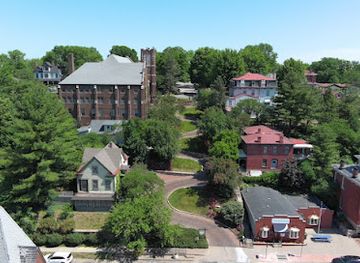
Set on a broad bend of the Mississippi River in south-eastern Iowa, Burlington combines river scenery with an unusually substantial historical legacy for a city of its size. Founded in the 1830s, it became the first capital of the Iowa Territory, and that early administrative role helped shape a town of public buildings, churches, commercial blocks and substantial homes. The riverfront remains central to Burlington’s identity, while the surrounding bluffs and wooded parks give the city a varied landscape for walking and sightseeing.Read more about Burlington
Historic Streets and Working Waterfront
Parks, Culture and Local Life
When is the best time to visit Burlington?
Best: May, August–September · 23–29°C| Month | High (°C) | Rainfall (mm) |
|---|---|---|
| January | 1 | 33 |
| February | 4 | 38 |
| March | 11 | 53 |
| April | 17 | 74 |
| May (best) | 23 | 91 |
| June | 28 | 99 |
| July | 30 | 91 |
| August (best) | 29 | 86 |
| September (best) | 25 | 74 |
| October | 17 | 58 |
| November | 9 | 53 |
| December | 3 | 38 |
Getting to and around Burlington
How to get there
Transportation
Best attractions in Burlington
Burlington’s principal attractions combine historic streets, river scenery and accessible outdoor spaces. Snake Alley is the city’s signature sight: a steep, five-curved cobbled lane whose unusual engineering makes it both a historical curiosity and a memorable walking or photographic stop. The riverfront offers open views across the Mississippi and a sense of the city’s continuing relationship with waterborne and rail transport. In the central districts, the Capitol Theater and the Heritage Center Museum provide cultural and historical context, while downtown architecture rewards unhurried exploration. North of the centre, Starr’s Cave Park and Preserve adds woodland trails, limestone formations and a nature centre within easy reach of the city. Visitors interested in local history can also explore the city’s territorial-capital story and railway heritage through museums and historic interpretation. These attractions are modest in scale but closely connected, allowing Burlington to be understood through its landscape as much as through individual buildings.
-
Tourist attraction
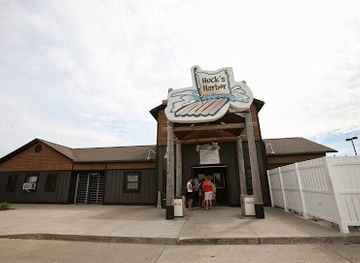
FunCity Resort
Discover endless fun at FunCity Resort in Burlington, Iowa - the ultimate amusement center for families and thrill-seekers alike!
8 min drive · 2.7 km from city centre
-
Tourist attraction
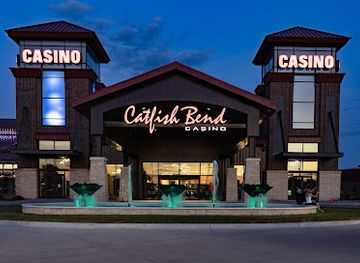
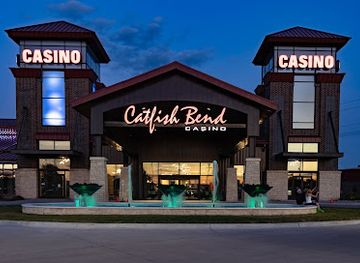
Catfish Bend Casino
Discover the excitement of gaming and entertainment at Catfish Bend Casino in Burlington, Iowa, a top destination for tourists seeking fun and adventure.
8 min drive · 2.8 km from city centre
-
Tourist attraction
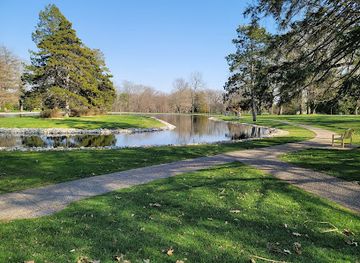
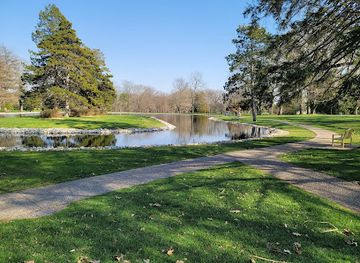
Crapo Park
Discover the natural beauty and recreational charm of Crapo Park in Burlington, Iowa, a perfect getaway for nature enthusiasts and families alike.
11 min drive · 3.7 km from city centre
-
Tourist attraction
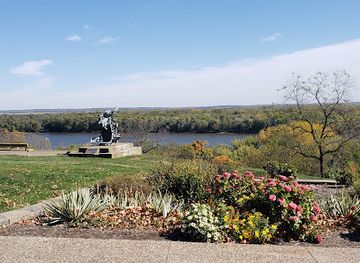
Dankwardt Memorial Park
Explore the natural beauty and tranquil atmosphere of Dankwardt Memorial Park, an essential stop for nature lovers in Burlington, Iowa.
9 min drive · 3.0 km from city centre
Best landmarks in Burlington
Burlington’s landmarks express its position as an early Iowa political centre and a Mississippi River transport town. Snake Alley, laid with cobbles and shaped into a sharply winding ascent, is the city’s most recognisable piece of infrastructure and an unusual example of nineteenth-century urban adaptation to steep terrain. The Capitol Theater represents Burlington’s later civic and entertainment history, while the Burlington depot preserves the importance of rail travel along the river corridor. The Des Moines County Courthouse and the historic downtown streetscape reflect the public and commercial confidence that developed as the city grew. The riverfront itself is also a defining landmark landscape, linking open water, bridges, rail infrastructure and former trading activity. Together these places show how government, commerce, transport and topography have shaped Burlington rather than presenting a single monumental centre.
-
Amusement center
FunCity Resort
Discover endless fun and adventure at FunCity Resort in Burlington, Iowa – the ultimate amusement center for families and thrill-seekers alike.
8 min drive · 2.7 km from city centre
-
Casino
Catfish Bend Casino
Discover the excitement of gaming, dining, and live entertainment at Catfish Bend Casino in Burlington, Iowa, a premier tourist attraction.
8 min drive · 2.8 km from city centre
-
Park
Crapo Park
Experience the beauty and tranquility of Crapo Park, a lush green sanctuary in Burlington, Iowa, perfect for outdoor activities and family gatherings.
11 min drive · 3.7 km from city centre
-
Historical landmark
Snake Alley
Explore Snake Alley, a historic landmark in Burlington, Iowa, renowned for its serpentine curves and architectural beauty, offering a glimpse into local heritage.
10 min walk · 0.8 km from city centre
Explore Burlington on the map
Plan your Burlington trip on one map. See where the top attractions, landmarks, restaurants, bars and hotels are, find what's near where you're staying, and book hotels and experiences in a few clicks.
Best hotels in Burlington
Best restaurants in Burlington
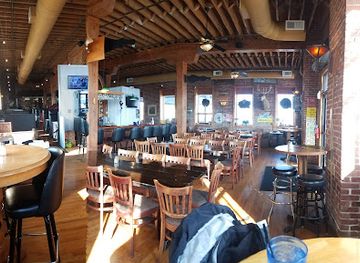
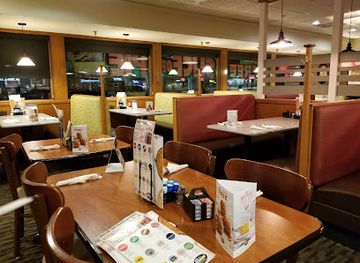
Burlington’s dining scene reflects south-eastern Iowa’s Midwestern character, with familiar American comfort food, burgers, steaks, sandwiches and fried fish appearing alongside cafés, bakeries and casual family restaurants. The Mississippi River and the wider agricultural region shape a preference for straightforward, hearty cooking rather than a narrowly defined local cuisine. Downtown and the riverfront provide the most natural areas for combining a meal with historic sightseeing, while restaurants along the commercial corridors tend to be more dispersed and car-oriented. Farmers’ markets and seasonal community events can add locally grown produce, baked goods and prepared foods when operating. Visitors will also encounter regional Iowa staples such as pork, sweet corn and generous breakfast plates, although menus vary widely between establishments. Dining in Burlington is generally informal, with table-service tipping customary and sales tax added to displayed prices.
-
Grill
Gator's Grill & Spirits
Experience the best of American cuisine at Gator's Grill & Spirits in Burlington - where flavor meets fun!
8 min drive · 2.6 km from city centre
-
Restaurant
The Drake
Experience the best of American and Italian cuisine at The Drake in Burlington – where exceptional flavors meet inviting atmosphere.
14 min walk · 1.1 km from city centre
-
Restaurant
Perkins Restaurant & Bakery
Experience the warmth of American dining at Perkins Restaurant & Bakery – where comfort food meets sweet delights in Burlington.
8 min drive · 2.6 km from city centre
-
Restaurant
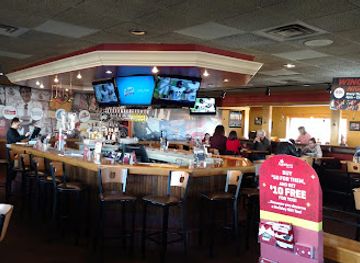
Applebee's Grill + Bar
Experience American dining at its best at Applebee's Grill + Bar in Burlington - where comfort food meets great company.
7 min drive · 2.3 km from city centre

Best bars in Burlington
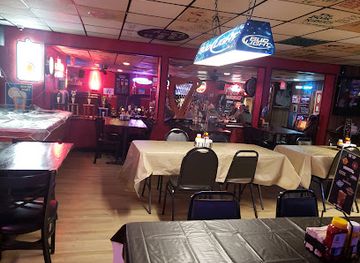
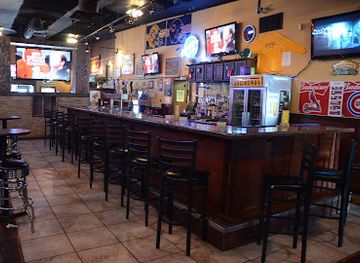
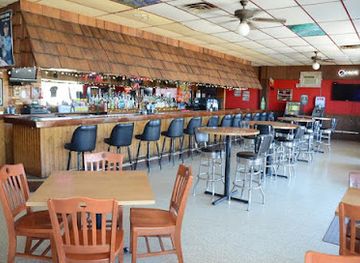
Burlington’s evening scene is that of a small regional city rather than a major nightlife destination. Downtown bars and neighbourhood taverns provide informal places for drinks, conversation and televised sport, while the riverfront and central districts can be appealing for a quieter evening close to the historic core. The Capitol Theater contributes live performances and cultural programming, giving the city an alternative to bar-based entertainment. Catfish Bend Casino offers gaming and associated evening entertainment on the riverfront, subject to its own age requirements and current programme. Seasonal festivals and community events may bring outdoor music or extended evening activity, but opening hours, performances and venue availability change. Visitors should arrange transport in advance if staying outside the centre, since late-night public transport and taxi availability may be limited.
-
Grill
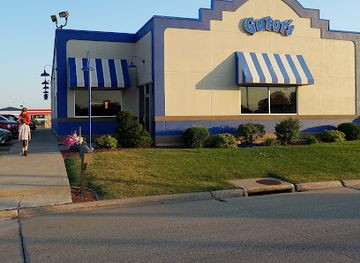
Gator's Grill & Spirits
Experience the vibrant flavors of American cuisine at Gator's Grill & Spirits in Burlington, a favorite spot for locals and visitors alike.
8 min drive · 2.6 km from city centre
-
Grill
The Buffalo Tavern
Experience the heart of American cuisine and vibrant bar culture at The Buffalo Tavern in Burlington, Iowa, where every dish tells a story.
7 min drive · 2.4 km from city centre
-
American
The Broadway Bar and Grill
Experience the heart of American cuisine at The Broadway Bar and Grill, where great food and a lively atmosphere come together in West Burlington.
13 min drive · 4.2 km from city centre
-
Grill
The Outpost Bar & Grill
Experience the lively ambiance and delicious American cuisine at The Outpost Bar & Grill in Burlington, Iowa, perfect for food lovers and fun seekers.
7 min drive · 2.5 km from city centre
Best nightclubs in Burlington
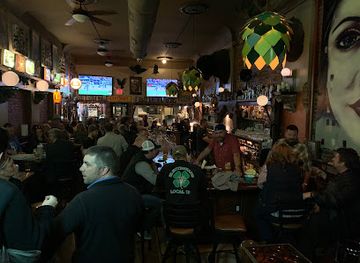
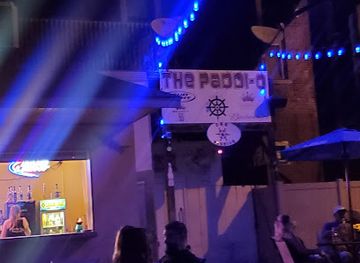
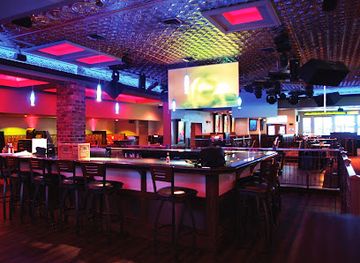
Burlington’s evening scene is that of a small regional city rather than a major nightlife destination. Downtown bars and neighbourhood taverns provide informal places for drinks, conversation and televised sport, while the riverfront and central districts can be appealing for a quieter evening close to the historic core. The Capitol Theater contributes live performances and cultural programming, giving the city an alternative to bar-based entertainment. Catfish Bend Casino offers gaming and associated evening entertainment on the riverfront, subject to its own age requirements and current programme. Seasonal festivals and community events may bring outdoor music or extended evening activity, but opening hours, performances and venue availability change. Visitors should arrange transport in advance if staying outside the centre, since late-night public transport and taxi availability may be limited.
-
Bar
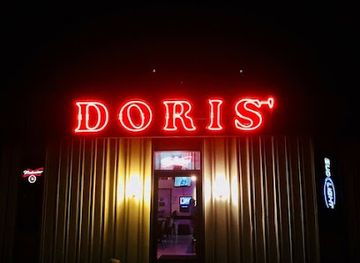
Doris' Tavern
Experience the lively atmosphere at Doris' Tavern in Burlington, Iowa, where delicious comfort food meets fun entertainment in a welcoming bar setting.
8 min drive · 2.6 km from city centre
-
Bar
Valley Monster Pub
Experience the vibrant atmosphere and diverse drink selection at Valley Monster Pub, Burlington's hotspot for socializing and entertainment.
11 min walk · 0.9 km from city centre
-
Bar
Paddlewheel Lounge
Discover Paddlewheel Lounge in Burlington, Iowa - a vibrant bar offering a warm atmosphere, great drinks, and a unique local nightlife experience.
8 min walk · 0.6 km from city centre
-
Sports bar
Boogaloo Sports Bar & Grill
Experience the excitement of Boogaloo Sports Bar & Grill, where delicious food meets thrilling sports action in Burlington, Iowa.
8 min drive · 2.7 km from city centre
Best shops in Burlington
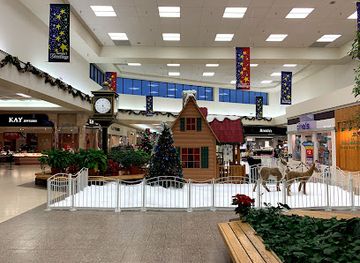
Shopping in Burlington is divided between the historic downtown, where independent retailers and small businesses occupy older commercial premises, and the wider commercial areas west of the centre. Westland Mall provides a conventional enclosed shopping setting, while local shops and seasonal markets offer a more personal connection with the community. Visitors may find Iowa-made foods, handmade items, books, clothing, homewares and practical souvenirs rather than a concentrated luxury or designer scene. The historic centre is the most rewarding area for browsing alongside architectural sightseeing, although opening days and individual businesses vary. Farm and craft markets, when scheduled, can bring local produce, baked goods and handmade goods into the public realm. Shopping is best understood as part of Burlington’s small-city life, with independent businesses and regional products complementing ordinary everyday retail.
-
Gift shop
Westland Mall
Explore Westland Mall in West Burlington, Iowa – a shopping haven with unique gifts and popular stores for every visitor's delight.
15 min drive · 4.8 km from city centre
-
Department store
Kohl's
Explore Kohl's in West Burlington, Iowa – a department store treasure trove with unbeatable prices on fashion, home goods, and more.
10 min drive · 3.4 km from city centre
-
Department store
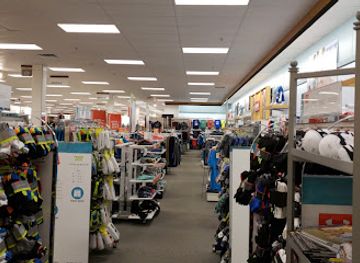
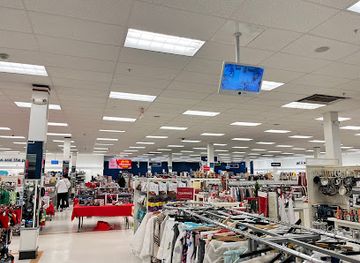
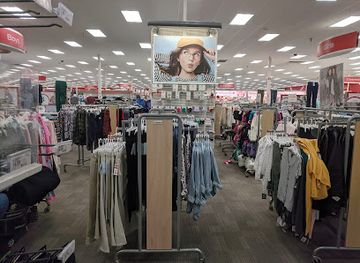
Marshalls
Explore the best in discounted fashion and home goods at Marshalls in Burlington, Iowa, where great style meets unbeatable prices.
9 min drive · 2.8 km from city centre
-
Department store
Target
Explore Target in West Burlington for a diverse shopping experience featuring clothing, electronics, furniture, and more in a welcoming atmosphere.
16 min drive · 5.2 km from city centre
Get your free copy of our complete guide to Burlington, delivered straight to you.
Everything on this page, from attractions and restaurants to essentials and local phrases, in one PDF you can read offline, print or share.
Already have an account? Sign in
Your Burlington guide is ready.
We'll send it to · Not you? Sign out

Getting your guide ready…
We are putting together a fresh copy of the Burlington guide. This can take up to a minute.
This can take a few moments. If your browser asks, choose Allow so the download can start. You'll find the guide in your Downloads folder.
Nothing happened? Download it again
Sorry, the guide is taking longer than usual. Please try again in a minute, or get it by email instead.
Burlington essentials
Currency and Payment
Safety
Emergency Situations
Do's and Don'ts
Local Tips
From Eve
Local phrases worth knowing
You don't need to get them perfect. A few words go a long way, and locals appreciate the effort.
Basics
| English | Local | Say it |
|---|---|---|
| Hello | Hey | [hey] |
| Goodbye | See ya | [see yah] |
| Yes | Yep | [yep] |
| No | Nah | [nuh] |
| Please/You're welcome | Please | [please] |
| Thank you | Thanks | [thanks] |
| Excuse me/Sorry | Sorry | [sor-ee] |
| How are you? | Howdy | [how-dee] |
| Fine. And you? | Good. You? | [good. yoo] |
| Do you speak English? | You speak English? | [yoo speak ing-glish?] |
| I don't understand | I'm lost | [ahm lost] |
Eating & Drinking
| English | Local | Say it |
|---|---|---|
| I'd like to see the menu, please | Menu, please | [men-yoo, please] |
| I don't eat meat | No meat | [no meet] |
| Cheers! | Cheers! | [cheers] |
| I would like to pay, please | Check, please | [chek, please] |
Emergencies
| English | Local | Say it |
|---|---|---|
| Help! | Help! | [help] |
| Go away! | Go away! | [go away] |
| Call the Police! | Call the cops! | [call the cops] |
| Call a doctor! | Get a doc! | [get a doc] |
| I'm lost | I'm lost | [ahm lost] |
| I'm ill | I'm sick | [ahm sick] |
Shopping
| English | Local | Say it |
|---|---|---|
| I'd like to buy... | I wanna buy... | [ah wanna buy] |
| I'm just looking | Just looking | [just look-ing] |
| How much is it? | How much? | [how much] |
| That's too expensive | Too much | [too much] |
| Can you lower the price? | Lower the price? | [low-er the price] |
Time & Numbers
| English | Local | Say it |
|---|---|---|
| What time is it? | What time? | [what time] |
| It's one o'clock | It's one | [its one] |
| Half past (10) | Half ten | [half ten] |
| Morning | Mornin' | [morn-in] |
| Afternoon | Afternoon | [afternoon] |
| Evening | Evenin' | [even-in] |
| Yesterday | Yesterday | [yester-day] |
| Today | Today | [to-day] |
| Tomorrow | Tomorrow | [tomor-row] |
| 1 | One | [wun] |
| 2 | Two | [too] |
| 3 | Three | [three] |
| 4 | Four | [four] |
| 5 | Five | [five] |
| 6 | Six | [six] |
| 7 | Seven | [seven] |
| 8 | Eight | [ate] |
| 9 | Nine | [nine] |
| 10 | Ten | [ten] |
Transport & Directions
| English | Local | Say it |
|---|---|---|
| Where's a/the...? | Where's the...? | [wheres the] |
| What's the address? | Address? | [address] |
| Can you show me (on the map)? | Show me (on map)? | [show me on map] |
| When's the next (bus)? | Next bus? | [next bus] |
| A ticket (to ....) | Ticket (to ...) | [ticket to] |
History of Burlington
Indigenous Mississippi River Landscape
The Burlington area lies within the historic Mississippi River homeland of Indigenous peoples, including the Sauk and Meskwaki, whose communities used the river valley, prairies and wooded uplands for travel, settlement and seasonal activities. The wider region was transformed by United States expansion and the treaties and conflicts that displaced Native communities during the nineteenth century. Burlington’s later urban form therefore developed on a landscape with a much older human history than the city’s incorporated origins suggest. The river was the defining geographical feature: it provided transport, food resources and a route into the interior, while the bluffs and tributary valleys influenced where roads and buildings could be established.
Settlement at Flint Hills
Euro-American settlement began in the 1830s, when the community was known as Flint Hills before taking the name Burlington. The town was formally established during the period when the United States opened the west bank of the Mississippi to expanding settlement. Its location opposite the established river town of Gulfport, Illinois, encouraged ferry traffic, trade and the movement of people and goods. The combination of river access, fertile surrounding land and a natural landing place allowed Burlington to grow quickly from a frontier settlement into a regional centre. Early streets and surviving buildings still reflect the importance of commerce, government and river transport during this formative period.
First Capital of Iowa Territory
When the Iowa Territory was created in 1838, Burlington became its first capital and the territorial government operated there before moving to Iowa City in 1839. The appointment gave the young settlement a political importance that extended beyond its commercial role and brought officials, lawyers and other newcomers to the town. Burlington’s territorial-capital period was brief, but it remains fundamental to the city’s historical identity. Iowa later achieved statehood in 1846, with Iowa City and then Des Moines serving as state capitals. The surviving historic core, civic traditions and interpretive institutions preserve the memory of Burlington’s early place in Iowa’s governmental development.
River Commerce and Rail Expansion
During the nineteenth century, Burlington prospered through river commerce, agriculture and manufacturing. Steamboats carried people and freight along the Mississippi, while warehouses, merchants and transport businesses developed around the landing. Railways later connected the city with markets and communities across the Midwest, reinforcing its role as a transport centre even as river traffic changed. The Burlington area’s association with the Chicago, Burlington and Quincy Railroad was particularly important, and the railway corridor remains part of the city’s built heritage. Commercial blocks, churches and substantial residences from this era record the prosperity and civic confidence generated by trade and improved regional connections.
Modern Industry and Civic Renewal
In the twentieth century Burlington continued as a manufacturing, trading and service centre while adapting to the changing importance of rail, highways and the Mississippi waterfront. Industrial employment and river-related activity remained significant, but older commercial areas also faced the pressures experienced by many small American cities as retail patterns shifted towards suburban corridors. Historic preservation and downtown renewal have helped maintain the city’s sense of place, with Snake Alley, the riverfront, the Capitol Theater and heritage institutions linking present-day Burlington to earlier periods. Contemporary life combines these historical assets with parks, local businesses and community events rather than relying on large-scale urban development.
Burlington in Photos
Browse through our photo collection highlighting the charm and character of the destination.
Cities near Burlington
The closest cities to Burlington, if you have time for more than one stop.
-

-

-

-

-


Swipe for more cities
Explore more

Explore more of Iowa
Explore Iowa: The American Heartland with its blend of rural charm, vibrant cities, rich cultural experiences, and natural beauty, perfect for nature lovers and cultural enthusiasts.
Explore Iowa