

Free Des Moines Travel Guide & Mobile App
Plan your Des Moines trip with Evendo. Get free guides to top attractions, restaurants, hotels, and bars. Web access or download the mobile app.





Des Moines, Iowa blends a golden-domed Capitol, riverfront trails, public art, farmers' markets, museums and welcoming neighbourhoods in America's heartland.
A Capital Shaped by River and Prairie
Des Moines stands near the meeting point of the Des Moines and Raccoon rivers, where Iowa’s state capital, broad Midwestern skies and a growing cultural scene come together. The city’s identity is closely tied to government and agriculture, yet its appeal extends well beyond the Capitol complex. Downtown streets lead to the Principal Riverwalk, the John and Mary Pappajohn Sculpture Park and the Des Moines River, while the East Village brings historic commercial buildings, independent shops, cafés and restaurants into a compact urban district.Read more about Des Moines
Art, Civic Life and Neighbourhoods
Outdoor Life in the City
When is the best time to visit Des Moines?
Best: May, August–September · 24–29°C| Month | High (°C) | Rainfall (mm) |
|---|---|---|
| January | -1 | 25 |
| February | 1 | 22 |
| March | 9 | 35 |
| April | 17 | 61 |
| May (best) | 24 | 89 |
| June | 28 | 107 |
| July | 30 | 102 |
| August (best) | 29 | 96 |
| September (best) | 24 | 81 |
| October | 16 | 63 |
| November | 8 | 41 |
| December | 1 | 32 |
Getting to and around Des Moines
How to get there
Transportation
Best attractions in Des Moines
Des Moines offers a compact group of attractions around its civic centre and riverfront. The Iowa State Capitol combines guided public spaces with grand interiors and grounds overlooking the city, while the Principal Riverwalk follows the Des Moines River through landscaped paths, bridges and recreational areas. At the John and Mary Pappajohn Sculpture Park, large-scale works by internationally recognised artists occupy an open urban setting beside the Central Library. The Des Moines Art Center presents modern and contemporary art in a building surrounded by parkland, and the Science Center of Iowa adds hands-on exhibits and an IMAX theatre for families and curious adults. Gray’s Lake Park provides waterside walking and city views, while the Downtown Farmers’ Market brings together Iowa growers, bakers and food producers on seasonal weekends. Further afield within the city, Salisbury House offers a richly furnished historic residence and Blank Park Zoo provides a zoological attraction in the southern part of Des Moines.
-
Tourist attraction
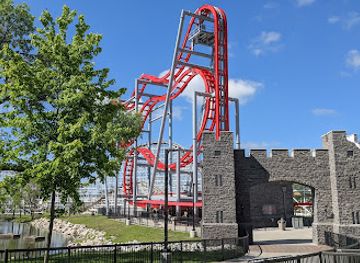
Adventureland Park
Experience the thrill of Adventureland Park in Altoona, Iowa, a family-friendly amusement and water park with rides, attractions, and events for all ages.
33 min drive · 13 km from city centre
-
 Sculpture museum
Pappajohn Sculpture Park
Explore Pappajohn Sculpture Park in Des Moines, an artistic haven featuring over 30 sculptures by world-renowned artists in a serene urban setting.
11 min walk · 0.9 km from city centre
-
Tourist attraction
Des Moines' Downtown Farmers’ Market
Discover the heart of Des Moines at the Downtown Farmers' Market, where local flavors and vibrant culture come together every Saturday morning.
5 min walk · 0.4 km from city centre
-
Historical society
State Historical Building
Discover Iowa's history at the State Historical Building in Des Moines – a captivating journey through time with engaging exhibits and a rich library.
17 min walk · 1.4 km from city centre
Best landmarks in Des Moines
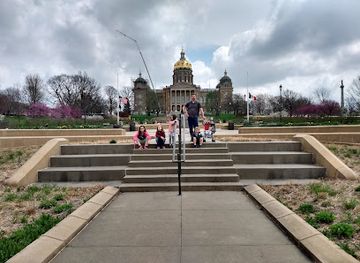
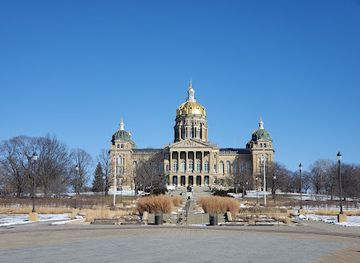
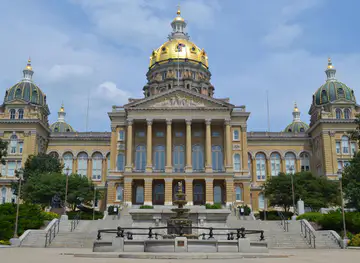
The Iowa State Capitol is Des Moines’ defining landmark, its central gilded dome and four subsidiary domes rising above a complex of legislative, judicial and executive buildings. The building’s interior includes decorative materials and artworks that reflect the civic ambitions of late nineteenth-century Iowa. Nearby, the Soldiers’ and Sailors’ Monument commemorates Iowans who served in the Civil War, while the Cathedral Church of Saint Ambrose represents the city’s Catholic heritage through its Romanesque Revival architecture and prominent dome. The Historic East Village contains surviving nineteenth- and early twentieth-century commercial buildings that reveal the capital’s growth as a trading centre. The World War II-era Gold Star Museum, at the Iowa State Fairgrounds, connects local history with the military experiences of Iowans. Together these sites show how government, religion, commerce and public memory shaped the city’s physical identity.
-
Park
Gray's Lake Park
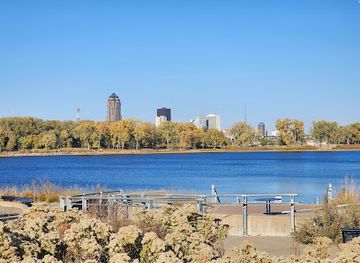
Explore Gray's Lake Park: A tranquil retreat in Des Moines with stunning lake views, walking trails, and endless recreational activities for all ages.
7 min drive · 2.3 km from city centre
-
Historical landmark
Iowa State Capitol
Explore the architectural beauty and historical significance of the Iowa State Capitol in Des Moines, a must-visit landmark for any traveler.
6 min drive · 1.8 km from city centre
-
History museum
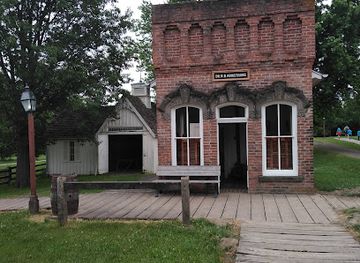
Living History Farms
Explore Iowa's agricultural past at Living History Farms, an immersive outdoor museum with engaging exhibits and interactive experiences for all ages.
33 min drive · 13 km from city centre
-
Science museum
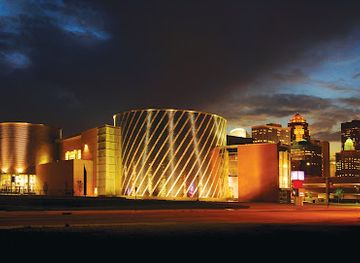
Science Center of Iowa
Explore interactive exhibits and educational programs at the Science Center of Iowa, an engaging destination for tourists and science enthusiasts alike.
7 min walk · 0.5 km from city centre
Explore Des Moines on the map
Plan your Des Moines trip on one map. See where the top attractions, landmarks, restaurants, bars and hotels are, find what's near where you're staying, and book hotels and experiences in a few clicks.
Neighbourhoods in Des Moines
-
-


Swipe for more neighbourhoods
Best hotels in Des Moines
Best restaurants in Des Moines
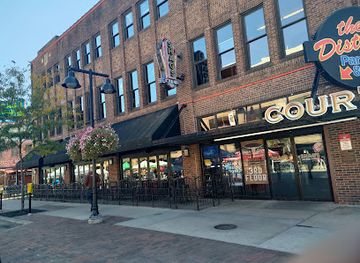
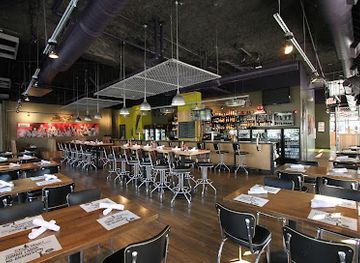
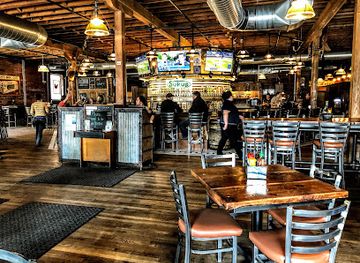
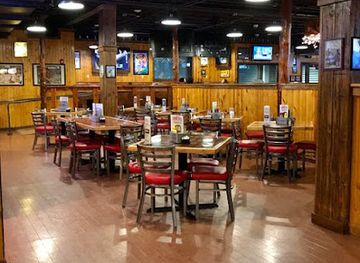
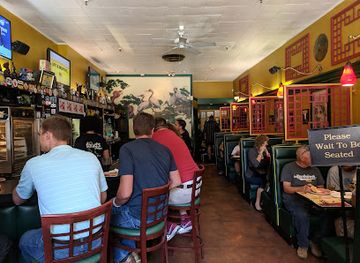
Des Moines’ dining scene reflects Iowa’s farmland, immigrant communities and increasingly confident urban culture. Restaurants across downtown, the East Village, Court Avenue and Ingersoll Avenue work with Midwestern staples such as pork, beef, sweet corn, seasonal vegetables and locally produced grains, while the classic Iowa breaded pork tenderloin appears in casual settings around the city. Farmers’ market stalls and independent cafés provide breakfast, pastries, sandwiches and prepared food, and breweries commonly pair locally influenced menus with house beer. The East Village is particularly useful for browsing varied restaurants in a walkable area, while Court Avenue combines dining with a more entertainment-oriented setting. Contemporary kitchens add global influences without erasing regional habits, and Des Moines also has established South Asian, Latin American and East African food businesses that broaden the city’s culinary identity.
-
Hamburger
Zombie Burger + Drink Lab
Experience culinary creativity at Zombie Burger + Drink Lab in Des Moines – where gourmet burgers meet playful zombie themes!
13 min walk · 1.1 km from city centre
-
Restaurant
The Iowa Taproom
Explore the vibrant flavors of local craft beers and delicious American cuisine at The Iowa Taproom in Des Moines' East Village.
12 min walk · 1.0 km from city centre
-
American
Buzzard Billy’s
Experience the vibrant flavors of American cuisine at Buzzard Billy's in downtown Des Moines - where great food meets fun ambiance.
6 min walk · 0.5 km from city centre
-
Pizza
Fong's Pizza
Discover the vibrant taste of unique pizzas at Fong's Pizza in Downtown Des Moines—where tradition meets innovation in every slice.
4 min walk · 0.3 km from city centre
Best bars in Des Moines
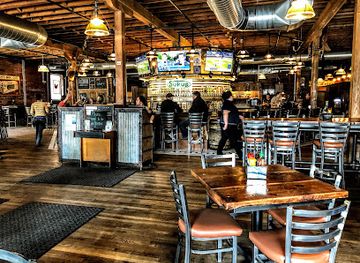
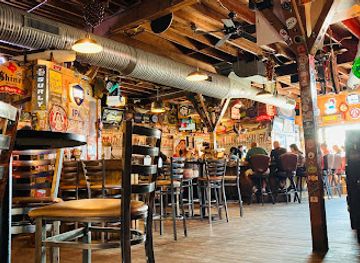
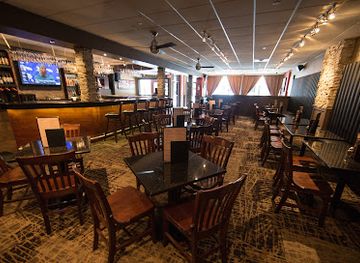
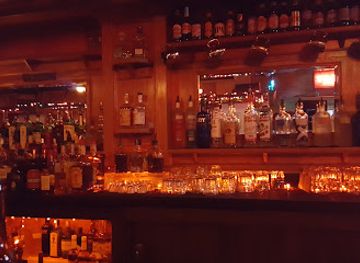
Des Moines’ evening life is concentrated in a few approachable districts rather than spread through a vast club scene. Court Avenue is associated with bars, pubs, live entertainment and late-evening socialising, while the East Village offers cocktail bars, breweries and smaller venues among converted historic buildings. Ingersoll Avenue provides a more neighbourhood-oriented selection of bars and restaurants. Music is an important part of the city’s nightlife, with venues such as Wooly’s and xBk presenting touring acts and local musicians in intimate settings; the Des Moines Civic Center adds theatre and performance to the evening calendar. Breweries and taprooms are a prominent feature of the local scene, reflecting Iowa’s craft-beer culture. Visitors should expect activity to vary by night and event schedule, with a generally relaxed Midwestern atmosphere rather than the scale of a major national nightlife capital.
-
Bar
The Iowa Taproom
Experience the best of Iowa's craft beer and American cuisine at The Iowa Taproom, a vibrant bar and event venue in Des Moines' East Village.
12 min walk · 1.0 km from city centre
-
Grill
El Bait Shop
Discover the vibrant dining experience at El Bait Shop, where local flavors meet craft cocktails in Downtown Des Moines.
8 min walk · 0.7 km from city centre
-
Bar
The High Life Lounge
Experience the vibrant 70s vibe and delicious American cuisine at The High Life Lounge in Downtown Des Moines, a must-visit destination for food lovers.
9 min walk · 0.7 km from city centre
-
Tapas Bar
The Stuffed Olive Des Moines
Experience a taste of Spain in the heart of Des Moines with over 100 martini options and delicious tapas at The Stuffed Olive.
6 min walk · 0.5 km from city centre

Best nightclubs in Des Moines
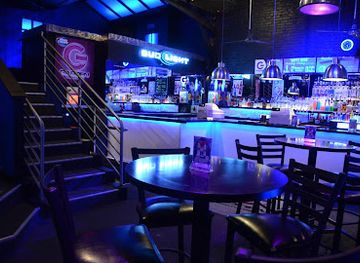
Des Moines’ evening life is concentrated in a few approachable districts rather than spread through a vast club scene. Court Avenue is associated with bars, pubs, live entertainment and late-evening socialising, while the East Village offers cocktail bars, breweries and smaller venues among converted historic buildings. Ingersoll Avenue provides a more neighbourhood-oriented selection of bars and restaurants. Music is an important part of the city’s nightlife, with venues such as Wooly’s and xBk presenting touring acts and local musicians in intimate settings; the Des Moines Civic Center adds theatre and performance to the evening calendar. Breweries and taprooms are a prominent feature of the local scene, reflecting Iowa’s craft-beer culture. Visitors should expect activity to vary by night and event schedule, with a generally relaxed Midwestern atmosphere rather than the scale of a major national nightlife capital.
-
Night club
The Garden Nightclub
Discover the vibrant nightlife at The Garden Nightclub in Des Moines – a premier venue for live music, dancing, and inclusive fun.
16 min walk · 1.3 km from city centre
-
Night club
Miss Kitty’s Country Bar Dance Nightclub and Honky Tonk
Enjoy an unforgettable night of live music, dancing, and delicious cocktails at Miss Kitty’s Country Bar Dance Nightclub in Clive, Iowa.
29 min drive · 9.7 km from city centre
-
Night club
the LiFT
Discover the ultimate nightlife experience at the LiFT, a premier night club and bar in Downtown Des Moines, where great music meets vibrant energy.
3 min walk · 0.3 km from city centre
-
Bar
Yacht Club
Discover the lively Yacht Club in Des Moines, where vibrant nightlife meets laid-back charm and friendly service awaits every visitor.
7 min drive · 2.3 km from city centre


Best shops in Des Moines
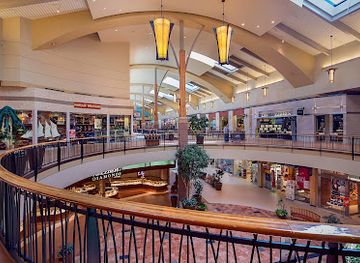
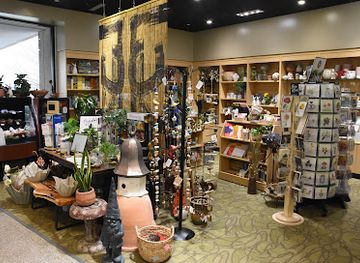
Shopping in Des Moines ranges from seasonal producer stalls to independent design and fashion businesses. The Downtown Farmers’ Market is the city’s most distinctive retail gathering, where visitors can browse Iowa-grown produce, flowers, baked goods, preserves, prepared foods and locally made goods. The East Village is the main central district for independent boutiques, gift shops, homeware, vintage finds and design-led retailers, occupying a mixture of restored commercial buildings and newer spaces. Downtown offers additional galleries and specialist shops, while neighbourhood districts such as Beaverdale and Ingersoll provide smaller-scale local businesses rather than a single large shopping precinct. Iowa-made food products, craft beverages, prints, pottery and handmade gifts are practical souvenirs with a clear regional connection. Conventional malls and large retail clusters are mostly found beyond the historic centre in the wider metropolitan area, so journeys outside central Des Moines may require a car or local bus planning.
-
Shopping mall
Jordan Creek Town Center
Discover the ultimate shopping and entertainment experience at Jordan Creek Town Center in West Des Moines, Iowa, where fun and fashion come together.
35 min drive · 15 km from city centre
-
Shopping mall
Merle Hay Mall
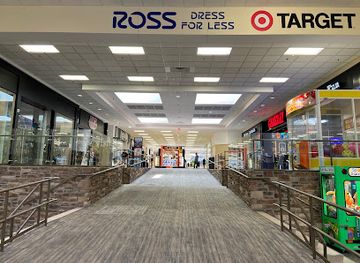
Explore the vibrant shopping scene at Merle Hay Mall, Des Moines' premier retail destination with diverse shops, dining, and entertainment options.
24 min drive · 8.0 km from city centre
-
Outlet mall
Outlets of Des Moines
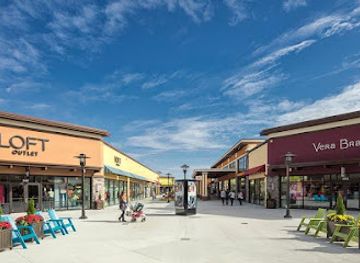
Discover unbeatable deals and a wide variety of stores at Outlets of Des Moines, the ultimate shopping destination in Iowa.
32 min drive · 12 km from city centre
-
Gift shop
Greater Des Moines Botanical Garden
Discover the beauty and tranquility of the Greater Des Moines Botanical Garden, an oasis of diverse plant collections and serene landscapes in Des Moines.
18 min walk · 1.4 km from city centre
Get your free copy of our complete guide to Des Moines, delivered straight to you.
Everything on this page, from attractions and restaurants to essentials and local phrases, in one PDF you can read offline, print or share.
Already have an account? Sign in
Your Des Moines guide is ready.
We'll send it to · Not you? Sign out

Getting your guide ready…
We are putting together a fresh copy of the Des Moines guide. This can take up to a minute.
This can take a few moments. If your browser asks, choose Allow so the download can start. You'll find the guide in your Downloads folder.
Nothing happened? Download it again
Sorry, the guide is taking longer than usual. Please try again in a minute, or get it by email instead.
Des Moines essentials
Currency and Payment
Safety
Emergency Situations
Do's and Don'ts
Local Tips
From Eve
Local phrases worth knowing
You don't need to get them perfect. A few words go a long way, and locals appreciate the effort.
Basics
| English | Local | Say it |
|---|---|---|
| Hello | Howdy | [haw-dee] |
| Goodbye | See ya | [see yuh] |
| Yes | Yep | [yep] |
| No | Nah | [nah] |
| Please/You're welcome | Please/No problem | [pleez/no prob-lem] |
| Thank you | Thanks | [thanks] |
| Excuse me/Sorry | Pardon me/My bad | [par-dun me/my bad] |
| How are you? | How ya doin'? | [how ya doin'] |
| Fine. And you? | Doing good. You? | [doin' good. yuh?] |
| Do you speak English? | Ya speak English? | [ya speak english?] |
| I don't understand | I'm lost | [I'm lost] |
Eating & Drinking
| English | Local | Say it |
|---|---|---|
| I'd like to see the menu, please | Can I check out the menu? | [can I check out the menu?] |
| I don't eat meat | I don't do meat | [I don't do meat] |
| Cheers! | Cheers! | [Cheers!] |
| I would like to pay, please | I'm ready to settle up | [I'm ready to settle up] |
Emergencies
| English | Local | Say it |
|---|---|---|
| Help! | Help! | [Help!] |
| Go away! | Beat it! | [beat it!] |
| Call the Police! | Get the cops! | [get the cops!] |
| Call a doctor! | Get a doc! | [get a doc!] |
| I'm lost | I'm lost | [I'm lost] |
| I'm ill | I'm sick | [I'm sick] |
Shopping
| English | Local | Say it |
|---|---|---|
| I'd like to buy... | I wanna grab... | [I wanna grab...] |
| I'm just looking | Just browsing | [just browsing] |
| How much is it? | What's the damage? | [what's the damage?] |
| That's too expensive | That's steep | [That's steep] |
| Can you lower the price? | Can you cut me a deal? | [can you cut me a deal?] |
Time & Numbers
| English | Local | Say it |
|---|---|---|
| What time is it? | What's the time? | [what's the time?] |
| It's one o'clock | It's one | [It's one] |
| Half past (10) | Ten thirty | [ten thirty] |
| Morning | Morning | [Morning] |
| Afternoon | Afternoon | [Afternoon] |
| Evening | Evening | [Evening] |
| Yesterday | Yesterday | [Yesterday] |
| Today | Today | [Today] |
| Tomorrow | Tomorrow | [Tomorrow] |
| 1 | One | [One] |
| 2 | Two | [Two] |
| 3 | Three | [Three] |
| 4 | Four | [Four] |
| 5 | Five | [Five] |
| 6 | Six | [Six] |
| 7 | Seven | [Seven] |
| 8 | Eight | [Eight] |
| 9 | Nine | [Nine] |
| 10 | Ten | [Ten] |
Transport & Directions
| English | Local | Say it |
|---|---|---|
| Where's a/the...? | Where's the...? | [where's the...?] |
| What's the address? | What's the addy? | [what's the addy?] |
| Can you show me (on the map)? | Can you point me out? | [can you point me out?] |
| When's the next (bus)? | When's the next (bus)? | [When's the next (bus)?] |
| A ticket (to ....) | A ticket (to ....) | [A ticket (to ....)] |
History of Des Moines
Indigenous River Landscapes
The Des Moines area lies within the historic homelands and wider networks of Indigenous peoples including the Ioway, Sauk and Meskwaki. The rivers supported movement, hunting, trade and seasonal settlement long before the arrival of American settlers. Their confluence also made the area strategically significant to later military and commercial development. The Meskwaki Nation, whose settlement and cultural life remain important in central Iowa, continues to represent an enduring Indigenous presence in the region. Understanding this earlier history places the city’s later growth within a much longer story of movement and stewardship across the prairie and river valleys.
Fort Des Moines and Settlement
The US Army established Fort Des Moines in 1843 near the junction of the Des Moines and Raccoon rivers, following earlier military posts that had used the same name in other Iowa locations. The fort was part of the federal presence in a region undergoing rapid change after the removal of Indigenous communities. Although the installation was short-lived, its name remained attached to the emerging settlement. A town developed around the river crossing and the expanding territorial administration, and Des Moines was incorporated as a city in 1857, the year Iowa entered statehood.
The New State Capital
Des Moines became Iowa’s permanent state capital in 1857, replacing Iowa City, and government soon became a defining force in its development. The present Iowa State Capitol was constructed from 1871 to 1886, with its central gilded dome and four smaller domes creating one of the city’s dominant architectural silhouettes. Public offices, schools, churches and commercial buildings followed as the capital expanded. The Capitol grounds and surrounding civic institutions still express the nineteenth-century ambition to make Des Moines a durable administrative and cultural centre for a growing state.
Railways, Coal and Commerce
During the late nineteenth and early twentieth centuries, railways connected Des Moines with wider markets and strengthened its role as a commercial centre for Iowa’s farms and industries. Coal mining developed around the city, especially in communities along the Des Moines River valley, while manufacturing, wholesaling and grain-related business added to the urban economy. Downtown streets acquired substantial commercial blocks, and neighbourhoods such as Sherman Hill grew as the population increased. The city’s prosperity was therefore linked not only to state government but also to the transport, energy and agricultural systems of the surrounding region.
A City of Civic and Cultural Growth
In the twentieth century, Des Moines broadened its civic identity through education, the arts, public parks and expanding suburbs. The Des Moines Art Center opened in 1948 and developed a significant collection of modern and contemporary art, while cultural institutions and neighbourhood organisations helped diversify the city’s public life. The city also experienced periods of industrial change, suburban growth and urban renewal, patterns shared by many American regional capitals. Later investment in the riverfront, trails and public art helped reconnect central districts with the rivers and supported the revitalisation of areas such as the East Village.
Floods and Riverfront Renewal
The rivers that helped establish Des Moines have also brought serious flooding, most notably during the devastating floods of 1993 and 2008. These events affected homes, businesses and public infrastructure, while prompting renewed attention to flood protection and the relationship between the city and its waterways. The Principal Riverwalk and related improvements emerged within a longer effort to make the riverfront more accessible and useful for residents. Today, paths, parks and civic spaces along the water reflect both the environmental challenges of the river valley and the city’s continuing reinvention of its central landscape.
Des Moines in Photos
Browse through our photo collection highlighting the charm and character of the destination.
Cities near Des Moines
The closest cities to Des Moines, if you have time for more than one stop.
-

-

-

-

-


Swipe for more cities
Explore more

Explore more of Iowa
Explore Iowa: The American Heartland with its blend of rural charm, vibrant cities, rich cultural experiences, and natural beauty, perfect for nature lovers and cultural enthusiasts.
Explore Iowa