Dur-Kurigalzu: Echoes of a Babylonian Capital
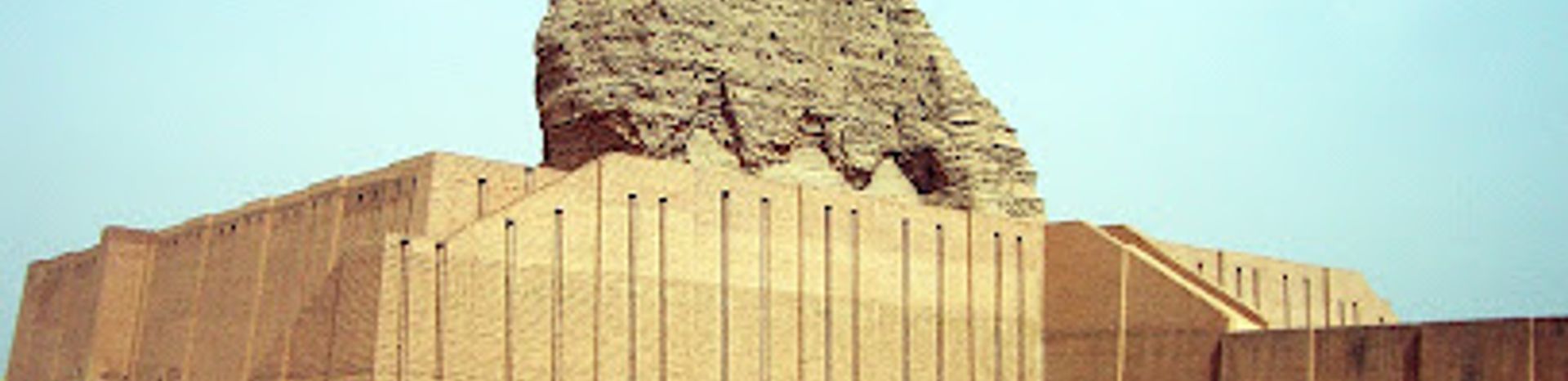
Discover Dur-Kurigalzu, an ancient Mesopotamian city showcasing the impressive Ziggurat of Aqar Quf, a testament to Babylonian architecture and history.
Explore the ruins of Dur-Kurigalzu, founded in the 14th century BC by the Kassite King Kurigalzu I, serving as a capital city. The most prominent feature is the well-preserved ziggurat dedicated to the god Enlil, offering a glimpse into ancient Mesopotamian architecture and religious practices.
A brief summary to Dur-Kurigalzu (Ziggurat at Aqar Quf)
- Baghdad, Al Anbar Governorate, IQ
Local tips
- Wear comfortable shoes as exploring the site involves walking on uneven terrain.
- Bring water and sun protection, as the area can get hot and exposed.
- Consider hiring a local guide for a more in-depth understanding of the site's history.
- Photography may be restricted in certain areas; check with site officials beforehand.

Getting There
-
Car
From Baghdad city center, head west on Al-Sadriya Street towards Al-Rashid Street and follow signs for Route 1 (Baghdad-Kirkuk Road). Continue for approximately 20 kilometers, then look for signs towards Aqar Quf. The ziggurat is about 3 kilometers from the main road. Be aware that parking may be limited.
-
Public Transport
Take a bus or shared taxi from Al-Nasr Square in central Baghdad heading west towards Aqar Quf. The fare is around 1,000 IQD, and the journey takes 30-45 minutes depending on traffic. From the Aqar Quf stop, walk approximately 3 kilometers to the ziggurat. Prepare for walking under the sun and bring water. The cost is approximately 1,000 IQD.
Discover more about Dur-Kurigalzu (Ziggurat at Aqar Quf)
Iconic landmarks you can’t miss

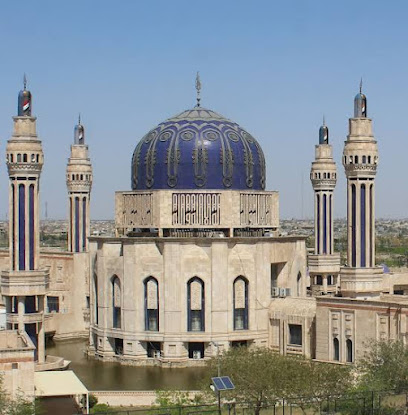
Umm Al-Qura Mosque
8.9 km
Explore Baghdad's Umm Al-Qura Mosque: A landmark of faith, history, and architectural symbolism in the heart of Iraq.
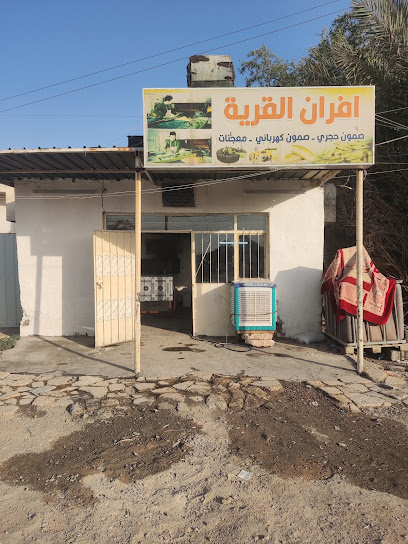
Iraqi village
9.4 km
Experience the vibrant community life and rich traditions of an Iraqi village in Baghdad, a destination blending history and modernity.
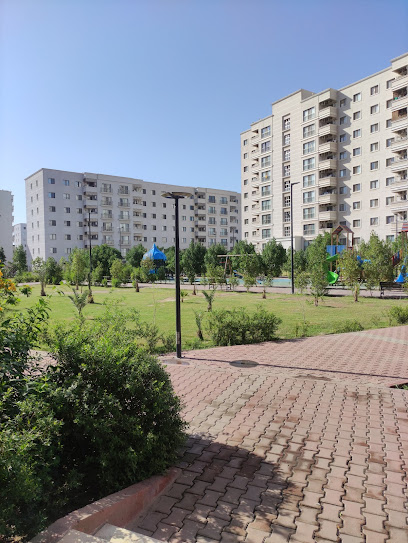
Yamamah Apartments Complex
9.7 km
Experience a comfortable and convenient stay at Yamamah Apartments Complex, your gateway to exploring the vibrant city of Baghdad.
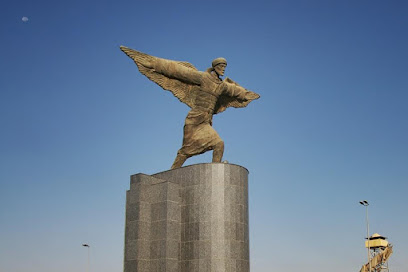
Abbas Ibn Firnas Square
10.7 km
Experience the heart of Baghdad at Abbas Ibn Firnas Square, a tribute to innovation and a vibrant hub of Iraqi culture and history.
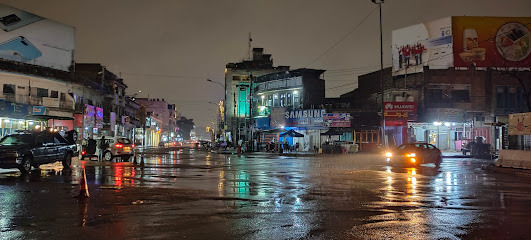
Oroba Square
12.3 km
Experience the vibrant heart of Baghdad at Oroba Square, where culture, community, and everyday life converge in Iraq's capital.
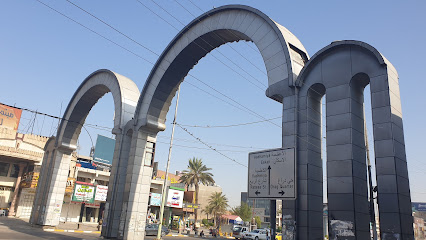
تقاطع المنصور
13.2 km
تقاطع المنصور: نقطة التقاء حيوية في قلب بغداد، تعكس تاريخ المدينة وحاضرها المزدهر. مركز للنشاط التجاري والاجتماعي.
Kadhim Square
13.5 km
Escape the city bustle at Kadhim Square, a serene park in Baghdad offering green spaces, cultural events, and a peaceful retreat for all.
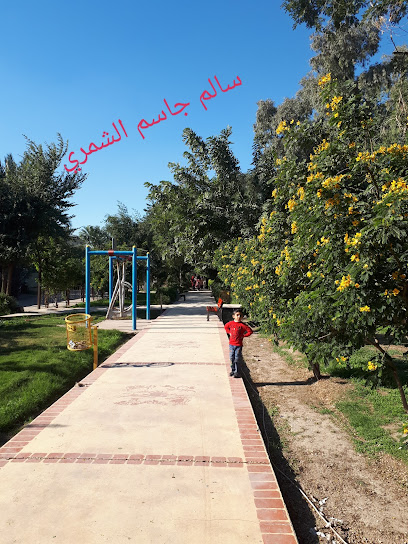
Al Kadhimain, Baghdad, Iraq
13.7 km
Discover Al-Kadhimiya Mosque in Baghdad: A sacred Shia shrine with stunning architecture, rich history, and deep spiritual significance.
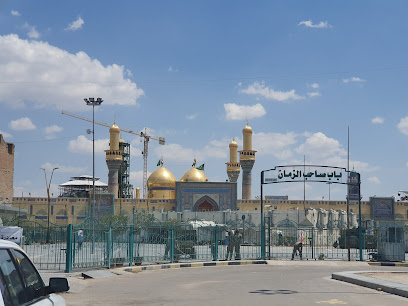
Babylon Mall
13.9 km
Experience modern shopping, dining, and entertainment at Baghdad's Babylon Mall, a vibrant hub for families and tourists.
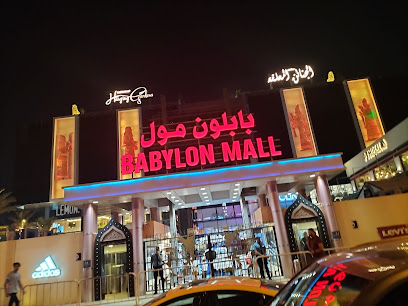
Al-Imma Square
14.1 km
Explore the vibrant Al-Imma Square in Kadhimiya, Baghdad, a cultural hub filled with local charm, stunning architecture, and rich history.
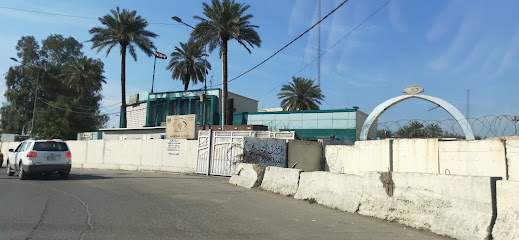
Monument Abu Jafar Al Mansour
14.4 km
A Baghdad landmark honoring the city's founder, the Abbasid Caliph Abu Jafar Al Mansour, in the heart of the Mansour district.
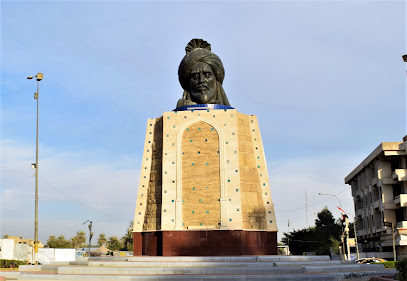
Abu Jaafar Al Mansour
14.4 km
A modern square in Baghdad named after the Abbasid Caliph al-Mansur, founder of the 'City of Peace'.

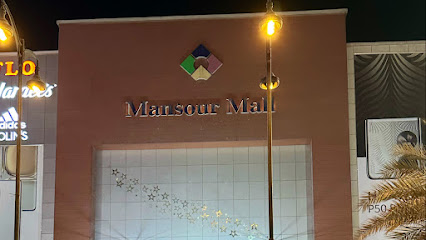
Mansour Mall
14.5 km
Experience modern shopping, dining, and entertainment at Mansour Mall, Baghdad's premier retail destination with a wide variety of brands.
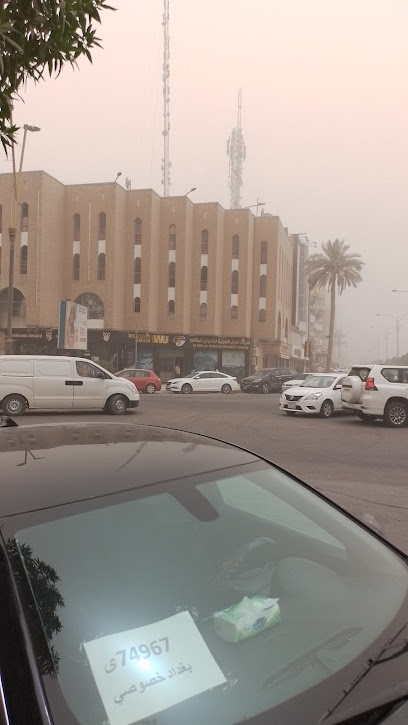
تقاطع الاميرات/ الجادرجي
14.6 km
Discover tranquility in Baghdad at Al-Amirat Gardens, a lush escape offering a serene retreat for families and individuals alike in the heart of the city.
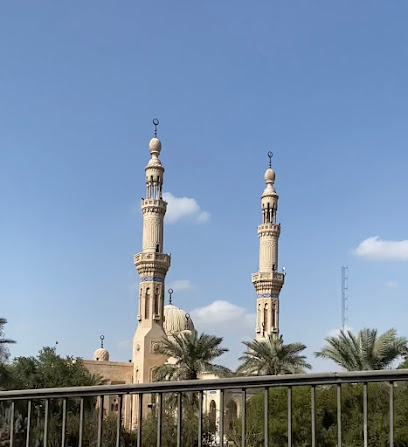
Umm Al-Tabbul Mosque
15.1 km
Discover Umm Al-Tabbul Mosque in Baghdad: A serene landmark with unique architecture and rich historical significance, inspired by Egyptian Islamic design.
Unmissable attractions to see

Archaeological Ziggurat of Aqarquf
0.0 km
Explore the ancient Ziggurat of Aqarquf, a remarkable testament to Mesopotamian history and architecture near Baghdad, dating back to the Kassite Dynasty.
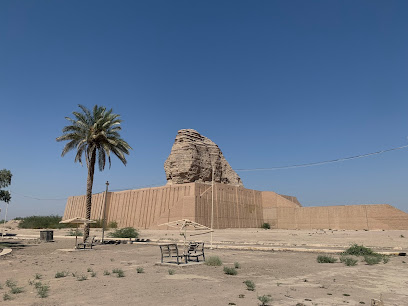
معبد نينورتا Temple of Ninurta
0.2 km
Explore the historical Temple of Ninurta in Al Anbar, Iraq, and discover the grandeur of ancient Mesopotamian civilization and its enduring legacy.
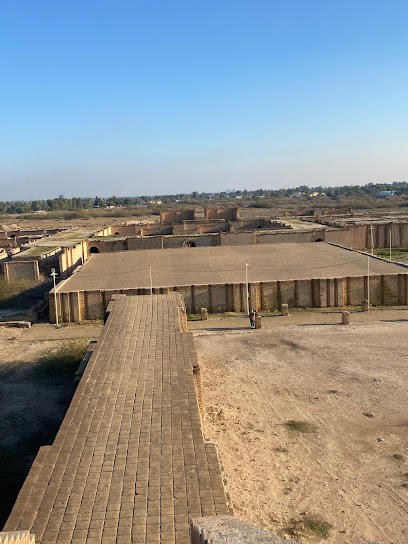
Al-Amiriya Shelter
9.6 km
A poignant Baghdad memorial to the Al-Amiriya Shelter bombing during the Gulf War, honoring the lives lost and promoting peace.
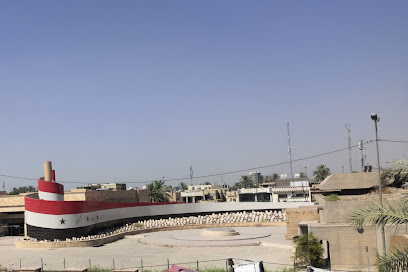
Al-Amriya Garden
10.0 km
Discover tranquility in Baghdad at Al-Amriya Garden, a lush escape with peaceful paths and beautiful landscapes perfect for a relaxing day out.
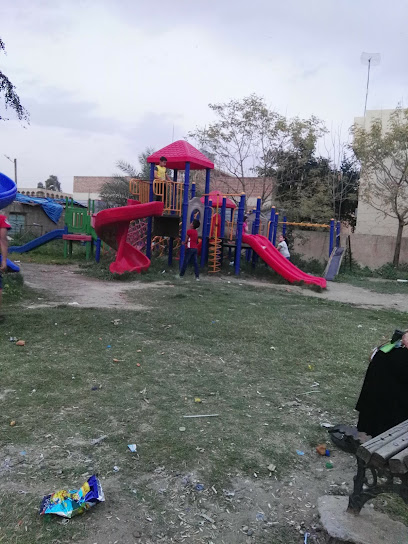
Abbas Ibn Firnas
10.7 km
A Baghdad landmark honoring Abbas Ibn Firnas, a 9th-century inventor and aviation pioneer, celebrating Iraq's rich cultural and scientific history.
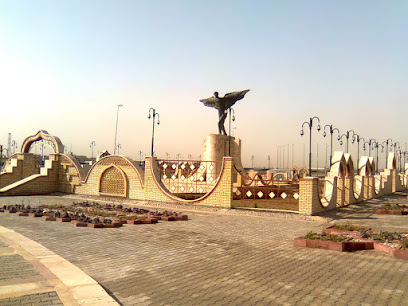
شركة غزال الوادي
11.5 km
Explore شركة غزال الوادي in Baghdad, where nature and culture converge to create an unforgettable experience for every traveler.
Al-Hussein neighborhood park
11.5 km
Escape to Baghdad's Al-Hussein Neighborhood Park: A tranquil retreat with lush greenery, perfect for families and nature lovers.
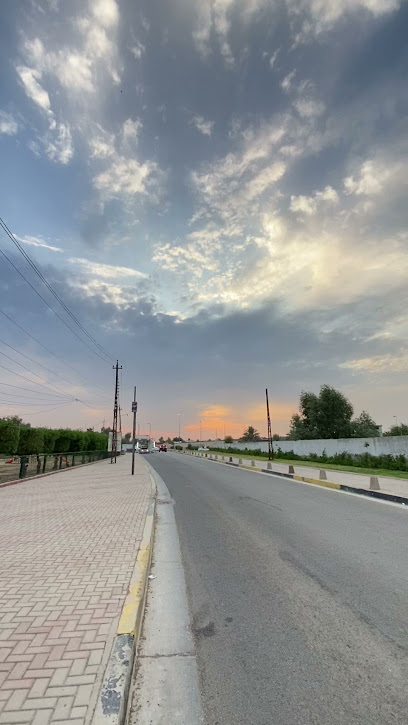
Park map of Iraq
11.5 km
Experience tranquility in the heart of Baghdad at Park Map of Iraq, a serene escape with cultural interactions and peaceful retreats.
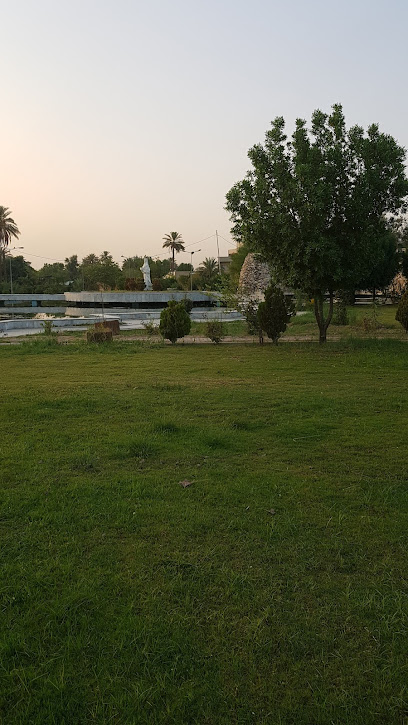
بيت نوار
12.5 km
Discover Beit Nawar, a cultural treasure in Baghdad, where history and artistry come together to offer a unique glimpse into Iraq's rich heritage.
Imam al-Kazim & Imam al-Jawad Shrine
13.0 km
Discover the spiritual splendor of Baghdad's Imam al-Kazim & Imam al-Jawad Shrine, a beacon of Islamic heritage and architectural beauty.
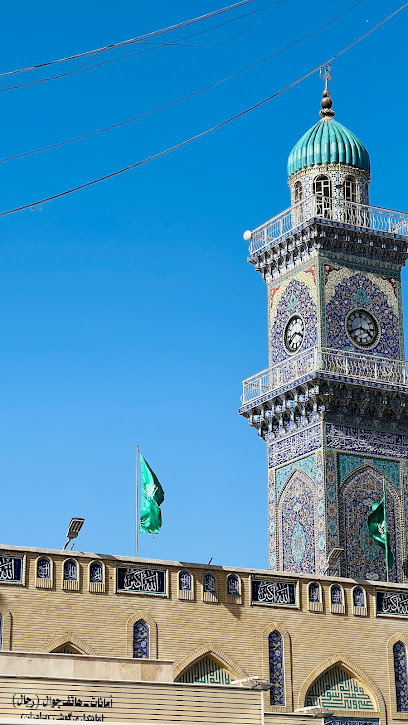
Saddam Hussein's Palace
13.1 km
Explore the controversial history and opulent architecture of Saddam Hussein's Palace, a landmark in Baghdad reflecting Iraq's complex past.
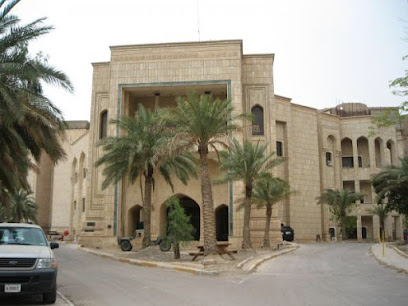
Abdul Mohsen Al-Kazemi Square
13.4 km
Discover Abdul Mohsen Al-Kazemi Square in Baghdad: a peaceful retreat and cultural hub honoring a famous Iraqi poet.
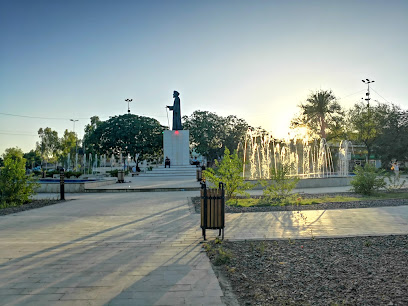
Kadhimiya Corniche
13.6 km
Escape to the serene Kadhimiya Corniche in Baghdad: a riverside park offering tranquility, cultural experiences, and stunning views of the Tigris.
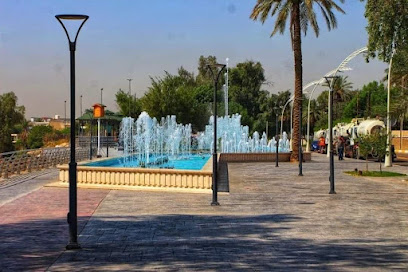
Al-Shalchayia Park
13.8 km
Experience the tranquility and beauty of Al-Shalchayia Park, a serene oasis in Baghdad perfect for families and nature lovers.
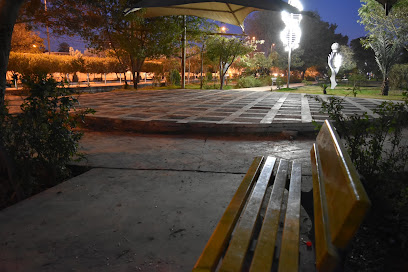
ضفاف دجلة من جهة الكاظمية
13.8 km
A peaceful escape along the Tigris in Baghdad's Kadhimiya, offering serene river views and a tranquil atmosphere steeped in history.
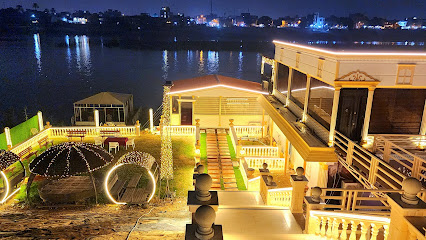
Essential places to dine

Madhaif al falluja alshaheer restaurant
4.6 km
Experience authentic Iraqi cuisine at Madhaif al Falluja Alshaheer Restaurant in Baghdad - where tradition meets taste.
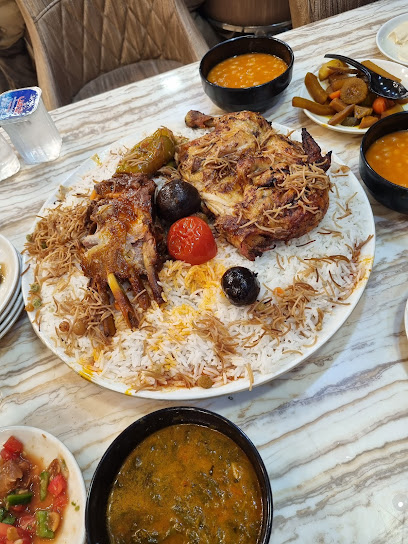
Restaurant
9.4 km
Experience authentic Iraqi cuisine in Baghdad's vibrant restaurant scene with traditional dishes and warm hospitality.
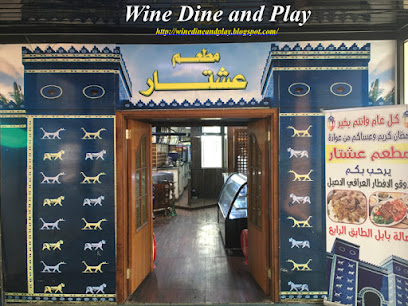
Ishtar Restaurant
9.8 km
Experience authentic Iraqi cuisine at Ishtar Restaurant in Baghdad International Airport—your gateway to delicious local flavors.
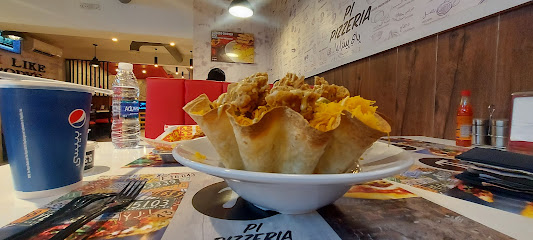
Lee's & Chili House
10.0 km
Experience authentic Western cuisine at Lee's & Chili House - where flavor meets warmth in the heart of Baghdad.
Lhm-achin Mousel
10.6 km
Discover authentic Iraqi flavors at Lhm-achin Mousel, a top-rated restaurant in Baghdad known for its delicious traditional cuisine.
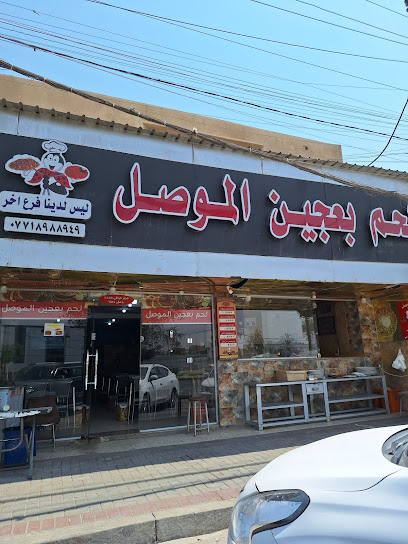
Kabab AlFalloja
11.1 km
Experience authentic Iraqi barbecue at Kabab AlFalloja in Baghdad - where every dish tells a story of flavor and tradition.
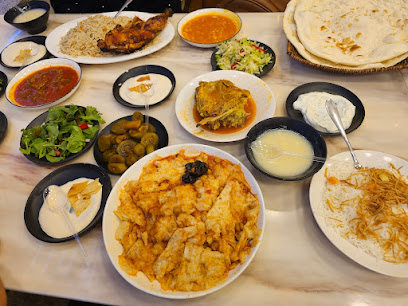
مطعم جار الجوادين
12.9 km
Experience authentic Iraqi cuisine at مطعم جار الجوادين in Kadhimiya, Baghdad - a hidden gem for food lovers.
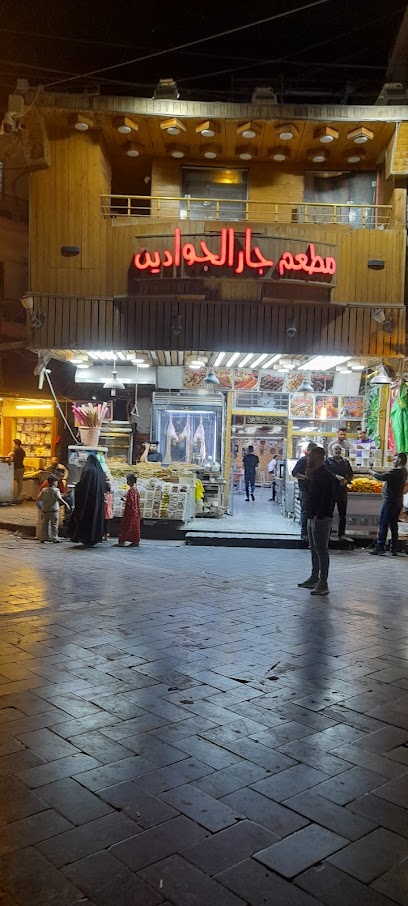
مطعم المضيف
13.0 km
Discover authentic Iraqi cuisine at مطعم المضيف in Baghdad - a culinary gem offering traditional dishes in a welcoming atmosphere.
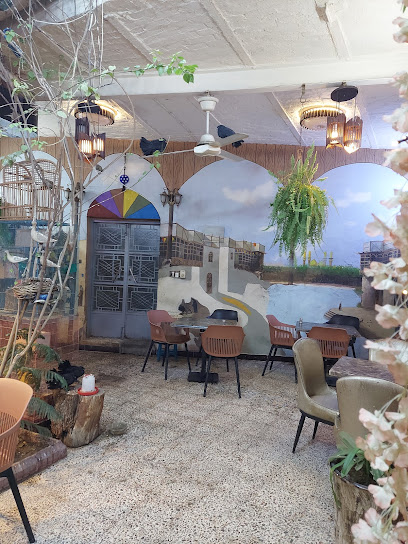
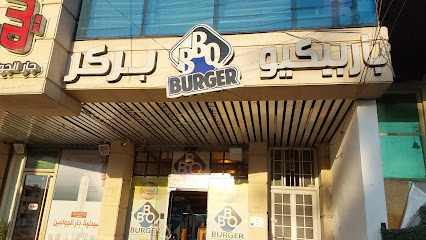
BBQ Burger
13.0 km
Experience delicious gourmet burgers and local flavors at BBQ Burger in Kadhimiya, Baghdad - A must-visit culinary destination.
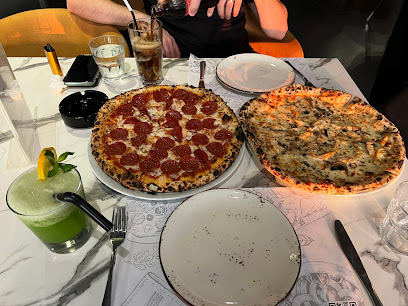
Pachi Pizza and Pasta
13.1 km
Discover authentic Italian cuisine at Pachi Pizza and Pasta in Baghdad – where every bite takes you on a flavorful journey.
مطعم زمزم
13.1 km
Experience authentic Iraqi cuisine at مطعم زمزم in Baghdad's Kadhimiya neighborhood, where flavors meet tradition.
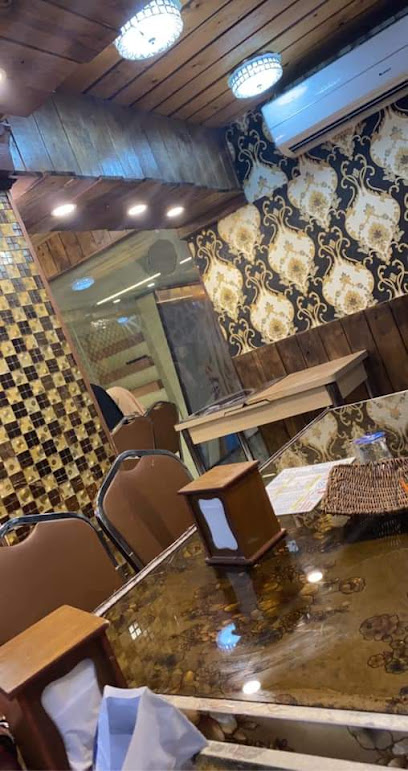
Muharaja Khan
13.1 km
Experience authentic Indian flavors at Muharaja Khan in Baghdad – where every dish tells a story.
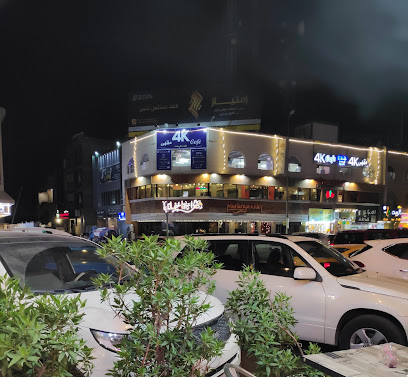
Amore pizza
13.3 km
Discover Amore Pizza: A delightful blend of authentic Iraqi flavors and Italian pizza traditions in the heart of Kadhimiya.
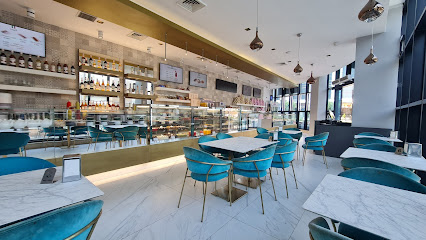
مطعم حيدر الصگيري
13.3 km
Experience authentic Iraqi flavors at مطعم حيدر الصگيري in Kadhimiya – where tradition meets taste in every dish.
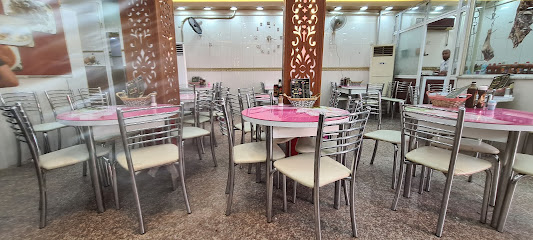
Hamid al-Tai Restaurant
13.4 km
Discover the heart of Iraqi cuisine at Hamid al-Tai Restaurant in Kadhimiya - where tradition meets flavor in every dish.
Markets, malls and hidden boutiques

Tigris Way Stores
10.8 km
Explore Tigris Way Stores: A Cultural Shopping Experience in Baghdad, Offering Unique Handicrafts and Authentic Souvenirs.
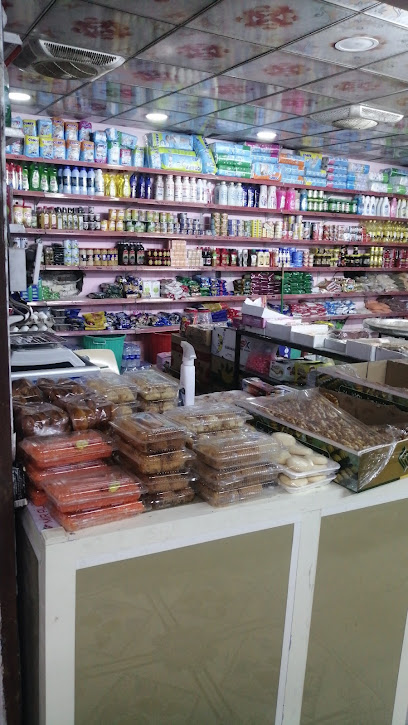
Kingdom gifts
12.5 km
Explore Kingdom Gifts in Baghdad for unique handcrafted treasures and a glimpse into local culture.
Unique Store
12.7 km
Shop the latest trends and unique styles at Unique Store in Baghdad, a clothing destination that showcases local fashion artistry.
Al-Sura Store for Clothing
12.9 km
Explore the Al-Sura Store for Clothing in Baghdad, where tradition meets modern fashion in a vibrant shopping experience.
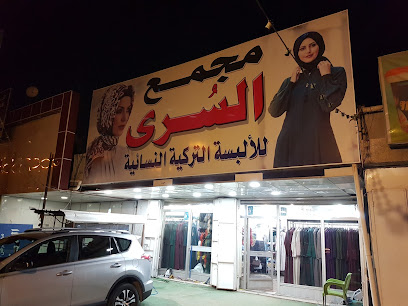
Bab al-Derwaza Market
13.1 km
Discover the vibrant Bab al-Derwaza Market in Baghdad, where culture, shopping, and delicious food come together in an unforgettable experience.
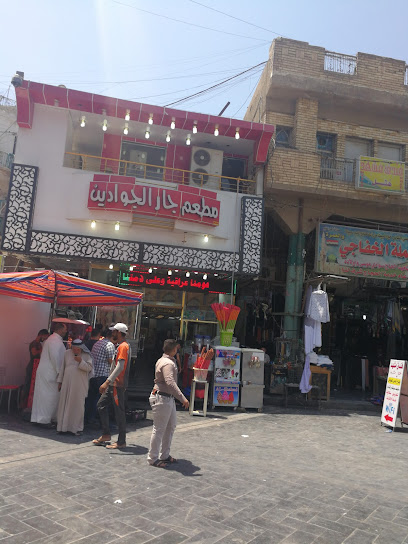
Gifts Village
13.2 km
Explore Gifts Village in Baghdad: the ultimate destination for unique souvenirs and a taste of Iraqi culture.
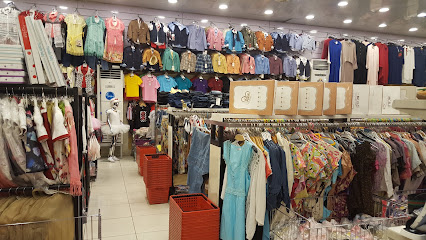
مطرزات لطيف_الكاظميه
13.2 km
Explore unique furniture and home decor at مطرزات لطيف_الكاظميه in Kadhimiya, Baghdad, blending tradition with modernity for an unforgettable shopping experience.
Akkad mall
13.2 km
Discover the vibrant taste of Baghdad at Akkad Mall, where every scoop of ice cream offers a unique flavor adventure.
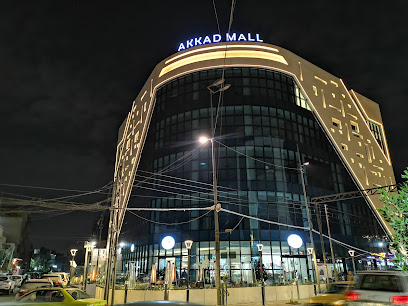
MAXI MALL
13.3 km
Explore MAXI MALL in Baghdad for an exceptional shopping experience featuring a wide range of clothing and accessories to suit every taste.
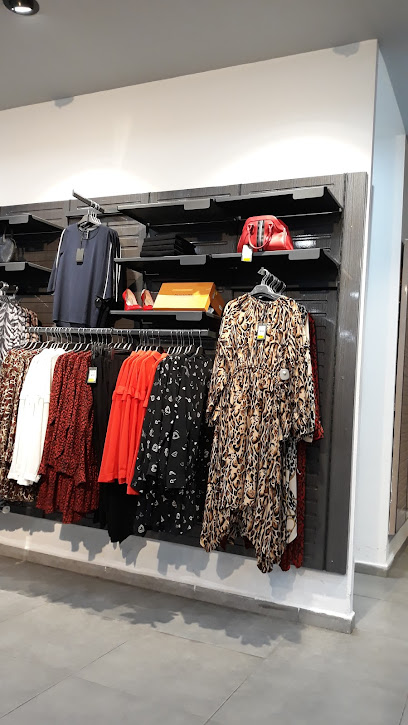
Iraqi Department Store
13.3 km
Explore the Iraqi Department Store for an authentic shopping experience in Baghdad, filled with local flavors and cultural treasures.
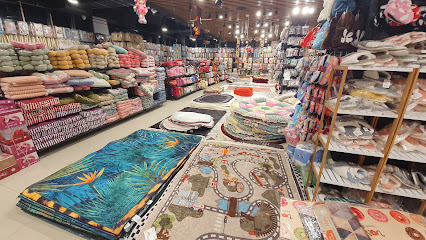
خطار Home Style
13.3 km
Discover خرطار Home Style in Baghdad - a vibrant shopping mall featuring diverse stores, local dining, and a lively atmosphere perfect for tourists.
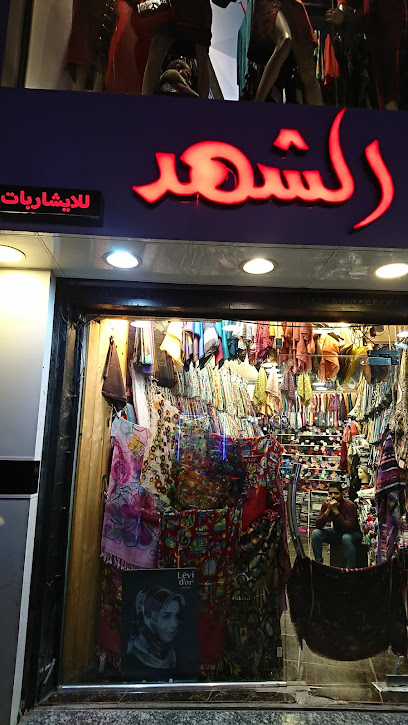
Alshahad Scarves
13.3 km
Discover the vibrant world of traditional Iraqi scarves at Alshahad Scarves, a must-visit clothing store in Baghdad's Kadhimiya district.
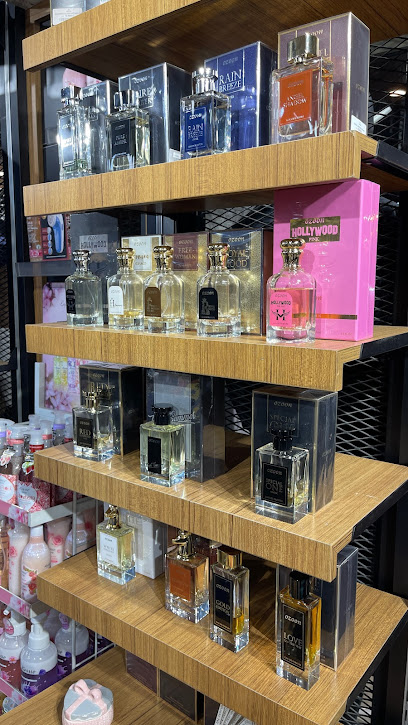
O3-ozoon
13.4 km
Explore O3-Ozoon in Baghdad for a unique blend of vintage and contemporary men's clothing, embodying the spirit of modern Iraqi fashion.
مول الكاظمية
13.4 km
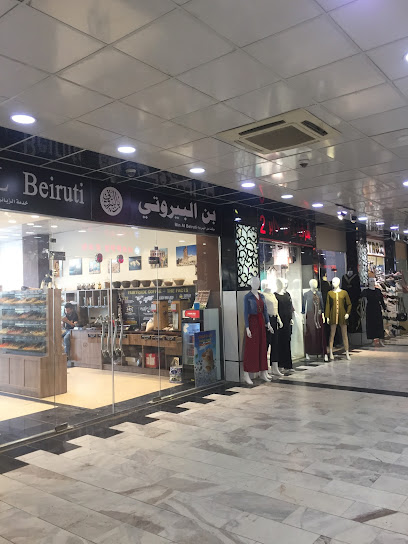
Discover مول الكاظمية in Baghdad: A vibrant shopping destination blending local culture with modern retail experiences.
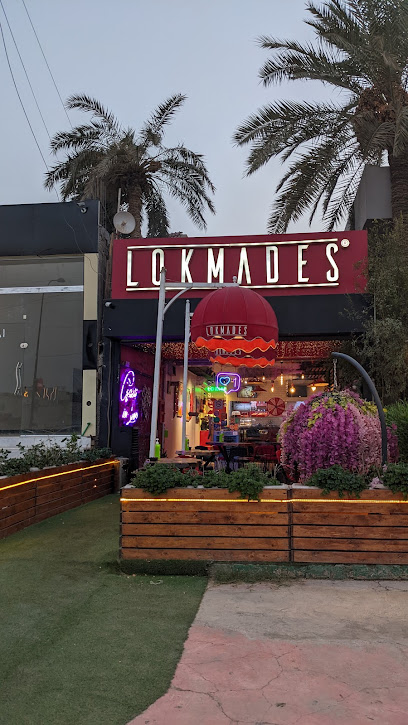
Lokmades Al-yarmouk
13.8 km
Discover the sweet side of Baghdad at Lokmades Al-yarmouk, a delightful chocolate shop offering handcrafted treats and a unique taste experience.
Essential bars & hidden hideouts

حي الوزح
6.9 km
Discover the lively nightlife at حي الوزح, a premier bar in Abu Ghraib, where culture, music, and great drinks merge for an unforgettable experience.
Samarra terminal
9.7 km
Discover comfort and culture at Samarra Terminal, your relaxing lounge experience at Baghdad International Airport.
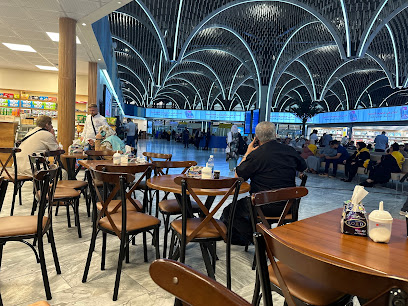
Babylon Terminal
9.8 km
Explore Iraq's rich heritage through Babylon Terminal, your gateway to adventure, culture, and history.
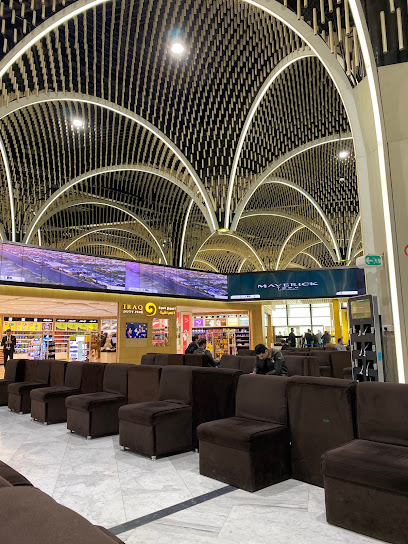
Business Lounge
10.1 km
Experience tranquility at the Business Lounge in Baghdad, your perfect escape for relaxation and productivity amid your travels.
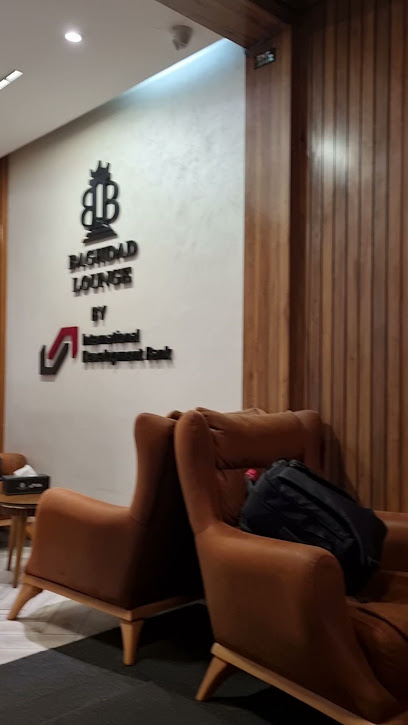
فرع المنصور ٢
10.4 km
Experience the lively spirit of Baghdad at فرع المنصور ٢, a bar where tradition meets modernity and every drink tells a story.
Baghdad International Airport Hotel
10.9 km
Enjoy comfort and convenience at Baghdad International Airport Hotel, the perfect choice for your stay near the airport in Iraq.
لخلخلخلخلخل
10.9 km
Discover the essence of Baghdad's nightlife at a vibrant bar offering local flavors and a lively atmosphere, perfect for unwinding after a day of exploration.
Liquor store
11.7 km
Explore the energetic bar culture of Baghdad, where tradition meets modernity in a vibrant nightlife experience.
مثلجات ستي ايس كريم
12.1 km
Discover the delectable world of مثلجات ستي ايس كريم, where every scoop of ice cream is a delightful treat in the heart of Baghdad.
The Square meeting Bars
12.9 km
Experience vibrant nightlife at The Square Meeting Bars in Baghdad, where locals and tourists come together for exceptional drinks and great company.
Irish pub
13.0 km
Discover the vibrant atmosphere and authentic flavors of an Irish pub in Baghdad, where tradition meets local hospitality.
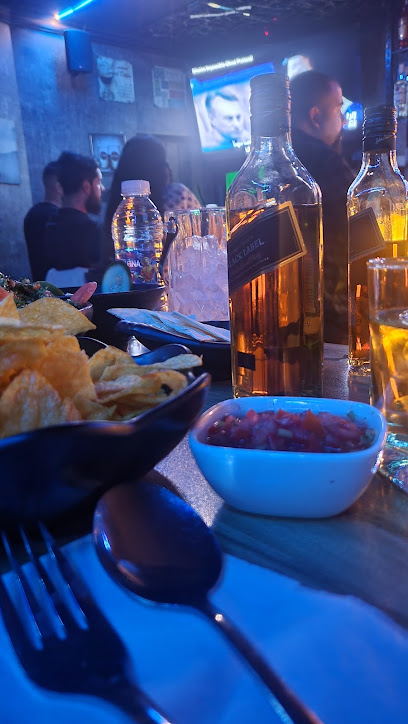
بار نبيل درويش
13.3 km
Discover the lively ambiance of Bar Nabil Darwish in Kadhimiya, Baghdad—where traditional meets modern in a delightful bar experience.
Chocolate Bar 14 Ramadan - جوكلت بار ١٤ رمضان
13.6 km
Experience the rich and diverse world of chocolate at Chocolate Bar 14 Ramadan, a must-visit dessert shop in Baghdad.
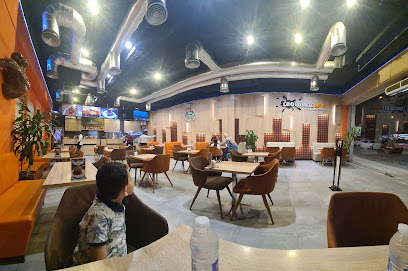
مطعم وكوفي الميدليه والعطلات
13.6 km
Immerse yourself in Baghdad's vibrant culture at مطعم وكوفي الميدليه والعطلات, where delightful cuisine meets stunning views along the Corniche.
Helem Beyruit
13.8 km
Discover the authentic tastes of Iraq at Helem Beyruit, a culinary treasure in the heart of Baghdad.
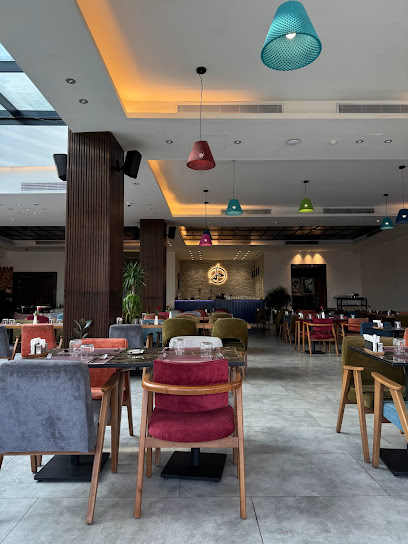
Nightclubs & after hour spots

بيت مايع
8.0 km
Unleash your night at بيت مايع, Baghdad's vibrant night club, where music, culture, and energy collide for an unforgettable experience.
بيت مخذم
13.0 km
Discover the vibrant nightlife at بيت مخذم, Baghdad's premier nightclub offering an eclectic mix of music, drinks, and unforgettable experiences.
قاعه الاعب نيتويرك sniper
13.2 km
Discover the lively atmosphere of قاعه الاعب نيتويرك Sniper, a premier lounge in Baghdad offering vibrant nightlife, local flavors, and unforgettable entertainment.
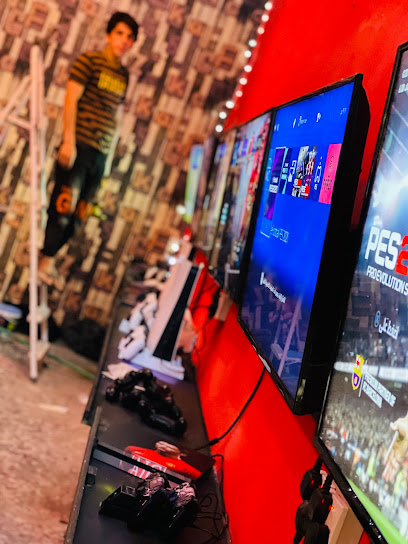
Cumming place
13.3 km
Discover the vibrant nightlife of Baghdad at Cumming Place, a premier night club offering electrifying music and an unforgettable atmosphere.

Iraqi Hunting Club
14.4 km
Discover the vibrant social scene at the Iraqi Hunting Club, where traditional culture meets modern leisure in the heart of Baghdad.
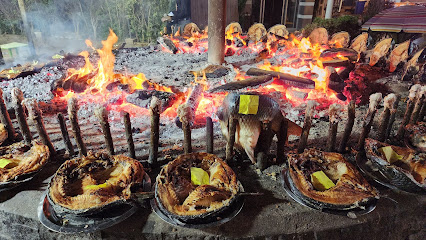
رائدابوالولد
15.0 km
Discover the vibrant nightlife of Baghdad at رائدابوالولد, where music, dance, and culture unite to create an unforgettable experience.
حسين دوندرمه
15.3 km
Explore the vibrant nightlife of Baghdad at حسين دوندرمه, where traditional culture meets modern entertainment in a lively night club atmosphere.
كروري الكوري
15.8 km
Discover the electrifying nightlife of بغداد at كروري الكوري, where music and dance create unforgettable experiences.
القرية اللبنانية 2
16.4 km
Discover the heart of Baghdad's nightlife at Al-Qaryah Al-Lubnaniyah 2, where music, joy, and culture come alive.
Music
17.0 km
Discover the rich and diverse music scene of Baghdad, where traditional melodies meet contemporary rhythms in a vibrant cultural experience.

المطعم البغدادي
18.4 km
Experience the vibrant nightlife of Baghdad at المطعم البغدادي, where traditional and modern entertainment come together for an unforgettable evening.
بيت ام الول
18.6 km
Dive into Baghdad's nightlife at بيت ام الول, a lively nightclub offering a perfect blend of music, dance, and local culture.
قاعة الخيام
19.7 km
Discover the pulse of Baghdad's nightlife at قاعة الخيام, where music, dance, and culture come alive in an unforgettable experience.
Vegas Nights club
20.2 km
Discover the electrifying nightlife of Baghdad at Vegas Nights Club, where music, dancing, and excitement come together for an unforgettable evening.
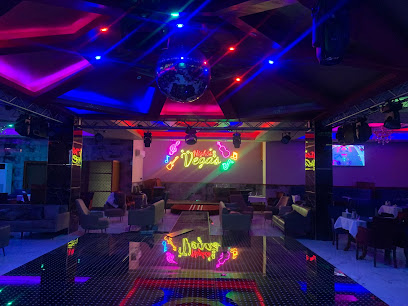
ديسكو ابو نؤاس
20.4 km
Immerse yourself in the heart of Baghdad's nightlife at ديسكو ابو نؤاس, where music, dance, and culture come alive.