Diyala River, Diyala Region Travel Guide
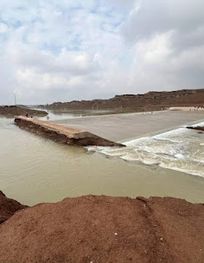
Explore the Diyala River: A historic Mesopotamian waterway offering scenic beauty and a glimpse into ancient civilizations.
The Diyala River, a 445 km tributary of the Tigris, winds through eastern Iraq and western Iran, playing a vital role in the region's history and agriculture. Known in Kurdish as 'Sirwan' meaning 'roaring sea', it has served as a crucial trade route and water source for millennia.
A brief summary to Diyala River
- IQ

Know before you go
Hi, I'm Eve. Here are a few practical things to know before exploring Diyala River.
- Visit during the early morning or late afternoon for the best light for photography.
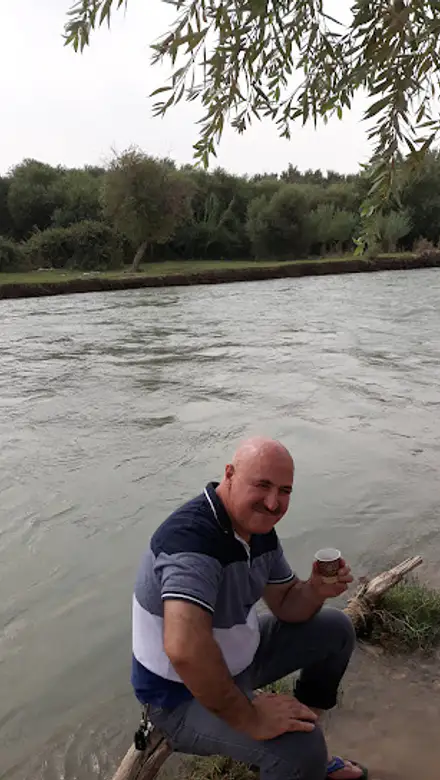
- Bring a picnic to enjoy along the riverbank for a relaxing day out.
- Check local weather conditions before visiting, as the river can rise during heavy rains.
Do you manage this location?
Take control to get all the benefits, like improved information, better appearance, and stronger visibility across AI-powered discovery. Learn more about listing your business on Evendo
Activate your presenceOther nearby places you may find interesting
The closest places of the same kind, if this one is not quite what you had in mind.
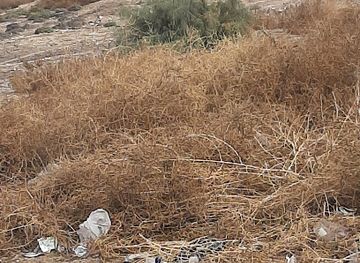
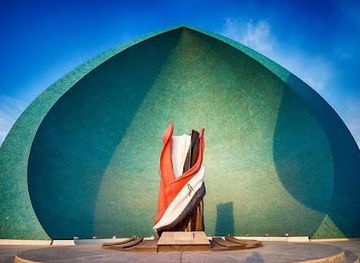



Explore Diyala River on the Map
A handpicked selection of must-see spots near Diyala River, mapped for you.
Getting There
-
Walking
The Diyala River stretches across a vast region, so accessing it depends on your specific location. If you're in a town or city along its banks like Baqubah, reaching the river is typically a short walk from the city center. Follow local roads or paths leading towards the river. There are no specific costs associated with walking to the river.
-
Taxi
Taxis are readily available in major cities near the Diyala River, such as Baqubah. A short taxi ride from the city center to the riverbank will typically cost between IQD 2,000 to IQD 5,000, depending on the distance and traffic conditions. Confirm the fare with the driver before starting your journey.
Discover more about Diyala River













Your all‑in‑one travel companion app
Explore expert travel guides, compare and book tours, experiences, hotels, and more—all from the palm of your hand. Download now for seamless trip planning wherever your wanderlust takes you.


Explore More of Diyala Region
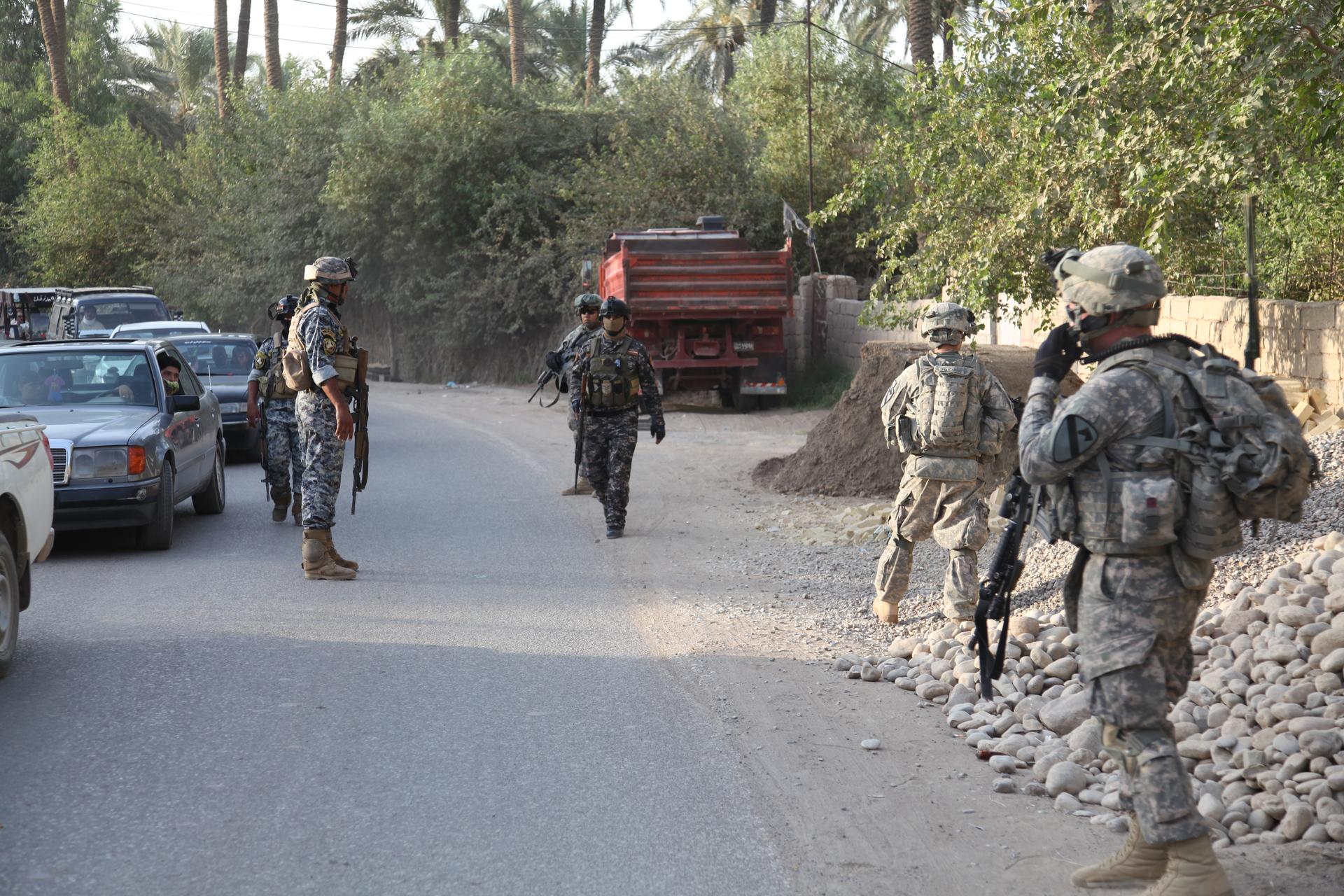
Looking beyond Diyala River? Discover Diyala Region for broader travel guides, local hot-spots, and regional highlights.
Explore Diyala Region