

Halamata cave, Dohuk Travel Guide
Free Guide: Discover ancient Assyrian artistry at Halamata Cave near Duhok, featuring the remarkable Maltai reliefs carved during King Sennacherib's reign.


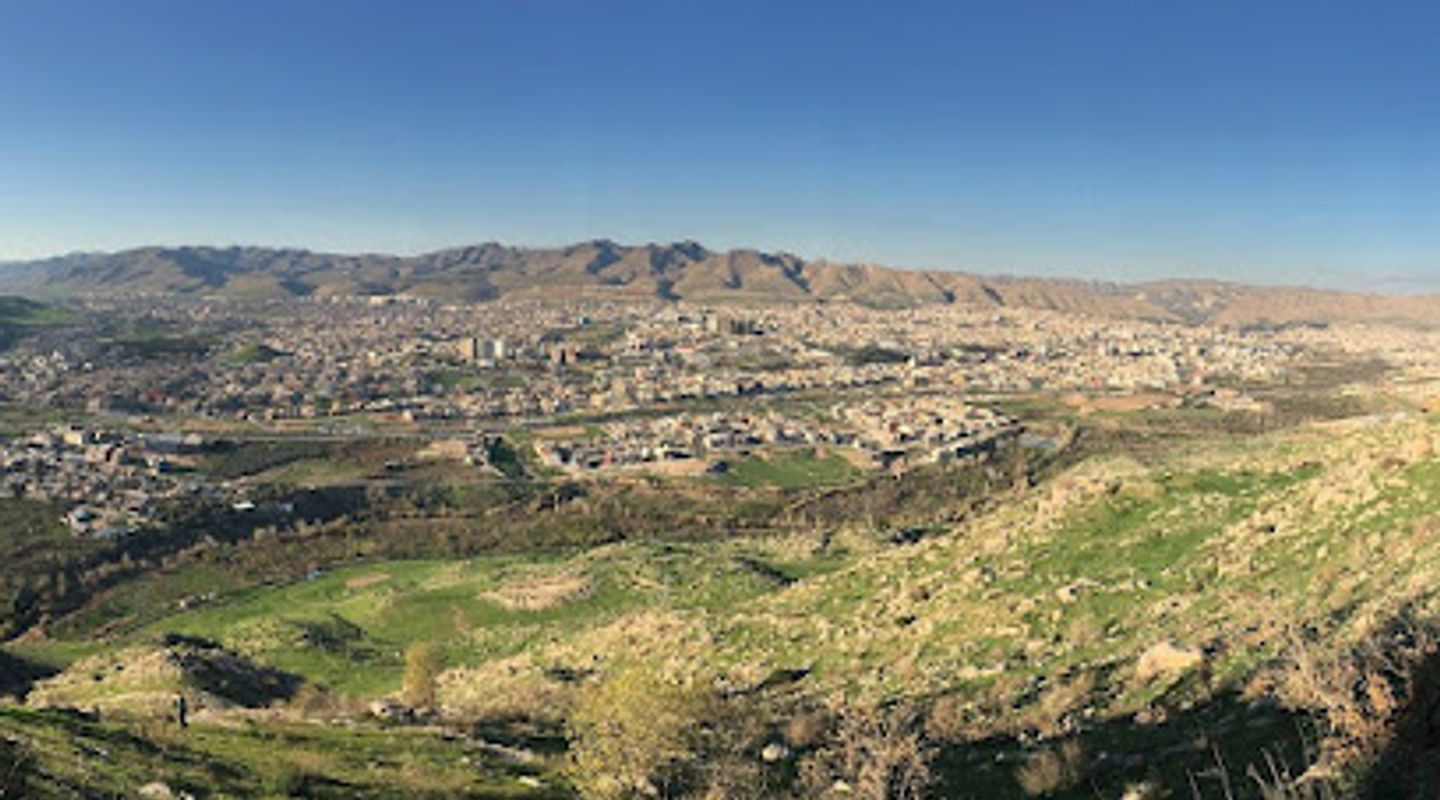
A brief summary of Halamata cave
Discover ancient Assyrian artistry at Halamata Cave near Duhok, featuring the remarkable Maltai reliefs carved during King Sennacherib's reign.
Halamata Cave, near Duhok, Iraq, shelters the Maltai reliefs, ancient Assyrian carvings dating back to King Sennacherib's reign (704-681 BCE). These well-preserved carvings offer a glimpse into the art, religion, and engineering of the Neo-Assyrian period. Despite some vandalism in recent years, the site remains a captivating historical landmark.
Opening hours
- Every dayOpen 24 hours
Opening hours as listed on the venue’s Google Business Profile. Hours can change for services and special events, so check with the venue before you go.
- Address
- RWPR+W83, Duhok, Duhok Governorate
Getting there
Taxi
Public Transport
Discover more about Halamata cave
Overview
Nestled on the slopes of Zawa Mountain in the Duhok Governorate, Halamata Cave is an archaeological treasure. The cave is home to the Maltai reliefs, a series of Neo-Assyrian bas-reliefs dating back to the reign of King Sennacherib (704-681 BCE). These carvings, etched into the cliff-side, are approximately six meters long and two meters high.The reliefs depict a procession of nine figures, including the Assyrian king worshipping the main divinities of the Mesopotamian pantheon. What sets these reliefs apart is their unique iconography, where the king is shown gesturing before anthropomorphic deities, unlike other Assyrian art that portrays the king worshipping symbols of gods. Historians associate the reliefs with Sennacherib's northern canal system, built to supply his capital city of Nineveh with water.First photographed by British explorer Gertrude Bell in 1909, Halamata Cave continues to attract historians, archaeologists, and tourists. While some of the carvings are still in good condition, the site has faced challenges, including vandalism and theft. In 2016, the reliefs were defaced with a Kurdish flag, and in 2018, a piece of the relief was stolen. Despite these incidents, conservation efforts are underway to preserve this invaluable heritage. Visiting Halamata Cave offers a unique opportunity to connect with the rich history and cultural grandeur of the Assyrian Empire.
Evendo Review Centre
 Google
Guest reviews
Explore Halamata cave on the map
A handpicked selection of must-see spots near Halamata cave, mapped for you.
Get your free copy of our complete guide to Halamata cave, delivered straight to you.
Everything on this page, from opening hours and how to get there to Eve’s tips and the best time to go, in one PDF you can read offline, print or share.
Already have an account? Sign in
Your Halamata cave guide is ready.
We'll send it to · Not you? Sign out

Getting your guide ready…
We are putting together a fresh copy of the Halamata cave guide. This can take up to a minute.
This can take a few moments. If your browser asks, choose Allow so the download can start. You'll find the guide in your Downloads folder.
Nothing happened? Download it again
Sorry, the guide is taking longer than usual. Please try again in a minute, or get it by email instead.
Other nearby places you may find interesting
The closest places of the same kind, if this one is not quite what you had in mind.
-
-
-
-
-


Swipe for more places
More to explore near Halamata cave

 Best experiences near Halamata cave
 Best hotels near Halamata cave
 Best landmarks near Halamata cave
 Best attractions near Halamata cave
 Best shops near Halamata cave
 Best restaurants near Halamata cave
 Best bars near Halamata cave
Do you manage this location?
Take control to get all the benefits, like improved information, better appearance, and stronger visibility across AI-powered discovery.
Explore more

Explore more of Dohuk
Discover Dohuk in Iraqi Kurdistan: A city where natural beauty meets rich history, offering stunning landscapes, ancient sites, and vibrant markets for a unique travel experience.
Explore Dohuk
Explore more of Iraq
Explore the cradle of civilization in Iraq, where ancient history, rich culture, and diverse landscapes create an unforgettable travel experience.
Explore Iraq
