Halamata cave, Dohuk Travel Guide
Discover ancient Assyrian artistry at Halamata Cave near Duhok, where the Maltai reliefs whisper tales of kings and gods.
Halamata Cave, near Duhok, is an archaeological site featuring Neo-Assyrian bas-reliefs dating back to 704-681 BC. Carved into a cliffside, the Maltai reliefs depict a procession of figures, offering a glimpse into the religious practices of the Assyrian Empire and King Sennacherib's canal system.
A brief summary to Halamata cave
- RWPR+W83, Duhok, Duhok Governorate, IQ

Know before you go
Hi, I'm Eve. Here are a few practical things to know before exploring Halamata cave.
- Visit early in the morning or late afternoon to avoid crowds and enjoy a more peaceful experience.
- Wear comfortable walking shoes, as the terrain around the cave can be uneven and require some trekking.
- Bring a camera to capture the stunning rock formations, the reliefs, and the surrounding landscape.
- Check the weather before your visit, as conditions can affect accessibility and the cave's atmosphere.
Do you manage this location?
Take control to get all the benefits, like improved information, better appearance, and stronger visibility across AI-powered discovery. Learn more about listing your business on Evendo
Activate your presenceOther nearby places you may find interesting
The closest places of the same kind, if this one is not quite what you had in mind.
Explore Halamata cave on the Map
A handpicked selection of must-see spots near Halamata cave, mapped for you.
Getting There
-
Taxi
From Duhok city center, hire a taxi to Halamata Cave. Negotiate the fare beforehand, with an approximate cost of 7,000 to 15,000 IQD. The taxi ride takes about 30 minutes. The driver will likely know the location, but having the coordinates (36.8372579, 42.940795) handy is recommended.
-
Public Transport
From Duhok, take a bus or shared taxi towards Zakho. Get off approximately 30 kilometers away from Duhok, where you can find local transport heading towards Halamata. Inform the driver of your destination. The bus ride from Duhok to Zakho costs around 1,000 IQD, and the fare from Zakho to Halamata may vary, usually costing around 2,000 to 3,000 IQD.
Discover more about Halamata cave













Your all‑in‑one travel companion app
Explore expert travel guides, compare and book tours, experiences, hotels, and more—all from the palm of your hand. Download now for seamless trip planning wherever your wanderlust takes you.


Explore More of Dohuk
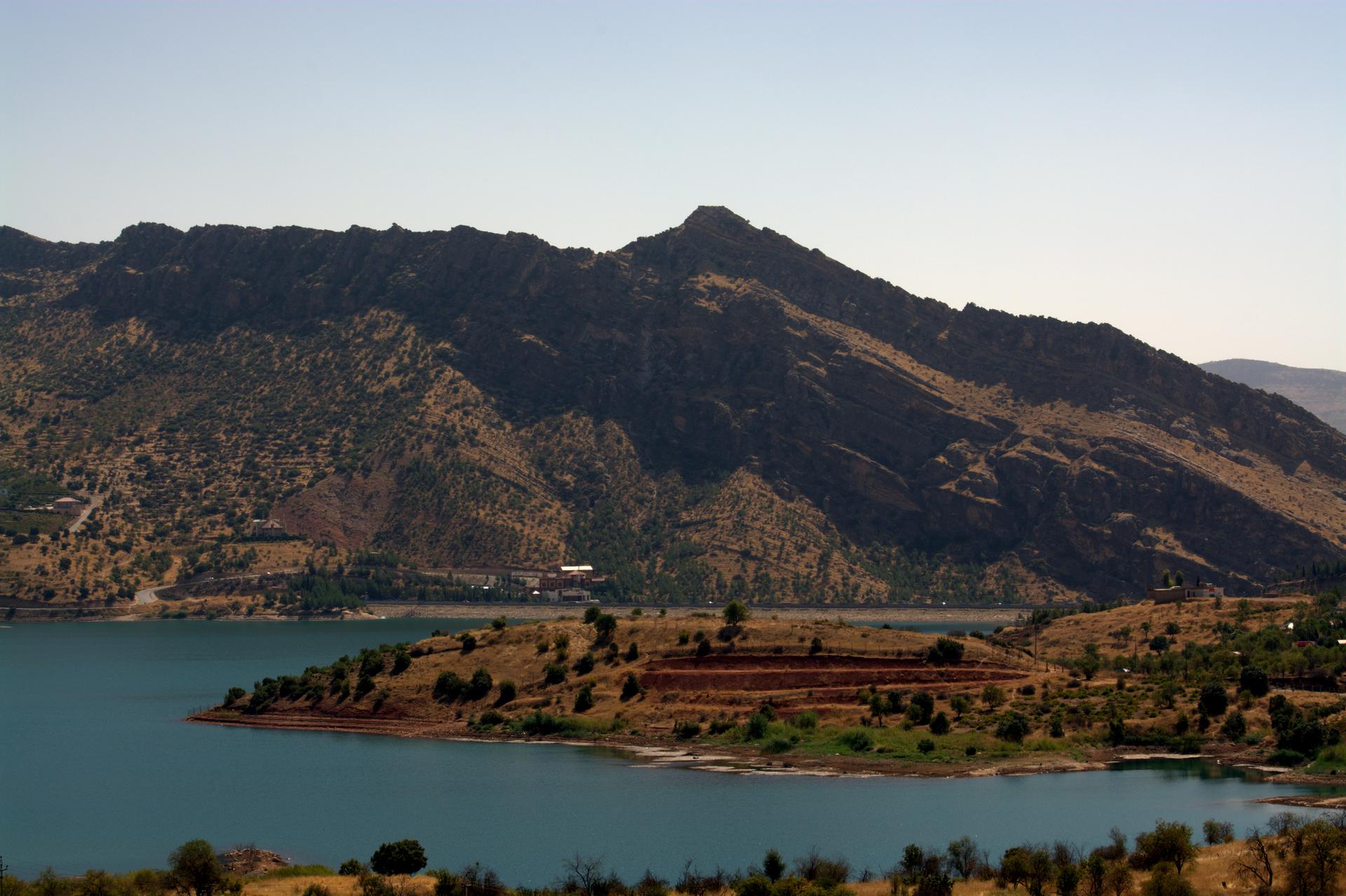
Looking beyond Halamata cave? Discover Dohuk for broader travel guides, local hot-spots, and regional highlights.
Explore Dohuk
Discover diverse wildlife in a family-friendly setting at Duhok Zoo, a must-visit attraction in the heart of the Kurdistan Region.
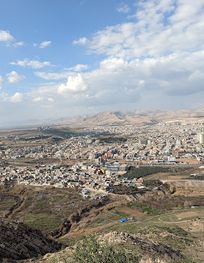
Explore ancient Assyrian art at Halamata Cave near Duhok, home to the remarkable Maltai reliefs dating back to King Sennacherib.