From Eve
Know before you go
Hi, I'm Eve. Here are a few practical things to know before exploring Halamata cave.
Local know-how to help you travel smarter and make the most of every moment.

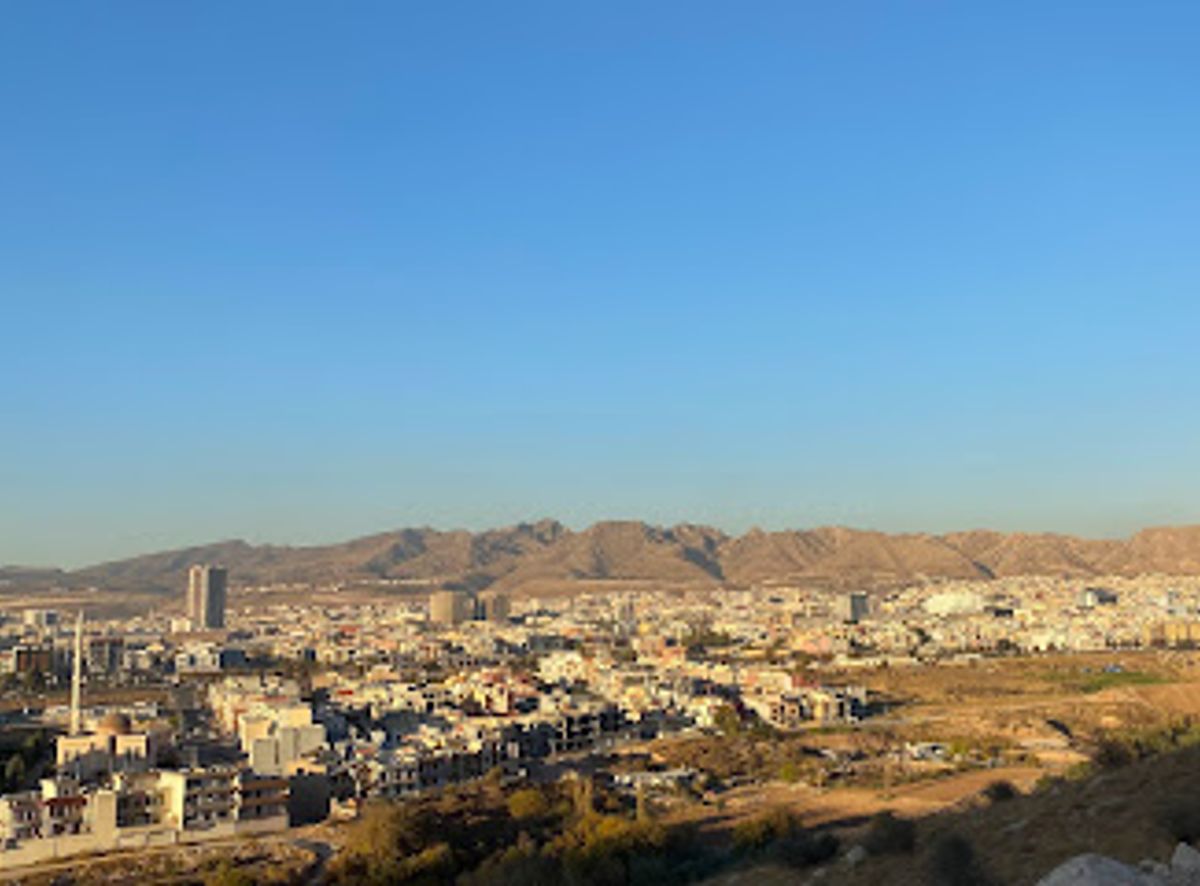
Explore 3000-year-old Assyrian carvings at Halamata Cave near Duhok, offering a glimpse into ancient Mesopotamian art and history.
Halamata Cave, near Duhok, Iraq, is an archaeological site featuring the Maltai reliefs, 3000-year-old Assyrian carvings. These well-preserved carvings offer a glimpse into the art, culture, and religious beliefs of the Neo-Assyrian period.
Opening times, essentials, and a few local tips gathered into one calmer, easier-to-scan planning section.
Hi, I'm Eve. Here are a few practical things to know before exploring Halamata cave.
Local know-how to help you travel smarter and make the most of every moment.
Taxi
From Duhok city center, hire a taxi to Halamata Cave. Negotiate the fare beforehand, with an approximate cost of 10,000 to 15,000 IQD. The taxi ride takes about 30 minutes. The driver will likely know the location, but having the coordinates (36.8372579, 42.940795) handy is recommended.
Public Transport
Take a bus or shared taxi from Duhok to Zakho, approximately 30 kilometers away. The bus ride costs around 1,000 IQD. From Zakho, find local transport (another bus or shared taxi) heading towards Halamata. Inform the driver of your destination; the fare may vary, usually costing around 2,000 to 3,000 IQD.
Walking
From the trailhead on Zawa Mountain, follow the path into a small ravine veering off to the left. Scramble down the rocky section. After this, you will encounter another cliff in front of you. Halamata Cave will now be right below you. On your right, you will register two paths, one running along the edge down the mountainside and the other one eastward. Choose the one descending and follow it for about two minutes. It will then branch off to the left. From there you should already be able to see the site.
Use Halamata cave as your starting point for nearby food, family ideas, nightlife, and more local discoveries.

Explore expert travel guides, compare and book tours, experiences, hotels, and more—all from the palm of your hand. Download now for seamless trip planning wherever your wanderlust takes you.
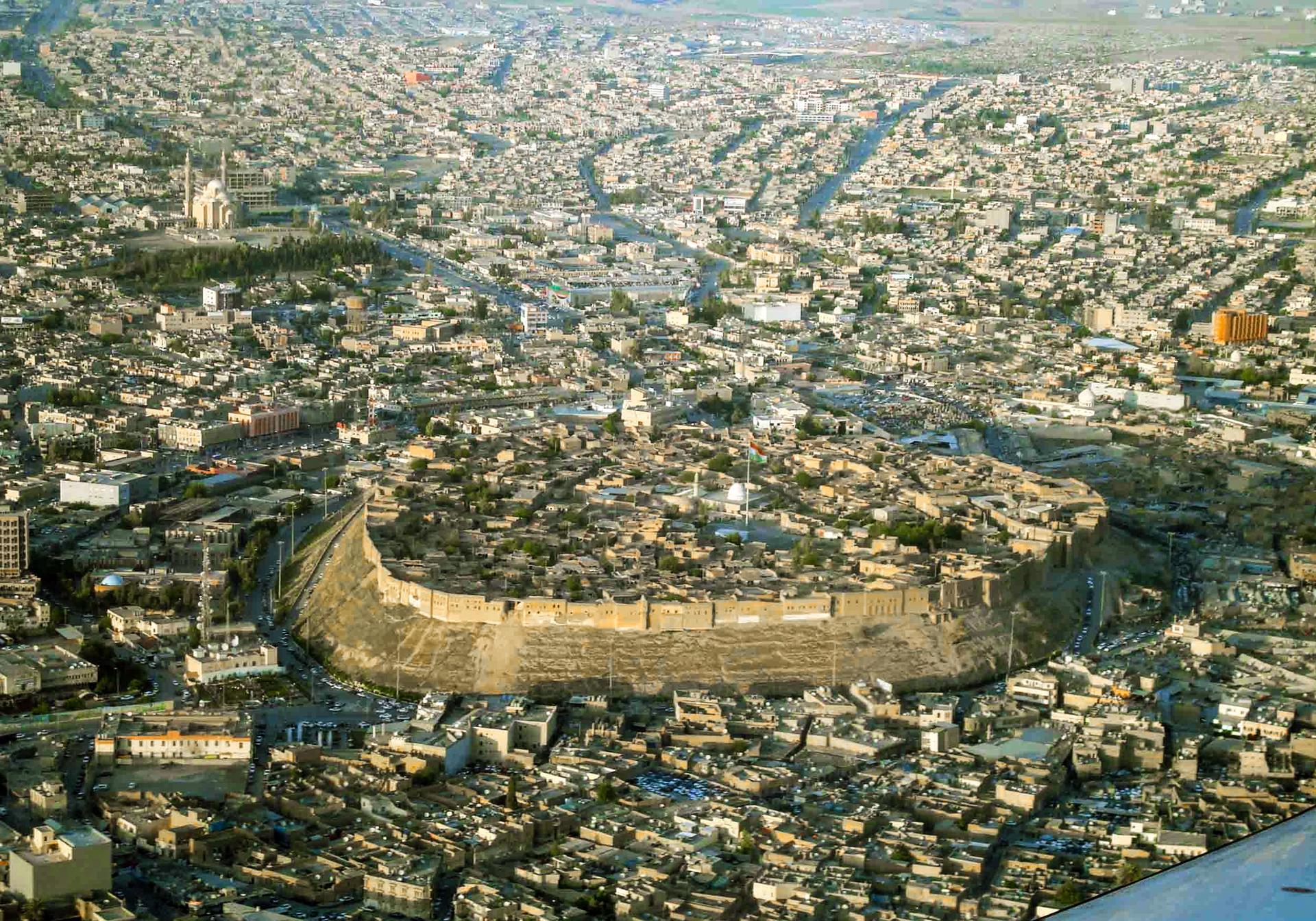
Discover Hawler: A blend of ancient history, vibrant culture, and modern attractions in the heart of Northern Iraq.
Tell me more about Hawler